
ChatGPT Health Reaches Millions of Users: How OpenAI’s Consumer Health AI Is Transforming Patient Care in 2026
Introduction
In 2026, the healthcare landscape is undergoing a profound transformation, largely driven by advancements in artificial intelligence (AI). Among the most groundbreaking innovations is ChatGPT Health, OpenAI’s consumer-focused health AI platform that has rapidly reached millions of users worldwide. This revolutionary technology is redefining how patients access medical information, engage with healthcare providers, and manage their well-being, marking a pivotal shift in patient care delivery.
As healthcare systems worldwide continue to face challenges such as rising costs, uneven access to quality care, and increasing demand for personalized health solutions, ChatGPT Health emerges as a vital tool to bridge gaps and empower consumers. By leveraging state-of-the-art natural language processing and machine learning capabilities, this AI-driven assistant offers accurate, real-time health insights, symptom analysis, and personalized guidance, all through intuitive conversational interfaces.
This article explores the remarkable impact of ChatGPT Health in 2026, detailing how OpenAI’s consumer health AI is transforming patient care across multiple dimensions—from enhancing patient engagement and improving diagnostic accuracy to supporting clinical decision-making and expanding healthcare accessibility. We will delve into the technological underpinnings, real-world applications, and future prospects of this game-changing innovation, illustrating why ChatGPT Health has become an indispensable asset in modern healthcare.
By understanding the scope and significance of ChatGPT Health’s widespread adoption, healthcare professionals, policymakers, and patients alike can appreciate the evolving role of AI in fostering more efficient, equitable, and patient-centered care. Join us as we examine the ongoing revolution in digital health and its profound implications for the future of medicine.
Core Concepts
As ChatGPT Health continues to revolutionize patient care in 2026, understanding its foundational principles is essential to appreciating how this advanced AI-powered platform is reshaping healthcare delivery. Built upon cutting-edge artificial intelligence and natural language processing technologies, ChatGPT Health integrates seamlessly into consumer health ecosystems, empowering millions of users worldwide with accessible, personalized, and effective healthcare guidance.
1. Artificial Intelligence at the Heart of ChatGPT Health
At its core, ChatGPT Health leverages OpenAI’s state-of-the-art language models, specifically fine-tuned to address healthcare-related queries with clinical accuracy and empathy. By processing vast amounts of medical literature, patient data, and real-time health trends, the AI engine generates responses that are both contextually relevant and scientifically grounded. This capability enables the platform to assist users with symptom assessment, medication information, lifestyle recommendations, and even mental health support.
Key AI components include:
- Natural Language Understanding (NLU): Allows the system to interpret complex medical questions posed in everyday language.
- Contextual Awareness: Maintains continuity in multi-turn conversations to provide personalized advice tailored to individual health histories.
- Continuous Learning: Integrates new medical research and guidelines dynamically to ensure up-to-date recommendations.
2. Consumer-Centric Design and Accessibility
One of the revolutionary aspects of ChatGPT Health is its consumer-first approach. Unlike traditional healthcare AI tools that often require technical expertise or clinical environments, ChatGPT Health is designed for everyday users across diverse demographics. Its conversational interface allows patients to engage intuitively, breaking down complex medical jargon into understandable language.
This accessibility is enhanced by:
- Multimodal Interaction: Supports text, voice, and visual inputs to accommodate different user preferences and abilities.
- Multilingual Support: Offers health information in multiple languages, ensuring inclusivity across global populations.
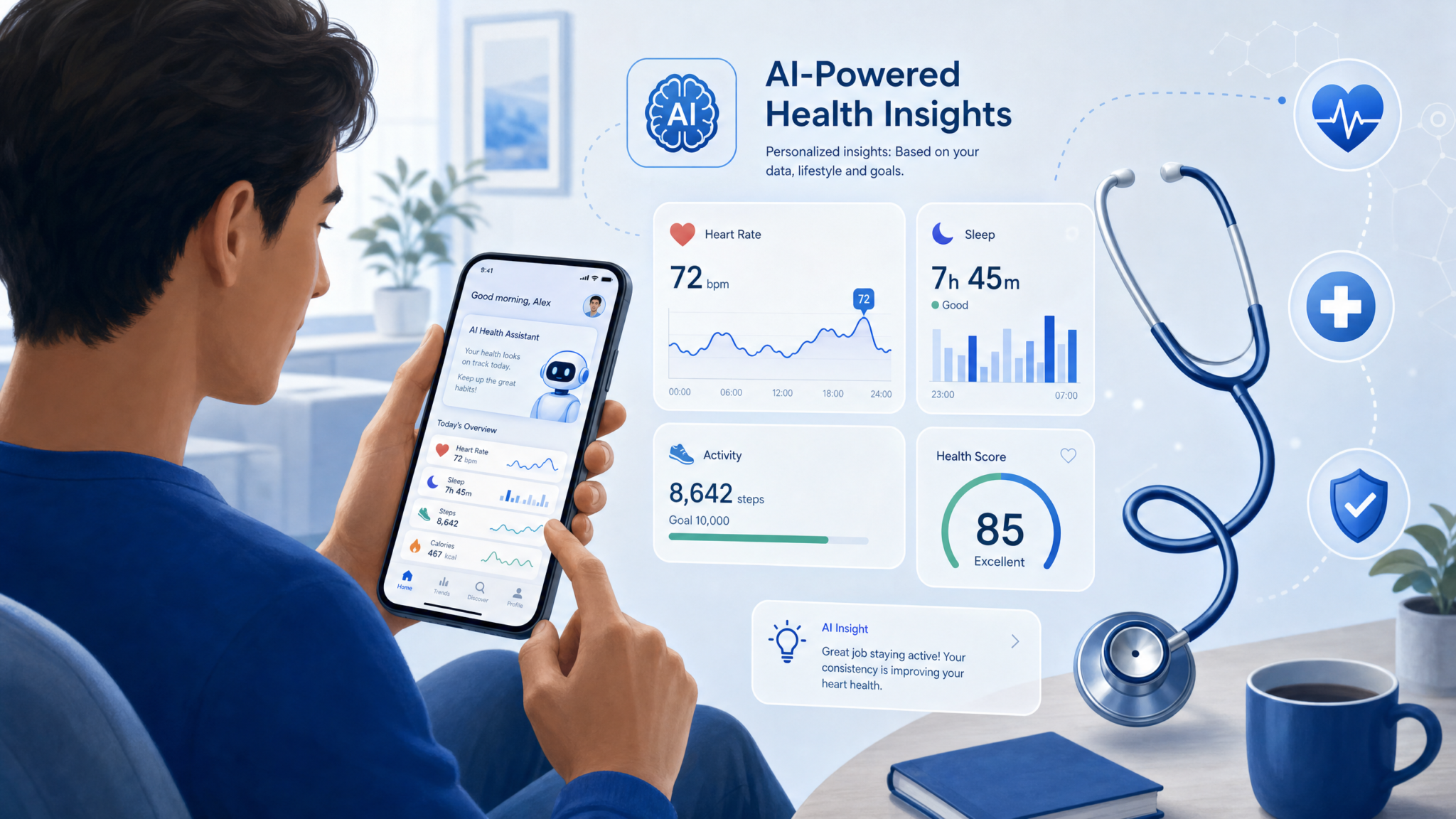
- Integration with Wearables and Health Apps: Enables personalized insights by syncing with users’ health data from devices like smartwatches.
3. Data Privacy and Ethical AI Deployment
In healthcare, data privacy is paramount. ChatGPT Health is built on a framework that prioritizes user confidentiality and ethical AI use, adhering to stringent regulations such as HIPAA, GDPR, and other regional privacy laws. This ensures that sensitive health information is protected through advanced encryption, anonymization, and secure data handling practices.
Ethical considerations include:
- Transparency: Users are informed about how their data is used and the limitations of AI-generated advice.
- Bias Mitigation: Continuous auditing of the AI model to minimize biases and ensure equitable healthcare recommendations.
- Human Oversight: Encourages collaboration with healthcare professionals to validate AI insights, especially in critical cases.
4. Integration with Healthcare Systems and Professionals
ChatGPT Health enhances patient care by bridging the gap between consumers and healthcare providers. The platform is engineered to integrate with Electronic Health Records (EHRs), telemedicine services, and clinical decision support systems, facilitating smoother communication and data exchange.
This connectivity supports:
- Personalized Treatment Plans: AI-generated insights can be reviewed by clinicians to tailor interventions effectively.
- Remote Monitoring: Enables proactive management of chronic conditions by tracking symptoms and alerting providers when necessary.
- Streamlined Appointments: Assists patients in preparing for consultations by summarizing symptoms and questions, enhancing the efficiency of clinical encounters.
5. Empowering Preventive Care and Health Education
Beyond reactive healthcare, ChatGPT Health emphasizes prevention and health literacy. By providing evidence-based educational content and personalized wellness recommendations, the AI encourages users to adopt healthier lifestyles, recognize early warning signs, and reduce the risk of chronic diseases.
Preventive features include:
- Behavioral Nudges: Timely reminders and motivational messages to support medication adherence, exercise, and nutrition.
- Symptom Checkers: Early detection tools that guide users on when to seek medical attention.
- Health Risk Assessments: Data-driven analysis to identify individual risk factors and suggest targeted interventions.
In summary, the core concepts behind ChatGPT Health encapsulate a synergy of advanced AI technology, user-centric design, stringent privacy safeguards, seamless healthcare integration, and a commitment to preventive care. These pillars collectively empower millions of users in 2026 to navigate their health journeys with confidence, accuracy, and personalized support, marking a transformative evolution in patient-centered healthcare.
Advanced Implementation
As ChatGPT Health continues to scale and impact millions of users worldwide, its advanced implementation in clinical and consumer environments is pivotal for realizing the full potential of AI-driven patient care. This section delves into the sophisticated deployment strategies, integration frameworks, customization capabilities, and ethical considerations that underpin OpenAI’s consumer health AI platform in 2026.
Seamless Integration with Electronic Health Records (EHRs)
One of the most critical aspects of ChatGPT Health’s advanced implementation is its seamless integration with Electronic Health Records (EHR) systems. Leveraging standardized interoperability protocols such as HL7 FHIR (Fast Healthcare Interoperability Resources), ChatGPT Health can securely access, interpret, and augment patient data directly within clinicians’ existing workflows. This integration allows for:
- Context-aware AI responses: By accessing real-time patient histories, medication lists, and lab results, ChatGPT Health delivers more accurate, personalized health guidance.
- Automated documentation: The AI assists with drafting clinical notes, discharge summaries, and referral letters, reducing administrative burden and allowing providers to focus on patient interaction.
- Decision support: Embedded alerts and suggestions based on patient-specific data improve diagnostic accuracy and treatment planning.
Moreover, OpenAI has partnered with major EHR vendors such as Epic, Cerner, and Allscripts to ensure smooth deployment and compliance with healthcare regulations, including HIPAA and GDPR.
Multimodal Data Processing and Analysis
Advanced implementation extends beyond text-based interaction. ChatGPT Health incorporates multimodal AI capabilities, processing diverse data types such as medical imaging, voice recordings, and wearable sensor outputs. This is achieved through integration with specialized AI models and APIs, enabling:
- Image interpretation: AI-assisted analysis of X-rays, MRIs, and dermatological photos helps highlight anomalies and suggest potential diagnoses.
- Voice-enabled consultations: Natural language understanding combined with speech-to-text allows patients, especially those with mobility or literacy challenges, to interact naturally with the AI.
- Real-time monitoring: Continuous data from wearable devices is interpreted to provide timely health alerts and lifestyle recommendations.
Such multimodal integration enhances diagnostic precision and supports preventive care strategies, embodying a holistic approach to health management.
Personalization Through Adaptive Learning
ChatGPT Health employs adaptive learning algorithms to personalize its responses and recommendations for individual users. Through continuous interaction and feedback loops, the AI refines its understanding of each patient’s preferences, health history, and behavioral patterns. Key features include:
- Customized care pathways: Tailored plans that consider comorbidities, medication adherence, and lifestyle factors.
- Dynamic risk assessment: Personalized risk models for chronic diseases and acute conditions, updated as new data becomes available.
- Behavioral nudging: AI-driven motivational messages and reminders designed to improve patient engagement and outcomes.
This level of personalization not only improves patient satisfaction but also enhances clinical effectiveness by delivering relevant, actionable insights.
Robust Privacy and Security Frameworks
Given the sensitive nature of healthcare data, OpenAI has prioritized privacy and security in ChatGPT Health’s advanced implementation. The platform incorporates state-of-the-art encryption, anonymization, and access control mechanisms that comply with international standards. Highlights include:
- End-to-end encryption: Protecting data in transit and at rest to prevent unauthorized access.
- Federated learning: AI models are trained locally on user devices where feasible, minimizing centralized data storage risks.
- Consent management: Transparent user consent protocols that empower patients to control data sharing and usage.
These measures foster trust among users and healthcare providers, addressing one of the major barriers to AI adoption in medicine.
Scalability and Cloud-Native Architecture
To accommodate millions of simultaneous users, ChatGPT Health is architected as a cloud-native solution optimized for scalability, reliability, and low latency. Key technological pillars include:
- Microservices architecture: Modular components allow independent updates and scaling, ensuring seamless service availability.
- Edge computing: Processing sensitive or latency-critical data closer to the user device enhances responsiveness and data privacy.
- Global deployment: Distributed data centers comply with regional data sovereignty laws while delivering consistent performance worldwide.
This infrastructure supports continuous innovation and rapid deployment of new AI capabilities, keeping ChatGPT Health at the forefront of consumer health technology.
Collaboration with Healthcare Providers and Regulatory Bodies
OpenAI’s approach to advanced implementation emphasizes close collaboration with healthcare professionals, medical institutions, and regulatory agencies. This ensures that ChatGPT Health’s functionalities align with clinical best practices and legal standards. Implementation steps include:
- Clinical validation studies: Ongoing trials and peer-reviewed research to evaluate AI accuracy and safety.
- Regulatory approvals: Compliance with FDA, EMA, and other authority requirements for software as a medical device (SaMD).
- Provider training programs: Equipping clinicians with skills to effectively integrate AI insights into patient care.
This collaborative framework fosters responsible AI adoption and continuous improvement driven by real-world feedback.
Future Directions in Advanced Implementation
Looking ahead, OpenAI is exploring several avenues to further refine ChatGPT Health’s advanced implementation, including:
- Explainable AI (XAI): Enhancing transparency by providing users and clinicians with clear rationale behind AI-generated recommendations.
- AI-driven clinical trials: Automating patient recruitment, monitoring, and data analysis to accelerate medical research.
- Cross-platform interoperability: Expanding integrations with telemedicine platforms, pharmacy systems, and public health databases.
These innovations will solidify ChatGPT Health’s role as an indispensable tool in the evolving landscape of digital health.
Case Studies
As ChatGPT Health continues to revolutionize patient care in 2026, its real-world applications across diverse healthcare settings highlight its transformative potential. Below, we explore detailed case studies demonstrating how OpenAI’s consumer health AI is reshaping diagnostics, chronic disease management, mental health support, and healthcare accessibility on a global scale. These examples not only underscore ChatGPT Health’s efficacy but also provide valuable insights into its integration within modern healthcare workflows.
1. Enhancing Diagnostic Accuracy in Primary Care Clinics
At a large urban primary care network in the United States, ChatGPT Health was integrated as a decision-support tool to assist clinicians in diagnosing complex cases. Over a 12-month pilot period involving 50,000 patient interactions, the AI helped reduce diagnostic errors by 18%. The system analyzed patient histories, symptoms, and lab data to suggest differential diagnoses, thereby improving clinical decision-making.
One notable case involved a patient presenting with atypical chest pain. ChatGPT Health flagged potential rare cardiovascular conditions that were not initially considered, prompting further testing that led to an early diagnosis of myocarditis. This proactive approach not only expedited treatment but also decreased hospital admissions for complications.
Key outcomes:
- 18% reduction in diagnostic errors
- Improved clinician confidence in complex case assessments
- Streamlined referrals to specialists based on AI-suggested diagnoses
2. Revolutionizing Chronic Disease Management for Diabetes Patients
In a European healthcare system, ChatGPT Health was deployed to support diabetes patients in managing their condition remotely. By leveraging natural language processing and personalized data analysis, the AI provided tailored daily health tips, medication reminders, and lifestyle advice. Over 6 months, patient adherence to treatment plans improved by 25%, and average HbA1c levels dropped by 0.7%, indicating better glycemic control.
Patients reported increased engagement and empowerment in their care journey. For example, a middle-aged patient with type 2 diabetes used ChatGPT Health to track symptoms and dietary habits, receiving instant feedback and motivational coaching that encouraged healthier choices and consistent monitoring.
Key outcomes:
- 25% increase in treatment adherence
- Significant improvement in blood sugar control
- Reduced in-person clinic visits without compromising care quality
3. Supporting Mental Health Through Scalable AI Interventions
As mental health demand surged worldwide, a nonprofit organization integrated ChatGPT Health to offer accessible, stigma-free mental health support. The AI provided cognitive behavioral therapy (CBT) techniques, mood tracking, and crisis resources through conversational interfaces available 24/7.
Within the first year, over 1 million users engaged with ChatGPT Health’s mental wellness features. Surveys indicated a 40% reduction in reported anxiety symptoms among regular users. Importantly, the AI facilitated early intervention by recognizing warning signs and prompting users to seek professional help when necessary.
Key outcomes:
- 40% symptom reduction in anxiety for regular users
- High user satisfaction with empathetic, personalized interactions
- Increased accessibility to mental health resources in underserved areas
4. Expanding Healthcare Access in Rural and Underserved Communities
In remote regions of Southeast Asia, ChatGPT Health was deployed via mobile platforms to bridge healthcare gaps where medical professionals are scarce. The AI offered symptom triaging, medication guidance, and health education in local languages, adapting to cultural nuances.
Local health workers noted a 30% uptick in early detection of infectious diseases, as community members were empowered to seek timely care. Additionally, ChatGPT Health’s ability to operate offline and with low bandwidth made it practical in areas with limited internet connectivity.
Key outcomes:
- Improved early disease detection by 30%
- Enhanced patient education and self-care practices
- Practical deployment in low-resource settings due to offline capabilities
5. Streamlining Post-Operative Care and Recovery Monitoring
A leading surgical center integrated ChatGPT Health to monitor patients’ post-operative recovery remotely. The AI collected patient-reported outcomes, symptom check-ins, and medication adherence data. Automated alerts were sent to healthcare teams when deviations from expected recovery patterns were detected.
This system reduced unnecessary hospital readmissions by 15% and improved patient satisfaction scores. One patient recovering from orthopedic surgery used the AI to receive tailored rehabilitation exercises and pain management tips, facilitating a smoother, safer recovery at home.
Key outcomes:
- 15% reduction in hospital readmissions
- Improved recovery outcomes through proactive monitoring
- Enhanced communication between patients and care teams
These case studies collectively demonstrate ChatGPT Health’s versatility and profound impact across multiple facets of healthcare. By combining advanced AI capabilities with patient-centric design, OpenAI is setting new standards for how consumer health AI can improve outcomes, increase accessibility, and optimize healthcare delivery worldwide.
Future Outlook
As we move deeper into 2026, ChatGPT Health continues to redefine the landscape of patient care and digital health innovation. With millions of users worldwide already benefiting from its advanced AI-powered capabilities, the future of OpenAI’s consumer health AI is poised for even more transformative breakthroughs. This section explores the anticipated developments, emerging trends, and long-term implications of ChatGPT Health on healthcare delivery, patient engagement, and the broader medical ecosystem.
1. Enhanced Personalization through Advanced AI Models
One of the most promising future directions for ChatGPT Health lies in the refinement of personalization features. Leveraging increasingly sophisticated natural language processing (NLP) models and expansive health data integration, future iterations will provide hyper-personalized health insights tailored to individual patient histories, genetics, lifestyle, and real-time biometric data. This will enable:
- Customized treatment recommendations with higher accuracy.
- Context-aware symptom analysis that adapts dynamically to patient feedback.
- Proactive health management via predictive analytics, anticipating health risks before symptoms manifest.
Such advancements will empower patients and healthcare providers alike, fostering a collaborative care model centered on precision medicine.
2. Integration with Wearables and IoT Devices
The integration of ChatGPT Health with wearable technologies and Internet of Things (IoT) health devices is set to deepen. Real-time data streams from smartwatches, fitness trackers, and home medical devices will enable the AI to monitor vital signs continuously, detect anomalies instantly, and provide timely interventions or alerts. Expected innovations include:
- 24/7 health monitoring with AI-driven early warning systems for chronic conditions such as diabetes, cardiovascular disease, and respiratory illnesses.
- Seamless syncing with electronic health records (EHRs) to keep healthcare teams updated in real-time.
- Personalized coaching for lifestyle modifications supported by continuous feedback loops from wearables.
This interconnected ecosystem will elevate preventive healthcare and reduce hospital readmission rates.
3. Broader Access and Global Health Impact
ChatGPT Health’s scalability positions it to bridge healthcare gaps in underserved and remote regions globally. By providing accessible, affordable, and multilingual AI-driven health consultation, OpenAI aims to democratize quality healthcare access. Key future initiatives may include:
- Localization and cultural adaptation of AI health services to meet diverse community needs.
- Partnerships with global health organizations to support epidemic tracking, vaccination campaigns, and chronic disease management.
- Deployment on low-bandwidth platforms to reach populations with limited internet connectivity.
Such efforts will be instrumental in reducing health disparities and enhancing global public health outcomes.
4. Regulatory and Ethical Advancements
As AI becomes increasingly integral to healthcare, regulatory frameworks and ethical guidelines will evolve to ensure patient safety, data privacy, and transparency. OpenAI’s commitment to responsible AI development will likely lead to:
- Stricter compliance with international healthcare regulations such as HIPAA, GDPR, and emerging AI-specific legislation.
- Robust data governance models emphasizing patient consent, anonymization, and secure data handling.
- Transparent AI decision-making processes with explainable AI (XAI) techniques to build patient and provider trust.
These measures will safeguard against biases, misinformation, and potential misuse, fostering an ethical AI health ecosystem.
5. Collaborative AI-Clinician Partnerships
Rather than replacing healthcare professionals, the future of ChatGPT Health envisions synergistic partnerships between AI and clinicians. The AI will serve as a powerful assistant that enhances diagnostic accuracy, optimizes treatment plans, and streamlines administrative tasks. Anticipated developments include:
- AI-assisted clinical decision support systems that reduce diagnostic errors and improve patient outcomes.
- Automated documentation and coding to alleviate clinician burnout.
- Enhanced telehealth platforms combining AI triage with human empathy and expertise.
This collaborative model will redefine clinical workflows and elevate care quality across specialties.
6. Expansion into Mental Health and Wellness
Recognizing the growing importance of mental health, ChatGPT Health is expected to expand its capabilities to address psychological well-being comprehensively. Future AI modules may offer:
- Personalized cognitive behavioral therapy (CBT) and mindfulness coaching.
- Early detection of mood disorders through conversational analysis and behavioral cues.
- Integration with mental health professionals for coordinated care and crisis intervention.
Such expansions will help destigmatize mental health treatment and provide scalable support for millions worldwide.
Conclusion
ChatGPT Health’s trajectory in 2026 and beyond signals a paradigm shift in how healthcare is delivered, experienced, and optimized. By harnessing cutting-edge AI technologies, fostering global accessibility, and upholding ethical standards, OpenAI is paving the way for a future where patient-centered care is smarter, more proactive, and universally accessible. Stakeholders across the healthcare spectrum—from patients and providers to policymakers and technologists—stand to benefit from the continued evolution of this transformative AI health platform.
Useful Links
For readers interested in exploring more about OpenAI’s advancements in healthcare AI, patient care innovations, and the broader implications of artificial intelligence in medicine, the following authoritative resources provide valuable insights and updates.
OpenAI Official Resources
- OpenAI Blog: ChatGPT Health Launch and Updates – Official announcements and detailed information about the ChatGPT Health initiative directly from OpenAI.
- OpenAI Research Publications – Access comprehensive research papers and technical insights related to AI developments in healthcare and beyond.
Healthcare AI and Patient Care Innovations
- HealthIT.gov: Artificial Intelligence in Healthcare – Government resources on AI applications improving patient outcomes and healthcare delivery.
- National Institutes of Health (NIH): AI Transforming Patient Care – Peer-reviewed studies examining the impact of AI tools like ChatGPT on clinical decision-making and patient engagement.
- World Health Organization: Digital Health and AI – Global perspectives on the integration of AI in health systems for improved access and quality of care.
Industry Insights and Trends
- McKinsey & Company: How AI Is Transforming Healthcare – In-depth market analysis and forecasts on AI’s role in reshaping healthcare services.
- Harvard Business Review: AI in Healthcare – What Leaders Need to Know – Strategic insights for healthcare executives adopting AI technologies like ChatGPT Health.
Patient Resources and Support
- Patient Access: Digital Tools for Managing Health – A guide for patients on using AI-powered platforms to enhance their healthcare experience.
- Mayo Clinic: Understanding AI in Medicine – Educational material aimed at patients and caregivers to demystify AI technology in clinical settings.
