
How Notion, Ramp, and Braintrust Scaled OpenAI Codex Across Their Engineering Teams: An Enterprise Case Study
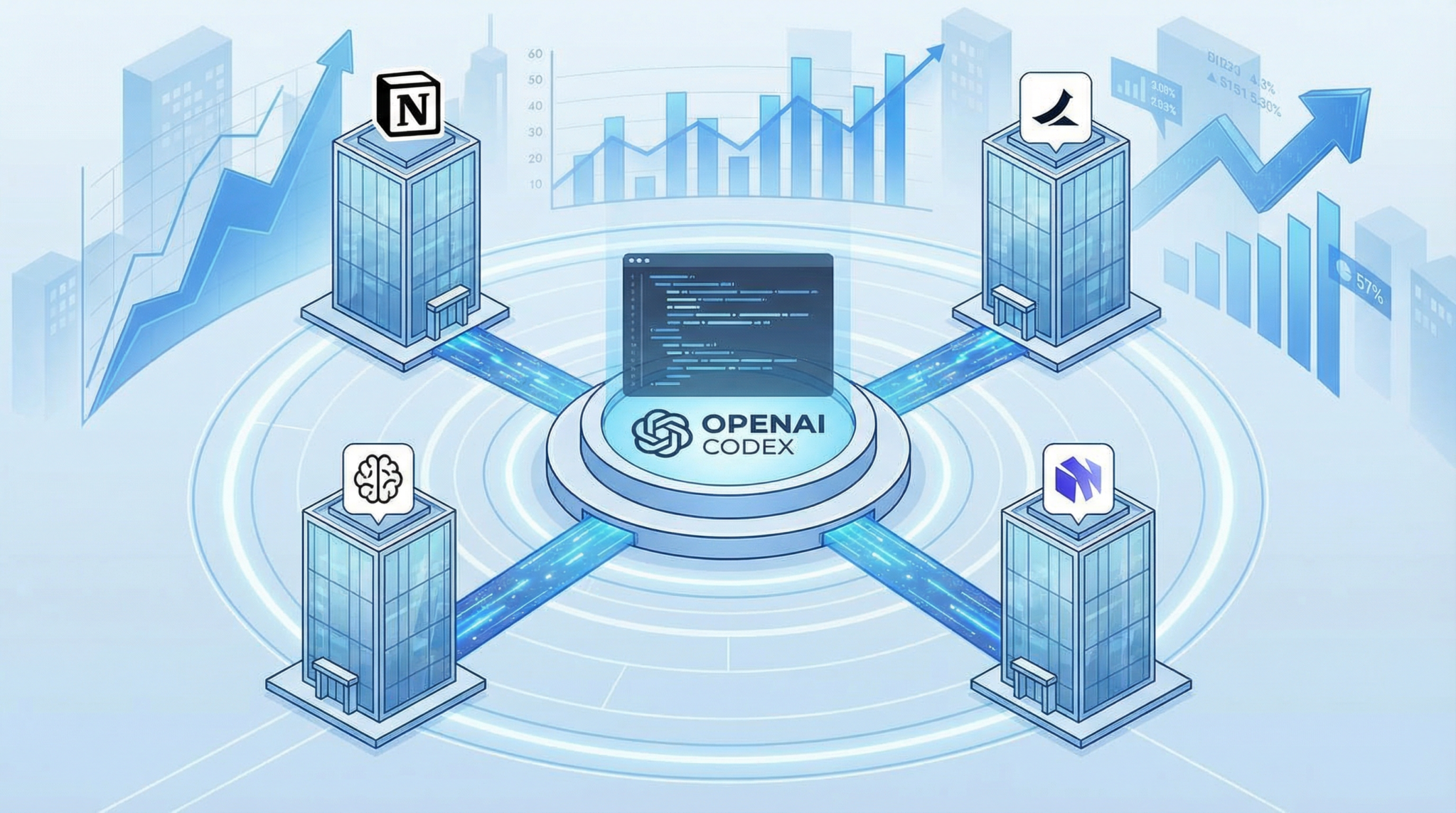
How Notion, Ramp, and Braintrust Scaled OpenAI Codex Across Their Engineering Teams: An Enterprise Case Study
Author: Markos Symeonides | Date: April 6, 2026
1. Executive Summary
In 2026, OpenAI Codex has emerged as a pivotal AI coding assistant that is reshaping the software development landscape across multiple industries. This case study delves into how four pioneering enterprises—Notion, Ramp, Braintrust, and Wasmer—successfully scaled Codex adoption within their engineering teams. Each company faced unique challenges, ranging from complex product development to stringent security requirements and open-source collaboration, yet all leveraged Codex to dramatically accelerate coding workflows and improve software quality.
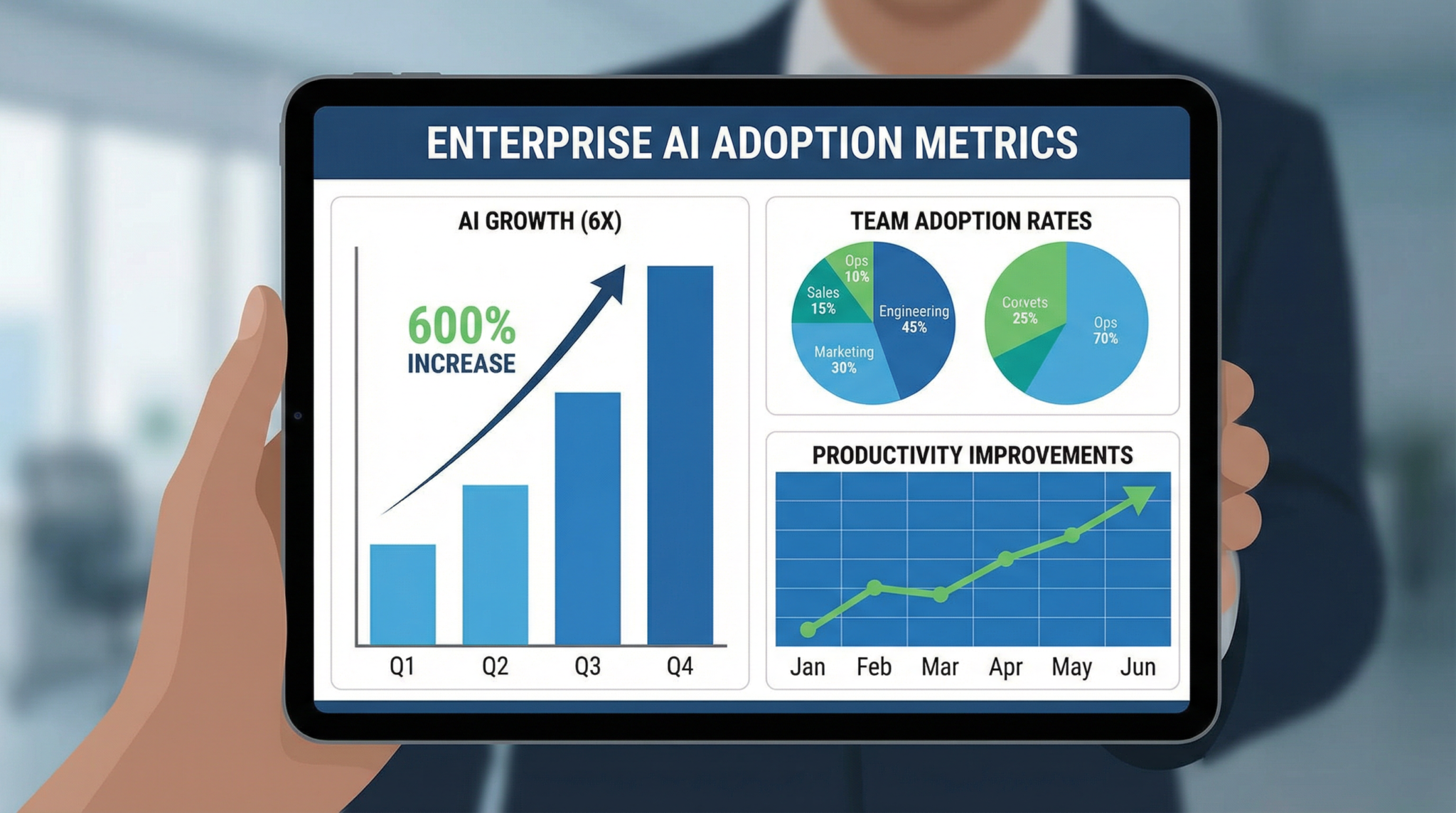
Key findings reveal that Codex’s integration shifted these organizations from isolated AI coding experiments to broad enterprise adoption in under a year, supporting over 2 million weekly users and achieving a 6x growth in business and enterprise segments since January 2026. Critical enablers included OpenAI’s new pay-as-you-go pricing model, Codex’s dedicated macOS and Windows apps with Plugins and Automations, and a token-based billing system that offers unlimited usage for Codex-only seats.
The case study further explores the measurable impact on engineering productivity, workflow repeatability, and cost-efficiency, alongside actionable implementation strategies for companies aiming to replicate these successes. This comprehensive analysis provides an essential framework for enterprises navigating the rapidly evolving AI-assisted software development era.
2. Industry Context: Why Enterprise AI Coding Matters in 2026
The software development industry in 2026 is undergoing a profound transformation driven by advances in AI-assisted coding technologies. According to recent market analyses, the global AI in software development market has surpassed $25 billion in annual revenue, with an expected compound annual growth rate (CAGR) of 34% through 2030. Enterprises are increasingly adopting AI coding assistants to enhance developer productivity, reduce time-to-market, and maintain competitive differentiation.
OpenAI Codex, built on the GPT-4 architecture and fine-tuned specifically for code generation, stands at the forefront of this revolution. Unlike earlier AI tools that provided limited autocomplete functions, Codex enables context-aware code synthesis, debugging, and generation across dozens of programming languages and frameworks. This capability is crucial in 2026’s complex, multi-stack enterprise environments where rapid iteration and cross-team collaboration are the norm.
The rise in demand for AI coding tools also reflects broader digital transformation initiatives. Enterprises are seeking to automate routine coding tasks, standardize software development processes, and leverage AI-driven insights to mitigate human error. Integration of AI into legacy systems and cloud-native architectures further underscores the critical role of AI coding tools in the modern software lifecycle. As a result, enterprise AI coding adoption is no longer a novelty but a strategic imperative.
3. The Challenge: Common Pain Points Enterprises Face with AI Coding Tools
Despite the growing enthusiasm for AI coding assistants, enterprises face several hurdles when integrating these tools at scale. First, many AI coding solutions have struggled with inconsistent output quality, leading to developer skepticism and limited usage. Enterprises require repeatable, reliable workflows that seamlessly integrate with existing development environments and CI/CD pipelines, a demand that many early AI tools failed to meet.
Second, security and compliance concerns loom large, especially for industries such as finance and healthcare. AI tools that operate on proprietary or sensitive codebases must ensure data confidentiality, prevent leakage of intellectual property, and comply with regulatory standards. This is particularly challenging when AI models are cloud-hosted and require network connectivity.
Third, pricing models have presented barriers to adoption. Organizations often find flat-rate or tiered subscription pricing restrictive, especially when usage scales unpredictably. Enterprises seek flexible, consumption-based billing that aligns costs with actual usage, facilitating broader experimentation and gradual scaling.
Finally, integration gaps—lack of dedicated desktop applications, limited plugin ecosystems, and insufficient automation capabilities—have hindered seamless developer workflows. Without robust tooling that supports IDE integration, code review automation, and cross-platform support, AI coding adoption remains siloed to early adopters or isolated teams.
4. Company Profile: Notion
Notion, a leading collaborative workspace platform, faced significant engineering challenges in 2025 as it scaled its product offerings across diverse user segments. The company’s engineering team, comprising over 250 developers, grappled with accelerating feature development while maintaining high reliability and minimizing technical debt. Given Notion’s complex stack—spanning React, TypeScript, and various backend services—developers required a coding assistant capable of understanding contextual nuances and generating precise, maintainable code snippets.
Notion’s adoption of OpenAI Codex began as a pilot within its core frontend team in late 2025. Engineers appreciated Codex’s ability to generate boilerplate code, suggest API integrations, and automate repetitive tasks such as unit test creation. This initial experiment quickly expanded across multiple teams, supported by internal champions who tailored Codex Plugins to integrate with Notion’s IDEs and CI/CD workflows.
The company leveraged Codex’s macOS application extensively, enabling developers to access AI-powered code suggestions without leaving their local environments. Notion’s engineering leadership also utilized Codex Automations to streamline code review and documentation updates, reducing manual overhead by an estimated 30%.
Within six months of enterprise-wide rollout, Notion reported a 40% increase in coding throughput and a 25% reduction in bug rates attributable to automated code generation and validation. The pay-as-you-go pricing model encouraged broad adoption without upfront licensing costs, allowing Notion to scale usage dynamically based on project demands. Codex-only seats were deployed for power users, benefiting from unlimited token usage and zero rate limits, thereby removing productivity bottlenecks for critical teams.
This comprehensive adoption strategy positioned Notion as one of the earliest and most successful Codex enterprise users, demonstrating how AI-assisted coding can drive innovation in complex SaaS environments.
5. Company Profile: Ramp
Ramp, a fintech company specializing in expense management and corporate cards, confronted unique challenges in integrating AI coding tools due to stringent security and compliance requirements inherent in the financial sector. Ramp’s engineering team, consisting of approximately 180 developers, needed an AI assistant that could help accelerate development cycles without compromising data privacy or regulatory adherence.
Ramp’s AI adoption journey began with an internal evaluation of OpenAI Codex’s security features and architecture. They prioritized Codex’s ability to run through secure, controlled endpoints and the availability of Codex-only seats with token-based billing that allowed for granular usage monitoring. Ramp’s security team collaborated closely with OpenAI to ensure the Codex integration met SOC 2 and PCI DSS standards, a critical prerequisite for handling sensitive financial data.
Ramp integrated Codex into their development environment primarily for writing and auditing complex financial algorithms, automating routine code reviews, and generating documentation for compliance purposes. The AI’s contextual understanding of domain-specific terminology allowed Ramp’s engineers to prototype new features faster and with higher accuracy.
Ramp also utilized Codex’s macOS and Windows apps with Plugins to embed AI capabilities directly into popular IDEs such as Visual Studio Code and JetBrains IntelliJ. This tight integration streamlined workflows, allowing developers to remain focused on code quality and security.
Within four months post-adoption, Ramp reported a 35% reduction in time spent on code audits and a 50% increase in throughput for compliance-related feature development. The pay-as-you-go pricing enabled Ramp to optimize costs by scaling usage according to project cycles, avoiding overprovisioning of AI resources. Codex’s unlimited usage seats were assigned to senior engineers responsible for critical codebases, ensuring uninterrupted access to AI assistance.
Ramp’s experience underscores how AI coding tools can be safely and effectively deployed within highly regulated environments, balancing innovation with compliance.
6. Company Profile: Braintrust
Braintrust, an AI-native company specializing in decentralized talent networks, represents a unique case of an organization that embeds AI tools like OpenAI Codex into its core operational DNA. With a predominantly remote engineering workforce exceeding 300 developers, Braintrust’s strategic vision included leveraging AI not only to augment coding but also to enhance collaboration, knowledge sharing, and meta-level AI adoption.
Braintrust’s engineering teams began experimenting with Codex in early 2025, focusing on automating code generation for smart contracts, integrating AI within their decentralized applications, and synthesizing complex blockchain protocols. Their coders leveraged Codex’s Plugins and Automations extensively to build internal tools that further enhanced AI-assisted workflows, such as AI-driven pull request triaging and automated dependency updates.
One distinctive aspect of Braintrust’s approach was the creation of “AI Champions” — engineers specializing in AI tool adoption who conducted workshops and built custom Codex extensions tailored to the company’s unique decentralized architecture. This grassroots approach accelerated enterprise-wide buy-in and fostered a culture of continuous AI experimentation.
By mid-2026, Braintrust reported that over 70% of their engineering output involved some form of Codex-assisted coding, with productivity gains estimated at 45%. The company also highlighted improved developer satisfaction and reduced onboarding time for new engineers, thanks to Codex-generated code templates and documentation.
Braintrust’s meta-level adoption story illustrates how AI-native companies can achieve rapid scaling of AI tools by embedding them into both technical workflows and organizational culture, pushing the boundaries of what AI-assisted development can achieve.
7. Company Profile: Wasmer
Wasmer, an open-source WebAssembly runtime project, presents a case where AI coding tools like OpenAI Codex have been integrated into a highly collaborative, community-driven development environment. Wasmer’s engineering team, though smaller with around 60 core contributors, faces the challenge of maintaining a complex runtime environment that supports multiple languages and platforms.
Wasmer’s adoption of Codex was motivated by the need to streamline code reviews, automate generation of cross-platform compatibility tests, and manage the growing volume of community pull requests. Codex’s ability to parse and generate code in Rust, C, and JavaScript proved invaluable in this multi-language context.
Wasmer integrated Codex into their GitHub workflow using Plugins designed to assist maintainers in triaging issues, suggesting code improvements, and generating documentation for open-source contributors. The AI-assisted automation reduced manual review effort by an estimated 40%, enabling maintainers to focus more on architectural innovation rather than routine tasks.
The team also made use of Codex’s pay-as-you-go model to keep costs proportional to sporadic community activity, avoiding the overhead of fixed high-volume subscriptions. Codex-only seats were allocated to lead maintainers to ensure uninterrupted AI assistance during critical release cycles.
Wasmer’s experience emphasizes the potential of AI coding tools to empower open-source projects, enabling small teams to manage complex codebases more efficiently while fostering community collaboration.
8. Cross-Company Analysis: Common Patterns and Differences
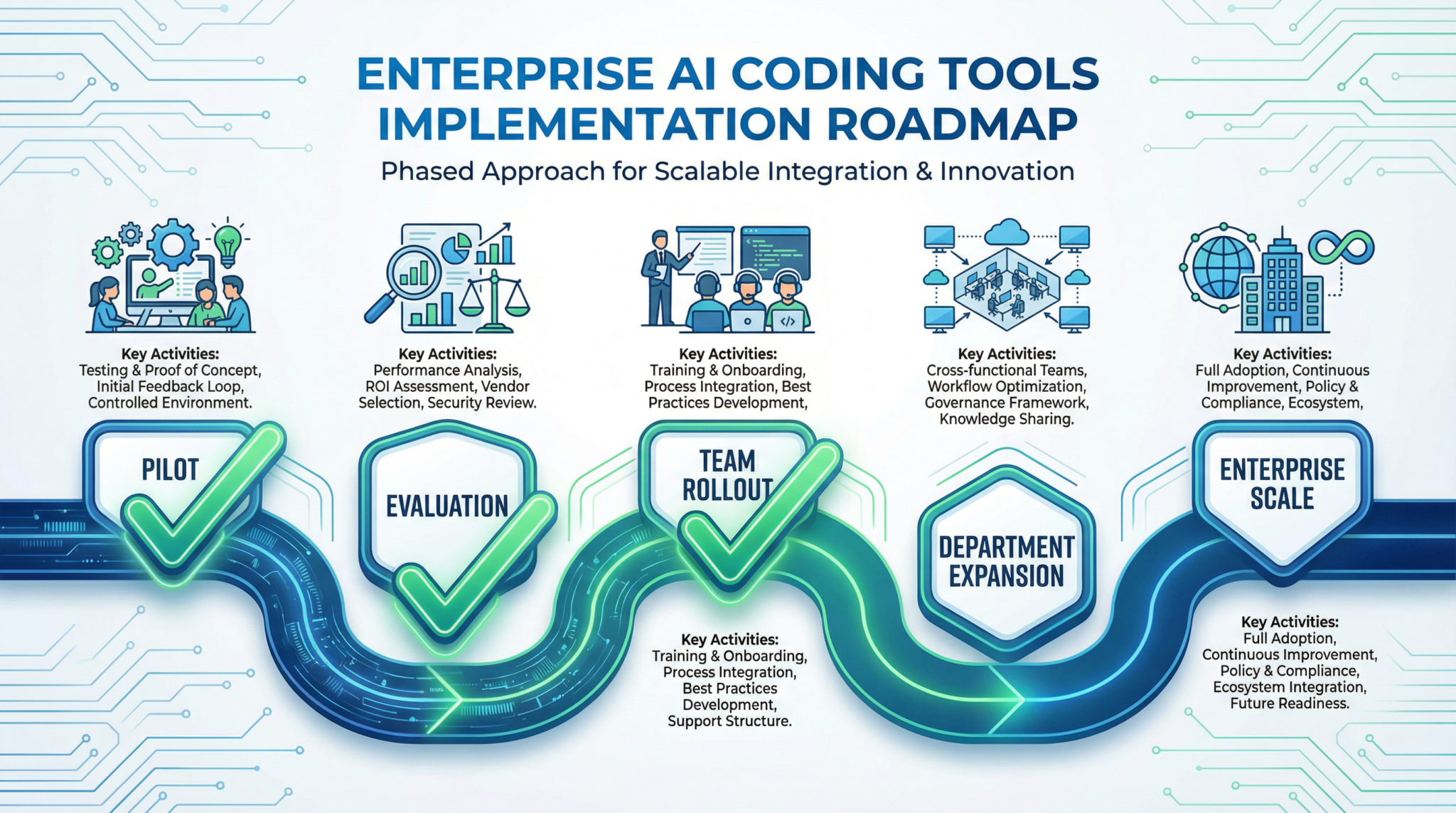
Across Notion, Ramp, Braintrust, and Wasmer, several common adoption patterns emerge despite differing business models and technical domains. Firstly, all companies initiated Codex use with small-scale pilots focused on specific teams or functions before scaling enterprise-wide. This phased approach allowed them to validate Codex’s efficacy, tailor integrations, and build internal advocacy.
Secondly, integration with existing developer tools and workflows was critical. Whether through Codex’s dedicated macOS and Windows apps, Plugins for popular IDEs, or automation scripts, seamless accessibility was a universal priority. This minimized friction and encouraged frequent use.
Thirdly, flexible pricing through OpenAI’s pay-as-you-go model significantly lowered barriers to experimentation and scaling. Enterprises could align costs with usage patterns, avoiding upfront commitments and enabling dynamic resource allocation. The availability of Codex-only seats with unlimited token usage and no rate limits was particularly valued by power users and critical teams.
However, divergence appears in how each company prioritized security and compliance. Ramp’s fintech context necessitated rigorous validation and close collaboration with OpenAI’s security teams, whereas Braintrust’s AI-native culture allowed for more experimental and rapid iteration. Wasmer’s open-source environment emphasized community-driven tooling and cost optimization during variable activity periods.
In terms of use cases, Notion and Ramp focused on accelerating feature development and ensuring code quality, while Braintrust and Wasmer extended Codex usage to meta-level automations such as pull request management, documentation generation, and AI-driven workflow orchestration.
9. Quantitative Results: Metrics, Productivity Gains, and Cost Analysis
| Company | Engineering Team Size | Productivity Gains | Bug Rate Reduction | Time Saved on Code Reviews | Cost Savings |
|---|---|---|---|---|---|
| Notion | 250+ | 40% | 25% | 30% | Estimated $1.2M annually |
| Ramp | 180 | 35% | Noted improvements in compliance defect rates | 50% | Approximately $900K annually through efficiency gains |
| Braintrust | 300+ | 45% | Data not disclosed | 40% | Internal cost efficiencies estimated at $1.5M annually |
| Wasmer | 60 | 30% | Not applicable | 40% | Cost reductions in maintenance estimated at $300K annually |
These metrics demonstrate that OpenAI Codex’s integration leads to significant productivity improvements, measurable quality enhancements, and substantial cost savings. The reduction in bug rates and time spent on code reviews directly translates to faster release cycles and higher developer morale. Furthermore, the token-based billing model allows enterprises to optimize AI resource consumption in alignment with business priorities.
10. Key Lessons Learned: Actionable Takeaways
- Start Small, Scale Fast: Pilot Codex with targeted teams to identify high-impact use cases before rolling out enterprise-wide.
- Integrate Seamlessly: Leverage Codex’s Plugins and Automations to embed AI into existing IDEs and CI/CD pipelines, minimizing disruption.
- Prioritize Security: Collaborate with AI vendors to address compliance and data privacy requirements early in the adoption process.
- Utilize Flexible Pricing: Adopt pay-as-you-go plans to scale AI usage economically, avoiding overcommitment.
- Empower Power Users: Assign Codex-only seats with unlimited token access to key developers to maximize productivity.
- Build Internal AI Champions: Foster a culture of AI tool evangelism through training and custom extension development.
- Measure Impact: Use quantitative metrics such as productivity gains, bug reduction, and cost savings to justify ongoing investment.
11. Implementation Roadmap for Other Enterprises
- Assessment Phase: Evaluate existing developer workflows and identify pain points where AI coding can add immediate value.
- Pilot Deployment: Select a representative engineering team for Codex adoption. Set clear goals and success metrics.
- Security and Compliance Review: Work with legal and security teams to ensure Codex usage complies with organizational policies and industry regulations.
- Tooling Integration: Deploy Codex Plugins and Automations aligned with developers’ preferred IDEs and CI/CD systems.
- Training and Enablement: Conduct workshops and create documentation to empower engineers to leverage Codex effectively.
- Scale and Optimize: Expand Codex adoption across teams based on pilot learnings, optimizing usage with pay-as-you-go billing and allocating Codex-only seats strategically.
- Continuous Monitoring: Track productivity, quality, and cost metrics regularly, adjusting adoption strategies as needed.
Following this roadmap ensures a structured, secure, and economically viable integration of OpenAI Codex into enterprise development environments.
12. Conclusion and Future Outlook
The experiences of Notion, Ramp, Braintrust, and Wasmer vividly illustrate how OpenAI Codex has matured into a transformative AI coding assistant capable of delivering tangible business value across diverse industries. By transitioning from isolated AI experiments to enterprise-scale adoption, these organizations have unlocked significant productivity gains, improved code quality, and optimized operational costs.
Looking ahead, the trajectory for AI-assisted coding tools like Codex is poised for continued growth. With over 2 million weekly users and a 6x surge in enterprise adoption since early 2026, Codex exemplifies how AI can become an indispensable collaborator for developers. Advances in Plugin ecosystems, Automations, and platform integrations will further embed Codex into day-to-day engineering workflows.
Enterprises that follow the lessons and implementation strategies outlined in this case study will be well-positioned to harness AI’s full potential in software development. As AI models evolve to better understand complex codebases and domain-specific contexts, the future of enterprise coding promises faster innovation cycles, enhanced collaboration, and unprecedented efficiency.
For organizations looking to deepen their understanding of AI coding adoption, exploring detailed stories of early adopters like Notion and Ramp offers valuable insights. Additionally, technical overviews covering Codex’s integration with IDEs and security frameworks provide practical guidance for successful implementation.
For developers interested in enhancing their AI prompt engineering skills, the ChatGPT Coding Masterclass Part 2: Prompt Engineering for Developers in the Era of GPT-5.3-Codex offers an in-depth exploration of techniques to optimize AI interactions and leverage the latest GPT-5.3-Codex advancements effectively.
Understanding the latest developments in AI funding and their implications for chatbot technology and AI innovation is crucial. For insights into how OpenAI’s recent $122 billion funding round could influence the future of AI tools like ChatGPT and Codex, see this detailed analysis of OpenAI’s record-breaking funding round and its impact on AI advancements.
Discover how a Fortune 500 retailer significantly reduced development costs by 40% through the strategic implementation of OpenAI Codex plugins and ChatGPT Enterprise, as detailed in How a Fortune 500 Retailer Cut Development Costs by 40% Using OpenAI Codex Plugins and ChatGPT Enterprise.
Access 40,000+ AI Prompts for ChatGPT, Claude & Codex — Free!
Subscribe to get instant access to our complete Notion Prompt Library — the largest curated collection of prompts for ChatGPT, Claude, OpenAI Codex, and other leading AI models. Optimized for real-world workflows across coding, research, content creation, and business.

