
OpenAI Unveils Enterprise AI Superapp Strategy: Frontier, Codex, and the Future of Workplace AI

In a landmark announcement that signals a profound shift in how artificial intelligence (AI) will be integrated into enterprise workflows, OpenAI has unveiled its latest strategy: a unified AI superapp that leverages the power of its cutting-edge technologies, including the Frontier intelligence layer, ChatGPT, OpenAI Codex, and the emerging Atlas platform. This ambitious blueprint is designed to transform workplaces by embedding company-wide AI agents that redefine productivity, collaboration, and automation.
With over 900 million weekly users engaging with OpenAI’s technologies across various sectors, bolstered by a monumental $122 billion funding round, and experiencing a robust 40% enterprise revenue growth in recent quarters, OpenAI is positioning itself as the undisputed leader in enterprise AI innovation. This article delves deeply into each component of this strategy, the industry’s reactions, potential challenges, and what the future holds for organizations adopting these AI superapps.
The Vision Behind OpenAI’s Enterprise AI Superapp
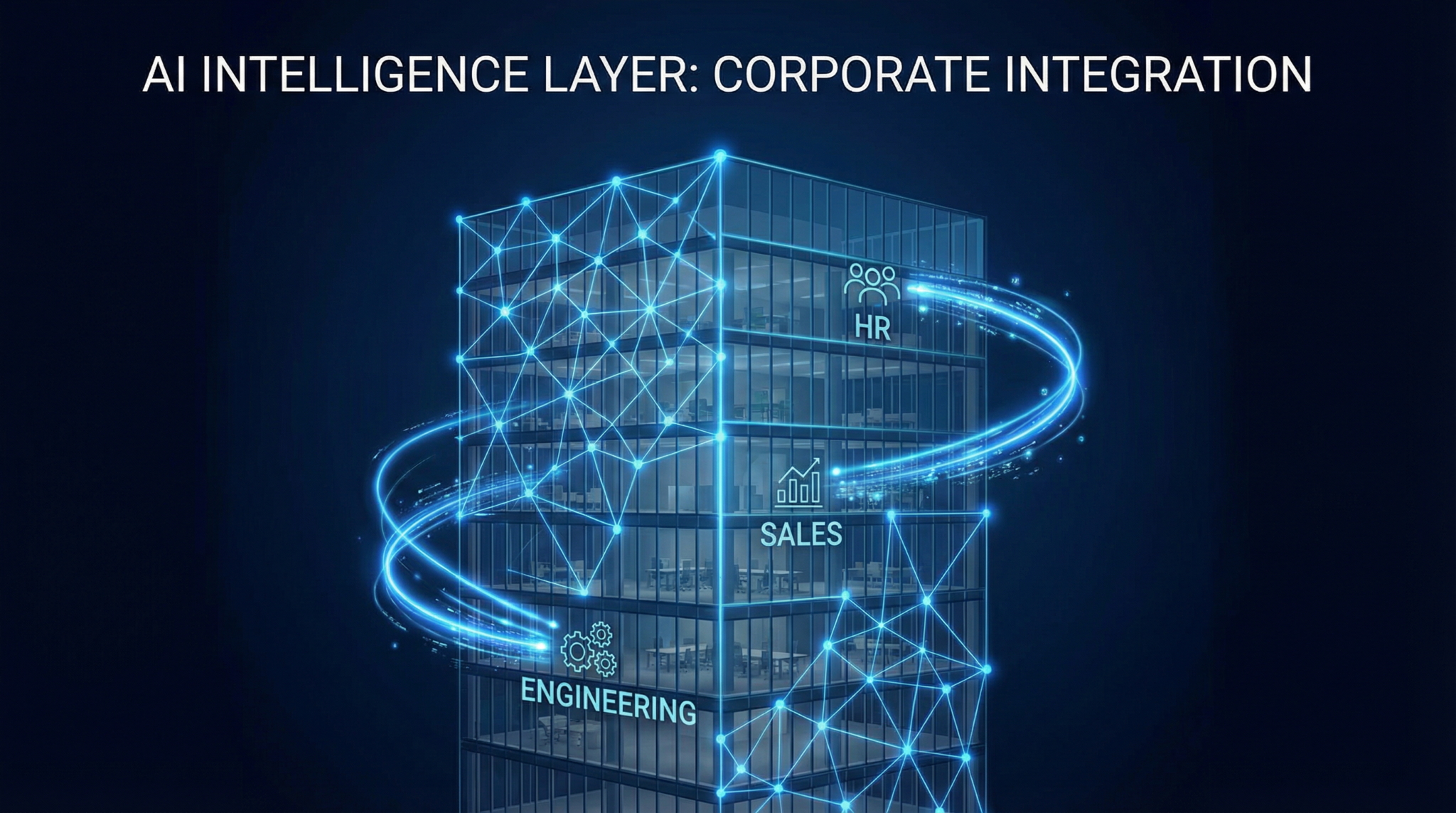
OpenAI’s enterprise AI superapp strategy is a holistic approach aiming to unify various AI capabilities into a seamless, integrated platform that empowers organizations to deploy AI not just as isolated tools but as intelligent agents embedded into the very fabric of business operations. This move foregrounds a transition from single-function AI models to multifaceted, interoperable systems capable of handling complex workflows across departments and functions.
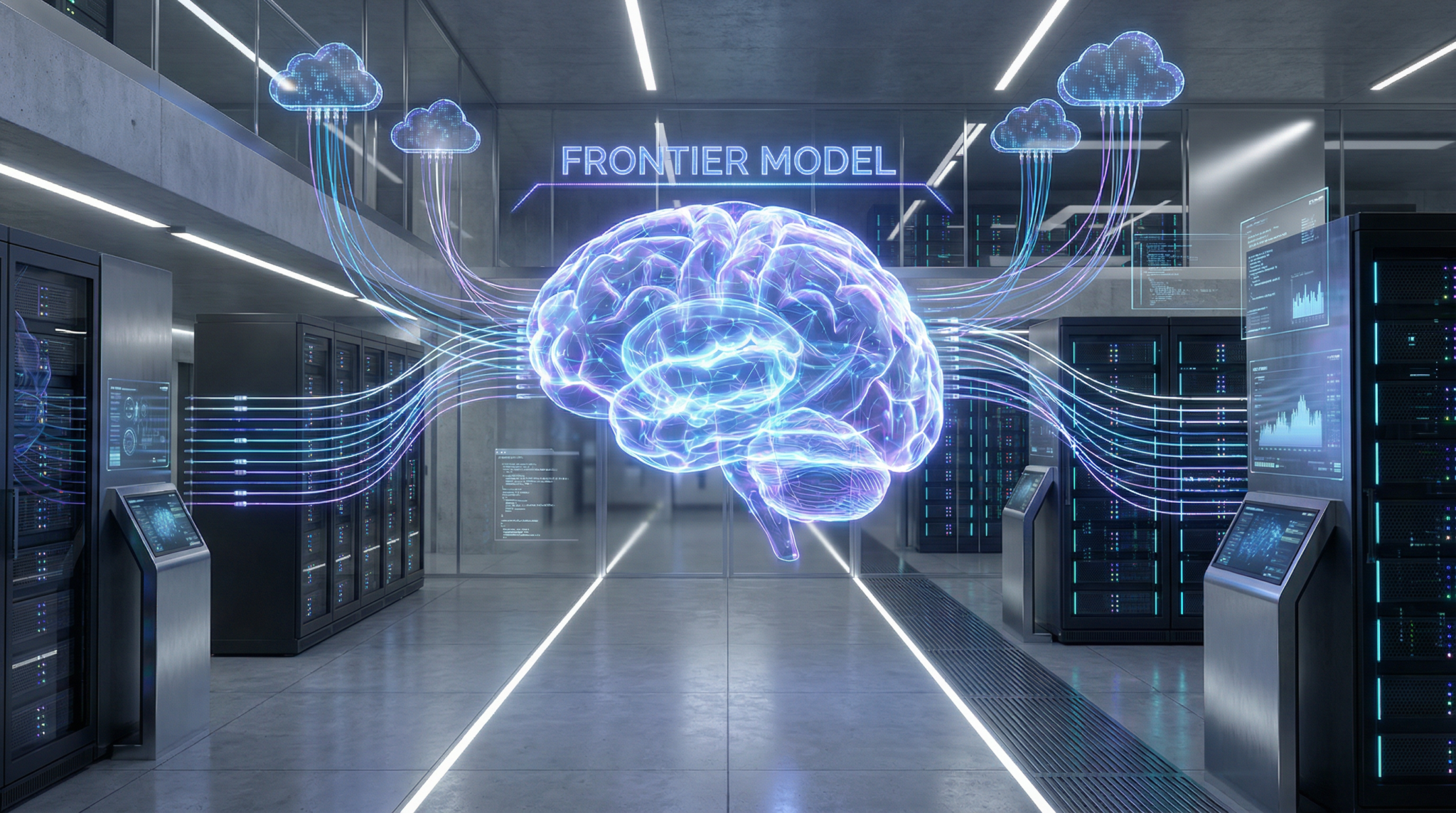
At the heart of this strategy is the Frontier intelligence layer, a foundational AI framework that orchestrates the interaction between different AI models and enterprise data sources. Through this layer, OpenAI envisions AI agents that understand context, company-specific knowledge, and user intent, thereby delivering precision-driven insights and automated assistance at scale.
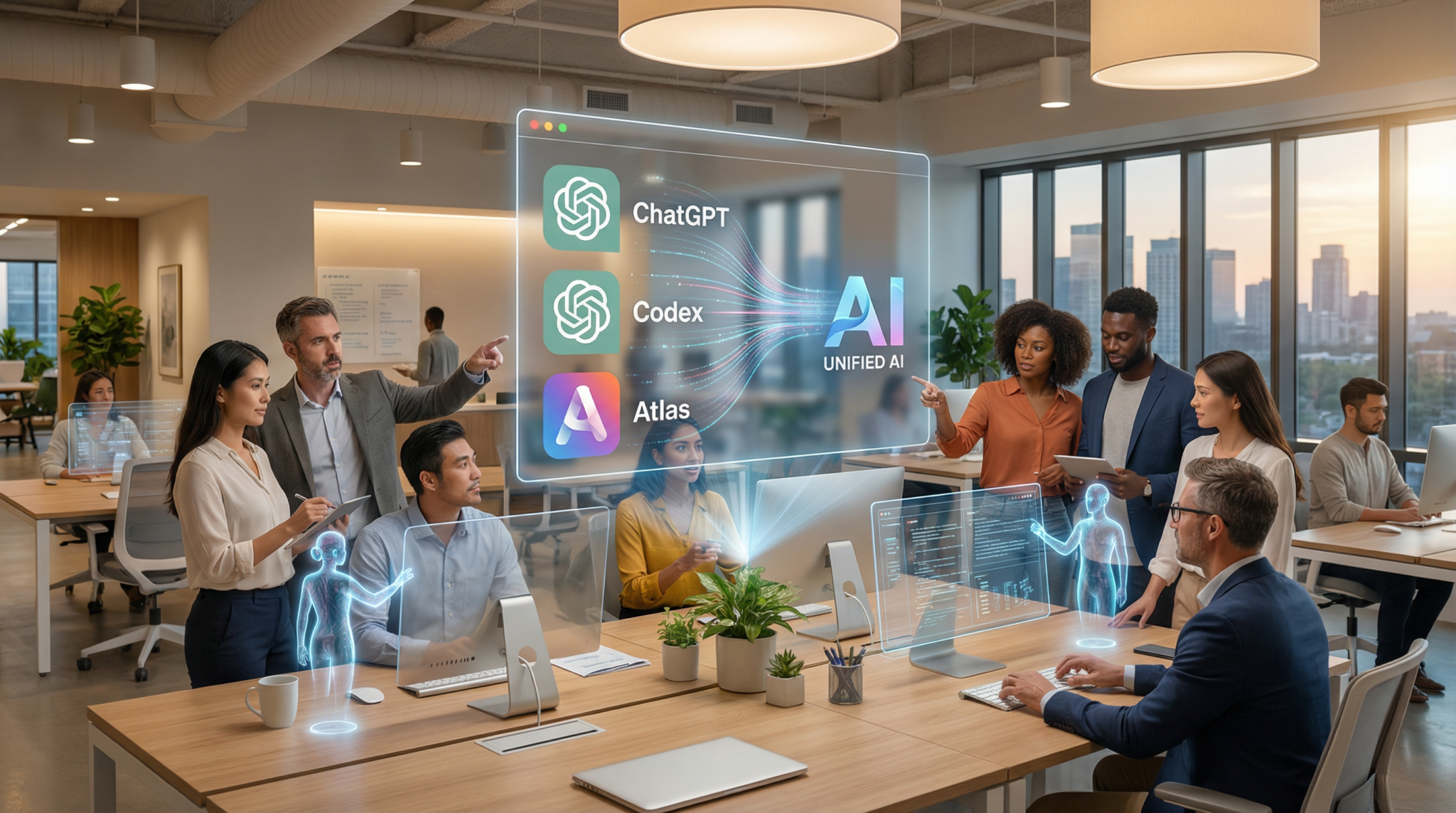
Complementing Frontier are ChatGPT, renowned for its conversational prowess; Codex, specialized in AI-powered code generation and technical automation; and Atlas, OpenAI’s emerging intelligence graph that enhances data connectivity and knowledge representation. Together, these components form a unified superapp ecosystem designed to be flexible, extensible, and deeply embedded within enterprise environments.
This strategic alignment addresses several enterprise pain points, including fragmented AI toolsets, data silos, and the need for contextualized AI assistance that adapts to evolving business needs.
To better understand how this vision translates to real-world impact, it is essential to dissect each component and their synergistic roles within the AI superapp.
Frontier Intelligence Layer: The Brain of Enterprise AI

Overview and Architecture
The Frontier intelligence layer acts as the central nervous system of OpenAI’s enterprise AI superapp, providing the intelligence orchestration framework that enables AI models to work cohesively across multiple domains and data sources. Unlike traditional AI models which operate in silos, Frontier is designed to integrate diverse AI capabilities, contextualize inputs from enterprise systems, and deliver actionable outputs that align with business objectives.
Technically, Frontier employs advanced multi-modal AI architectures that merge natural language understanding, knowledge graphs, and real-time data ingestion. This enables the layer to process complex queries that involve multiple enterprise systems such as CRM, ERP, knowledge bases, and communication platforms.
Key Features and Capabilities
- Contextual AI Interpretation: Frontier builds a dynamic understanding of organizational context, user roles, and ongoing projects to tailor AI responses and automate workflows intelligently.
- Multi-Model Integration: It seamlessly coordinates ChatGPT’s conversational AI, Codex’s programming expertise, and Atlas’s data intelligence into unified responses and actions.
- Security and Compliance: Designed with enterprise-grade security protocols, Frontier ensures data privacy, compliance with industry regulations, and controlled information access for AI agents.
- Extensibility: Frontier supports APIs and plug-ins allowing developers and enterprise architects to customize AI workflows and integrate third-party enterprise applications.
Impact on Enterprise AI Adoption
The introduction of Frontier as the intelligence layer marks a significant evolution in enterprise AI adoption. By enabling company-wide AI agents to operate with contextual awareness and cross-functional capabilities, businesses can expect dramatic improvements in operational efficiency, decision-making speed, and employee productivity.
Moreover, Frontier’s modular architecture facilitates continuous learning and adaptation, allowing AI agents to evolve alongside the business, incorporating new data, tools, and user feedback. This adaptability is crucial for enterprises navigating fast-changing market conditions and complex regulatory landscapes.
The Frontier Intelligence Enterprise Use Cases post offers a detailed walkthrough on setting up and using ChatGPT Voice with Apple CarPlay, highlighting practical voice commands and safety tips for hands-free AI interactions in 2026. This guide showcases how Frontier’s AI capabilities extend beyond the workplace to enhance productivity and convenience on the go.
OpenAI Codex: Revolutionizing Technical Automation
What is OpenAI Codex?
OpenAI Codex is a state-of-the-art AI system specialized in understanding and generating programming code across multiple languages. Initially launched as the engine powering GitHub Copilot, Codex has since evolved into a core component of OpenAI’s enterprise AI ecosystem, enabling automation of complex coding tasks, rapid prototyping, and AI-assisted software development.
Capabilities and Use Cases in the Enterprise
- Code Generation and Completion: Codex can generate code snippets, entire functions, or even complete modules based on natural language descriptions, drastically reducing developer time and effort.
- Bug Detection and Debugging Assistance: The AI can analyze existing codebases and suggest fixes or improvements, enhancing software quality and reducing operational risk.
- Integration with DevOps and CI/CD Pipelines: Codex facilitates automation of routine DevOps tasks such as scripting, testing, and deployment workflows, streamlining software delivery cycles.
- Cross-Functional Collaboration: By translating non-technical requirements into code, Codex bridges the gap between business teams and engineering, fostering better alignment and innovation.
Codex in the Context of the AI Superapp
Within the unified AI superapp, Codex operates as the technical automation engine, working in tandem with Frontier’s intelligence orchestration and ChatGPT’s conversational interface. This integration allows AI agents not only to understand user requests in natural language but also to translate them into executable technical actions, from generating scripts to modifying backend systems.
The strategic embedding of Codex within enterprise workflows marks a pivot in how organizations approach software development and IT operations, shifting from manual coding to AI-augmented creation and maintenance.
To understand how leading companies like Notion, Ramp, and Braintrust have effectively scaled OpenAI Codex within their engineering teams, explore this detailed enterprise case study. It highlights practical implementation strategies, productivity improvements, and valuable lessons that demonstrate the real-world impact of OpenAI Codex Enterprise Applications in modern workplaces.
Atlas: The Emerging Intelligence Graph for Enterprises
Introducing Atlas
Atlas represents OpenAI’s latest innovation in enterprise AI: an intelligence graph that unifies organizational knowledge, data assets, and AI insights into a connected, semantic network. This platform is designed to enhance data discoverability, relationship mapping, and contextual reasoning at scale.
Core Functionalities
- Semantic Knowledge Representation: Atlas structures enterprise data into rich, interconnected graphs that reflect real-world relationships, enabling AI agents to traverse and infer complex linkages.
- Contextual Querying: Users can ask nuanced questions that span multiple data domains, with Atlas synthesizing responses that integrate disparate information sources.
- Dynamic Knowledge Updating: The graph continuously ingests new data, feedback, and AI-generated insights, ensuring that enterprise knowledge remains current and actionable.
- Augmented Decision Support: By providing AI agents with a deep understanding of organizational context, Atlas enables more precise recommendations and automated reasoning.
Atlas’s Role Within the AI Superapp
When combined with the Frontier intelligence layer, ChatGPT’s conversational abilities, and Codex’s technical automation, Atlas acts as the knowledge backbone, equipping AI agents with comprehensive, contextual understanding of enterprise data. This enables smarter AI-powered workflows that can adapt to complex business scenarios and anticipate user needs.
Atlas’s integration addresses one of the most significant enterprise AI challenges: overcoming data silos and unlocking actionable insights across diverse and unstructured datasets.
Building on OpenAI’s vision for enterprise AI, the Atlas AI Knowledge Graph Enterprise Integration examines how 41 organizations across seven countries bridged the activation gap to achieve measurable AI ROI. Stanford’s 2026 Enterprise AI Playbook offers key insights and a practical framework for moving AI initiatives from pilot stages to full-scale production, highlighting real-world impact in workplace AI adoption.
ChatGPT’s Evolution into a Unified Enterprise Interface
ChatGPT, OpenAI’s flagship conversational AI, has evolved far beyond a chatbot. In the context of the AI superapp, ChatGPT serves as the natural language interface that connects users to the composite AI intelligence of Frontier, Codex, and Atlas. This evolution enables employees across all functions—from customer support to software engineering—to interact with AI agents conversationally, democratizing access to advanced AI capabilities.
The integration facilitates a shift from fragmented tools to a single, intuitive platform that understands nuanced requests, executes complex workflows, and learns from user interactions to enhance productivity continuously.
Moreover, ChatGPT’s enterprise-grade enhancements include compliance controls, data privacy safeguards, and customizable APIs, making it a secure choice for sensitive workplace environments.
Enterprise Impact: User Base, Financials, and Growth Metrics

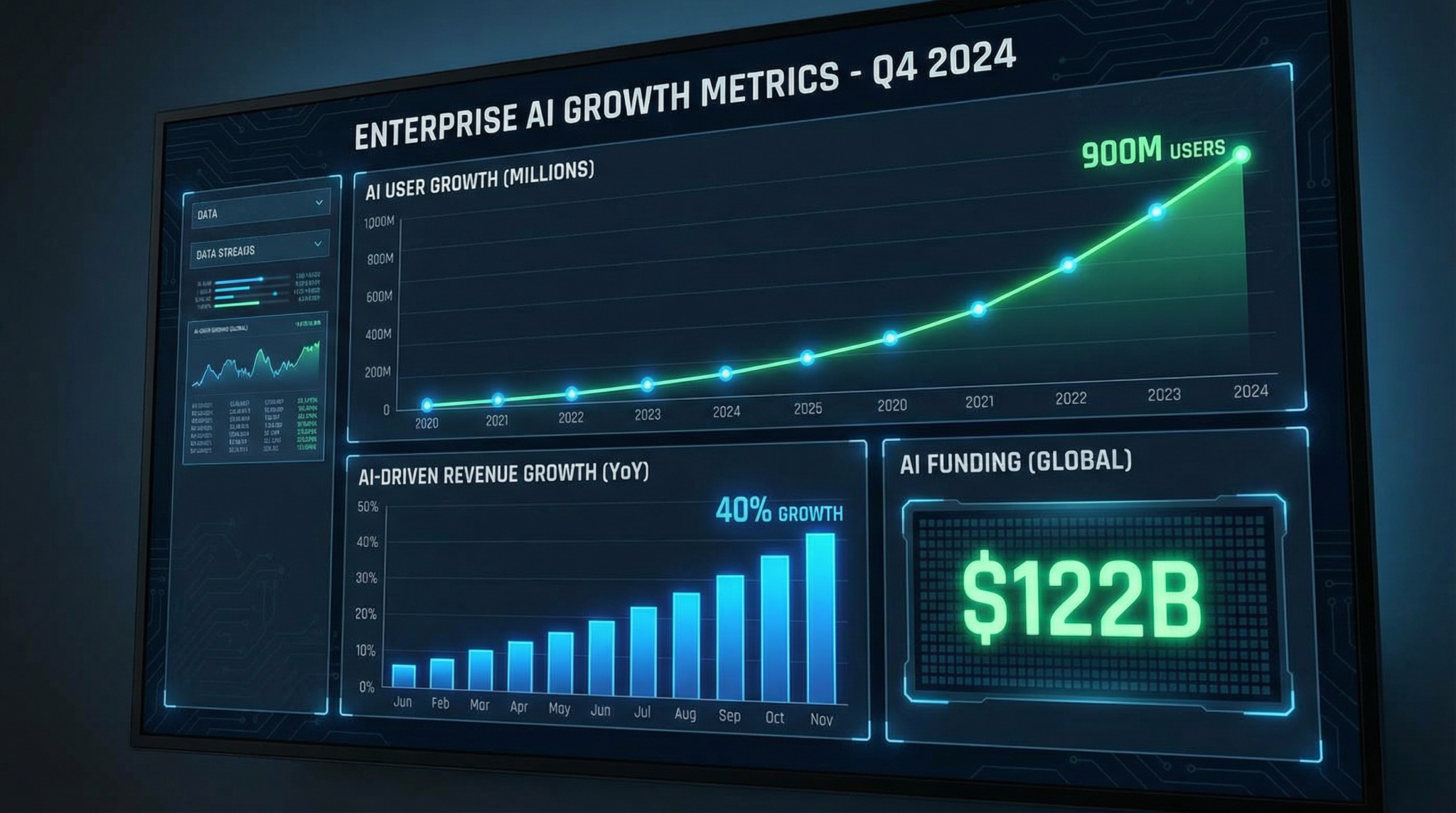
OpenAI’s recent disclosures highlight a staggering 900 million weekly active users engaging with its AI tools across consumer and enterprise domains. This scale underscores OpenAI’s dominant position in the AI landscape and the broad adoption of its technologies in real-world workflows.
Financially, the company secured an unprecedented $122 billion funding round, reflecting investor confidence in its long-term vision and technological leadership. These funds are earmarked to accelerate product development, expand infrastructure, and support enterprise deployment initiatives.
Enterprise-specific revenue has grown by over 40% year-over-year, fueled by increased demand for AI-powered automation, data analytics, and intelligent virtual assistants. This growth trajectory signals robust market validation and the expanding role of AI in digital transformation strategies.
As enterprises race to embed AI into their core operations, OpenAI’s superapp strategy positions the company as a key partner in driving productivity and innovation at scale.
Industry Reactions and Competitive Landscape

The unveiling of OpenAI’s enterprise AI superapp strategy has elicited a spectrum of responses across the technology and business communities. Industry analysts praise the move as a visionary step toward holistic AI integration, highlighting the potential for AI agents to transform workflows from HR and finance to R&D and customer experience.
Competitors in the AI space, including major cloud providers and AI startups, are accelerating their own enterprise AI offerings to keep pace with OpenAI’s rapid innovation. Some critics caution about the challenges of integrating multiple advanced AI systems into a single platform, raising concerns about complexity, reliability, and user adoption hurdles.
Nevertheless, OpenAI’s massive user base and funding advantage provide a significant moat, enabling rapid iteration and ecosystem development. The company’s proactive focus on ethical AI deployment and transparency has also garnered positive attention from regulators and enterprise customers alike.
Challenges and Risks in Deploying the AI Superapp

Technical and Operational Complexities
Integrating Frontier, Codex, Atlas, and ChatGPT into a seamless superapp involves overcoming significant technical challenges. These include ensuring interoperability between AI models, maintaining system performance at scale, and managing real-time data synchronization across heterogeneous enterprise systems.
Data Privacy and Security Concerns
Given the sensitive nature of enterprise data, implementing robust security frameworks is paramount. OpenAI must ensure that AI agents comply with data governance policies, prevent unauthorized data access, and maintain user trust through transparent data handling practices.
User Adoption and Change Management
Transitioning to AI-powered company-wide agents requires cultural shifts, employee training, and clear communication about AI’s role and limitations. Resistance to change and fear of job displacement could impede adoption unless thoughtfully managed.
Ethical Considerations and Bias Mitigation
Ensuring that AI agents operate fairly, transparently, and without embedded biases remains a critical concern. OpenAI’s ongoing research and deployment ethics frameworks are designed to address these risks, but enterprises must remain vigilant in monitoring AI outputs.
The Future of Workplace AI: Company-Wide AI Agents
OpenAI’s vision of company-wide AI agents represents a paradigm shift in how organizations leverage artificial intelligence. Rather than isolated AI applications, the future workplace will feature intelligent, autonomous agents embedded across departments that collaborate with human employees, augment decision-making, and automate routine tasks.
These AI agents will be capable of understanding company-specific nuances, learning continuously from interactions, and adapting to evolving business strategies. The resulting synergy promises to unlock new levels of operational agility, innovation, and competitive advantage.
This shift also invites a redefinition of roles and workflows, where humans and AI co-create value in ways previously unimaginable. Organizations that embrace this change early are likely to lead their industries in the coming decade.
As OpenAI drives the future of workplace AI with tools like Frontier and Codex, it’s crucial to understand how autonomous agents are reshaping enterprise operations on a broader scale. Our in-depth analysis of Company-Wide AI Agents in Enterprise examines the ongoing regulatory challenges in Washington and highlights real-world impacts, such as AI-powered innovations in industries like automotive safety.
Conclusion: OpenAI’s Enterprise AI Superapp as a Game-Changer
OpenAI’s unveiling of its enterprise AI superapp strategy marks a pivotal moment in the evolution of artificial intelligence within the business landscape. By harmonizing the Frontier intelligence layer, Codex’s technical automation, Atlas’s knowledge graph, and ChatGPT’s conversational interface into a unified platform, OpenAI is setting new standards for AI integration and usability.
The scale of adoption, record funding, and impressive revenue growth underscore the market’s readiness for this transformation. However, realizing the full potential of company-wide AI agents will require overcoming significant technical, ethical, and organizational challenges.
As enterprises embark on this journey, OpenAI’s superapp ecosystem offers an unprecedented opportunity to reimagine workplace productivity, innovation, and collaboration. The future of enterprise AI is here—and it is intelligent, connected, and supercharged.
Access 40,000+ AI Prompts for ChatGPT, Claude & Codex — Free!
Subscribe to get instant access to our complete Notion Prompt Library — the largest curated collection of prompts for ChatGPT, Claude, OpenAI Codex, and other leading AI models. Optimized for real-world workflows across coding, research, content creation, and business.

