
OpenAI Announces Shutdown of Sora AI Video Generator in March 2026
Background of Sora AI Video Generator
Since its launch in 2024, OpenAI’s Sora AI Video Generator has been a revolutionary tool in the realm of artificial intelligence-powered content creation. Designed to empower creators, marketers, educators, and entertainment professionals, Sora allowed users to generate high-quality, realistic videos from textual prompts in a matter of minutes. By combining advanced neural networks with state-of-the-art video synthesis technology, Sora quickly became a favorite platform for producing dynamic video content without the need for expensive equipment or extensive editing skills.
From promotional videos to educational tutorials, Sora’s user-friendly interface and powerful backend AI capabilities disrupted traditional video production workflows. Its ability to animate characters, generate realistic scenery, and even mimic human speech patterns made it a versatile tool across various industries.
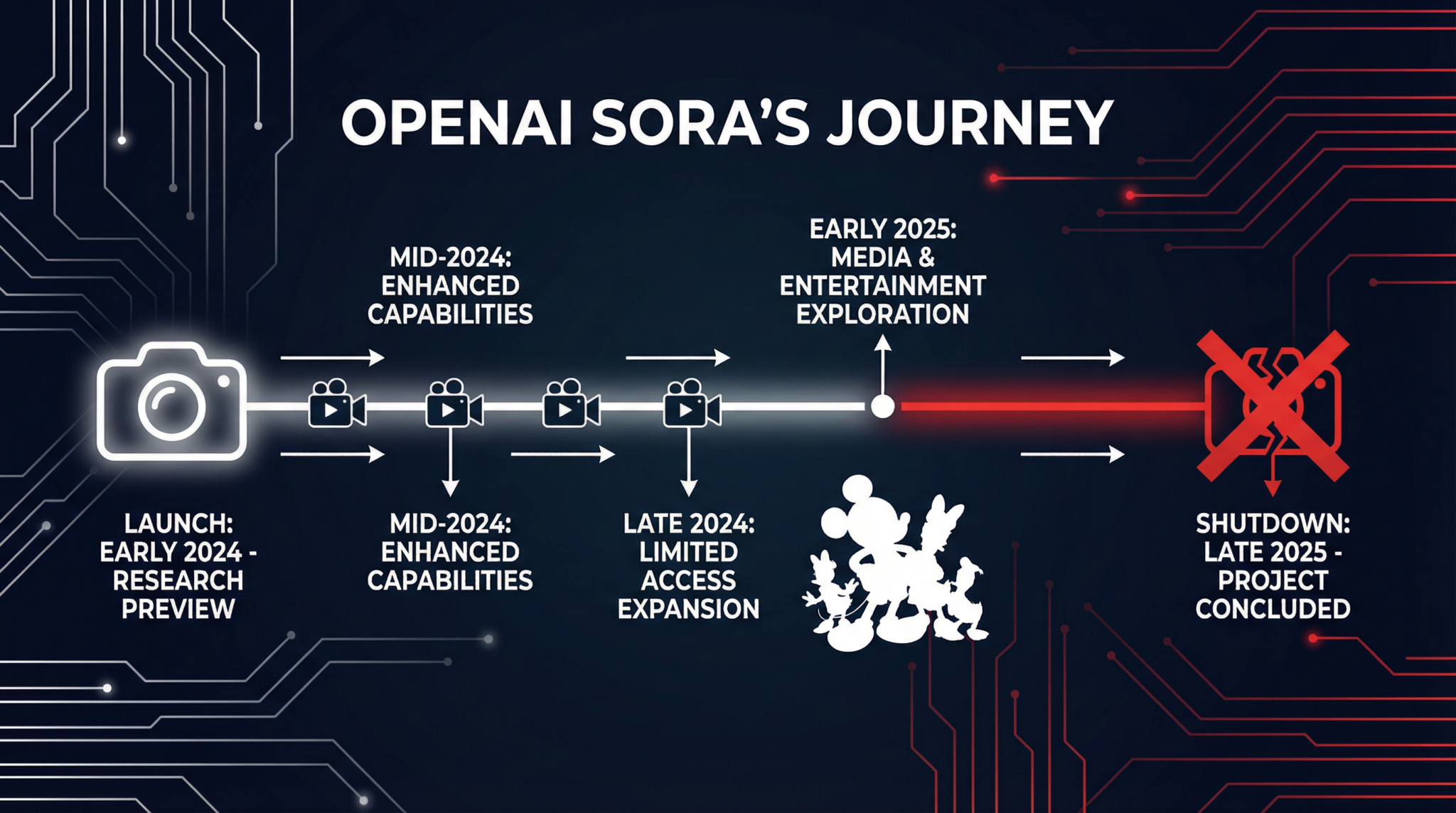
However, despite its popularity and technological advancements, OpenAI recently announced that it will be discontinuing Sora effective March 31, 2026. This decision has sent ripples throughout the creative and tech communities worldwide.
Reasons Behind the Shutdown
The official statement from OpenAI cites a combination of strategic refocusing and significant ethical concerns as the primary reasons for the shutdown. While the company remains committed to advancing AI research and developing innovative tools, Sora’s potential misuse and the evolving regulatory landscape played pivotal roles in this tough decision.
Ethical and Legal Challenges: One of the core issues with Sora was its unintended facilitation of deepfake content creation. Despite safety features and usage restrictions, the tool’s ability to generate hyper-realistic videos raised alarms about misinformation campaigns, identity theft, and malicious impersonations. Governments and regulatory bodies have increasingly scrutinized AI video generators, urging developers to implement strict safeguards or halt services altogether.
Technological and Business Considerations: Behind the scenes, maintaining and improving Sora’s complex infrastructure proved resource-intensive. OpenAI has been shifting focus toward more integrated multimodal AI systems and large-scale language models, which promise broader applications and reduced risks. Moreover, the competitive market for AI video generation expanded rapidly, with several other players introducing specialized niche products that outpaced Sora’s offerings.
OpenAI’s leadership emphasized that the decision was not taken lightly but was necessary to prioritize responsible AI deployment and innovation.
Implications for Creators and Content Producers
For many creators who incorporated Sora into their workflows, the shutdown represents a significant disruption. From small independent YouTubers to advertising agencies, Sora’s accessibility and speed made it a go-to platform for generating engaging visual content.
- Loss of a Powerful Creative Tool: Sora’s shutdown leaves a void for users who relied on its AI-driven automation to reduce production costs and turnaround times.
- Impact on Content Planning and Scheduling: Creators with ongoing projects now face the challenge of transitioning to alternative platforms, which may involve learning new interfaces or adjusting to different quality standards.
- Economic Considerations: For freelancers and smaller teams, the removal of a cost-effective AI video solution could increase expenses, as many alternatives require higher subscription fees or hardware investments.
Despite these challenges, the creative community is resilient and adaptive. Many content producers have already started exploring other AI video generators and hybrid manual-AI workflows to maintain their content output.
For a broader perspective on how Sora’s shutdown fits into OpenAI’s evolving strategy, read our analysis of the AI shift of 2026, covering GPT-5.4’s arrival and the end of Sora, which examines how OpenAI is redirecting resources from video generation toward its core language model capabilities.
Deepfake Concerns and Ethical Considerations
The rise and fall of Sora underscores the broader societal debate surrounding deepfake technology and AI-generated media. Deepfakes—AI-created synthetic videos that can convincingly portray real people saying or doing things they never did—have sparked widespread concern among governments, media outlets, and the public.
While AI tools like Sora enable remarkable creative possibilities, they also pose significant risks:
- Misinformation and Disinformation: Malicious actors can exploit AI video generators to produce false news clips, fake celebrity endorsements, or fabricated political messages, undermining public trust.
- Privacy Violations: Unauthorized use of individuals’ likenesses in synthetic videos can result in reputational harm and emotional distress.
- Legal Ambiguities: Current laws struggle to keep pace with rapid AI advancements, leaving gaps in regulation and accountability.
OpenAI has been at the forefront of advocating for responsible AI development, releasing tools with built-in safeguards and transparency features. However, as the technology becomes more accessible, the risks multiply, making it imperative for creators, platforms, and policymakers to collaborate on ethical standards and detection mechanisms.
If you’re exploring alternative AI tools in the post-Sora landscape, our 2026 comparison of Claude, ChatGPT, Grok, and Gemini breaks down each platform’s strengths for content creators, developers, and enterprise teams choosing the right AI assistant for their workflows.
Available Alternatives to Sora AI
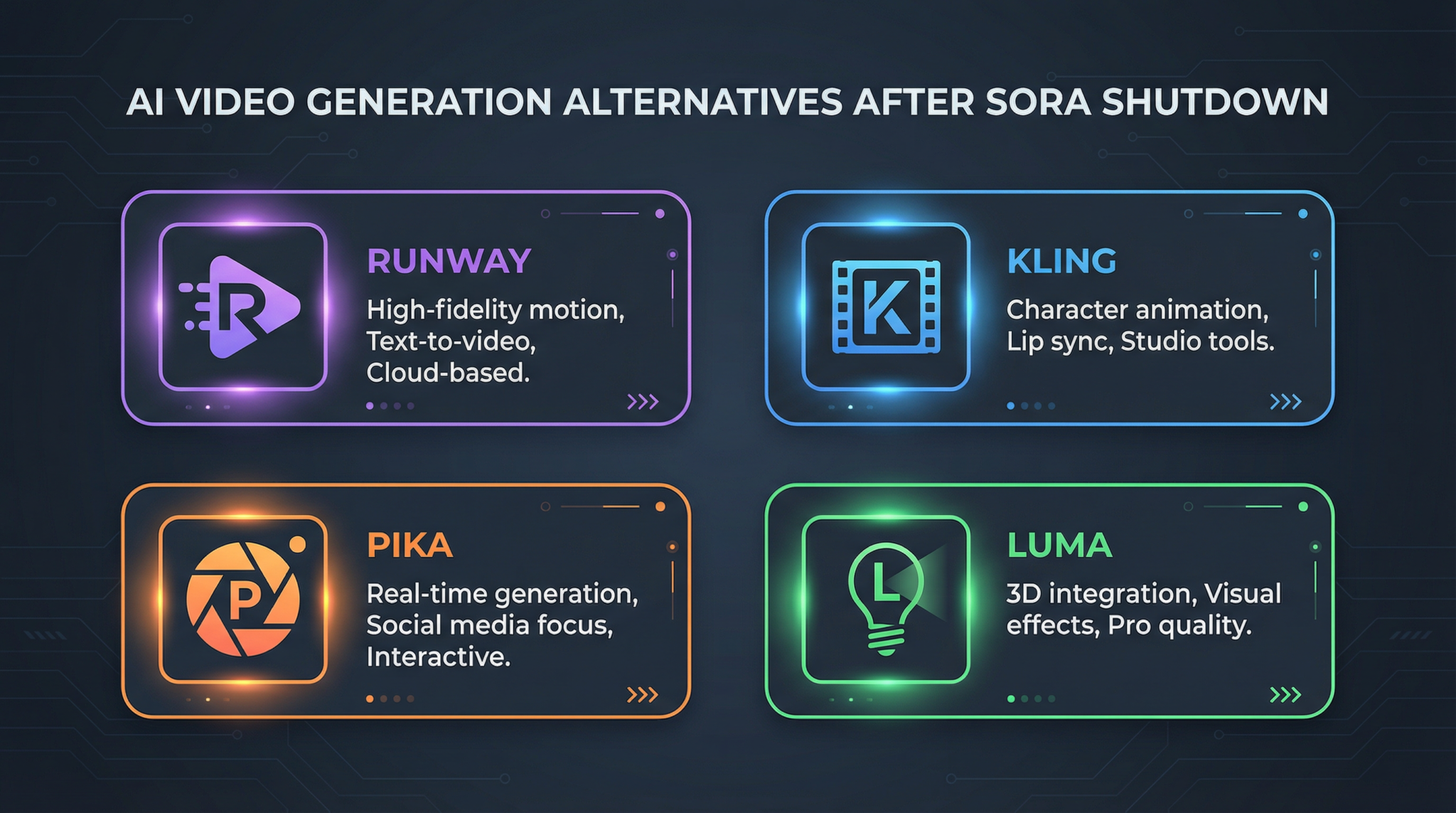
With Sora’s impending shutdown, creators are actively evaluating other AI video generation platforms to fill the gap. Several notable alternatives have gained traction for their features, user experience, and compliance measures:
- Runway ML: Popular for its versatile AI tools including video synthesis, green screen replacement, and style transfer, Runway ML appeals to both novices and professionals.
- DeepBrain AI: Known for hyper-realistic AI avatars and text-to-video conversion, DeepBrain AI emphasizes real-time interactions and customizability.
- Pictory AI: Focused on converting blog posts and scripts into videos, Pictory offers automated editing and voiceover options suitable for marketers and educators.
- Synthesia: A leader in AI video generation for corporate communications, Synthesia provides multilingual avatars and strong brand customization.
Each alternative comes with its own strengths and limitations, and creators should carefully consider factors such as pricing, output quality, ethical compliance, and integration capabilities before committing. Experimenting with trial versions and consulting community reviews can help inform these decisions.
Future of AI Video Generation Post-Sora
Although Sora’s shutdown marks the end of an era, it also signals the beginning of a new chapter in AI video technology. The industry is evolving rapidly with a strong emphasis on ethical AI, transparency, and user empowerment.
Key trends shaping the future include:
- Stronger Content Verification: Advances in AI-powered detection tools will help platforms identify and flag synthetic media, combating misinformation.
- Integrated Multimodal AI Systems: Future tools will combine text, audio, image, and video generation capabilities to offer richer creative experiences.
- Regulatory Frameworks: Governments worldwide are increasingly introducing legislation to govern AI-generated content, ensuring responsible use.
- Community-driven Innovation: Open-source projects and collaborative platforms will democratize AI video creation while embedding ethical safeguards.
Creators and businesses that stay informed and adaptable will be best positioned to harness the benefits of emerging AI video technologies.
Access 40,000+ AI Prompts for ChatGPT, Claude & Codex — Free!
Subscribe to get instant access to our complete Notion Prompt Library — the largest curated collection of prompts for ChatGPT, Claude, OpenAI Codex, and other leading AI models. Optimized for real-world workflows across coding, research, content creation, and business.
Conclusion
The decision by OpenAI to shut down the Sora AI Video Generator in March 2026 reflects the complex balance between innovation and responsibility in the AI landscape. While Sora empowered countless creators with cutting-edge video synthesis technology, the accompanying deepfake risks and evolving regulatory environment necessitated a reassessment of its viability.
For creators, the shutdown means transitioning to other solutions and adapting workflows, but it also opens opportunities to explore safer, more ethical AI tools on the market. Meanwhile, the broader AI community continues to work toward frameworks that foster creativity while protecting against misuse.
As AI video generation technology advances into its next phase, the lessons learned from Sora will help shape a future where innovation and integrity coexist. Staying informed, vigilant, and engaged is essential for anyone leveraging AI in content creation.
© 2026 ChatGPT AI Hub. All rights reserved.

