
OpenAI Unveils Super App Strategy: Codex, ChatGPT, and Atlas Browser Converge Into a Single Platform
⚡ The Brief
- What it is: OpenAI’s super app strategy unifies Codex, ChatGPT, and Atlas Browser into a single platform.
- Who it’s for: Developers, enterprise clients, and AI enthusiasts seeking integrated AI solutions.
- Key takeaways: The super app offers seamless transitions between coding, research, and communication tasks.
- Pricing/Cost: Pricing details are yet to be announced, but expect tiered plans for different user needs.
- Bottom line: OpenAI’s super app aims to revolutionize AI-powered productivity by integrating key AI tools.
✓ Instant access✓ No spam✓ Unsubscribe anytime
By Markos Symeonides | April 6, 2026
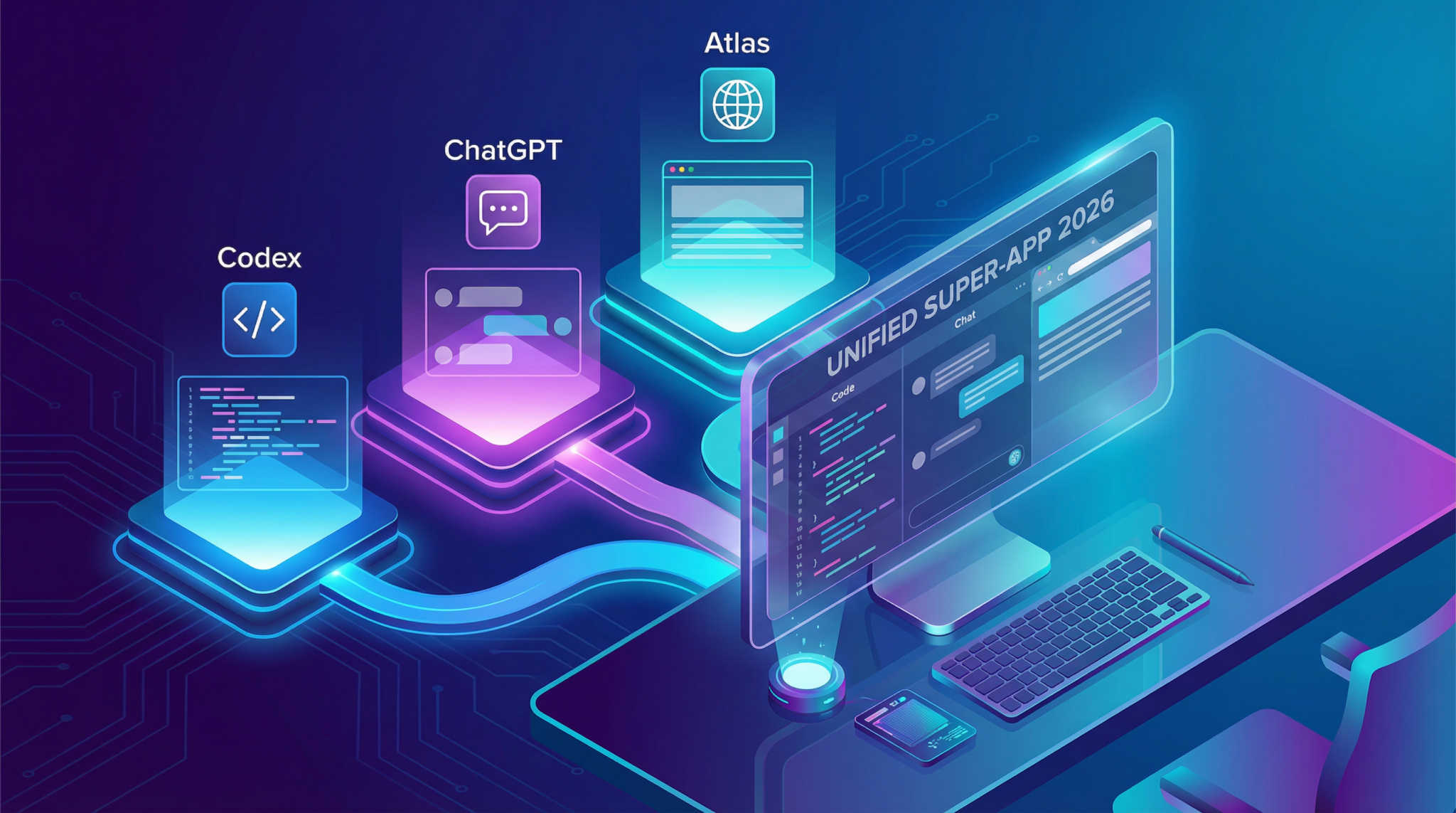
In a bold and ambitious move that signals the next phase in artificial intelligence integration, OpenAI has announced its plan to unify its flagship AI technologies — Codex, ChatGPT, and the Atlas AI browser — into a single, seamless desktop super app. This strategic consolidation aims to redefine how millions of users interact with AI across knowledge work, software development, and research, promising an unprecedented level of efficiency and user experience.
This article delves deeply into the details of OpenAI’s super app strategy, the organizational shifts accompanying this transition, market implications, competitive dynamics, and the future of AI-powered productivity. We examine the significance of this initiative for developers, enterprise clients, and the broader AI ecosystem.
Unifying AI Tools: The Dawn of OpenAI’s Super App
OpenAI’s new super app strategy represents a concerted effort to bring together the company’s most powerful AI products under one roof. The cornerstone technologies include:
- Codex: OpenAI’s AI coding assistant that helps automate software development tasks, code generation, debugging, and integration.
- ChatGPT: The conversational AI platform that has transformed natural language interactions, with over 900 million users globally.
- Atlas AI Browser: An AI-enhanced web browser designed with advanced semantic understanding, real-time data analysis, and contextual assistance.
The decision to integrate these tools into a unified desktop application is driven by OpenAI’s goal to offer users a fluid, mode-free experience where coding, research, and communication coalesce naturally. According to Thibault Sottiaux, the head of Codex, AI will transform all knowledge work within the next six months, underscoring the urgency behind this integration.
Sottiaux stated in a recent briefing, “We are approaching a tipping point where AI is no longer a complementary tool but the fundamental substrate of how knowledge work is performed. Our super app is designed to empower users to move seamlessly between tasks — coding, data exploration, and communication — without friction.”
From Sora to Codex: Resource Realignment and Product Focus
As part of focusing resources on the super app vision, OpenAI has officially shut down its Sora project, an earlier experimental AI product. The company’s leadership decided to redirect engineering and research talent from Sora to Codex, which has shown tremendous growth and adoption momentum.
This strategic consolidation signals OpenAI’s prioritization of scalable, enterprise-ready AI tools that can drive mass adoption rather than multiple fragmented products. The shutdown of Sora reflects a broader trend in the AI industry toward platform convergence and simplification, which is increasingly demanded by both enterprise and individual users.
Alexander Embiricos on Codex and ChatGPT User Base Integration
Alexander Embiricos, Codex’s product lead, elaborated on the user integration vision during a recent interview. “Our goal is to bring Codex to ChatGPT’s 900 million users without the artificial constraints of modes or separate applications. We want a unified interface where users can effortlessly switch from conversational AI to code generation or AI-assisted browsing.”
Embiricos stressed that removing “mode switching” — where users have to explicitly select between different AI functionalities — is critical to achieving a natural workflow. The super app will intelligently detect user intent and provide the appropriate AI tools contextually.
This approach is expected to significantly increase Codex’s adoption rates, especially among developers and business users who already rely on ChatGPT for various tasks. The promise is a seamless experience that reduces cognitive load and accelerates productivity.
Competitive Landscape: Anthropic’s Claude Cowork and Market Dynamics
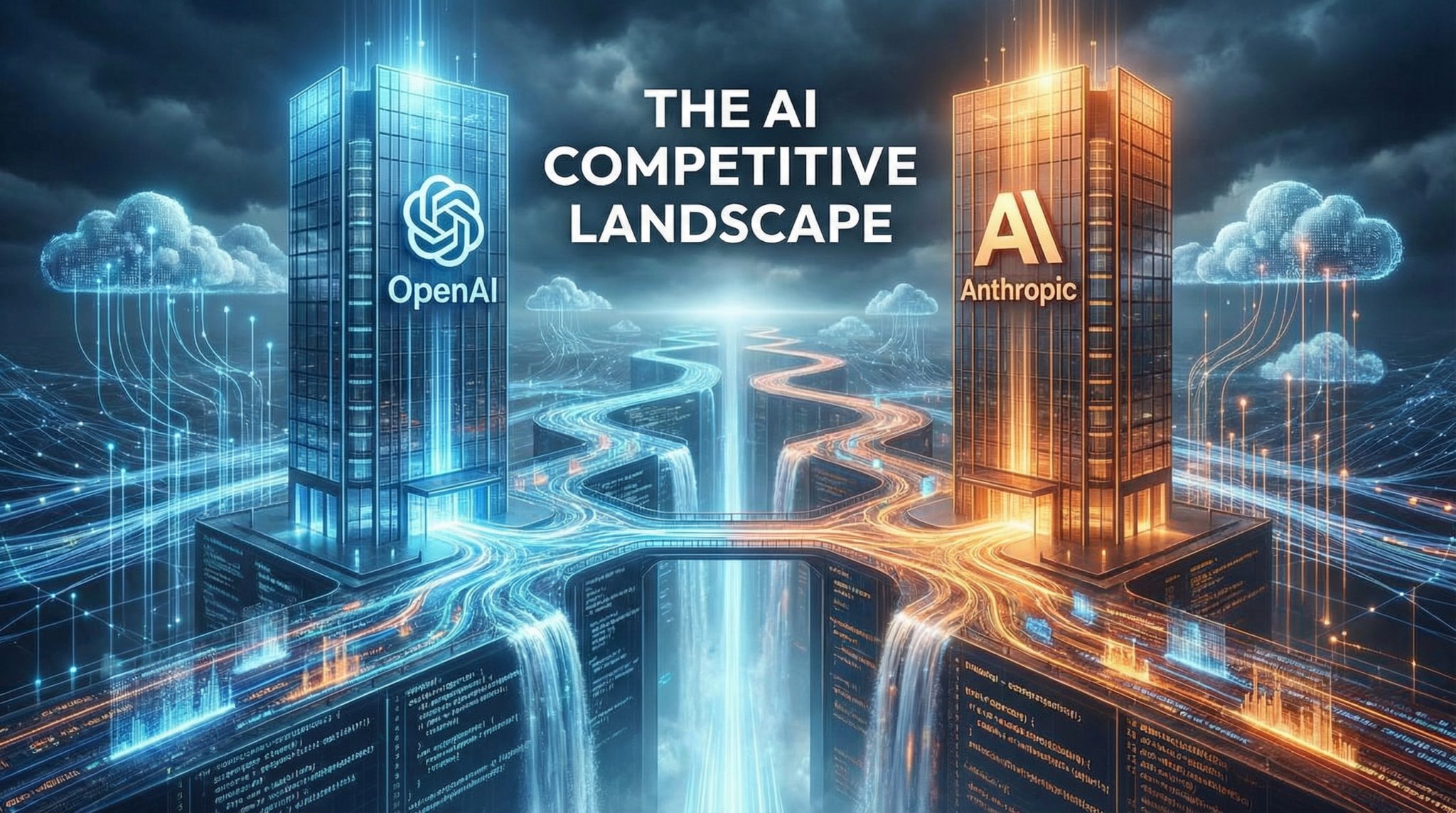
OpenAI’s super app strategy aims squarely at maintaining and extending its leadership in the AI productivity space, particularly as competitors intensify their efforts. One of the most notable rivals is Anthropic’s Claude Cowork, a multi-modal AI coworking platform designed to facilitate collaboration and AI-assisted workflows.
Claude Cowork emphasizes privacy, interpretability, and user control, targeting enterprise customers concerned with data security and compliance. It has garnered considerable attention for its innovative interface and integration of AI into collaborative environments.
OpenAI’s response with the super app — combining Codex’s coding prowess, ChatGPT’s conversational abilities, and Atlas’s browsing intelligence — is designed to offer a broader, more versatile platform that appeals to a wider segment of users. However, the competition with Anthropic highlights the growing segmentation in AI tools: from specialized coding assistants to comprehensive coworking suites.
Acquisition of TBPN Tech Talk Show: Strategic Content Expansion
In a move that underscores OpenAI’s diversification strategy, the company acquired the popular tech talk show TBPN on April 2, 2026. The acquisition, for an undisclosed sum, places the TBPN team under the direction of Chris Lehane, OpenAI’s Head of Communications and Public Affairs.
TBPN, known for its in-depth discussions on emerging technology trends and AI breakthroughs, is expected to serve as a strategic content platform to amplify OpenAI’s messaging and foster community engagement. This acquisition aligns with OpenAI’s broader objective to shape AI discourse and promote adoption through educational and thought leadership channels.
Record-Breaking Funding Round: $122 Billion at $852 Billion Valuation
Adding fuel to its ambitious plans, OpenAI recently closed a historic funding round of $122 billion, valuing the company at an astonishing $852 billion. This is the largest funding round ever recorded in Silicon Valley history, surpassing previous tech giants’ valuations and underscoring investor confidence in OpenAI’s long-term vision and technology.
The massive capital infusion is earmarked for accelerated product development, infrastructure expansion, research initiatives, and strategic acquisitions such as TBPN. It also provides a financial cushion as OpenAI navigates market uncertainties and competitive pressures.
Industry analysts note that the valuation places OpenAI among the top five most valuable private AI companies globally, highlighting its pivotal role in shaping the future of artificial intelligence.
Leadership Changes: Fidji Simo’s Medical Leave and Organizational Adjustments
In other significant corporate developments, Fidji Simo, OpenAI’s Chief Operating Officer, has taken an unexpected medical leave. The company announced several organizational changes to ensure continuity during her absence.
While specific details about Simo’s condition remain private, OpenAI’s leadership emphasized their commitment to maintaining momentum on critical projects, including the super app. Interim management structures have been put in place, and some operational responsibilities have been reallocated among senior executives.
This leadership shift introduces a degree of uncertainty, but OpenAI’s robust management team and recent funding round provide a strong foundation to weather the transition.
Surging Codex Adoption: User Growth and Pricing Innovations
Codex has witnessed explosive growth over the past few months, with over 2 million weekly active users as of April 2026. This represents a sixfold increase since January, largely driven by adoption within business and enterprise sectors.
OpenAI reports that the number of paying business customers has surpassed 9 million, indicating strong market demand for AI-powered coding assistants that improve developer productivity and accelerate project timelines.
To capitalize on this momentum, OpenAI launched a new pay-as-you-go pricing model for Codex, allowing businesses and individual developers to scale usage flexibly without upfront commitments. Additionally, the company has reduced the annual ChatGPT Business subscription price from $25 to $20 per user, aiming to lower the barrier to entry for enterprises seeking broad AI deployment.
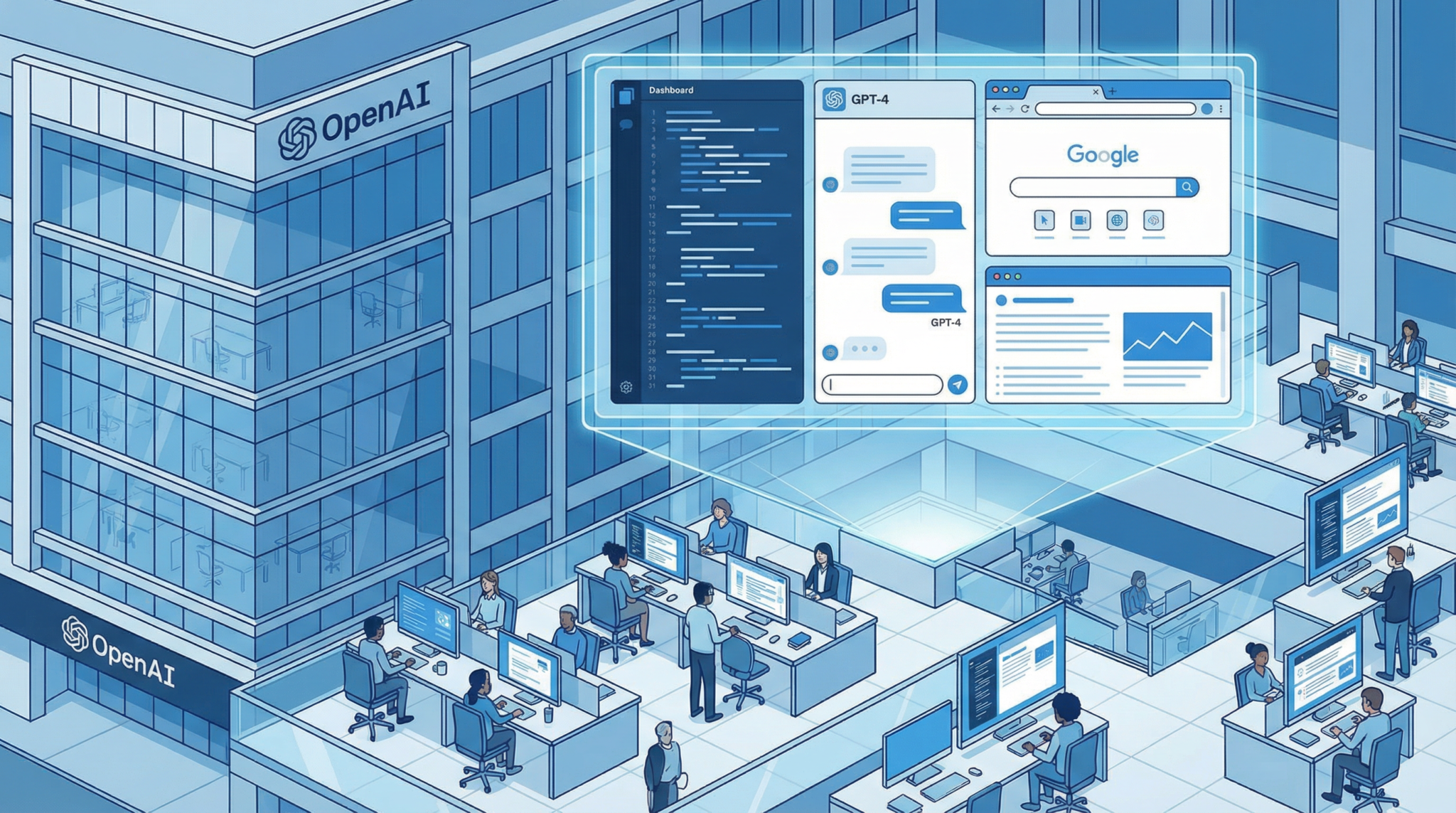
The Codex desktop app, now available on both macOS and Windows, features Plugins and Automations that enhance workflow integration, enabling users to connect Codex with other software tools and automate routine tasks intelligently.
Technical Overview: Codex App Features and Automation Capabilities
The Codex desktop app represents a synthesis of AI-assisted coding with advanced user-centric features. Key aspects include:
- Plugin Ecosystem: Users can install and manage a variety of plugins that extend Codex’s capabilities, such as integration with version control systems, cloud platforms, and project management tools.
- Automations: Codex supports custom automation scripts that enable repetitive coding tasks, testing, and deployment workflows to be executed with minimal user input.
- Contextual Assistance: The app leverages real-time context from the user’s codebase and project documentation to provide relevant suggestions, error detection, and code refactoring recommendations.
- Cross-Platform Support: Native apps for macOS and Windows ensure seamless performance and system integration, with plans for Linux support in future updates.
This feature set positions Codex not merely as a coding assistant but as an AI-driven integrated development environment (IDE) enhancer, capable of transforming how software is written, tested, and maintained.
Financial and Strategic Concerns: CFO Sarah Friar’s Perspective
Despite the positive growth indicators and record funding, OpenAI’s Chief Financial Officer, Sarah Friar, has expressed concerns regarding the company’s plans for an initial public offering (IPO) and its aggressive spending trajectory.
In internal communications leaked to industry observers, Friar highlighted the risks associated with the company’s heavy investment in research, infrastructure, and acquisitions, cautioning that sustained high burn rates could undermine profitability and investor confidence ahead of a potential public listing.
Friar’s stance underscores the delicate balance OpenAI must maintain between innovation-driven growth and financial discipline as it prepares for what is arguably the most anticipated technology IPO of the decade.
Implications for the Industry: What OpenAI’s Super App Means for AI Adoption
The consolidation of OpenAI’s AI products into a super app has far-reaching implications for the AI industry, developers, and enterprise users.
For Developers
Developers stand to benefit enormously from a unified platform that reduces context switching and integrates AI capabilities directly into their workflows. Codex’s expansion to ChatGPT’s vast user base opens opportunities for non-specialist users to engage with code generation and automation, potentially democratizing software development.
Moreover, the introduction of plugins and automations within the Codex app enables developers to customize their environments and optimize productivity, fostering innovation at the individual and team levels.
For Enterprise Users
Enterprises gain access to a comprehensive AI platform that spans coding, communication, and research assistance. The reduced pricing for ChatGPT Business subscriptions and flexible Codex pricing models lower cost barriers, accelerating AI adoption across departments.
Additionally, the unified super app model simplifies IT management and integration challenges by consolidating AI tools, reducing the need for multiple vendor solutions.
For the AI Industry
OpenAI’s strategic move may catalyze similar platform consolidations among competitors, intensifying innovation and driving standards for integrated AI experiences. The super app concept also raises the bar for user experience design in AI, emphasizing seamlessness and contextual intelligence.
Competitive Analysis: OpenAI Versus Anthropic and Others
Anthropic’s Claude Cowork remains a formidable competitor, particularly in the enterprise collaboration segment. Claude’s emphasis on interpretability and user control appeals to organizations with stringent regulatory and ethical requirements.
However, OpenAI’s super app, by combining multiple AI modalities in one platform, offers a more versatile and scalable solution. Its massive user base and deep pockets provide significant advantages in product development speed and market reach.
Other competitors, including Google DeepMind and Microsoft’s AI initiatives, are also racing to establish comprehensive AI platforms, but none have yet matched the scale or integration depth of OpenAI’s emerging super app.
Future Outlook and Industry Predictions
Looking ahead, OpenAI’s super app strategy seems poised to redefine how AI is embedded into everyday workflows. Within six months, as predicted by Thibault Sottiaux, AI could become integral to virtually all knowledge work, reshaping job roles, productivity paradigms, and software development practices.
OpenAI’s ability to execute on its super app vision will depend on navigating organizational changes, managing financial risks, and maintaining competitive differentiation. The next year will be critical in observing how this ambitious integration impacts user behavior and industry standards.
For developers interested in the technical implementation details of Codex’s new app features and automation capabilities, our comprehensive guide provides an in-depth walkthrough and best practices. To understand how development teams are actually integrating AI coding assistants like Codex and Claude into their workflows in 2026, see How Development Teams Are Adopting AI Coding Assistants in 2026: Codex and Claude Code in Production.
Enterprise decision-makers looking to understand the implications of OpenAI’s pricing changes and super app strategy on organizational AI adoption will find our market analysis report highly informative, especially when considering the role of advanced AI tools like OpenAI Codex plugins. For a comprehensive overview of how these plugins are transforming enterprise AI coding in 2026, see The Complete Guide to OpenAI Codex Plugins: Enterprise AI Coding in 2026.
For those tracking the competitive dynamics between Anthropic’s Claude Cowork and OpenAI, our detailed comparative study offers insights into product differentiation, user experience, and strategic positioning. To gain a comprehensive understanding of how these AI models compare in real-world development scenarios, see our Claude Code vs OpenAI Codex in 2026: The Definitive Comparison Guide for AI-Powered Development, which evaluates their capabilities and performance in coding tasks.
Access 40,000+ AI Prompts for ChatGPT, Claude & Codex — Free!
Subscribe to get instant access to our complete Notion Prompt Library — the largest curated collection of prompts for ChatGPT, Claude, OpenAI Codex, and other leading AI models. Optimized for real-world workflows across coding, research, content creation, and business.
Access Free Prompt Library🕐 Instant∞ Unlimited🎁 Free
Frequently Asked Questions
What is OpenAI's super app strategy about?
OpenAI's super app strategy involves integrating Codex, ChatGPT, and Atlas Browser into a single platform. This aims to enhance user experience by providing seamless transitions between tasks such as coding, research, and communication. The initiative is set to redefine AI-powered productivity by offering a unified tool for developers and enterprise clients.
Who will benefit from OpenAI's super app?
Developers, enterprise clients, and AI enthusiasts will benefit from OpenAI's super app. It provides a streamlined experience for those involved in software development, research, and communication tasks. The integration of Codex, ChatGPT, and Atlas Browser into one platform is designed to enhance productivity and efficiency in knowledge work.
How does the super app improve productivity?
The super app improves productivity by allowing users to seamlessly switch between coding, research, and communication tasks without friction. By integrating Codex, ChatGPT, and Atlas Browser, it provides a fluid, mode-free experience, enabling users to perform knowledge work more efficiently and effectively, leveraging AI's full potential.
What are the key technologies in the super app?
The key technologies in OpenAI's super app are Codex, ChatGPT, and Atlas Browser. Codex assists with coding tasks, ChatGPT enhances natural language interactions, and Atlas Browser offers AI-enhanced web browsing. Together, they form a comprehensive toolset designed to streamline and enhance productivity in various domains.
Why did OpenAI shut down the Sora project?
OpenAI shut down the Sora project to focus resources on the super app vision. By consolidating efforts on integrating Codex, ChatGPT, and Atlas Browser, OpenAI aims to provide a more cohesive and powerful platform. This strategic shift underscores the importance of the super app in transforming AI-powered productivity.
When will the super app be available?
While specific release dates for OpenAI's super app have not been announced, the company emphasizes the urgency of this integration. The goal is to transform knowledge work within the next six months, suggesting a launch in the near future. Users are advised to stay tuned for official announcements regarding availability.
