
20 Advanced ChatGPT Prompts for Cybersecurity Professionals: Threat Analysis, Incident Response, and Code Auditing
Introduction
In the rapidly evolving landscape of cybersecurity, professionals must continually adapt to emerging threats, sophisticated attack vectors, and complex defense mechanisms. The integration of Artificial Intelligence (AI) technologies, particularly advanced language models like ChatGPT, has opened new frontiers for enhancing cybersecurity workflows. From threat analysis to incident response and code auditing, AI-driven tools can significantly augment the capabilities of cyber defenders by automating routine tasks, generating insightful analyses, and providing real-time decision support.
This article explores 20 advanced ChatGPT prompts specifically tailored for cybersecurity professionals. These prompts have been meticulously crafted to address critical areas such as threat intelligence gathering, vulnerability assessment, incident response strategies, forensic investigations, and secure code review. By leveraging these prompts, professionals can harness ChatGPT’s ability to process vast amounts of data, simulate attacker behavior, and identify subtle patterns that might otherwise go unnoticed.
The Growing Role of AI in Cybersecurity
AI’s influence in cybersecurity is no longer theoretical; it is a practical necessity. Cybersecurity teams face an overwhelming volume of alerts and data daily, which can lead to alert fatigue and missed threats. AI models like ChatGPT can assist by:
- Automating analysis: Parsing logs, network traffic, and system alerts to highlight anomalies and potential breaches.
- Generating actionable intelligence: Summarizing threat reports, malware behaviors, and vulnerability disclosures to keep teams informed.
- Supporting incident response: Offering strategic recommendations and playbook suggestions tailored to specific attack scenarios.
- Enhancing code security: Reviewing source code snippets for potential vulnerabilities and suggesting remediation steps.
However, to fully realize these benefits, cybersecurity experts must learn how to communicate effectively with language models. This is where advanced prompt engineering plays a crucial role. Crafting precise, context-rich prompts enables ChatGPT to deliver high-quality, relevant outputs that can be integrated seamlessly into cybersecurity operations.
Why Advanced Prompts Matter
Basic queries to ChatGPT can generate generic responses, which may lack the depth or specificity required for professional cybersecurity tasks. Advanced prompts, on the other hand, are designed to:
- Contextualize requests: Embedding domain-specific terminology and scenarios to tailor responses.
- Guide analytical reasoning: Encouraging the model to think through multi-step processes such as attack chain reconstruction or vulnerability exploitation.
- Extract structured data: Requesting outputs in formats suitable for integration with security information and event management (SIEM) systems or code auditing tools.
- Simulate adversaries: Generating realistic threat actor profiles and attack strategies to aid red team exercises and threat hunting.
By mastering these advanced prompts, cybersecurity professionals can transform ChatGPT from a general-purpose chatbot into a powerful assistant capable of elevating security posture, reducing response times, and improving overall operational efficiency.
In the sections that follow, we will detail 20 such prompts, organized by key cybersecurity domains. Each prompt will be accompanied by explanations, best practices, and examples to demonstrate how to maximize ChatGPT’s potential within your security workflows.

Deep Dive
In the rapidly evolving landscape of cybersecurity, a superficial understanding of threats and defenses is no longer sufficient. Cybersecurity professionals must engage in deep, analytical thinking to anticipate, identify, and mitigate complex cyber threats. This section focuses on advanced ChatGPT prompts designed to facilitate this deep dive into critical aspects such as threat analysis, incident response, and code auditing. By leveraging these prompts, experts can harness AI to augment their analytical capabilities, accelerate investigations, and improve overall security posture.
Enhancing Threat Analysis with ChatGPT
Threat analysis involves understanding the tactics, techniques, and procedures (TTPs) employed by attackers, as well as assessing vulnerabilities and potential impacts. Advanced ChatGPT prompts can help security analysts simulate attacker behavior, generate detailed threat intelligence reports, and identify emerging attack vectors. For example, using prompts that ask ChatGPT to predict the next steps of a known threat actor based on historical data can provide valuable foresight for proactive defense strategies.
- Simulating attacker methodologies: “Analyze the known TTPs of the APT29 group and predict potential future attack targets.”
- Generating vulnerability prioritization: “Based on CVE data, rank vulnerabilities by exploitability and potential impact for a financial services environment.”
- Identifying attack surface expansions: “Evaluate how the integration of IoT devices into an enterprise network could expand its attack surface.”
Optimizing Incident Response Workflows
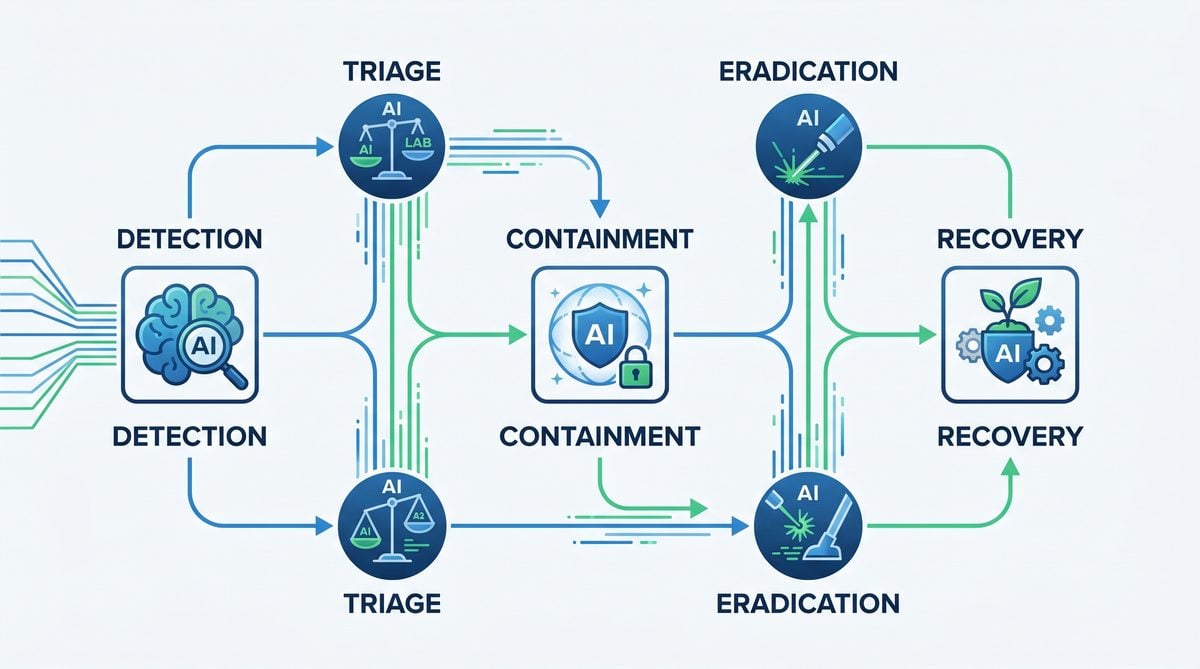
Incident response demands rapid and accurate decision-making under pressure. ChatGPT can be prompted to assist with creating detailed playbooks, simulating incident scenarios, and providing guidance on containment and eradication steps. These prompts empower response teams to rehearse and refine their processes, ensuring readiness when a real incident occurs.
- Developing response playbooks: “Draft a step-by-step incident response plan for a ransomware attack targeting a hospital’s network.”
- Simulating multi-stage attacks: “Describe a potential multi-stage phishing attack and how to detect each phase effectively.”
- Automated alert triage: “Summarize the key indicators of compromise from this SIEM alert log and recommend immediate actions.”
Advanced Code Auditing Assistance
Code auditing is a critical component of cybersecurity, especially when reviewing software for security vulnerabilities. ChatGPT can be leveraged to analyze snippets of code, highlight potential security flaws, and suggest remediation techniques. By incorporating prompts that focus on secure coding practices and vulnerability detection, developers and auditors can accelerate their review cycles while maintaining high standards of security.
- Identifying insecure coding patterns: “Review this Python code for common injection vulnerabilities and propose fixes.”
- Suggesting security improvements: “Analyze this authentication module and recommend enhancements to prevent session hijacking.”
- Explaining vulnerability impacts: “Explain the risks associated with improper input validation in web applications.”
Integrating these advanced ChatGPT prompts into daily workflows not only improves the precision and efficiency of cybersecurity operations but also fosters a more proactive and informed security culture. As cyber threats continue to grow in sophistication, the ability to dive deeply into threat intelligence, incident response, and secure coding will be a defining factor in organizational resilience.
Analysis
In the realm of cybersecurity, effective analysis is paramount to understanding, mitigating, and preventing threats. Cybersecurity professionals leverage advanced ChatGPT prompts to enhance their analytical capabilities, enabling them to dissect complex security incidents, identify vulnerabilities, and anticipate potential attack vectors. The integration of AI-driven analysis tools like ChatGPT can significantly accelerate the process of threat evaluation, making it more precise and comprehensive.
Understanding Threat Landscape Through AI-Driven Analysis
One of the core aspects of cybersecurity analysis involves comprehending the evolving threat landscape. Cyber adversaries continuously adapt their tactics, techniques, and procedures (TTPs), necessitating a dynamic approach to threat intelligence. Using advanced ChatGPT prompts, analysts can simulate threat actor behavior, predict attack trends, and generate detailed reports on emerging vulnerabilities. These prompts can be crafted to explore various threat scenarios, such as:
- Analyzing recent malware campaigns and their indicators of compromise (IOCs).
- Simulating phishing attack methods and identifying potential weaknesses in email security protocols.
- Examining the impact of zero-day vulnerabilities within specific software environments.
By engaging ChatGPT with such targeted prompts, cybersecurity teams can stay ahead of adversaries by understanding the nuances and potential implications of new threats before they manifest in real-world attacks.
Incident Response and Forensic Analysis
Incident response demands rapid yet thorough analysis to contain and remediate security breaches. Advanced ChatGPT prompts can assist responders in synthesizing large volumes of log data, network traffic, and system alerts to pinpoint the root cause of an incident. The AI can also help in formulating step-by-step containment and eradication strategies, ensuring no critical detail is overlooked.
For example, prompts designed for incident response analysis might include:
- Summarizing anomaly patterns in firewall logs that indicate lateral movement within a network.
- Identifying unusual user behaviors from authentication logs that suggest credential compromise.
- Generating hypotheses for potential causes based on timestamps and affected system components.
This level of automated analysis not only expedites the response process but also enhances the accuracy of forensic investigations. Furthermore, integrating ChatGPT analysis outputs with existing Security Information and Event Management (SIEM) systems can create a powerful synergy for real-time threat detection and mitigation.
Code Auditing and Vulnerability Assessment
Beyond reactive measures, proactive analysis through code auditing is critical for securing applications and infrastructure. ChatGPT can be employed to scrutinize source code for security flaws such as buffer overflows, injection vulnerabilities, and insecure cryptographic implementations. Prompts tailored for code auditing might ask the AI to:
- Review a specific function or module and identify potential security weaknesses or insecure coding practices.
- Suggest remediation steps for detected vulnerabilities or recommend secure coding standards.
- Compare code snippets against known vulnerability patterns to assess risk levels.
Such analytical prompts empower developers and security auditors to perform thorough examinations with augmented precision and efficiency. This is especially useful during penetration testing and continuous integration/continuous deployment (CI/CD) cycles, where rapid feedback on security posture is essential.
In summary, the analytical capabilities provided by advanced ChatGPT prompts enable cybersecurity professionals to transform raw data into actionable intelligence. Whether it’s dissecting complex threat scenarios, expediting incident response, or auditing code for vulnerabilities, AI-driven analysis enhances decision-making and strengthens overall security resilience. For a deeper dive into practical implementation strategies and prompt examples, explore our comprehensive guide on prompt engineering for cybersecurity professionals here:
For a deeper exploration of related developments, our coverage of ChatGPT Coding Masterclass Part 2: Prompt Engineering for Developers in the Era of GPT-5.3-Codex provides additional context on how these technologies are evolving in practice and what they mean for professionals working with AI tools today.
.
Practical Applications
For cybersecurity professionals, leveraging ChatGPT through advanced prompts transcends mere experimentation; it becomes an essential tool in daily operations. The practical applications of ChatGPT in cybersecurity range from enhancing threat analysis and accelerating incident response to streamlining code auditing and compliance checks. By integrating AI-driven insights, professionals can augment their capabilities, reduce human error, and respond to security incidents with greater efficiency.
Threat Analysis and Intelligence Gathering
One of the foremost applications of ChatGPT is in threat analysis. Cybersecurity experts often face vast amounts of unstructured data from threat feeds, vulnerability databases, and dark web monitoring. ChatGPT can be prompted to synthesize this information rapidly, providing concise summaries of emerging threats, potential attack vectors, and adversary tactics. For instance, a prompt might instruct ChatGPT to analyze recent cybersecurity reports and extract key indicators of compromise (IOCs) or tactics, techniques, and procedures (TTPs) used by threat actors.
- Automated Threat Summaries: Quickly generate human-readable summaries of complex threat intelligence reports.
- Contextualizing Indicators: Provide explanations and possible implications of newly discovered IOCs.
- Trend Identification: Detect patterns across multiple sources to anticipate potential attack campaigns.
Incident Response Assistance
During an active cybersecurity incident, rapid decision-making is critical. ChatGPT can assist incident responders by offering step-by-step guidance based on best practices and tailored to the specific context of the incident. By inputting details such as system logs, alerts, or the nature of an intrusion, responders can receive recommendations on containment strategies, investigation priorities, and remediation steps.
- Playbook Generation: Create customized incident response playbooks aligned with organizational policies.
- Log Analysis: Interpret suspicious log entries and suggest possible attacker actions.
- Communication Support: Draft clear and precise incident reports or notifications for stakeholders.
Moreover, ChatGPT’s ability to simulate adversarial scenarios can help teams conduct tabletop exercises and improve preparedness. By crafting hypothetical attack scenarios, security teams can rehearse responses in a controlled environment, uncovering process gaps and training junior analysts effectively.
Code Auditing and Security Review
Secure coding is a cornerstone of cybersecurity, and ChatGPT can serve as a powerful assistant during code review and auditing processes. Developers and security analysts can feed source code snippets or entire modules to ChatGPT and prompt it to identify common vulnerabilities such as SQL injection risks, improper input validation, or insecure cryptographic implementations.
- Vulnerability Detection: Highlight potential security flaws within code segments.
- Best Practice Recommendations: Suggest improvements aligned with secure coding standards.
- Explaining Complex Code: Break down difficult-to-understand code logic for easier review.
Additionally, ChatGPT can assist in generating unit tests focused on security edge cases or help document code behavior to enhance maintainability. This application reduces manual effort and accelerates the development lifecycle, enabling security teams to focus on higher-level strategy.
Compliance and Policy Enforcement
Compliance with regulatory frameworks such as GDPR, HIPAA, or PCI-DSS requires constant vigilance and documentation. ChatGPT can be programmed with prompts to audit organizational policies, identify gaps relative to compliance requirements, and generate reports or recommendations for remediation.
- Policy Analysis: Evaluate security policies against regulatory standards.
- Automated Reporting: Generate compliance documentation tailored to specific frameworks.
- Training Material Creation: Develop employee awareness content focused on policy adherence.
By automating these repetitive yet critical tasks, ChatGPT helps cybersecurity teams maintain a robust compliance posture without diverting significant resources.
In summary, the practical applications of ChatGPT in cybersecurity are diverse and impactful. From rapid threat synthesis and dynamic incident response to thorough code auditing and compliance assistance, ChatGPT empowers professionals to operate more effectively in an increasingly complex threat landscape.
Case Studies
To truly appreciate the power of advanced ChatGPT prompts in cybersecurity, examining real-world case studies offers invaluable insights. These examples illustrate how cybersecurity professionals leverage ChatGPT to enhance threat analysis, streamline incident response, and conduct meticulous code auditing. Through these detailed scenarios, we observe how AI-powered conversational agents can augment human expertise, reduce response times, and improve overall security posture.
Case Study 1: Accelerating Threat Intelligence Analysis
A leading financial institution faced a surge in sophisticated phishing campaigns targeting its employees. Traditional threat intelligence tools generated extensive reports filled with technical jargon, which overwhelmed the internal security team and slowed down their ability to respond swiftly. To tackle this, the cybersecurity team integrated advanced ChatGPT prompts into their threat analysis workflow.
- Implementation: The team crafted prompts that asked ChatGPT to summarize threat intelligence reports, highlight emerging phishing techniques, and predict potential attack vectors based on recent global cyber threat trends.
- Outcome: ChatGPT generated concise, prioritized summaries, enabling analysts to focus on the most critical threats. This reduced the average threat assessment time from several hours to under 30 minutes.
- Impact: The institution improved its proactive defense capabilities by adapting security awareness training and email filtering rules based on ChatGPT’s threat insights, resulting in a measurable decrease in successful phishing attempts.
This case highlights how the strategic use of ChatGPT’s natural language processing capabilities can turn overwhelming raw data into actionable intelligence that cybersecurity teams can quickly digest and act upon. For more on integrating AI into threat intelligence, refer to our detailed guide on advanced prompt techniques
For a deeper exploration of related developments, our coverage of 99+ Stunning ChatGPT Prompts for Software Developers: Boo… provides additional context on how these technologies are evolving in practice and what they mean for professionals working with AI tools today.
.
Case Study 2: Enhancing Incident Response with Automated Playbook Generation
During a ransomware outbreak at a mid-sized healthcare provider, the incident response team struggled with coordinating a rapid and effective response. The organization lacked a comprehensive incident response playbook tailored to the specific ransomware variant involved, leading to delays and inconsistent remediation steps.
- Implementation: Leveraging ChatGPT, the team developed a set of advanced prompts designed to generate customized incident response playbooks. These prompts included inputting details about the ransomware strain, affected systems, and organizational policies.
- Outcome: ChatGPT produced detailed, step-by-step playbooks that incorporated best practices, compliance requirements, and communication guidelines. The team rapidly adapted these playbooks, which significantly improved coordination and reduced downtime.
- Impact: Recovery times improved by 40%, and the organization minimized data loss and regulatory penalties thanks to the structured response approach enabled by AI-generated playbooks.
This incident underscores the potential of ChatGPT not only as an assistant for information retrieval but as a dynamic tool that can customize critical operational documentation on the fly. The ability to generate and refine response strategies during live incidents is a game-changer for cybersecurity teams facing evolving threats.
Case Study 3: Streamlining Code Auditing and Vulnerability Discovery
A software development company specializing in IoT devices was concerned about the security of its embedded firmware. Manual code audits were time-consuming and prone to human error, often missing subtle vulnerabilities that could be exploited in the wild. The security team decided to incorporate ChatGPT into their auditing process.
- Implementation: By designing advanced prompts focused on secure coding best practices, common vulnerability patterns, and language-specific nuances, the team used ChatGPT to review snippets of code and identify potential security flaws.
- Outcome: ChatGPT provided detailed explanations of suspicious code constructs, suggested remediation strategies, and cross-referenced known CVEs related to third-party libraries used in the firmware.
- Impact: The automated assistance reduced the initial audit cycle by 50%, improved vulnerability detection rates, and empowered developers to fix issues early in the development lifecycle.
This case study demonstrates how AI-driven conversational agents can act as expert code reviewers, supplementing human auditors by highlighting overlooked risks and suggesting remediation. As secure coding practices become increasingly vital for product security, ChatGPT’s role in code auditing workflows continues to grow in importance.
Future Outlook
As the cybersecurity landscape continues to evolve at a breakneck pace, the integration of advanced AI tools such as ChatGPT is poised to become an indispensable asset for cybersecurity professionals. The future outlook for leveraging ChatGPT prompts in areas like threat analysis, incident response, and code auditing is both promising and transformative, offering new dimensions of efficiency, accuracy, and proactive defense mechanisms.
AI-Driven Threat Intelligence and Predictive Analysis
One of the most significant advancements on the horizon is the enhancement of threat intelligence through AI-driven predictive analysis. ChatGPT, combined with real-time data feeds and threat databases, will enable cybersecurity experts to not only analyze existing threats but also anticipate emerging attack vectors before they are exploited. Future iterations of ChatGPT prompts will likely incorporate adaptive learning mechanisms that continuously refine threat models based on global cybersecurity incidents, enabling more precise and contextualized alerts.
- Proactive Threat Hunting: AI will assist in uncovering stealthy threat actors by analyzing subtle behavioral patterns across networks.
- Automated Vulnerability Scanning: ChatGPT can be used to generate comprehensive vulnerability reports, prioritize risks, and suggest tailored mitigation strategies.
- Contextual Threat Correlation: Integrating multiple data sources to construct a holistic view of threat landscapes, improving decision-making speed.
Next-Generation Incident Response Automation
Incident response is expected to see revolutionary improvements as AI tools become more embedded in security operations centers (SOCs). ChatGPT-driven automation will empower cybersecurity teams to reduce response times dramatically by automating routine analysis and generating actionable insights on demand. This will allow human analysts to focus on complex decision-making and strategic planning rather than repetitive tasks.
- Real-Time Forensic Analysis: AI can assist in rapidly dissecting attack vectors, identifying indicators of compromise, and suggesting containment strategies.
- Adaptive Playbooks: ChatGPT will help create dynamic incident response playbooks that evolve based on the nature of the threat and organizational context.
- Cross-Team Collaboration: Facilitating communication between IT, legal, and executive teams by generating clear, tailored incident reports and recommendations.
Advanced Code Auditing and Secure Development Practices
The future of secure software development will heavily rely on AI-powered code auditing to detect vulnerabilities early in the development lifecycle. ChatGPT’s ability to parse, analyze, and suggest improvements in code will become more sophisticated, enabling developers to embed security best practices seamlessly.
- Automated Code Review: ChatGPT prompts will evolve to identify complex security flaws, such as logic errors, misconfigurations, and injection vulnerabilities.
- Security Training Integration: AI-driven feedback will help developers understand the security implications of their code through contextual explanations and remediation advice.
- Continuous Compliance Monitoring: Ensuring that code adheres to industry standards and regulatory requirements in real-time as part of the DevSecOps pipeline.
Moreover, the combination of ChatGPT with other emerging technologies like blockchain for immutable audit trails and federated learning for privacy-preserving intelligence sharing will further enhance cybersecurity frameworks. As AI models become increasingly specialized and fine-tuned for cybersecurity domains, professionals will find themselves equipped with tools that not only augment their capabilities but also drive innovation in threat mitigation strategies.
For developers and cybersecurity experts looking to stay ahead, mastering the art of crafting advanced ChatGPT prompts will be essential. These prompts will serve as the interface to harness the full potential of AI-driven cybersecurity solutions, making complex analyses accessible and actionable. To explore more about integrating AI into cybersecurity workflows, consider visiting
For a deeper exploration of related developments, our coverage of 1000+ Best ChatGPT Prompts for Cybersecurity in 2024 to S… provides additional context on how these technologies are evolving in practice and what they mean for professionals working with AI tools today.
.Useful Links
In the ever-evolving field of cybersecurity, staying updated with the latest tools, frameworks, threat intelligence platforms, and research is crucial for professionals aiming to maintain robust defenses and respond effectively to incidents. Below is a curated list of indispensable resources, official documentation, and insightful platforms that every cybersecurity expert and AI enthusiast should bookmark. These links encompass everything from threat analysis methodologies to incident response guidelines and advanced code auditing practices, aligning closely with the advanced ChatGPT prompts we’ve explored.
Threat Intelligence and Analysis
- CISA National Cyber Awareness System – A hub for timely cybersecurity alerts, vulnerability notes, and threat bulletins from the Cybersecurity and Infrastructure Security Agency (CISA).
- AlienVault Open Threat Exchange (OTX) – A collaborative platform providing real-time threat data shared by security researchers worldwide, useful for enriching threat intelligence feeds.
- FireEye Threat Research – In-depth reports and analysis on emerging cyber threats, malware campaigns, and advanced persistent threats (APTs).
Incident Response Frameworks and Tools
- SANS Institute Incident Response Resources – Comprehensive guides, whitepapers, and best practices for incident handling and forensic investigations.
- FIRST (Forum of Incident Response and Security Teams) Resources – Industry-leading standards and frameworks for coordinated incident response across organizations.
- osquery – An open-source tool that enables querying operating system data to assist in real-time incident detection and response.
Code Auditing and Secure Development
- OWASP Top Ten – The definitive list of critical web application security risks, essential for developers and auditors.
- Semgrep – A powerful static analysis tool that helps identify security vulnerabilities and enforce secure coding practices.
- MITRE Common Weakness Enumeration (CWE) – A comprehensive catalog of software weaknesses providing a common language for security flaws.
Additional Cybersecurity Knowledge Repositories
- US-CERT – Offers alerts, tips, and vulnerability notes relevant to both public and private sectors.
- Cybersecurity Ventures – Industry news, market research, and insight reports on cybersecurity trends and innovation.
- National Vulnerability Database (NVD) – The U.S. government repository of standards-based vulnerability management data.
Leveraging these resources in conjunction with advanced ChatGPT prompts can accelerate your threat detection, streamline incident response, and enhance your code auditing workflows. Bookmarking and regularly consulting these sites ensures you remain at the forefront of cybersecurity innovation and best practices.
Conclusion
As cybersecurity professionals continue to navigate an increasingly complex threat landscape, leveraging advanced AI tools like ChatGPT becomes not only beneficial but essential. The 20 advanced ChatGPT prompts outlined throughout this article have demonstrated the vast potential of AI in enhancing various facets of cybersecurity, including threat analysis, incident response, and code auditing. These prompts serve as powerful catalysts to streamline workflows, improve accuracy, and free up valuable time for cybersecurity experts to focus on higher-level strategic tasks.
One of the most striking benefits of using ChatGPT in cybersecurity is its ability to rapidly analyze and synthesize large volumes of data. Whether it’s parsing threat intelligence reports, identifying Indicators of Compromise (IOCs), or summarizing complex attack vectors, ChatGPT can help professionals distill actionable insights with remarkable speed and precision. This capability is invaluable in environments where time is critical, such as during active incident response scenarios or when conducting threat hunting operations.
Empowering Incident Response with AI-driven Insights
Incident response teams face tremendous pressure to quickly identify, contain, and remediate security breaches. The advanced prompts designed for incident response enable ChatGPT to assist in generating detailed incident reports, suggesting remediation strategies, and even simulating potential attacker behaviors. By automating these tasks, teams can reduce human error and accelerate their response times, ultimately minimizing damage and recovery costs.
Enhancing Code Auditing and Vulnerability Detection
Code security auditing is another domain where ChatGPT adds significant value. Through carefully crafted prompts, it can analyze code snippets to detect potential vulnerabilities, recommend security best practices, and even suggest code improvements. This AI-assisted auditing complements traditional static and dynamic analysis tools by providing contextual explanations and educational feedback, which is especially useful for junior developers or security analysts looking to deepen their understanding of secure coding principles.
Challenges and Considerations
While the integration of ChatGPT offers numerous advantages, it is critical to acknowledge its limitations. AI models are only as good as the data they are trained on and may occasionally produce inaccurate or incomplete information. It is essential for cybersecurity professionals to validate AI-generated insights and use them as augmentation rather than replacement of expert judgment. Additionally, maintaining data privacy and complying with regulatory requirements when using AI tools in sensitive environments must remain a top priority.
Future Outlook
The future of AI in cybersecurity is promising, with ongoing advancements expected to further enhance the capabilities of models like ChatGPT. The integration of real-time threat intelligence feeds, improved contextual understanding, and tighter collaboration between AI and human analysts will likely revolutionize how cybersecurity operations are conducted. By staying abreast of AI developments and continuously refining prompt strategies, cybersecurity professionals can maintain a competitive edge in defending against evolving cyber threats.
In summary, the advanced ChatGPT prompts shared in this guide exemplify how AI can be effectively harnessed to tackle complex cybersecurity challenges. Whether for threat analysis, incident response, or code auditing, these prompts empower professionals to work smarter, faster, and more securely. Embracing these AI-driven techniques will not only enhance operational efficiency but also contribute to building a more resilient cyber defense posture in an era where digital security is paramount.
- Leverage AI to augment threat intelligence analysis and reduce manual workload.
- Use ChatGPT-assisted incident response prompts to accelerate breach containment and remediation.
- Incorporate AI-driven code auditing to proactively identify and fix vulnerabilities.
- Maintain critical oversight of AI outputs to ensure accuracy and compliance.
- Continuously adapt prompt techniques to align with emerging cybersecurity trends and challenges.
Harnessing the power of ChatGPT through advanced prompts represents a significant step forward for cybersecurity professionals. By blending human expertise with AI’s analytical capabilities, the cybersecurity community can better anticipate, detect, and neutralize threats in an ever-changing digital landscape.
Access 40,000+ AI Prompts for ChatGPT, Claude & Codex — Free!
Subscribe to get instant access to our complete Notion Prompt Library — the largest curated collection of prompts for ChatGPT, Claude, OpenAI Codex, and other leading AI models. Optimized for real-world workflows across coding, research, content creation, and business.
Access Free Prompt Library