
The Complete Guide to ChatGPT Ads: How Advertisers Can Leverage OpenAI’s New Advertising Platform in 2026
⚡ The Brief
- What it is: ChatGPT Ads is OpenAI’s advanced advertising platform that uses AI-driven conversations to engage audiences in real-time.
- Who it’s for: This platform is ideal for advertisers seeking to leverage AI for personalized, conversational marketing experiences.
- Key takeaways: ChatGPT Ads offers dynamic targeting, multimodal integration, and real-time analytics to optimize advertising strategies.
- Pricing/Cost: Pricing models vary based on engagement metrics and campaign scale, offering flexible options for advertisers.
- Bottom line: ChatGPT Ads revolutionizes digital marketing by integrating AI-driven dialogues, enhancing user engagement and conversion rates.
✓ Instant access✓ No spam✓ Unsubscribe anytime
The Complete Guide to ChatGPT Ads: How Advertisers Can Leverage OpenAI’s New Advertising Platform in 2026
In 2026, the advertising landscape continues to evolve rapidly with the integration of advanced conversational AI technologies. Among the most transformative developments is OpenAI’s ChatGPT Ads platform, launched in late 2025 as an innovative way for brands to engage audiences through personalized, conversational experiences. This comprehensive ChatGPT Ads guide dives into the mechanics of the platform, pricing models, targeting capabilities, and best practices for advertisers looking to maximize ROI using conversational AI advertising.
As AI-powered chat interfaces become central to digital interaction, understanding how to deploy ChatGPT Ads effectively is critical for marketers aiming to stay ahead of the curve. This guide will walk you through everything you need to know to harness the full potential of OpenAI’s latest advertising product.
What is ChatGPT Ads?
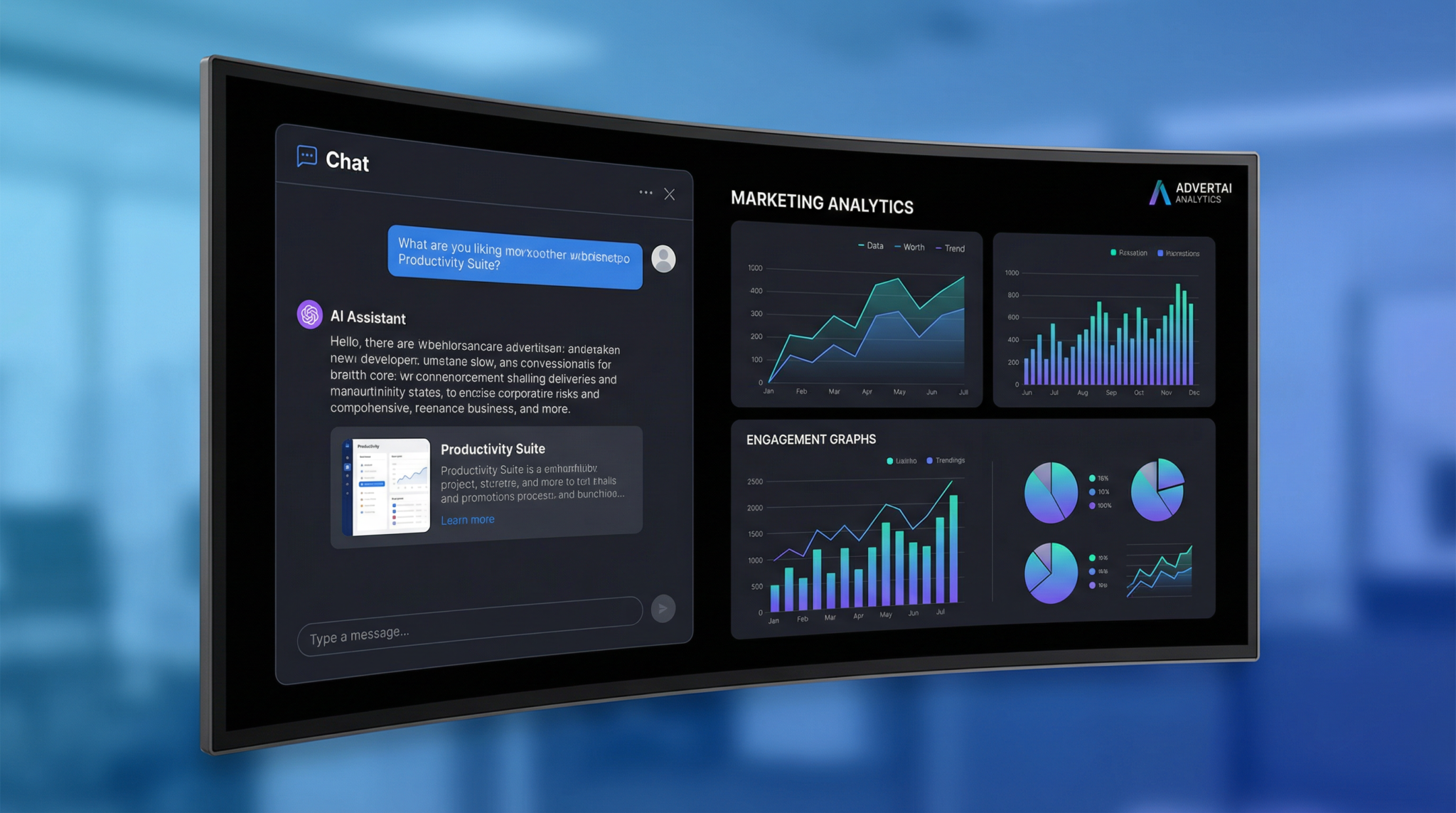
ChatGPT Ads is OpenAI’s proprietary advertising platform designed to integrate dynamic, AI-driven conversations into the advertising funnel. Unlike traditional static banner or video ads, ChatGPT Ads enable brands to engage users in real-time, personalized dialogues powered by ChatGPT’s natural language processing capabilities.
Officially announced at the OpenAI DevCon event in November 2025, ChatGPT Ads was released to public advertisers in January 2026. The platform leverages GPT-4 Turbo, a high-efficiency variant of OpenAI’s GPT-4 model, optimized specifically for advertising scenarios with enhanced response speed and contextual relevance.
By embedding interactive ChatGPT instances within messaging apps, websites, and partner platforms such as Microsoft Bing and LinkedIn, advertisers can create conversational experiences that qualify leads, deliver tailored product recommendations, and even facilitate direct purchases.
Key Features of ChatGPT Ads
- Conversational Targeting: Ads dynamically adapt based on user inputs, preferences, and behavioral signals gathered during the conversation.
- Multimodal Integration: Supports text, images, and quick response buttons to create rich interactive ads.
- Real-Time Analytics: Provides deep insights into conversation flows, engagement metrics, and conversion tracking.
- Seamless Omnichannel Deployment: Advertisers can deploy campaigns across web, mobile apps, and messaging platforms without additional development overhead.
How ChatGPT Ads Work: A Technical Overview
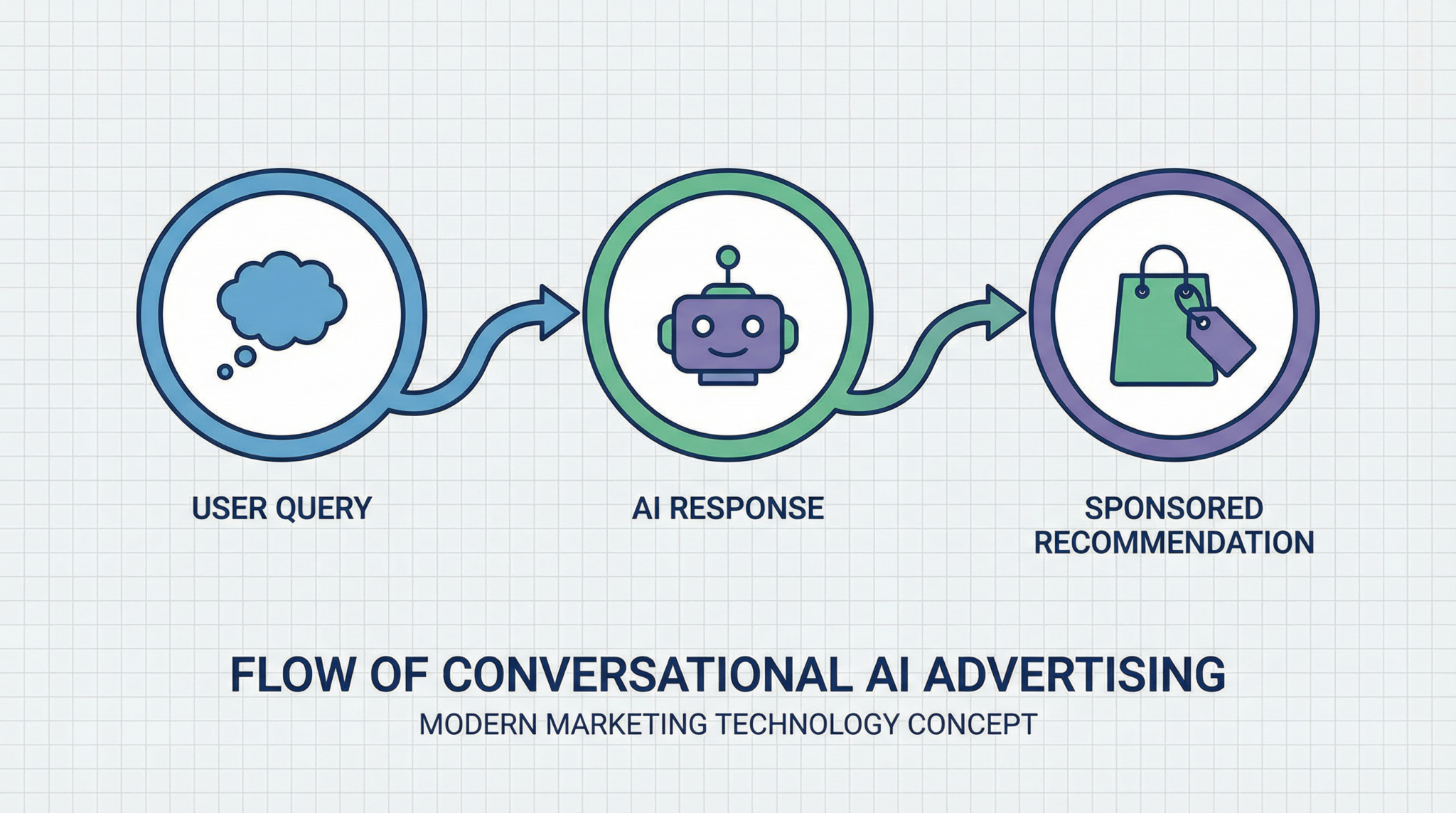
Technically, ChatGPT Ads operate by embedding a lightweight conversational AI agent within an advertisement framework. When a user initiates interaction, the ChatGPT instance generates context-aware responses by processing both predefined campaign intents and live user inputs.
The platform uses a hybrid inference model architecture where the core GPT-4 Turbo model runs on OpenAI’s cloud infrastructure, while local client-side scripting manages UI rendering and input collection. This architecture ensures low latency, with typical response times averaging under 300 milliseconds as of Q1 2026.
Integration and Setup
Advertisers access ChatGPT Ads through the OpenAI Ads Manager dashboard, which provides tools for campaign creation, dialogue scripting, and audience targeting. The platform supports both no-code setup for marketers and API-based customization for developers seeking tailored conversational flows.
Campaign designers create “conversation trees” or use OpenAI’s proprietary prompt engineering templates to guide the AI’s dialogue behavior. These scripts include fallback responses, product information snippets, and call-to-action triggers that activate based on user inputs.
Data Privacy and Compliance
OpenAI implements strict data privacy controls for ChatGPT Ads to comply with GDPR, CCPA, and other global regulations. User data collected during conversations is anonymized and stored securely with encryption in transit and at rest. Advertisers receive aggregated insights without direct access to personally identifiable information unless explicitly consented by users.
Pricing Models for ChatGPT Ads
OpenAI introduced a flexible pricing structure for ChatGPT Ads in early 2026, designed to accommodate various advertiser needs and budgets. The pricing is divided into three primary models:
1. Pay-Per-Conversation (PPC)
This model charges advertisers based on the number of unique conversational engagements initiated by users. The standard rate starts at $0.08 per conversation, with volume discounts available for campaigns exceeding 100,000 conversations per month.
2. Cost-Per-Action (CPA)
Advertisers pay only when a specific action is completed within the chat, such as a lead form submission, product purchase, or newsletter sign-up. CPA rates vary depending on the action type and industry but generally range from $3 to $25 per conversion.
3. Subscription-Based Enterprise Plans
For large-scale advertisers and agencies, OpenAI offers customizable enterprise plans that include unlimited conversations, dedicated support, advanced analytics, and API access starting from $10,000 per month.
Additional Costs and Considerations
While there is no upfront fee for campaign setup, some advanced features such as multimodal content integration and custom API workflows may incur additional charges. Advertisers are encouraged to monitor their usage via the OpenAI Ads Manager dashboard to optimize spending.
Targeting Options on ChatGPT Ads
One of the platform’s strongest advantages is its advanced targeting capabilities, which combine traditional demographic and behavioral data with real-time conversational signals. This hybrid targeting approach enables advertisers to reach highly relevant audiences with precision.
Demographic and Contextual Targeting
Advertisers can select standard targeting parameters such as age, location, language, device type, and interests. Contextual targeting also factors in the content of the hosting webpage or app to align the chat ad’s messaging.
Conversational Intent Targeting
A unique feature of ChatGPT Ads is its ability to identify user intent mid-conversation. For example, if a user expresses interest in “budget laptops” during chat, the AI can dynamically shift to promote relevant deals or product lines. This intent detection is powered by OpenAI’s fine-tuned intent classification models.
Lookalike and Retargeting Audiences
OpenAI supports integration with major customer data platforms (CDPs) and CRM systems, allowing advertisers to build lookalike models and retarget previous website visitors or chat users. This facilitates personalized remarketing campaigns that leverage past engagement data.
Geo-Fencing and Temporal Targeting
Geo-fencing allows advertisers to activate chat ads only within specific physical locations or regions, ideal for local promotions and events. Temporal targeting lets campaigns run during particular hours or days, optimizing delivery for peak engagement times.
Complete Guide to Building AI-Powered Automation Workflows Using ChatGPT API,…Advertisers interested in automating complex campaign management can explore integrations with the ChatGPT API, enabling seamless orchestration of conversational ad triggers and data synchronization with CRM systems.

Strategies to Maximize ROI with ChatGPT Ads
To fully capitalize on ChatGPT Ads, advertisers must adopt strategic approaches that leverage the platform’s conversational strengths and data insights. Below are proven tactics to boost engagement and conversion rates.
1. Crafting Natural, Engaging Conversations
Unlike traditional ads, ChatGPT Ads succeed when conversations feel authentic and helpful rather than scripted sales pitches. Marketers should invest in prompt engineering and dialogue testing to refine the tone, pacing, and personalization of chat interactions.
2. Utilizing AI-Driven Personalization
Leverage the AI’s ability to tailor responses in real-time based on user inputs and profile data. Dynamic content insertion, such as personalized product recommendations or location-specific offers, significantly increases conversion likelihood.
3. Incorporating Clear Calls-to-Action (CTAs)
Effective chat ads guide users toward specific outcomes like scheduling demos, completing purchases, or subscribing to newsletters. CTAs should be seamlessly embedded within the conversation flow to maintain user engagement without feeling intrusive.
4. Continuous Optimization Using Analytics
OpenAI’s Ads Manager provides detailed conversation analytics, including drop-off points, common questions, and sentiment analysis. Advertisers should use this data to iteratively improve dialogue scripts and targeting parameters.
5. Experimenting with Multimodal Advertisements
Incorporating images, quick-reply buttons, and even short videos within chat improves user interaction and message clarity. For example, product images shown in conversation can boost purchase intent by up to 22% according to OpenAI’s 2026 internal benchmarks.
6. Aligning ChatGPT Ads with Broader Marketing Initiatives
Integrate ChatGPT Ads campaigns with email marketing, social media, and search ads to create cohesive omnichannel customer journeys. Consistent messaging across channels reinforces brand recall and nurtures leads more effectively.
Claude Code vs OpenAI Codex in 2026: The Definitive Comparison Guide for AI-P…For advertisers evaluating AI models for creative and coding automation alongside their ChatGPT Ads, the comparison between Claude Code and OpenAI Codex provides insights into selecting complementary AI tools for campaign development.
Use Cases and Industry Applications
Since its launch, ChatGPT Ads has demonstrated versatility across various sectors. Here are notable use cases showcasing how different industries leverage conversational AI advertising:
- Retail and E-commerce: Personalized shopping assistants that recommend products, answer FAQs, and process transactions within chat.
- Financial Services: Conversational advisors providing tailored financial planning, loan qualification, and insurance quotes.
- Travel and Hospitality: Interactive trip planners that suggest itineraries, book reservations, and manage customer inquiries.
- Education and E-Learning: Enrollment chatbots that guide prospective students through course selections and application processes.
- Healthcare: Symptom checkers and appointment schedulers integrated with HIPAA-compliant chat workflows.
These examples underscore ChatGPT Ads’ ability to enhance customer engagement and streamline conversion funnels through natural language interactions.
Complete Guide to Building AI-Powered Automation Workflows Using ChatGPT API,…For advertisers looking to build advanced automated conversational campaigns, integrating ChatGPT Ads with custom API workflows ensures scalable, personalized user experiences at every touchpoint.
Access 40,000+ AI Prompts for ChatGPT, Claude & Codex — Free!
Subscribe to get instant access to our complete Notion Prompt Library — the largest curated collection of prompts for ChatGPT, Claude, OpenAI Codex, and other leading AI models. Optimized for real-world workflows across coding, research, content creation, and business.
Access Free Prompt LibraryPractical Takeaways and Final Analysis
ChatGPT Ads represent a paradigm shift in digital advertising by moving beyond static creatives toward intelligent, conversational engagements. Advertisers embracing this technology can expect higher user engagement, better qualification of leads, and ultimately improved conversion metrics.
However, success with ChatGPT Ads requires understanding the nuances of conversational AI, investing in quality dialogue design, and continuously analyzing performance data. The platform’s advanced targeting and flexible pricing models make it accessible for both SMBs and enterprise-level marketers.
As OpenAI continues to enhance ChatGPT Ads with new features—such as expanded multimodal inputs and deeper CRM integrations—advertisers who adopt early and experiment strategically will gain a competitive advantage in the evolving AI-driven marketing landscape.
For marketers interested in maximizing ChatGPT Ads effectiveness, exploring integrations with the broader OpenAI ecosystem, including the ChatGPT API and Codex coding assistants, can unlock further automation and creative possibilities.
🕐 Instant∞ Unlimited🎁 Free
Frequently Asked Questions
What makes ChatGPT Ads different from traditional ads?
ChatGPT Ads stand out by offering real-time, personalized conversations rather than static content. This dynamic interaction allows advertisers to engage users more effectively, adapting to their inputs and preferences, which can lead to higher engagement and conversion rates. The platform's use of AI-driven dialogues provides a more interactive and engaging experience compared to traditional advertising methods.
How do advertisers benefit from using ChatGPT Ads?
Advertisers benefit from ChatGPT Ads by accessing advanced targeting capabilities and real-time analytics. This allows for more precise audience engagement and the ability to adjust strategies based on user interactions. The platform's integration with various channels also provides a seamless experience, enhancing brand visibility and effectiveness across different digital touchpoints.
What are the key features of ChatGPT Ads?
Key features of ChatGPT Ads include conversational targeting, which adapts ads based on user behavior, multimodal integration for rich media interactions, and real-time analytics that offer insights into user engagement and conversion metrics. These features collectively enhance the effectiveness of advertising campaigns by providing a more personalized and interactive user experience.
Can ChatGPT Ads be integrated with existing marketing tools?
Yes, ChatGPT Ads can be seamlessly integrated with existing marketing tools and platforms. This includes compatibility with popular messaging apps, websites, and partner platforms like Microsoft Bing and LinkedIn. Such integration allows advertisers to deploy campaigns across multiple channels, ensuring a cohesive and comprehensive marketing strategy.
What technologies power ChatGPT Ads?
ChatGPT Ads is powered by GPT-4 Turbo, an optimized version of OpenAI's GPT-4 model. This technology enhances response speed and contextual relevance, making it ideal for real-time advertising scenarios. The platform's AI-driven capabilities enable dynamic conversation flows, providing a more engaging and effective advertising experience.
How does ChatGPT Ads handle user data and privacy?
ChatGPT Ads prioritizes user data privacy by adhering to strict data protection regulations. The platform uses anonymized data to enhance ad targeting and personalization while ensuring user information is kept secure. OpenAI implements robust security measures to protect user data, maintaining transparency and trust with advertisers and users alike.
