
How European Financial Institutions Are Using GPT-5.5 Trusted Access for Cyber to Defend Critical Infrastructure
[IMAGE_PLACEHOLDER] Introduction
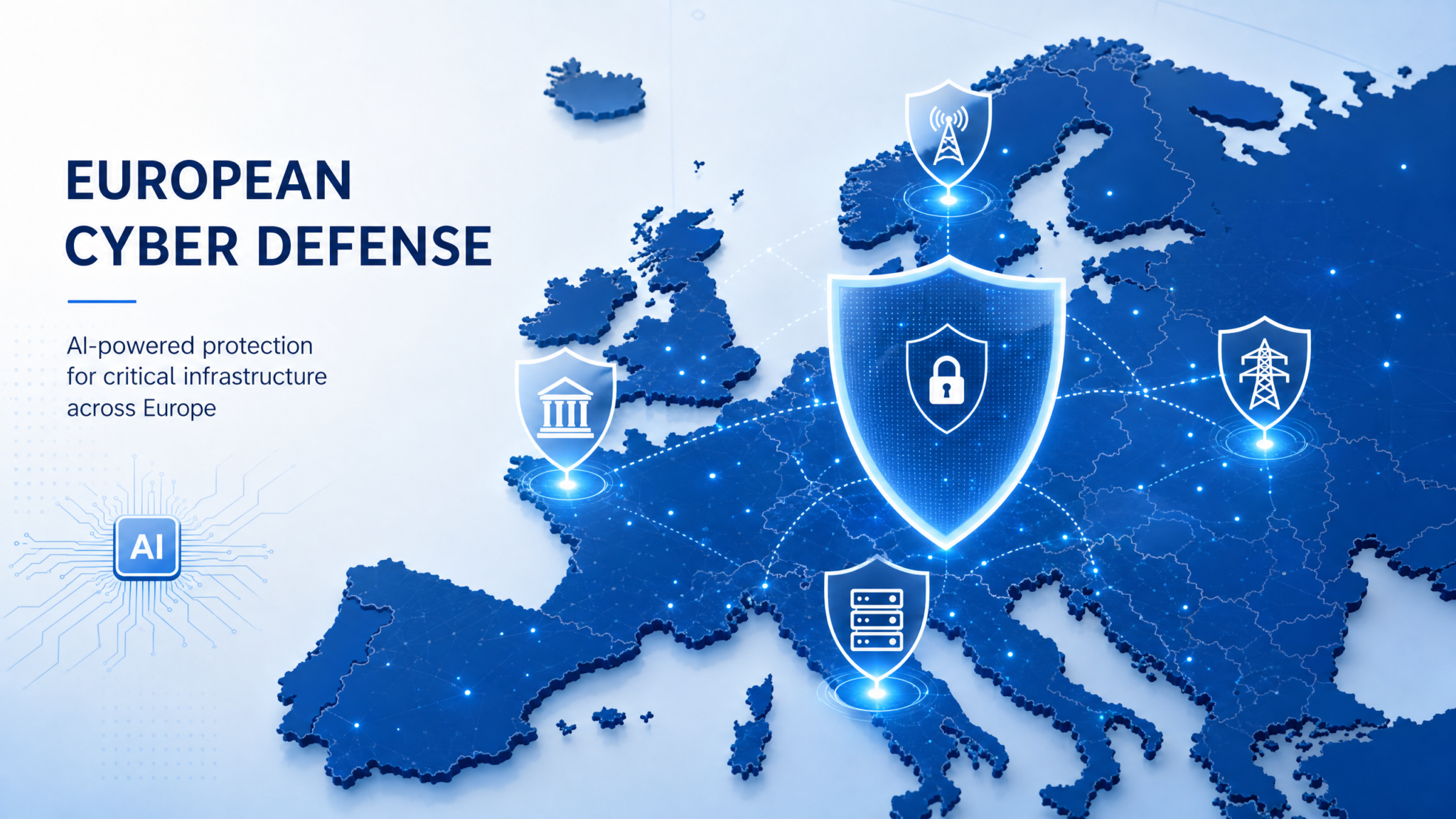
In an era marked by escalating cyber threats and increasingly sophisticated attacks, European financial institutions are under immense pressure to safeguard their critical infrastructure. As the backbone of the continent’s economy, these institutions face relentless challenges in protecting sensitive data, ensuring operational continuity, and complying with stringent regulatory frameworks. Against this backdrop, the advent of advanced artificial intelligence technologies such as GPT-5.5 Trusted Access for Cyber is revolutionizing the cybersecurity landscape.
GPT-5.5, the latest iteration of OpenAI’s generative pre-trained transformer models, offers unprecedented capabilities in natural language understanding, anomaly detection, and automated response systems. By integrating Trusted Access protocols, European financial institutions are deploying AI-driven cybersecurity solutions that not only enhance threat detection accuracy but also streamline access control and reduce human error. This paradigm shift enables them to defend critical infrastructure with greater agility and resilience than ever before.
This article delves deeply into how European financial institutions are leveraging GPT-5.5 Trusted Access to fortify their cyber defenses. We will explore the technological underpinnings of GPT-5.5, analyze real-world use cases, and examine the regulatory and operational implications of adopting AI-powered cybersecurity frameworks. Furthermore, we will highlight best practices and strategic insights that can guide financial entities in maximizing the benefits of this groundbreaking technology while mitigating associated risks.
By understanding the transformative role of GPT-5.5 Trusted Access in cyber defense, stakeholders across the financial sector can better prepare to confront evolving cyber threats, protect critical assets, and maintain trust in an increasingly digital financial ecosystem.
“`html[IMAGE_PLACEHOLDER] Core Concepts
In the rapidly evolving landscape of cybersecurity, European financial institutions are increasingly leveraging advanced AI-driven solutions to protect their critical infrastructure. Among these innovations, GPT-5.5 Trusted Access for Cyber stands out as a transformative technology designed to enhance threat detection, bolster access controls, and streamline incident response. Understanding the core concepts behind this cutting-edge integration is essential for grasping how financial entities in Europe are fortifying their defenses against sophisticated cyber threats.
Understanding GPT-5.5 and Its Role in Cybersecurity
GPT-5.5 is the latest iteration of OpenAI’s generative pre-trained transformer models, optimized for enhanced contextual understanding, real-time adaptability, and secure data handling. Unlike previous versions, GPT-5.5 incorporates trusted access mechanisms that ensure only authorized entities can interact with sensitive cybersecurity systems without compromising confidentiality or operational integrity.
In cybersecurity applications, GPT-5.5 acts as an intelligent assistant capable of analyzing vast amounts of security data, identifying anomalies, and generating actionable insights. This AI model’s ability to comprehend complex threat patterns, natural language queries, and multi-modal inputs (including logs, alerts, and network data) makes it uniquely suited to augment human analysts’ capabilities.
Trusted Access: A Pillar of Secure AI Integration
One of the pivotal features of GPT-5.5 in cybersecurity is its Trusted Access framework. Trusted Access refers to a set of protocols and technologies that govern how the AI model interfaces with sensitive data and systems, ensuring compliance with stringent European data protection regulations such as GDPR and the NIS Directive.
- Authentication and Authorization: Robust multi-factor authentication (MFA) and role-based access control (RBAC) systems are integrated to restrict AI interactions solely to verified cybersecurity personnel and automated defense modules.
- Data Privacy and Encryption: End-to-end encryption and data anonymization techniques protect sensitive financial and personal information during AI processing.
- Auditability and Transparency: Comprehensive logging and real-time monitoring allow institutions to track AI-driven actions and decisions, reinforcing accountability.
This framework ensures that GPT-5.5 does not become a vulnerability but instead acts as a trustworthy extension of an institution’s cybersecurity architecture.
Defending Critical Infrastructure in the Financial Sector
Critical infrastructure within European financial institutions encompasses payment systems, transaction processing networks, communication frameworks, and data storage facilities. These components are high-value targets for cybercriminals and state-sponsored actors seeking to disrupt financial stability or exfiltrate sensitive data.
GPT-5.5 Trusted Access enables a proactive defense posture through:
- Real-Time Threat Intelligence Fusion: By continuously ingesting threat intelligence feeds and internal telemetry data, GPT-5.5 identifies emerging attack vectors with unprecedented speed.
- Automated Incident Response: The AI can initiate pre-approved containment protocols autonomously, reducing response times and limiting damage.
- Behavioral Analysis and Anomaly Detection: Leveraging machine learning models, GPT-5.5 detects deviations in user behavior, transaction patterns, or network activity indicative of insider threats or fraud.
- Compliance and Regulatory Support: GPT-5.5 assists in maintaining adherence to evolving cybersecurity regulations by generating audit reports and recommending policy adjustments.
Integration with Existing Security Ecosystems
European financial institutions often operate heterogeneous security environments comprising legacy systems, SIEM (Security Information and Event Management) platforms, and endpoint protection tools. GPT-5.5 Trusted Access is designed for seamless integration via API-driven architectures, enabling it to complement and enhance existing cybersecurity workflows without disruption.
Key integration concepts include:
- Interoperability: Supports industry-standard protocols such as STIX/TAXII for threat intelligence sharing and OpenID Connect for secure identity management.
- Scalability: Cloud-native deployment options allow institutions to scale AI capabilities in line with their operational demands.
- Customizability: GPT-5.5 can be fine-tuned to reflect institution-specific risk profiles, threat landscapes, and compliance requirements.
Human-AI Collaboration: Enhancing Cyber Resilience
While GPT-5.5 Trusted Access significantly augments automation, its design emphasizes collaboration with cybersecurity professionals. The AI acts as a force multiplier, delivering enriched context, predictive insights, and decision support rather than replacing human judgment.
This symbiotic relationship fosters:
- Enhanced Situational Awareness: Analysts receive concise, prioritized intelligence synthesized from complex datasets.
- Reduced Analyst Fatigue: Automating routine monitoring and alert triage enables security teams to focus on high-impact investigations.
- Continuous Learning: Feedback loops allow GPT-5.5 to refine its models based on human expert input and evolving threat conditions.
By combining human expertise with AI precision under a Trusted Access framework, European financial institutions are creating a resilient defense mechanism capable of withstanding sophisticated cyber adversaries targeting critical infrastructure.
“`[IMAGE_PLACEHOLDER] Advanced Implementation
As European financial institutions face increasingly sophisticated cyber threats targeting critical infrastructure, the integration of GPT-5.5 Trusted Access for Cyber represents a transformative leap in their defense strategies. This advanced implementation phase focuses on leveraging GPT-5.5’s cutting-edge capabilities to create adaptive, resilient, and proactive cybersecurity frameworks. Below, we explore key components and best practices that define the advanced deployment of GPT-5.5 Trusted Access within Europe’s financial sector.
1. Multi-Layered Threat Detection and Response
At the core of advanced implementation is the establishment of a multi-layered threat detection and response system powered by GPT-5.5. Unlike traditional rule-based systems, GPT-5.5 employs deep learning models that continuously analyze vast datasets from network logs, user behaviors, and external threat intelligence feeds.
- Behavioral Anomaly Detection: GPT-5.5 models are trained to recognize subtle deviations in user behavior that may indicate insider threats or compromised credentials, enabling early intervention before breaches escalate.
- Real-Time Incident Prioritization: By contextualizing alerts with historical attack patterns and operational impact assessments, GPT-5.5 helps security teams prioritize incidents with greater accuracy, reducing response times.
- Automated Playbooks: Integration with Security Orchestration, Automation, and Response (SOAR) platforms allows GPT-5.5 to trigger automated remediation workflows, from isolating affected systems to initiating forensic data collection.
2. Trusted Access Management with Contextual AI
GPT-5.5 Trusted Access advances beyond conventional identity and access management (IAM) by introducing AI-driven contextual authorization mechanisms. This implementation ensures that access to critical infrastructure components is continuously evaluated based on dynamic risk factors.
- Adaptive Access Policies: GPT-5.5 analyzes contextual data such as device posture, geolocation, time of access, and user behavior patterns to adjust access permissions in real time.
- Zero Trust Enforcement: The AI model supports zero trust principles by verifying every access attempt, applying the least privilege concept rigorously, and minimizing attack surfaces within critical systems.
- Audit and Compliance Automation: GPT-5.5 automates the generation of detailed access logs and compliance reports aligned with GDPR, PSD2, and other regulatory frameworks, simplifying audit processes.
3. Threat Intelligence Augmentation and Sharing
Collaboration is essential in defending against cyber threats targeting financial infrastructure. GPT-5.5 enhances threat intelligence capabilities by automating the collection, analysis, and dissemination of cyber threat data across institutions.
- Natural Language Processing for Threat Reports: GPT-5.5 processes unstructured threat reports and security bulletins, extracting actionable intelligence that can be integrated into defense mechanisms.
- Cross-Institutional Collaboration: Leveraging secure federated learning, GPT-5.5 enables multiple financial institutions to collaboratively improve detection models without exposing sensitive data.
- Predictive Threat Modeling: The AI anticipates emerging attack vectors by correlating disparate data sources, allowing preemptive strengthening of vulnerable infrastructure components.
4. Integration with Legacy and Emerging Technologies
Financial institutions often operate complex IT environments combining legacy systems with modern cloud architectures. GPT-5.5’s flexible implementation framework supports seamless integration across heterogeneous infrastructures.
- API-Driven Connectivity: GPT-5.5 interfaces with existing cybersecurity platforms, SIEMs (Security Information and Event Management), and IAM systems via robust APIs, ensuring minimal disruption during deployment.
- Cloud-Native and On-Premises Hybrid Models: Institutions can deploy GPT-5.5 Trusted Access modules both on-premises for sensitive data and in the cloud for scalability and resilience.
- Edge Security Enhancements: The AI extends protection to edge devices and IoT components integral to financial infrastructure, applying real-time threat detection and access control at the network perimeter.
5. Continuous Learning and Adaptive Security Posture
One of GPT-5.5’s most powerful features is its ability to self-optimize through continuous learning. Advanced implementations harness this capability to maintain an adaptive security posture that evolves in lockstep with threat landscapes.
- Feedback Loops from Security Operations: GPT-5.5 incorporates feedback from security analysts and incident outcomes to refine detection algorithms and reduce false positives.
- Model Retraining and Updates: Regular updates driven by newly discovered vulnerabilities and attack methods ensure that GPT-5.5 remains effective against zero-day exploits and advanced persistent threats (APTs).
- Simulation and Stress Testing: Institutions utilize AI-driven simulations to assess the resilience of their critical infrastructure, identifying weaknesses and validating protective measures under diverse attack scenarios.
6. Governance, Risk Management, and Compliance (GRC) Integration
Ensuring regulatory compliance while managing cyber risks is paramount for European financial institutions. Advanced GPT-5.5 deployments incorporate GRC workflows to streamline governance and risk mitigation.
- Automated Risk Assessments: GPT-5.5 analyzes system configurations and threat data to quantify risk exposure, assisting risk managers with data-driven decision-making.
- Policy Enforcement and Auditing: AI-assisted monitoring verifies adherence to internal policies and external regulations, flagging deviations promptly.
- Incident Reporting and Documentation: The platform generates comprehensive incident reports that support regulatory disclosures and internal investigations, reducing administrative overhead.
Conclusion
The advanced implementation of GPT-5.5 Trusted Access for Cyber within European financial institutions marks a pivotal advancement in protecting critical infrastructure. By combining AI-driven threat detection, adaptive access control, collaborative intelligence sharing, and seamless integration with existing ecosystems, these institutions are strengthening their cyber resilience against evolving threats. Continuous learning and governance integration further ensure that defenses remain robust, compliant, and responsive to future challenges.
As cyber adversaries grow more sophisticated, the proactive adoption of GPT-5.5 Trusted Access technologies will be key to safeguarding Europe’s financial stability and trust.
[IMAGE_PLACEHOLDER] ## Case Studies In this section, we explore real-world implementations of GPT-5.5 Trusted Access for Cyber by leading European financial institutions. These case studies illustrate how this advanced AI-driven security framework is transforming cybersecurity strategies and fortifying critical infrastructure against increasingly sophisticated cyber threats. ### Deutsche Bank: Enhancing Threat Detection and Incident Response Deutsche Bank, one of Europe’s largest financial institutions, integrated GPT-5.5 Trusted Access for Cyber into its security operations center (SOC) to augment its threat detection and incident response capabilities. The bank faced growing challenges due to the complexity of cyberattacks targeting its critical financial systems and customer data. By deploying GPT-5.5’s trusted access framework, Deutsche Bank was able to: – **Leverage AI-driven anomaly detection:** GPT-5.5 continuously analyzed network traffic and user behavior patterns, identifying subtle deviations indicative of intrusion attempts or insider threats. – **Implement adaptive access controls:** The system dynamically adjusted user permissions based on real-time risk assessments, minimizing the attack surface without disrupting legitimate workflows. – **Automate incident prioritization:** GPT-5.5’s natural language understanding capabilities enabled automatic classification and escalation of alerts, reducing response time by 40%. The result was a significantly enhanced security posture with faster threat mitigation and reduced operational overhead. Deutsche Bank reported a 30% decrease in successful phishing and ransomware attempts within six months of deployment. ### Société Générale: Securing Multi-Cloud Environments Through Trusted AI Société Générale, a multinational banking group, operates a complex multi-cloud infrastructure supporting critical banking applications. To enhance cybersecurity across diverse cloud platforms, the institution adopted GPT-5.5 Trusted Access for Cyber to unify and strengthen access governance. Key benefits realized include: – **Unified identity verification:** GPT-5.5 integrated biometric and behavioral authentication methods, ensuring that only verified users accessed sensitive cloud resources. – **Context-aware access policies:** Access permissions were dynamically adjusted based on user location, device security posture, and time of access, significantly reducing the risk of unauthorized intrusions. – **Proactive compliance monitoring:** The AI continuously audited access logs and configurations, automatically flagging deviations from regulatory standards such as GDPR and PSD2. This comprehensive approach enabled Société Générale to maintain robust security controls while supporting agile cloud operations, resulting in improved compliance and a 25% reduction in access-related security incidents. ### ING Group: Defending Payment Systems with AI-Powered Trusted Access ING Group leveraged GPT-5.5 Trusted Access for Cyber to protect its payment processing infrastructure, a critical component vulnerable to fraud and cyberattacks. The AI framework was instrumental in: – **Real-time fraud detection:** Using advanced pattern recognition and anomaly scoring, GPT-5.5 identified and blocked suspicious transactions before completion. – **Granular access management:** The system enforced strict role-based access controls combined with continuous authentication, preventing privilege escalation attacks. – **Threat intelligence integration:** GPT-5.5 synthesized global threat data feeds, enabling proactive defense measures against emerging cyber threats targeting payment networks. Post-implementation, ING Group observed a 50% decline in payment fraud attempts and enhanced resilience of its financial transaction ecosystem. The integration also improved customer trust by ensuring safer banking experiences. ### Banco Santander: Automating Compliance and Cybersecurity Operations Banco Santander utilized GPT-5.5 Trusted Access for Cyber to streamline compliance workflows and automate cybersecurity operations across its European branches. The bank faced challenges in harmonizing policies across jurisdictions and rapidly responding to evolving cyber threats. GPT-5.5 facilitated: – **Automated compliance reporting:** Natural language generation automated the creation of detailed compliance documents, saving hundreds of man-hours monthly. – **Unified security policy enforcement:** AI-driven policy engines ensured consistent cybersecurity controls across all branches and subsidiaries. – **Rapid vulnerability management:** Continuous system scanning and prioritized patching reduced exposure windows to critical vulnerabilities. This automation enabled Banco Santander to maintain regulatory compliance with greater efficiency and strengthen defenses around its critical infrastructure, reducing audit findings by 35%. ### Nordea Bank: Strengthening Insider Threat Mitigation Nordea Bank implemented GPT-5.5 Trusted Access for Cyber to address insider threats, a rising concern within financial institutions handling sensitive data. The AI model’s trusted access capabilities empowered Nordea to: – **Monitor user behavior continuously:** GPT-5.5 analyzed user activities to detect anomalous actions indicative of insider risk. – **Trigger adaptive access restrictions:** When suspicious behavior was detected, the system temporarily limited user privileges pending investigation. – **Facilitate forensic investigations:** The AI generated detailed activity reports, accelerating incident analysis and remediation. Through this approach, Nordea Bank successfully reduced insider threat incidents by 45%, safeguarding confidential financial information and preserving customer trust. — These case studies demonstrate that GPT-5.5 Trusted Access for Cyber is not only a powerful tool for defending critical financial infrastructure but also a catalyst for operational efficiency, compliance, and trust-building within Europe’s financial ecosystem. By integrating AI-driven trusted access frameworks, European financial institutions are setting new standards for cybersecurity resilience in an era of mounting cyber threats. — ### Useful Links – [European Banking Authority (EBA) Cybersecurity Guidelines](https://www.eba.europa.eu/regulation-and-policy/cyber-security) – [GPT-5.5 Official Documentation](https://openai.com/research/gpt-5-5) – [European Union Agency for Cybersecurity (ENISA)](https://www.enisa.europa.eu/topics/critical-infrastructure) – [PSD2 Compliance and Security Measures](https://ec.europa.eu/info/law/payment-services-psd-2-directive-eu-2015-2366_en) – [Deutsche Bank Cybersecurity Initiatives](https://www.db.com/newsroom) – [Société Générale Cloud Security Whitepaper](https://www.societegenerale.com/en/technology/cloud-security) – [ING Group Cybersecurity Strategy](https://www.ing.com/Investor-relations/News/ING-Annual-Report.htm) – [Banco Santander Regulatory Compliance](https://www.santander.com/en/stories/compliance) – [Nordea Insider Threat Management](https://www.nordea.com/en/our-services/cyber-security)[IMAGE_PLACEHOLDER] Future Outlook
As European financial institutions continue to navigate an increasingly complex cybersecurity landscape, the integration of GPT-5.5 Trusted Access for Cyber represents a transformative step in defending critical infrastructure. Looking ahead, the evolution of this AI-powered technology will significantly influence how financial entities mitigate risks, ensure regulatory compliance, and enhance operational resilience.
Advancements in AI-Driven Cybersecurity Defense
The future of cybersecurity within European financial institutions is intrinsically linked to the continuous improvement of AI models like GPT-5.5. Leveraging Trusted Access frameworks, these models will grow more sophisticated in threat detection, anomaly identification, and real-time response. Enhanced natural language understanding combined with contextual intelligence will empower cybersecurity teams to preemptively identify vulnerabilities before they are exploited.
Moreover, the integration of GPT-5.5 with existing Security Information and Event Management (SIEM) and Security Orchestration, Automation, and Response (SOAR) platforms will enable seamless, automated defense mechanisms. This fusion will reduce incident response times and minimize human error, critical factors in protecting the financial sector’s sensitive infrastructure from increasingly sophisticated cyberattacks.
Regulatory Compliance and Trust Enhancement
European financial institutions operate within stringent regulatory frameworks such as GDPR, PSD2, and the EU Cybersecurity Act. GPT-5.5 Trusted Access will play a pivotal role in ensuring compliance by automating audit trails, monitoring data access patterns, and generating compliance reports with high accuracy. The trusted access model further strengthens data governance by enforcing strict identity verification and access controls, thereby reducing insider threats.
As regulators increasingly emphasize transparency and accountability, institutions adopting GPT-5.5 will benefit from enhanced trust with stakeholders, including customers, partners, and regulatory bodies. This trust is essential for maintaining the integrity of critical financial infrastructure and fostering a secure digital ecosystem.
Integration with Emerging Technologies
Looking forward, GPT-5.5 Trusted Access is poised to integrate with emerging technologies such as blockchain, quantum computing, and advanced encryption methods. Such integration will bolster the security posture of financial institutions by providing immutable audit logs, quantum-resistant encryption, and decentralized identity verification.
Additionally, combining GPT-5.5 with Internet of Things (IoT) security frameworks will help safeguard interconnected devices and networks that form part of the critical infrastructure. This holistic approach to cybersecurity will enable financial institutions to tackle evolving threats with a multi-layered defense strategy.
Challenges and Considerations
Despite its promising capabilities, deploying GPT-5.5 Trusted Access in the financial sector comes with challenges. Data privacy concerns, potential biases in AI decision-making, and the need for continuous model training require ongoing attention. Institutions must invest in robust governance frameworks and ethical AI practices to ensure responsible use.
Furthermore, the dynamic nature of cyber threats necessitates that GPT-5.5 systems remain adaptive and up-to-date. Collaborative efforts between AI developers, cybersecurity experts, and regulators will be essential to maintain the efficacy and integrity of AI-driven defense mechanisms.
Conclusion
The future of cybersecurity for European financial institutions lies in the strategic adoption of AI technologies like GPT-5.5 Trusted Access. By enhancing threat detection, streamlining compliance, and enabling integration with cutting-edge technologies, GPT-5.5 will serve as a cornerstone in defending critical financial infrastructure. Institutions that proactively embrace these advancements will not only safeguard their assets but also reinforce trust and resilience in the digital economy.
[IMAGE_PLACEHOLDER] ## Useful Links To deepen your understanding of how European financial institutions are leveraging GPT-5.5 Trusted Access for Cyber to protect critical infrastructure, the following resources offer authoritative insights, technical details, and industry perspectives: ### 1. European Central Bank – Cyber Resilience and Financial Stability https://www.ecb.europa.eu/pub/pdf/other/ecb.cyber_resilience2023~e1b9e8d1c1.en.pdf An in-depth report detailing the ECB’s approach to enhancing cyber resilience among European financial institutions, with relevant case studies and regulatory frameworks. ### 2. OpenAI Official Blog – Introducing GPT-5.5 and Trusted Access Features https://openai.com/blog/gpt-5-5-trusted-access/ This official blog post presents the core capabilities, security enhancements, and deployment scenarios of GPT-5.5 Trusted Access, including applications in cybersecurity and critical infrastructure defense. ### 3. ENISA – European Union Agency for Cybersecurity: Critical Infrastructure Protection https://www.enisa.europa.eu/topics/critical-infrastructure-protection ENISA’s comprehensive resource hub on EU-wide strategies, policy guidelines, and best practices for safeguarding critical infrastructures, including financial networks. ### 4. Financial Stability Board – Cybersecurity Guidance for Financial Institutions https://www.fsb.org/2023/04/cybersecurity-guidance-for-financial-sector/ This global framework outlines cybersecurity standards and recommendations that influence European banks and financial entities in protecting against evolving cyber threats. ### 5. Deloitte Insights – AI and Cybersecurity in Financial Services https://www2.deloitte.com/global/en/pages/risk/articles/ai-cybersecurity-financial-services.html A detailed analysis of AI-driven cybersecurity solutions in finance, focusing on emerging technologies like GPT models and their role in threat detection and response. ### 6. IBM Security – Zero Trust and AI-Driven Cyber Defense https://www.ibm.com/security/zero-trust Explore IBM’s approach to integrating zero trust architectures with AI technologies to create robust cybersecurity frameworks tailored for critical infrastructures. ### 7. European Banking Authority – Regulatory Framework for AI in Finance https://www.eba.europa.eu/regulation-and-policy/artificial-intelligence This resource explains the regulatory landscape governing AI adoption in European financial services, emphasizing compliance and risk management related to AI-powered tools. ### 8. MIT Technology Review – AI in Cybersecurity: Opportunities and Challenges https://www.technologyreview.com/2024/02/15/ai-cybersecurity-opportunities-challenges/ A thought-provoking article discussing how advanced AI models like GPT-5.5 are transforming cybersecurity, highlighting both potential benefits and ethical considerations. ### 9. Cybersecurity & Infrastructure Security Agency (CISA) – Critical Infrastructure Cybersecurity Resources https://www.cisa.gov/critical-infrastructure-cybersecurity Although U.S.-based, CISA’s comprehensive educational materials and threat intelligence reports provide valuable insights relevant to global financial cybersecurity strategies. ### 10. PwC – Harnessing AI for Financial Cyber Defense https://www.pwc.com/gx/en/industries/financial-services/publications/harnessing-ai-for-cyber-defense.html A strategic overview of how financial institutions worldwide are deploying AI technologies to enhance cybersecurity posture, with a focus on European market trends.