
25 ChatGPT Images Prompts for Personalized Sticker Packs: Character Consistency, Consent, Transparent Assets, Messaging Export, and QA
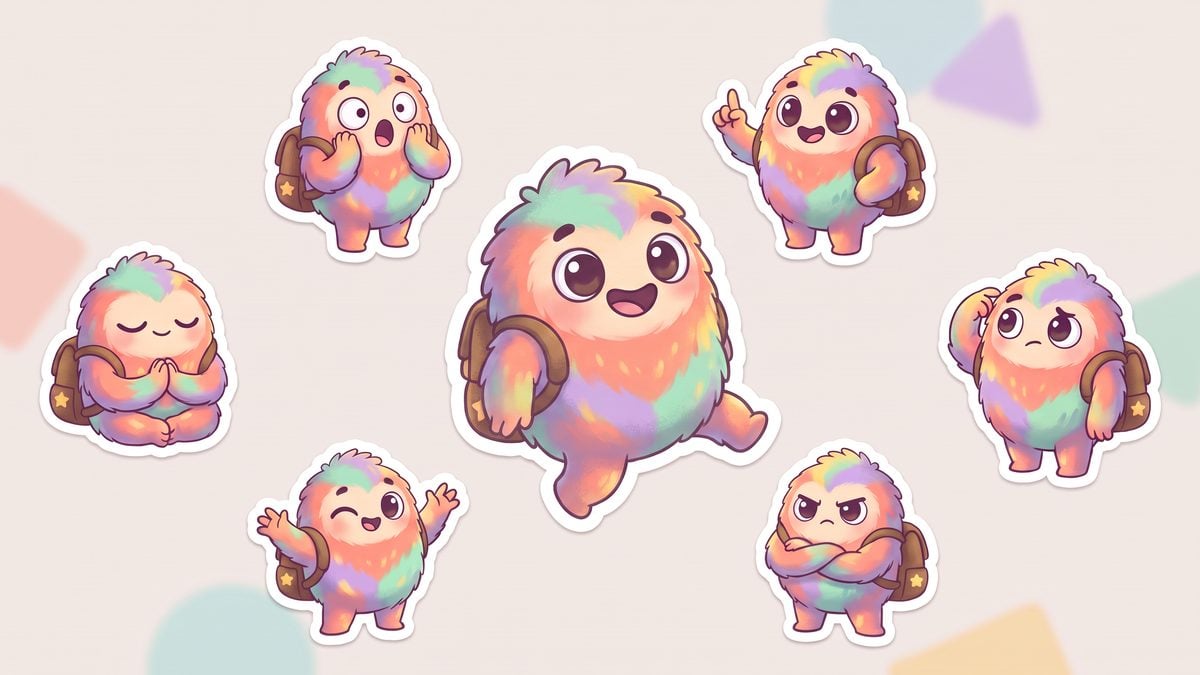
Personalized Sticker Packs in ChatGPT: What OpenAI Has Announced, and What Production Teams Still Need to Verify
OpenAI’s release notes for August 31 state that ChatGPT users can create and share personalized sticker packs from either an idea or a photo, use a prompt or template, download the pack, and add supported packs to iMessage or WhatsApp. OpenAI describes the feature as available to all ChatGPT users on mobile globally, while practical availability can still depend on the installed app version, account state, rollout timing, operating-system behavior, and any workspace or device policies that affect image features or downloads.
This prompts masterclass treats that release as a production starting point, not as a promise that every generated sticker will be instantly accepted by every messaging app. The official documentation establishes the broad capability: create images in ChatGPT, start from a prompt or uploaded image where permitted, download outputs, and use supported sticker-pack flows. It does not remove the need to inspect the exported files, confirm the current platform requirements for iMessage or WhatsApp, verify transparency and edge quality, and test the sticker pack on the actual device and account that will share it.
The practical difference matters for creators and teams. A feature document can say a sticker pack can be downloaded and added to a supported messaging app; it does not guarantee that a particular asset has a usable alpha channel, the exact dimensions a platform currently prefers, a perfect silhouette at chat-bubble scale, or acceptance by a third-party app after its next update. Treat ChatGPT as a generator and editor in the asset pipeline, then treat your phone, messaging app, file inspector, and human review checklist as the release gate.
The safest way to use the new sticker-pack workflow is to begin with a locked rights-and-consent contract before anyone uploads a photo or writes a character prompt. Use only original characters, public-domain materials that you have independently verified, or images you own or have explicit permission to edit and redistribute. If the sticker pack depicts an identifiable person, get consent for both editing and sharing before upload, and do not use the person’s likeness in a deceptive, confusing, humiliating, exploitative, or age-inappropriate way.
This article covers using ChatGPT Images 2.5 to restore family photo archives with damage repair, colorization, cropping, print preparation, and consent-aware handling of personal images. The 25 ChatGPT Images 2.5 Prompts for Restoring a Family Photo Archive: Damage Repair, Colorization, Cropping, Print Preparation, and Consent article is a focused companion for Image Rights and Consent because it is the strongest match for a sticker-pack section about image rights and consent because it specifically discusses consent in the context of editing personal photos, not just generic image generation.
For founders, social teams, school clubs, family group chats, and enterprise communications teams, the most common failure is not a bad prompt; it is an asset with unclear rights. A photo found on a search engine, a celebrity image, a sports mascot, an anime character, a game avatar, a corporate logo, or a screenshot from a streaming show is not automatically safe because it can be uploaded. OpenAI’s usage policies require lawful, non-abusive use, and your organization may have stricter brand, privacy, employee-image, youth-safety, or records-retention rules.
This article’s prompts are written for legitimate sticker production: a pet mascot your family photographed, an original office character created for internal culture, a public-domain illustration after rights review, a consented selfie converted into expressive reaction stickers, or a classroom character designed by students under an educator’s rules. The prompts deliberately avoid asking for protected branded characters, logos, living-artist style imitation, celebrity lookalikes, deceptive impersonation, or outputs that make a real person appear to have said, done, endorsed, or felt something they did not approve.
The Rights-and-Consent Contract to Apply Before Any Prompt
Use the following contract as an operational rule for every sticker-pack job, whether you are experimenting alone or managing a team workflow. It is not legal advice, and teams should involve qualified counsel for commercial, employment, school, or public campaign uses. It is a conservative checklist that keeps the creative process inside a safer boundary before files enter ChatGPT or any messaging app.
| Gate | Decision rule | Practical example | Stop condition |
|---|---|---|---|
| Source rights | Use only original work, verified public-domain material, or material you have permission to edit and redistribute. | A team mascot drawn by an employee under an approved work-for-hire or internal contribution policy. | The source was copied from a search result, social post, game, show, brand page, or another creator without documented permission. |
| Identifiable people | Obtain consent before uploading, editing, or sharing a sticker that depicts a recognizable person. | A friend agrees that their birthday selfie can be turned into a private group-chat sticker pack. | The person is a child, employee, student, customer, patient, or private individual and consent is missing, ambiguous, or too narrow. |
| Non-deceptive use | Do not imply real speech, endorsement, conduct, identity, affiliation, or approval that is not true. | A consented coworker reaction sticker labeled as playful internal chat art. | The sticker could make viewers think a real person endorsed a product, political position, legal statement, romantic message, or workplace decision. |
| Protected characters and brands | Avoid logos, mascots, copyrighted characters, distinctive trade dress, and branded universes unless your organization has the necessary rights. | An original “space bean” mascot with its own colors, shapes, and name. | The brief asks for “like this famous cartoon,” “with this logo,” or “make our mascot look like a known franchise character.” |
| Human QA | A person must inspect the final assets before sharing, publishing, importing, or sending externally. | A reviewer checks likeness, artifacts, hands, text, edges, transparency, file behavior, duplicate reactions, and audience suitability. | The workflow automatically sends, posts, imports, submits, or publishes stickers without human approval. |
Teams should record the contract in the same place they store the sticker brief. For a personal project, that may be a short note: “I took this dog photo, I own it, and the pack is for private family chat.” For a company, it should include the asset owner, approver, permitted audience, expiration or campaign window if relevant, and whether the output can be used externally. For an educator, it should reflect school policy, guardian requirements where applicable, and limits on student images.
The contract also protects creative quality. When the rights boundary is clear, prompts can focus on style, expressions, silhouette, emotion, and export checks instead of trying to imitate a famous property. Originality is not merely a compliance burden; it gives the sticker pack a consistent visual identity that can survive multiple expressions without looking like a weak copy of a protected character.
How to Think About Prompt-or-Photo Starting Points
OpenAI’s release note identifies two starting points: an idea or a photo. An idea-first workflow is best when you want a new fictional mascot, classroom helper, team avatar, pet-inspired character without copying a specific photo, or brand-safe character family. A photo-first workflow is best when the sticker pack is intentionally based on a real object, pet, person, costume, craft, product prototype, or physical artwork that you have rights to use and permission to transform.
Idea-first prompting should specify stable identity anchors: species or character type, face shape, body proportions, color palette, clothing or accessory rules, line weight, emotional range, and forbidden elements. The goal is to create a character bible before asking for multiple stickers. Without those anchors, a pack can drift from one image to the next: the mascot gains a different nose, swaps colors, changes age, or becomes a new character in each reaction.
This ChatGPT Images advanced-prompting guide presents production patterns including structured specifications, negative constraints, and reference-image conditioning, all of which support repeatable character-consistency workflows for sticker packs. The ChatGPT Images 2.0 Advanced Prompting: 25 Patterns That Get Production-Quality Outputs article is a focused companion for Character Consistency Workflows because the target is image-specific and explicitly covers reference conditioning and production prompting, making it far more accurate than a general business-workflow list.
Photo-first prompting needs a different level of caution. If the photo contains an identifiable person, consent is the first requirement, and the prompt should preserve dignity while avoiding deceptive use. If the photo contains a product, artwork, sign, uniform, or logo, the reviewer must decide whether those elements should be removed, generalized, or retained only if the team has rights. If the photo includes bystanders, private locations, children, medical context, school context, or sensitive documents, do not upload it unless you have a lawful, necessary, policy-compliant reason and appropriate permissions.
For both starting points, the correct instruction is not “make this accepted by WhatsApp” or “guarantee a transparent sticker.” The safer instruction is “create sticker-pack assets intended for transparent-background use, with clean edges and a readable silhouette; I will inspect the exported files and test them in the target messaging app.” This wording separates desired output characteristics from claims the model cannot guarantee across file formats, app versions, and platform rules.
The Production Definition of a “Good” Sticker Pack
A useful sticker pack is not just a set of attractive images. It is a small communication system. Each sticker should express a distinct reaction or action, remain recognizable at small size, avoid tiny unreadable text, preserve the same character identity, and work against light and dark chat backgrounds. The pack should avoid near-duplicates unless a deliberate variation is needed, such as “yes,” “YES!” and “quiet yes” for different emotional intensities.
For messaging use, the QA bar is visual and behavioral. Visual checks include anatomy, facial expression, pose readability, edge cleanup, accidental extra limbs, warped accessories, misspelled text, unwanted logos, confusing gestures, and whether the asset still reads at thumbnail scale. Behavioral checks include whether the downloaded file imports or attaches as expected, whether transparency survives the export path, whether the sticker is cropped unexpectedly, and whether the pack remains appropriate when forwarded outside the original chat.
For enterprise administrators and security teams, sticker packs can also become governance objects. An internal sticker using an employee’s face, a customer logo, or a regulated product claim can create privacy, employment, brand, advertising, or retention issues. A corporate pack should have an owner, a distribution boundary, a source-rights record, a takedown path, and a rule that no asset is shared externally until brand, legal, and communications review have approved it.
For parents and educators, the default should be minimal exposure. Avoid uploading children’s faces unless there is a clear, consented, policy-compliant reason. Prefer fictional classroom mascots, student-created non-identifying characters, pets, objects, or abstract reaction stickers. If students help write prompts, teach them the same rights rule: do not use classmates’ images, celebrity images, logos, or characters from games and shows unless the activity has explicit permission and a lawful educational basis.
What This 25-Prompt Masterclass Will Build
The 25 prompts that follow are designed as a sequenced production pipeline. They begin by confirming rights and consent, then create a character brief, style sheet, expression map, action set, consistency rules, transparent-background intent, edge cleanup requirements, accessibility checks, and export QA. Each prompt section includes a purpose, a copy-paste prompt, required inputs, expected output, and a verification checkpoint so the user can stop when the output fails rather than compounding errors across a full pack.
The prompts are intentionally written with conservative language around identity and platform behavior. They ask for consistent character identity, but they do not promise perfect identity preservation. They ask for transparent-background-ready assets, but they do not promise a true alpha channel in every downloaded file. They ask for messaging-app usability, but they do not promise that iMessage, WhatsApp, an operating system, or a workspace-managed device will accept every export without additional steps or current-platform verification.
Use the prompts as templates, not as a substitute for review. A careful user will run the rights prompt before uploading, the character-consistency prompts before generating the full pack, the transparent-background QA prompt before export, and the messaging-app test prompt on the actual target device. A careful team will assign separate roles for creator, rights reviewer, visual QA reviewer, and final approver when the stickers will leave a private context.
Operational rule: do not share, import, publish, or distribute a generated sticker pack until a human has checked source rights, consent, non-deceptive likeness use, brand safety, visual quality, file behavior, and audience suitability. If any of those checks fail, revise the prompt, replace the source image, or stop the project.
The rest of this article assumes you accept that contract. The prompts can help you move faster, but they are not a permission engine, a legal clearance system, a platform-certification tool, or a guarantee that generated assets are free of defects. Treat ChatGPT Images as a powerful creative assistant inside a controlled workflow, and keep the final approval decision with a responsible human.
Prompts 1–9: Build the Sticker-Pack Foundation Before You Generate Variations
The first nine prompts establish the production contract for a personalized sticker pack before you ask ChatGPT Images to make dozens of expressive assets. OpenAI’s release notes say ChatGPT users can create and share personalized sticker packs from an idea or a photo, download the pack, and add supported packs to iMessage or WhatsApp, subject to app version, rollout behavior, and platform support. Treat that as a creative workflow, not as a guarantee that every generated file will have a perfect alpha channel, exact dimensions, identical character identity, or automatic acceptance by a messaging app.
For teams, classrooms, families, and creators, the safest workflow is to separate permission, character definition, visual language, and QA into explicit steps. These prompts repeatedly include the same rights, consent, privacy, brand, and human-verification contract so the safety boundary travels with the work even when individual prompts are copied into new chats, mobile sessions, or shared review documents.
Prompt 1: Rights-and-consent intake for a sticker-pack project
Purpose
Use this prompt before uploading a source photo or describing a real person, pet, mascot, workplace character, classroom avatar, or family member. Its job is to convert a creative idea into a permissions-aware production brief. OpenAI’s image tools can help create stickers from an idea or photo, but the user still has to verify that the source material may be edited, redistributed, and shared in messaging apps.
Copy-paste prompt
I want to create a personalized sticker pack. Before generating any images, act as a rights-and-consent intake assistant and produce a clear go/no-go checklist.

LOCKED RIGHTS, CONSENT, PRIVACY, BRAND, AND HUMAN-VERIFICATION CONTRACT:
Use only original ideas, public-domain materials, or images that I own or have explicit permission to edit and redistribute. For identifiable people, confirm consent and prohibit deceptive or confusing likeness use. Do not imitate protected living-artist styles, copy logos or branded characters, generate exploitative or age-inappropriate material, or misrepresent authenticity. Require a human to verify identity, anatomy, edge quality, background transparency, duplicates, rights, file format, messaging-platform behavior, and safe sharing. Never claim guaranteed alpha-channel output, exact pixel dimensions, perfect identity preservation, or acceptance by iMessage/WhatsApp without checking the exported files and current platform requirements.

Project summary:
- Sticker-pack subject:
- Is the subject a real identifiable person, a child, a pet, a fictional original character, or a brand/workplace mascot?
- Source material I plan to use:
- Who created or owns the source material?
- Who is recognizable in the source material?
- What consent exists for editing and redistribution?
- Where the stickers may be shared:
- Any workplace, school, family, or community rules that apply:
- Any brands, logos, uniforms, slogans, or copyrighted characters to avoid:
- Intended tone:
- Audience age range:
- Privacy boundaries:
- Things the pack must not depict:

Create:
1. A rights status table with columns: Item, Status, Risk, Action needed.
2. A consent checklist for identifiable people.
3. A privacy checklist for source photos and generated outputs.
4. A brand-safety checklist.
5. A final decision: proceed, proceed only after fixes, or do not proceed.
6. A revised safe creative brief I can use in the next prompt.
Required inputs
- Sticker subject, such as an original animal character, a consenting adult, a pet, or a fictional team mascot.
- Ownership status for any photos, sketches, names, slogans, and design references.
- Consent status for any identifiable person, especially when the stickers may be shared outside a private conversation.
- Known brand, school, employer, platform, or family restrictions.
- Audience age range and safety boundaries.
Expected output
The model should return a risk-screened production brief, not an image. The most useful result is a table that identifies missing permissions, a list of edits that reduce risk, and a safe creative direction that avoids unauthorized logos, protected characters, confusing likeness uses, and age-inappropriate scenarios.
Verification checkpoint
A human should confirm that every source asset is owned, licensed, public domain, or explicitly permitted for editing and redistribution. If a recognizable person is involved, verify that consent covers the planned use and audience. Do not proceed if the prompt reveals unclear ownership, a non-consenting person, a child-safety concern, a copied brand character, or an instruction to make the sticker look authentic when it is not.
Prompt 2: Character brief for a consistent sticker protagonist
Purpose
This prompt turns the safe creative brief into a stable character reference for later prompts. Character consistency is easier when the model has a compact identity sheet: body type, proportions, facial landmarks, personality, recurring shapes, approved props, and forbidden traits. The goal is not perfect identity preservation; it is a repeatable description that gives reviewers concrete criteria to compare across stickers.
Copy-paste prompt
Create a production character brief for a personalized sticker pack. Do not generate the sticker images yet; define the character so future images stay consistent.

LOCKED RIGHTS, CONSENT, PRIVACY, BRAND, AND HUMAN-VERIFICATION CONTRACT:
Use only original ideas, public-domain materials, or images that I own or have explicit permission to edit and redistribute. For identifiable people, confirm consent and prohibit deceptive or confusing likeness use. Do not imitate protected living-artist styles, copy logos or branded characters, generate exploitative or age-inappropriate material, or misrepresent authenticity. Require a human to verify identity, anatomy, edge quality, background transparency, duplicates, rights, file format, messaging-platform behavior, and safe sharing. Never claim guaranteed alpha-channel output, exact pixel dimensions, perfect identity preservation, or acceptance by iMessage/WhatsApp without checking the exported files and current platform requirements.

Safe creative brief from intake:
[PASTE SAFE BRIEF]

Character type:
[ORIGINAL CHARACTER / CONSENTING PERSON / PET / MASCOT / OTHER]

Core identity:
- Name or neutral label:
- Age impression or maturity level:
- Personality in three adjectives:
- Body shape and proportions:
- Face or head shape:
- Hair, fur, skin, or surface features:
- Eyes and eyebrows:
- Mouth or expression markers:
- Hands, paws, or gestures:
- Signature accessory:
- Forbidden features:
- Privacy limits:
- Sticker tone:
- Audience:

Return:
1. A one-paragraph master character description.
2. A locked feature list that should remain consistent across all stickers.
3. A flexible feature list that may change for expressions or poses.
4. A forbidden-feature list.
5. Three short generation-ready character summaries: minimal, standard, and detailed.
6. A reviewer checklist for consistency across a sticker pack.
Required inputs
- The safe creative brief from Prompt 1.
- Whether the subject is original, photo-based, or a consented likeness.
- Distinctive but non-sensitive visual traits that may be reused safely.
- Any traits that must not appear, such as logos, uniforms, private locations, medical details, or school identifiers.
Expected output
The output should be a reusable character bible with stable identity cues and flexible variation zones. A strong brief separates visual constants, such as round glasses or a triangular fox-ear silhouette, from allowed changes, such as mood, hand gesture, and posture.
Verification checkpoint
Compare the brief against the rights intake. Remove any identifying detail that is unnecessary, private, or not covered by consent. If the subject is a real person, do not treat the written brief as proof that future images will preserve identity accurately; reviewers must still inspect every generated sticker.
This article covers Picsart’s AI-powered animated GIF generator within a popular image-editing app and how it expands creative editing capabilities for users. The Picsart Revolutionizes Image Editing with AI-Powered Anim… article is a focused companion for Mobile Image Editing because it directly relates to mobile-friendly image editing tools and is more relevant to sticker creation and editing than the mobile Codex coding candidates.
Prompt 3: Silhouette system for messaging readability
Purpose
Small stickers need a readable silhouette because many messaging contexts shrink artwork into compact tap targets or chat bubbles. This prompt asks for a shape system before color, texture, or facial detail. It is especially useful for packs that will include many expressions, because the viewer should recognize the character even when the face changes.
Copy-paste prompt
Design a silhouette system for my personalized sticker character so the pack remains readable at small messaging-app sizes. Do not generate final stickers yet; create silhouette rules and test prompts.

LOCKED RIGHTS, CONSENT, PRIVACY, BRAND, AND HUMAN-VERIFICATION CONTRACT:
Use only original ideas, public-domain materials, or images that I own or have explicit permission to edit and redistribute. For identifiable people, confirm consent and prohibit deceptive or confusing likeness use. Do not imitate protected living-artist styles, copy logos or branded characters, generate exploitative or age-inappropriate material, or misrepresent authenticity. Require a human to verify identity, anatomy, edge quality, background transparency, duplicates, rights, file format, messaging-platform behavior, and safe sharing. Never claim guaranteed alpha-channel output, exact pixel dimensions, perfect identity preservation, or acceptance by iMessage/WhatsApp without checking the exported files and current platform requirements.

Character brief:
[PASTE CHARACTER BRIEF]

Sticker use case:
- Messaging apps:
- Typical recipients:
- Visual tone:
- Must-read traits:
- Gesture range:
- Props allowed:
- Props forbidden:
- Background intent: isolated subject with transparent-background intent, but final transparency must be verified after export.

Create:
1. Five silhouette principles for this character.
2. A front-view silhouette description.
3. A three-quarter-view silhouette description.
4. Three action-pose silhouette descriptions.
5. A list of details that should be enlarged or simplified for small sizes.
6. A list of details to avoid because they will create visual noise.
7. Three generation-ready silhouette test prompts.
Required inputs
- The character brief from Prompt 2.
- The planned messaging use case and likely viewing size.
- Any required props or gestures.
- Any background preference, with transparency described as an intent that must be verified after export.
Expected output
The model should return silhouette rules and test prompts such as “large rounded head, short body, oversized mitten hands, one visible scarf tail, no tiny jewelry.” These rules help later prompts avoid cluttered poses that look good full-size but fail as stickers.
Verification checkpoint
Generate or sketch a few black-shape thumbnails and view them at messaging scale. If the character cannot be identified without color or facial detail, simplify the pose, enlarge the key accessory, or reduce small props before continuing.
Prompt 4: Color palette and contrast rules
Purpose
A controlled palette makes the pack feel intentional and improves recognition across many stickers. This prompt defines primary, secondary, accent, outline, highlight, and shadow colors without claiming exact color reproduction across devices or apps. It also asks for contrast rules so the stickers remain legible on light, dark, and patterned chat backgrounds.
Copy-paste prompt
Create a color palette and contrast guide for my personalized sticker pack. Do not generate final stickers yet; define a palette that can be reused consistently.

LOCKED RIGHTS, CONSENT, PRIVACY, BRAND, AND HUMAN-VERIFICATION CONTRACT:
Use only original ideas, public-domain materials, or images that I own or have explicit permission to edit and redistribute. For identifiable people, confirm consent and prohibit deceptive or confusing likeness use. Do not imitate protected living-artist styles, copy logos or branded characters, generate exploitative or age-inappropriate material, or misrepresent authenticity. Require a human to verify identity, anatomy, edge quality, background transparency, duplicates, rights, file format, messaging-platform behavior, and safe sharing. Never claim guaranteed alpha-channel output, exact pixel dimensions, perfect identity preservation, or acceptance by iMessage/WhatsApp without checking the exported files and current platform requirements.

Character brief:
[PASTE CHARACTER BRIEF]

Silhouette rules:
[PASTE SILHOUETTE RULES]

Palette preferences:
- Mood:
- Colors I like:
- Colors to avoid:
- Accessibility or contrast concerns:
- Background intent: transparent or isolated subject, to be verified after export.
- Brand colors to avoid:
- Existing household, classroom, team, or creator palette to coordinate with:

Return:
1. A palette table with roles: base, secondary, accent, outline, blush/emotion, highlight, shadow.
2. Plain-language color descriptions rather than relying only on exact values.
3. Contrast rules for light and dark chat backgrounds.
4. A rule for when to use white stroke, dark stroke, or colored stroke.
5. Three palette variants: soft, bold, and high-contrast.
6. A consistency checklist for later sticker generation.
Required inputs
- Character brief and silhouette rules.
- Mood and audience, such as cozy family chat, energetic student group, or professional internal mascot.
- Colors to use, avoid, or keep away from protected brands.
- Any accessibility concern, including low-contrast combinations or color meanings in the intended community.
Expected output
The output should be a practical palette guide with role-based rules. For example, it may specify a warm cream face, teal hoodie, coral accent marks, thick charcoal outline, and optional white outer stroke for dark chat themes. The exact exported appearance must still be checked on target devices.
Verification checkpoint
Review the palette against brand-safety and readability. If a combination resembles a protected brand, sports team, school mark, or character franchise too closely, revise it. Test a sample sticker on both light and dark backgrounds before committing to the full pack.
Prompt 5: Line and shape language for a cohesive sticker style
Purpose
Line and shape rules determine whether a sticker pack looks like one coherent set rather than a collage of unrelated images. This prompt defines contour thickness, corner roundness, exaggeration, shadow style, facial simplification, and decorative marks. It avoids asking for a protected living artist’s style and instead describes the production qualities directly.
Copy-paste prompt
Define the line and shape language for my personalized sticker pack. Avoid naming or imitating any protected living artist. Describe the style through visual production rules instead.

LOCKED RIGHTS, CONSENT, PRIVACY, BRAND, AND HUMAN-VERIFICATION CONTRACT:
Use only original ideas, public-domain materials, or images that I own or have explicit permission to edit and redistribute. For identifiable people, confirm consent and prohibit deceptive or confusing likeness use. Do not imitate protected living-artist styles, copy logos or branded characters, generate exploitative or age-inappropriate material, or misrepresent authenticity. Require a human to verify identity, anatomy, edge quality, background transparency, duplicates, rights, file format, messaging-platform behavior, and safe sharing. Never claim guaranteed alpha-channel output, exact pixel dimensions, perfect identity preservation, or acceptance by iMessage/WhatsApp without checking the exported files and current platform requirements.

Character brief:
[PASTE CHARACTER BRIEF]

Silhouette rules:
[PASTE SILHOUETTE RULES]

Palette guide:
[PASTE PALETTE GUIDE]

Preferred style qualities:
- Cute / bold / clean / comic / minimal / soft / playful / professional:
- Line weight:
- Shape language:
- Texture level:
- Shadow level:
- Facial detail level:
- Outer sticker stroke:
- Background treatment:
- Things to avoid:

Return:
1. A concise style-sheet paragraph.
2. Five line rules.
3. Five shape rules.
4. Five texture and shading rules.
5. Three examples of acceptable variation.
6. Three examples of off-style results to reject.
7. A generation-ready style block I can paste into later prompts.
Required inputs
- Character brief, silhouette rules, and palette guide.
- Preferred production qualities, stated as visual rules rather than artist imitation.
- Rules for outlines, shadows, textures, outer strokes, and detail level.
Expected output
The prompt should produce a style block that can be pasted into every later generation request. A useful style block says things like “rounded vector-like forms, thick clean outer contour, simple two-tone shading, no realistic skin texture, no tiny interior hatching, no background scene.”
Verification checkpoint
Confirm that the style description does not name a living artist, copy a brand character, or depend on a proprietary visual identity. Reviewers should reject outputs with inconsistent line weight, excessive detail, muddy shading, or background elements that interfere with transparent-asset preparation.
Prompt 6: Face and identity reference for a real person or original character
Purpose
This prompt creates a conservative identity-reference brief. For original characters, it locks recognizable facial traits. For a consenting real person, it asks for non-sensitive, permission-covered visual traits while warning that identity preservation must be reviewed by a human. It should not be used to create deceptive likenesses, impersonation assets, or confusingly authentic representations.
Copy-paste prompt
Create a face and identity reference guide for this sticker-pack character. If the character is based on a real identifiable person, use only consented, non-sensitive traits and keep the result clearly appropriate for a playful sticker pack, not deception or impersonation.

LOCKED RIGHTS, CONSENT, PRIVACY, BRAND, AND HUMAN-VERIFICATION CONTRACT:
Use only original ideas, public-domain materials, or images that I own or have explicit permission to edit and redistribute. For identifiable people, confirm consent and prohibit deceptive or confusing likeness use. Do not imitate protected living-artist styles, copy logos or branded characters, generate exploitative or age-inappropriate material, or misrepresent authenticity. Require a human to verify identity, anatomy, edge quality, background transparency, duplicates, rights, file format, messaging-platform behavior, and safe sharing. Never claim guaranteed alpha-channel output, exact pixel dimensions, perfect identity preservation, or acceptance by iMessage/WhatsApp without checking the exported files and current platform requirements.

Character type:
[ORIGINAL CHARACTER / CONSENTING REAL PERSON / PET / OTHER]

Consent status:
[STATE CONSENT BASIS OR SAY NOT APPLICABLE]

Character brief:
[PASTE CHARACTER BRIEF]

Style block:
[PASTE STYLE BLOCK]

Identity traits to preserve:
- Head or face shape:
- Eye shape:
- Eyebrow style:
- Nose or snout style:
- Mouth or smile:
- Hair, fur, or distinctive surface:
- Glasses or facial accessory:
- One or two recognizable but non-sensitive details:
- Traits to avoid:
- Privacy boundaries:

Return:
1. A safe identity summary.
2. A face-detail hierarchy: must preserve, may vary, must avoid.
3. A simplified sticker-face guide for happy, sad, surprised, skeptical, laughing, and neutral.
4. A warning list for outputs that could become deceptive, too realistic, or off-consent.
5. A reviewer identity-check checklist.
Required inputs
- Character type and consent basis.
- Character brief and style block.
- Non-sensitive visual traits that are allowed for reuse.
- Traits, contexts, or realism levels that should be avoided.
Expected output
The model should create a hierarchy of identity cues. For a pet, that might include ear shape, forehead marking, and tail posture. For an original character, it might include crescent eyes and a square muzzle. For a consenting person, it should stay within playful stylization and avoid instructions that could mislead viewers into believing the person created, endorsed, or sent a message they did not approve.
Verification checkpoint
A human reviewer must compare outputs against the consent scope and source references. Reject any sticker that changes identity in a harmful way, looks confusingly authentic, adds sensitive traits, sexualizes or humiliates the subject, or suggests endorsement of a message the person did not approve.
Prompt 7: Wardrobe and accessory consistency rules
Purpose
Wardrobe and accessories are often the easiest consistency handles in a sticker pack: the scarf, hoodie, bow, headphones, collar, backpack, or coffee mug can anchor the character across different moods. This prompt defines recurring items without copying logos, uniforms, or protected brand designs.
Copy-paste prompt
Create wardrobe and accessory consistency rules for my personalized sticker pack. Keep the character recognizable while avoiding logos, branded characters, protected uniforms, and private identifiers.

LOCKED RIGHTS, CONSENT, PRIVACY, BRAND, AND HUMAN-VERIFICATION CONTRACT:
Use only original ideas, public-domain materials, or images that I own or have explicit permission to edit and redistribute. For identifiable people, confirm consent and prohibit deceptive or confusing likeness use. Do not imitate protected living-artist styles, copy logos or branded characters, generate exploitative or age-inappropriate material, or misrepresent authenticity. Require a human to verify identity, anatomy, edge quality, background transparency, duplicates, rights, file format, messaging-platform behavior, and safe sharing. Never claim guaranteed alpha-channel output, exact pixel dimensions, perfect identity preservation, or acceptance by iMessage/WhatsApp without checking the exported files and current platform requirements.

Character brief:
[PASTE CHARACTER BRIEF]

Palette guide:
[PASTE PALETTE GUIDE]

Style block:
[PASTE STYLE BLOCK]

Allowed wardrobe and accessories:
- Main outfit:
- Signature accessory:
- Optional props:
- Items to avoid:
- Logos, school marks, employer marks, team marks, or branded items to exclude:
- Privacy-sensitive identifiers to exclude:
- Seasonal variants allowed:
- Cultural or workplace sensitivity notes:

Return:
1. A locked wardrobe description.
2. A locked accessory description.
3. Optional prop rules for expressions and actions.
4. Forbidden wardrobe and accessory rules.
5. A table mapping ten sticker situations to allowed accessories.
6. A short reusable wardrobe/accessory prompt block.
Required inputs
- Character brief, palette guide, and style block.
- Main outfit and signature accessory.
- Forbidden logos, uniforms, marks, identifiers, or culturally sensitive items.
- Optional props that are original, generic, or clearly permitted.
Expected output
The output should define which items never change and which props can appear only in specific situations. For example, a fox mascot may always wear a teal scarf, sometimes hold a generic pencil, and never display a real school crest, employer badge, or copyrighted character patch.
Verification checkpoint
Inspect every generated sticker for accidental logos, brand-like emblems, readable private text, workplace identifiers, school insignia, or props that imply an endorsement. If a prop becomes too detailed or too similar to a protected product, replace it with a simpler generic shape.
Prompt 8: Expression matrix for a complete messaging pack
Purpose
A good sticker pack covers common conversational needs: greeting, agreement, apology, excitement, confusion, encouragement, celebration, tiredness, thanks, and goodbye. This prompt builds an expression matrix that maps emotions to facial cues, body language, optional text, and safety notes. It keeps text optional because some platforms, languages, and small sizes make text hard to read.
Copy-paste prompt
Create an expression matrix for a personalized sticker pack. The goal is broad messaging coverage with consistent identity, safe tone, and readable expressions.

LOCKED RIGHTS, CONSENT, PRIVACY, BRAND, AND HUMAN-VERIFICATION CONTRACT:
Use only original ideas, public-domain materials, or images that I own or has explicit permission to edit and redistribute. For identifiable people, confirm consent and prohibit deceptive or confusing likeness use. Do not imitate protected living-artist styles, copy logos or branded characters, generate exploitative or age-inappropriate material, or misrepresent authenticity. Require a human to verify identity, anatomy, edge quality, background transparency, duplicates, rights, file format, messaging-platform behavior, and safe sharing. Never claim guaranteed alpha-channel output, exact pixel dimensions, perfect identity preservation, or acceptance by iMessage/WhatsApp without checking the exported files and current platform requirements.

Character brief:
[PASTE CHARACTER BRIEF]

Identity reference:
[PASTE FACE AND IDENTITY GUIDE]

Wardrobe/accessory rules:
[PASTE WARDROBE AND ACCESSORY RULES]

Messaging goals:
- Pack size target:
- Audience:
- Tone:
- Languages or no-text preference:
- Phrases allowed:
- Phrases forbidden:
- Sensitive topics to avoid:
- Whether stickers may include small text labels:

Create a matrix with columns:
Expression or message, face cues, body cues, accessory or prop, optional text, background/transparent intent, risk notes, priority.

Include at least these categories:
hello, goodbye, yes, no, thanks, sorry, laughing, crying, celebrating, confused, thinking, tired, excited, cheering, love/appreciation, busy, on my way, great job, oops, and calm down.

After the matrix, provide:
1. The top 12 essential stickers for a small pack.
2. The top 24 for a fuller pack.
3. Five expressions to avoid or soften for this audience.
4. QA rules for duplicate or near-duplicate expressions.
Required inputs
- Character, identity, wardrobe, and accessory rules.
- Pack size target, such as 12, 16, or 24 candidate stickers.
- Audience, tone, language, and whether text is allowed.
- Forbidden phrases, gestures, or sensitive topics.
Expected output
The result should be a matrix that lets you generate a balanced pack rather than repeating the same happy pose. It should identify which expressions need distinct faces, which need distinct body language, and which can rely on a prop or optional text label.
Verification checkpoint
Review the matrix for emotional coverage, cultural fit, and age appropriateness. Remove expressions that could be read as harassment, bullying, manipulation, romantic pressure, workplace misconduct, or unsafe advice. Confirm that any text is readable, spelled correctly, and appropriate for the audience.
This article provides 25 ChatGPT-5.5 prompts for production image workflows, covering creative briefs, owned photos, precision edits, QA, and provenance documentation. The 25 ChatGPT-5.5 Prompts for Production Image Workflows: Creative Briefs, Owned Photos, Precision Edits, QA, and Provenance article is a focused companion for Transparent Background QA because it is the best semantic fit for checking transparent sticker assets because it specifically addresses production image QA and provenance in an image-workflow context.
Prompt 9: Action-pose coverage for dynamic sticker variety
Purpose
Action poses prevent the pack from becoming a grid of static heads. This prompt turns the expression matrix into full-body or half-body sticker concepts with motion arcs, gesture clarity, and safe physical comedy. It is especially useful when creating stickers for celebration, “on my way,” “working on it,” “great job,” or “oops.”
Copy-paste prompt
Create action-pose coverage for my personalized sticker pack. Focus on readable, safe, non-destructive, messaging-friendly poses that preserve character identity and silhouette.

LOCKED RIGHTS, CONSENT, PRIVACY, BRAND, AND HUMAN-VERIFICATION CONTRACT:
Use only original ideas, public-domain materials, or images that I own or have explicit permission to edit and redistribute. For identifiable people, confirm consent and prohibit deceptive or confusing likeness use. Do not imitate protected living-artist styles, copy logos or branded characters, generate exploitative or age-inappropriate material, or misrepresent authenticity. Require a human to verify identity, anatomy, edge quality, background transparency, duplicates, rights, file format, messaging-platform behavior, and safe sharing. Never claim guaranteed alpha-channel output, exact pixel dimensions, perfect identity preservation, or acceptance by iMessage/WhatsApp without checking the exported files and current platform requirements.

Character brief:
[PASTE CHARACTER BRIEF]

Silhouette rules:
[PASTE SILHOUETTE RULES]

Style block:
[PASTE STYLE BLOCK]

Expression matrix:
[PASTE EXPRESSION MATRIX]

Action constraints:
- Allowed motion types:
- Disallowed motion types:
- Physical comedy limit:
- Props allowed:
- Props forbidden:
- Must remain readable as a small sticker:
- Background intent: isolated subject with transparent-background intent, final file to be checked by a human.
- Audience and safety rules:

Return:
1. A pose coverage table with columns: Sticker message, pose, facial expression, gesture, prop, motion marks, silhouette risk, safety note.
2. Twelve high-priority action poses.
3. Six low-motion alternatives for subtle conversations.
4. Six poses to reject because they are confusing, unsafe, too cluttered, or off-character.
5. A reusable action-pose generation prompt block.
6. A QA checklist for anatomy, identity, silhouette, and safe sharing.
Required inputs
- Character brief, silhouette rules, style block, and expression matrix.
- Allowed and forbidden motion types.
Prompts 10–18: Transparent Assets, Edge Quality, Readability, Layout, Accessibility, and Duplicate Control
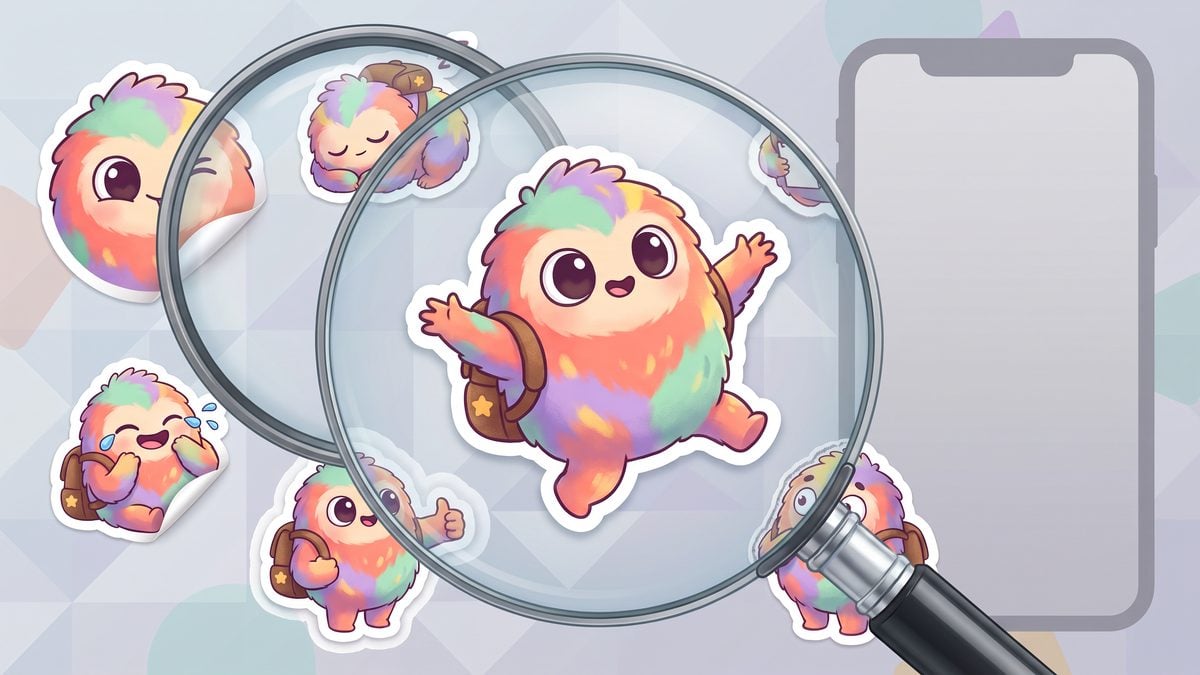
OpenAI’s release notes state that ChatGPT users can create and share personalized sticker packs from an idea or a photo, download the pack, and add supported packs to iMessage or WhatsApp, subject to app, version, rollout, and platform behavior. The next nine prompts are written for the production gap between “the sticker looks fun” and “the sticker is usable after export.” They do not assume guaranteed transparent PNG output, exact pixel dimensions, perfect identity preservation, or universal acceptance by a messaging platform. Instead, each prompt asks ChatGPT Images to aim for transparent-background assets, clean edges, readable silhouettes, cohesive presentation, and a human-verifiable quality-control trail.
This ChatGPT Images 2.5 system-card analysis reviews deepfake risk, layered mitigations, evaluation limits, C2PA, and SynthID, supplying concrete safety context for rights-aware and non-deceptive generative-image review. The ChatGPT Images 2.5 Safety System Card Explained: Deepfake Risk, Layered Blocking, Evaluation Limits, C2PA, and SynthID article is a focused companion for Brand Safe Generative Images because the target directly addresses image-generation safety and known limits, unlike the draft broad enterprise generative-AI article.
Prompt 10: Transparent-background intent for sticker-ready assets
Purpose
Use this prompt when the sticker pack needs a transparent or cutout-style asset that can sit naturally over chat backgrounds. The operational goal is to communicate intent clearly without claiming that the generated file will definitely include a usable alpha channel. The prompt asks for a clean subject boundary, no scene background, and a review note so the human operator knows what to inspect after download.
Copy-paste prompt
Create a personalized sticker-pack image with transparent-background intent.

RIGHTS, CONSENT, PRIVACY, BRAND, AND HUMAN-VERIFICATION CONTRACT:
Use only original ideas, public-domain materials, or images I own or have explicit permission to edit and redistribute. If any identifiable person is depicted, assume I have consent to create and share a non-deceptive sticker version, and do not create confusing, defamatory, sexualized, exploitative, age-inappropriate, or misleading likeness use. Do not imitate protected living-artist styles. Do not copy logos, branded characters, mascots, uniforms, product trade dress, copyrighted sticker packs, or recognizable commercial artwork. Do not misrepresent authenticity, endorsement, identity, events, credentials, or source. Preserve privacy by avoiding unnecessary personal identifiers, private locations, documents, account details, medical details, school details, or other sensitive information. A human must verify identity, anatomy, edge quality, background transparency, duplicates, rights, file format, messaging-platform behavior, and safe sharing before export or distribution. Do not claim guaranteed alpha-channel output, exact pixel dimensions, perfect identity preservation, or acceptance by iMessage, WhatsApp, or any other platform without checking the exported files and current platform requirements.

Sticker subject:
[DESCRIBE CHARACTER OR UPLOADED-PHOTO SUBJECT]

Sticker emotion/action:
[DESCRIBE ONE EXPRESSION OR ACTION]

Transparent-background intent:
Render the subject as a standalone sticker with no visible scene, no rectangular background card, no shadow box, no border artifact from a photo crop, and no decorative background pattern. Use a clear cutout silhouette that would read on both light and dark chat backgrounds. If a soft shadow is needed, make it minimal and attached to the character, not a full background.

Style rules:
[INSERT STYLE SHEET FROM EARLIER PROMPTS: line weight, color palette, shape language, wardrobe, accessories, identity details]

Output request:
Generate one sticker-ready image and include a short QA note listing what I should verify manually: transparency or background removal, edge cleanliness, identity consistency, rights, and messaging-app usability.
Required inputs
- A character brief or user-owned photo reference that you have permission to edit and redistribute.
- One expression or action, such as “celebrating,” “facepalm,” “sleepy,” or “thumbs up.”
- The style sheet from earlier prompts, including line thickness, color palette, outfit, accessory rules, and identity anchors.
- A target usage context, such as casual family chat, classroom encouragement, customer-support reactions, or internal team messages.
Expected output
The expected result is a single sticker concept that visually behaves like a cutout: the subject is isolated, the edge is easy to inspect, and the background is intended to be transparent or removable. The text returned with the image should remind the operator to verify transparency in the actual exported file rather than relying on the preview. If the model produces a white square, decorative backdrop, or photo-frame residue, treat that as a draft failure and rerun with stricter background instructions.
Verification checkpoint
Download the image and place it over white, black, mid-gray, and a busy chat-like pattern. If you see a white box, colored rectangle, stray background pixels, halo, or unwanted drop shadow, do not add it to the final pack. Verify consent, likeness use, brand avoidance, file type, and messaging behavior manually before sharing.
Prompt 11: Clean alpha-edge refinement after a promising draft
Purpose
Use this prompt after a sticker is compositionally good but has rough edges, semi-transparent debris, hair artifacts, leftover background color, or a visible cutout halo. The prompt asks for a cleaner edge and gives concrete inspection conditions, while still making the human responsible for checking the alpha or background-removal result in exported files.
Copy-paste prompt
Refine this sticker draft for cleaner alpha-edge behavior and safer sticker export.

RIGHTS, CONSENT, PRIVACY, BRAND, AND HUMAN-VERIFICATION CONTRACT:
Use only original ideas, public-domain materials, or images I own or have explicit permission to edit and redistribute. If any identifiable person is depicted, assume I have consent to create and share a non-deceptive sticker version, and do not create confusing, defamatory, sexualized, exploitative, age-inappropriate, or misleading likeness use. Do not imitate protected living-artist styles. Do not copy logos, branded characters, mascots, uniforms, product trade dress, copyrighted sticker packs, or recognizable commercial artwork. Do not misrepresent authenticity, endorsement, identity, events, credentials, or source. Preserve privacy by avoiding unnecessary personal identifiers, private locations, documents, account details, medical details, school details, or other sensitive information. A human must verify identity, anatomy, edge quality, background transparency, duplicates, rights, file format, messaging-platform behavior, and safe sharing before export or distribution. Do not claim guaranteed alpha-channel output, exact pixel dimensions, perfect identity preservation, or acceptance by iMessage, WhatsApp, or any other platform without checking the exported files and current platform requirements.

Input draft:
[ATTACH OR DESCRIBE THE CURRENT STICKER DRAFT]

Edge-refinement goal:
Keep the same character identity, pose, expression, outfit, palette, and style, but clean the outer edge for sticker use. Remove background remnants, rectangular crop marks, fuzzy halos, isolated specks, awkward transparent-looking gaps, and color fringing. Preserve intentional details such as hair tufts, ears, glasses, hands, accessory outlines, and expressive motion marks.

Inspection backgrounds to design against:
The sticker should remain readable when previewed on white, black, charcoal, pale yellow, and blue-gray chat backgrounds. Avoid white-only edge assumptions.

Output request:
Generate one revised sticker image plus a concise edge-QA checklist naming likely problem areas to inspect manually.
Required inputs
- The first-pass sticker draft or a detailed description of the edge defects you observed.
- The identity-preservation rules from the character brief, especially facial features, hair shape, glasses, scars, freckles, or other authorized identity anchors.
- The desired edge treatment: crisp outline, soft vector-like border, thin white sticker border, or no visible border.
- The expected chat backgrounds for testing, if your organization has standard dark-mode and light-mode palettes.
Expected output
The output should look like the same sticker, not a new character. The most important improvement is the perimeter: fewer jagged pixels, no photo matte, less fringe color, and fewer disconnected artifacts. If the model changes the face, wardrobe, expression, or authorized likeness too much while improving the edge, reject the revision and request a narrower edit.
Verification checkpoint
Inspect at normal chat size and zoomed-in review size. Check hair, fingers, glasses, ears, props, and motion lines because those areas often carry accidental background residue. Confirm the exported file’s transparency or background-removal behavior in an editor and in the messaging app, and confirm that rights, consent, brand avoidance, and safe sharing remain valid.
Prompt 12: White-edge and halo detection pass
Purpose
Use this prompt when the pack looks acceptable on a white canvas but fails on dark-mode messaging backgrounds. White halos and pale matte artifacts are common when a subject is extracted from a light background, when a sticker border is too thick, or when the generator simulates transparency with a white rectangle. This prompt asks for a diagnostic version and a corrected version.
Copy-paste prompt
Run a white-edge and halo detection pass on this sticker concept, then produce a corrected sticker-ready version.

RIGHTS, CONSENT, PRIVACY, BRAND, AND HUMAN-VERIFICATION CONTRACT:
Use only original ideas, public-domain materials, or images I own or have explicit permission to edit and redistribute. If any identifiable person is depicted, assume I have consent to create and share a non-deceptive sticker version, and do not create confusing, defamatory, sexualized, exploitative, age-inappropriate, or misleading likeness use. Do not imitate protected living-artist styles. Do not copy logos, branded characters, mascots, uniforms, product trade dress, copyrighted sticker packs, or recognizable commercial artwork. Do not misrepresent authenticity, endorsement, identity, events, credentials, or source. Preserve privacy by avoiding unnecessary personal identifiers, private locations, documents, account details, medical details, school details, or other sensitive information. A human must verify identity, anatomy, edge quality, background transparency, duplicates, rights, file format, messaging-platform behavior, and safe sharing before export or distribution. Do not claim guaranteed alpha-channel output, exact pixel dimensions, perfect identity preservation, or acceptance by iMessage, WhatsApp, or any other platform without checking the exported files and current platform requirements.

Sticker to evaluate:
[ATTACH OR DESCRIBE STICKER]

Task:
First, identify likely white-edge, pale-halo, rectangular-background, or fringe risks in plain language. Then create a corrected sticker version with an edge that should read cleanly on dark-mode and light-mode chat backgrounds. Keep the same authorized character, expression, pose, outfit, and pack style.

Design constraints:
- Do not add a white rectangle or background card.
- If a border is used, make it intentional and evenly applied around the subject.
- Avoid pale leftover pixels around hair, cheeks, hands, props, and text.
- Preserve small details only if they remain readable at messaging size.
- Keep the sticker friendly and non-deceptive.

Output request:
Return one corrected sticker image and a short manual-test checklist for detecting white-edge artifacts after download.
Required inputs
- The sticker draft that may contain a white edge or halo.
- The pack’s border convention, such as “no border,” “thin cream outline,” or “consistent white sticker rim.”
- The main target viewing mode, such as dark-mode chats, light-mode chats, or both.
- Any text elements that must remain legible without a white backing card.
Expected output
The model should describe potential halo risks and create a revised version that reduces accidental white edging. If the pack intentionally uses a white sticker rim, the revised asset should make that rim deliberate, uniform, and visually separated from accidental matte residue. The result should not hide a failed cutout by adding a full background shape unless you asked for a deliberate badge-style sticker.
Verification checkpoint
Place the downloaded sticker on a black or near-black canvas and then on a pure white canvas. A clean asset should not reveal an unexpected rectangle, pale fog, or jagged extraction outline. If the border disappears on light mode or blooms on dark mode, record the defect and revise before export.
Prompt 13: Small-size readability and silhouette stress test
Purpose
Use this prompt to make sure the sticker still communicates its emotion when reduced to a chat-sized preview. Sticker packs often fail because they are beautiful at generation size but unreadable in the tiny space where people actually select and send them. This prompt asks for simplified shapes, stronger gesture language, and a human review at multiple display sizes.
Copy-paste prompt
Create a small-size-readable sticker version of this character and emotion.

RIGHTS, CONSENT, PRIVACY, BRAND, AND HUMAN-VERIFICATION CONTRACT:
Use only original ideas, public-domain materials, or images I own or have explicit permission to edit and redistribute. If any identifiable person is depicted, assume I have consent to create and share a non-deceptive sticker version, and do not create confusing, defamatory, sexualized, exploitative, age-inappropriate, or misleading likeness use. Do not imitate protected living-artist styles. Do not copy logos, branded characters, mascots, uniforms, product trade dress, copyrighted sticker packs, or recognizable commercial artwork. Do not misrepresent authenticity, endorsement, identity, events, credentials, or source. Preserve privacy by avoiding unnecessary personal identifiers, private locations, documents, account details, medical details, school details, or other sensitive information. A human must verify identity, anatomy, edge quality, background transparency, duplicates, rights, file format, messaging-platform behavior, and safe sharing before export or distribution. Do not claim guaranteed alpha-channel output, exact pixel dimensions, perfect identity preservation, or acceptance by iMessage, WhatsApp, or any other platform without checking the exported files and current platform requirements.

Character:
[CHARACTER BRIEF OR AUTHORIZED PHOTO DESCRIPTION]

Emotion or message:
[ONE EMOTION, REACTION, OR SHORT MESSAGE]

Readability goal:
Design the sticker so the emotion is understandable at small messaging-app size. Use a bold silhouette, clear face angle, readable hands or props, and minimal micro-detail. Avoid tiny text, thin lines, delicate patterns, cluttered accessories, low-contrast facial features, and complex background effects. Keep the subject isolated with transparent-background intent.

Pack style:
[STYLE SHEET]

Output request:
Generate one sticker and include a note explaining which details were simplified for small-size readability.
Required inputs
- The intended reaction category, such as approval, apology, celebration, confusion, encouragement, or goodbye.
- The identity anchors that must remain visible even after simplification.
- Any text or icon that must be included, with a rule to drop it if it becomes unreadable.
- The target audience and context, especially if the pack is for children, a school community, customers, or internal employees.
Expected output
The generated sticker should have fewer competing details and a stronger gesture than a full illustration. The face, hands, body angle, and prop should work together so the sticker reads quickly from a picker tray. If the output depends on tiny text, subtle eye direction, or fine ornamentation to communicate the message, it is not ready for messaging use.
Verification checkpoint
Review the sticker at several reduced sizes on a phone screen before approving it. Ask a reviewer who has not seen the prompt to identify the emotion in three seconds. If they cannot identify the feeling without explanation, regenerate with a simpler silhouette, stronger pose, or fewer accessories.
Prompt 14: Crop, padding, and safe-margin correction
Purpose
Use this prompt when the sticker subject is too close to the edge, has cropped ears or hands, wastes too much empty space, or varies wildly in scale compared with other stickers in the pack. Messaging apps and sticker pickers can visually punish poor cropping even when the art is otherwise strong. This prompt creates a balanced safe-margin version and makes the operator responsible for final platform-specific checks.
Copy-paste prompt
Recompose this sticker for better crop, padding, and safe margins while preserving the character and pack style.

RIGHTS, CONSENT, PRIVACY, BRAND, AND HUMAN-VERIFICATION CONTRACT:
Use only original ideas, public-domain materials, or images I own or have explicit permission to edit and redistribute. If any identifiable person is depicted, assume I have consent to create and share a non-deceptive sticker version, and do not create confusing, defamatory, sexualized, exploitative, age-inappropriate, or misleading likeness use. Do not imitate protected living-artist styles. Do not copy logos, branded characters, mascots, uniforms, product trade dress, copyrighted sticker packs, or recognizable commercial artwork. Do not misrepresent authenticity, endorsement, identity, events, credentials, or source. Preserve privacy by avoiding unnecessary personal identifiers, private locations, documents, account details, medical details, school details, or other sensitive information. A human must verify identity, anatomy, edge quality, background transparency, duplicates, rights, file format, messaging-platform behavior, and safe sharing before export or distribution. Do not claim guaranteed alpha-channel output, exact pixel dimensions, perfect identity preservation, or acceptance by iMessage, WhatsApp, or any other platform without checking the exported files and current platform requirements.

Current issue:
[DESCRIBE: cropped hand, too much empty space, uneven scale, off-center face, prop cut off, etc.]

Character and style:
[CHARACTER BRIEF + STYLE SHEET]

Crop and padding goal:
Create a centered sticker composition with comfortable visual padding around all important parts of the subject. Do not crop ears, hair, hands, feet, props, speech bubbles, or motion marks unless the crop is clearly intentional. Avoid excessive empty space that makes the character look tiny in a sticker tray. Keep transparent-background intent and clean cutout edges.

Scale consistency:
Match the apparent character scale used in the rest of the pack: [DESCRIBE PACK SCALE, SUCH AS HEAD-AND-SHOULDERS, WAIST-UP, FULL-BODY, OR MIXED BUT BALANCED]

Output request:
Generate one corrected sticker and include a short note naming the safe-margin choices I should verify after export.
Required inputs
- The specific crop problem observed in the draft.
- The pack’s intended composition pattern: close-up faces, waist-up reactions, full-body poses, or mixed compositions.
- The must-preserve elements, such as a raised hand, pet companion, mug, backpack, or speech bubble.
- Any known platform or team requirement that affects padding, while avoiding unsupported claims about universal acceptance.
Expected output
The revised sticker should feel neither cramped nor distant. The subject should occupy enough of the canvas to read at picker size, while important extremities and props stay inside the visible bounds. The prompt should reduce accidental clipping, but the human reviewer still needs to check the final exported asset because previews can hide edge problems.
Verification checkpoint
Compare the revised asset against at least three other stickers from the same pack. If one character head is twice the size of the others without a deliberate design reason, or if hands and props appear clipped after export, send the asset back through this prompt before building the final pack layout.
Prompt 15: Cohesive pack layout board for review
Purpose
Use this prompt after several stickers exist and you need a contact-sheet-style review of the pack as a system. The goal is not to create final export files from the board; it is to spot inconsistent scale, color drift, repeated poses, mismatched outlines, missing emotions, and edge problems before spending time on platform-specific packaging.
Copy-paste prompt
Create a cohesive sticker-pack layout board for review, using the approved sticker concepts listed below.

RIGHTS, CONSENT, PRIVACY, BRAND, AND HUMAN-VERIFICATION CONTRACT:
Use only original ideas, public-domain materials, or images I own or have explicit permission to edit and redistribute. If any identifiable person is depicted, assume I have consent to create and share a non-deceptive sticker version, and do not create confusing, defamatory, sexualized, exploitative, age-inappropriate, or misleading likeness use. Do not imitate protected living-artist styles. Do not copy logos, branded characters, mascots, uniforms, product trade dress, copyrighted sticker packs, or recognizable commercial artwork. Do not misrepresent authenticity, endorsement, identity, events, credentials, or source. Preserve privacy by avoiding unnecessary personal identifiers, private locations, documents, account details, medical details, school details, or other sensitive information. A human must verify identity, anatomy, edge quality, background transparency, duplicates, rights, file format, messaging-platform behavior, and safe sharing before export or distribution. Do not claim guaranteed alpha-channel output, exact pixel dimensions, perfect identity preservation, or acceptance by iMessage, WhatsApp, or any other platform without checking the exported files and current platform requirements.

Approved sticker concepts:
1. [NAME + EMOTION/ACTION]
2. [NAME + EMOTION/ACTION]
3. [NAME + EMOTION/ACTION]
4. [NAME + EMOTION/ACTION]
5. [NAME + EMOTION/ACTION]
6. [NAME + EMOTION/ACTION]
[ADD MORE AS NEEDED]

Pack style:
[STYLE SHEET: palette, line weight, border convention, character identity anchors, wardrobe, accessories, allowed text style]

Layout-board goal:
Show the stickers as a review board with equal visual importance, consistent approximate scale, clear spacing between items, and labels or numbers for discussion. Use a neutral review background only for the board. Do not treat the review-board background as part of the final sticker assets. Flag any stickers that appear inconsistent, duplicative, off-brand, hard to read, poorly cropped, or likely to have edge problems.

Output request:
Generate a pack layout board and include a written QA summary with: strongest stickers, weakest stickers, consistency issues, missing emotions, duplicate risks, and export risks.
Required inputs
- A numbered list of sticker concepts or uploaded draft images.
- The pack-level style sheet and identity-preservation rules.
- The intended number of final stickers and any required reaction categories.
- A clear statement that the board is for review and not a substitute for individual transparent assets.
Expected output
The model should provide a visual board and a written review that helps you make editorial decisions. A useful board reveals whether the pack feels like one family of stickers rather than a set of unrelated illustrations. It should also help you catch accidental repetition, such as three nearly identical waving poses or two celebration stickers with only minor facial differences.
Verification checkpoint
Do not export the board itself as the sticker pack. Use it to mark revisions, then regenerate or refine individual stickers one by one. Confirm that every final sticker still has its own rights, consent, transparency, edge-quality, format, and messaging-platform review before sharing.
Prompt 16: Color-contrast and dark-mode/light-mode safety pass
Purpose
Use this prompt to prevent stickers from disappearing against common chat backgrounds. The issue is not only accessibility; it is basic usability. Pale yellow text can vanish on white, navy hair can merge into dark-mode bubbles, and thin low-contrast outlines can become invisible when scaled down. This prompt asks for a contrast-aware revision while preserving the pack style.
Copy-paste prompt
Create a color-contrast-safe version of this sticker for both light-mode and dark-mode messaging contexts.

RIGHTS, CONSENT, PRIVACY, BRAND, AND HUMAN-VERIFICATION CONTRACT:
Use only original ideas, public-domain materials, or images I own or have explicit permission to edit and redistribute. If any identifiable person is depicted, assume I have consent to create and share a non-deceptive sticker version, and do not create confusing, defamatory, sexualized, exploitative, age-inappropriate, or misleading likeness use. Do not imitate protected living-artist styles. Do not copy logos, branded characters, mascots, uniforms, product trade dress, copyrighted sticker packs, or recognizable commercial artwork. Do not misrepresent authenticity, endorsement, identity, events, credentials, or source. Preserve privacy by avoiding unnecessary personal identifiers, private locations, documents, account details, medical details, school details, or other sensitive information. A human must verify identity, anatomy, edge quality, background transparency, duplicates, rights, file format, messaging-platform behavior, and safe sharing before export or distribution. Do not claim guaranteed alpha-channel output, exact pixel dimensions, perfect identity preservation, or acceptance by iMessage, WhatsApp, or any other platform without checking the exported files and current platform requirements.

Sticker:
[ATTACH OR DESCRIBE STICKER]

Contrast risks to address:
[DESCRIBE ANY KNOWN ISSUE: pale text, dark hair on dark mode, low-contrast outfit, thin outline, similar foreground/background colors]

Color and outline goal:
Keep the pack palette recognizable, but adjust values, outlines, accents, or text treatment so the character reads against light and dark chat backgrounds. Avoid adding a full background card unless I request a badge-style sticker. Make facial expression, hands, and any short text readable at small size.

Accessibility consideration:
If color carries meaning, also use shape, expression, text, icon placement, or gesture so the message does not depend only on color.

Output request:
Generate one contrast-improved sticker and include a brief note describing what changed and what I must test manually.
Required inputs
- The sticker draft or a precise description of the color problem.
- The pack palette and any colors that must remain consistent for identity or brand-safe internal style.
- Whether the sticker contains text, symbols, emotion colors, or status indicators.
- The expected viewing environments, including light mode, dark mode, and busy chat backgrounds.
Expected output
The revised sticker should improve foreground/background separation without breaking the visual identity of the pack. Good revisions often include slightly darker outlines, lighter highlights, simplified shadows, bolder text, or color-independent cues. The model should not introduce a real brand palette, logo, or branded uniform as a shortcut for recognizability.
Verification checkpoint
Test the sticker on at least one light background, one dark background, and one visually noisy background. If a viewer cannot identify the expression or read the short text without zooming, mark the asset for revision. For workplace, classroom, public-sector, or customer-facing packs, include an accessibility reviewer or at least a reviewer who was not involved in the prompt.
Prompt 17: Accessibility alternatives and text-free variants
Purpose
Create alternatives that preserve meaning when tiny text, color distinctions, or language-specific captions are difficult to perceive. The prompt asks for stronger gestures, high contrast, and text-free equivalents while preserving the authorized character and pack style.
Copy-paste prompt
Create accessibility-conscious alternatives for the authorized sticker below.
RIGHTS, CONSENT, PRIVACY, BRAND, AND HUMAN-VERIFICATION CONTRACT:
Use only original ideas, public-domain materials, or images I own or have explicit permission to edit and redistribute. If any identifiable or recognizable person is depicted, confirm that I have consent for this non-deceptive use and do not create a misleading or confusing likeness. Do not imitate a protected living-artist style, copy a logo, trademark, branded character, commercial mascot, or third-party artwork without authorization. Avoid unnecessary private or sensitive information. A human reviewer must verify identity, anatomy, edge quality, background transparency, duplicates, rights, file format, messaging-platform behavior, and safe sharing before export or distribution. Do not claim guaranteed alpha-channel output, exact pixel dimensions, perfect identity preservation, or acceptance by iMessage, WhatsApp, or any other platform without checking the exported files and current platform requirements.
Base sticker or approved character reference: [ATTACH OR DESCRIBE]
Intended message or emotion: [DESCRIBE]
Audience and viewing context: [DESCRIBE]
Produce three concepts: a text-free gesture-led version, a high-contrast version for light and dark chat backgrounds, and a simple-caption version with minimal words. Preserve the approved silhouette, facial proportions, palette, wardrobe, and identity cues. Do not add private details, brands, flags, stereotypes, or unapproved symbols. Return a comparison checklist for small-size readability and human review.
Required inputs
- An original or permissioned base character or image.
- The intended meaning and audience.
- Approved colors, captions, and any accessibility constraints.
Expected output
Three clearly differentiated concepts that communicate the same meaning through gesture, contrast, and optional concise text, plus a checklist describing what a human should inspect at messaging size.
Verification checkpoint
A human reviewer must compare each result with the permissioned source, inspect light and dark backgrounds, confirm that identity and meaning remain clear without zooming, and reject any version with distorted anatomy, illegible text, unsafe cultural shorthand, deceptive likeness use, branding, or ambiguous consent.
Prompt 18: Duplicate detection and coverage-gap audit
Purpose
Audit a candidate sticker pack for near-duplicates, missing emotions or actions, inconsistent identity, and weak coverage before export. The goal is not to generate more assets automatically; it is to decide which concepts to keep, revise, replace, or retire.
Copy-paste prompt
Audit this authorized sticker pack for duplicates, consistency, and coverage gaps.
RIGHTS, CONSENT, PRIVACY, BRAND, AND HUMAN-VERIFICATION CONTRACT:
Use only original ideas, public-domain materials, or images I own or have explicit permission to edit and redistribute. If any identifiable or recognizable person is depicted, confirm that I have consent for this non-deceptive use and do not create a misleading or confusing likeness. Do not imitate a protected living-artist style, copy a logo, trademark, branded character, commercial mascot, or third-party artwork without authorization. Avoid unnecessary private or sensitive information. A human reviewer must verify identity, anatomy, edge quality, background transparency, duplicates, rights, file format, messaging-platform behavior, and safe sharing before export or distribution. Do not claim guaranteed alpha-channel output, exact pixel dimensions, perfect identity preservation, or acceptance by iMessage, WhatsApp, or any other platform without checking the exported files and current platform requirements.
Pack manifest: [LIST STICKER IDS, PURPOSES, CAPTIONS, AND FILES]
Required expression and action set: [LIST]
Audience and sharing scope: [DESCRIBE]
Create a matrix that flags exact duplicates, near-duplicate pose or caption combinations, identity drift, inconsistent wardrobe or palette, weak silhouette, edge or transparency risks, and missing high-priority expressions. Recommend keep, revise, replace, or retire for each sticker. Do not generate replacements until a human approves the audit findings.
Required inputs
- The current pack manifest and rendered files.
- The approved character sheet and rights/consent record references.
- The required message, emotion, and action coverage list.
Expected output
A human-readable audit matrix with duplicate clusters, coverage gaps, consistency concerns, recommended dispositions, and a minimal regeneration queue.
Verification checkpoint
A human reviewer must inspect every flagged pair side by side, confirm that no unique communication purpose is discarded, verify rights and consent for retained assets, and approve any regeneration queue. The reviewer must also check identity, anatomy, transparent-background behavior, edge quality, branding, file format, and target-platform behavior before release.
Prompts 19–25: Personalization, Localization, Export, Platform Checks, Release Review, and Continuous Improvement
The final seven prompts move from visual generation into production governance. OpenAI’s release notes state that users can create and share personalized sticker packs from an idea or a photo, download the pack, and add supported packs to iMessage or WhatsApp, subject to the user’s app, version, account, rollout, and current platform behavior. Treat those capabilities as a starting point, not as a substitute for rights review, export inspection, or human approval before sharing a pack with family, customers, students, community members, or coworkers.
The operating rule for this last stage is simple: a sticker pack is not finished when the images look charming in ChatGPT. It is finished only after a human confirms the source rights, consent status, non-deceptive presentation, consistent character identity, transparent-background behavior where intended, edge quality, duplicate coverage, file format, mobile messaging behavior, and safe sharing context. OpenAI’s image features can help create and revise assets, but users still need to verify exported files and comply with OpenAI’s policies, the privacy expectations of the people depicted, and the requirements of the messaging services where the stickers will be used.
Prompt 19: Non-deceptive personalization for names, inside jokes, and community references
Purpose
Use this prompt when a pack needs to feel personal without creating confusion about who made it, who endorsed it, or whether the sticker depicts a real event. The goal is to incorporate names, catchphrases, club references, classroom themes, family jokes, team rituals, or founder-community language while avoiding impersonation, fake endorsements, misleading official-looking marks, or sensitive private details.
Copy-paste prompt
Create a personalization plan for my sticker pack that feels warm, specific, and non-deceptive.

Rights and consent contract: Use only original ideas, public-domain materials, or images I own or have explicit permission to edit and redistribute. For identifiable people, confirm consent and do not create deceptive or confusing likeness use. Do not imitate protected living-artist styles, copy logos or branded characters, generate exploitative or age-inappropriate material, or misrepresent authenticity. A human must verify identity, anatomy, edge quality, background transparency, duplicates, rights, file format, messaging-platform behavior, and safe sharing. Do not claim guaranteed alpha-channel output, exact pixel dimensions, perfect identity preservation, or acceptance by iMessage/WhatsApp without checking exported files and current platform requirements.

Sticker-pack subject:
- Character or subject:
- Audience:
- Allowed names, phrases, or inside jokes:
- Phrases to avoid:
- Sensitive details that must not appear:
- Whether this is personal, classroom, workplace, community, or commercial use:
- Any required disclaimer or context:

Generate:
1. A safe personalization boundary statement.
2. 12 sticker caption ideas that are personal but not private, deceptive, or official-looking.
3. 6 visual personalization ideas that do not rely on logos, protected characters, or misleading badges.
4. A list of risky ideas to reject.
5. A final reviewer checklist for consent, privacy, and authenticity.
Required inputs
- The intended audience, such as a family group chat, a classroom, a fan community, a founder’s customer group, or an internal workplace team.
- A list of names, nicknames, jokes, mottoes, or contextual references that the subject has approved for use.
- A list of private, sensitive, embarrassing, medical, financial, legal, youth-related, or employment-related details that must not appear in sticker text or imagery.
- A decision on whether the pack is purely personal or will be distributed publicly or commercially, because broader distribution needs stricter review.
Expected output
The output should provide a personalization brief that separates safe intimacy from risky over-specificity. Good results include captions such as “Team Snack Break,” “Tiny Victory,” or “Book Club Energy,” and reject items such as fake official seals, school logos without authorization, workplace security references, private addresses, personal identifiers, medical jokes about a named person, or text that suggests a person endorsed a product or opinion when they did not.
Verification checkpoint
Before generating or sharing personalized assets, a human reviewer should ask three questions: would the depicted person recognize and approve the joke, would a reasonable viewer understand that this is a casual sticker rather than an official statement, and does the sticker avoid exposing private information? If the answer is uncertain, remove the reference or get explicit permission from the person or organization involved.
Prompt 20: User-owned pet or object photo transformation into a sticker character
Purpose
Use this prompt when the source is a pet, plush toy, handmade object, product prototype, craft item, classroom mascot, or personal item that the user owns or has permission to photograph and adapt. The prompt is designed to preserve recognizable traits while avoiding guarantees of perfect identity preservation, and it requires a human check for whether the transformation still resembles the intended subject.
Copy-paste prompt
Transform my user-owned pet or object photo into a sticker-pack character while preserving the most recognizable traits.

Rights and consent contract: Use only original ideas, public-domain materials, or images I own or have explicit permission to edit and redistribute. For identifiable people, confirm consent and do not create deceptive or confusing likeness use. Do not imitate protected living-artist styles, copy logos or branded characters, generate exploitative or age-inappropriate material, or misrepresent authenticity. A human must verify identity, anatomy, edge quality, background transparency, duplicates, rights, file format, messaging-platform behavior, and safe sharing. Do not claim guaranteed alpha-channel output, exact pixel dimensions, perfect identity preservation, or acceptance by iMessage/WhatsApp without checking exported files and current platform requirements.

Uploaded source:
- I own this photo or have permission to edit and redistribute it.
- Subject type:
- Traits that must remain recognizable:
- Traits that can be simplified:
- Traits that must not be exaggerated:
- Desired sticker style:
- Background intent: transparent or visually isolated subject, subject to export verification.

Create a sticker design brief and generate a first sticker concept that:
1. Preserves the subject’s defining shape, markings, color relationships, and personality cues.
2. Simplifies details for small messaging-app readability.
3. Avoids adding logos, branded props, or unrelated costumes unless I provide rights-cleared instructions.
4. Leaves room around the subject for clean cropping and edge review.
5. Includes a human verification checklist for resemblance and safe sharing.
Required inputs
- A source photo that the user owns or has permission to edit and redistribute.
- A description of the subject’s defining traits, such as a dog’s ear shape, a cat’s facial markings, a plush toy’s stitched smile, or a handmade mug’s distinctive glaze pattern.
- A list of traits that should not be changed, exaggerated, anthropomorphized, or turned into an unrelated character.
- The intended use context, especially if the object is a commercial product prototype, classroom artifact, memorial item, or family heirloom.
Expected output
The output should give a usable sticker concept and a trait-preservation checklist. For a pet, the checklist might include coat pattern, ear placement, eye color impression, tail shape, and familiar posture. For an object, it might include silhouette, material texture, color blocks, handmade imperfections, and the absence of unauthorized brand marks.
Verification checkpoint
Compare the draft against the source photo at both full size and messaging size. Reject or revise any version that changes a pet into a different breed, adds misleading collars or tags, introduces branded objects, distorts a memorial object in a disrespectful way, or produces edges that will look messy when placed over light and dark message backgrounds.
Prompt 21: Mood and seasonal variants without losing character consistency
Purpose
Use this prompt to extend a sticker protagonist across moods, holidays, school terms, product seasons, community events, or weather themes while keeping the same visual identity. The safest approach is to vary props, color accents, captions, and poses while locking the character’s core silhouette, facial structure, palette, and non-negotiable traits.
Copy-paste prompt
Create mood and seasonal variants for my sticker pack while preserving the same character identity.

Rights and consent contract: Use only original ideas, public-domain materials, or images I own or have explicit permission to edit and redistribute. For identifiable people, confirm consent and do not create deceptive or confusing likeness use. Do not imitate protected living-artist styles, copy logos or branded characters, generate exploitative or age-inappropriate material, or misrepresent authenticity. A human must verify identity, anatomy, edge quality, background transparency, duplicates, rights, file format, messaging-platform behavior, and safe sharing. Do not claim guaranteed alpha-channel output, exact pixel dimensions, perfect identity preservation, or acceptance by iMessage/WhatsApp without checking exported files and current platform requirements.

Character consistency lock:
- Character name or subject:
- Core silhouette:
- Core facial or object traits:
- Core palette:
- Fixed accessories:
- Prohibited changes:

Variant plan:
- Moods needed:
- Seasonal or event themes:
- Captions, if any:
- Audience and age-safety requirements:
- Cultural or religious sensitivity notes:

Generate a 16-sticker variant matrix with columns for mood, seasonal cue, pose, prop, caption, identity lock, and review risk. Keep the subject recognizable in every row. Avoid protected characters, brand logos, misleading official symbols, and stereotypes.
Required inputs
- A completed character brief from earlier prompts, including silhouette, palette, facial or object traits, and accessory rules.
- A list of moods such as happy, tired, proud, confused, celebrating, apologizing, focused, or cozy.
- A list of seasonal contexts, such as winter break, exam week, product launch season, harvest, summer travel, or end-of-year thanks.
- Any cultural, religious, age-safety, or workplace constraints that determine which props and captions are appropriate.
Expected output
The output should be a production matrix, not just a list of cute ideas. Each row should identify what changes and what must stay fixed. For example, a winter variant may add a scarf and snowflake shapes while preserving the character’s round glasses, green accent color, and triangular hair silhouette. A “launch day” variant may use confetti and a checklist rather than copying a platform logo or implying an official partnership.
Verification checkpoint
Arrange the generated seasonal variants beside the base character and check whether a viewer can identify the same subject without reading captions. Remove any variant that changes face proportions, body scale, fur markings, object shape, or culturally significant symbols without review by someone qualified to evaluate that context.
Prompt 22: Localization pass without stereotypes or false cultural shortcuts
Purpose
Use this prompt when a sticker pack will be shared across languages, regions, classrooms, teams, or customer communities. Localization should adapt text length, idioms, reading direction, humor, seasonal references, and etiquette without reducing a culture to costume, food, flags, accents, or clichés. For public or commercial use, a qualified reviewer should evaluate language, cultural fit, and legal or policy constraints before release.
Copy-paste prompt
Localize my sticker-pack concepts for the selected audience without stereotypes, false cultural shortcuts, or misleading regional claims.

Rights and consent contract: Use only original ideas, public-domain materials, or images I own or have explicit permission to edit and redistribute. For identifiable people, confirm consent and do not create deceptive or confusing likeness use. Do not imitate protected living-artist styles, copy logos or branded characters, generate exploitative or age-inappropriate material, or misrepresent authenticity. A human must verify identity, anatomy, edge quality, background transparency, duplicates, rights, file format, messaging-platform behavior, and safe sharing. Do not claim guaranteed alpha-channel output, exact pixel dimensions, perfect identity preservation, or acceptance by iMessage/WhatsApp without checking exported files and current platform requirements.

Localization scope:
- Source language:
- Target language or region:
- Audience age range and context:
- Stickers or captions to localize:
- Terms that must remain untranslated:
- Terms that must be avoided:
- Cultural, religious, legal, or school/workplace constraints:
- Reviewer available for language/cultural review:

Generate:
1. Localized caption options with plain-language back-translations.
2. Notes on text length and readability inside sticker layouts.
3. Visual cues that are safe, neutral, and context-appropriate.
4. Visual cues to avoid because they may be stereotyped, sensitive, or misleading.
5. A review checklist for native or qualified human approval.
Required inputs
- The source captions and the target language or region.
- The distribution context, such as a multilingual family chat, school group, employee community, nonprofit event, or customer-support channel.
- A glossary of words that must remain unchanged, such as a person’s name, team name, product nickname, or classroom mascot name.
- The name or role of a qualified reviewer who can judge whether the localization is accurate, respectful, and fit for purpose.
Expected output
The output should include localized captions, back-translations, visual guidance, and a risk list. A useful result might shorten a phrase so it remains legible, replace an idiom with a local equivalent, or recommend a neutral seasonal cue rather than an assumed holiday reference. It should not invent cultural authority, use national flags as a substitute for language, or add stereotyped clothing, food, gestures, or accents.
Verification checkpoint
Have a qualified person review the localized text and visual cues before generation or release. If the pack concerns children, schools, religion, workplace identity, political events, health, public services, or regulated industries, use stricter review and remove anything that could be interpreted as targeting, mocking, excluding, or falsely representing a group.
Prompt 23: Export manifest for sticker files, versions, captions, and review status
Purpose
Use this prompt to create a manifest that tracks every sticker asset from concept through final export. A manifest is especially useful for founders, educators, design teams, legal-technology professionals, and enterprise administrators because it records rights basis, consent status, file names, captions, variant IDs, human approvals, and known limitations without claiming that a file is accepted by any platform until tested.
Copy-paste prompt
Create an export manifest for my sticker pack so a human can track files, versions, rights, consent, QA status, and platform tests.

Rights and consent contract: Use only original ideas, public-domain materials, or images I own or have explicit permission to edit and redistribute. For identifiable people, confirm consent and do not create deceptive or confusing likeness use. Do not imitate protected living-artist styles, copy logos or branded characters, generate exploitative or age-inappropriate material, or misrepresent authenticity. A human must verify identity, anatomy, edge quality, background transparency, duplicates, rights, file format, messaging-platform behavior, and safe sharing. Do not claim guaranteed alpha-channel output, exact pixel dimensions, perfect identity preservation, or acceptance by iMessage/WhatsApp without checking exported files and current platform requirements.

Pack details:
- Pack name:
- Owner or responsible reviewer:
- Intended use:
- Distribution scope:
- Source materials:
- Consent evidence location, described without exposing private documents:
- Target messaging apps to test:
- File naming convention:
- Version number:

Generate a manifest table with fields for sticker ID, concept, caption, source basis, identifiable-person consent, generation notes, file name, version, background intent, edge QA, duplicate check, format check, iMessage test status, WhatsApp test status, reviewer, approval date, and release decision. Include a conservative note that platform behavior must be verified on current devices and apps.
Required inputs
- The pack name, owner, responsible reviewer, and version number.
- The list of generated or planned stickers, including captions and visual descriptions.
- The rights basis for each source: original idea, public-domain material, user-owned photo, licensed asset, or explicit permission.
- The target test environments, such as specific mobile operating systems, app versions, devices, and account contexts, without including credentials or private account data.
Expected output
The output should be a structured table that can be copied into a spreadsheet, issue tracker, asset-management system, or project document. Each row should make it clear whether the sticker is approved, rejected, needs rights clarification, needs edge cleanup, needs localization review, or needs platform retesting. The manifest should avoid storing sensitive personal documents directly in the prompt; it can refer to an internal consent folder, contract record, or project management ticket without exposing private content.
Verification checkpoint
Do not release any sticker whose manifest row lacks a rights basis, consent decision where applicable, human review status, and platform test result. If a platform rejects a file, displays an unexpected background, crops the subject, compresses the art poorly, or removes text legibility, mark the row for revision rather than assuming the issue is a temporary device problem.
This ChatGPT Images 2.5 launch analysis covers sketching, precision editing, shared prompts, workplace creative review, Codex-assisted visual workflows, and developer image generation, offering relevant production context for final sticker-asset review and export. The OpenAI Launches ChatGPT Images 2.5: Sketch, Precision Editing, Shared Prompts, Sunburst, and Flare article is a focused companion for Visual Asset Export Checklist because the target is directly about current image-production workflows and is more accurate for visual-asset handoff than the draft Codex desktop development guide.
| Manifest field | Why it matters | Conservative release rule |
|---|---|---|
| Rights basis | Documents whether the pack relies on original ideas, public-domain material, owned photos, or explicit permission. | Reject or hold if the source basis is unknown or disputed. |
| Consent status | Confirms whether identifiable people approved editing, redistribution, and the intended context. | Reject or depersonalize if consent is absent, unclear, or narrower than the planned use. |
| Background intent | Records whether the image was intended to have a transparent, isolated, or solid background. | Verify the exported file visually; do not assume alpha-channel behavior from the prompt alone. |
| Messaging-app test | Captures whether the sticker displays correctly in the actual target app environment. | Do not claim compatibility until tested on current devices, app versions, and account conditions. |
Prompt 24: iMessage and WhatsApp compatibility checklist before sharing
Purpose
Use this prompt to convert the sticker pack into a practical device-testing checklist. OpenAI’s release notes refer to adding supported packs to iMessage or WhatsApp, but support can vary by app version, operating system, region, account, file handling, and the current behavior of the messaging services. This prompt deliberately avoids claiming exact specifications and instead forces a human tester to inspect the exported files in the actual destination environment.
Copy-paste prompt
Create a conservative iMessage and WhatsApp compatibility checklist for my sticker pack.

Rights and consent contract: Use only original ideas, public-domain materials, or images I own or have explicit permission to edit and redistribute. For identifiable people, confirm consent and do not create deceptive or confusing likeness use. Do not imitate protected living-artist styles, copy logos or branded characters, generate exploitative or age-inappropriate material, or misrepresent authenticity. A human must verify identity, anatomy, edge quality, background transparency, duplicates, rights, file format, messaging-platform behavior, and safe sharing. Do not claim guaranteed alpha-channel output, exact pixel dimensions, perfect identity preservation, or acceptance by iMessage/WhatsApp without checking exported files and current platform requirements.

Testing scope:
- Pack name and version:
- Target app or apps:
- Devices available for testing:
- Operating systems:
- App versions, if known:
- Exported file types:
- Whether transparent backgrounds are intended:
- Whether captions are embedded in images:
- Distribution plan:

Generate:
1. A pre-test file inspection checklist.
2. An iMessage test checklist.
3. A WhatsApp test checklist.
4. A light-mode and dark-mode viewing checklist.
5. A pass/fail table with issue categories and revision actions.
6. A reminder that current platform requirements and app behavior must be checked by the human tester.
Required inputs
- The exported files and the intended background behavior, such as transparent subject cutouts or solid decorative backgrounds.
- The target messaging apps and the devices available for testing.
- The pack’s distribution method, such as personal sharing, classroom distribution, team distribution, or customer-facing community sharing.
- A reviewer who can test both light and dark message backgrounds and confirm that captions remain readable after import or sharing.
Expected output
The output should provide a pass/fail checklist covering file opening, preview appearance, import behavior, background display, crop safety, edge quality, caption readability, duplicate confusion, compression artifacts, device-to-device sharing, and removal of rejected assets. It should include a warning that exact platform requirements can change and that users must check current app guidance rather than relying only on a generated checklist.
Verification checkpoint
Send test stickers only to a controlled test chat or reviewer group first. Verify that the sticker does not reveal private metadata through file names, expose unintended source-photo context, display a white or black box where transparency was intended, crop important parts of the subject, or appear confusingly similar to an official brand or person’s endorsement.
Prompt 25: Final pack release review and human-owned improvement cycle
Purpose
Use this prompt as the final gate before releasing a sticker pack and as the starting point for future revisions. The pack owner, not the model, remains responsible for deciding whether the assets are lawful, respectful, accurate, safe for the audience, compatible with the target messaging apps, and appropriate for the planned distribution scope.
Copy-paste prompt
Run a final release review for my sticker pack and create a human-owned improvement cycle.

Rights and consent contract: Use only original ideas, public-domain materials, or images I own or have explicit permission to edit and redistribute. For identifiable people, confirm consent and do not create deceptive or confusing likeness use. Do not imitate protected living-artist styles, copy logos or branded characters, generate exploitative or age-inappropriate material, or misrepresent authenticity. A human must verify identity, anatomy, edge quality, background transparency, duplicates, rights, file format, messaging-platform behavior, and safe sharing. Do not claim guaranteed alpha-channel output, exact pixel dimensions, perfect identity preservation, or acceptance by iMessage/WhatsApp without checking exported files and current platform requirements.

Release packet:
- Pack name:
- Version:
- Owner:
- Audience:
- Distribution scope:
- Number of stickers:
- Rights basis summary:
- Consent summary:
- Localization status:
- Export manifest status:
- iMessage test status:
- WhatsApp test status:
- Known limitations:
- Feedback channel:
- Revision cadence:

Generate:
1. A release-readiness scorecard with pass, hold, and reject criteria.
2. A final human approval checklist.
3. A safe-sharing note for users.
4. A feedback form outline that avoids collecting unnecessary personal data.
5. A revision workflow for fixing issues, retiring stickers, and publishing a new version.
6. A short list of conditions that require immediate takedown or re-review.
Required inputs
- The completed export manifest and platform test results.
- The rights and consent summary for the full pack.
- Localization review results where any sticker uses translated captions, regional references, or culturally specific imagery.
- A feedback process that does not request unnecessary personal data, credentials, private conversations, children’s identifiers, or sensitive documents.
Expected output
The output should produce a release scorecard that separates approved assets from items requiring revision or removal. It should include a feedback loop for ordinary improvements, such as “caption too small” or “edge halo visible,” and an escalation path for serious issues, such as a person withdrawing consent, a rights dispute, a child-safety concern, a misleading endorsement, an offensive localization error, or a platform compatibility failure.
Verification checkpoint
The final reviewer should sign off only after inspecting the actual exported files, not just the prompt results. If the pack is public, commercial, educational, youth-facing, or workplace-distributed, keep a minimal record of release approval, version, reviewer, takedown contact, and known limitations. If a person depicted in the pack asks for removal, treat that as a release-blocking issue until a responsible human reviews the request and decides the appropriate action.
Final Operating Guidance for Production Sticker Packs
A sticker pack is ready only after a rights-aware human has reviewed the source, output, export, and sharing context. Keep a compact release folder with the character brief, rights basis, consent references, generated files, rejected drafts, export manifest, platform test notes, and final approval. Do not place private consent records, credentials, children’s identifiers, medical details, or other sensitive information inside prompts.
Inspect the actual downloaded files in an image editor and in controlled test chats. Verify identity, anatomy, edge halos, background transparency where intended, crop, safe margins, caption readability, duplicate coverage, metadata-sensitive file names, and behavior over light and dark backgrounds. A prompt can request these properties but cannot certify them.
For public, commercial, educational, youth-facing, or workplace distribution, assign a named owner and takedown contact. If a depicted person withdraws consent, a rights holder disputes an asset, a localization reviewer identifies harm, or a platform rejects the files, hold distribution and route the issue to a responsible human. Treat each release as a versioned asset set with clear retirement and revision decisions.
The repeatable workflow is therefore: prove rights, document consent, lock the character sheet, generate a bounded set, audit duplicates and gaps, test exports, review the audience context, release through a human gate, and retain only the minimum evidence needed to manage future corrections.
Access 40,000+ AI Prompts for ChatGPT, Claude & Codex — Free!
Subscribe to get instant access to our complete Notion Prompt Library — the largest curated collection of prompts for ChatGPT, Claude, OpenAI Codex, and other leading AI models. Optimized for real-world workflows across coding, research, content creation, and business.
Useful Links
- OpenAI Help: ChatGPT release notes
- OpenAI Help: Images in ChatGPT
- OpenAI Help: Chat and file retention in ChatGPT
- OpenAI Usage Policies
- OpenAI Privacy Policy
