
How a Fortune 500 Retailer Cut Development Costs by 40% Using OpenAI Codex Plugins and ChatGPT Enterprise

How a Fortune 500 Retailer Cut Development Costs by 40% Using OpenAI Codex Plugins and ChatGPT Enterprise
In early 2025, a leading Fortune 500 retailer embarked on a transformative journey to streamline its software development lifecycle. Facing rising operational costs and increasingly complex codebases, the company sought innovative solutions to accelerate feature delivery while maintaining code quality. This case study explores how integrating OpenAI’s Codex Plugins with ChatGPT Enterprise enabled the retailer to automate code reviews, enhance developer productivity, and ultimately reduce development costs by 40% within the first year of deployment.
The retailer’s technology division, supporting thousands of applications across e-commerce, supply chain, and customer loyalty platforms, turned to OpenAI’s cutting-edge AI tools. The combination of Codex Plugins’ code generation and analysis capabilities with ChatGPT Enterprise’s scalable, secure conversational AI environment proved instrumental in achieving operational excellence.
Background: Development Challenges in a Large-Scale Retail Environment
Complexity and Cost Pressures
By late 2024, the retailer managed over 15,000 microservices and legacy components developed by more than 800 software engineers globally. The rapid expansion of digital channels and the integration of emerging technologies such as augmented reality shopping and real-time inventory tracking placed immense pressure on the development teams. Maintaining high code quality standards while delivering features at pace had become increasingly difficult.
Annual software development costs had ballooned to over $120 million, with a significant portion attributed to manual code reviews, regression testing, and refactoring efforts. Stakeholders identified automation as a critical lever to reduce bottlenecks and improve return on investment in software development.
Strategic Technology Goals
- Automate repetitive code review tasks to free up senior engineers for complex problem-solving.
- Accelerate feature deployment cycles from an average of 8 weeks to under 4 weeks.
- Ensure compliance with security and coding standards across diverse development teams.
- Leverage AI to support continuous learning and knowledge sharing within engineering teams.
After evaluating several AI-driven tools, the retailer selected OpenAI’s Codex Plugins combined with ChatGPT Enterprise, citing their advanced natural language understanding, robust API ecosystem, and enterprise-grade security features.
Implementation: Integrating Codex Plugins with ChatGPT Enterprise
Deployment Architecture
The integration project began in January 2025, with a phased rollout across two pilot teams in the e-commerce and supply chain divisions. The architecture involved embedding Codex Plugins within the ChatGPT Enterprise environment, hosted on the retailer’s private cloud infrastructure to comply with stringent data governance policies.
Codex Plugins served as a bridge between ChatGPT’s conversational interface and the retailer’s internal code repositories, CI/CD pipelines, and static analysis tools. This setup enabled developers to interact with AI-powered code review assistants directly within their collaboration platforms, such as Microsoft Teams and Jira.
Automating Code Reviews and Quality Assurance
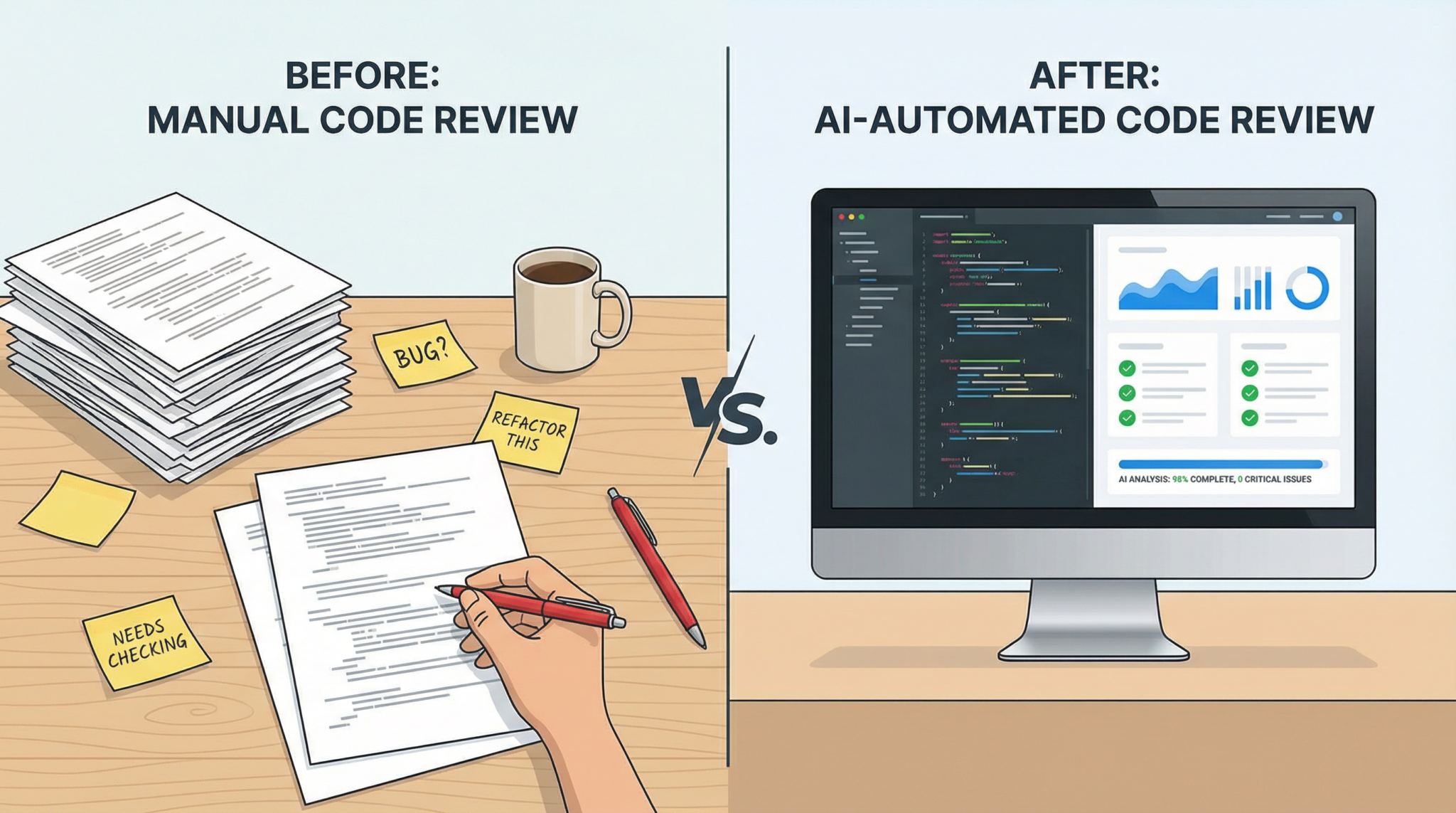
The Codex Plugins were configured to automatically analyze pull requests for common issues including:
- Code style and formatting inconsistencies
- Potential security vulnerabilities like SQL injection and cross-site scripting
- Performance anti-patterns and deprecated API usage
- Compliance with internal coding guidelines and documentation standards
ChatGPT Enterprise acted as the interface through which developers and reviewers could query the AI assistant for explanations, suggestions, and refactoring recommendations. The system also generated detailed code review reports, highlighting critical fixes and offering alternative implementations when appropriate.
Accelerating Feature Delivery
Beyond code reviews, Codex Plugins were utilized to automate boilerplate code generation and unit test creation. Developers could prompt ChatGPT Enterprise to generate code snippets aligned with specific business logic or integration requirements, significantly reducing manual coding time.
Integration with the company’s Jira instance enabled automated status updates and sprint planning insights, helping product owners monitor development progress and identify blockers early.
The retailer also implemented a knowledge-sharing bot powered by ChatGPT Enterprise that aggregated best practices and coding patterns across teams, fostering continuous improvement.
This innovative approach to AI-driven development was documented in the company’s internal knowledge base, providing a foundation for ongoing optimization.
Results: Measurable Impact on Cost, Quality, and Productivity
Cost Reduction and Efficiency Gains
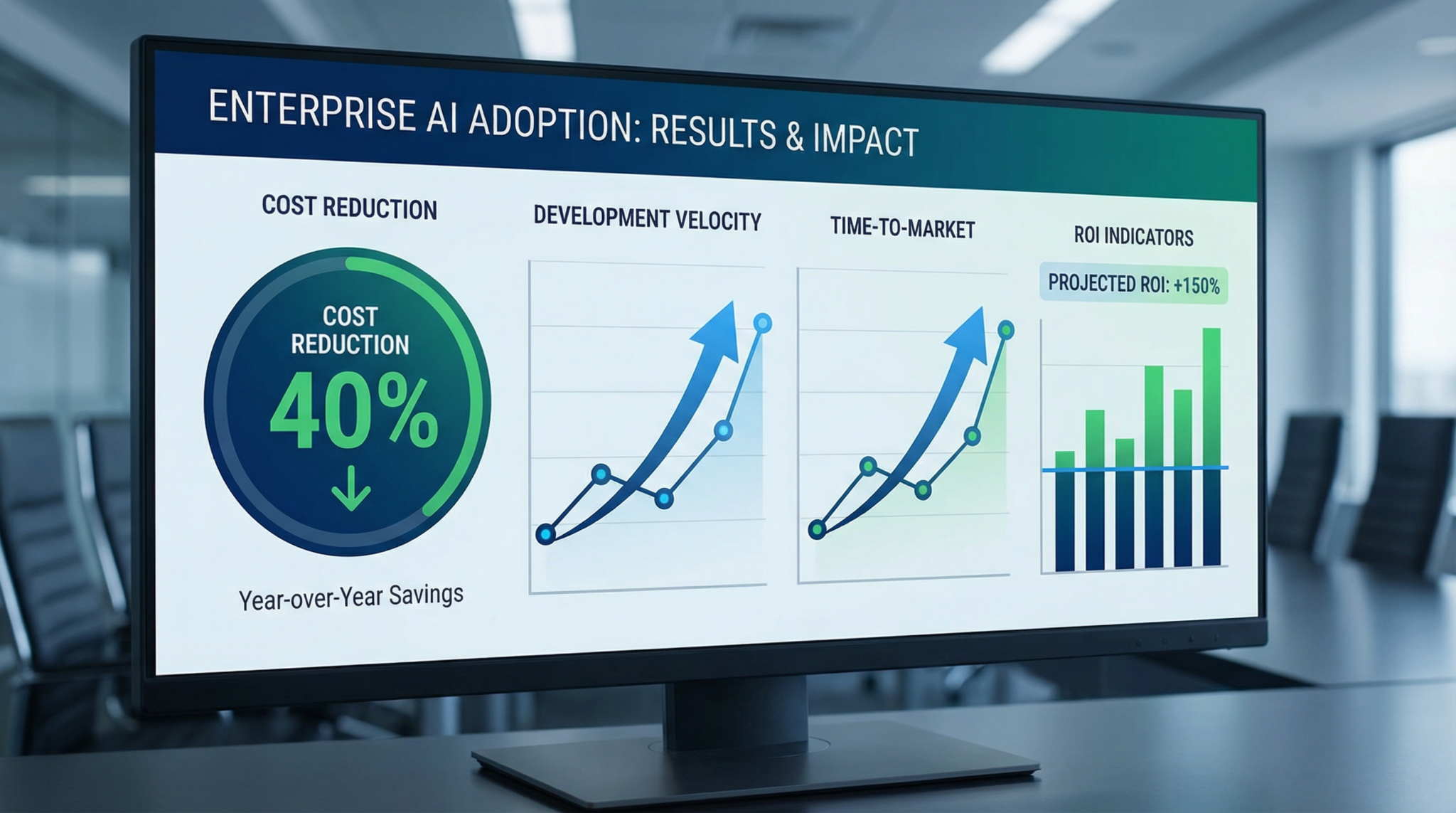
By December 2025, the retailer reported a 40% reduction in software development costs, translating to approximately $48 million in annual savings. Key contributors to this success included:
- 60% decrease in manual code review time, enabling faster merge cycles
- 50% reduction in critical security vulnerabilities detected post-release
- 35% improvement in developer productivity metrics as measured by story points completed per sprint
These gains were achieved without compromising code quality or security compliance, as verified by external audits and penetration testing conducted in Q4 2025.
Accelerated Time-to-Market
Feature delivery cycles were halved, with average lead times dropping from 8 weeks to under 4 weeks for prioritized user stories. This acceleration was attributed to the streamlined review process, automated test generation, and AI-assisted coding support.
Faster releases enabled the retailer to respond more swiftly to market trends, promotional campaigns, and customer feedback, maintaining a competitive edge in the dynamic retail landscape.
Enhanced Developer Experience and Collaboration
Developer satisfaction surveys conducted in November 2025 indicated a 25% increase in overall morale and engagement. Engineers cited the AI assistant’s ability to provide instant feedback and reduce repetitive tasks as key factors.
The integration of ChatGPT Enterprise within communication platforms fostered more interactive and transparent collaboration across distributed teams, breaking down silos and accelerating knowledge transfer.
Technical Analysis and Best Practices
Key Integration Insights
The retailer’s success hinged on careful orchestration of AI capabilities with existing development workflows. Notable technical considerations included:
- Security and Privacy: Deploying ChatGPT Enterprise within a private cloud environment ensured end-to-end encryption and strict access controls compliant with GDPR and CCPA regulations.
- Customization: Tailoring Codex Plugins to understand the retailer’s proprietary frameworks and coding standards was essential for accurate code review and generation.
- Incremental Rollout: Starting with pilot teams allowed gradual adoption and refinement of AI tools based on developer feedback, mitigating potential resistance.
- Continuous Monitoring: Automated dashboards tracked AI performance metrics such as false positive rates in code review alerts, facilitating ongoing tuning.
Practical Takeaways for Enterprises
- Align AI adoption with strategic business objectives — Clearly define goals such as cost reduction, time-to-market acceleration, or quality improvement before integration.
- Invest in developer training and change management — Equip engineers with knowledge to effectively leverage AI-powered tools and foster trust in automated recommendations.
- Leverage API extensibility — Utilize Codex Plugins’ support for custom APIs to integrate AI capabilities tightly with internal workflows and tooling.
- Establish robust governance frameworks — Monitor AI outputs for compliance, bias, and accuracy, and implement fallback mechanisms.
For organizations considering similar initiatives, this case underscores the importance of combining powerful AI technologies like OpenAI Codex Plugins and ChatGPT Enterprise with thoughtful implementation strategies.
Access 40,000+ AI Prompts for ChatGPT, Claude & Codex — Free!
Subscribe to get instant access to our complete Notion Prompt Library — the largest curated collection of prompts for ChatGPT, Claude, OpenAI Codex, and other leading AI models. Optimized for real-world workflows across coding, research, content creation, and business.
Conclusion
This Codex Plugins enterprise case study exemplifies how a major retailer harnessed OpenAI’s AI technologies to transform its software development process. By automating code reviews, accelerating feature delivery, and enhancing developer collaboration, the retailer achieved a significant 40% reduction in development costs within a single year.
The success story highlights the practical value of AI-driven development tools in large-scale enterprise environments and sets a compelling precedent for other organizations aiming to modernize their engineering operations.
As AI continues to evolve, integrating solutions like OpenAI Codex Plugins with ChatGPT Enterprise will remain a powerful approach to unlocking productivity gains and sustaining competitive advantage in software-driven industries.
For deeper insights into automating development workflows with AI, explore Complete Guide to Building AI-Powered Automation Workflows Using ChatGPT API,… which details practical implementations of AI-driven CI/CD pipelines.
To understand how AI tools compare in coding assistance, see the comprehensive analysis in How Accenture Built Cyber.AI: A Real-World Case Study of Claude-Powered Enter…, examining strengths and use cases of leading AI coding assistants.
Finally, for guidance on securing AI integrations in enterprise settings, refer to How Accenture Built Cyber.AI: A Real-World Case Study of Claude-Powered Enter…, covering compliance, data privacy, and risk management strategies.

