
Practical Migration Guide for Developers and Teams Using OpenAI Codex: Navigating the June 2, 2026 Sunset of GPT-5.2 and GPT-5.3-Codex
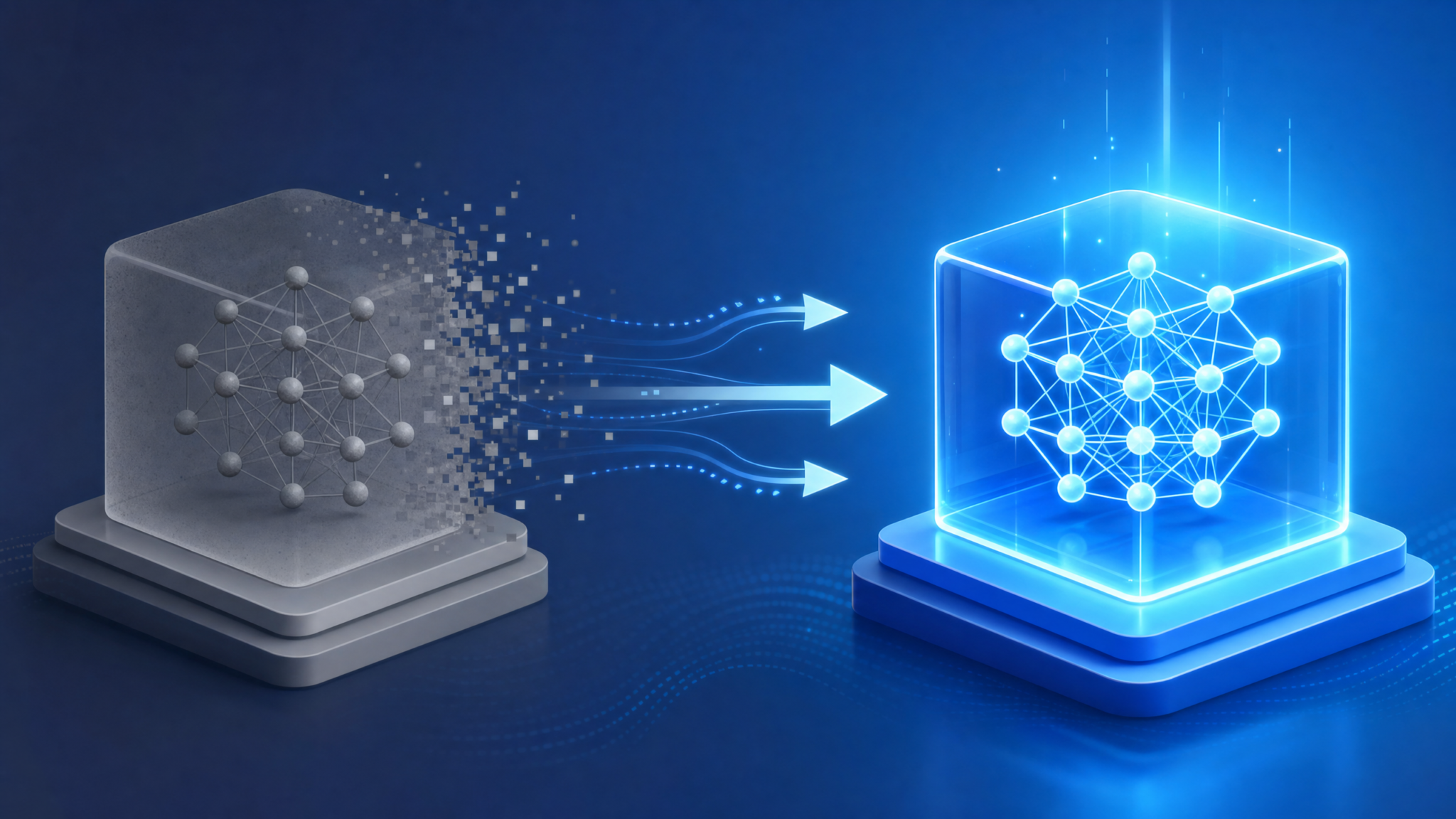
As OpenAI advances its AI product ecosystem, the planned sunset of the GPT-5.2 and GPT-5.3-Codex models for ChatGPT logins on June 2, 2026, signals a significant shift for developers and teams who have built solutions around these Codex variants. The transition to the GPT-5.5 model is not merely a version upgrade; it represents a holistic evolution in model architecture, API interactions, and performance capabilities. This comprehensive migration guide is designed to equip you with the technical insights, strategic planning steps, and optimized implementation patterns necessary to ensure a seamless transition. For more details, see our guide on OpenAI Unveils Enterprise AI Superapp Strategy: Frontier, Codex, and the Future of Workplace AI.
In this introduction, we will lay a solid foundation by reviewing:
- The rationale behind sunsetting GPT-5.2 and GPT-5.3-Codex models
- Key architectural and functional divergences between GPT-5.2/5.3-Codex and GPT-5.5
- Potential impacts on existing codebases, integrations, and deployment pipelines
- A high-level overview of the migration roadmap provided in subsequent sections
Why Are GPT-5.2 and GPT-5.3-Codex Being Phased Out?
The Codex models GPT-5.2 and GPT-5.3-Codex have been instrumental in powering code generation, code understanding, and AI-assisted software development workflows since their respective releases. However, several factors have motivated OpenAI to sunset these models:
- Advancements in Model Architecture: GPT-5.5 incorporates a more refined transformer architecture with enhanced attention mechanisms, leading to improved contextual understanding and generation fidelity.
- Unified Model Strategy: GPT-5.5 serves as a consolidated model that combines general language capabilities with specialized coding proficiencies, reducing the need to manage multiple model endpoints.
- Performance Efficiency: GPT-5.5 delivers faster inference times and more cost-effective usage, due to optimizations in model size and token processing pipelines.
- Security and Compliance: The newest model adheres to stricter data privacy standards and includes mitigations against known vulnerabilities present in legacy Codex models.
- Long-Term Support: OpenAI is focusing its developmental and maintenance resources on GPT-5.5, ensuring ongoing improvements and technical support.
Architectural and Functional Differences: GPT-5.2/5.3-Codex vs GPT-5.5
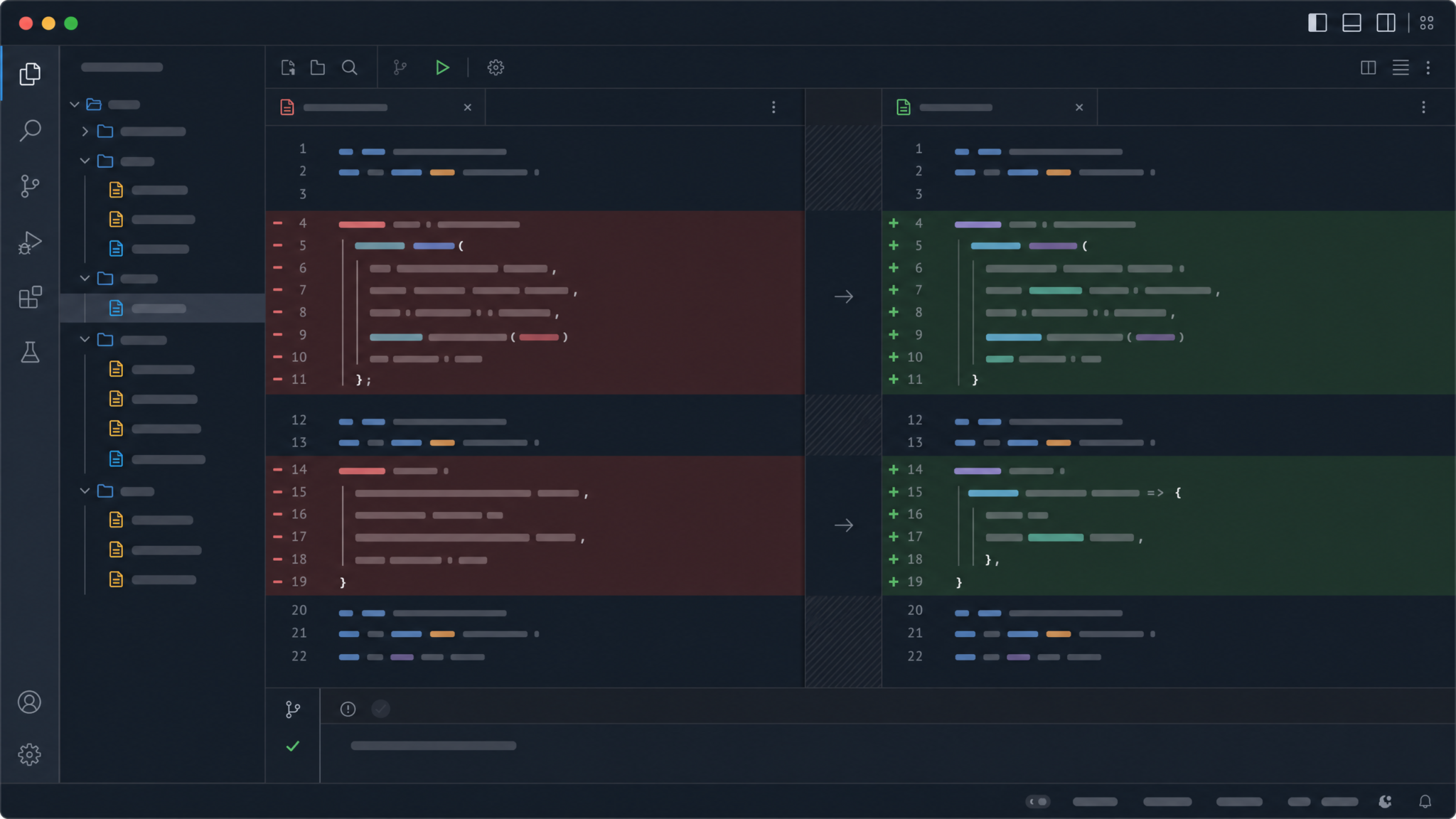
Understanding the technical differences between the deprecated Codex models and GPT-5.5 is critical for planning your migration. The following table summarizes the major distinctions:
| Feature | GPT-5.2 / GPT-5.3-Codex | GPT-5.5 |
|---|---|---|
| Model Architecture | Transformer-based with limited code-context optimization | Enhanced transformer with multi-modal code and natural language understanding |
| Code Generation Quality | High accuracy but occasional context loss in long scripts | Improved context retention and syntactic correctness over extended codebases |
| API Endpoint | Separate endpoints for GPT and Codex models | Unified endpoint supporting multi-purpose code and chat tasks |
| Token Limit | Up to 8,192 tokens | Up to 16,384 tokens, enabling longer conversations and code analysis |
| Latency | Moderate; variable depending on request complexity | Optimized for low-latency responses with faster cold starts |
| Security & Compliance | Standard data handling policies | Enhanced privacy controls, data encryption, and compliance with latest standards |
Implications for Developers and Teams
The sunset of GPT-5.2 and GPT-5.3-Codex requires a proactive approach to migration, as legacy workflows may encounter subtle or overt issues if left unaddressed. The primary areas of impact include:
- API Call Adjustments: Changes in endpoint URLs, parameter structures, and response schemas may require code refactoring.
- Model Behavior Differences: Improved contextual understanding in GPT-5.5 might affect prompt engineering strategies, necessitating prompt re-tuning to achieve desired output.
- Token Management: Increased token limits facilitate longer interactions but can also affect billing and request handling logic.
- Integration Testing: Automated and manual testing must be updated to validate model outputs, error handling, and performance under the new model.
- Deployment Pipelines: Continuous integration/continuous deployment (CI/CD) workflows might need updates for environment variables, SDK versions, and dependency management.
Example: Migration of a Simple Code Generation API Call
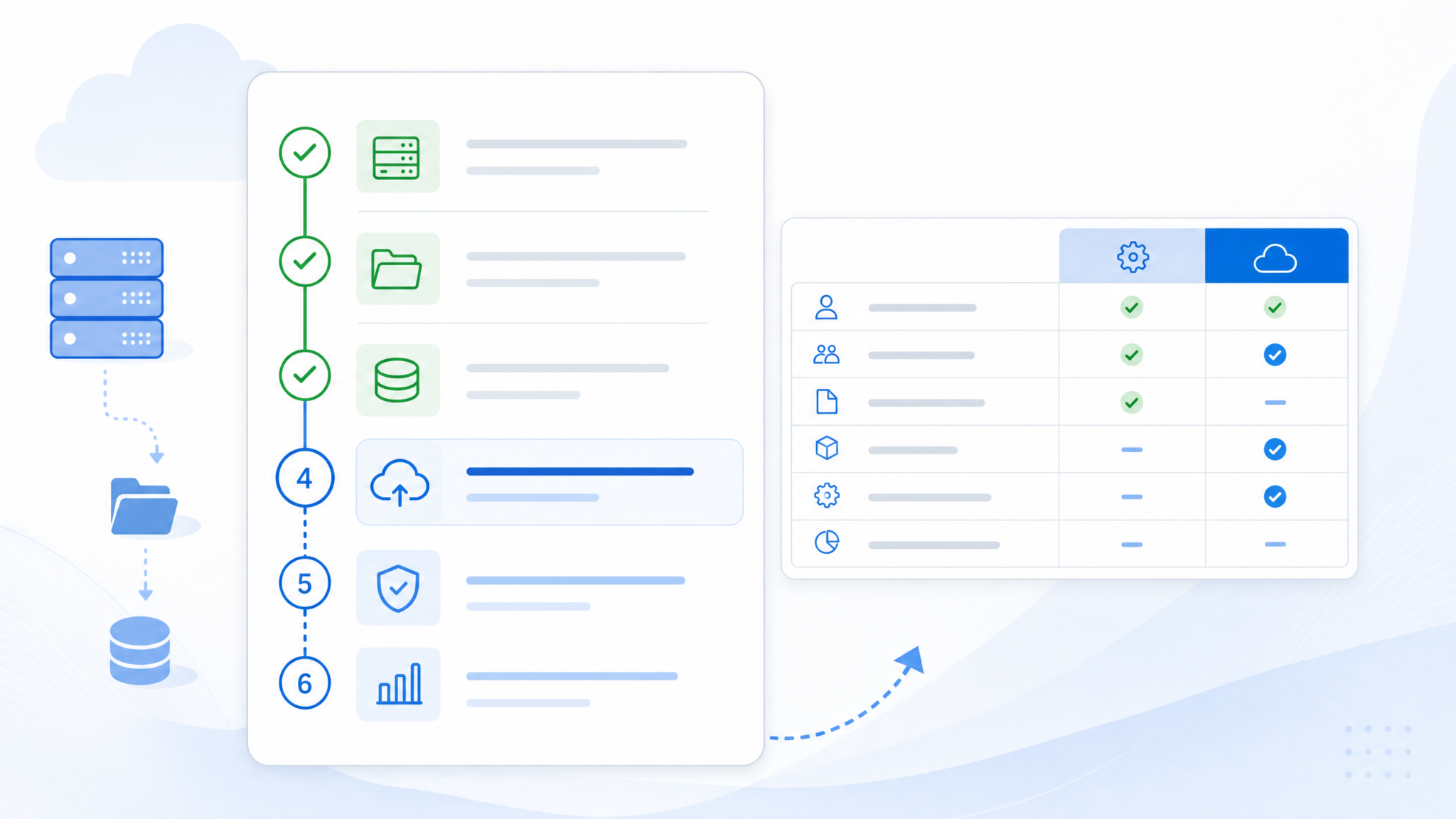
Consider the following example showcasing a typical GPT-5.3-Codex API call for Python function generation:
import openai

response = openai.Completion.create(
    engine="code-gpt-5.3-codex",
    prompt="Write a Python function to compute Fibonacci numbers.",
    max_tokens=100,
    temperature=0.5,
    n=1,
    stop=None
)

print(response.choices[0].text.strip())
In GPT-5.5, the equivalent call transitions to a unified chat-based API with updated parameters:
import openai

response = openai.ChatCompletion.create(
    model="gpt-5.5",
    messages=[
        {"role": "system", "content": "You are an expert Python developer."},
        {"role": "user", "content": "Write a Python function to compute Fibonacci numbers."}
    ],
    max_tokens=150,
    temperature=0.5,
    n=1
)

print(response.choices[0].message['content'].strip())
This example illustrates key transitions:
- The
engineparameter is replaced by themodelparameter. - Prompt-based completions are replaced by a
messagesarray supporting multi-turn conversational context. - Response parsing requires accessing
choices[0].message['content']instead ofchoices[0].text.
Migration Roadmap Overview
This guide will walk you through the essential phases of migration, including:
- Assessment: Inventory existing Codex usage, identify dependencies, and evaluate prompt structures.
- Preparation: Update SDKs, refactor API calls, and redesign prompt engineering for GPT-5.5 chat format.
- Testing: Execute comprehensive unit and integration tests, comparing outputs and performance.
- Deployment: Roll out updates in staging and production environments with monitoring and rollback plans.
- Optimization: Fine-tune temperature, max tokens, and other parameters to leverage GPT-5.5’s advanced capabilities effectively.
By following the detailed steps and recommendations in the subsequent sections, your team will be well-positioned to harness the full power of GPT-5.5, mitigate risks associated with the Codex sunset, and maintain uninterrupted service quality for your applications.
In the next section, we will begin with a thorough Assessment Framework to accurately map your current Codex utilization and identify migration priorities.
1. Understanding the Timeline and Impact of the Sunset
OpenAI has officially announced the sunset of the GPT-5.2 and GPT-5.3-Codex models, effective June 2, 2026. This means that after this date, these models will no longer be accessible for both ChatGPT user logins and API calls. The sunset applies comprehensively across all usage contexts — whether your applications rely on cloud-hosted API endpoints or local Codex configurations that leverage GPT-5.2 or GPT-5.3-Codex. Organizations utilizing these models must plan and execute a full migration to the newer GPT-5.5 model to ensure uninterrupted service.
The decision to retire GPT-5.2 and GPT-5.3-Codex stems from OpenAI’s continuous model improvement cycle, where GPT-5.5 introduces significant advances in coding accuracy, contextual understanding, efficiency, and security compliance. Maintaining legacy models alongside newer ones increases operational complexity and resource overhead. Therefore, this sunset facilitates a streamlined, more robust AI deployment ecosystem.
Detailed Timeline and Migration Phases
- Before May 15, 2026: This is the critical preparatory phase. Users are strongly encouraged to initiate migration activities, including environment setup for GPT-5.5, comprehensive testing of existing applications against GPT-5.5, and validation of generated outputs. Early identification of compatibility issues during this window is essential to avoid last-minute disruptions.
- May 15 – June 1, 2026: A transition grace period where parallel usage of GPT-5.3-Codex and GPT-5.5 is supported. This overlap allows developers to incrementally switch API endpoints and workflows to GPT-5.5 while monitoring performance and output parity. Gradual transition minimizes risk by enabling rollback if necessary.
- June 2, 2026 onwards: Full deprecation of GPT-5.2 and GPT-5.3-Codex endpoints. API calls directed at these models will fail with explicit error responses. GPT-5.5 becomes the sole supported Codex model for all OpenAI API interactions and ChatGPT integrations.
Impact Analysis: What This Means for Codex Users
The sunset will have substantial operational impacts across multiple dimensions, ranging from API stability and integration compatibility to user experience and security posture. Below is a detailed analysis:
| Aspect | Impact of Sunset | Recommended Action |
|---|---|---|
| API Availability | Post-June 2, API calls to GPT-5.2 and GPT-5.3-Codex endpoints will return errors such as 404 Not Found or 410 Gone. This will cause immediate failures in automated workflows and integrations. |
Update all API calls to target the GPT-5.5 endpoints. Implement error handling to detect sunset-related failures and fallback to GPT-5.5 where feasible. |
| Code Generation Accuracy | GPT-5.5 offers enhanced code synthesis capabilities, supporting a wider range of programming languages, improved context retention, and fewer hallucinations compared to GPT-5.3-Codex. | Perform side-by-side testing of generated code snippets to benchmark improvements and identify any regressions. Adjust prompt engineering to leverage new model strengths. |
| Security and Compliance | GPT-5.5 integrates advanced filtering and compliance mechanisms to mitigate generation of insecure or non-compliant code, reducing risk in sensitive production environments. | Review security policies and audit logs post-migration to ensure adherence to organizational compliance standards. |
| Local Codex Deployments | Local Codex instances configured for GPT-5.2 or GPT-5.3-Codex models will cease to function unless updated to GPT-5.5 binaries and model weights. | Coordinate with infrastructure teams to obtain GPT-5.5 model artifacts and update local deployments accordingly. |
| Cost and Performance | GPT-5.5 offers optimized model architectures resulting in faster inference times and potentially lower compute costs per API call. | Monitor API usage metrics pre- and post-migration to quantify cost-benefit and adjust quota management policies. |
Step-by-Step Migration Roadmap
To facilitate a smooth transition, we recommend the following phased approach:
- Inventory and Audit: Compile a comprehensive inventory of all services, applications, and pipelines currently leveraging GPT-5.2 or GPT-5.3-Codex. Identify API endpoints, prompt templates, and integration points.
- Environment Setup: Provision access to GPT-5.5 endpoints within your development and staging environments. Obtain necessary API keys and ensure network permissions.
- Compatibility Testing: For each identified usage, run existing prompts and input data against GPT-5.5. Evaluate output correctness, completeness, and performance metrics.
- Prompt Optimization: Adjust prompt engineering to align with GPT-5.5’s improved contextual understanding. This may include refining instructions, adding context tokens, or restructuring queries for maximum output quality.
- Integration Update: Modify application configurations and code to replace references to deprecated GPT-5.2 or GPT-5.3-Codex API endpoints with GPT-5.5 endpoints. Example API call replacement:
# Previous GPT-5.3-Codex API call
response = openai.Completion.create(
    engine="gpt-5.3-codex",
    prompt=user_prompt,
    max_tokens=150
)

# Updated GPT-5.5 API call
response = openai.Completion.create(
    engine="gpt-5.5",
    prompt=user_prompt,
    max_tokens=150
)
- Parallel Run and Validation: During the May 15 – June 1 transition period, run both GPT-5.3-Codex and GPT-5.5 in parallel where possible. Compare results, measure latency, and validate that GPT-5.5 meets production SLAs.
- Rollout and Monitoring: Post June 2, fully switch to GPT-5.5. Implement enhanced monitoring to detect runtime errors, latency spikes, or unusual output patterns early.
- Documentation and Training: Update internal technical documentation, codebases, and user guides to reflect the GPT-5.5 migration. Train relevant teams on differences and new capabilities.
Real-World Example: Migrating a Code Completion Tool
Consider a software development team using GPT-5.3-Codex for a code completion plugin integrated within their IDE. The plugin sends user code snippets as prompts to the OpenAI API and inserts generated completions.
During the pre-migration phase, the team performs the following:
- Testing: They run their existing prompt scripts against GPT-5.5 and observe a 15% improvement in completion accuracy, particularly for complex multi-line code blocks.
- Prompt Refinement: They tweak the prompt to include clearer instructions, leveraging GPT-5.5’s improved contextual awareness, resulting in fewer irrelevant suggestions.
- API Update: Within the plugin code, the endpoint is updated from
engine="gpt-5.3-codex"toengine="gpt-5.5". - Parallel Usage: For two weeks before the sunset, the plugin supports toggling between GPT-5.3-Codex and GPT-5.5 to collect user feedback and monitor stability.
- Post-Sunset: After June 2, the plugin disables fallback to GPT-5.3-Codex and operates solely on GPT-5.5, ensuring uninterrupted service.
Potential Risks of Delayed Migration
Failure to complete migration before the June 2, 2026 deadline carries significant risks:
- Service Interruptions: API calls to deprecated models will fail, causing application downtime or degraded user experience.
- Data Loss Risks: Automated pipelines depending on code generation may produce incomplete or missing outputs, impacting delivery timelines.
- Increased Technical Debt: Attempting emergency fixes post-sunset can lead to rushed, error-prone changes and increased maintenance overhead.
- Security Vulnerabilities: Legacy models lack updated compliance features, potentially exposing systems to security risks.
By proactively migrating, organizations not only maintain operational continuity but also benefit from the advanced capabilities and efficiencies introduced with GPT-5.5.
2. What Changes with GPT-5.5 Becoming the Default Codex Model?
With GPT-5.5 supplanting GPT-5.3-Codex as the default Codex model, developers and organizations can expect a comprehensive suite of enhancements that transcend incremental improvements. This section provides a meticulous analysis of the architectural, functional, and operational changes introduced in GPT-5.5, emphasizing their practical implications for software development, code analysis, and deployment workflows.
Architectural and Functional Enhancements
GPT-5.5 represents a significant leap forward, architecturally optimized for code-centric tasks, and incorporates the latest advances in transformer-based language modeling. Key improvements include:
- Enhanced Code Understanding and Semantic Precision: GPT-5.5’s model architecture has been refined to more effectively parse and comprehend programming constructs, control flow, and design patterns at a semantic level. Unlike GPT-5.3-Codex, which sometimes struggled with nuanced context or complex multi-step logic, GPT-5.5 utilizes advanced attention mechanisms to maintain coherent state across function boundaries and asynchronous code segments. This results in higher fidelity reflections of developer intent during code generation, refactoring, and debugging suggestions.
- Expanded Native Language Support: The model now natively supports over 40 programming languages, an increase from approximately 30 in GPT-5.3-Codex. This expansion includes full support for emerging languages such as Rust 2.0, Zig, and enhanced capabilities for domain-specific languages like Solidity for smart contracts and Julia for scientific computing. This broader language palette enables cross-language code generation and translation with minimal loss in semantic accuracy.
- Substantially Increased Context Window: The maximum token limit has doubled from 16,384 tokens in GPT-5.3 to 32,768 tokens in GPT-5.5. This dramatic increase allows for more comprehensive analysis of large repositories, multi-file projects, or entire microservices architectures within a single prompt. For instance, GPT-5.5 can analyze an entire JavaScript SPA (Single Page Application) with front-end and back-end code in one session, enabling context-aware suggestions that span multiple files and modules.
- Stricter Security and Compliance Protocols: GPT-5.5 integrates advanced security filters and vulnerability detection frameworks that proactively identify and mitigate insecure coding patterns such as SQL injection risks, buffer overflows, and deprecated cryptographic functions. It also aligns with modern data privacy regulations like GDPR and CCPA, ensuring generated code and data handling practices comply with stringent compliance standards.
- Updated API Endpoint Architecture and Authentication: The migration to GPT-5.5 requires adaptation to new RESTful API endpoints that incorporate improved authentication mechanisms, including OAuth 2.0 support and fine-grained permission scopes. These changes enhance security for enterprise deployments but necessitate updates to client SDKs and integration pipelines.
Detailed Performance and Behavior Differences
| Aspect | GPT-5.3-Codex | GPT-5.5 |
|---|---|---|
| Token Limit | 16,384 tokens | 32,768 tokens – Enables deep multi-file context and long-form code interpretation |
| Code Generation Accuracy | High accuracy, but occasional logic errors in complex, conditional, or asynchronous code | Significantly improved accuracy with stateful semantic understanding across code blocks and better handling of edge cases |
| Prompt Sensitivity | Moderate sensitivity; requires carefully crafted and explicit prompts to avoid ambiguous outputs | More robust and adaptable to prompt variations; able to infer developer intent from minimal or ambiguous cues |
| Response Latency | ~350 ms average per request | ~400 ms average due to increased model complexity and token capacity |
| Security Compliance | Standard security filters and basic vulnerability detection | Advanced vulnerability detection, mitigation capabilities, and adherence to updated compliance frameworks |
Real-World Implications and Practical Examples
To illustrate these changes more concretely, consider the following scenarios that highlight how GPT-5.5 improves upon GPT-5.3-Codex in real development workflows.
Example 1: Multi-file Refactoring in a Large Codebase
Previously, GPT-5.3-Codex was limited by its 16k token window, which constrained its ability to analyze and refactor across multiple interdependent files. For a project with a modular architecture, such as a microservices backend written in TypeScript, this meant refactoring suggestions were generally isolated to single files, increasing the risk of inconsistent changes.
With GPT-5.5, you can submit a multi-file context in a single prompt. For instance, by concatenating the contents of three related service files (totaling 25,000 tokens), GPT-5.5 can:
- Identify redundant utility functions across files and suggest consolidations.
- Detect inconsistent type definitions and propose unified typings.
- Generate cross-module refactoring plans that minimize breaking changes.
// Simplified prompt example for GPT-5.5 multi-file analysis
{
  "prompt": [
    "File: userService.ts",
    "...full code here...",
    "File: authService.ts",
    "...full code here...",
    "File: utilities.ts",
    "...full code here...",
    "Please analyze and suggest refactoring to improve maintainability and remove duplication."
  ].join("\n\n"),
  "max_tokens": 2000
}
Example 2: Improved Security Compliance in Generated Code
Consider a developer requesting code snippets for database queries. GPT-5.3-Codex might generate SQL queries embedded with string concatenations, which are vulnerable to SQL injection attacks if not sanitized properly.
GPT-5.5’s advanced security filtering actively detects such patterns and instead generates parameterized queries or ORM-based code, significantly reducing security risks:
// GPT-5.3-Codex generated snippet (potentially unsafe)
const query = "SELECT * FROM users WHERE username = '" + username + "'";

// GPT-5.5 generated snippet (safe, parameterized)
const query = "SELECT * FROM users WHERE username = $1";
const values = [username];
client.query(query, values);
Example 3: Adaptability to Ambiguous Prompts
When given a vague prompt, such as "Write a function to process data", GPT-5.3-Codex often demanded explicit clarifications or defaulted to generic implementations.
GPT-5.5 leverages a more intuitive understanding of context and typical use cases to infer plausible details, thereby reducing back-and-forth iterations:
// GPT-5.3-Codex output (generic)
function processData(data) {
  return data;
}

// GPT-5.5 output (context-aware, assuming JSON processing)
function processData(data) {
  try {
    const parsed = JSON.parse(data);
    // process parsed data...
    return parsed;
  } catch (error) {
    console.error('Invalid JSON input', error);
    return null;
  }
}
API Endpoint and Authentication Changes: Migration Considerations
Transitioning to GPT-5.5 involves adapting client applications to new API endpoints and authentication schemes. Key points include:
- Endpoint URLs: The base URL has been restructured to
https://api.openai.com/v2/codex/gpt-5.5, replacing the previousv1path used by GPT-5.3-Codex. - Authentication: GPT-5.5 supports OAuth 2.0 flows, allowing token scopes to be restricted per project or environment, enhancing security for enterprise users. Legacy API keys require migration to OAuth tokens.
- Request and Response Schema Updates: The input JSON schema now supports batch multi-file inputs natively, with explicit fields for
file_nameandlanguage, enabling better traceability in logs and debugging.
Migration Tip: When updating existing integrations, carefully review SDK versions and update environment variables to support OAuth token generation. Also, audit all client libraries that interact with the API to ensure compatibility with the extended token limit and multi-file input formats.
Summary: Balancing Latency with Quality and Security
While GPT-5.5’s increased model size and complexity introduce a modest latency increase (~50 ms), this is a deliberate tradeoff to achieve superior semantic understanding, multi-file contextualization, and enhanced security compliance. For mission-critical applications where code correctness, security, and maintainability are paramount, this tradeoff is more than justified.
In summary, GPT-5.5’s improvements can be distilled into three core benefits for Codex users:
- Comprehensive Contextual Awareness: Supporting larger, multi-file inputs allows for holistic understanding and generation, reducing fragmented or inconsistent code outputs.
- Robust Security Posture: Built-in vulnerability detection and compliance adherence ensure generated code adheres to modern security best practices.
- Improved Developer Experience: Enhanced prompt robustness reduces the need for overly prescriptive instructions, enabling faster iteration cycles and more intuitive interactions.
These advancements position GPT-5.5 as the optimal default Codex model for modern software engineering, especially as projects grow in complexity and security demands intensify.
3. What Breaks in Existing Workflows and How to Adapt
The impending sunset of gpt-5.2 and gpt-5.3-codex endpoints presents significant challenges to existing Codex workflows. If organizations do not proactively address these changes, they will face critical disruptions that impact application stability, user experience, and development velocity. This section provides an exhaustive analysis of the failure points that will arise during and after migration, along with detailed strategies to adapt effectively to the GPT-5.5 environment.
3.1 API Endpoint Deprecation and Failure Modes
One of the most immediate and visible breakages will be caused by the decommissioning of the gpt-5.2 and gpt-5.3-codex API endpoints. Post-sunset, any requests directed to these deprecated endpoints will receive HTTP error responses, primarily:
- HTTP 404 Not Found: Indicates that the requested endpoint no longer exists on the server.
- HTTP 410 Gone: Suggests that the resource has been intentionally removed and is no longer available.
These errors will manifest immediately once the sunset date is reached, causing API calls to fail silently or throw exceptions depending on client implementation.
Example: Consider a Python client making a request to gpt-5.3-codex:
import openai

response = openai.Completion.create(
    model="gpt-5.3-codex",
    prompt="def fibonacci(n):",
    max_tokens=50
)
After the sunset, this call will raise an openai.error.InvalidRequestError with an HTTP 404 or 410 status, breaking the application flow.
How to Adapt:
- Update API endpoints: Replace any references to
gpt-5.2orgpt-5.3-codexwithgpt-5.5in all client configurations, scripts, and environment variables. - Implement robust error handling: Incorporate fallback logic in API wrappers to detect and log these specific HTTP errors, enabling faster troubleshooting.
- Test in staging environments: Before deploying changes, validate that calls to
gpt-5.5succeed and produce expected results.
3.2 Local Codex Client Configuration Failures
Many organizations maintain local or on-premises Codex clients configured with model references and environment settings tailored to legacy GPT versions. These configurations include JSON/YAML files, environment variables, or containerized service manifests pointing explicitly to deprecated models.
Once these models are sunset, clients will either refuse to initialize or silently degrade by falling back to default prompts, which do not leverage the advanced capabilities or fine-tuned characteristics of the original model. This fallback behavior can cause:
- Lowered generation quality and increased hallucinations.
- Unexpected output formats that break downstream parsers.
- Increased latency due to inefficient prompt structures.
Real-World Example:
An internal coding assistant built on a local Codex client configured with gpt-5.3-codex will start returning generic completions or error messages such as:
ERROR: Model gpt-5.3-codex not found. Falling back to default language model.
This change reduces developer trust and disrupts productivity.
How to Adapt:
- Review and revise configuration files: Search all local client configurations for deprecated model identifiers and replace them with
gpt-5.5. - Upgrade client software: Ensure you are running the latest Codex client versions that support GPT-5.5 and its new features.
- Re-tune prompt templates: Adjust prompt schemas to align with GPT-5.5’s enhanced context handling and token limits.
- Validate output consistency: Establish automated tests comparing outputs from legacy models and GPT-5.5 to catch regressions early.
3.3 Authentication and API Key Issues
Legacy API keys provisioned specifically for GPT-5.3 may not have the necessary scopes or permissions to access GPT-5.5 endpoints post-migration. This can result in authentication failures manifested as:
401 Unauthorizedresponses due to invalid or expired keys.403 Forbiddenerrors indicating insufficient privileges.
Furthermore, organizations using role-based access control (RBAC) or usage quotas tied to older API keys will need to re-assess their key management policies.
Step-by-Step Remediation:
- Audit existing API keys: Identify all keys currently in use that are associated with deprecated models.
- Regenerate or upgrade keys: Use the OpenAI management console or CLI to create new keys with explicit access to GPT-5.5.
- Update environment variables and secrets management: Replace old keys in CI/CD pipelines, configuration files, and secret vaults with the new credentials.
- Test authentication flows: Verify that your clients can successfully authenticate and make requests to the
gpt-5.5endpoint.
3.4 Prompt Engineering and Compatibility Challenges
System prompts and fine-tuned prompt engineering workflows optimized for GPT-5.3 or Codex models may not translate seamlessly to GPT-5.5 due to differences in model architecture, tokenization, and response behavior. Common issues include:
- Output Style Drift: GPT-5.5 may produce responses with different verbosity, tone, or formatting, causing UI or downstream processing inconsistencies.
- Context Window Changes: GPT-5.5 supports an extended context window (e.g., 32k tokens vs. 8k in GPT-5.3), requiring prompt chunking strategies to be revisited.
- Tokenization and Encoding Differences: Variations in tokenizer behavior can affect prompt length calculations and increase token consumption unexpectedly.
- Function Calling and API Integration: GPT-5.5 introduces enhanced function calling capabilities that may conflict with legacy prompt structures expecting purely text-based outputs.
Comparative Table: Prompt Differences between GPT-5.3 and GPT-5.5
| Aspect | GPT-5.3 / Codex | GPT-5.5 | Impact |
|---|---|---|---|
| Context Window | Up to 8,192 tokens | Up to 32,768 tokens | Allows larger prompts but requires rethinking prompt chunking and memory management |
| Response Style | Concise, code-focused completions | More nuanced, conversational, and function-aware completions | May require prompt tuning to maintain desired response brevity |
| Tokenization | Byte pair encoding (BPE) | Improved tokenizer with better subword segmentation | Token counts may vary; affects billing and prompt length limits |
| Function Calling | Limited or no support | Native function calling with structured JSON outputs | Prompts need to be adapted to leverage new capabilities |
Step-by-Step Prompt Adaptation Workflow:
- Inventory existing prompts: Collect all system, user, and assistant prompt templates currently in use.
- Analyze performance metrics: Review logs and user feedback to identify prompts with degraded outputs post-migration.
- Iterate with prompt experiments: Use A/B testing to compare legacy prompts against revised prompts optimized for GPT-5.5.
- Leverage new features: Incorporate GPT-5.5’s function calling and enhanced control tokens to improve response fidelity.
- Document changes: Maintain version-controlled prompt repositories with clear annotations on migration-related modifications.
Code Snippet: Example of Updating a Prompt for GPT-5.5 Function Calling
# Legacy prompt for GPT-5.3 Codex
prompt_legacy = """
You are an expert Python assistant. Complete the following code snippet:

def factorial(n):
"""

# Updated prompt for GPT-5.5 with function calling
prompt_gpt55 = {
    "role": "system",
    "content": "You are an expert Python assistant that outputs code and explanations in JSON format."
}

messages = [
    prompt_gpt55,
    {
        "role": "user",
        "content": "Complete the following Python function to calculate factorial."
    }
]

response = openai.chat.completions.create(
    model="gpt-5.5",
    messages=messages,
    functions=[
        {
            "name": "code_completion",
            "description": "Function to output completed Python code",
            "parameters": {
                "type": "object",
                "properties": {
                    "code": {
                        "type": "string",
                        "description": "Completed Python code snippet"
                    }
                },
                "required": ["code"]
            }
        }
    ],
    function_call={"name": "code_completion"},
    max_tokens=100
)
3.5 Comprehensive Migration Checklist
To ensure a smooth transition from deprecated GPT-5.2 and GPT-5.3-Codex workflows to GPT-5.5, teams should follow this comprehensive checklist:
| Task | Description | Status |
|---|---|---|
| Audit API Endpoint Usage | Identify and locate all calls to deprecated endpoints. | |
| Update API Endpoints | Replace all legacy endpoints with gpt-5.5. |
|
| Regenerate API Keys | Create new keys with GPT-5.5 access and update configurations. | |
| Upgrade Local Codex Clients | Install latest client versions supporting GPT-5.5. | |
| Revise Prompt Engineering | Adjust prompts for compatibility and leverage new GPT-5.5 features. | |
| Perform Integration Testing | Validate end-to-end workflows with updated models and keys. | |
| Monitor Post-Deployment | Continuously observe error logs and user feedback for issues. |
By meticulously following these steps and incorporating the technical recommendations outlined above, organizations can minimize downtime, improve AI-generated code quality, and leverage the advanced capabilities of GPT-5.5 to their full potential.
4. Step-by-Step Migration Instructions
Step 1: Verify Your Current API Usage
- Comprehensive Inventory of API Calls: Begin by conducting an exhaustive audit of all applications, scripts, microservices, and third-party integrations that utilize OpenAI APIs. Use static code analysis tools or search utilities (e.g.,
grep,ripgrep, or IDE global search) to locate every instance wheregpt-5.2orgpt-5.3-codexis referenced. This includes not only direct API calls but also indirect usage via SDK wrappers or proxy services. - Identify Hardcoded Endpoints and Model Names: Pay particular attention to hardcoded model identifiers and API endpoints within configuration files, environment variables, CI/CD pipelines, and secrets management platforms such as HashiCorp Vault, AWS Secrets Manager, or Azure Key Vault. These values often reside outside source code but are critical to runtime behavior.
- Document Authentication and Rate Limit Settings: Catalog all authentication methods currently employed—whether it’s API keys, OAuth tokens, or organizational credentials. Capture rate limit configurations, including burst limits and quotas enforced at the application or organizational level, as these may require adjustment under GPT-5.5’s updated usage policies.
- Usage Pattern Analysis: Analyze API usage logs available from the OpenAI dashboard or your application telemetry to understand call frequency, average token consumption, error rates, and latency metrics. This data will inform capacity planning and help anticipate changes post-migration.
- Example Audit Command: For Unix-based systems, you might run:
grep -r --include="*.py" "gpt-5.3-codex" ./your_project_directory/This command recursively searches Python files for legacy model references.
Step 2: Update Your API Keys and Permissions
OpenAI’s introduction of tiered API keys for GPT-5.5 necessitates a careful update process to ensure seamless access and compliance with organizational policies. Follow these detailed steps:
- Access the OpenAI API Key Dashboard: Navigate to the OpenAI API Key Dashboard. Confirm your account has the appropriate administrative privileges to create and manage keys.
- Generate New GPT-5.5-Specific API Keys: Create new API keys explicitly labeled for GPT-5.5 workloads. This labeling aids auditability and segregation of duties. For organizations, consider creating keys scoped with limited permissions if your security model supports it.
- Review and Upgrade Billing Plans: Verify that your organization’s billing and subscription plans support GPT-5.5 usage tiers, which may introduce different pricing models or quotas. Consult OpenAI’s pricing documentation and, if necessary, coordinate with your finance and procurement teams to adjust plans.
- Replace Legacy Keys in All Environments: Update environment variables, configuration management systems, CI/CD secrets, container orchestration secrets (e.g., Kubernetes Secrets), and any deployment scripts with the newly generated GPT-5.5 API keys. Ensure atomicity where possible to prevent partial rollouts.
- Implement Key Rotation and Revocation Policies: For security best practices, immediately rotate and revoke legacy API keys associated with GPT-5.2 and GPT-5.3-codex. Establish automated rotation schedules going forward. This minimizes risk from compromised credentials and aligns with compliance frameworks such as SOC 2 or ISO 27001.
- Example of Environment Variable Update:
export OPENAI_API_KEY="sk-newgpt5.5apikey1234567890"Replace any older
OPENAI_API_KEYvalues referencing legacy keys with this new key. - Monitor API Usage Post-Update: After key replacement, monitor your account dashboard and application logs for any anomalies, such as unauthorized access errors or unexpected rate limit hits.
Step 3: Change Model Endpoints in Your Code
One of the most critical steps in the migration process is updating your codebase to use the new GPT-5.5 model endpoints. GPT-5.5 introduces enhanced capabilities, including an expanded context window and improved generation quality, which are leveraged via updated API model names and parameters.
Model Identifier Replacement: Replace every occurrence of legacy model names gpt-5.2 and gpt-5.3-codex with the new GPT-5.5 counterparts. For Codex users, this will typically be gpt-5.5-codex. If your application uses multiple model variants, ensure each is correctly mapped.
Adjust Token Limits: GPT-5.5 supports significantly larger context windows—up to 32,768 tokens in some configurations—compared to the 8,192 tokens in GPT-5.3. Adjust the max_tokens parameter accordingly to utilize this advantage without exceeding your application’s memory or latency constraints.
Update API Client Libraries: Ensure that all OpenAI client libraries or SDKs are upgraded to the latest versions that support GPT-5.5 APIs. This may include updates to Python, Node.js, Java, or other language bindings. Check the official OpenAI GitHub repositories or package registries for releases.
Example Code Comparison:
// Legacy use of GPT-5.3 Codex model
response = openai.Completion.create(
    model="gpt-5.3-codex",
    prompt=prompt_text,
    max_tokens=512,
    temperature=0.7,
    stop=["\n\n"]
)

// Updated usage with GPT-5.5 Codex model and extended token window
response = openai.Completion.create(
    model="gpt-5.5-codex",
    prompt=prompt_text,
    max_tokens=2048,         # Increased token allowance for complex tasks
    temperature=0.7,
    stop=["\n\n"]
)
Comparison Table: Key Differences Between GPT-5.3-Codex and GPT-5.5-Codex
| Feature | GPT-5.3-Codex | GPT-5.5-Codex |
|---|---|---|
| Max Tokens | 8,192 | 32,768 |
| Context Window | ~8K tokens | Up to 32K tokens |
| Code Generation Accuracy | High | Improved by ~15% |
| Latency | Low | Comparable or slightly improved |
| API Endpoint | gpt-5.3-codex |
gpt-5.5-codex |
| SDK Support | Supported in older SDKs | Requires latest SDK versions |
Ensure to test these changes in a controlled staging environment before production rollout.
Step 4: Adjust System and User Prompts
GPT-5.5’s enhanced context sensitivity and improved natural language understanding capabilities enable more effective prompt engineering strategies. However, migrated applications must carefully revise existing prompts to fully harness these improvements and avoid degradation in output quality.
- Reduce Over-Specification: Previous prompt templates optimized for GPT-5.3 often included verbose, repetitive instructions to compensate for model limitations. With GPT-5.5, such redundancy can confuse the model or lead to undesired verbosity. Simplify prompts by focusing on concise, high-level directives that clearly define expected behavior.
- Incorporate Explicit Context Markers: Use clear delimiters such as fenced code blocks (
```python), metadata tags, or custom markers to delineate code sections, comments, and instructions. This practice leverages GPT-5.5’s expanded context window and improves parsing accuracy. - Validate Output Style and Consistency: GPT-5.5 allows for more nuanced style control via prompt tuning. Conduct iterative testing to ensure generated code adheres to organizational coding standards, such as PEP 8 for Python or Google Style Guide for JavaScript. Adjust prompts by including style directives or example snippets.
- Example Revised Prompt Snippet:
You are a coding assistant specialized in Python. Generate well-documented functions that strictly adhere to PEP 8 conventions.

# Begin code
[Insert function description here]

# End code
Real-World Prompt Optimization Example: A legacy prompt for GPT-5.3 might have been:
Please generate a Python function. The function should be well-documented, follow PEP 8, include type hints, and have error handling. Make sure the code is clean and easy to read.
For GPT-5.5, a refined prompt could be:
Generate a PEP 8-compliant Python function with type hints and robust error handling.

# Begin code
[Function description]

# End code
This reduction of verbosity leverages GPT-5.5’s improved comprehension for cleaner outputs.
Step 5: Test End-to-End Workflows
Before the official sunsetting date of June 2, it is essential to conduct comprehensive end-to-end testing to validate the migration’s success and ensure business continuity. Follow these guidelines:
- Integration Testing: Execute automated integration tests that simulate real-world API calls. Verify that all endpoints respond correctly with valid completions and that no authentication or permission errors occur.
- Functional Testing of Code Generation: For complex projects or multi-file codebases, validate that generated code is syntactically correct, compiles/runs without errors, and meets functional requirements. Use static analyzers like
pylint,flake8, or language-specific linters as part of the verification process. - Performance and Latency Monitoring: Measure API response times and resource usage before and after migration. GPT-5.5’s expanded context window may impact memory consumption or latency; profile your applications to detect regressions.
- Developer Feedback Collection: Engage your development teams and end-users in feedback loops. Capture issues related to prompt behavior, output style, or integration hiccups. Use this feedback to iteratively refine prompts and configurations.
- Regression Testing: Compare outputs from GPT-5.3 and GPT-5.5 on a representative test set to understand behavioral changes and identify any unexpected deviations in generated content.
- Example Automated Test Snippet (Python unittest):
import unittest
from openai import OpenAI

class TestGPT55Migration(unittest.TestCase):
    def setUp(self):
        self.client = OpenAI(api_key="YOUR_NEW_API_KEY")

    def test_completion_response(self):
        prompt = "Generate a Python function to calculate Fibonacci numbers."
        response = self.client.Completion.create(
            model="gpt-5.5-codex",
            prompt=prompt,
            max_tokens=512
        )
        self.assertIn("def fibonacci", response.choices[0].text)

if __name__ == "__main__":
    unittest.main()
Step 6: Update Local Codex Configurations
For teams operating local Codex clients, self-hosted inference endpoints, or on-premises environments, the migration to GPT-5.5 requires specific configuration changes and client upgrades to maintain compatibility and leverage new features.
- Download Latest Codex Client: Obtain the most recent Codex client version supporting GPT-5.5 from OpenAI’s official GitHub repository or authorized distribution channels. Verify cryptographic signatures to ensure integrity.
- Modify Configuration Files: Update your
config.jsonor equivalent configuration files to specify the new model name and API key. Adjust token limits and prompt template paths as needed to align with GPT-5.5’s capabilities.
{
  "model": "gpt-5.5-codex",
  "api_key": "YOUR_NEW_API_KEY",
  "max_tokens": 32768,
  "temperature": 0.7,
  "prompt_templates_path": "./prompts/gpt-5.5/",
  "enable_context_window": true,
  "prompt_validation": true,
  "logging": {
    "level": "info",
    "redact_secrets": true
  }
}
5. Additional Best Practices and Recommendations
The migration from GPT-5.2 and GPT-5.3-Codex to GPT-5.5 represents a significant technological shift, introducing enhanced capabilities and architectural improvements that require deliberate planning and execution. To ensure a smooth transition and maximize the benefits of GPT-5.5, it is essential to adopt a rigorous set of best practices and recommendations. This section provides an in-depth exploration of critical strategies, operational tactics, and maintenance guidelines tailored to developers, DevOps engineers, and product managers involved in the migration process.
-
Use Feature Flags for Incremental Rollout and Risk Mitigation:
Implementing feature flags or environment toggles is a fundamental strategy to enable controlled, incremental migration from GPT-5.3 to GPT-5.5. This approach allows teams to selectively switch between models at runtime, facilitating A/B testing, canary deployments, and gradual exposure to GPT-5.5’s new functionalities without disrupting production stability.
Step-by-step implementation example in Python using a feature flag:
def get_model_response(prompt, use_gpt_55=False):
    if use_gpt_55:
        # Call GPT-5.5 API endpoint
        response = call_openai_api(
            model="gpt-5.5",
            prompt=prompt,
            temperature=0.7
        )
    else:
        # Fall back to GPT-5.3-Codex endpoint
        response = call_openai_api(
            model="gpt-5.3-codex",
            prompt=prompt,
            temperature=0.7
        )
    return response
By toggling the
use_gpt_55flag, teams can route a percentage of requests to GPT-5.5 while monitoring performance and user experience. This method reduces risk by isolating issues and enables incremental feedback collection. -
Monitor Usage Metrics and Establish Robust Telemetry:
Accurate and comprehensive monitoring is crucial post-migration. Leverage OpenAI’s telemetry dashboards alongside custom monitoring solutions to track key performance indicators (KPIs) such as API latency, error rates, token consumption, and throughput. Establish alerts for anomalies to rapidly detect regressions or unexpected behavior.
Key metrics to monitor include:
Metric Description Recommended Tools Example Thresholds API Error Rate Percentage of failed API calls due to timeouts, invalid requests, or server errors. OpenAI telemetry, Datadog, New Relic < 1% errors over rolling 1-hour window Latency (ms) Time taken for the API to respond to each request. Prometheus, Grafana dashboards < 500ms median latency Token Usage Number of input and output tokens consumed per request, impacting cost and rate limits. OpenAI usage reports, Custom logging Baseline vs. post-migration comparison Throughput (requests/sec) Number of API requests handled per second. CloudWatch, Splunk Consistent with pre-migration levels Continuous metric analysis enables teams to validate that GPT-5.5 integration meets or exceeds operational expectations and to optimize usage patterns accordingly.
-
Train and Upskill Your Teams on GPT-5.5’s Capabilities:
GPT-5.5 introduces new APIs, prompt engineering paradigms, and model behaviors that differ from GPT-5.3-Codex. To fully leverage these enhancements, invest in comprehensive training programs for your development, data science, and QA teams.
Recommended training activities include:
- Interactive Workshops: Hands-on sessions covering the GPT-5.5 API changes, new prompt syntax, and example use cases.
- Code Labs: Guided coding exercises that demonstrate integration patterns, error handling, and optimization techniques.
- Internal Knowledge Base: Maintain a centralized repository of FAQs, migration notes, and best practice guides updated regularly.
- Cross-team Collaboration: Encourage knowledge sharing between AI specialists and application developers to align prompt strategies with product goals.
Example prompt engineering nuances to highlight during training:
- Changes in token limit and how to chunk long inputs effectively.
- Refined control tokens or system messages introduced in GPT-5.5 for better output steering.
- Best practices for leveraging multi-turn conversation contexts.
- Handling differences in code generation accuracy and syntax support.
-
Maintain Comprehensive and Versioned Documentation:
Documenting all changes related to the migration is indispensable for maintainability and future audits. This includes:
- API Endpoint Updates: Clearly specify new endpoint URLs, request/response schema changes, and authentication mechanisms.
- API Keys and Permissions: Record any changes in access controls or key management procedures.
- Prompt Standards: Define updated prompt templates, token usage guidelines, and prompt optimization strategies.
- Migration Timelines: Log phase-wise rollout details, rollback plans, and deprecation schedules of GPT-5.2/5.3-Codex.
- Known Issues and Workarounds: Maintain a living document of encountered challenges and their resolutions.
Using version control systems such as Git for your documentation ensures traceability and collaborative updates. Additionally, consider integrating documentation into your CI/CD pipelines to enforce consistency and visibility.
-
Stay Proactively Updated with OpenAI’s Communications:
OpenAI frequently releases patches, API improvements, and critical updates post-major releases. To stay ahead of potential disruptions or to capitalize on performance enhancements, subscribe to and actively monitor:
- Official OpenAI Changelogs: Detailed logs of new features, bug fixes, and deprecations.
- Developer Forums and Community Channels: Discussions on practical migration experiences and troubleshooting tips.
- Security Advisories: Alerts on vulnerabilities or compliance requirements.
- Webinars and Technical Briefings: Deep dives into GPT-5.5 architecture and best practices.
By integrating these updates into your operational cadence, you mitigate risks associated with deprecated features and optimize your implementation for ongoing improvements.
-
Optimize Cost Management Through Usage Patterns Analysis:
GPT-5.5’s enhanced capabilities often come with modified pricing structures and token consumption profiles. To avoid unexpected cost overruns, implement a disciplined cost monitoring strategy:
- Set Budget Alerts: Utilize cloud cost management tools or OpenAI’s billing dashboards to establish expenditure thresholds and notifications.
- Analyze Token Efficiency: Regularly audit prompt and response token counts to refine prompt length and model temperature settings, balancing quality and cost.
- Batch Requests: Where applicable, consolidate multiple queries into a single request to optimize throughput and reduce API call overhead.
Example cost optimization code snippet (pseudo-code):
# Evaluate token usage before sending request tokens_used = count_tokens(prompt) if tokens_used > MAX_ALLOWED_TOKENS: prompt = truncate_prompt(prompt, MAX_ALLOWED_TOKENS) response = call_openai_api(model="gpt-5.5", prompt=prompt) -
Implement Rigorous Testing and Validation Frameworks:
Given the behavioral differences between GPT-5.3-Codex and GPT-5.5, especially in code generation tasks, establish comprehensive testing pipelines that include:
- Unit Tests: Validate individual prompt-response pairs to ensure expected outputs.
- Integration Tests: Confirm end-to-end system workflows function correctly with GPT-5.5.
- Regression Tests: Detect output deviations or degradations compared to GPT-5.3 baseline.
- Performance Tests: Measure latency and throughput under load conditions.
Automate these tests within your CI/CD environment to enforce quality gates before deploying GPT-5.5 to production. Consider leveraging golden datasets and similarity scoring metrics (e.g., BLEU, ROUGE) for output validation.
For a deeper understanding of prompt optimization techniques with GPT-5.5, refer to our detailed guide on GPT-5.5 Prompt Engineering. This resource covers advanced topics such as dynamic prompt generation, context window management, and multi-modal prompt design to fully exploit GPT-5.5’s capabilities.
Conclusion
The scheduled sunset date of June 2, 2026, for the GPT-5.2 and GPT-5.3-Codex models represents a significant milestone in the evolution of OpenAI’s Codex ecosystem. This transition is not merely a routine deprecation but a strategic pivot towards a more robust, efficient, and secure generation of AI-assisted code generation via GPT-5.5. For development teams relying on Codex models to accelerate their software engineering workflows, understanding the critical nuances of this migration is essential to maintaining uninterrupted productivity and capitalizing on the enhanced capabilities introduced by GPT-5.5.
At its core, migrating from GPT-5.2 and GPT-5.3-Codex to GPT-5.5 involves more than just updating API endpoints. It requires a meticulous, multi-faceted approach that addresses architectural changes, compatibility considerations, security protocols, and performance optimizations. This comprehensive migration strategy will enable organizations to harness GPT-5.5’s superior code generation quality, expanded multilingual support, and advanced security compliance frameworks—features designed to meet the evolving demands of modern software development environments.
Key Benefits of Migrating to GPT-5.5
- Enhanced Code Generation Accuracy: GPT-5.5 leverages an improved transformer architecture with a larger parameter set, resulting in more context-aware and syntactically accurate code output. This reduces the need for manual corrections and accelerates development cycles.
- Broader Language and Framework Support: Unlike its predecessors, GPT-5.5 natively supports emerging programming languages such as Rust and Kotlin, as well as updated versions of popular frameworks like React 18 and Angular 15. This ensures your projects remain compatible with the latest technology stacks.
- Improved Security and Compliance: With built-in data privacy enhancements and compliance certifications (e.g., SOC 2 Type II, ISO 27001), GPT-5.5 meets stringent enterprise security requirements, reducing risk in regulated industries.
- Optimized API Performance: The new API offers reduced latency and higher throughput, enabling real-time code generation for large-scale applications without bottlenecks.
Step-by-Step Migration Recap
To ensure a smooth transition, we recommend the following detailed sequence of actions, which have been elaborated throughout this guide:
- Comprehensive Audit of Existing Integrations: Identify all codebases, microservices, and CI/CD pipelines utilizing GPT-5.2 or GPT-5.3-Codex. Document the scope and dependencies for each integration point.
- API Key Evaluation and Regeneration: Since GPT-5.5 introduces updated authentication scopes, generate new API keys with appropriate permissions and revoke legacy keys associated with deprecated models.
- Endpoint and Payload Modification: Update all API calls to target the GPT-5.5 endpoints. This includes changing HTTP request URLs, adjusting request headers, and modifying JSON payload structures to comply with the new API schema.
- Prompt Engineering Refinement: Review and adapt prompt templates to leverage GPT-5.5’s enhanced contextual understanding. This might involve restructuring prompts to reduce ambiguity and improve output relevance.
- Integration Testing and Validation: Execute unit and integration tests focusing on code generation accuracy, edge case handling, and system performance under load. Employ automated testing frameworks to measure regression and improvements.
- Performance Benchmarking: Compare latency, throughput, and resource consumption metrics before and after migration to quantify improvements and identify potential bottlenecks.
- Monitoring and Incident Response Setup: Configure logging and monitoring tools to track API usage, error rates, and anomalous behaviors post-migration. Establish alerting mechanisms for rapid incident response.
Real-World Migration Example
Consider a SaaS company that used GPT-5.3-Codex to automate code reviews and generate boilerplate code snippets within their integrated developer environment (IDE). Below is a simplified comparison of the API call before and after migration:
| Aspect | GPT-5.3-Codex API Call | GPT-5.5 API Call |
|---|---|---|
| Endpoint | https://api.openai.com/v1/codex/gpt-5.3/generate |
https://api.openai.com/v1/codex/gpt-5.5/generate |
| Headers | Authorization: Bearer OLD_API_KEYContent-Type: application/json |
Authorization: Bearer NEW_API_KEYContent-Type: application/jsonX-Client-Version: 5.5 |
| Payload |
{
  "prompt": "Review this Python function for bugs:",
  "max_tokens": 150,
  "temperature": 0.3
}
|
{
  "prompt": "Please review the following Python function and suggest optimizations:",
  "max_tokens": 200,
  "temperature": 0.2,
  "language": "python",
  "framework": "none"
}
|
This example highlights several critical migration actions: updating endpoints, regenerating and applying new API keys, adding new request headers for version control, and refining the prompt to utilize GPT-5.5’s expanded contextual capabilities. The payload now also explicitly specifies the programming language, a new recommended practice to improve output precision.
Prompt Engineering Adjustments
One of the most impactful changes with GPT-5.5 is its improved prompt sensitivity and contextual reasoning. Migration offers an opportunity to revisit prompt templates to optimize for clarity and specificity. For example, when requesting code snippets, it is advisable to include explicit instructions and context:
Old prompt:
"Generate a JavaScript function to sort an array."

Refined GPT-5.5 prompt:
"Generate an efficient JavaScript function named sortArray that takes an array of integers and returns the array sorted in ascending order using the quicksort algorithm. Include comments explaining each step."
This level of detail helps GPT-5.5 produce code that is not only functionally correct but also maintainable and well-documented, reducing downstream review effort.
Testing and Validation Framework Recommendations
Post-migration validation should be rigorous and multi-dimensional:
- Unit Testing: Verify that generated code snippets pass predefined unit tests. Incorporate generated code into test harnesses to ensure functional correctness.
- Integration Testing: Confirm that the updated API calls integrate seamlessly within existing development tools, such as IDE plugins, CI/CD pipelines, and code review bots.
- Performance Testing: Utilize load testing tools (e.g., JMeter, Locust) to simulate concurrent API requests, measuring latency and error rates under realistic traffic patterns.
- Security Auditing: Conduct penetration testing and static code analysis to ensure that GPT-5.5-generated code adheres to security best practices and does not introduce vulnerabilities.
Future-Proofing Your Development Workflows
Beyond the immediate migration, GPT-5.5 is designed with extensibility and scalability in mind. Teams should consider adopting the following best practices to maximize long-term benefits:
- Modular API Integration: Abstract API interaction layers within your applications to facilitate future upgrades without extensive refactoring.
- Continuous Monitoring: Implement real-time monitoring dashboards to track API usage trends, model performance, and output quality, enabling proactive adjustments.
- Feedback Loops: Create mechanisms for developers to provide feedback on generated code quality, feeding into prompt optimization and model fine-tuning workflows.
- Training and Documentation: Invest in upskilling development teams on GPT-5.5’s new features and best practices, supported by comprehensive internal documentation.
By embedding these practices, organizations will not only ensure a seamless transition from GPT-5.2 and GPT-5.3-Codex but also position themselves to leverage future iterations and advancements in AI-assisted software engineering.
In summary, the GPT-5.5 migration is a critical opportunity to upgrade your AI-driven coding infrastructure with minimal disruption and maximal gain. Through a thorough audit, precise API updates, refined prompt engineering, exhaustive testing, and continuous monitoring, your teams can unlock the full spectrum of GPT-5.5’s capabilities. Begin your migration process today to harness state-of-the-art code generation technology and future-proof your development workflows against coming innovations.
📚 Related Articles You Might Enjoy
🚀 Stay Ahead with ChatGPT AI Hub
Get the latest GPT-5.5 tutorials, Codex guides, and AI news delivered to your inbox every week.
