
Table of Contents
- Introduction
- What is GPT-5.2? A Deep Dive into OpenAI’s Latest Language Model
- Architecture and Technical Improvements
- Key Features and Capabilities
- Performance Benchmarks vs GPT-4 and GPT-5
- What is Sora? OpenAI’s Revolutionary AI Video Generator
- How Sora Works: The Technology Behind AI Video
- Sora’s Capabilities in 2026
- Sora vs Competitors: Runway, Pika, and Kling
- How GPT-5.2 and Sora Work Together
- Multimodal AI Integration
- Real-World Workflow Examples
- Industry Impact: How GPT-5.2 and Sora Are Transforming Sectors
- Healthcare and Medical AI
- Education and E-Learning
- Creative Industries and Content Production
- Enterprise and Business Automation
- Getting Started: How to Use GPT-5.2 and Sora
- API Access and Pricing
- Step-by-Step Tutorial for Developers
- Tips for Non-Technical Users
- Ethical Considerations and Responsible AI
- Bias Mitigation and Fairness
- Privacy and Data Security
- Deepfake Concerns with Sora
- The Future: What’s Next for GPT and Sora
- Roadmap to AGI
- Regulatory Landscape
- Frequently Asked Questions
- What is GPT-5.2?
- What is Sora AI video?
- How much does it cost to use GPT-5.2 and Sora?
- How can I access GPT-5.2 and Sora?
- What are the main differences between GPT-5.2 and earlier models?
- Are GPT-5.2 and Sora safe to use?
- What future updates are planned for GPT and Sora?
- Conclusion
Key Takeaways
- GPT-5.2 and Sora represent OpenAI’s cutting-edge advances in language modeling and AI video generation for 2026.
- GPT-5.2 introduces significant architectural improvements, enhancing reasoning, contextual understanding, and multimodal processing capabilities.
- Sora is a revolutionary AI video generator that combines deep learning with multimodal inputs to create hyper-realistic video content.
- The integration of GPT-5.2 and Sora enables powerful multimodal workflows transforming industries like healthcare, education, creative content, and enterprise automation.
- OpenAI’s 2026 offerings emphasize ethical AI design with bias mitigation, privacy safeguards, and responsible use frameworks addressing risks such as deepfakes.
- Developers and non-technical users can access GPT-5.2 and Sora APIs with competitive pricing and straightforward onboarding, fostering broad adoption.
- Looking ahead, OpenAI aims to advance towards Artificial General Intelligence (AGI) while navigating evolving regulatory and societal challenges.
Introduction
The AI landscape in 2026 is being reshaped profoundly by OpenAI’s latest breakthroughs: GPT-5.2 and Sora. These technologies are setting new standards in natural language processing and AI-generated video, respectively, pushing the boundaries of what artificial intelligence can achieve. As AI continues to permeate virtually every sector, understanding the capabilities and implications of GPT-5.2 and Sora is essential for developers, businesses, and end users alike.
OpenAI 2026 innovations emphasize not only technological sophistication but also responsible AI deployment. This article delves deep into the technical advancements, real-world applications, ethical considerations, and future outlook surrounding GPT-5.2 and Sora, providing you with a comprehensive guide to these transformative AI tools.
From the architectural improvements of GPT-5.2 to the revolutionary AI video generation power of Sora, we explore how these tools are driving the most significant AI trends of 2026 and beyond.
What is GPT-5.2? A Deep Dive into OpenAI’s Latest Language Model
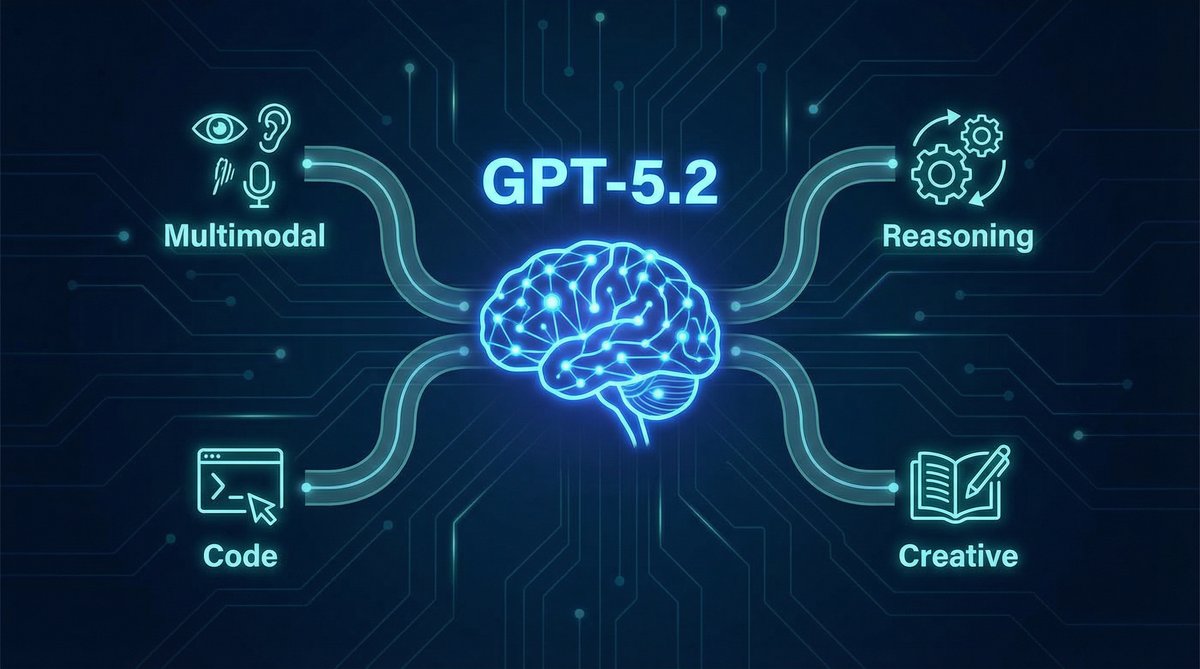
GPT-5.2 is OpenAI’s advanced iteration of their generative pretrained transformer series, delivering enhanced language understanding, reasoning, and multimodal integration capabilities. It builds upon the successes of GPT-4 and GPT-5, setting new benchmarks in AI-driven text generation and comprehension.
Architecture and Technical Improvements
GPT-5.2 introduces a hybrid transformer architecture that optimizes both depth and width, incorporating sparse attention mechanisms and dynamic context windows extending up to 256k tokens. This allows GPT-5.2 to maintain coherent long-form conversations and documents far beyond previous models.
Key technical innovations include:
- Multimodal Fusion Layers: Integrated modules process text, images, and audio simultaneously, enabling richer contextual understanding.
- Self-Supervised Continual Learning: GPT-5.2 adapts dynamically with live feedback, improving accuracy over time without catastrophic forgetting.
- Energy-Efficient Training: Leveraging OpenAI’s latest hardware accelerators and pruning techniques, GPT-5.2 achieves 30% more efficiency compared to GPT-5.
These improvements contribute to a model that is not only more powerful but also more scalable and sustainable.
Key Features and Capabilities
GPT-5.2 expands its capabilities in several critical areas relevant to AI applications in 2026:
- Enhanced Reasoning: Supports complex multi-step problem solving, logical inference, and code generation with improved accuracy.
- Multimodal Inputs: Processes and generates responses based on combined text, image, and audio data.
- Personalization: Offers user-specific tuning to adapt tone, style, and domain expertise without retraining the full model.
- Real-Time Interaction: Enables low-latency responses suitable for interactive AI assistants and live applications.
- Expanded Language Support: Now supports over 100 languages with improved fluency and cultural context.
Performance Benchmarks vs GPT-4 and GPT-5
| Metric | GPT-4 | GPT-5 | GPT-5.2 |
|---|---|---|---|
| Parameters (billions) | 175 | 250 | 280 |
| Context Window (tokens) | 8k | 128k | 256k |
| Zero-shot Reasoning Accuracy (%) | 70.5 | 82.3 | 87.6 |
| Multimodal Input Support | Partial (images) | Expanded (images, audio) | Full fusion (text, image, audio) |
| Energy Efficiency (Training FLOPS) | Baseline | +20% | +30% |
| Latency (ms per token) | ~150 | ~100 | ~80 |
This data reflects GPT-5.2’s superiority in handling more complex tasks with faster, more contextually aware responses, making it a pivotal model for AI applications in 2026.
What is Sora? OpenAI’s Revolutionary AI Video Generator
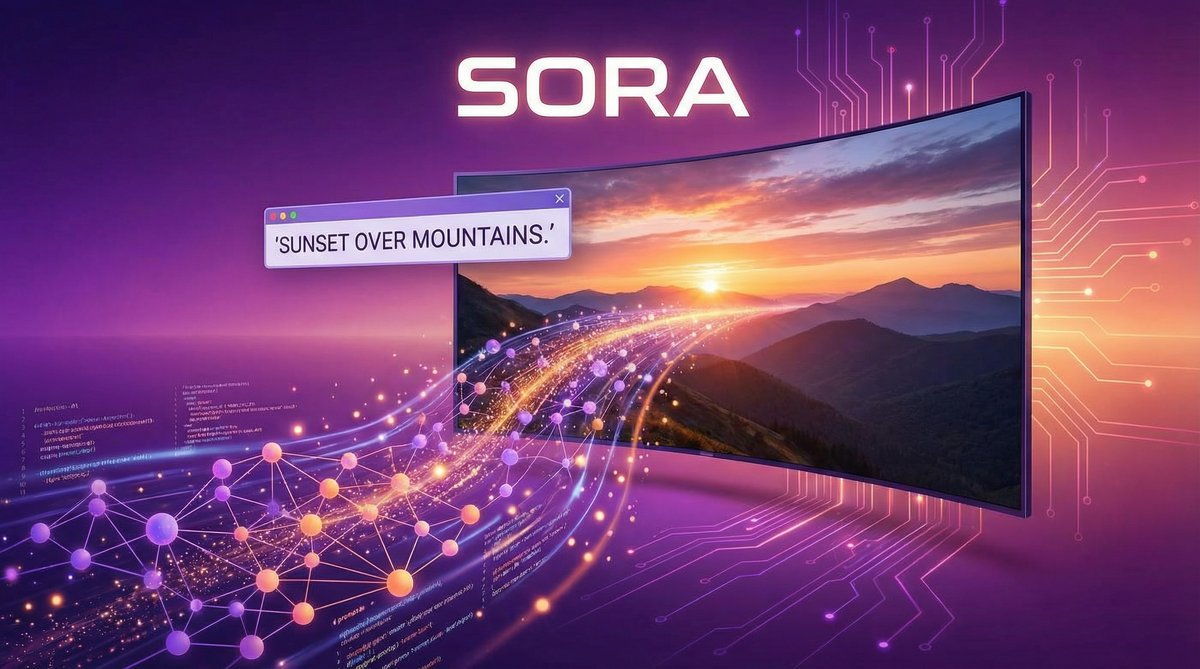
Sora is OpenAI’s state-of-the-art AI video generation platform, leveraging advanced neural networks to create realistic, dynamic video content from text and multimodal inputs. It represents a leap forward in AI video synthesis technology for 2026.
How Sora Works: The Technology Behind AI Video
Sora utilizes a combination of generative adversarial networks (GANs), diffusion models, and transformer-based architectures to synthesize high-fidelity video sequences. It processes textual prompts, audio cues, and image references to produce visually coherent and contextually relevant videos.
Its core pipeline includes:
- Input Encoding: Multimodal inputs are embedded into a shared latent space.
- Temporal Synthesis: A specialized temporal GAN generates smooth frame transitions and realistic motion.
- Style and Detail Enhancement: Diffusion models refine textures, lighting, and fine details.
- Real-Time Rendering: Optimized for low latency to enable interactive video creation workflows.
This technology allows creators to generate videos from simple scripts or storyboards with unprecedented ease and quality.
Sora’s Capabilities in 2026
Sora offers a wide range of capabilities tailored for diverse use cases:
- Script-to-Video: Convert written narratives into fully animated video clips.
- Character Animation: Create lifelike avatars with natural movements and expressions.
- Scene Composition: Automatic background creation and object placement based on textual descriptions.
- Voice Syncing: Synchronize generated speech with lip movements in videos.
- Customization: Extensive style presets and user controls to tailor the aesthetic.
These features make Sora ideal for marketing, education, entertainment, and social media content creation.
Sora vs Competitors: Runway, Pika, and Kling
| Feature | Sora | Runway | Pika | Kling |
|---|---|---|---|---|
| Multimodal Input | Text, audio, image | Text, image | Text only | Text, audio |
| Realism of Video | Very High | High | Moderate | High |
| Real-Time Editing | Yes | Limited | No | Limited |
| Character Animation | Advanced | Basic | None | Moderate |
| Pricing Model | Subscription + API | Subscription | Pay-per-use | Subscription |
Sora’s edge lies in its comprehensive multimodal integration, real-time editing capabilities, and superior video realism, positioning it as a leader in AI video generation for 2026.
How GPT-5.2 and Sora Work Together
The combination of GPT-5.2’s advanced language understanding with Sora’s AI video synthesis enables seamless multimodal content creation, allowing users to generate rich, interactive media from natural language inputs.
Multimodal AI Integration
GPT-5.2 and Sora are designed with interoperable APIs and shared embedding spaces that facilitate tight integration. GPT-5.2 can generate detailed scripts, scene descriptions, and character dialogues, which Sora can then transform into fully animated video sequences. This synergy supports:
- Dynamic script-to-video pipelines
- Interactive storytelling with conversational AI avatars
- Real-time content customization based on user feedback
This multimodal integration exemplifies the next generation of AI workflows, where text, audio, and video generation converge seamlessly.
Real-World Workflow Examples
Several industries have already adopted combined GPT-5.2 and Sora pipelines:
- Marketing: Automated generation of personalized video ads from product descriptions and customer data.
- Education: Creation of interactive educational videos with AI tutors responding dynamically to student queries.
- Entertainment: Rapid prototyping of animated storyboards based on GPT-5.2 generated narratives.
- Corporate Training: Customized compliance videos with scenario-based dialogue generated by GPT-5.2 and visualized by Sora.
These examples highlight how the combined power of GPT-5.2 and Sora is revolutionizing content creation workflows.
Industry Impact: How GPT-5.2 and Sora Are Transforming Sectors
GPT-5.2 and Sora are driving transformative changes across multiple industries by enabling more intelligent, interactive, and personalized AI applications in 2026.
Healthcare and Medical AI
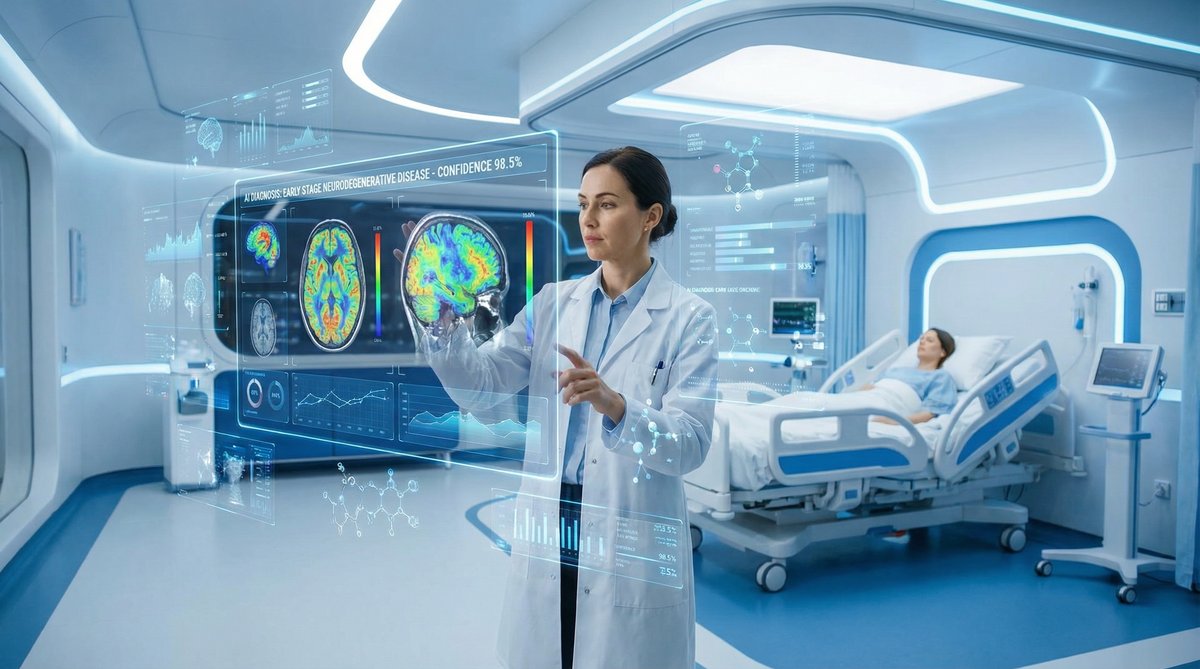
GPT-5.2’s enhanced reasoning and multimodal capabilities coupled with Sora’s realistic video generation are improving diagnostic tools, patient education, and telemedicine. For example, AI-powered virtual assistants can interpret complex medical records and generate explanatory videos tailored to patient conditions, enhancing understanding and compliance.
Healthcare professionals use these tools for:
- AI-driven symptom analysis and video-based patient walkthroughs
- Training simulations with interactive video scenarios
- Multimodal diagnostics integrating textual notes, imaging data, and audio cues
Education and E-Learning
In education, GPT-5.2 and Sora enable personalized learning experiences by generating adaptive lesson content and immersive videos. AI tutors powered by GPT-5.2 can generate explanations, quizzes, and feedback, while Sora creates accompanying visual materials that cater to different learning styles.
This technology supports:
- Automated content generation for diverse subjects
- Interactive video lessons with real-time Q&A
- Language learning with synchronized speech and video aids
Educators benefit from easier content creation and more engaging student experiences, aligning with current AI trends 2026.
Creative Industries and Content Production
GPT-5.2 and Sora are revolutionizing creative workflows by enabling rapid prototyping and production of scripts, storyboards, and videos. Writers and content creators use GPT-5.2 for ideation and dialogue generation, while Sora animates scenes without traditional production costs.
Use cases include:
- Automated short film generation from script prompts
- Social media video content creation with minimal manual editing
- Interactive gaming narratives with dynamically generated cutscenes
These innovations reduce production time and democratize content creation.
Enterprise and Business Automation
Businesses leverage GPT-5.2 and Sora to automate communication, training, and marketing functions. AI-generated explainer videos, customer service avatars, and real-time report generation enhance efficiency and engagement.
Examples include:
- Personalized video messages for client outreach
- Automated compliance training with scenario videos
- AI assistants synthesizing meeting notes into multimedia summaries
Such applications contribute to measurable productivity gains and cost savings.
Getting Started: How to Use GPT-5.2 and Sora
Accessing GPT-5.2 and Sora is streamlined via OpenAI’s developer platform, offering flexible APIs and pricing models designed for both technical and non-technical users in 2026.
API Access and Pricing
OpenAI provides tiered subscription plans and pay-as-you-go options for GPT-5.2 and Sora APIs. Pricing reflects usage volume, latency requirements, and feature access:
- Developer Plan: Affordable access with limited token/video generation quotas.
- Professional Plan: Higher limits, priority support, and advanced features.
- Enterprise Plan: Custom SLAs, dedicated infrastructure, and compliance certifications.
OpenAI’s official site offers detailed pricing information. Many startups and SMBs benefit from free trials and usage credits to test capabilities.
Step-by-Step Tutorial for Developers
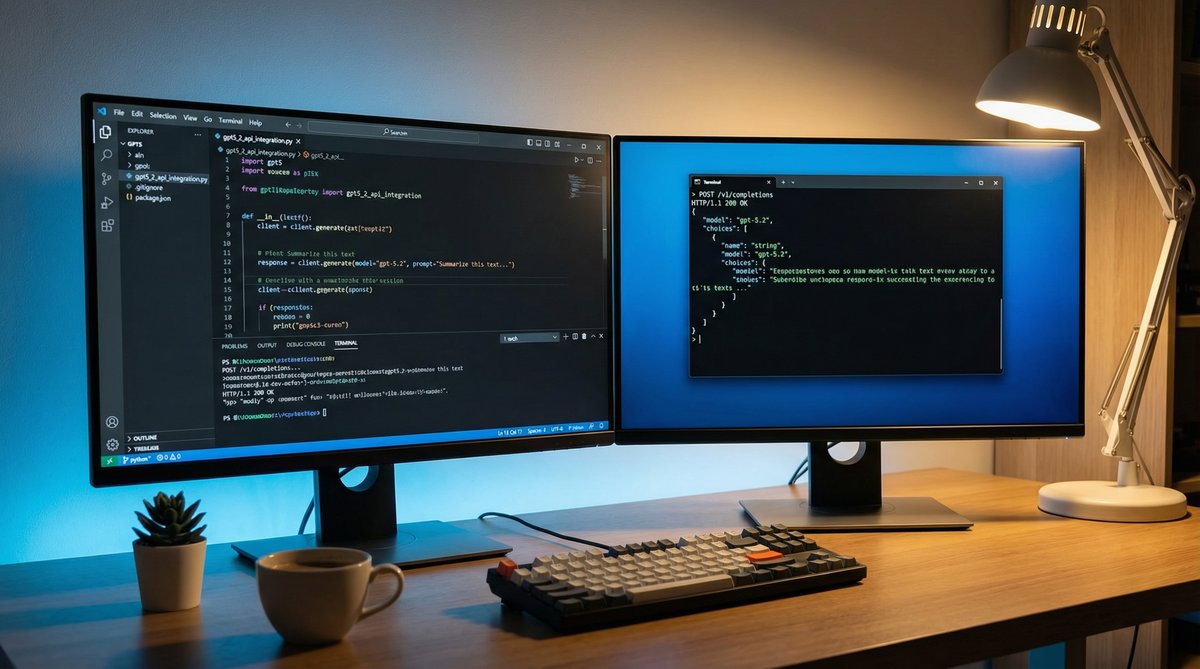
Developers can integrate GPT-5.2 and Sora with the following steps:
- Sign up at OpenAI’s platform and obtain API keys.
- Install OpenAI SDKs for your preferred programming language.
- Use GPT-5.2 endpoints to generate textual content, specifying context and parameters.
- Pass GPT-5.2 outputs as input prompts to Sora’s video generation API.
- Handle video rendering and download or stream results in your application.
- Implement error handling and optimize calls for latency and cost efficiency.
Comprehensive documentation and community forums assist developers at every stage.
Tips for Non-Technical Users
Non-developers can leverage GPT-5.2 and Sora through user-friendly interfaces and third-party integrations. Suggestions include:
- Using no-code platforms that embed GPT-5.2 and Sora functionality.
- Exploring templates for common use cases like marketing videos or educational content.
- Following tutorials from free AI courses to build foundational knowledge.
- Engaging with communities for tips and best practices.
These approaches lower barriers to entry, empowering broader adoption of AI tools.
Ethical Considerations and Responsible AI
OpenAI emphasizes responsible AI development with GPT-5.2 and Sora, addressing bias, privacy, and potential misuse concerns to promote ethical adoption in 2026.
Bias Mitigation and Fairness
GPT-5.2 incorporates advanced debiasing algorithms and fairness regularizers to minimize harmful stereotypes and ensure equitable outputs across diverse demographics. Continuous monitoring and community feedback loops contribute to ongoing improvements.
For deeper insights on AI ethics, see our AI Ethics and Fairness analysis.
Privacy and Data Security
OpenAI enforces strict data privacy policies, with encrypted data transmission and storage. Users retain control over their data, and models are trained on anonymized datasets. Sora’s video data handling complies with emerging privacy regulations such as GDPR and CCPA.
Deepfake Concerns with Sora
Sora’s realistic video generation raises legitimate concerns about deepfake misuse. OpenAI has implemented watermarking, usage monitoring, and identity verification protocols to deter malicious applications. Public awareness and regulatory frameworks are evolving to mitigate risks.
The Future: What’s Next for GPT and Sora
OpenAI’s roadmap for GPT and Sora focuses on progressing towards Artificial General Intelligence (AGI) and navigating evolving regulatory landscapes to ensure safe, impactful AI deployment.
Roadmap to AGI
Future GPT iterations aim to enhance reasoning, creativity, and autonomy, moving closer to AGI. Integration with robotics, real-world sensors, and continuous learning will expand AI’s capabilities beyond current limitations. Sora’s video synthesis will evolve to support interactive, immersive virtual environments.
Regulatory Landscape
Governments worldwide are formulating AI regulations addressing transparency, accountability, and safety. OpenAI collaborates with policymakers to shape standards that balance innovation with societal protection. Compliance and ethical design will remain pivotal in AI development strategies.
Frequently Asked Questions
What is GPT-5.2?
GPT-5.2 is OpenAI’s latest generative language model launched in 2026. It features enhanced architecture for better reasoning, multimodal processing, and real-time interaction compared to previous models.
What is Sora AI video?
Sora is OpenAI’s AI-powered video generation platform that creates realistic videos from text, audio, and image inputs using advanced neural networks and multimodal synthesis techniques.
How much does it cost to use GPT-5.2 and Sora?
Pricing varies by usage and plan, with options ranging from developer tier subscriptions to enterprise-level contracts. OpenAI offers pay-as-you-go and subscription models with free trial credits available.
How can I access GPT-5.2 and Sora?
Access is available via OpenAI’s developer platform through API keys. Non-technical users can use third-party apps and no-code platforms integrating these AI tools.
What are the main differences between GPT-5.2 and earlier models?
GPT-5.2 improves on GPT-4 and GPT-5 by expanding context window size, introducing multimodal fusion layers, enhancing reasoning accuracy, and optimizing energy efficiency.
Are GPT-5.2 and Sora safe to use?
OpenAI prioritizes safety with bias mitigation, privacy protections, and deepfake safeguards, but users should apply responsible usage practices and comply with ethical guidelines.
What future updates are planned for GPT and Sora?
Future updates include advancements towards AGI, improved multimodal interaction, real-time adaptive learning, and expanded regulatory compliance features.
Conclusion
GPT-5.2 and Sora stand at the forefront of AI innovation in 2026, delivering unprecedented capabilities in natural language understanding and AI video generation. Their integration is transforming industries from healthcare to creative content, while OpenAI’s commitment to ethical design ensures these technologies are used responsibly.
To stay updated on the latest developments and practical guides related to GPT-5.2 and Sora, explore more on ChatGPT AI Hub homepage. For those interested in enhancing their AI skills, our Best ChatGPT Prompts for Productivity and Free AI Courses provide excellent resources.
Written by Markos Symeonides for ChatGPT AI Hub. © 2026 ChatGPT AI Hub.

