
OpenAI Acquires TBPN Media Network: What the First Major AI-Media Merger Means for the Industry
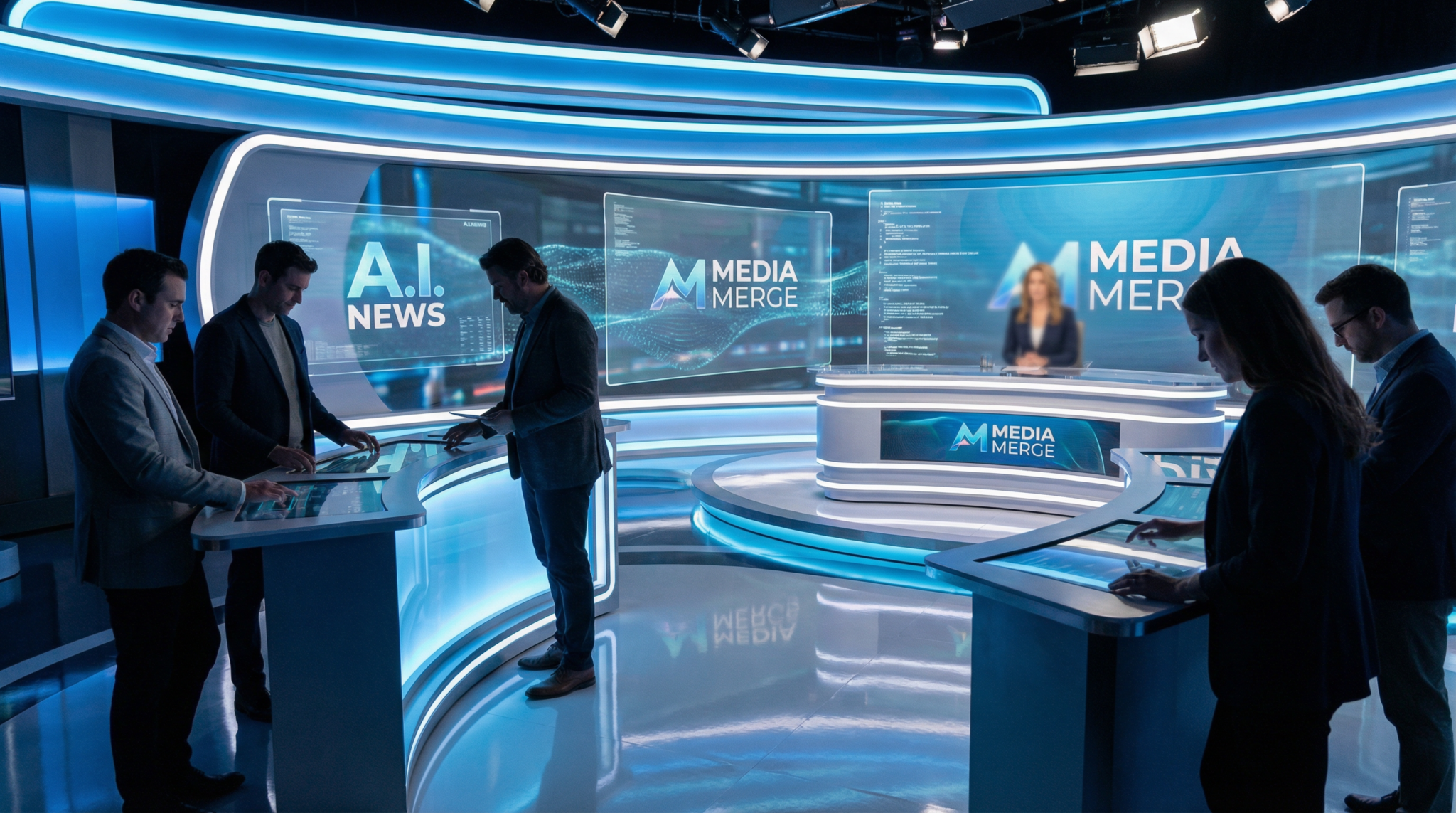
In a landmark move shaking both the artificial intelligence and media landscapes, OpenAI announced on April 2, 2026, its acquisition of the TBPN Media Network, a widely recognized technology talk show platform specializing in AI and emerging tech content. This marks OpenAI’s first significant foray into media ownership and content distribution, signaling a strategic expansion beyond AI model development into shaping how AI narratives are communicated and consumed worldwide.
The deal, reportedly valued at $450 million, brings under OpenAI’s umbrella TBPN’s flagship productions including “Tech Tomorrow,” “AI Insight Weekly,” and its rapidly growing podcast network with an audience surpassing 15 million monthly viewers and listeners. This acquisition comes amid increasing competition among AI companies to control not only the technology but also the channels through which AI is explained, debated, and popularized.
The Details Behind OpenAI’s Acquisition of TBPN
About TBPN Media Network
Founded in 2018, TBPN (Technology Broadcast and Podcast Network) rapidly became a leading destination for technology enthusiasts, developers, and industry professionals seeking deep dives into AI advancements, policy implications, and ethical debates. Their multi-platform approach includes live-streamed panels, interactive Q&A sessions, and exclusive interviews with AI thought leaders, making it a trusted source in tech media.
TBPN’s proprietary content management system, “Streamline,” integrates advanced analytics and AI-powered content recommendation engines, enabling tailored viewer experiences. This technological edge made TBPN an attractive acquisition target for OpenAI, whose own products increasingly rely on content personalization and user engagement metrics.
OpenAI’s Strategic Motives
OpenAI CEO Mira Chen emphasized during the announcement call that acquiring TBPN aligns with OpenAI’s mission to ensure AI benefits all of humanity by enhancing public understanding and discourse. “Our models are powerful, but without responsible communication channels and accessible education, their impact is limited,” Chen stated. “TBPN offers a unique platform to bridge the gap between AI development and real-world application awareness.”
Analysts interpret this move as OpenAI’s intent to vertically integrate AI technology development with media distribution, a strategy that could redefine industry dynamics. By controlling content creation and dissemination, OpenAI can shape narratives, address misinformation, and promote transparency around AI capabilities and risks.
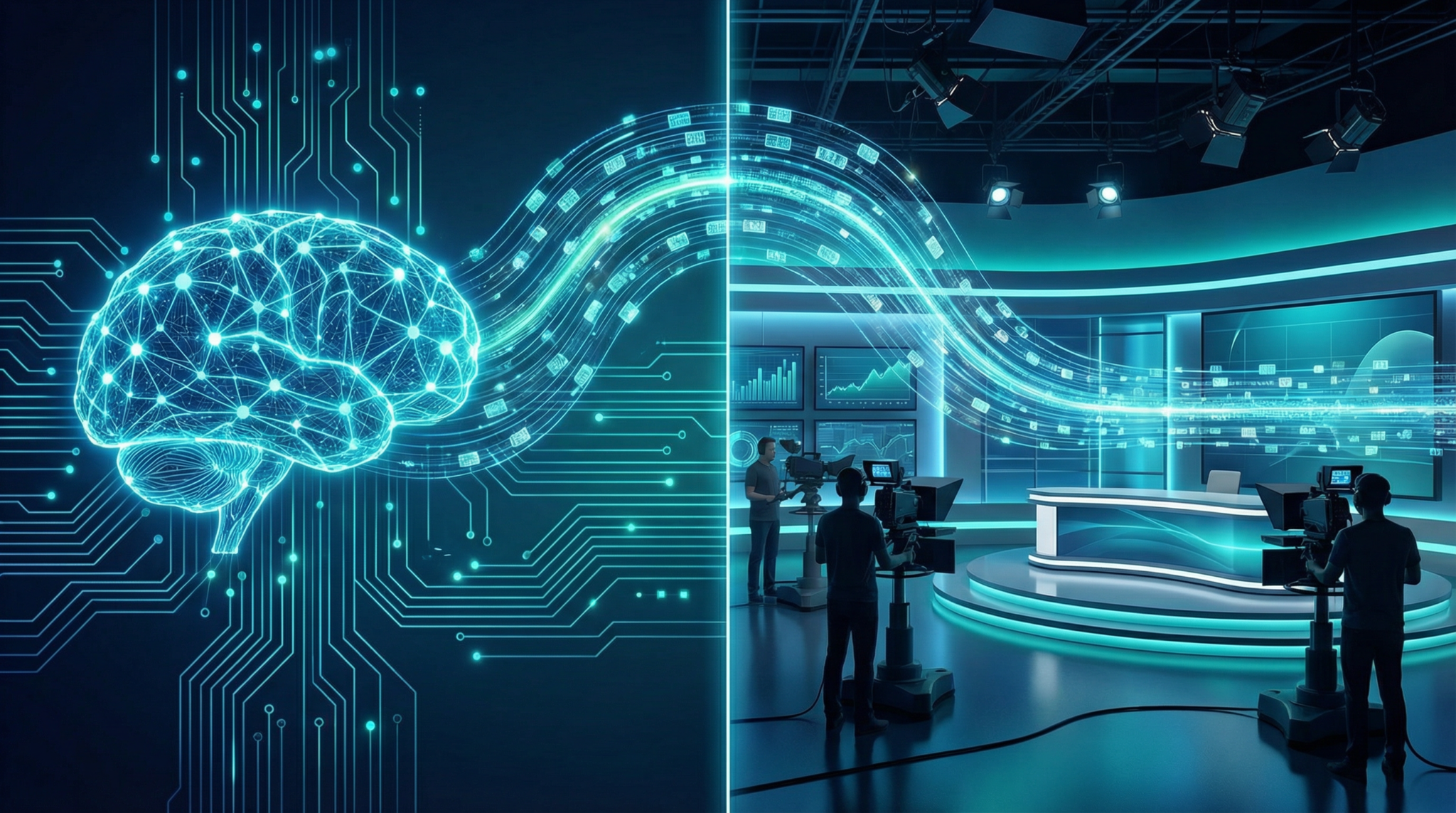
This integration also allows OpenAI to leverage its GPT-5 and Whisper-3 models for content generation, translation, and moderation across TBPN’s productions, enhancing scalability and interactivity. For example, GPT-5’s advanced natural language understanding supports more nuanced interviewer-bot interactions on live panels, while Whisper-3’s real-time multilingual transcription broadens TBPN’s global audience reach.
Implications for the AI and Media Industries
Shifting Power Dynamics in Content Distribution
Traditionally, AI companies have focused on product development and licensing their models via APIs or SaaS offerings. OpenAI’s acquisition of TBPN signals a pivot toward owning content platforms directly, challenging established media conglomerates and tech companies dabbling in AI.
Media experts suggest this could catalyze a wave of similar mergers where AI firms pursue direct audience engagement to control the full AI value chain—from model innovation to consumer education. This shift could disrupt conventional advertising models and open new revenue streams based on subscription, targeted content, and interactive educational experiences.
However, concerns around editorial independence and potential bias arise as AI developers gain influence over public discourse. OpenAI has committed to maintaining TBPN’s editorial integrity, setting up an independent media board including external AI ethicists and journalists to oversee content standards.
Enhancing AI Literacy and Public Trust
With AI technologies increasingly embedded in daily life, public understanding remains uneven. TBPN’s existing audience base of technology professionals and enthusiasts provides an ideal launchpad for scaled AI literacy initiatives. OpenAI plans to roll out new programming focused on AI safety, ethical AI design, and real-world applications, utilizing interactive formats powered by AI-driven content personalization.
This education-first approach aims to build broader trust in AI systems by demystifying complex topics and addressing misinformation proactively. The integration of OpenAI’s advanced language models into TBPN’s content pipeline will facilitate accessible explanations tailored to diverse audience knowledge levels.
For developers and technologists, this move also signals more opportunities for collaboration between AI model creators and media producers, potentially accelerating innovation cycles and community engagement. Readers interested in how AI platforms are integrating with media workflows can explore our analysis on Complete Guide to Building AI-Powered Automation Workflows Using ChatGPT API,….

Technical Integration and Future Prospects
Leveraging OpenAI’s Technology Stack at TBPN
Post-acquisition, OpenAI is deploying GPT-5’s multimodal capabilities to automate several TBPN production aspects. Automated scriptwriting for daily news segments, AI-assisted guest scheduling, and real-time content moderation powered by OpenAI’s latest safety layers are already in pilot phases.
Additionally, Whisper-3’s enhanced audio transcription supports multilingual subtitles and real-time translation, expanding TBPN’s reach into non-English speaking markets. These AI tools also enable personalized content feeds, matching individual viewer preferences based on interaction data and behavioral patterns.
OpenAI’s proprietary reinforcement learning from human feedback (RLHF) techniques refine content suggestions to minimize bias and maximize relevance, an iterative process that benefits from TBPN’s extensive user engagement datasets.
Potential Challenges and Industry Impact
While the merger offers substantial synergies, it also introduces challenges. Integrating media operations with AI R&D requires balancing innovation speed with editorial quality and legal compliance, especially amid evolving regulations around AI-generated content and misinformation.
Furthermore, competitors such as Anthropic and Google DeepMind are likely to respond with their own content partnerships or acquisitions, potentially accelerating an arms race in AI-driven media strategies. For a detailed comparison of AI development platforms and their content strategies, see our feature on Claude Code vs OpenAI Codex in 2026: The Definitive Comparison Guide for AI-P….
Practical Takeaways for AI Industry Stakeholders
- AI Companies: The OpenAI-TBPN deal underscores the importance of controlling narrative channels to influence public perception and policy. Firms should consider strategic partnerships with media entities or build in-house capabilities for content distribution.
- Media Organizations: The rise of AI-driven content creation demands investment in AI literacy and ethical oversight to maintain trust and quality. Collaboration with AI developers can unlock innovative storytelling methods and audience engagement tools.
- Developers and Creators: Integration of advanced language and speech models into production pipelines creates new opportunities for automation and personalization. Understanding these technologies is critical to stay competitive and relevant in content creation.
Access 40,000+ AI Prompts for ChatGPT, Claude & Codex — Free!
Subscribe to get instant access to our complete Notion Prompt Library — the largest curated collection of prompts for ChatGPT, Claude, OpenAI Codex, and other leading AI models. Optimized for real-world workflows across coding, research, content creation, and business.
Conclusion: A New Era of AI-Media Synergy
OpenAI’s acquisition of TBPN Media Network represents a pioneering convergence of artificial intelligence innovation and media distribution. By owning a leading technology talk show platform, OpenAI positions itself to actively shape the global AI conversation, enhance public understanding, and accelerate adoption of responsible AI practices.
This merger is likely to inspire further integrations between AI companies and media outlets, creating a more interconnected ecosystem where technology development and content dissemination are tightly aligned. As this trend unfolds, stakeholders across industries must adapt to a landscape where AI not only powers applications but also controls the narratives surrounding its evolution.
The convergence of AI and media also raises important questions about how enterprises adopt and scale these technologies internally. Organizations evaluating their own AI strategies can benefit from understanding the broader enterprise adoption patterns explored in our coverage of The 2026 Enterprise AI Scaling Playbook: From Pilot to Production with ChatGP….
This acquisition will continue to shape the AI industry throughout 2026 and beyond, as the boundaries between technology companies and media organizations become increasingly blurred. The implications for content creators, advertisers, and developers are profound and far-reaching.

