
The Convergence of AI Tools into Unified Platforms in 2026: A Deep Analysis
Author: Markos Symeonides
Introduction: The Dawn of AI Superapps
In 2026, the AI landscape is witnessing a transformative consolidation reminiscent of the mobile app evolution witnessed a decade ago. Industry leaders are converging their disparate AI tools into unified platforms, creating “AI superapps” that promise seamless, agentic experiences for users across consumer and enterprise domains. This deep analysis explores the forces driving this convergence, the key players and technologies shaping the future, and the profound implications for developers, enterprises, and the broader token economy.
OpenAI’s Unified AI Superapp: The New Frontier
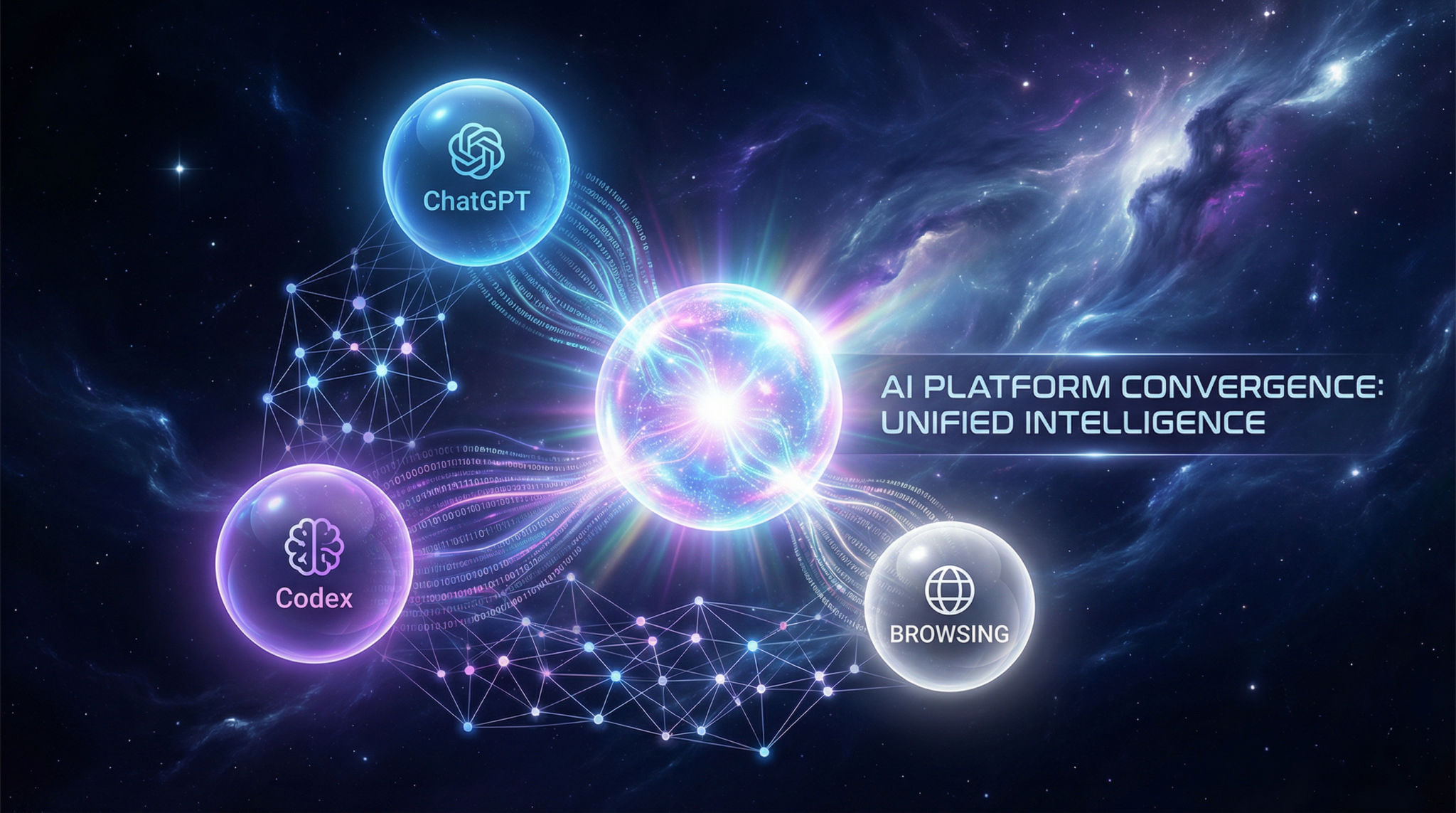
At the forefront of this transformation is OpenAI’s ambitious project to build a “unified AI superapp,” combining its flagship offerings: ChatGPT, Codex, real-time browsing, and advanced agentic capabilities. This initiative is not merely a product amalgamation but a strategic pivot towards an “agent-first experience,” wherein AI agents proactively assist users across complex workflows rather than merely responding to isolated queries.
The launch of GPT-5.4, the most capable model to date, underpins this platform. GPT-5.4 has ignited unprecedented engagement levels, especially in agentic workflows where AI operates autonomously or semi-autonomously to execute multi-step tasks on behalf of users. The model’s versatility and improved contextual understanding have unlocked new use cases, driving user retention and deepening platform integration.
One of the most compelling metrics illustrating this success is Codex’s explosive growth, now serving over 2 million weekly users—a fivefold increase in just three months, with sustained month-over-month growth exceeding 70%. This surge reflects the growing reliance on AI-assisted coding, automation, and problem-solving tools embedded within the superapp ecosystem.
Moreover, OpenAI’s APIs have scaled dramatically, processing more than 15 billion tokens per minute, highlighting the massive computational infrastructure backing this convergence. This token throughput not only signals demand but also enables novel economic models around consumption, billing, and value creation.
Enterprise adoption has also accelerated, with revenue from enterprise clients surpassing 40% of total income and projected to reach parity with consumer revenue by the end of 2026. This shift underscores the expanding footprint of AI superapps in mission-critical business applications, driving digital transformation and operational efficiencies.
The Agent-First Experience: Defining the Future of AI Interaction
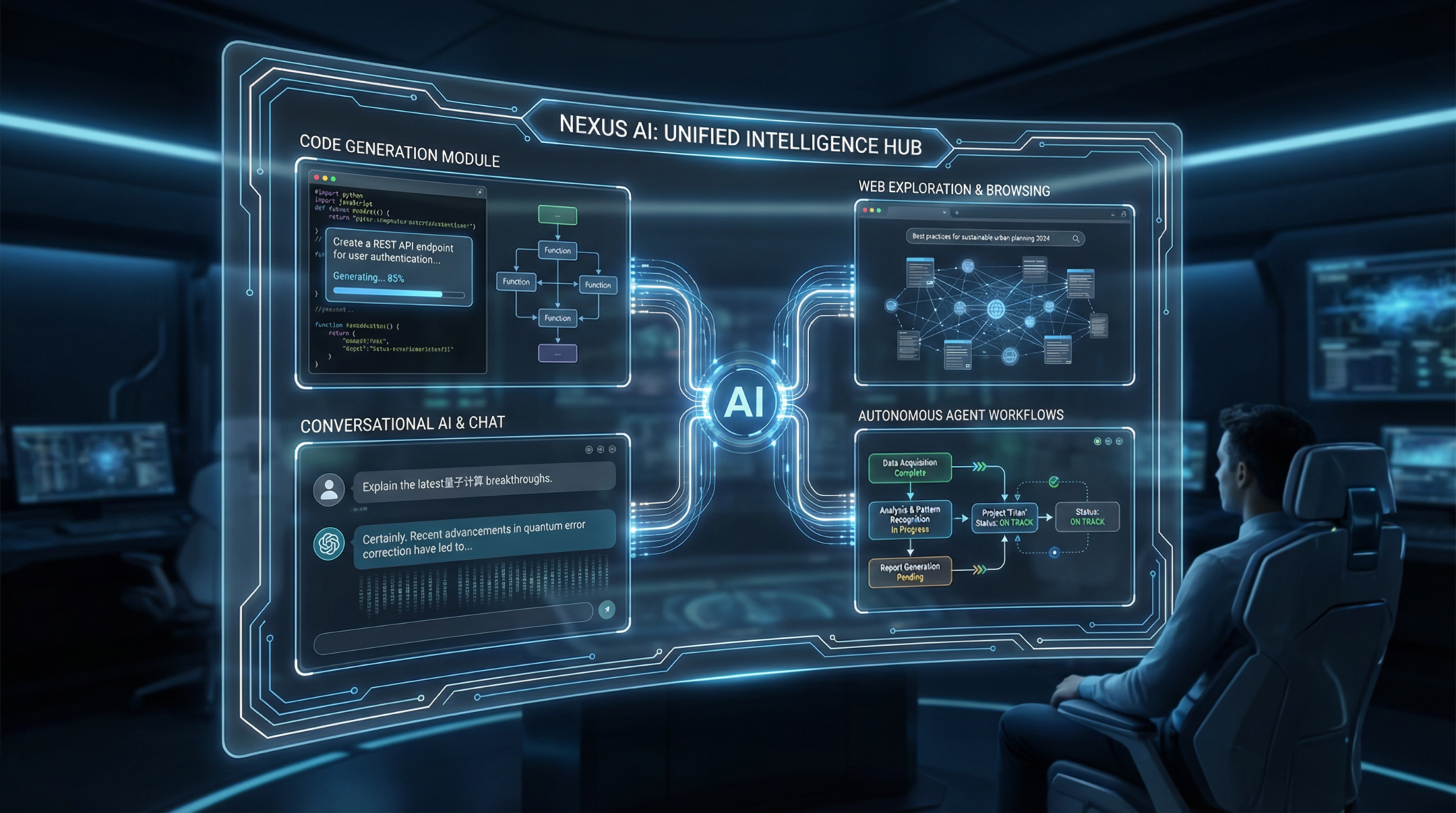
The concept of an “agent-first experience” is central to the AI superapp paradigm. Unlike traditional AI tools that react to explicit user commands, agentic AI operates proactively, anticipating needs, orchestrating multi-modal inputs, and executing complex sequences of actions autonomously or with minimal supervision.
Practically, this means users interact with AI agents that can:
- Integrate data from browsing, personal knowledge bases, and live APIs.
- Automate workflows across multiple applications, such as scheduling, coding, and data analysis.
- Adapt dynamically to evolving user contexts and preferences.
- Facilitate collaboration by mediating communications and aggregating insights in real-time.
This agent-first approach is redefining productivity paradigms and user expectations. It echoes the historical transition from standalone mobile apps to unified superapps in regions like Asia, where platforms such as WeChat revolutionized digital interaction by embedding diverse services within a single interface.
The parallels are instructive: just as mobile superapps integrated messaging, payments, and commerce, AI superapps unify natural language understanding, coding, browsing, and autonomous agents. This consolidation streamlines user experiences, reduces friction, and creates ecosystems where AI-driven workflows become the default mode of operation.
For a comprehensive exploration of how agentic AI workflows are reshaping productivity, Agentic Workflows in AI Superapps provides detailed case studies and implementation insights.
Anthropic’s Counter-Strategy: Feature Proliferation and Enterprise Integration
While OpenAI leads with superapp unification, Anthropic is pursuing a differentiated approach focused on rapid feature expansion and deep enterprise embedding. In Q1 2026 alone, Anthropic released over 120 new features, enhancing its Claude AI capabilities and broadening applicability across verticals.
A significant element of Anthropic’s strategy is its tight integration with Microsoft 365, enabling AI augmentation within widely used productivity tools like Word, Excel, and Outlook. This enterprise-centric alignment positions Anthropic as a robust alternative for organizations seeking AI enhancements tightly coupled with their existing workflows.
The breadth of Anthropic’s feature rollout demonstrates a focus on modularity and customization, enabling clients to tailor AI capabilities to specific business needs rather than adopting a monolithic platform. This contrasts with OpenAI’s superapp model, highlighting the spectrum of strategic approaches within the AI industry.
For readers interested in the strategic nuances of AI platform competition and feature evolution, our in-depth analysis titled Anthropic’s Feature Expansion and Enterprise Strategy delves into these dynamics.
Google’s Position: Gemini 2.5 Pro and the AI Platform Race
Google remains a formidable player with the Gemini 2.5 Pro model, which continues to push the envelope on multimodal understanding and large-scale integration. Gemini 2.5 Pro is designed to complement Google’s vast data infrastructure and cloud ecosystem, enabling seamless AI-powered enhancements across search, advertising, and enterprise productivity tools.
Google’s approach emphasizes AI as an integrated layer within existing platforms rather than a standalone superapp. This strategy leverages Google Workspace’s ubiquity and the company’s dominant search and advertising platforms to embed AI capabilities contextually.
While Google has not consolidated its offerings into a single superapp akin to OpenAI’s vision, its ecosystem-wide AI enhancements maintain a competitive edge in enterprise and consumer markets alike.
Developer Ecosystem: Survival or Absorption of Specialized Tools?
The rise of unified AI superapps raises critical questions about the future of specialized AI tools and the broader developer ecosystem. As superapps encapsulate a wider array of functionalities, the pressure mounts on niche tools to either integrate into these platforms or risk obsolescence.
Developers face a bifurcated landscape:
- Integration Path: Specialized tools can leverage superapp APIs to extend their reach, benefiting from the platform’s user base and infrastructure while contributing unique capabilities.
- Absorption Risk: Platforms may internalize popular niche functionalities, reducing the demand for standalone tools and creating winner-takes-most dynamics.
This dynamic mirrors historical platform consolidations in software and mobile ecosystems, where initially vibrant third-party app markets eventually gave way to dominant platform-controlled experiences. However, there remains room for innovation at the edges, particularly for tools addressing highly specialized domains or offering superior user experiences.
Our detailed examination of this developer ecosystem evolution, including strategies for tool survival and growth, is available in Developer Strategies Amid AI Platform Consolidation.
The Token Economy: New Economic Models from 15 Billion Tokens per Minute
The unprecedented scale of AI API usage—exceeding 15 billion tokens per minute—has birthed a token economy that fundamentally reshapes how value is created, measured, and monetized in AI systems.
Key economic implications include:
- Microtransaction Billing: Token-based billing enables granular pricing models aligned with actual AI consumption, supporting flexible enterprise and consumer plans.
- Incentivized Data Sharing: Platforms can reward users or developers for generating high-quality input data or training signals, fostering collaborative AI improvement.
- Marketplaces for AI Agents: Token economies facilitate marketplaces where autonomous agents and AI workflows can be bought, sold, or rented, creating new commerce layers atop AI platforms.
- Resource Allocation Efficiency: Token metrics aid in optimizing compute resource allocation, balancing cost with performance and user demand.
These developments herald a shift from static subscription models to dynamic, usage-driven economies that better align incentives across stakeholders in the AI ecosystem.
Implications for Enterprise IT Architecture
The consolidation of AI tools into unified platforms demands significant rethinking of enterprise IT architectures. Traditional siloed AI deployments give way to integrated AI superapp ecosystems that require:
- Robust API Management: Enterprises must architect flexible API gateways and governance frameworks to manage interactions with unified AI platforms.
- Data Interoperability: Seamless data flow between AI agents, enterprise data lakes, and operational systems becomes critical for maximizing AI value.
- Security and Compliance: The increased agentic autonomy necessitates stringent security policies and compliance checks embedded into AI workflows.
- Scalable Infrastructure: Enterprises must invest in scalable cloud and edge infrastructure to support real-time AI interactions at scale.
These architectural shifts are driving new roles and competencies within enterprise IT teams, blending traditional infrastructure management with AI orchestration and governance expertise.
Looking Ahead: Predictions for the Rest of 2026
As the AI superapp trend accelerates, several key developments are poised to shape the remainder of 2026 and beyond:
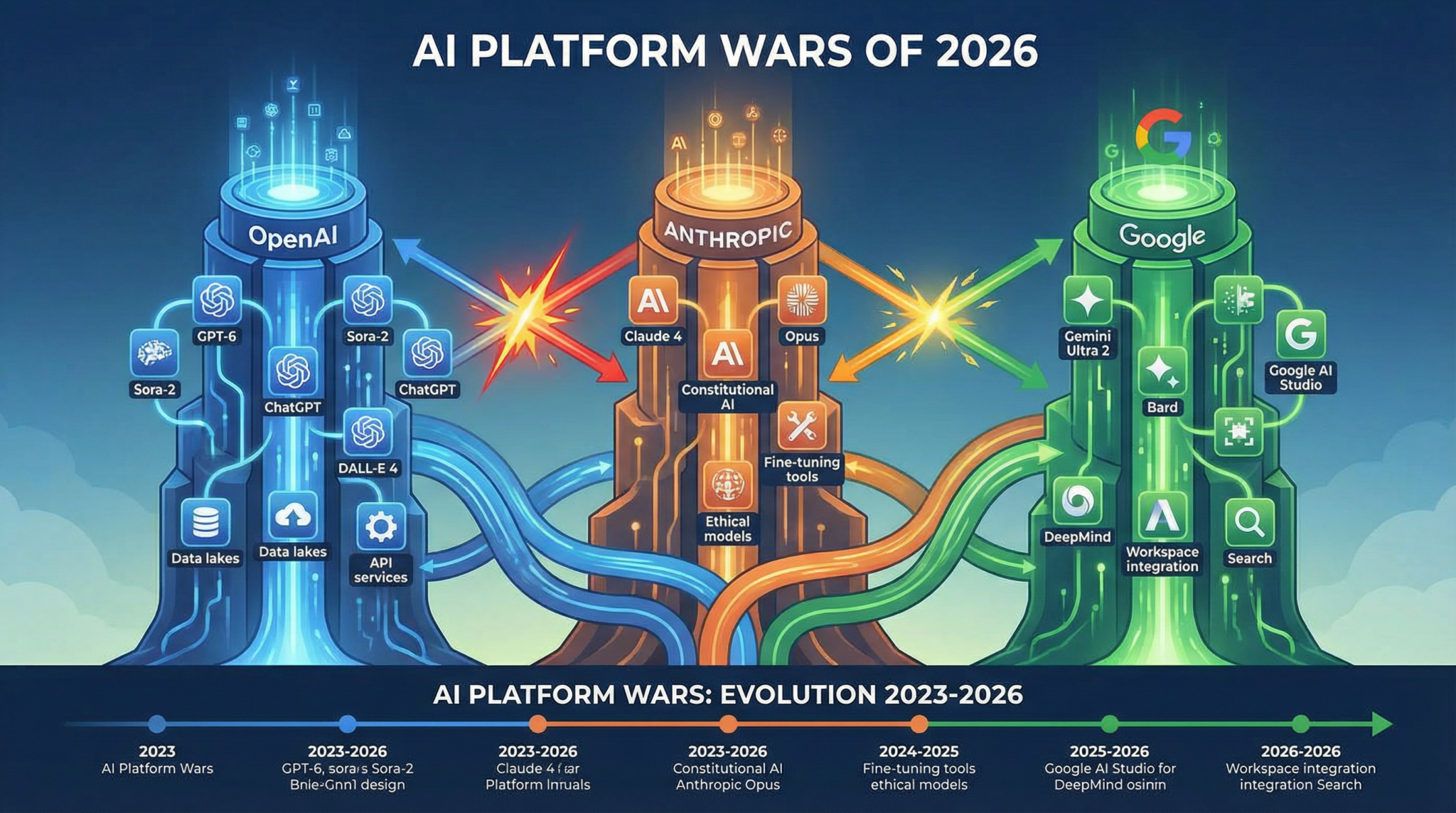
- Platform Dominance Crystallizes: OpenAI, Anthropic, and Google will solidify their respective positions, with clear differentiation based on integration depth, enterprise focus, and AI capabilities.
- Proliferation of Agent Marketplaces: The emergence of marketplaces for AI agents and workflows will democratize access to sophisticated AI automations.
- Specialization Niches Persist: Despite consolidation, specialized AI tools targeting verticals like healthcare, finance, and legal will thrive by delivering domain-specific expertise.
- Regulatory Developments: Governments will introduce new AI governance frameworks addressing agent autonomy, data privacy, and economic fairness within token economies.
- Enterprise Transformation: Organizations will increasingly embed AI superapps into core operations, driving efficiency, innovation, and competitive advantage.
These trends collectively signal a maturation of the AI industry into a platform-centric ecosystem where unified AI experiences become integral to digital life and work.
Access 40,000+ AI Prompts for ChatGPT, Claude & Codex — Free!
Subscribe to get instant access to our complete Notion Prompt Library — the largest curated collection of prompts for ChatGPT, Claude, OpenAI Codex, and other leading AI models. Optimized for real-world workflows across coding, research, content creation, and business.
Conclusion
The convergence of AI tools into unified platforms in 2026 represents one of the most consequential shifts in the technology landscape. OpenAI’s unified AI superapp, powered by GPT-5.4 and an expansive Codex user base, exemplifies this new paradigm, while competitors such as Anthropic and Google carve distinct niches through feature proliferation and ecosystem integration.
This unification fosters an agent-first experience that transforms how users interact with AI, blurring lines between tools, services, and autonomous workflows. The implications ripple across economic models, developer ecosystems, and enterprise IT architectures, demanding strategic adaptation and innovation.
As the year progresses, stakeholders who grasp these dynamics and actively engage with emerging AI platforms will be best positioned to capitalize on the profound opportunities of this AI-driven future.

