
Anthropic’s Claude Code Pricing Overhaul: What the OpenClaw Cutoff Means for Developers in 2026
⚡ The Brief
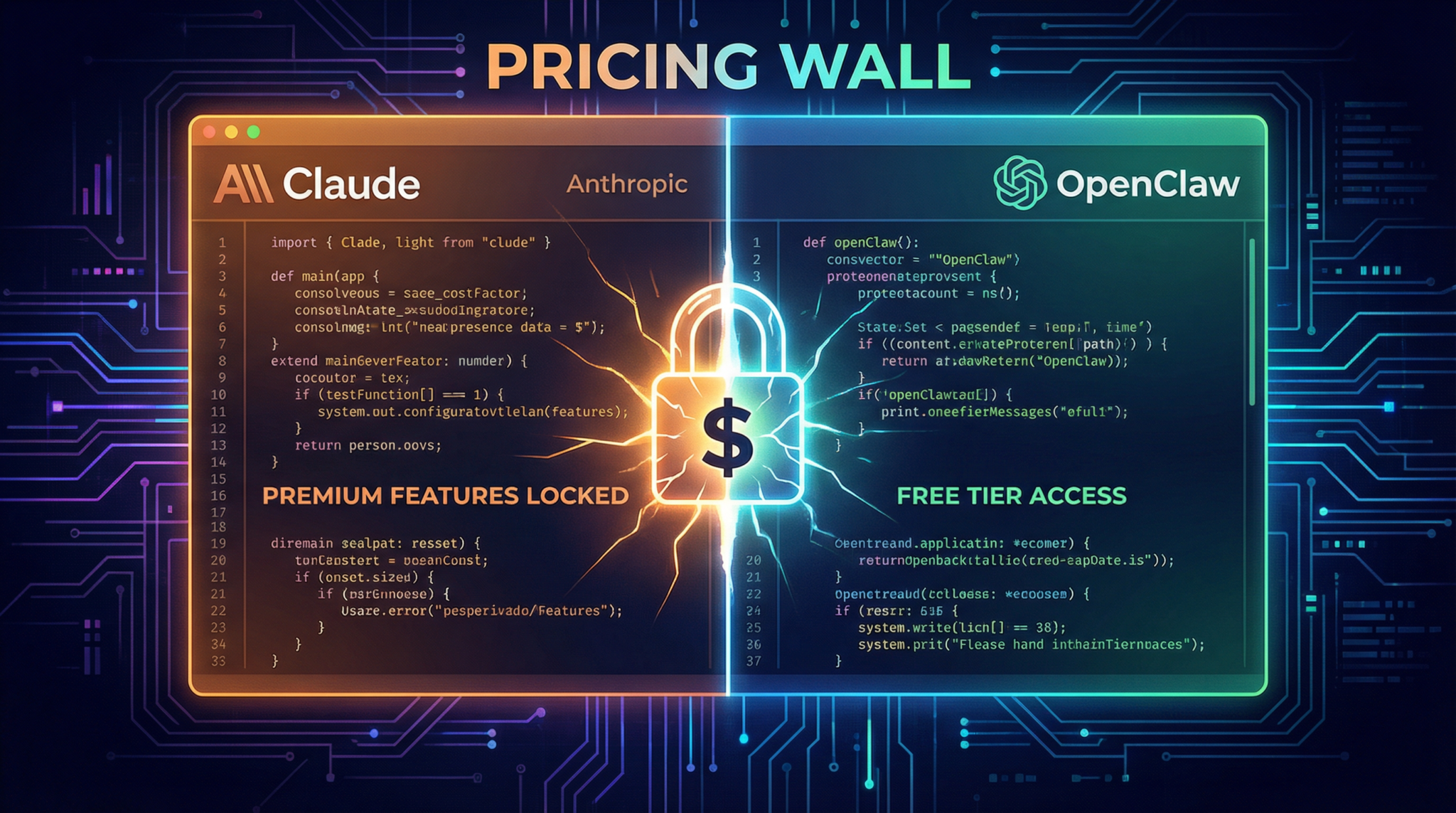
- What it is: The OpenClaw Cutoff is a new billing policy by Anthropic for Claude Code, effective April 4, 2026, requiring pay-as-you-go payments for third-party platform usage.
- Who it’s for: Developers using Claude Code through third-party platforms like OpenClaw, especially those with Pro and Max subscriptions.
- Key takeaways: Subscription credits can no longer be used for third-party integrations; developers must adapt to a usage-based billing model.
- Pricing/Cost: Transition from subscription credits to a pay-as-you-go model for third-party platform usage, affecting cost management strategies.
- Bottom line: Developers need to adjust to the new billing structure to effectively manage costs and continue using Claude Code through third-party tools.
✓ Instant access✓ No spam✓ Unsubscribe anytime
Understanding Anthropic’s OpenClaw Cutoff: Major Pricing Changes for Claude Code from April 4, 2026
Anthropic, a leading AI research and deployment company, recently announced a significant shift in how users of Claude Code, its advanced AI coding assistant, are charged for usage through third-party platforms. Effective April 4, 2026, Claude Pro and Max subscribers will no longer be able to utilize subscription credits when accessing Claude Code via third-party frameworks like OpenClaw. Instead, all usage through such frameworks must transition to a new pay-as-you-go billing tier. This comprehensive guide unpacks the rationale behind these changes, their implications for developers, and practical strategies to adapt to the new pricing model.
What is the OpenClaw Cutoff?
On April 4, 2026, Anthropic implemented what it terms the “OpenClaw cutoff,” a policy that disallows the use of subscription credits for Claude Code accessed through third-party harnesses, starting with the popular OpenClaw integration. Previously, Claude Pro and Max subscribers could apply their monthly subscription credits to usage across a variety of platforms, including third-party tools that leveraged Claude Code’s API. The cutoff means that any usage of Claude Code via OpenClaw or similar third-party tools will now require payment through a separate, usage-based billing system rather than being deducted from subscription plans.
This policy shift is designed to streamline Anthropic’s billing structures and better align costs with usage patterns that third-party tools generate. It applies universally to all third-party integrations, with OpenClaw being the first affected, signaling that other third-party frameworks should prepare for similar changes in the future.

Anthropic’s Rationale: Why the Change?
Boris Cherny, Anthropic’s head of Claude Code, explained that the existing subscription model was not architected to accommodate the high variability and unique usage patterns typical of third-party tool integrations. Unlike direct users who often have predictable and steady usage, third-party harnesses tend to generate sporadic, bursty, and high-volume calls to Claude Code’s API. This discrepancy created challenges in resource allocation and fair cost distribution.
Cherny emphasized that the pay-as-you-go tier offers a more transparent and scalable billing approach, enabling Anthropic to support a wider ecosystem of tools and developers without compromising the sustainability of its service model. The move also aligns with industry trends that favor flexible consumption-based pricing over flat-rate subscriptions in developer-centric AI platforms.
The OpenClaw Controversy
OpenClaw, an open-source third-party framework widely used by Claude Code developers, has been at the center of the transition. Its creator, Peter Steinberger, recently joined OpenAI, intensifying tensions in the AI developer community. Steinberger publicly accused Anthropic of replicating features pioneered by OpenClaw and then restricting access by cutting off subscription credits for OpenClaw users. He argued that this move effectively limits the viability of open-source tools competing with Anthropic’s native offerings.
Despite the cutoff, OpenClaw continues as an open-source project supported by OpenAI, which provides an alternative pathway for developers seeking integrations with Claude Code or other AI models. This development has sparked broader conversations about open-source AI tool sustainability and competitive dynamics in the AI ecosystem.
Anthropic’s Response and Support Measures
In response to user concerns, Anthropic has committed to offering full refunds to all subscribers affected by the OpenClaw cutoff policy. This gesture aims to ease the transition for developers who may have invested heavily in third-party frameworks expecting uninterrupted access through their subscriptions.
Additionally, Anthropic is actively expanding its infrastructure capabilities, exemplified by its recent partnership extensions with Google Cloud and Broadcom, which supply multiple gigawatts of compute power. This growth underpins Anthropic’s ability to scale Claude Code reliably under the new billing regime.
Broader Context: Claude’s Ecosystem and Partnerships
Alongside the pricing changes, Anthropic has been broadening Claude’s integration footprint. Notably, Claude now offers free integration with Microsoft 365, providing users seamless access to AI-powered assistance within productivity applications. This move positions Claude as a versatile assistant beyond coding, potentially offsetting some of the friction caused by new billing constraints on developer-focused tools.
The partnerships with major cloud and hardware providers signal Anthropic’s commitment to maintaining Claude Code’s performance and availability at scale, despite evolving business models. However, these shifts underscore the need for developers and organizations to revisit how they incorporate Claude Code into their workflows.
Impact on Developer Workflows and the AI Coding Ecosystem
The OpenClaw cutoff and the transition to pay-as-you-go billing represent a paradigm shift for developers relying on Claude Code through third-party platforms. Developers who previously benefited from bundled subscription credits must now carefully monitor usage patterns, forecast costs, and potentially adjust integration architectures to optimize expenses.
Particularly for startups and individual developers, the unpredictability of pay-as-you-go charges can introduce budgeting challenges. In contrast, enterprises with established cloud cost management practices may find the new model aligns better with their existing workflows.
This change also affects the broader AI coding ecosystem by raising questions about the sustainability of open-source tools that depend on subscription-based credit systems. The OpenClaw case exemplifies tensions between proprietary service providers and open-source innovation, a dynamic that will shape future developments in AI tooling.
Practical Guidance for Developers Affected by the OpenClaw Cutoff
1. Assess Your Current Usage and Costs
Start by analyzing your Claude Code usage through third-party platforms like OpenClaw. Identify the volume and frequency of API calls to understand how the shift to pay-as-you-go billing will impact your expenses. Many developers have reported hitting usage limits faster than expected under the old subscription model, so anticipate potential cost increases.
Utilize detailed billing dashboards and API analytics to track consumption patterns. This insight is critical for making informed decisions about migration or optimization.
2. Explore Alternative Access Methods
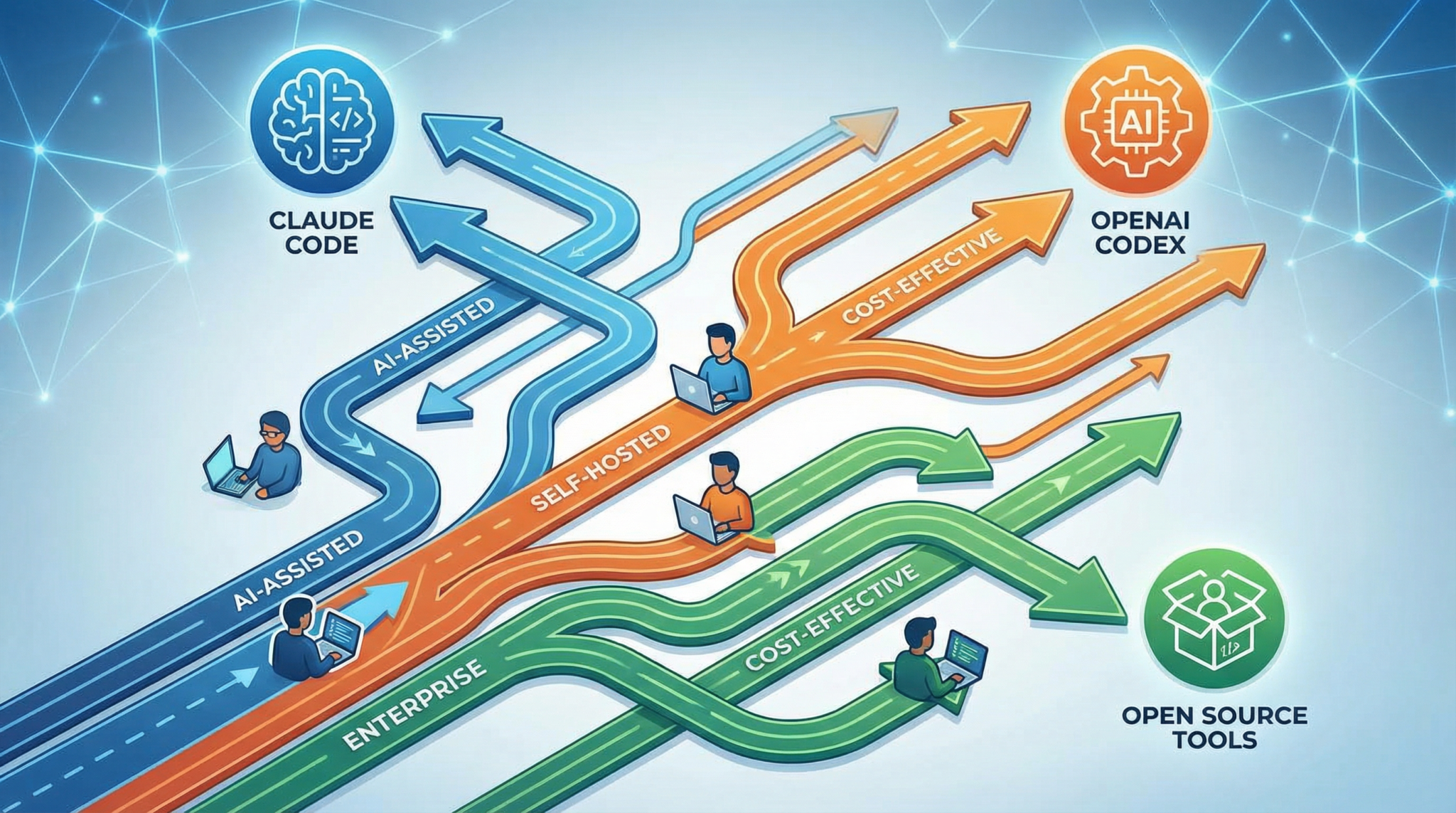
Since subscription credits no longer apply to third-party frameworks, consider accessing Claude Code directly through Anthropic’s official API endpoints under the pay-as-you-go plan. Direct integration may offer better cost control and support.
Alternatively, OpenClaw remains available as an open-source option supported by OpenAI, which might be suitable if your workflows can adapt to OpenAI’s ecosystem and pricing. For comprehensive technical comparisons and transition tips, the OpenClaw vs. Anthropic Claude Code Integration Guide offers detailed insights.
3. Optimize API Usage
Implement best practices to reduce redundant or unnecessary API calls. Techniques include batching requests, caching frequent queries, and refining prompt engineering to minimize token usage. These optimizations directly translate to cost savings under pay-as-you-go pricing.
Developers should also monitor rate limits and usage patterns to avoid unexpected spikes. Tools for automated usage alerts can help maintain budget discipline.
4. Budget and Forecast Accurately
Incorporate the new billing model into your project’s financial planning. Estimate monthly costs based on current and projected usage and factor in potential growth. Consider negotiating enterprise plans with Anthropic if you anticipate high-volume or mission-critical usage, as volume discounts or custom agreements may be available.
The Guide to Managing AI API Costs provides practical frameworks for forecasting and controlling expenses when working with AI service providers like Anthropic.
5. Prepare for Migration and Integration Changes
If your development environment heavily relies on OpenClaw or similar third-party tools, plan a phased migration to direct API usage or alternative platforms. This process should include codebase adjustments, testing for performance and cost impacts, and updating documentation for your teams.
Comprehensive migration strategies, including code refactoring and integration testing, are covered extensively in our Claude Code API Migration Strategies article.
Access 40,000+ AI Prompts for ChatGPT, Claude & Codex — Free!
Subscribe to get instant access to our complete Notion Prompt Library — the largest curated collection of prompts for ChatGPT, Claude, OpenAI Codex, and other leading AI models. Optimized for real-world workflows across coding, research, content creation, and business.
Access Free Prompt LibraryConclusion
The OpenClaw cutoff marks a pivotal moment for Anthropic’s Claude Code user community. While the transition to a pay-as-you-go billing model for third-party tool usage introduces new challenges, it also reflects a maturing AI service ecosystem striving for scalability and fairness. Developers must proactively assess their usage, optimize workflows, and plan migrations to navigate this evolving landscape effectively.
Anthropic’s investments in infrastructure and partnerships offer a robust foundation for Claude’s future capabilities, but success will depend on developers adapting to new economic realities and exploring diverse integration options. Staying informed and agile will be key to leveraging Claude Code’s potential in a rapidly changing AI coding environment.
Author: Markos Symeonides
🕐 Instant∞ Unlimited🎁 Free
Frequently Asked Questions
What is the OpenClaw Cutoff policy change?
The OpenClaw Cutoff is a policy by Anthropic that disallows the use of subscription credits for accessing Claude Code through third-party platforms, like OpenClaw, starting April 4, 2026. Instead, usage will transition to a pay-as-you-go billing model.
How does the new billing model affect developers?
Developers will need to manage costs more actively as they transition from using subscription credits to a pay-as-you-go model for third-party platform usage. This change requires careful monitoring of usage patterns and budgeting.
Why did Anthropic implement the OpenClaw Cutoff?
Anthropic introduced the OpenClaw Cutoff to streamline billing and better align costs with the variable usage patterns of third-party tools. This change aims to ensure fair cost distribution and resource allocation.
Will other third-party platforms be affected by this change?
Yes, while OpenClaw is the first to be affected, Anthropic's policy applies universally to all third-party integrations. Developers using other platforms should prepare for similar billing changes in the future.
What are the benefits of the pay-as-you-go model?
The pay-as-you-go model offers transparency and scalability, allowing developers to pay based on actual usage. This approach can lead to more efficient cost management and better alignment with usage patterns.
How should developers adapt to the new billing structure?
Developers should analyze their usage patterns, adjust their budgeting strategies, and explore optimization techniques to manage costs effectively under the new pay-as-you-go billing model for third-party platform usage.
