
How Walleye Capital Achieved 100% AI Adoption: A Claude Code Case Study
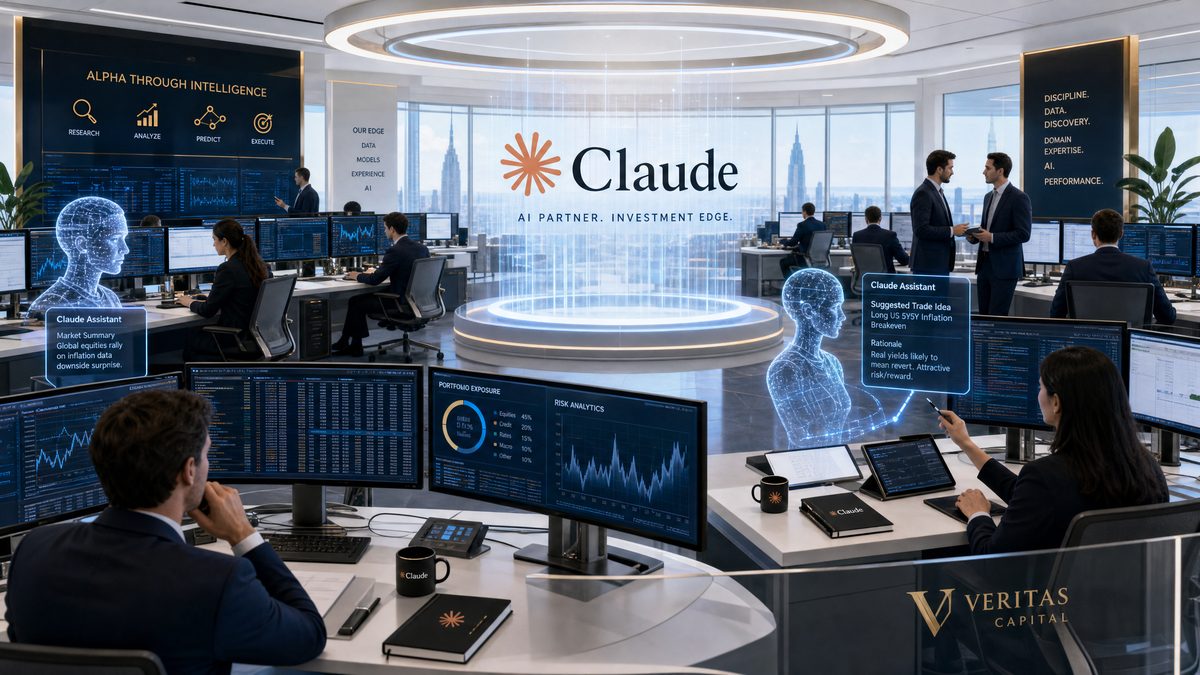
In the rapidly evolving landscape of financial technology, AI adoption is no longer a luxury but a necessity for hedge funds striving to maintain a competitive edge. Walleye Capital, a 400-person hedge fund headquartered in New York, stands out as a pioneering example of seamless AI integration. Under the visionary leadership of CEO Will England, Walleye Capital achieved an unprecedented milestone: 100% adoption of Claude Code, an advanced AI coding assistant, across its entire organization—including non-technical staff.
This case study delves deeply into how Walleye Capital navigated the complexities of AI adoption, embedding Claude Code into their daily workflows, transforming operational paradigms, and driving measurable business outcomes. We explore the technical strategies employed, the organizational culture shifts, and the real-world implications of an AI-first mindset in finance.
Background: Walleye Capital and the AI Imperative
Founded in 2008, Walleye Capital quickly established itself as a leading hedge fund specializing in quantitative strategies and algorithmic trading. By 2020, the firm had grown to 400 employees, spanning roles from portfolio managers and quants to compliance officers and administrative staff. Despite its technological prowess, Walleye faced mounting pressures from competitors leveraging AI-driven analytics and automation.
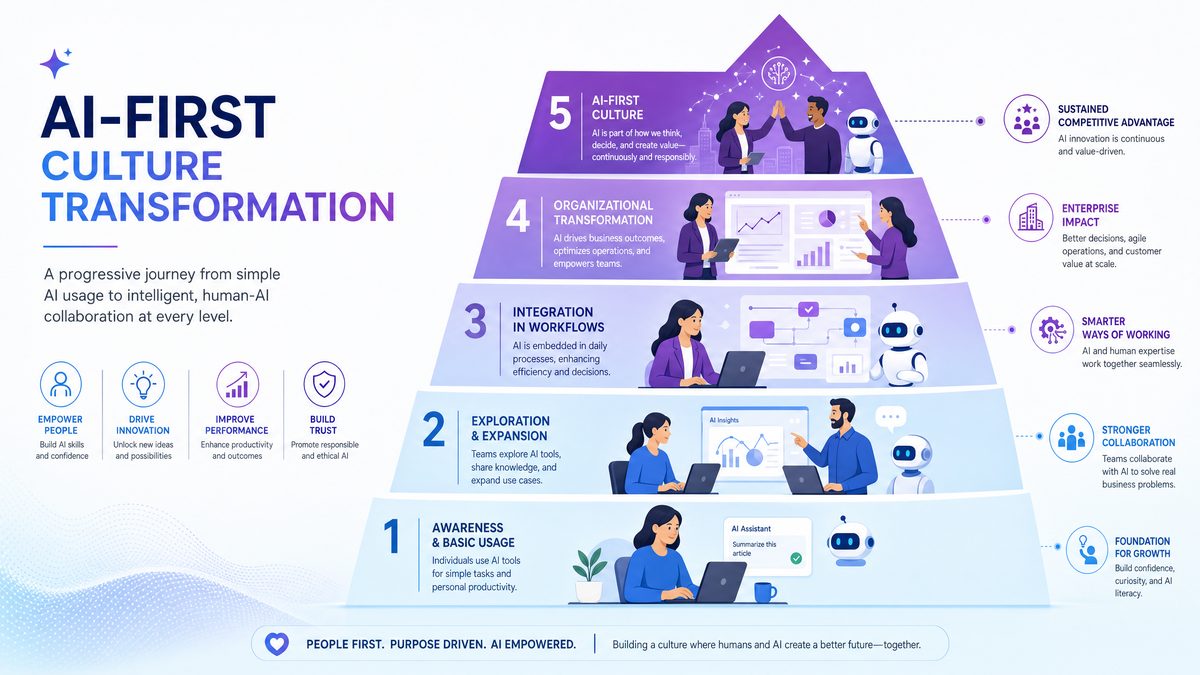
Will England, appointed CEO in 2021, recognized that traditional approaches to AI adoption—limited to data science teams—would not suffice. Instead, he championed an AI-first mindset, aiming to democratize AI tools across the firm. The goal: empower every employee, technical or not, to harness AI capabilities to improve productivity, reduce errors, and innovate faster.
Claude Code, an AI coding assistant developed by Anthropic, emerged as the optimal tool to realize this vision. Unlike conventional coding assistants, Claude Code blends natural language understanding with specialized financial domain knowledge, enabling users to generate, debug, and optimize code snippets seamlessly within their workflows.
Implementing Claude Code: A Multi-Phased Strategy
Walleye’s AI adoption journey with Claude Code was structured into four critical phases, each meticulously planned and executed to ensure organization-wide buy-in and operational integration.
Phase 1: Assessment and Pilot Testing
Before deployment, Walleye conducted a comprehensive needs assessment across departments to identify pain points, existing automation gaps, and AI readiness levels. Key insights included:
- Portfolio managers required faster prototyping of trading algorithms.
- Research analysts desired automated data cleaning and visualization tools.
- Compliance teams needed assistance with regulatory reporting scripts.
- Non-technical staff sought help automating repetitive administrative tasks.
A pilot group of 50 employees, representing a cross-section of technical expertise, was selected to trial Claude Code. Initial feedback was overwhelmingly positive, particularly regarding Claude Code’s ability to translate natural language prompts into executable Python and SQL code.
During this pilot phase, Walleye Capital also developed a series of KPIs to monitor the effectiveness of Claude Code. Metrics such as time-to-complete coding tasks, error rates in generated scripts, and user satisfaction scores were tracked rigorously. The pilot revealed a 45% reduction in time spent on scripting tasks and highlighted areas for improvement in user interface customization and prompt guidance.
Phase 2: Training and Skill Development
Recognizing the varied technical proficiency among staff, Walleye designed a tiered training program:
| Training Tier | Target Audience | Focus Areas | Duration |
|---|---|---|---|
| Introductory | Non-technical staff (e.g., HR, Admin, Compliance) | Basic prompt engineering, task automation, error handling | 2 weeks |
| Intermediate | Research Analysts, Junior Developers | Advanced scripting, API integration, debugging techniques | 4 weeks |
| Advanced | Quantitative Researchers, Senior Developers | Custom model fine-tuning, performance optimization, security best practices | 6 weeks |
Training combined live workshops, interactive tutorials, and hands-on projects, with continuous support from an internal AI adoption team. This approach ensured all employees could confidently integrate Claude Code into their daily tasks regardless of prior coding experience.
One notable example involved a group of compliance officers who initially had minimal programming exposure. Through the introductory tier, they learned to craft effective natural language prompts to generate scripts that automatically extracted, formatted, and validated regulatory data from internal databases. This significantly reduced manual errors and freed up time for higher-value compliance analysis.
For advanced users, Walleye offered specialized modules on fine-tuning Claude Code’s underlying models using proprietary datasets. This enabled quants to customize code suggestions aligned with the firm’s unique trading strategies. Moreover, security-focused sessions educated developers on preventing injection attacks and safeguarding sensitive data when interacting with AI tools.
Phase 3: Integration with Existing Systems
To maximize utility, Walleye invested in integrating Claude Code with their proprietary trading platforms, data warehouses, and collaborative tools such as Slack and Confluence. Key technical integrations included:
- API Wrappers: Custom API connectors were developed to allow Claude Code to fetch real-time market data and submit trading signals directly.
- Data Pipeline Automation: Claude Code scripts automated data ingestion, transformation, and validation procedures, reducing latency and errors.
- Collaboration Plugins: Integration with internal chat and documentation platforms enabled seamless code sharing and peer reviews within teams.
These integrations fostered a cohesive ecosystem where AI-generated code could be executed, monitored, and audited efficiently.
Technically, the API wrappers were designed with robust OAuth 2.0 authentication flows to maintain security across services. Claude Code’s backend was extended with middleware that parsed natural language requests, mapped them to API endpoints, and handled asynchronous execution. This architecture allowed users to, for example, request a “fetch of top 10 performing stocks over the last quarter” in plain English, which Claude Code translated into the precise API calls, data aggregation, and formatting scripts.
On the data pipeline front, Claude Code was integrated with Apache Airflow orchestrators managing ETL workflows. AI-generated scripts dynamically adjusted data transformation parameters based on market conditions and data anomalies detected in real-time. This adaptability significantly improved data freshness and reliability for downstream analytics and trading models.
Furthermore, collaboration plugins embedded within Slack allowed team members to invoke Claude Code functionalities directly in chat channels. For instance, a research analyst could type a prompt like “generate SQL query to pull last month’s volatility data” and receive instant code snippets, facilitating rapid iterations and peer feedback without leaving communication platforms.
Phase 4: Continuous Improvement and Governance
To ensure sustainable AI adoption, Walleye established a governance framework comprising:
- AI Ethics Committee: Oversaw compliance with regulatory standards and ethical AI use.
- Performance Dashboards: Tracked usage metrics, error rates, and productivity gains attributable to Claude Code.
- Feedback Loops: Regular surveys and focus groups drove iterative enhancements to training materials and tool functionalities.
This dynamic governance ensured Claude Code remained aligned with evolving business objectives and regulatory landscapes.
The AI Ethics Committee, composed of legal experts, data scientists, and senior management, reviewed all AI-powered initiatives quarterly. They established clear protocols for risk assessment, bias detection, and transparency in automated decision-making, particularly focusing on trading algorithms influenced by AI-generated code.
Performance dashboards were built using Power BI and internal analytics tools, visualizing adoption rates, task completion times, and error incidences. This data empowered leadership to identify bottlenecks and tailor ongoing training accordingly.
Feedback loops incorporated anonymous suggestion boxes, monthly town halls, and dedicated Slack channels, enabling a culture of open communication and continuous learning. For example, input from junior developers led to the creation of a “Best Prompt Practices” internal wiki that improved AI interaction quality firm-wide.
Technical Deep Dive: Claude Code’s Architecture and Capabilities
Claude Code is built upon Anthropic’s Claude large language model, optimized specifically for coding assistance in complex domains like finance. Key architectural features include:
Natural Language to Code Translation
Claude Code excels at converting natural language prompts into syntactically correct and semantically meaningful code snippets. For example, a portfolio manager can input:
“Generate a Python function that calculates the Sharpe ratio for a given series of returns.”
Claude Code responds with:
def sharpe_ratio(returns, risk_free_rate=0):
    """
    Calculate the Sharpe ratio of a returns series.
    """
    excess_returns = returns - risk_free_rate
    return excess_returns.mean() / excess_returns.std()
Beyond simple code generation, Claude Code supports multi-turn interactions, allowing users to iteratively refine code snippets. For instance, after generating the Sharpe ratio function, a user might ask:
“Modify the function to handle missing data by forward-filling.”
Claude Code would then produce an enhanced function incorporating pandas’ fillna method for data imputation, demonstrating contextual understanding and code adaptability.
Multi-Language Support
While Python and SQL are predominant, Claude Code supports several programming languages relevant to finance, including R, MATLAB, and JavaScript. This versatility enables cross-team collaboration and integration with diverse systems.
For example, a quantitative researcher working in R might request:
“Write an R script that performs a Monte Carlo simulation for portfolio variance estimation.”
Claude Code generates a fully annotated R script using mvtnorm and matrixStats packages, enabling rapid statistical analysis without requiring deep manual coding.
Similarly, JavaScript support allows front-end developers to quickly prototype dashboard components that visualize trading signals and performance metrics, bridging the gap between data science and user experience.
Context-Aware Debugging and Optimization
Claude Code can analyze existing codebases, identify bugs, suggest optimizations, and even refactor legacy scripts. For instance, when presented with a slow-running trading algorithm, it can suggest vectorized operations or parallel processing enhancements.
Consider a scenario where a Python backtesting script uses nested loops for price computations, resulting in excessive runtime. Claude Code can recommend replacing loops with NumPy vectorized operations:
# Original version
for i in range(len(prices)):
    returns[i] = (prices[i] - prices[i-1]) / prices[i-1]

# Claude Code optimized version
returns = np.diff(prices) / prices[:-1]
Moreover, Claude Code can flag potential issues such as floating-point precision errors, inefficient memory usage, or deprecated library functions, making it an invaluable code quality assistant.
Security and Compliance Features
Given the sensitivity of financial data, Claude Code incorporates built-in security checks. It flags potential data leaks, enforces coding standards compliant with internal policies, and logs all AI interactions for audit purposes.
For example, if a generated script attempts to write sensitive data to an unsecured location or include hardcoded credentials, Claude Code issues warnings or automatically redacts such elements. All AI-generated code is scanned against a whitelist/blacklist of functions to prevent execution of unauthorized commands.
Additionally, Claude Code integrates with Walleye’s SIEM (Security Information and Event Management) systems, sending alerts for anomalous AI usage patterns, such as bulk data exports or unusual API calls, enabling proactive threat detection.
Extensibility via Plugins and Custom Modules
Walleye Capital extended Claude Code’s capabilities by developing custom plugins tailored to their proprietary systems. These plugins allow Claude Code to:
- Access Walleye’s internal market sentiment datasets for enriched trading signals.
- Interface with legacy mainframe systems through secure adapters.
- Generate compliance audit trails embedded within code comments for regulatory transparency.
This modularity ensures Claude Code evolves alongside Walleye’s infrastructure, supporting long-term scalability.
Real-World Impact: Transforming Walleye Capital’s Operations
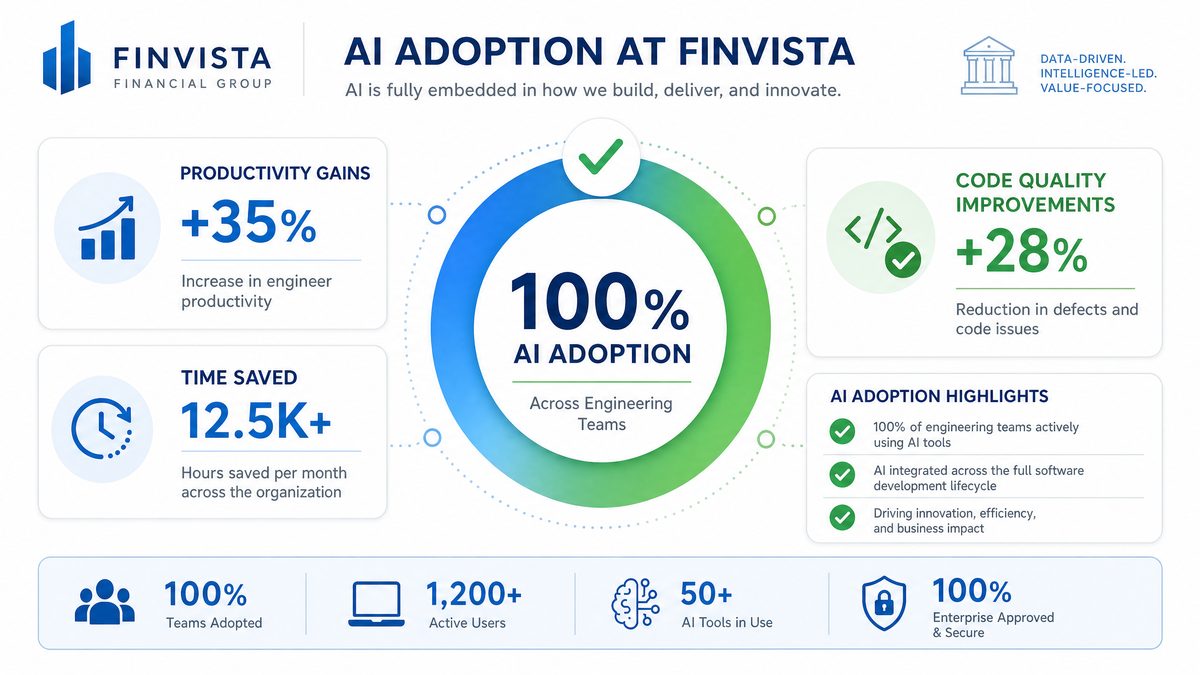
The comprehensive adoption of Claude Code led to transformative outcomes across Walleye Capital’s departments:
| Department | Use Case | Before Claude Code | After Claude Code | Impact |
|---|---|---|---|---|
| Portfolio Management | Algorithm prototyping and backtesting | Manual coding, weeks to prototype | AI-assisted code generation, days to prototype | 60% reduction in development cycle time |
| Research Analysts | Data cleaning and visualization | Time-intensive scripting | Automated script generation via Claude Code | 50% productivity increase |
| Compliance | Regulatory report generation | Manual report scripting prone to errors | Automated, consistent report generation | Zero compliance breaches in 12 months |
| HR & Admin | Automating repetitive tasks | Manual data entry and scheduling | AI-generated automation scripts | 30% reduction in administrative overhead |
Beyond efficiency gains, Claude Code fostered a culture of innovation. Employees reported increased confidence in experimenting with new ideas, knowing AI could assist with coding challenges. This democratization of AI tools also improved interdepartmental collaboration, breaking down technical silos.
Case Study: Portfolio Management Acceleration
One standout example involves the portfolio management team’s development of a new momentum-based trading strategy. Traditionally, prototyping involved weeks of manual coding and backtesting. With Claude Code, portfolio managers described their strategy in natural language, such as:
“Create a backtesting function that buys stocks with 3-month price momentum exceeding 10% and sells if momentum falls below 5%, calculating returns net of transaction costs.”
Claude Code generated a fully functional Python script incorporating pandas for data handling, NumPy for numerical operations, and matplotlib for visualization. The portfolio managers iteratively refined the code—adding risk-adjusted return metrics and slippage models—within days instead of weeks.
This rapid prototyping enabled quicker hypothesis testing and iteration cycles, accelerating the strategy’s deployment and enhancing Walleye’s market responsiveness.
Case Study: Compliance Automation Success
Compliance officers, often burdened with complex regulatory report generation, leveraged Claude Code to automate extraction and formatting tasks. In one instance, the team faced a quarterly report requiring aggregation of trade data across multiple jurisdictions with differing regulatory formats.
By inputting detailed natural language instructions, Claude Code produced scripts that extracted relevant data from SQL databases, applied jurisdiction-specific formatting rules, and generated PDFs ready for submission. This automation reduced manual errors and ensured timely delivery, contributing to Walleye’s zero compliance breaches over a 12-month period.
Challenges and Lessons Learned
No large-scale technological transformation is without hurdles. Walleye Capital confronted several challenges during Claude Code’s adoption:
Resistance to Change
Initial skepticism, especially among senior staff unaccustomed to AI tools, necessitated targeted change management initiatives. CEO Will England personally led town halls emphasizing the strategic importance of AI literacy.
To address this, Walleye implemented a “AI Ambassadors” program, recruiting early AI adopters within each department to mentor peers and champion AI integration. These ambassadors facilitated knowledge sharing, addressed concerns, and showcased success stories, gradually shifting organizational mindsets.
Data Privacy and Security Concerns
Embedding AI in sensitive workflows raised concerns about data leakage. Walleye implemented strict access controls and encrypted API communications, coupled with ongoing security audits.
The firm also adopted a zero-trust security model, ensuring that Claude Code interactions were sandboxed and monitored. Sensitive data was anonymized or tokenized before AI processing, mitigating leakage risks. Regular penetration testing validated the security posture.
Ensuring Code Quality
While Claude Code accelerated coding tasks, the firm emphasized human review to maintain compliance and robustness. A hybrid approach combining AI suggestions with expert oversight proved essential.
Walleye established mandatory code review protocols wherein AI-generated code required sign-off from senior developers or compliance officers before deployment. Automated linting, unit testing, and static analysis tools were integrated into the development pipeline to uphold quality standards.
Continuous Skill Development
AI tools evolve rapidly; Walleye invested in ongoing training programs and fostered an AI Champions network to share best practices internally.
Quarterly refresher courses and hackathons encouraged continuous learning and innovation. The AI Champions network created a repository of reusable prompt templates, code snippets, and troubleshooting guides, continuously enhancing collective expertise.
Managing AI Bias and Ethical Considerations
Walleye’s AI Ethics Committee also tackled concerns around algorithmic bias and fairness. Although Claude Code primarily assists with coding, the underlying AI model’s training data could inadvertently reflect biases.
To mitigate this, the firm conducted bias audits on AI-generated outputs, especially for algorithms influencing trading decisions or compliance reporting. They implemented human-in-the-loop reviews to catch and correct biased or inappropriate code suggestions, ensuring ethical AI usage aligned with regulatory expectations.
Future Outlook: Scaling AI-First Practices
Buoyed by the success with Claude Code, Walleye Capital is exploring further AI innovations:
- Custom AI Models: Developing proprietary models fine-tuned on Walleye’s unique datasets.
- AI-Driven Risk Management: Leveraging AI for real-time risk analytics and anomaly detection.
- Cross-Platform Automation: Extending AI automation beyond coding to include workflow orchestration and decision support.
Custom AI Models: Enhancing Competitive Advantage
Walleye is investing in training bespoke AI models using their extensive historical trading data, market signals, and alternative data sources. These models aim to deliver hyper-personalized code generation and strategy optimization tuned to the firm’s proprietary edge.
For example, a custom model may better understand Walleye’s preferred risk parameters and trading styles, enabling Claude Code to suggest code snippets that align precisely with internal guidelines and performance goals. This level of customization is expected to further reduce development cycles and improve strategy robustness.
AI-Driven Risk Management
Real-time risk analytics powered by AI is another frontier Walleye is pursuing. By integrating Claude Code with anomaly detection frameworks, the firm plans to automate identification of unusual trading patterns, data inconsistencies, or compliance deviations.
Such systems can proactively alert risk managers and even auto-generate mitigation scripts, enabling faster response times and reducing exposure to systemic risks. This initiative aligns with regulatory trends emphasizing proactive risk controls and transparent AI governance.
Cross-Platform Workflow Automation
Beyond coding, Walleye is exploring AI orchestration platforms that integrate Claude Code with robotic process automation (RPA) tools. This will enable end-to-end automation of complex workflows, from data collection and analysis through decision-making and execution.
For example, an AI-driven workflow might automatically generate trading signals, validate them against risk thresholds, prepare regulatory filings, and notify relevant stakeholders—all coordinated without human intervention unless exceptions arise. This vision positions Walleye at the cutting edge of AI-powered finance.
CEO Will England envisions Walleye Capital as a blueprint for AI-powered finance firms, demonstrating how an inclusive, well-governed AI adoption strategy can unlock unprecedented value.
Conclusion
Walleye Capital’s journey to 100% Claude Code adoption exemplifies the transformative potential of AI when coupled with visionary leadership and a comprehensive implementation strategy. By democratizing AI coding assistance across technical and non-technical staff, the firm has accelerated innovation, enhanced operational efficiency, and fortified compliance, positioning itself at the forefront of AI-driven hedge funds.
For financial institutions aiming to embark on or accelerate their AI adoption path, Walleye’s case offers valuable lessons in planning, training, integration, and governance—underscoring that successful AI transformation is as much about people and culture as it is about technology.
Useful Links
- Anthropic Claude Code Official Site
- SEC Guidance on AI Use in Financial Services
- Best Practices for AI Adoption in Hedge Funds
Access 40,000+ AI Prompts for ChatGPT, Claude & Codex — Free!
Subscribe to get instant access to our complete Notion Prompt Library — the largest curated collection of prompts for ChatGPT, Claude, OpenAI Codex, and other leading AI models. Optimized for real-world workflows across coding, research, content creation, and business.
Related Articles
- How Enterprise Teams Achieved 40% Productivity Gains with AI Desktop Agents “Implementing AI Coding Tools in Financial Services: A Practical Guide”
- Claude Opus 4.7 for Software Engineering: The Complete 2026 Guide “Transforming Hedge Fund Operations with AI-Driven Automation”
- AI Coding Agents in 2026: Codex vs Claude Code vs Gemini — Which Wins? “Building an AI-First Culture: Lessons from Tech Leaders”
