

⚡ The Brief
- What it is: GPT-5.4 is the latest iteration of OpenAI’s generative AI models, featuring enhanced multimodal capabilities and improved contextual memory.
- Who it’s for: Designed for developers, AI enthusiasts, and industry leaders seeking cutting-edge AI solutions for text, image, audio, and video processing.
- Key takeaways: GPT-5.4 offers adaptive fine-tuning, energy efficiency, and a context window over 100k tokens, making it ideal for diverse applications.
- Pricing/Cost: Pricing details for GPT-5.4 vary based on usage and integration requirements, with potential cost savings from its energy-efficient design.
- Bottom line: GPT-5.4 represents a significant advancement in generative AI, setting new standards for performance and versatility in AI-driven applications.
By Markos Symeonides.automated
Introduction
Generative AI has swiftly transformed from a niche technology into a cornerstone of modern digital innovation. As of March 2026, the landscape of AI models continues to evolve at an unprecedented pace, ushering in new possibilities across industries. Among the latest breakthroughs, GPT-5.4, the latest iteration of OpenAI’s large language models, stands out as a pioneering model pushing the boundaries of what AI can accomplish. While Sora, OpenAI’s video generation model, was discontinued in March 2026, its impact on the generative AI landscape remains significant.
In this comprehensive article, we dive deep into the future of generative AI, exploring the advancements embodied by GPT-5.4, analyzing current AI trends, and envisioning what lies beyond these remarkable technologies. Whether you’re an AI enthusiast, developer, or industry leader, this guide offers valuable insights into the next generation of AI innovation.
Learn more about Generative AI on Wikipedia
Understanding the Evolution: From GPT-4 to GPT-5.4
Generative Pre-trained Transformers (GPT) have been at the forefront of AI language modeling since OpenAI released GPT-2. Each iteration has brought substantial improvements in natural language understanding, contextual awareness, and generation quality.
What Makes GPT-5.4 a Game-Changer?
Released in March 2026, GPT-5.4 represents a significant leap beyond its predecessors, building upon the advancements of GPT-5.2 (released in late 2025). Key features include:
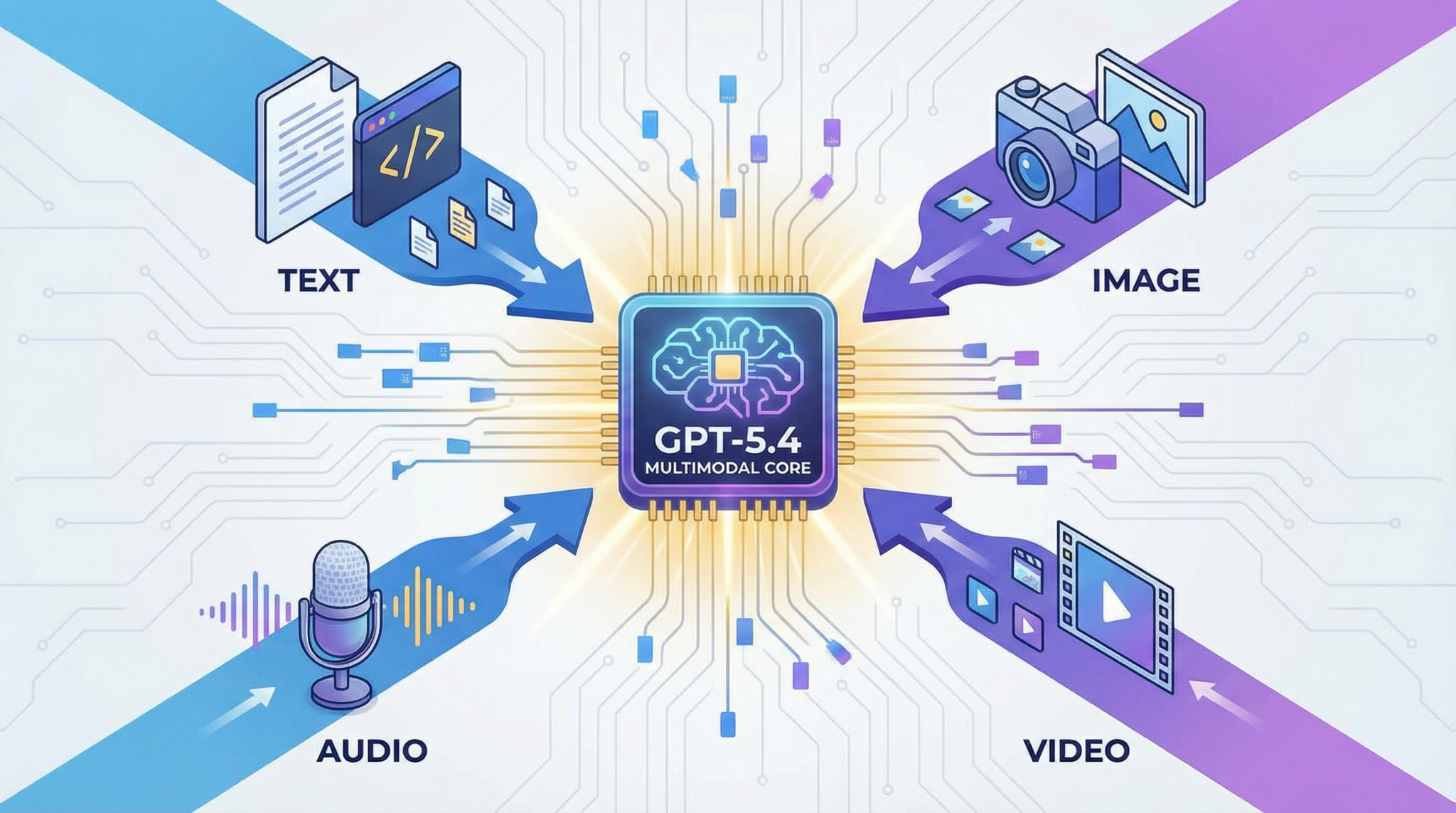
- Enhanced Multimodal Capabilities: GPT-5.4 not only processes text but integrates images, audio, and video inputs seamlessly, enabling richer, context-aware responses.
- Improved Contextual Memory: With an extended context window exceeding 100k tokens, GPT-5.4 can maintain coherence and relevance over ultra-long conversations and documents.
- Adaptive Fine-Tuning: This model dynamically adjusts its responses based on user feedback in real-time, personalizing interactions without retraining.
- Energy Efficiency: GPT-5.4 incorporates advanced neural pruning and quantization techniques, reducing computational costs and environmental impact.
These innovations make GPT-5.4 ideal for applications ranging from advanced chatbots and customer service to creative writing and code generation.
Explore OpenAI’s official GPT-5.4 announcement

The Legacy of Sora: A Paradigm Shift in Video Generation
While the video generation model Sora was discontinued in March 2026 due to growing concerns about deepfake videos, its brief existence showcased a fresh paradigm in generative AI.
Key Attributes of Sora’s Impact
- Neuro-Symbolic Hybrid Architecture: Sora blended deep learning with symbolic reasoning, enhancing AI’s ability to perform logical inference and explain its decisions.
- Cross-Domain Generalization: Sora excelled at transferring knowledge across vastly different domains, reducing the need for domain-specific training data.
- Self-Supervised World Modeling: By learning complex world dynamics autonomously, Sora could predict future events and simulate scenarios with high accuracy.
- Ethical and Bias Mitigation Framework: Incorporated built-in fairness constraints and transparency mechanisms to minimize harmful biases and ensure responsible AI deployment.
Despite its discontinuation, Sora’s capabilities in generating realistic video content had a profound impact on the creative industries and raised important discussions about the ethical implications of generative AI.
Read more about Sora’s discontinuation on Al Jazeera

Current AI Trends Shaping the Future of Generative Models
The rapid development of GPT-5.4 reflects broader trends in the AI ecosystem. Understanding these trends helps anticipate future directions for generative AI.
1. Multimodal AI Integration
- AI models are increasingly capable of processing and generating multiple data types simultaneously.
- This fusion enables richer user experiences in virtual assistants, creative arts, and immersive media.
2. Explainability and Interpretability
- Demand for transparent AI models grows, especially in regulated sectors like healthcare and finance.
- The pursuit of explainable AI continues, with hybrid models combining neural networks with symbolic reasoning to enhance transparency.
3. Personalization and Adaptive Learning
- AI systems now dynamically tailor responses based on individual user behavior and preferences.
- Real-time fine-tuning, as seen in GPT-5.4, enhances user satisfaction and engagement.
4. Sustainability and Efficiency
- Reducing carbon footprints of large AI models is a priority.
- Techniques such as neural pruning, quantization, and hardware optimization are becoming standard practices.
5. Ethical AI and Bias Reduction
- Robust frameworks and auditing tools are integrated from development to deployment.
- Models like Sora emphasize fairness, accountability, and transparency to build trust.
Use Cases: How GPT-5.4 and the Legacy of Sora Are Revolutionizing Industries
Generative AI’s impact is widespread, with GPT-5.4 and the insights gained from Sora enabling transformative applications.
Healthcare
- GPT-5.4: Assists in generating detailed patient reports and personalized treatment summaries by integrating multimodal patient data.
- In healthcare, AI models continue to advance diagnostic reasoning by combining medical knowledge graphs with patient symptoms to suggest differential diagnoses.
Education
- Personalized tutoring systems adapt to student learning styles using GPT-5.4’s adaptive fine-tuning.
- Interactive simulations, powered by advanced AI, continue to enable experiential learning in complex subjects like physics and history.
Creative Industries
- Writers and artists collaborate with GPT-5.4 for idea generation, scriptwriting, and multimedia content creation.
- AI-driven storytelling continues to evolve, with models enabling logical plot progression and character consistency.
Autonomous Systems
- Predictive world modeling, powered by advanced AI, continues to enhance autonomous vehicles and robotics by anticipating environmental changes.
- GPT-5.4 supports natural language interfaces for real-time control and troubleshooting.
Discover more AI use cases in various industries

Challenges and Considerations for the Future
Despite rapid progress, the future of generative AI entails significant challenges:
- Data Privacy: As models ingest diverse data, safeguarding user privacy remains critical.
- Regulation: Governments worldwide are crafting policies to govern AI use, balancing innovation and risk.
- Bias and Fairness: Continuous vigilance is required to detect and mitigate bias in training data and model outputs.
- Computational Resources: Even with efficiency improvements, training and deploying large models demand substantial infrastructure.
- Human-AI Collaboration: Defining optimal workflows where AI augments rather than replaces human expertise is an ongoing effort.
Looking Beyond: What Comes After GPT-5.4?
The trajectory of generative AI suggests several exciting possibilities:
- Unified General Intelligence: Models may evolve toward Artificial General Intelligence (AGI), capable of human-level reasoning across all tasks.
- Neural-Symbolic Evolution: Hybrid architectures will continue to mature, enabling AI systems that understand causality and ethics deeply.
- AI-Enhanced Creativity: Generative AI will become a core collaborator in art, music, scientific discovery, and design.
- Distributed AI Ecosystems: Decentralized AI models running on edge devices will enhance privacy and responsiveness.
- Lifelong Learning AI: Continuous, autonomous learning from real-world interactions will allow models to adapt over years without retraining.
Explore predictions for the future of AI
Access 40,000+ AI Prompts for ChatGPT, Claude & Codex — Free!
Subscribe to get instant access to our complete Notion Prompt Library — the largest curated collection of prompts for ChatGPT, Claude, OpenAI Codex, and other leading AI models. Optimized for real-world workflows across coding, research, content creation, and business.
Summary
The future of generative AI is bright and transformative. GPT-5.4 exemplifies the latest advancements pushing the envelope in multimodal understanding, reasoning, personalization, and ethical AI. The impact of models like Sora, despite its discontinuation, continues to shape discussions around the capabilities and ethical considerations of generative AI. As we move further into 2026 and beyond, these models — alongside emerging trends — will redefine how humans interact with technology, solve problems, and create.
Staying abreast of these innovations is essential for anyone invested in the AI revolution. By embracing both the opportunities and challenges, we can ensure that generative AI evolves responsibly and delivers maximal societal benefits.
FAQ
1. What is GPT-5.4, and how is it different from earlier GPT models?
GPT-5.4 is the latest iteration of OpenAI’s generative language models, building upon GPT-5.2 with further enhanced multimodal capabilities, extended context window, real-time adaptive fine-tuning, and improved energy efficiency compared to previous versions like GPT-4.
2. What was the impact of Sora, and why was it discontinued?
Sora, OpenAI’s video generation model, was unique for its ability to generate realistic and imaginative video scenes from text instructions. It was discontinued in March 2026 due to growing concerns about the potential misuse of deepfake technology and the ethical implications of highly realistic AI-generated content.
3. How are GPT-5.4 and the legacy of Sora shaping industries today?
GPT-5.4 is revolutionizing sectors such as healthcare, education, creative arts, and autonomous systems by enabling more personalized, accurate, and context-aware AI applications. The capabilities demonstrated by Sora continue to influence the development of video generation technologies and highlight the need for robust ethical guidelines in AI.
4. What are the main challenges facing generative AI development?
Key challenges include data privacy concerns, regulatory compliance, bias mitigation, computational resource demands, and ensuring effective human-AI collaboration.
5. What future trends should we watch in generative AI?
Watch for advancements in unified general intelligence, neural-symbolic integration, AI-driven creativity, distributed edge AI, and lifelong learning capabilities that will further expand AI’s impact.
For more cutting-edge insights on AI and ChatGPT advancements, stay tuned to our blog.
References
- Generative artificial intelligence – Wikipedia
- Introducing GPT-5.4 – OpenAI
- OpenAI pulls AI video app Sora as concerns grow on deepfake videos – Al Jazeera
- AI use cases in various industries – IBM
- 10 Predictions for the Future of AI in 2026 – Forbes
🕐 Instant∞ Unlimited🎁 Free
Frequently Asked Questions
What are the key features of GPT-5.4?
GPT-5.4 introduces enhanced multimodal capabilities, allowing it to process text, images, audio, and video inputs seamlessly. It also boasts an extended context window of over 100k tokens, adaptive fine-tuning for real-time personalization, and improved energy efficiency through neural pruning and quantization techniques.
How does GPT-5.4 improve upon previous models?
GPT-5.4 builds on its predecessors by integrating multimodal processing, which enhances its ability to understand and generate content across different media types. It also features a significantly larger context window, enabling it to maintain coherence over lengthy interactions, and offers real-time adaptive fine-tuning based on user feedback.
What industries can benefit from GPT-5.4?
Industries ranging from customer service and creative writing to software development and multimedia production can benefit from GPT-5.4. Its advanced capabilities in generating coherent and contextually relevant content make it suitable for developing sophisticated chatbots, automating content creation, and enhancing user interactions across platforms.
How does GPT-5.4 handle energy efficiency?
GPT-5.4 incorporates advanced neural pruning and quantization techniques, which significantly reduce computational costs and environmental impact. These optimizations make it more energy-efficient compared to previous models, allowing for more sustainable AI operations without compromising performance.
What is the significance of Sora's discontinuation?
Sora's discontinuation marks a shift in OpenAI's focus towards more integrated multimodal models like GPT-5.4. Despite its end, Sora's contributions to video generation have paved the way for new innovations in generative AI, influencing the development of more comprehensive models that handle diverse media inputs.
What are the modern prompt engineering practices?
Modern prompt engineering involves techniques like chain-of-thought prompting, structured outputs, and using system/developer prompts. These practices enhance AI's ability to generate accurate and relevant responses. Additionally, retrieval-augmented generation (RAG) and tool-use strategies are employed to improve the model's performance and adaptability in various applications.
