
The Complete Guide to Vibe Coding in 2026: How AI Coding Tools Are Reshaping App Development
⚡ The Brief
- What it is: Vibe coding is a flow-based, AI-augmented coding methodology that emphasizes intuitive development through natural language and contextual AI assistance.
- Who it’s for: Vibe coding is designed for developers seeking to streamline app creation, reduce learning curves, and enhance creativity through AI collaboration.
- Key takeaways: Vibe coding leverages AI tools like GPT-5.4 and Codex to predict developer needs, suggest patterns, and refactor code, transforming app development.
- Pricing/Cost: Costs vary based on the AI tool and subscription model, with many offering tiered pricing for different levels of access and features.
- Bottom line: Vibe coding is revolutionizing app development by making it more intuitive and collaborative, driven by advanced AI tools that understand developer intent.
✓ Instant access✓ No spam✓ Unsubscribe anytime
Vibe Coding and the Transformation of App Development in 2026
The landscape of app development has undergone a seismic transformation by 2026, driven by the advent of AI-powered coding assistants such as Claude Code and OpenAI Codex. Among the many emerging paradigms, vibe coding has surfaced as a revolutionary approach, redefining how developers conceptualize, build, and deploy applications. This exhaustive guide explores the concept of vibe coding, analyzes the dramatic surge in App Store submissions in 2025, dissects Apple’s strategic response through AI-assisted app review mechanisms, and examines the psychological and socio-technical shifts within the global developer community. Additionally, it forecasts how these trends will shape the next half-decade of software creation, democratization, and innovation.
Understanding Vibe Coding: Definition and Origins
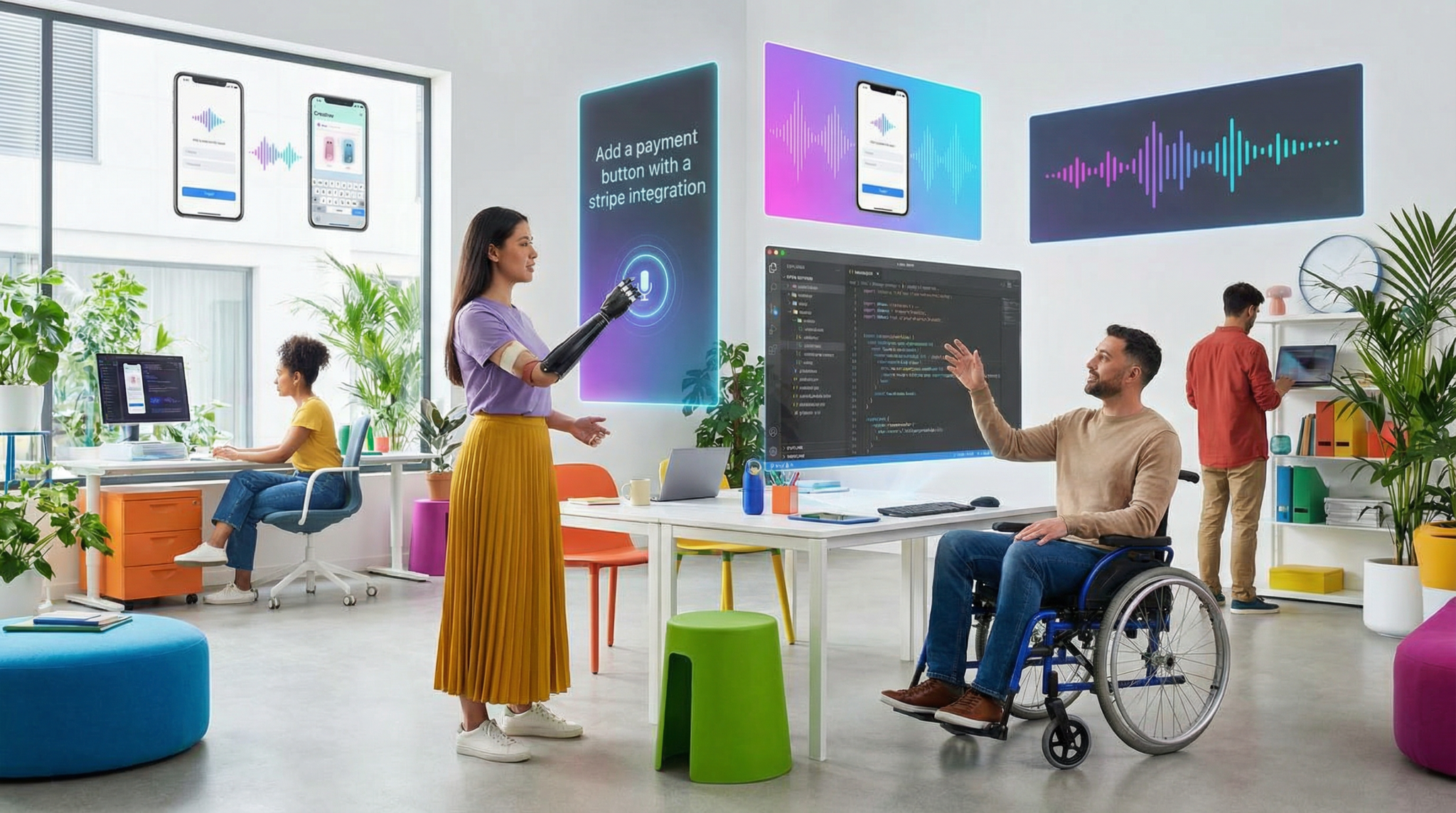
Vibe coding is a relatively new methodology in software development that emphasizes an intuitive, flow-based approach to coding, heavily augmented by AI tools that understand not only syntax and logic but the “vibe” or intent behind the developer’s actions. Unlike traditional programming that requires explicit instructions and a steep learning curve, vibe coding leverages natural language inputs, contextual AI assistance, and adaptive feedback loops to co-create software in a manner reminiscent of a collaborative artistic process.
The genesis of vibe coding can be traced back to AI systems like OpenAI Codex (released initially in 2021) and Claude Code (launched in 2024), which progressively integrated natural language processing with code synthesis. By 2026, these tools have matured to the point where they can predict developer needs, suggest architectural patterns, and even refactor entire codebases based on subtle cues—emotions, project goals, and style preferences.
Core Principles of Vibe Coding
- Intuitive Interaction: Developers communicate their vision in conversational language, sketches, or partial code snippets, and AI fills in the gaps.
- Contextual Awareness: The AI understands the project’s domain, previous coding styles, and even team collaboration dynamics to provide contextually relevant assistance.
- Adaptive Learning: AI tools continuously learn from developer feedback, improving suggestions and reducing friction over time.
- Creative Collaboration: The development process becomes a dynamic exchange between human creativity and machine precision.
The 84% Surge in App Store Submissions and the Explosion of New Apps in 2025
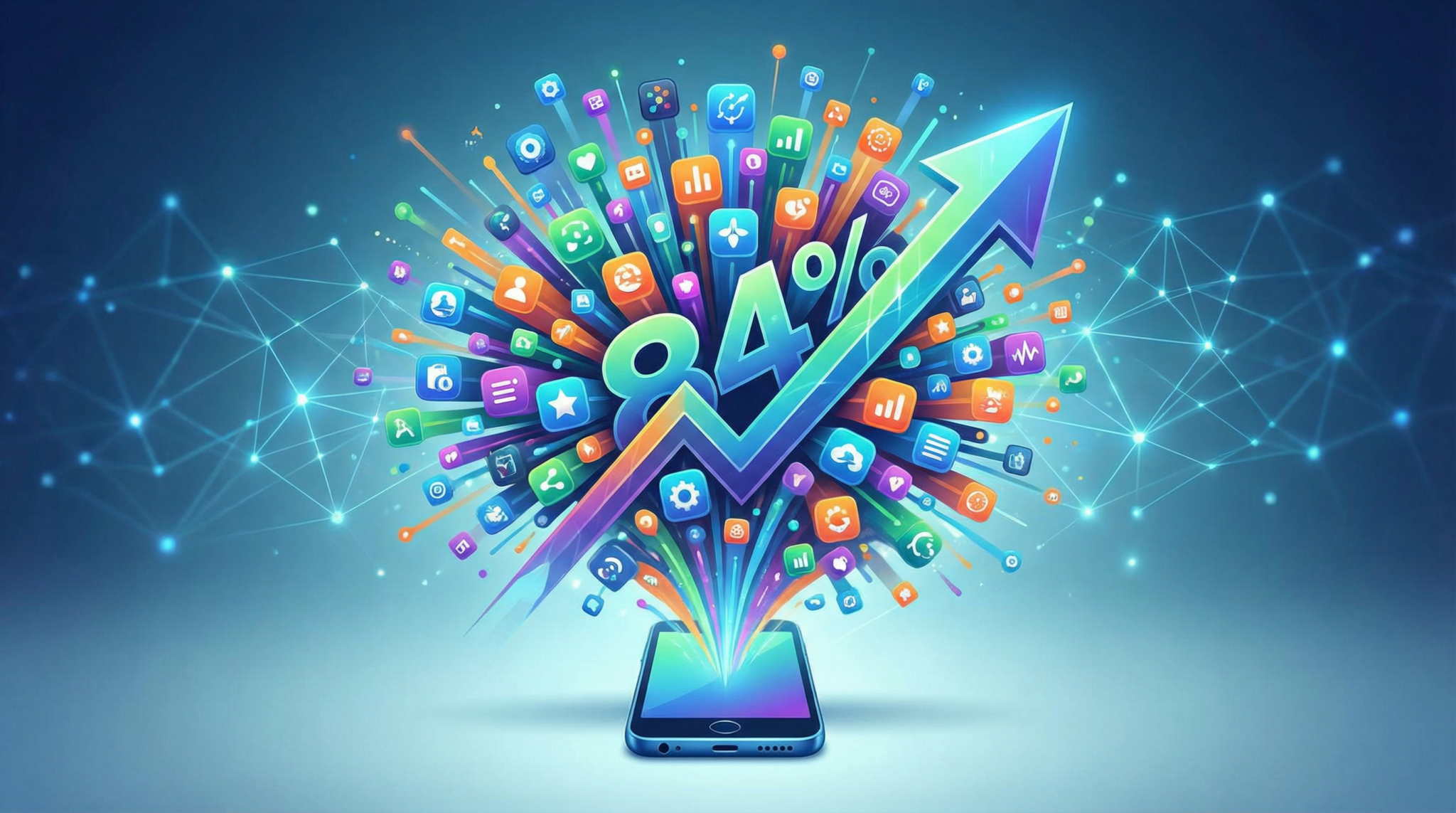
One of the most striking phenomena in the app ecosystem was the unprecedented 84% increase in App Store submissions during 2025. This surge culminated in over 600,000 new apps being added in a single year—figures never before seen in the industry’s history.
Multiple factors contributed to this explosive growth:
1. Democratization of Software Development
AI coding assistants significantly lowered barriers to entry. Aspiring developers with limited coding knowledge could now manifest complex app ideas through natural language prompts and iterative AI-driven refinement. This democratization expanded the pool of creators beyond traditional software engineers to include designers, entrepreneurs, educators, and hobbyists.
2. Speed and Efficiency Gains
AI tools like Claude Code optimized development workflows by automating mundane tasks—writing boilerplate code, generating unit tests, and debugging. Consequently, developers could rapidly prototype and deploy applications, fueling the submission surge.
3. New Market Opportunities
The post-pandemic digital transformation accelerated demand for niche applications tailored to remote work, education, health, and entertainment. AI-enabled rapid development allowed startups and individuals to seize these opportunities quickly.
4. Enhanced Creativity and Experimentation
Vibe coding’s emphasis on intuitive collaboration with AI sparked a renaissance of creative app ideas, enabling developers to experiment with innovative concepts that previously required extensive technical expertise.
Apple’s Strategic Response: AI-Assisted App Review Process
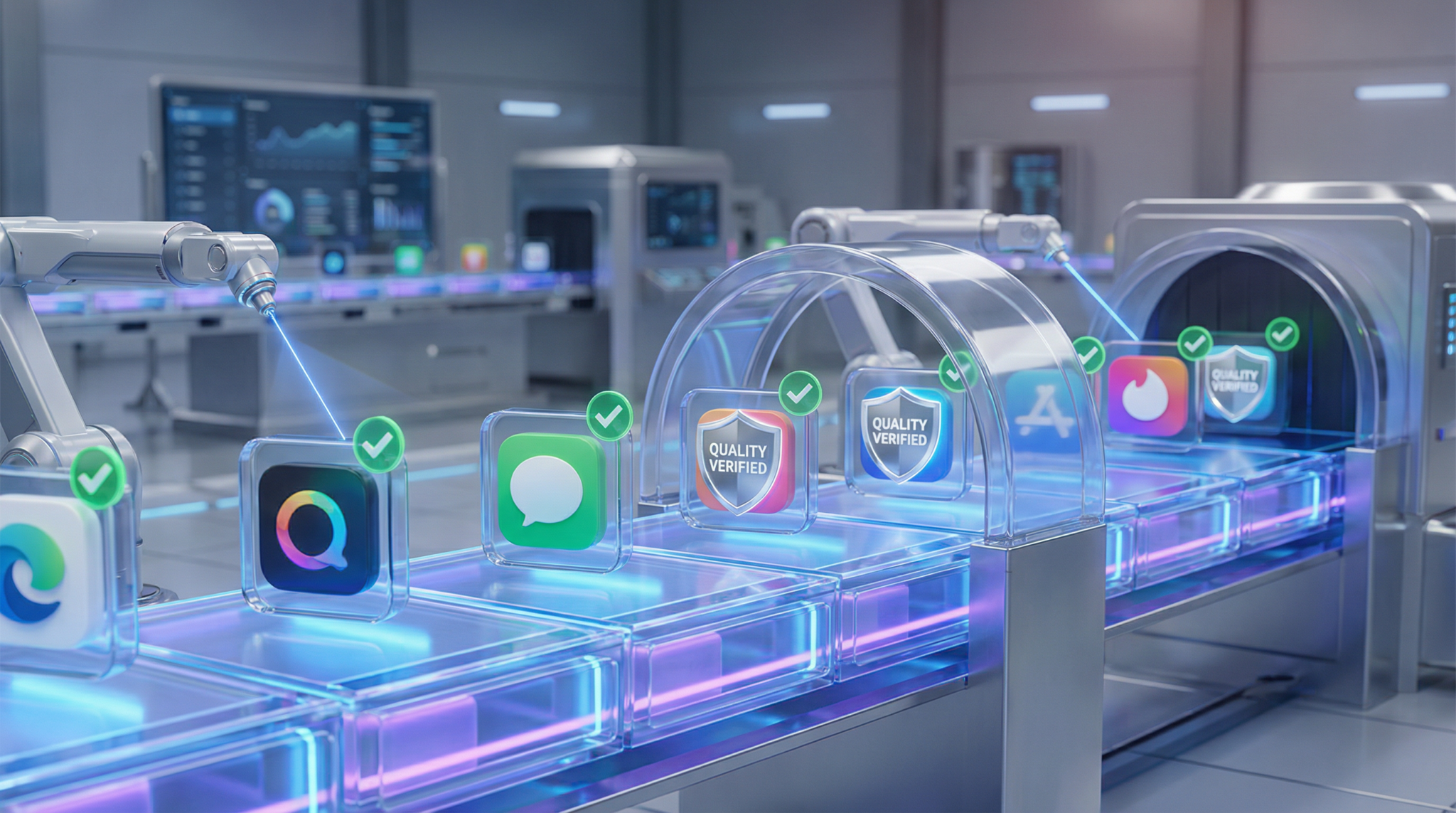
Faced with an overwhelming influx of app submissions, Apple recognized that traditional manual review processes were unsustainable. In response, Apple integrated advanced AI-driven mechanisms into its App Store review pipeline by mid-2025, significantly transforming how apps are vetted for security, compliance, and user experience standards.
Key Features of the AI-Assisted Review System
- Automated Code Analysis: Leveraging machine learning models trained on millions of previous app submissions, the system identifies malicious patterns, privacy violations, and performance bottlenecks with remarkable accuracy.
- Behavioral Simulation Testing: AI simulates user interactions to detect anomalous behavior, crashes, or unethical content before apps reach human reviewers.
- Contextual Policy Enforcement: The system applies dynamic policy checks that evolve with emerging regulatory frameworks and platform guidelines.
- Human-AI Collaboration: While AI handles triage and preliminary assessments, complex cases escalate to human experts, ensuring nuanced judgment and fairness.
This hybrid approach dramatically reduced review times from days to mere hours on average, enabling developers to receive faster feedback and iterate more efficiently. Furthermore, it enhanced platform security and user trust amid the deluge of new applications.
The Psychological Shift Among Developers in the AI Era
The adoption of AI-assisted vibe coding has not only transformed workflows but also induced a profound psychological evolution within developer communities worldwide.
From Code Writers to Creative Directors
Developers now increasingly see themselves as orchestrators of AI collaborators rather than sole code authors. This shift nurtures creativity, as the mental energy previously devoted to syntax and debugging is redirected toward conceptual design, user experience, and innovation.
Reduced Cognitive Load and Burnout
By alleviating repetitive and error-prone tasks, AI tools have contributed to lowering developer burnout rates. The ability to rapidly prototype and receive immediate intelligent feedback fosters a more engaging and fulfilling development experience.
New Skillsets and Learning Paradigms
Developers are upskilling in AI prompt engineering, human-AI interaction design, and ethical AI usage. Educational institutions and online platforms have adapted curricula to include these emergent competencies, reflecting the evolving nature of software craftsmanship.
This psychological and professional evolution is an integral aspect of the broader democratization of software creation enabled by AI technology.
The Democratization of Software Creation: Breaking Down Barriers
Historically, software development required specialized knowledge of programming languages, frameworks, and deployment methodologies. The emergence of AI-powered coding assistants and vibe coding has irreversibly changed this dynamic.
Empowering Non-Technical Creators
Individuals without formal programming training can now bring ideas to life through conversational interfaces and iterative guidance from AI. For example, educators can build interactive learning apps, small business owners can create custom e-commerce tools, and artists can develop immersive multimedia experiences—all without writing a single line of traditional code.
Open Platforms and Community Ecosystems
AI tools are increasingly integrated into open-source ecosystems, promoting collaborative development and knowledge sharing. This synergy between AI and community-driven innovation accelerates software evolution and cultivates diverse creative voices.
Economic and Social Impact
The lowered cost and complexity of app development stimulate entrepreneurship and job creation, particularly in underrepresented regions. By expanding access to digital tools, AI fosters economic inclusion and empowers marginalized communities to participate in the global digital economy.
Technological Deep Dive: How Claude Code and OpenAI Codex Facilitate Vibe Coding
Claude Code and OpenAI Codex represent the cutting edge of AI-assisted programming, each with distinct architectures and capabilities that underpin the vibe coding phenomenon.
OpenAI Codex: A Language Model Specialized in Code
Building upon the GPT-3 architecture, Codex was trained on billions of lines of publicly available code, including repositories from GitHub, Stack Overflow discussions, and official documentation. It excels at translating natural language prompts into syntactically accurate, functional code snippets across multiple programming languages.
- Interactive Code Generation: Developers provide high-level descriptions, and Codex produces executable code.
- Contextual Understanding: Codex disambiguates ambiguous requests by referencing project context and prior interactions.
- Multi-Language Support: Supports Python, JavaScript, Swift, and more, enabling cross-platform app development.
Claude Code: The Next-Generation AI Pair Programmer
Claude Code, developed by Anthropic, emphasizes safety, alignment, and interpretability. It integrates advanced reinforcement learning techniques to maintain ethical guidelines while assisting developers. Key features include:
- Explainable Code Suggestions: Provides human-readable rationales for its recommendations, fostering trust.
- Collaborative Debugging: Identifies bugs proactively and offers multi-solution pathways.
- Adaptive Style Matching: Learns individual developer preferences to tailor code style and patterns.
Together, these AI tools enable the fluid, intuitive interactions that define vibe coding, where the AI is not just a tool but a creative partner.
Predictions for the Next Five Years: 2026–2031
Looking ahead, the interplay between AI and app development promises continued disruption and innovation. Several key trends and predictions emerge:
1. Universal Code Synthesis and Multimodal Development
AI models will advance to seamlessly integrate voice commands, visual sketches, and even emotional cues into code generation workflows. Developers will describe app behavior through combinations of speech, drawings, and gestures, with AI synthesizing fully functional applications.
2. Fully Autonomous App Creation Pipelines
End-to-end AI pipelines will emerge that autonomously ideate, design, code, test, and deploy applications based on high-level business objectives or user needs, requiring minimal human intervention.
3. Enhanced Regulation and Ethical Oversight
As AI-generated apps proliferate, regulatory bodies will develop frameworks to ensure transparency, fairness, and security, especially in sensitive domains like healthcare, finance, and education.
4. Expansion of AI-Augmented App Stores
Platform providers will incorporate AI into app discovery, personalized recommendations, and user support, creating ecosystems where AI assists both creators and consumers.
5. Cultural and Economic Shifts
The democratization facilitated by AI will spawn new cultural norms around software authorship and intellectual property, as well as drive global economic growth by empowering diverse populations to innovate.
Conclusion
The rise of vibe coding, propelled by AI tools like Claude Code and OpenAI Codex, has catalyzed a revolution in app development by 2026. The 84% surge in App Store submissions and the influx of over 600,000 new apps in 2025 reflect the profound impact of AI on creativity, accessibility, and productivity. Apple’s AI-assisted app review process exemplifies how platform governance adapts to scale without compromising quality. Meanwhile, the psychological transformation of developers into AI collaborators and the broader democratization of software creation signal a paradigm shift that will continue unfolding over the next five years.
For developers, entrepreneurs, and stakeholders navigating this new era, understanding vibe coding and its ecosystem is imperative. The fusion of human ingenuity with AI’s computational prowess heralds a future where software creation is more intuitive, inclusive, and innovative than ever before.
To delve deeper into how AI-driven development platforms are reshaping software engineering practices, explore our comprehensive analysis on OpenAI Releases Industrial Policy Blueprint: AI Tax, Public Wealth Fund, and a New Social Contract for the Intelligence Age. For insights into the future of app marketplace dynamics and user engagement, see our strategic overview on How Notion, Ramp, and Braintrust Scaled OpenAI Codex Across Their Engineering Teams: An Enterprise Case Study.
Access 40,000+ AI Prompts for ChatGPT, Claude & Codex — Free!
Subscribe to get instant access to our complete Notion Prompt Library — the largest curated collection of prompts for ChatGPT, Claude, OpenAI Codex, and other leading AI models. Optimized for real-world workflows across coding, research, content creation, and business.
Access Free Prompt Library🕐 Instant∞ Unlimited🎁 Free
Frequently Asked Questions
What is vibe coding and how does it work?
Vibe coding is an AI-enhanced development approach that uses natural language inputs and contextual AI tools to streamline coding. It allows developers to communicate their ideas in conversational language, with AI systems like GPT-5.4 and Codex filling in the gaps by understanding the intent behind the code, predicting needs, and suggesting improvements.
Which AI tools are leading in vibe coding?
Leading AI tools in vibe coding include GPT-5.4, Claude Opus 4.7, and Codex. These tools offer advanced natural language processing capabilities and contextual understanding, enabling developers to create software more intuitively and efficiently. They are designed to predict developer needs and assist in code synthesis and refactoring.
How does vibe coding impact app development?
Vibe coding significantly impacts app development by reducing the learning curve and enhancing productivity. AI tools assist developers by predicting needs, suggesting architectural patterns, and refactoring code. This approach fosters a collaborative environment where human creativity and AI precision work together, leading to faster and more innovative app development.
What are the core principles of vibe coding?
The core principles of vibe coding include intuitive interaction, contextual awareness, adaptive learning, and creative collaboration. Developers use natural language and sketches to communicate their vision, while AI tools provide contextually relevant assistance, learn from feedback, and enhance the creative process by understanding project goals and team dynamics.
How do AI tools like Codex and GPT-5.4 assist developers?
AI tools like Codex and GPT-5.4 assist developers by understanding natural language inputs, predicting coding needs, and suggesting improvements. They offer contextual assistance based on previous coding styles and project goals, enabling developers to focus on creativity and innovation while the AI handles routine coding tasks and optimizations.
What future trends are expected in vibe coding?
Future trends in vibe coding include further integration of AI tools into the development process, enhanced predictive capabilities, and more personalized assistance. As AI systems continue to evolve, they will offer deeper contextual understanding and more sophisticated collaboration, making app development even more intuitive and accessible to a broader range of developers.
