
⚡ The Brief
- What it is: OpenAI’s Industrial Policy for the Intelligence Age is a strategic framework aiming to govern AI’s economic impact and promote equitable distribution of AI advancements.
- Who it’s for: This policy is designed for governments, policymakers, and AI industry leaders focused on sustainable AI development and social equity.
- Key takeaways: The policy includes proposals for a public wealth fund and AI taxation to support social safety nets and ensure AI benefits are widely shared.
- Pricing/Cost: The AI tax framework would generate revenue from AI-driven economic outputs to finance social programs, mitigating job displacement and inequality.
- Bottom line: OpenAI’s policy represents a paradigm shift, emphasizing AI as a transformative economic force requiring systemic governance and equitable distribution.
✓ Instant access✓ No spam✓ Unsubscribe anytime
OpenAI Unveils Groundbreaking Industrial Policy for the Intelligence Age

On April 6, 2026, OpenAI released a sweeping industrial policy framework titled “Industrial Policy for the Intelligence Age,” marking a significant milestone in the governance and equitable distribution of artificial intelligence (AI) advancements. The document outlines a comprehensive strategy to steward AI’s economic impact, emphasizing public wealth generation, social safety net expansion, and responsible innovation governance. This policy initiative coincides with OpenAI’s recent historic capital raise of $122 billion at an $852 billion valuation and highlights the company’s expanding role not only as a technology leader but also as a policy architect in the AI era.
Key Proposals: Public Wealth Fund and AI Taxation
At the core of OpenAI’s new industrial policy is the proposal for a public wealth fund designed to channel AI-generated prosperity directly back to the public. This fund aims to accumulate revenue derived from AI innovations, licenses, and services, ensuring that the economic benefits of AI technologies are widely shared rather than concentrated among a few corporations or investors.
The policy further introduces an AI tax framework intended to finance expansive social safety nets. This tax would be levied on AI-driven economic outputs, such as earnings from automated processes, AI-enhanced productivity, and commercial AI applications. The revenue generated would support critical social programs including Social Security, Medicaid, Supplemental Nutrition Assistance Program (SNAP), and affordable housing initiatives. OpenAI argues that as AI systems increasingly automate labor and reshape job markets, governments must proactively fund support mechanisms to mitigate displacement and inequality.
These measures represent a paradigm shift in how the AI industry could be regulated and taxed, reflecting an understanding that AI’s societal impacts require robust, systemic policy responses. OpenAI’s approach positions AI not merely as a technological innovation but as a transformative economic force demanding new governance frameworks.

Expanding Social Safety Nets: A Call for Urgency
OpenAI’s framework advocates for the rapid expansion of existing social safety net programs, underscoring the urgency of adapting these systems to the Intelligence Age. The document calls for increased funding and modernization of Social Security, Medicaid, SNAP, and housing assistance, emphasizing that these programs will be critical to supporting populations affected by AI-driven labor market disruptions.
OpenAI’s policy reflects data showing that AI automation could displace millions of jobs across various sectors, from manufacturing to services. By expanding these programs, the company envisions a future where social infrastructure keeps pace with technological change, preventing exacerbation of economic inequality. This recommendation aligns closely with broader economic research suggesting that social safety nets can play a pivotal role in maintaining social cohesion during periods of rapid technological transition.
Importantly, OpenAI’s stance on social programs goes beyond philanthropy or corporate responsibility—it suggests a holistic model where AI companies, governments, and civil society collaborate to ensure AI’s benefits are inclusive. This comprehensive outlook has significant implications for policymakers seeking to craft balanced AI legislation and for developers who must navigate evolving regulatory landscapes.
Industry and Developer Implications
For AI developers and companies, OpenAI’s policy signals an emerging expectation for contributing to public goods through taxation and collaborative social programs. The proposed AI tax framework, if adopted by governments, could reshape business models, making social impact a core metric alongside profitability and innovation speed. These changes may incentivize companies to design AI tools that prioritize human-centric outcomes and equitable value distribution.
Moreover, OpenAI’s commitment to expanding social safety nets highlights a need for workforce reskilling and transition strategies—a domain ripe for AI-powered educational and training tools. Developers can anticipate increased demand for AI applications that facilitate upskilling, career transition support, and social program delivery, creating new innovation opportunities aligned with social priorities.
This evolving policy environment also intersects with OpenAI’s own initiatives to foster AI research and community engagement. The company is offering fellowships and research grants of up to $100,000 alongside $1 million in API credits, aiming to catalyze innovation around responsible AI development. These programs will support researchers and developers focused on addressing AI’s societal challenges, highlighting OpenAI’s dual role as technology provider and ecosystem enabler. For more on OpenAI’s research funding and development support infrastructure, see OpenAI Research Grants and Fellowships.
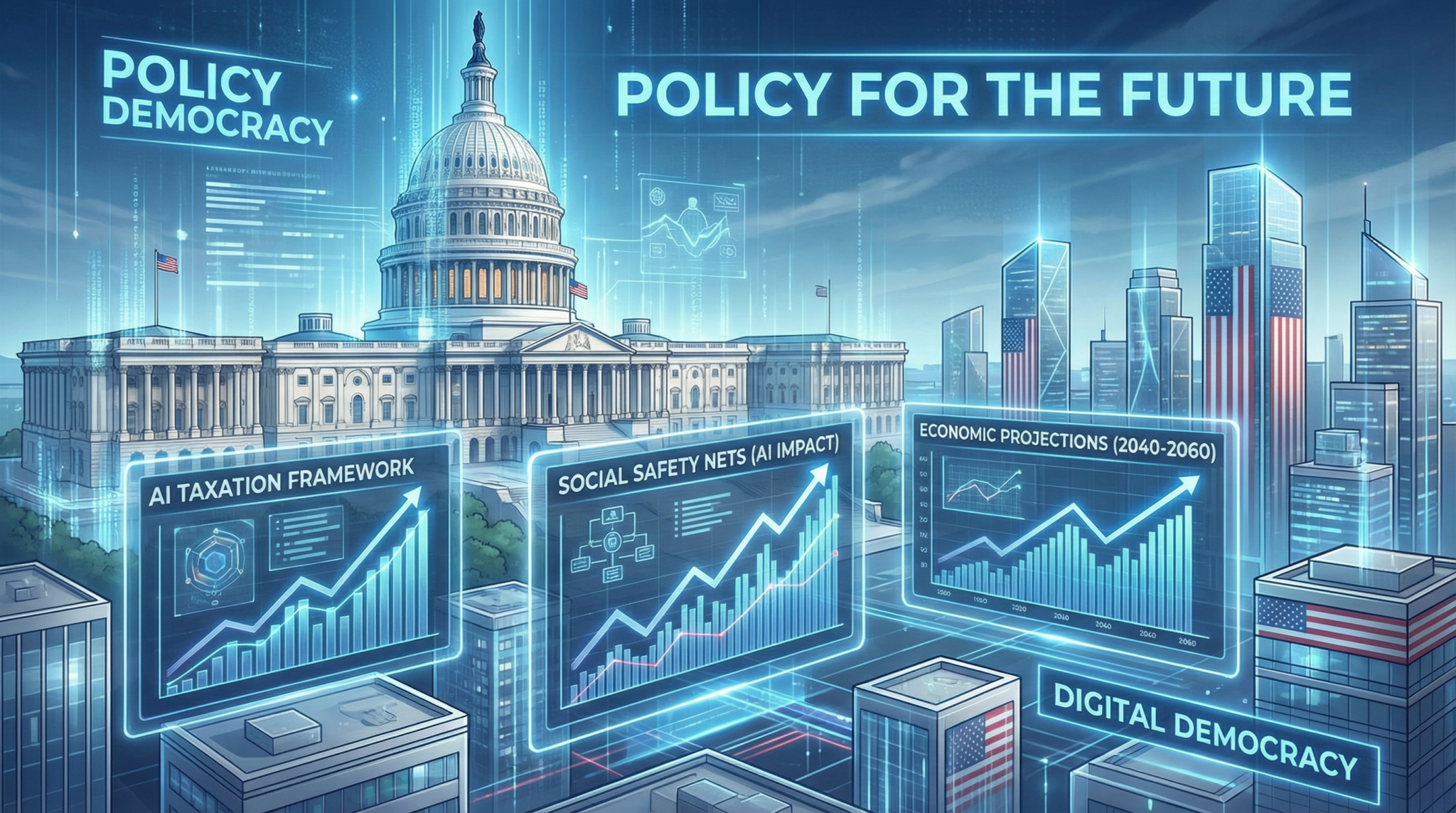
OpenAI Workshop in Washington DC: Bridging Tech and Policy
To foster dialogue between technologists, policymakers, and stakeholders, OpenAI announced the launch of an OpenAI Workshop in Washington DC, scheduled for May 2026. This initiative aims to create a collaborative forum for shaping AI policy frameworks, sharing best practices, and exploring regulatory approaches aligned with OpenAI’s industrial policy.
The location choice—Washington DC—signals OpenAI’s intent to engage directly with federal lawmakers and agencies, positioning the company as a proactive partner in AI governance. The workshop will likely address critical issues such as data privacy, algorithmic transparency, AI safety, and equitable economic impact, providing a platform for cross-sector collaboration.
By facilitating such engagement, OpenAI is setting a precedent for tech companies to participate constructively in policy formulation rather than reactively responding to regulation. This approach could accelerate the maturation of AI governance frameworks, benefiting the broader AI ecosystem and society at large.
Contextualizing the Policy: OpenAI’s Market Position and Vision
OpenAI’s policy release occurs amid remarkable corporate milestones. The organization recently secured a $122 billion funding round, catapulting its valuation to $852 billion—one of the highest in tech history. Its flagship product, ChatGPT, now boasts over 900 million weekly active users globally, generating approximately $2 billion in monthly revenue. This unprecedented scale underscores OpenAI’s influence and the urgency of crafting governance models that reflect its market prominence.
Sam Altman, OpenAI’s CEO, has publicly articulated a vision for responsible AI governance that balances rapid innovation with societal safeguards. He emphasizes that AI’s transformative potential carries profound ethical and economic implications, necessitating frameworks that prevent harm, promote fairness, and distribute benefits equitably. The industrial policy document is a tangible manifestation of this vision, positioning OpenAI as a leader advocating for AI’s constructive integration into society.
Altman’s advocacy for a public wealth fund and AI taxation reflects an advanced understanding of how AI differs from previous industrial revolutions. Unlike past technologies, AI’s capacity to automate cognitive tasks at scale could amplify economic disparities if left unchecked. OpenAI’s policy suggests that industry leaders must shoulder responsibility for shaping AI’s societal trajectory actively.
Policy Expert and Industry Reactions
The release has triggered a broad spectrum of responses from policy experts and industry observers. Many applaud OpenAI’s proactive stance, viewing the industrial policy as a necessary step toward sustainable AI development. Dr. Elena Martinez, a leading AI ethics researcher, stated, “OpenAI’s framework is one of the most comprehensive attempts to align AI innovation with social equity. It sets a benchmark for corporate responsibility in the intelligence age.”
However, some analysts caution about the complexities of implementing AI taxes and wealth funds. Critics point to challenges in defining taxable AI outputs, potential impacts on innovation incentives, and international coordination hurdles. Industry groups have also raised concerns about regulatory burdens potentially slowing AI deployment.
Nonetheless, the consensus acknowledges that OpenAI’s policy has catalyzed an essential conversation about the intersection of AI technology, economics, and social welfare. Governments worldwide are expected to closely evaluate these proposals as they shape their own AI strategies.
Access 40,000+ AI Prompts for ChatGPT, Claude & Codex — Free!
Subscribe to get instant access to our complete Notion Prompt Library — the largest curated collection of prompts for ChatGPT, Claude, OpenAI Codex, and other leading AI models. Optimized for real-world workflows across coding, research, content creation, and business.
Access Free Prompt LibraryImplications for Society and the Future of AI
OpenAI’s industrial policy document highlights a fundamental shift: AI is no longer solely a technological pursuit but a societal force requiring integrated economic and social governance. The proposed public wealth fund and AI tax model could redefine how AI-generated value is shared, potentially reducing income inequality exacerbated by automation.
For society, expanded social safety nets funded by AI-driven revenues promise greater economic resilience for displaced workers and vulnerable populations. This approach also signals a move toward inclusive growth, where AI’s benefits extend beyond corporate profits to public welfare.
For the AI industry, OpenAI’s policy advocates a new paradigm of accountability and partnership with governments, emphasizing that innovation must be balanced with ethical responsibility and social impact. Developers and companies should anticipate increasing expectations to contribute to societal well-being alongside technological advancement.
As OpenAI opens its Washington DC workshop and expands funding for research and development, the company is setting a strategic agenda to influence AI’s future trajectory actively. The Intelligence Age, as framed by OpenAI, demands coordinated efforts across technology, policy, and society—a challenge and opportunity that will define the coming decade.
For a detailed analysis of how AI governance models are evolving globally and their implications for developers, see our coverage of OpenAI’s broader strategic vision for AI platform convergence.
Author: Markos Symeonides
🕐 Instant∞ Unlimited🎁 Free
Frequently Asked Questions
What is OpenAI's Industrial Policy for the Intelligence Age?
OpenAI's Industrial Policy for the Intelligence Age is a comprehensive strategy that outlines how AI's economic impact should be governed. It focuses on equitable distribution of AI advancements, proposing a public wealth fund and AI taxation to support social safety nets and ensure the benefits of AI technologies are shared widely.
How does the public wealth fund work in OpenAI's policy?
The public wealth fund proposed by OpenAI is designed to collect revenue from AI innovations, licenses, and services. This fund aims to distribute AI-generated prosperity directly to the public, ensuring that the economic benefits of AI are not concentrated among a few corporations or investors but are instead shared broadly.
What is the purpose of the AI tax framework?
The AI tax framework is intended to generate revenue from AI-driven economic outputs, such as automated processes and AI-enhanced productivity. This revenue would fund social programs like Social Security and Medicaid, helping to mitigate job displacement and inequality as AI systems increasingly automate labor.
Why does OpenAI emphasize expanding social safety nets?
OpenAI emphasizes expanding social safety nets to adapt to the Intelligence Age, where AI systems are reshaping job markets. By increasing funding and modernizing programs like Social Security and Medicaid, the policy aims to provide a robust support system for those affected by AI-driven economic changes.
How does OpenAI's policy address AI's societal impacts?
OpenAI's policy addresses AI's societal impacts by proposing systemic governance frameworks that include taxation and wealth distribution mechanisms. These measures aim to ensure that AI's economic benefits are equitably shared and that social safety nets are strengthened to support those affected by technological advancements.
What makes OpenAI's policy a paradigm shift?
OpenAI's policy is a paradigm shift because it redefines AI as not just a technological innovation but a transformative economic force. It calls for robust governance frameworks and equitable distribution of AI benefits, reflecting a new understanding of AI's role in society and the economy.
