
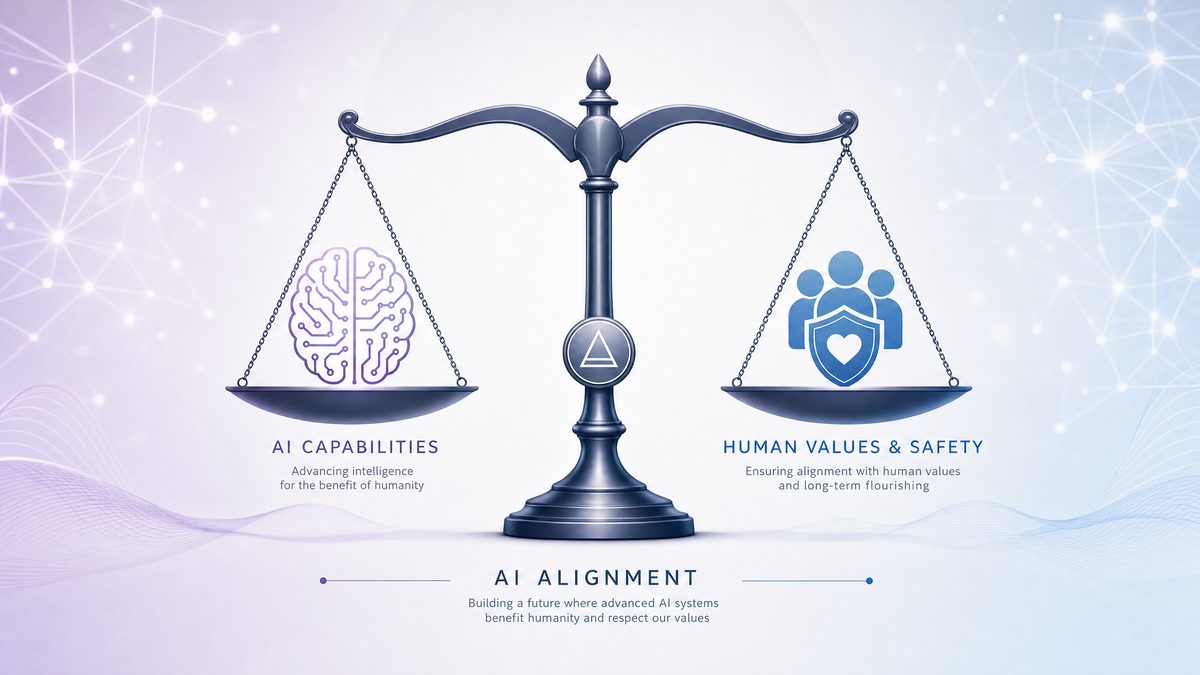
The Evolution of Claude 4 — From Baseline to Aligned Frontier Model
In the rapidly evolving field of artificial intelligence, the development of large language models (LLMs) has presented both unprecedented opportunities and complex challenges. Among these, the issue of AI alignment—ensuring that AI systems behave in ways consistent with human values, intentions, and safety constraints—stands paramount. Anthropic, a leading AI research organization, has positioned itself at the forefront of this endeavor, focusing on building AI systems that are not only powerful but intrinsically aligned with human reasoning and ethics.
Central to Anthropic’s recent advancements is the Claude 4 model family, introduced as the new frontier in large language model capabilities. Released in early 2026, Claude 4 represents a significant leap over its predecessors, incorporating architectural enhancements, training innovations, and alignment-centric design choices that enable it to engage in more transparent, reliable, and context-aware reasoning. In this section, we explore the evolutionary path from baseline models to Claude 4’s aligned frontier status, setting the stage for the live alignment research that Anthropic details in their May 8, 2026 blog post.
Architectural and Capability Overview of Claude 4
Claude 4 builds upon a transformer-based architecture, optimized for scalability and efficiency. Compared to earlier versions such as Claude 3, the fourth iteration benefits from:
- Increased parameter count: Approximately 1.2 trillion parameters, enabling deeper contextual understanding and nuanced language generation.
- Modular reasoning layers: Dedicated submodules designed to simulate multi-step reasoning processes, allowing Claude 4 to ‘think through’ problems more systematically.
- Enhanced memory retention: Improved long-context handling supporting documents of over 100,000 tokens, facilitating complex, multi-turn dialogues and reasoning tasks.
- Multimodal input capabilities: Though primarily text-focused, Claude 4 can integrate limited image inputs to assist in contextual comprehension and alignment verification.
These architectural refinements enable Claude 4 to excel in tasks requiring sustained attention, complex problem solving, and ethical judgment, all critical for alignment success.
Distinguishing Claude 4 from Earlier Models
While previous Claude iterations focused on general language understanding and generation, Claude 4 was explicitly engineered with alignment as a core design objective. This shift is reflected in several key areas:
- Reasoning transparency: Claude 4 is capable of articulating its reasoning steps in natural language, a feature designed to improve interpretability and trust.
- Alignment-integrated training: Training regimes incorporate continuous feedback loops from human evaluators emphasizing ethical considerations and alignment metrics.
- Robustness to adversarial prompts: Enhanced defenses against prompt injections and manipulations that could lead to unintended or harmful outputs.
- Self-monitoring modules: Internal mechanisms that flag and correct potentially misaligned or unsafe responses before they are output.
These capabilities position Claude 4 not just as a more powerful language model but as a platform engineered for live alignment research and deployment.
Motivation for Focusing Live Alignment on Claude 4
Claude 4’s advanced architecture and alignment features make it an ideal candidate for live alignment research—a process that requires real-time feedback, iterative learning, and dynamic adaptation. By focusing efforts on Claude 4, Anthropic aims to:
- Test and refine alignment techniques at scale with a state-of-the-art model.
- Deploy live alignment methods that can be translated directly into enterprise use cases.
- Build a foundation for future models that inherently incorporate alignment principles from design through deployment.
This focus aligns with Anthropic’s mission to create AI systems that are not only capable but also safe, reliable, and interpretable.
Design Features Facilitating Real-Time Reasoning and Feedback Integration
Claude 4’s architecture supports live alignment through several innovative design components:
- Dynamic reasoning chains: The model generates explicit reasoning chains during inference, allowing for human or automated review and intervention.
- Feedback embedding layers: Specialized layers within the network receive and integrate feedback signals directly, enabling on-the-fly adjustments without full retraining.
- Explainability hooks: Interfaces that enable external tools to query and visualize the model’s internal decision-making processes.
Together, these features enable Anthropic’s researchers and customers to collaborate with Claude 4 in refining its reasoning and alignment continuously.
Anthropic’s Live Alignment Approach — Teaching Claude the ‘Why’ Behind Its Reasoning
Traditional AI training approaches often focus on correctness of output without sufficiently emphasizing the reasoning process that leads to those outputs. Anthropic’s live alignment methodology departs from this by instilling in Claude 4 an understanding of the “why” behind its conclusions, thereby fostering transparency, reliability, and ethical adherence. This section delves into the core components of Anthropic’s live alignment approach, highlighting its innovative techniques and the practical implications for AI safety.
Defining Live Alignment in Large Language Models
Live alignment refers to a continuous, interactive process wherein an AI model is not only trained initially but also iteratively refined based on real-time feedback during deployment or controlled evaluation. Unlike static post-training evaluations, live alignment involves:
- Continuous feedback loops: Incorporating human and automated input dynamically to adjust model behavior.
- Iterative training and fine-tuning: Adjusting model parameters or prompting strategies to respond to identified alignment gaps.
- Real-time reasoning transparency: Enabling the model to justify its outputs to facilitate meaningful feedback.
This approach recognizes that AI alignment is not a one-time event but an ongoing process requiring collaboration between humans and machines.
Techniques Employed to Teach Claude 4 Reasoning and Alignment Principles
Reinforcement Learning with Human Feedback (RLHF) Tailored for Reasoning Transparency
Anthropic’s RLHF framework extends traditional reward modeling by incorporating feedback specifically targeting the clarity and ethical soundness of the model’s reasoning. Human annotators assess not only the correctness of answers but also the transparency and rationale behind them. The reward function is thus multi-dimensional, balancing accuracy, safety, and explainability.
This nuanced reinforcement process enables Claude 4 to internalize values beyond task completion, fostering a reasoning style aligned with human understanding.
Prompt Engineering to Elicit Explainable Thought Processes
Carefully designed prompt templates encourage Claude 4 to produce step-by-step reasoning or to verbalize its “thoughts” before reaching a conclusion. Examples include:
- Chain-of-thought prompts that break complex questions into sub-steps.
- “Why” prompts asking the model to justify choices explicitly.
- Ethical scenario prompts encouraging the model to consider potential harms and benefits.
This technique enhances the model’s ability to generate outputs that are not only correct but also interpretable and aligned with safety norms.
Safety and Ethics Training Within Learning Cycles
Ethical considerations are integrated throughout Claude 4’s live alignment cycles. Training data includes curated examples highlighting fairness, privacy, and harm avoidance. Additionally, adversarial training scenarios expose Claude 4 to problematic inputs requiring cautious, aligned responses.
By embedding ethical principles in the reinforcement and prompting frameworks, Anthropic ensures the model’s reasoning reflects societal values and mitigates risk.
Example Tasks Used in Live Alignment to Teach ‘Why’ Reasoning
A variety of tasks are employed to train Claude 4’s reasoning transparency and alignment, including:
- Complex problem solving: Multi-step math or logic puzzles requiring explicit explanation of each step.
- Ethical dilemma resolution: Scenarios where Claude 4 must weigh competing values and articulate its rationale.
- Code generation and debugging: Tasks where the model explains the purpose and correctness of generated code snippets.
- Content moderation simulation: Judging potentially sensitive content and justifying moderation decisions.
These exercises help Claude 4 internalize not just what answers to produce, but how and why to produce them responsibly.
Impact of Teaching Reasoning on Model Reliability and Trustworthiness
By emphasizing the “why” behind its outputs, Claude 4 demonstrates significantly improved reliability, as users gain insight into its decision-making processes. This transparency facilitates:
- Enhanced trust: Users can verify and challenge the model’s reasoning, building confidence in its responses.
- Faster error identification: Clear reasoning chains allow developers and users to detect and correct misalignments promptly.
- Better safety outcomes: Explicit ethical considerations reduce harmful or biased outputs.
Consequently, live alignment not only improves performance but also bridges the gap between AI capabilities and human expectations in enterprise contexts.
The Role of Feedback — Human and Automated in Claude’s Alignment Process
Feedback is the cornerstone of live alignment, enabling Claude 4 to adapt continuously and improve its reasoning and alignment fidelity. Anthropic employs a sophisticated feedback ecosystem combining human expertise with automated monitoring to maintain and enhance model safety and effectiveness.
Feedback Mechanisms in Live Alignment
Human Annotators, Expert Reviewers, and Domain Specialists
Human feedback is gathered through a multi-tiered system involving:
- General annotators: Provide broad assessments of output quality, alignment, and reasoning clarity.
- Expert reviewers: Domain specialists who evaluate outputs in complex fields such as law, medicine, and ethics.
- Ethics committees: Oversight groups that review alignment failures and recommend policy adjustments.
This layered approach ensures diverse perspectives and deep contextual understanding inform model refinement.
Automated Monitoring Systems for Detecting Misaligned Outputs
Alongside human input, automated systems continuously scan Claude 4’s outputs using anomaly detection, toxicity filters, and consistency checks. These tools flag potential alignment issues in real time, triggering alerts or automatic mitigation strategies such as response modification or escalation to human reviewers.
Incorporation of Feedback into Claude 4’s Training Pipeline
Feedback is integrated dynamically through several mechanisms:
- Online fine-tuning: Selected feedback instances are used to perform incremental parameter updates, adapting Claude 4’s behavior without full retraining.
- Prompt adjustment: Feedback informs the design of new prompt templates that better elicit aligned reasoning patterns.
- Reward model refinement: Human and automated feedback continuously update the reward models used in RLHF, increasing alignment sensitivity.
This multi-pronged integration ensures that feedback leads to tangible improvements in both reasoning quality and safety.
Case Examples of Feedback-Driven Improvements
| Scenario | Feedback Provided | Resulting Improvement |
|---|---|---|
| Medical advice generation | Expert reviewer flagged ambiguous recommendations lacking risk disclaimers | Model refined to include explicit risk assessments and encourage professional consultation |
| Ethical dilemma responses | Ethics committee identified biased prioritization in conflicting value judgments | Reward model adjusted to balance competing ethical principles more equitably |
| Code debugging explanations | Annotators noted lack of clarity in reasoning steps for error identification | Prompt templates enhanced to elicit detailed step-by-step debugging rationales |
Challenges in Obtaining High-Quality, Context-Sensitive Feedback
Despite its centrality, feedback collection faces several hurdles:
- Annotation consistency: Variability in human judgments can complicate reward modeling and fine-tuning.
- Contextual depth: Capturing nuanced domain knowledge to accurately evaluate complex reasoning is resource-intensive.
- Scalability: Balancing the need for high-quality feedback with the volume of model outputs generated daily.
- Latency: Ensuring feedback is incorporated promptly enough to impact live model behavior in real-world deployments.
Addressing these challenges remains an active area of research and operational refinement at Anthropic, supported by ongoing investment in advanced tools and methodologies. For deeper insight into related advancements, see Claude Dreaming Explained: How Anthropic’s AI Agents Self-Improve Between Sessions which complements this live alignment research by exploring autonomous model improvements between interactions.
Translating Live Alignment to Product Tiers — Pro, Max, and Team
Anthropic’s commitment to alignment extends beyond research, manifesting in tailored enterprise solutions designed to meet diverse organizational needs. Claude 4’s live alignment capabilities are materialized through three distinct product tiers — Pro, Max, and Team — each offering specialized features and safety assurances to fit varying use cases.
Overview of Enterprise Tiers
| Tier | Target Audience | Key Features | Alignment Focus |
|---|---|---|---|
| Pro | Individual professionals and consultants | Nuanced reasoning, low latency, personalized prompts | Advanced transparency and ethical reasoning support |
| Max | Large enterprises and mission-critical deployments | Enhanced safety constraints, scalability, compliance tools | Robust risk mitigation and regulatory adherence |
| Team | Collaborative groups and organizations | Shared oversight dashboards, alignment analytics, role-based access | Collective alignment monitoring and governance |
Alignment and Reasoning Capabilities Across Tiers
Each tier incorporates live alignment research outcomes but adapts them to the operational context:
- Pro: Emphasizes explainability and reasoning depth, enabling individual users to engage interactively with Claude 4’s thought process. Ideal for professionals requiring detailed justifications and ethical guidance in decision-making.
- Max: Prioritizes safety and compliance at scale, integrating stricter alignment guardrails and automated monitoring to meet enterprise governance and regulatory requirements. The tier supports high-throughput applications without compromising alignment integrity.
- Team: Facilitates collaborative oversight, with tools that aggregate feedback, track alignment metrics, and enable shared governance. This tier supports organizational accountability and collective improvement of AI outputs.
Use Case Examples Emphasizing Alignment Outcomes
- Pro: A legal consultant uses Claude 4 to draft contract clauses, relying on transparent reasoning chains and ethical considerations embedded within the responses to ensure compliance and fairness.
- Max: A healthcare provider deploys Claude 4 to assist in patient triage, leveraging enhanced safety constraints to minimize risk and maintain regulatory compliance.
- Team: A multinational corporation’s product development team utilizes shared alignment dashboards to monitor AI-assisted design recommendations, ensuring collective adherence to ethical standards and company policies.
Operational Considerations: Latency, Transparency, Explainability, and Compliance
Anthropic balances performance and alignment across tiers through:
- Latency optimization: Pro tier offers low-latency response times for interactive use, while Max and Team prioritize safe throughput with slightly higher latency tolerances.
- Transparency tools: All tiers provide explainability features, with Team offering advanced analytics for collective insight.
- Compliance features: Max and Team tiers include audit trails, access controls, and alignment reporting to meet industry regulations.
These operational refinements ensure that live alignment research benefits are realized effectively across practical deployment scenarios, empowering enterprises to harness Claude 4’s capabilities responsibly and confidently.
Real-World Impacts and Customer Feedback on Aligned Claude Models
Following the deployment of live-aligned Claude 4 models across Anthropic’s enterprise tiers, early adopters have reported significant benefits in safety, reliability, and usability. This section synthesizes real-world experiences and customer insights, underscoring the practical value of Anthropic’s live alignment research.
Early Adoption Experiences
Enterprises spanning sectors such as finance, healthcare, legal services, and technology have integrated Claude 4 into their workflows. Common themes reported include:
- Improved decision-making: clearer rationales can help reviewers inspect recommendations, identify unsupported assumptions, and decide when human judgment should take precedence.
These outcomes should be treated as evaluation goals rather than guarantees. Teams should test outputs against domain-specific criteria, document failures, and keep accountable reviewers in the loop for consequential decisions.
Conclusion
Teaching a model to explain why it reached an answer can make review more practical, but explanations alone do not establish correctness or safety. Effective alignment still depends on careful evaluation, context-sensitive feedback, and clear escalation paths.
For practitioners, the central lesson is operational: pair reasoning-oriented prompts and feedback with independent verification, access controls, and ongoing monitoring. Trust should follow evidence from the intended workflow, not the fluency of an explanation.
