
The Complete Guide to OpenAI’s Trusted Access for Cyber Program: Eligibility, Setup, and Workflow Integration

Author: Markos Symeonides
In the evolving landscape of cybersecurity, identity and trust-based frameworks are becoming paramount to secure AI-powered tools effectively. OpenAI’s Trusted Access for Cyber (TAC) program offers a robust, multi-tiered access model specifically designed for cyber defenders to leverage AI with enhanced security and compliance measures. This comprehensive guide explores the full spectrum of TAC — from eligibility and verification to practical workflow integration and compliance considerations — empowering security teams to adopt and maximize this groundbreaking framework.
What Is OpenAI’s Trusted Access for Cyber (TAC)?
OpenAI’s Trusted Access for Cyber (TAC) program is an identity and trust-based access framework tailored to cybersecurity professionals and organizations. It enhances the security posture of AI-driven tools by applying rigorous verification and access controls, ensuring that only verified cyber defenders gain access to specialized AI models with capabilities fine-tuned for security tasks.
The program is designed to mitigate risks associated with AI misuse in sensitive environments by enforcing phishing-resistant account security and providing tiered access to different levels of AI capabilities. TAC’s framework integrates seamlessly with existing cybersecurity workflows, enabling defenders to harness powerful AI assistance while aligning with stringent compliance and audit requirements.
Eligibility Requirements and Verification Process
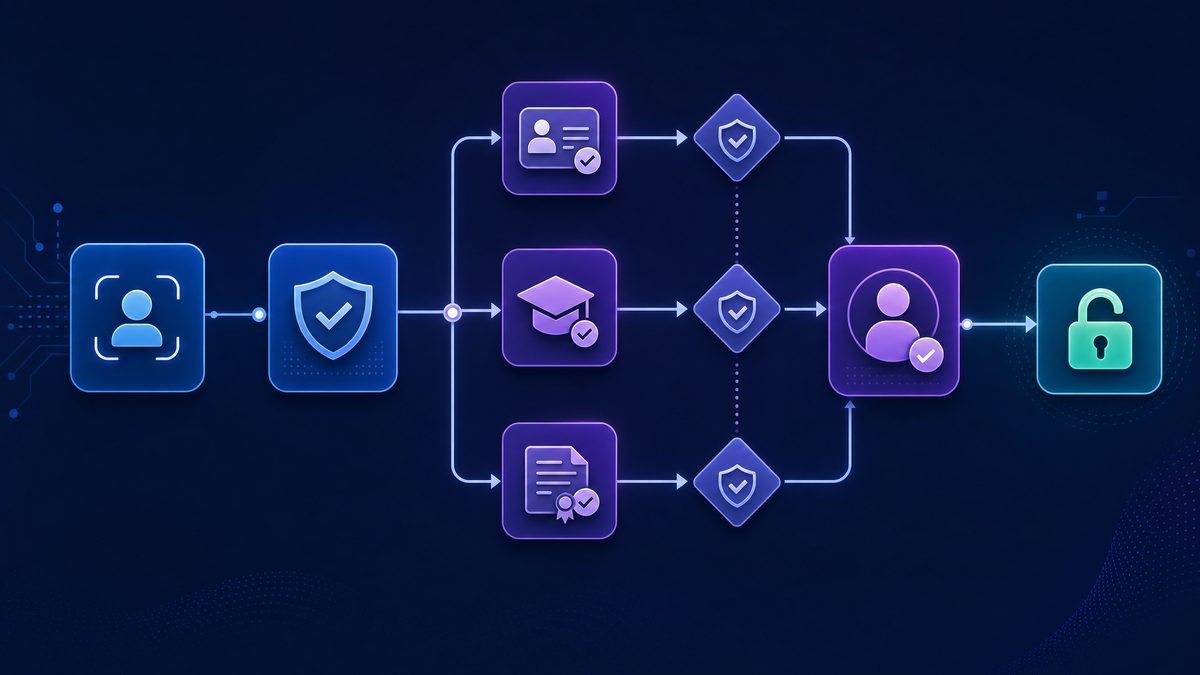
OpenAI enforces strict eligibility criteria for organizations and individuals seeking participation in the TAC program to ensure trusted identity and intent. The verification process involves:
- Organizational Verification: Applicants must be an established cybersecurity team within a recognized entity such as a government agency, security operations center (SOC), managed security service provider (MSSP), or a security-focused division in an enterprise.
- Identity Verification: Each user must undergo identity verification via government-issued ID and multi-factor authentication enrollment.
- Role Validation: Participants must demonstrate their role as active cyber defenders responsible for incident response, threat hunting, or vulnerability management.
- Security Posture Assessment: The organization’s security policies and controls, including phishing-resistant account security, are evaluated for compliance.
Upon completing these steps, applicants receive a credentialed identity token granting access to TAC resources. This identity framework underpins the tiered access controls and audit trail capabilities within the program.
The Three-Tier Access Model Explained
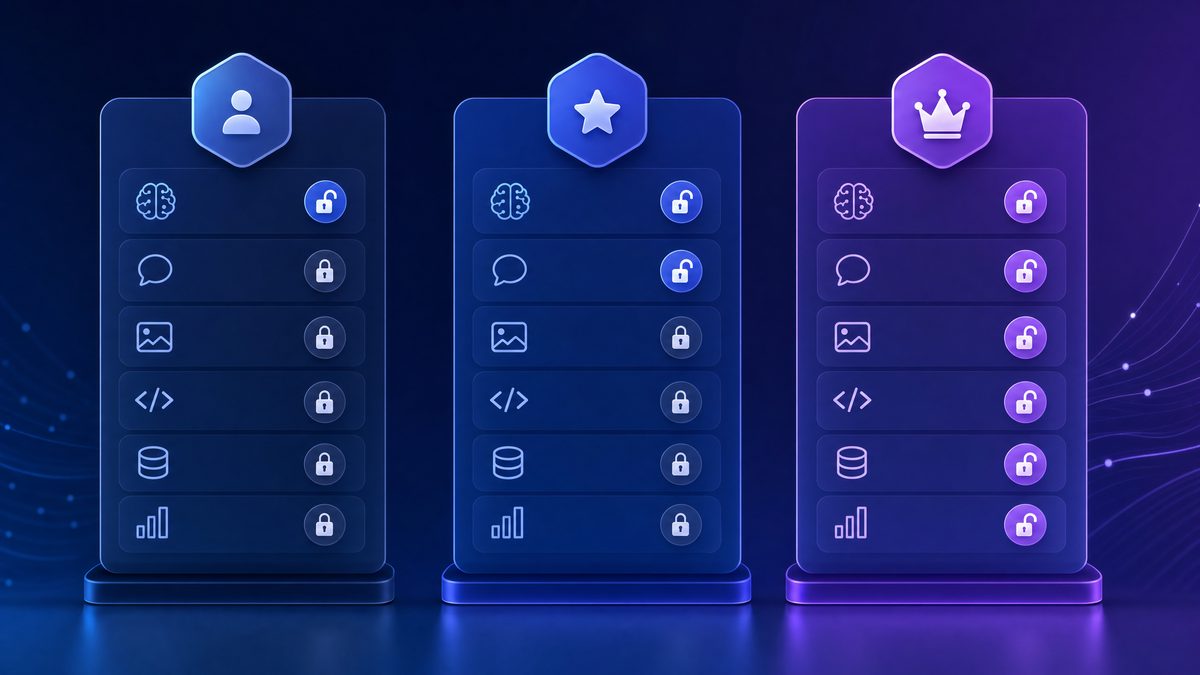
The TAC program implements a three-tier model that differentiates AI capabilities and access levels based on verification and trust level. This model ensures that AI-powered security tools operate within controlled and appropriate boundaries:
- Tier 1: Default Access
Available to all OpenAI users, this tier provides general access to standard models without specialized security features or elevated permissions. Suitable for non-sensitive, exploratory security tasks but lacks advanced safeguards.
- Tier 2: TAC Access
Granted to verified cyber defenders, this tier unlocks models optimized for security workflows with enhanced response filtering, context awareness, and data privacy controls. It enforces phishing-resistant authentication and provides moderated AI outputs aligned with organizational policies.
- Tier 3: Cyber Tier Access
The highest trust level, reserved for critical security operations teams, offers access to the most capable AI models with granular controls, integration with secure data environments, and advanced auditability. This tier supports sensitive investigations and incident response scenarios requiring strict compliance adherence.
The tiered model allows organizations to tailor AI access according to user roles, risk posture, and operational needs, minimizing exposure and maximizing security efficacy.
How to Apply and Get Approved
Application to the TAC program involves several structured steps:
- Initial Inquiry: Submit an application through OpenAI’s enterprise portal specifying organizational details and intended use cases.
- Documentation Submission: Provide proof of organizational identity, security policies, and staff roles.
- Verification Interviews: OpenAI’s security team may conduct interviews or requests for additional information to validate eligibility.
- Phishing-Resistant Security Setup: Organizations must configure phishing-resistant multi-factor authentication for all users, a mandatory requirement by June 1, 2026.
- Approval and Onboarding: Upon approval, organizations receive onboarding materials, access credentials, and best practice guidelines to begin integration.
Successful applicants benefit from priority support and access to program updates. The application process is designed to be thorough yet streamlined to facilitate rapid adoption by qualified cyber defense teams.
Setting Up Phishing-Resistant Account Security
Phishing-resistant authentication is a cornerstone of TAC’s security framework, protecting against credential theft and unauthorized access. OpenAI mandates that all TAC users implement phishing-resistant account security mechanisms by June 1, 2026. Key components include:
- Hardware Security Keys: Use of FIDO2-compliant hardware tokens such as YubiKeys for strong two-factor authentication.
- Biometric Authentication: Integration with biometric readers where supported, providing an additional identity factor.
- Single Sign-On (SSO) with Conditional Access: Leveraging enterprise SSO solutions configured for phishing-resistant policies.
- Regular Security Training: Ensuring users understand phishing threats and proper use of authentication tools.
Organizations must audit and verify these configurations periodically to maintain compliance within the TAC program and ensure continuous protection against evolving phishing techniques.
Practical Workflow Integration: How TAC Changes Model Responses for Security Tasks
TAC not only controls access but also dynamically adjusts AI model behavior to support secure cybersecurity workflows. This transformation affects AI responses in several ways:
- Contextual Awareness: Models under TAC access are fine-tuned to recognize cybersecurity terminology, threat indicators, and operational contexts, improving relevance and reducing false positives.
- Response Filtering: Outputs are filtered to exclude suggestions that may introduce security risks, such as unsafe code snippets or unvetted external links.
- Data Handling Constraints: Models comply with data privacy mandates by limiting exposure of sensitive input data in responses.
- Audit Logging: All interactions under TAC are logged for audit and compliance purposes, enabling traceability of AI-assisted decisions.
These modifications ensure that AI-generated insights augment security team capabilities without compromising the integrity or confidentiality of cybersecurity operations.
Comparison of Outputs Across Tiers: Default vs. TAC vs. Cyber
The differentiation across TAC tiers is evident in the AI model outputs, reflecting the varying levels of trust and operational sensitivity:
| Aspect | Default Access | TAC Access | Cyber Tier Access |
|---|---|---|---|
| Response Relevance | General-purpose, less specialized | Security-focused, context-aware | Highly specialized, tailored to critical operations |
| Security Filtering | Minimal filtering, potential risk in outputs | Moderate filtering to prevent unsafe suggestions | Strict filtering, blocking any risky or non-compliant content |
| Data Privacy Controls | Standard privacy safeguards | Enhanced privacy with restricted data retention | Full compliance with strict data governance policies |
| Auditability | No dedicated audit logging | Comprehensive interaction logs | Extensive audit trails with integration into SIEM systems |
This tiered differentiation allows organizations to calibrate AI usage based on risk tolerance and operational needs, ensuring that the AI acts as a trusted partner rather than a potential liability.
Integration with Codex Security for Open Source
OpenAI’s TAC program synergizes with Codex Security — a specialized branch of OpenAI Codex engineered for secure code generation and vulnerability detection in open source environments. Integration points include:
- Secure Code Recommendations: TAC-enabled Codex models offer context-aware code suggestions that incorporate security best practices, reducing the likelihood of introducing vulnerabilities.
- Automated Vulnerability Scanning: Leveraging Codex Security’s analysis capabilities within TAC workflows enables real-time identification of insecure code patterns during development or incident response.
- Access Control: TAC’s identity framework restricts Codex Security features to verified cyber defenders, preventing misuse by unauthorized users.
Organizations adopting TAC gain a comprehensive AI-powered security toolchain that spans from threat detection to secure software development. For deeper insights, see [INTERNAL_LINK: OpenAI Codex features] covering Codex’s security-oriented capabilities.
Partner Ecosystem and Vendor Adoption
The TAC program has catalyzed a growing ecosystem of security vendors integrating trusted AI access into their platforms. Key partner use cases include:
- Security Information and Event Management (SIEM) Providers: Embedding TAC-enabled AI assistants to enrich threat intelligence and automate alert triage.
- Incident Response Platforms: Leveraging TAC’s tiered model to provide AI-driven playbooks with compliance-aware guidance.
- Cloud Security Vendors: Implementing TAC access controls to secure AI-powered configuration audits and compliance checks.
These partnerships demonstrate the practical value and scalability of TAC in diverse cybersecurity environments. Vendors utilize TAC’s identity and trust framework to offer differentiated AI-enhanced security services, ensuring that end users benefit from robust, compliant AI assistance. Security teams interested in collaboration opportunities may refer to [INTERNAL_LINK: Claude AI capabilities] for examples of complementary AI security integrations.
Compliance and Audit Considerations
Compliance is a critical pillar of the TAC program, designed to align with industry standards and regulatory frameworks such as NIST, ISO/IEC 27001, GDPR, and HIPAA. Important compliance features include:
- Comprehensive Logging: Detailed audit trails of all AI interactions support forensic investigations and regulatory reporting.
- Data Residency Controls: Ensuring sensitive data remains within approved geographic or cloud boundaries.
- Access Reviews and Certification: Periodic revalidation of user credentials and roles to prevent privilege creep.
- Policy Enforcement: Automated enforcement of organizational security policies within AI responses and workflows.
Security teams must incorporate TAC audit outputs into their broader governance frameworks, leveraging them to substantiate compliance during internal and external audits.
Best Practices for Security Teams Adopting TAC
To maximize the benefits of TAC while minimizing risks, security teams should consider the following best practices:
- Comprehensive Training: Educate users on TAC access tiers, phishing-resistant authentication, and AI interaction guidelines.
- Role-Based Access Control: Map TAC tiers to specific job functions and operational requirements to enforce least privilege principles.
- Continuous Monitoring: Regularly review logs and usage patterns to detect anomalies or potential misuse.
- Integration Testing: Pilot TAC-enabled AI workflows in controlled environments before full deployment.
- Collaboration with Vendors: Engage with partners utilizing TAC to align AI security tools and workflows effectively.
By embedding TAC thoughtfully into cybersecurity operations, teams can harness AI’s power as a force multiplier, accelerating threat detection and response with confidence and compliance. Additional technical details can be found in our coverage of [INTERNAL_LINK: OpenAI Codex security integration].
