
OpenAI Codex Goes Mobile: How the New ChatGPT Coding Agent Changes Everything in 2026
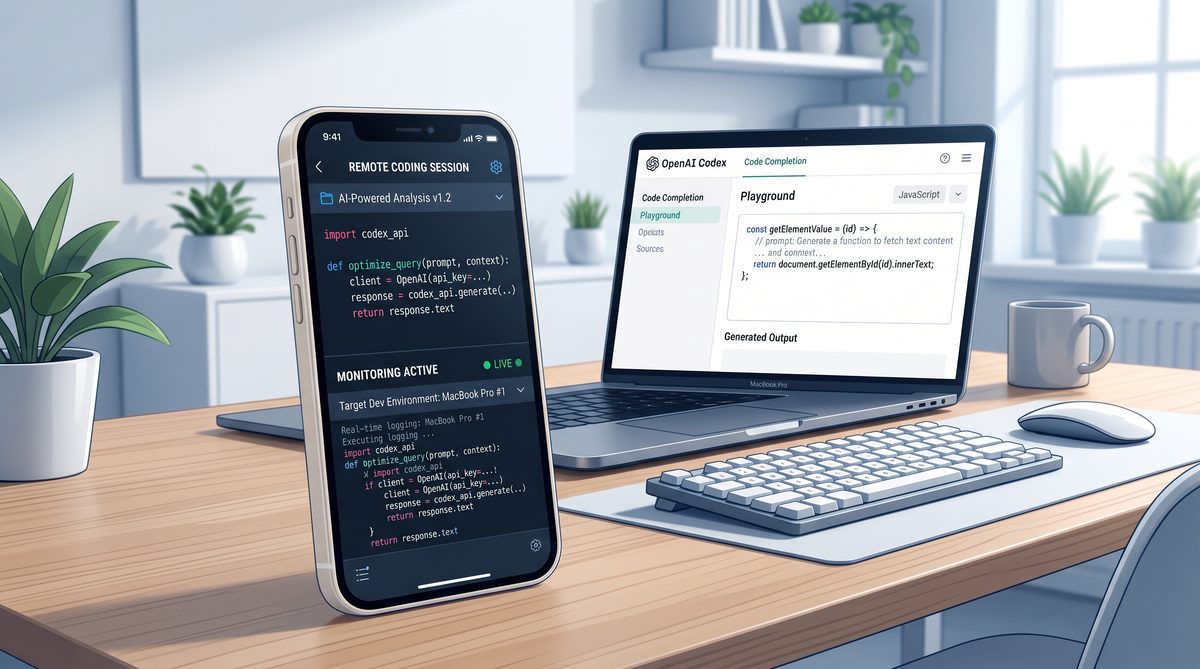
OpenAI Launches Codex Mobile Access Within ChatGPT App, Revolutionizing Remote Coding Management
In a significant leap forward for developer productivity and remote collaboration, OpenAI announced in May 2026 the integration of Codex mobile access directly inside the ChatGPT app. This update enables users to seamlessly monitor, steer, and approve coding tasks from their mobile devices, marking a transformative step toward more flexible and efficient software development workflows. By embedding Codex’s powerful AI coding assistant capabilities into mobile platforms, OpenAI effectively removes the traditional constraints of location and device dependency, empowering developers to stay connected and productive regardless of their physical environment.
Alongside the mobile rollout, OpenAI introduced enhanced desktop capabilities, including advanced computer usage features and a new Chrome integration that streamlines coding activities within the browser environment. These innovations collectively underscore OpenAI’s commitment to creating a unified, cross-platform coding ecosystem powered by AI. The synergy between mobile accessibility and enriched desktop tools not only broadens the scope of AI-assisted development but also fosters a more collaborative and responsive coding culture.
These developments come at a crucial time when remote work and distributed teams have become the norm in software engineering. By enabling real-time AI-powered code management across devices, OpenAI is addressing the evolving needs of modern developers and organizations striving for agility, scalability, and enhanced collaboration.
Background and Context
OpenAI Codex, initially launched in 2021, is an AI system designed to assist with code generation, comprehension, and debugging. Embedded within tools like GitHub Copilot and various IDE plugins, Codex has become an indispensable aid for developers worldwide. However, until now, Codex’s full capabilities were predominantly available on desktop environments, limiting real-time task management when away from a workstation.
The integration of Codex into the ChatGPT mobile app addresses this limitation head-on. By enabling users to interact with Codex-powered coding assistants remotely, developers can maintain oversight and control of their projects on the go, ensuring continuous momentum without sacrificing quality or security. This move reflects a broader industry trend toward mobile-first solutions that prioritize accessibility and responsiveness.
Moreover, this mobile integration leverages advances in edge computing and optimized AI model deployment, ensuring that interactions remain fast and reliable even on bandwidth-constrained networks. The ChatGPT app’s interface has been redesigned to accommodate complex coding workflows on smaller screens while maintaining usability and clarity.
From a historical perspective, this evolution builds upon years of incremental advances in AI-powered code assistance, which began with simple autocomplete features and have now matured into fully interactive coding collaborators. OpenAI’s mobile Codex access represents the next logical step in this trajectory, bringing sophisticated AI tools into the hands of developers wherever they are.
Key Features of Mobile Codex Access
OpenAI’s mobile Codex integration introduces several core features designed to empower users with comprehensive control over coding workflows:
- Real-Time Monitoring: Users receive live updates on ongoing coding tasks initiated by Codex, including code generation progress, test results, and error logs. This feature includes granular notifications that can be customized per project or task type, ensuring developers stay informed without overwhelming distractions.
- Task Steering: Mobile users can provide feedback and directional input to Codex mid-task, allowing iterative refinement of generated code without needing desktop access. For example, users can specify coding style preferences, request alternative implementations, or flag potential issues that Codex should address in subsequent iterations.
- Approval and Deployment: Completed code snippets or modules can be reviewed and approved directly from the app, triggering deployment pipelines or version control commits remotely. This integration supports popular CI/CD platforms such as Jenkins, GitHub Actions, and CircleCI, enabling seamless transitions from code generation to production.
- Security and Authentication: Multi-factor authentication and encrypted communication channels ensure that task management remains secure across devices. Additionally, role-based access controls allow team administrators to define permissions, restricting sensitive operations to authorized personnel only.
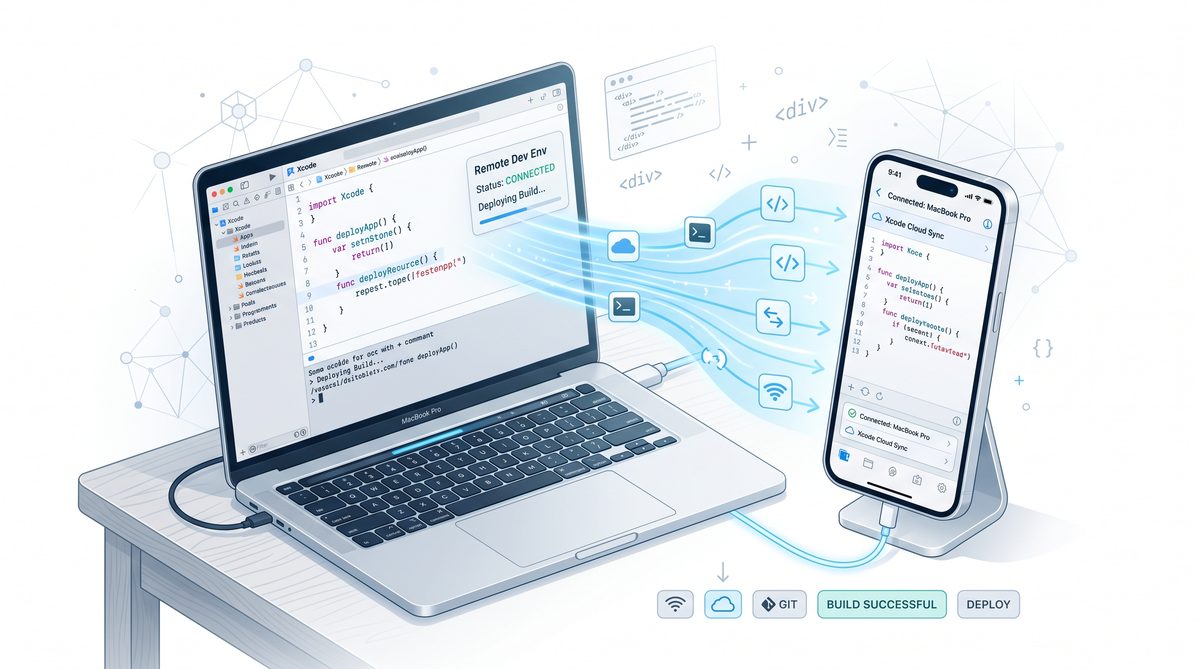
- Context Synchronization: Codex maintains full contextual awareness across desktop and mobile sessions, preserving coding environment states, project files, and user preferences. This synchronization includes support for complex project structures, multiple branches, and dependency graphs, ensuring continuity in development regardless of device switching.
- Offline Mode and Sync: Recognizing that developers may encounter intermittent connectivity, the mobile app supports offline task review and annotation, syncing changes automatically once network access is restored.
- Integrated Chat and Collaboration: The app incorporates a chat interface allowing developers and stakeholders to discuss specific code snippets, share feedback, and annotate tasks directly within the Codex workflow, fostering real-time collaboration.
These features collectively provide a robust framework for managing AI-powered coding activities anytime and anywhere, reducing downtime and enabling agile responses to development challenges. Early adopters have reported substantial improvements in productivity and responsiveness, particularly in fast-paced agile development environments.
How Mobile Codex Access Enhances Developer Productivity and Collaboration
The ability to monitor and manage coding tasks remotely directly addresses several pain points faced by developers and engineering teams. Traditionally, coding sessions and AI-assisted code generation require physical presence at workstations equipped with development environments. The new mobile functionality enables:
- Continuous Workflow Management: Developers can intervene in Codex tasks during commutes or outside typical office hours, maintaining momentum on critical projects. This capability reduces bottlenecks caused by geographic dispersion or unexpected schedule changes, fostering more fluid project timelines.
- Improved Code Quality Through Iterative Steering: Instead of waiting until task completion, users can iteratively guide Codex’s output, resulting in higher quality and more relevant code generation. This dynamic interaction helps catch potential logic errors, adhere to coding standards, and align implementations with evolving requirements.
- Faster Review Cycles: Code reviews and approvals can happen in real-time from anywhere, significantly reducing bottlenecks in development pipelines. Developers and reviewers can exchange comments, request changes, and finalize merges without delay, accelerating release cadences.
- Enhanced Team Collaboration: Product managers and team leads can monitor AI-generated code progress and provide strategic input without needing deep programming expertise or desktop access. This democratization of oversight improves transparency and alignment across cross-functional teams.
- Reduced Context Switching: By centralizing coding task management on a single mobile platform, developers minimize the cognitive load associated with juggling multiple tools and communication channels, promoting focus and efficiency.
- Improved Responsiveness to Critical Issues: When urgent bugs or security vulnerabilities arise, developers can swiftly review and approve Codex-generated patches remotely, minimizing downtime and risk exposure.
By bridging the gap between desktop development environments and mobile accessibility, OpenAI empowers developers to maintain oversight and control over AI-assisted coding processes flexibly and securely. This paradigm shift also supports modern distributed development teams, enabling asynchronous yet tightly coordinated workflows.
Use Cases in Professional and Educational Settings
Industry professionals have already begun exploring the advantages of mobile Codex access in various scenarios:
- Remote Code Debugging: Developers encountering bugs while away from their desks can inspect Codex-generated suggestions and approve fixes remotely. For instance, a developer on a business trip can receive real-time alerts about a production issue, analyze AI-suggested patches, and deploy fixes promptly without waiting to return to their laptop.
- On-the-Spot Feature Adjustments: Product owners and designers can propose feature tweaks or behavioral changes to Codex-generated code during meetings, streamlining the feedback loop. This immediacy helps reduce miscommunication and accelerates the path from concept to implementation.
- Student Coding Assistance: Educators can monitor student progress in coding assignments powered by Codex, providing guidance through the mobile app and ensuring academic integrity. The app supports contextual hints, plagiarism detection, and progress analytics, enhancing the educational experience.
- Freelance and Contract Work: Freelancers can keep clients updated on AI-assisted coding deliverables and secure approvals on the fly, enhancing transparency and trust. Real-time notifications and task summaries help maintain clear communication and accountability.
- Hackathons and Rapid Prototyping: Teams participating in hackathons can leverage mobile Codex access to coordinate AI-assisted coding sprints, even when members are physically separated or multitasking.
- Accessibility for Developers with Disabilities: Mobile Codex access combined with voice input and screen reader support opens new avenues for developers with physical challenges to engage with coding tasks more effectively.
These use cases illustrate the broad applicability and transformative potential of OpenAI’s mobile Codex capabilities across diverse user groups. By accommodating varied workflows and environments, the platform fosters inclusivity and innovation in software development.
New Desktop Features: Computer Use Integration and Chrome Enhancement
In tandem with the mobile rollout, OpenAI unveiled powerful new desktop features designed to complement Codex’s mobile capabilities and further streamline developer workflows. These enhancements deepen the integration between AI assistance and the developer’s local environment, enabling more sophisticated and context-aware interactions.
Computer Use Integration
The new computer use integration feature allows ChatGPT, enhanced with Codex, to interact directly with the user’s desktop environment to perform complex coding and system tasks. This includes:
- Automated Code Execution: Codex can execute code snippets within local IDEs or terminal shells under user supervision, enabling seamless testing and debugging. This functionality supports multiple programming languages and environments, including Python, JavaScript, C++, and Rust, adapting to user preferences.
- File System Navigation: Users can instruct Codex to read, modify, or create files across projects, automating repetitive tasks such as refactoring or configuration updates. For example, Codex can batch rename variables, update dependency versions, or insert standardized license headers across multiple files.
- Environment Awareness: Codex can detect installed libraries, runtime environments, and project dependencies to tailor code generation accordingly. This awareness extends to virtual environments, containerized setups like Docker, and cloud-based development containers, ensuring generated code is compatible and optimized.
- Debugging Assistance: The integration enables Codex to analyze stack traces, log files, and runtime errors directly from the user’s machine, offering targeted suggestions to resolve issues faster.
- Resource Management: Codex can monitor system resources and suggest optimizations to improve build times, memory usage, or execution efficiency.
This deeper desktop integration significantly reduces context switching, as developers can delegate more operational tasks to Codex while focusing on higher-level problem solving. Early user feedback highlights substantial time savings and smoother workflows, particularly when handling large, complex codebases.
Chrome Integration for In-Browser Coding
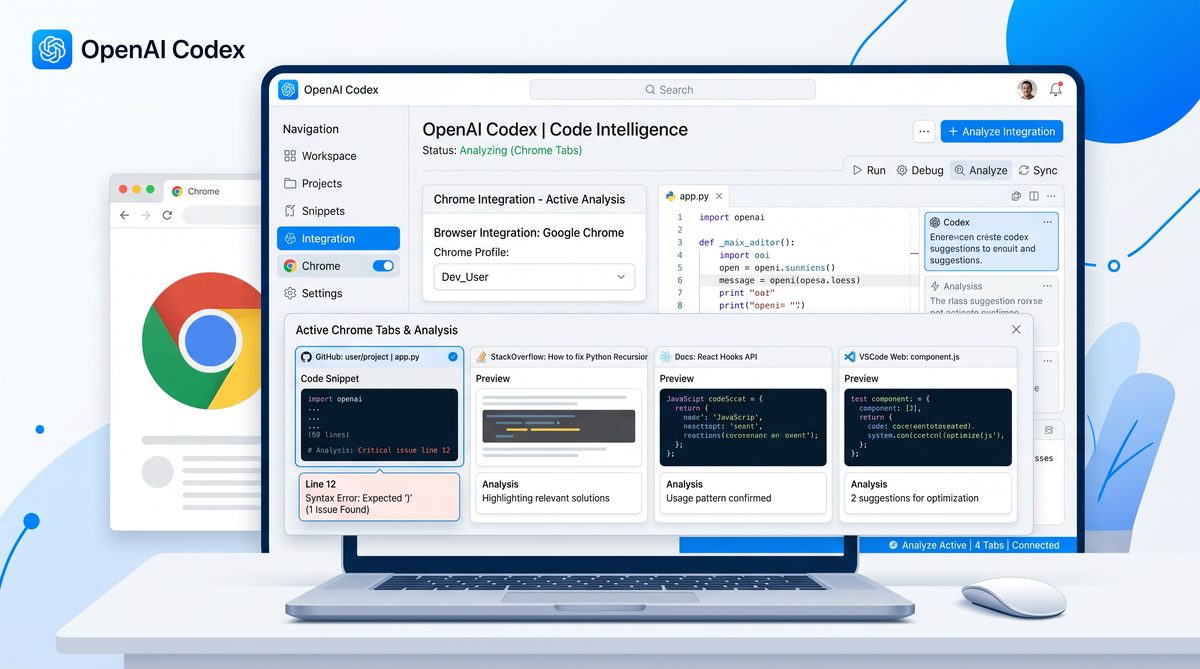
OpenAI also launched a dedicated Chrome extension integrating Codex-powered ChatGPT directly into the browser. This feature enables:
- In-Browser Code Generation: Developers can generate, edit, and test code snippets inline on web-based IDEs, documentation platforms, and code review tools. This capability supports popular platforms like GitHub, GitLab, Replit, and StackBlitz, enhancing browser-based development.
- Contextual Assistance: The extension recognizes the coding context within browser tabs and offers real-time suggestions, completions, and explanations. For example, if a user is reviewing a pull request, Codex can summarize changes, identify potential issues, or propose alternative implementations directly within the interface.
- Seamless Workflow Transitions: Users can effortlessly transfer coding sessions between desktop IDEs, the ChatGPT app, and the Chrome extension, maintaining continuity. This includes syncing open files, code snippets, and task statuses, enabling fluid movement between devices and environments.
- Security and Privacy Controls: The extension adheres to strict permission models, ensuring user data remains private and secure. Users can configure which sites Codex can access and control data synchronization settings.
- Collaboration Features: Real-time co-editing and shared annotations within browser-based IDEs are supported, allowing teams to collaborate more effectively without leaving the browser.
This integration enhances accessibility and convenience, allowing developers to leverage AI assistance wherever their work takes place, whether in standalone applications or web-based platforms. It also lowers the barrier to entry for newer developers who may prefer browser-based tools over traditional desktop IDEs.
Comparative Overview of Codex Access Features
| Feature | Mobile ChatGPT App | Desktop ChatGPT App | Chrome Extension |
|---|---|---|---|
| Code Generation and Editing | Yes, with task steering and approval | Yes, with full IDE integration and local code execution | Yes, inline in-browser editing with contextual assistance |
| Real-Time Task Monitoring | Yes, with customizable notifications and live updates | Yes, with detailed logs, debugging tools, and execution feedback | Limited to active browser sessions and tab context |
| Code Execution | No direct execution, requires desktop sync | Yes, supports local execution, debugging, and testing | No, but allows interaction with web-based runtimes |
| Context Synchronization | Full synchronization across devices and sessions | Full synchronization with environment awareness | Partial, dependent on browser tab and permissions |
| Security Features | Multi-factor authentication, encrypted communication, role-based access | Multi-factor authentication, encrypted communication, local environment sandboxing | Browser sandboxing, permissions management, strict data privacy controls |
| Collaboration Tools | Integrated chat and annotation within tasks | Supports team collaboration via shared project contexts | Real-time co-editing and inline annotations |
| Offline Support | Yes, with offline review and sync | Limited, generally requires active connection | No |
Implications for the Future of AI-Powered Software Development
OpenAI’s expansion of Codex access across mobile and desktop platforms signals a pivotal evolution in how AI can augment human programmers. By enabling developers to engage with AI coding assistants flexibly and securely from any device, OpenAI is fostering a more adaptive and responsive development culture. This paradigm shift is particularly relevant as software development increasingly embraces distributed, asynchronous, and agile methodologies.
This approach may catalyze broader adoption of AI tools in software development, driving productivity gains and lowering barriers for novices and professionals alike. The convergence of mobile accessibility, desktop power, and browser convenience creates a cohesive ecosystem where AI seamlessly complements human creativity and expertise. As a result, developers can focus more on problem-solving and innovation rather than repetitive or mechanical tasks.
Furthermore, as AI-assisted coding becomes more integrated into everyday workflows, organizations can expect accelerated development cycles, improved code quality, and enhanced collaboration across distributed teams. The ability to oversee and steer AI coding tasks remotely also introduces new paradigms for project management and quality assurance, enabling more dynamic and data-driven decision-making.
From a strategic standpoint, these advancements may influence hiring practices, team structures, and educational curricula by emphasizing AI literacy alongside traditional programming skills. Developers proficient in orchestrating AI coding tools will likely gain a competitive advantage in the evolving job market.
Looking ahead, OpenAI plans continuous improvements including deeper integrations with popular IDEs such as Visual Studio Code, JetBrains suite, and Eclipse; enhanced natural language understanding for more intuitive code queries; expanded language and framework support; and advanced debugging and testing capabilities powered by AI.
Case studies from early adopters highlight transformative impacts:
- Global Tech Firm: A multinational software company reported a 30% reduction in bug resolution time after integrating mobile Codex access into their development workflow, enabling engineers to respond to critical issues immediately regardless of location.
- Educational Institution: A leading university incorporated Codex mobile access into their computer science curriculum, resulting in increased student engagement and improved assignment completion rates through real-time AI-assisted feedback.
- Startup Accelerator: Several startups leveraged the Chrome extension and mobile Codex features to rapidly prototype and iterate on product features, shortening time-to-market and enhancing investor confidence.
For developers and organizations looking to maximize the benefits of AI-assisted programming, staying informed about these advancements and adopting cross-device workflows will be crucial. The new Codex mobile access and desktop features represent not just incremental upgrades, but foundational tools that redefine how code is created, reviewed, and deployed.
OpenAI Codex for Non-Developers: 7 New Features That Make AI Coding Accessible to Everyone
As OpenAI continues to iterate and expand on these capabilities, the developer community can expect an increasingly intuitive, powerful, and interconnected AI coding experience that enhances both individual and team productivity. The ongoing feedback loop between user communities and OpenAI’s development teams ensures that these tools evolve to meet real-world needs and challenges.
ChatGPT Coding Masterclass Part 2: Prompt Engineering for Developers in the Era of GPT-5.3-Codex
Overall, the integration of Codex mobile access within the ChatGPT app and the simultaneous desktop enhancements mark a watershed moment in AI-assisted software engineering, one that will shape the industry for years to come. By unlocking unprecedented levels of flexibility, collaboration, and intelligence in coding workflows, OpenAI is paving the way for a new era of software innovation driven by human-AI partnership.
How to Use OpenAI Codex on Your Phone: Complete Mobile Setup and Remote Coding Guide
Access 40,000+ AI Prompts for ChatGPT, Claude & Codex — Free!
Subscribe to get instant access to our complete Notion Prompt Library — the largest curated collection of prompts for ChatGPT, Claude, OpenAI Codex, and other leading AI models. Optimized for real-world workflows across coding, research, content creation, and business.
