
**Topic:** “Mastering Custom GPTs: How Developers Can Build and Deploy Tailored AI Assistants Using OpenAI’s Latest API Features” **Why it’s trending/high-value:** With OpenAI’s recent rollout of customizable GPT models, developers now have unprecedented control to create AI assistants fine-tuned for specific industries, workflows, or user needs. This tutorial/news article would dive deep into the step-by-step process of leveraging these new API capabilities, showcasing practical use cases, optimization techniques, and deployment best practices. It addresses the growing developer demand to move beyond generic AI and build specialized, high-performance conversational agents—making it a must-read for the chatgptaihub.com audience eager to stay ahead in the AI app development space.
“`html
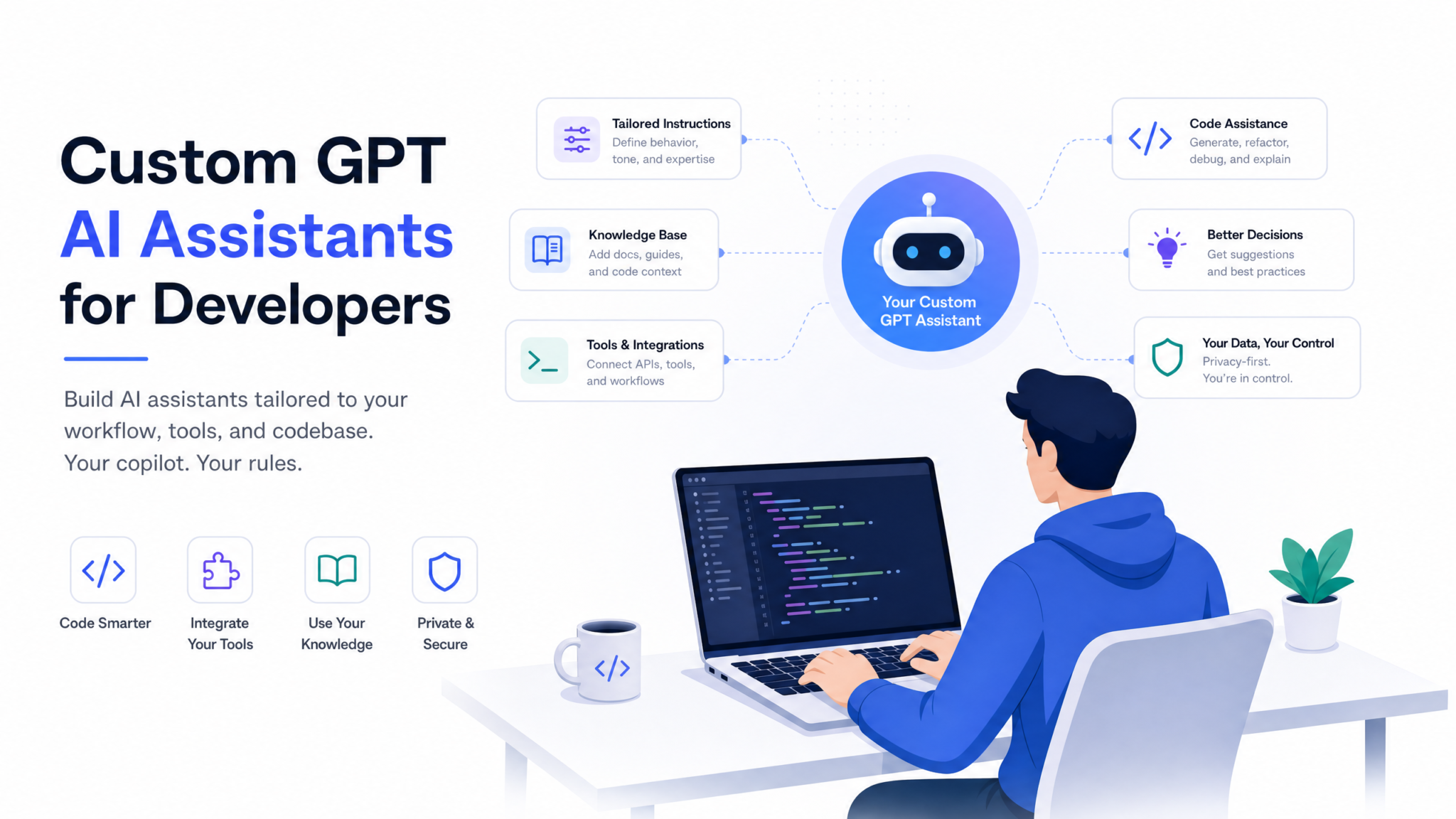
Mastering Custom GPTs: How Developers Can Build and Deploy Tailored AI Assistants Using OpenAI’s Latest API Features
Unlock the full potential of OpenAI’s API with expert guidance on custom GPT development, deployment best practices, and practical coding tutorials.
Introduction to Custom GPT Development with OpenAI API
In today’s fast-evolving AI landscape, custom GPT development is a game changer for developers aiming to create intelligent assistants optimized for specific tasks, industries, or user requirements. Leveraging the OpenAI API, you can build and deploy AI assistants with capabilities tailored precisely to your needs.
This comprehensive OpenAI API tutorial dives deep into the step-by-step process for building, fine-tuning, and deploying customized GPT models. Whether you are creating a healthcare chatbot, customer support agent, or specialized coding assistant, this guide equips you with the tools, best practices, and insider tips to succeed.
Why Build Custom GPTs?
- Enhanced performance: Tailor your assistant’s knowledge base and language style to your domain for more effective interactions.
- Fine-grained control: Customize prompts, behaviors, and responses to align with user expectations.
- Scalability: Deploy assistants across platforms with smooth API integration.
- Cost efficiency: Optimize query frequency and model complexity according to your budget.
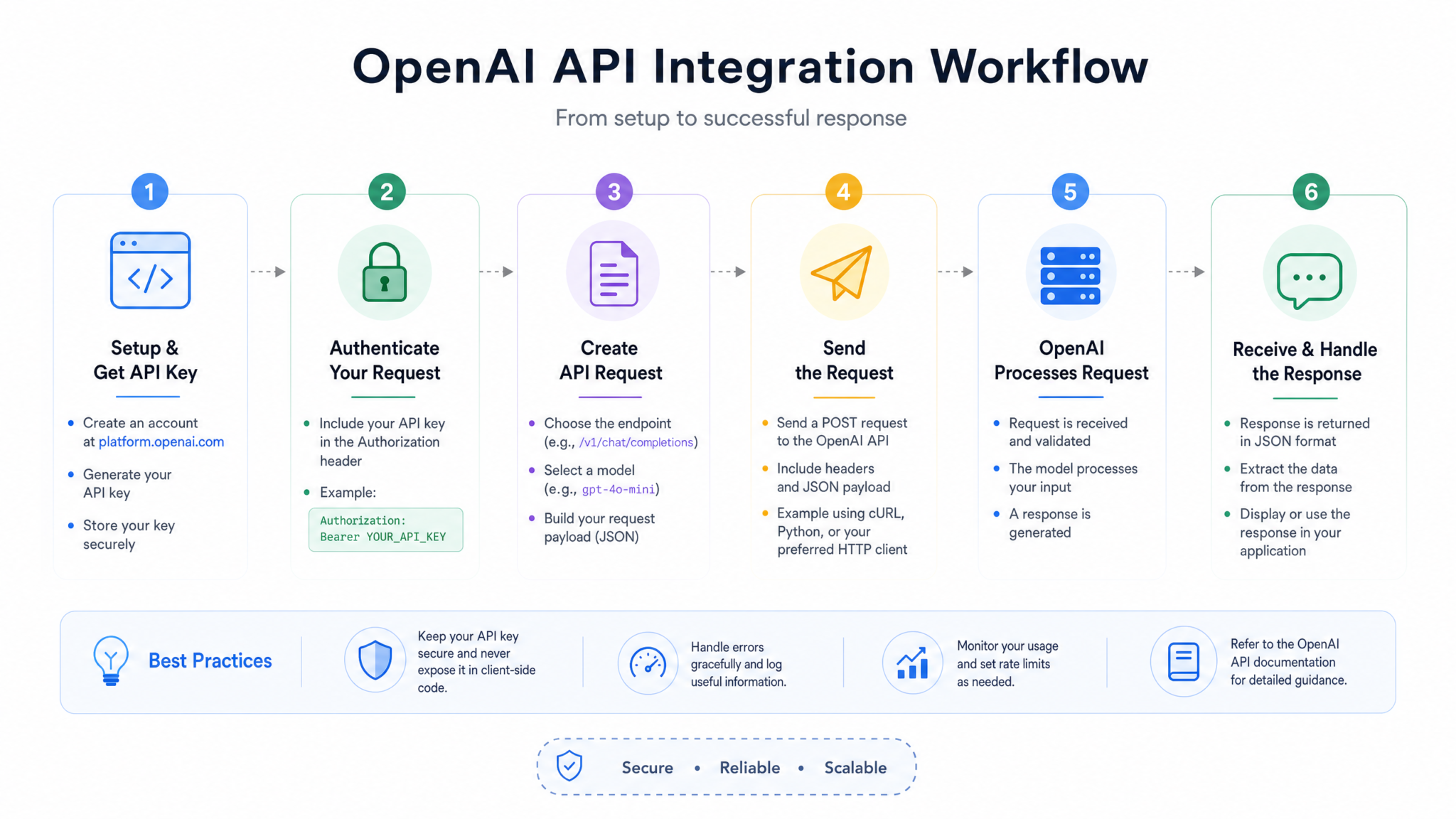
Step-by-Step Development Process for Custom GPTs
1. Setting Up Your Development Environment
Begin by creating an OpenAI account and obtaining API keys. Install the necessary SDKs and tools:
Python 3.8+(or your preferred language environment)openaiSDK viapip install openai- IDE or code editor optimized for API development
Refer to our detailed OpenAI API basics guide for environment setup.
2. Understanding OpenAI’s Latest GPT Customization Features
OpenAI introduced new API parameters that allow dynamic prompt engineering, model selection, and response tuning. Key features include:
- Custom instructions: Set behavior and context at the start of a conversation.
- Token management: Control response length and optimize prompt size.
- Temperature & Top_p: Adjust creativity and randomness of outputs.
- Embedding integration: Combine with vector databases for retrieval-augmented generation (RAG).
3. Coding Your First Custom GPT Assistant
Here is a basic Python snippet showcasing custom prompt usage with the OpenAI API:
import openai

openai.api_key = 'your-api-key-here'

def generate_custom_response(user_input):
    response = openai.ChatCompletion.create(
        model="gpt-4o-mini-custom",
        messages=[
            {"role": "system", "content": "You are a helpful assistant specialized in medical advice."},
            {"role": "user", "content": user_input}
        ],
        temperature=0.7,
        max_tokens=500,
        top_p=1
    )
    return response.choices[0].message['content']

if __name__ == "__main__":
    user_question = "What are the common symptoms of influenza?"
    print(generate_custom_response(user_question))
This example demonstrates how you can guide the assistant’s knowledge domain and control output behavior.
4. Integration with Other Tools and APIs
Custom GPT assistants often need to interact with databases, CRMs, or frontend applications. Popular integration patterns include:
- REST API wrappers: Expose your GPT assistant behind a secure API endpoint.
- Webhook connectivity: Trigger GPT interactions based on external events.
- Frontend UI: Build chat interfaces using React, Vue, or Angular frameworks.
See our Customizing GPT models article for integration best practices.
Advanced OpenAI API Tutorial: Optimizing Performance and Accuracy
Fine-Tuning Prompt Engineering
Effective prompt engineering is key to maximizing your custom assistant’s accuracy. Strategies include:
- Set explicit system instructions to define user persona or domain expertise.
- Use few-shot examples to guide responses.
- Iteratively test and refine prompts based on real user queries.
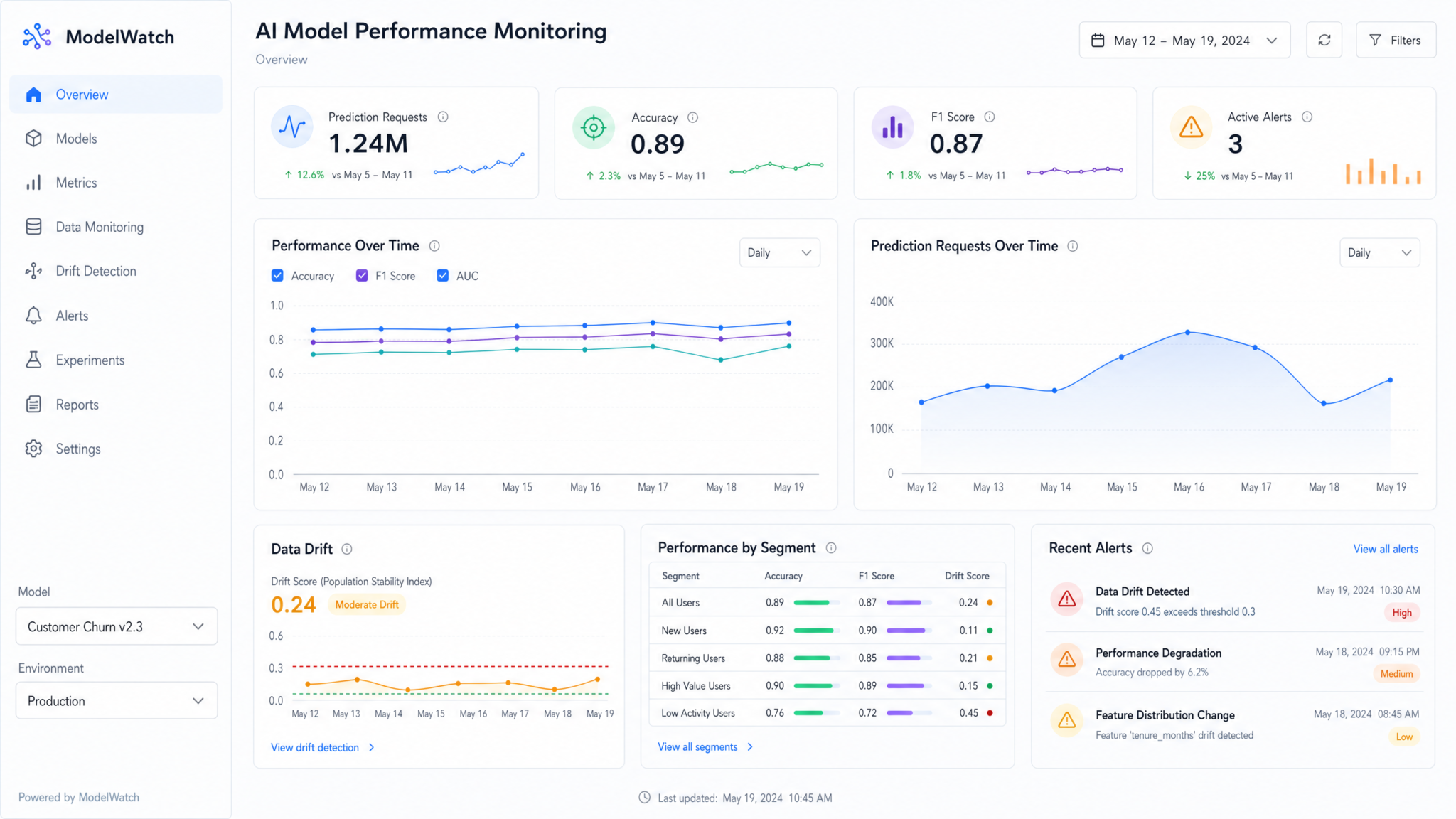
Performance Benchmarks and Monitoring
Track these metrics to ensure your assistant operates efficiently:
| Metric | Description | Recommended Tools |
|---|---|---|
| Response Time | Latency from request to response arrival | Postman, custom scripts, API gateways |
| Token Usage | Number of tokens consumed per query | OpenAI usage dashboard, monitoring scripts |
| Accuracy | Relevance and correctness of responses | User feedback loops, manual review |
Common Pitfalls and How to Avoid Them
- Overfitting to narrow prompts: Avoid making instructions so specific that the model’s flexibility is reduced.
- Excessive token usage: Trim prompt length and use session-based memory when possible.
- Ignoring model updates: Stay up-to-date with OpenAI API changes and optimize accordingly.
Best Practices for Deploying AI Assistants with OpenAI API
Successful deployment goes beyond coding. Consider these critical points:
Security and Compliance
- Keep your API keys secure and rotate regularly.
- Implement authentication and authorization for your assistant endpoints.
- Ensure compliance with data privacy regulations like GDPR or HIPAA if relevant.
Scalability and Load Management
Plan for increased user demand by:
- Implementing caching layers for frequent queries.
- Using asynchronous API requests where applicable.
- Monitoring quota limits and usage trends via OpenAI dashboards.
Continuous Improvement and Feedback Loops
Gather user input to:
- Identify and fix common misunderstandings or errors.
- Update prompts and assistant logic regularly.
- Introduce new training data or context where applicable.
Use Cases Highlight: Custom GPT Assistants in Action
Here are real-world examples illustrating the power of custom GPTs:
Healthcare Chatbots
Assist clinicians with diagnostic suggestions, patient education, and administrative tasks by customizing GPT responses to medical terminology and protocols.
Customer Support Agents
Deliver consistent and personalized customer service experiences by integrating your GPT with CRM systems and company knowledge bases.
Developer Assistants
Build codex-powered AI helpers that understand company-specific codebases, documentation, and deployment workflows for faster development cycles.
Education and Training Tools
Design interactive learning bots tailored to curriculum goals and student performance levels, utilizing adaptive prompt strategies.
Troubleshooting Common Issues in Custom GPT Development
- Unexpected or irrelevant responses: Review the system prompt for clarity and context completeness.
- High token usage costs: Optimize your prompt size and response length; consider summarizing context.
- API rate limits: Implement retry logic with exponential backoff and monitor usage quotas.
- Latency spikes: Use batching if appropriate and check network performance.
Useful Links
Conclusion
Mastering custom GPT development using the OpenAI API empowers developers to create AI assistants that are not just powerful but also precisely tailored to solve domain-specific challenges. This guide has equipped you with a robust understanding of the development cycle—from initial setup, prompt engineering, to deployment and ongoing optimization.
Integrating insights from performance benchmarks, handling common pitfalls, and exploring diverse use cases will ensure your AI assistant delivers exceptional value and user experience. Stay engaged with the latest OpenAI updates and continually refine your systems to remain at the forefront of AI innovation.
“`
