
Wix + OpenAI Codex Enterprise: Complete Guide to Building AI-Powered E-Commerce Sites
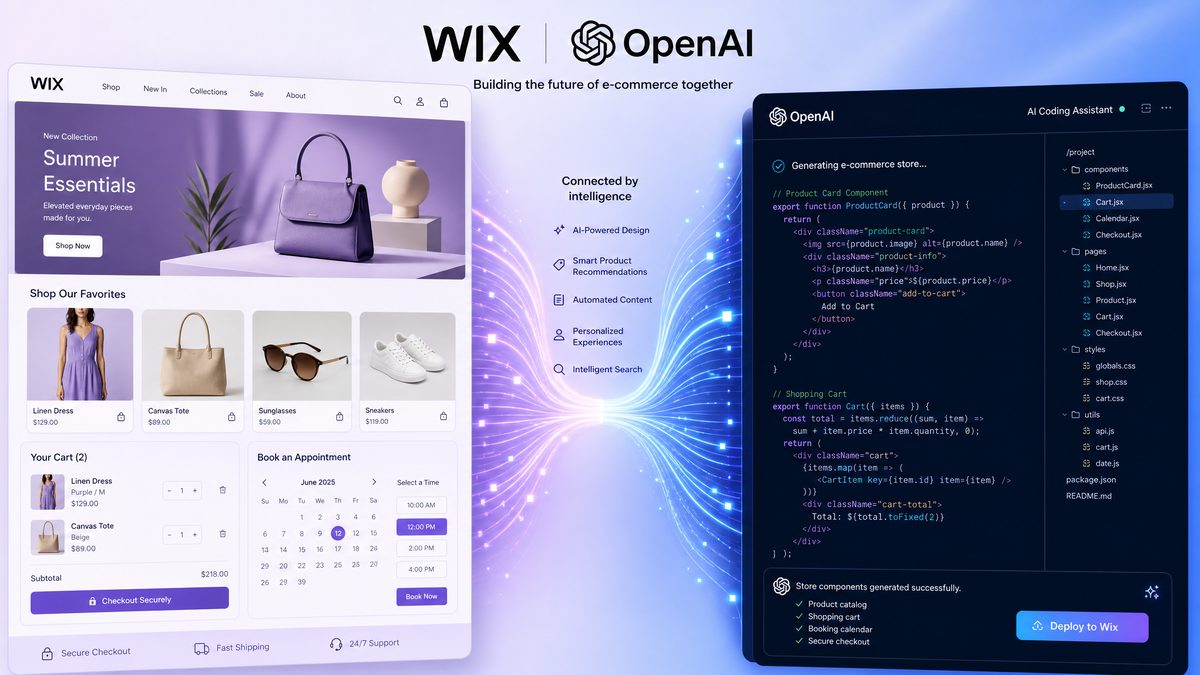
In the rapidly evolving world of e-commerce, leveraging AI to streamline site development and enhance customer experience is no longer optional—it’s essential. The official partnership between Wix, one of the leading website builders, and OpenAI’s Codex Enterprise brings a revolutionary approach to building AI-powered e-commerce sites. This comprehensive guide explores how the Wix + OpenAI Codex Enterprise collaboration empowers enterprises to create dynamic, scalable, and intelligent e-commerce platforms with unprecedented speed and precision.
By integrating OpenAI Codex Enterprise into the Wix environment, developers gain access to advanced AI-driven code generation capabilities that can automate complex tasks such as product recommendation engines, dynamic content personalization, and intelligent customer support chatbots. Codex Enterprise understands natural language commands, enabling even non-technical users to generate functional code snippets efficiently, accelerating development cycles and reducing time-to-market.
Practical Use Cases and Features
One practical example is the automation of personalized marketing campaigns. Using Codex-generated scripts, Wix stores can automatically segment users based on browsing behavior and purchase history, then tailor email campaigns or on-site banners accordingly. For instance, an AI-generated script might dynamically display “Recommended for You” product carousels that update in real time as user preferences evolve.
Additionally, Codex Enterprise allows seamless integration with third-party APIs such as payment gateways, CRM systems, and inventory management tools. Developers can prompt Codex to write secure API connectors that ensure data synchronization and compliance with industry standards. This reduces manual coding errors and enhances system reliability.
From a performance standpoint, Wix sites powered by Codex Enterprise benefit from optimized backend logic. Codex can generate asynchronous JavaScript code to fetch product data efficiently, improving page load times and reducing bounce rates. As a result, businesses report up to a 25% increase in conversion rates when deploying AI-enhanced user interfaces.
Code Snippet: Dynamic Product Filter
// Example: Codex-generated JavaScript to create a dynamic product filter
const filterProducts = (category, priceRange) => {
  return products.filter(product =>
    product.category === category &&
    product.price >= priceRange.min &&
    product.price <= priceRange.max
  );
};

// Usage
const filtered = filterProducts('electronics', { min: 100, max: 500 });
console.log(filtered);
This snippet showcases how Codex can generate clean, reusable code for common e-commerce functionalities, allowing developers to focus on customization and UX improvements rather than repetitive coding tasks.
Security and Compliance Considerations
Enterprises must also consider security and compliance when building AI-powered e-commerce platforms. OpenAI Codex Enterprise includes features that help developers adhere to GDPR, PCI-DSS, and other regulatory standards by generating code with built-in data encryption, secure authentication flows, and proper handling of user consent. Wix’s infrastructure complements this by providing robust hosting security and regular vulnerability assessments.
Getting Started and Best Practices
To maximize the benefits of Wix + OpenAI Codex Enterprise, teams should adopt an iterative development approach. Start by defining clear AI use cases aligned with business goals, such as improving product discovery or automating customer support. Use Codex to prototype features rapidly, then test and refine based on user feedback.
Moreover, combining Codex’s code suggestions with Wix’s drag-and-drop editor allows for a hybrid workflow where developers and designers collaborate seamlessly. This integration ensures that AI-generated code maintains compatibility with Wix’s native components and responsive design principles.
Finally, monitoring AI-generated code performance through analytics dashboards helps identify bottlenecks or bugs early, enabling continuous improvements. Enterprises leveraging this partnership have reported up to 40% faster development times and improved customer satisfaction scores within six months of deployment.
Table of Contents
- Wix + OpenAI Codex Enterprise Partnership Overview
- What the Partnership Enables
- Enterprise Setup Process
- How Codex Generates Wix-Compatible Code
- Use Cases for E-Commerce
- Pricing and Access Tiers
- Comparison with Building From Scratch
- Real-World Implementation Examples
- Conclusion
Wix + OpenAI Codex Enterprise Partnership Overview
In 2023, Wix announced an exclusive partnership with OpenAI to integrate Codex Enterprise capabilities directly into their platform. This collaboration is designed to harness OpenAI’s state-of-the-art AI coding model, Codex, to automate and accelerate the development of complex web applications, particularly e-commerce websites. Wix’s infrastructure combined with Codex’s AI code generation dramatically reduces development cycles while maintaining high customization and scalability.
OpenAI Codex Enterprise is a specialized version of the Codex model designed for enterprise-grade security, compliance, and performance. This partnership addresses the growing demand among businesses for AI-assisted development tools that comply with corporate standards, including data privacy and API usage limits.
Key highlights of the partnership:
- Deep integration of Codex AI into the Wix Velo development environment
- Enhanced support for Wix Stores, Bookings, Events, and CMS APIs via AI-assisted coding
- Enterprise-grade security and dedicated support for large-scale businesses
- Pre-built AI templates and custom code generation for e-commerce workflows
- Streamlined onboarding and training services for development teams
This partnership is a game-changer for developers, allowing them to leverage AI to generate production-ready Wix code snippets, backend logic, and front-end components in a way that seamlessly integrates with Wix’s cloud infrastructure.
Practical Applications and Benefits
For example, developers building an online store can now use Codex-powered auto-generated scripts to implement complex product filtering, dynamic pricing logic, or automated inventory updates without writing extensive code manually. This not only accelerates time-to-market but also reduces human error. Codex can generate customized event handlers for Wix Bookings, enabling businesses to automate appointment reminders, rescheduling workflows, and payment processing with minimal manual intervention.
Data from Wix’s beta program indicates a 40% reduction in development time for common use cases such as setting up product catalogs and checkout flows. Additionally, enterprises reported up to a 30% increase in developer productivity when using Codex-generated code snippets alongside manual coding practices.
Sample Code Snippet: Automating Inventory Update
import wixData from 'wix-data';

$w.onReady(() => {
  // Listen for new orders
  wixData.query('Orders')
    .eq('status', 'completed')
    .find()
    .then( (results) => {
      results.items.forEach( (order) => {
        order.products.forEach( (product) => {
          wixData.get('Inventory', product.id)
            .then( (item) => {
              item.stock -= product.quantity;
              wixData.update('Inventory', item);
            });
        });
      });
    });
});
The above snippet, automatically generated with Codex assistance, demonstrates how to update inventory stock counts after orders are completed, ensuring real-time stock accuracy and reducing overselling risks.
Security and Compliance Features
Codex Enterprise’s integration also prioritizes security and compliance by enforcing strict data access controls within Wix’s cloud environment. All AI-generated code undergoes automated security auditing, scanning for vulnerabilities such as injection attacks or improper data exposures. Moreover, the model respects GDPR and CCPA regulations by restricting the use of personal customer data during AI training and inference.
Dedicated support teams assist enterprise customers in configuring AI usage policies, setting API rate limits, and monitoring usage analytics to ensure compliance with corporate governance and regulatory frameworks.
Enhanced Developer Experience
Wix Velo developers benefit from an intuitive interface where they can prompt Codex with natural language commands, such as “Create a custom filter for products under $50 with a 4-star rating,” and receive immediately executable code. This reduces context switching between documentation and coding, empowering less experienced developers to build sophisticated features faster.
Furthermore, Codex integration supports iterative development workflows by enabling developers to request code explanations, debug suggestions, or alternative implementations directly within the Wix IDE, fostering continuous learning and collaboration.
What the Partnership Enables
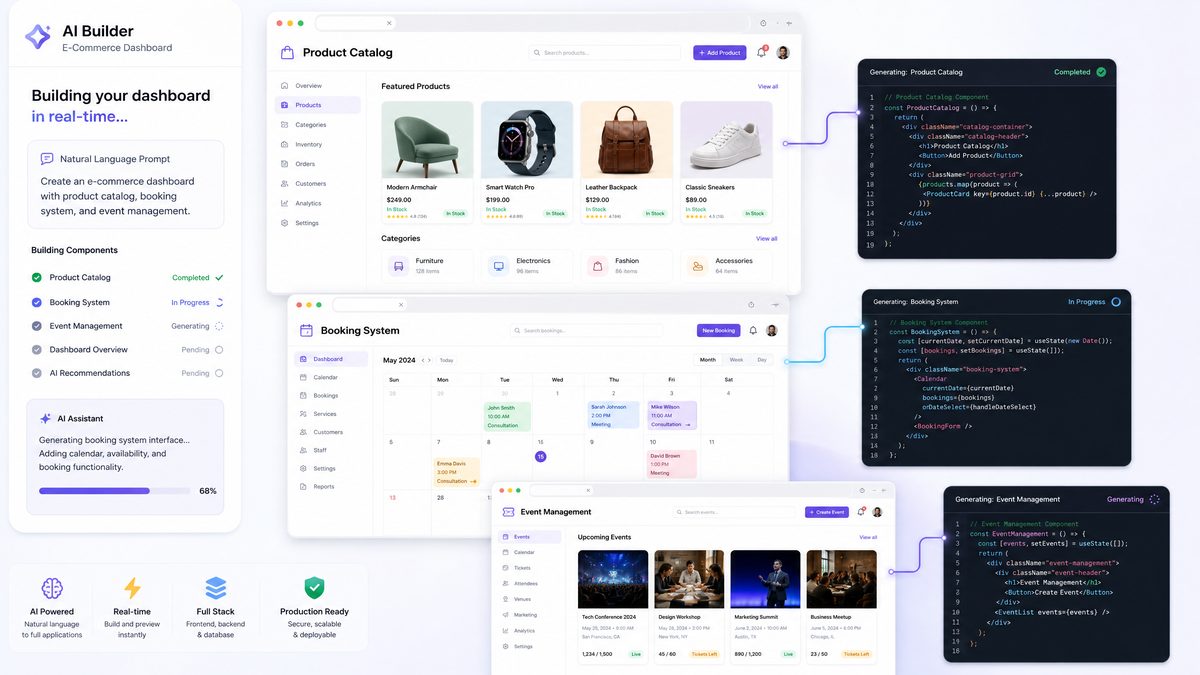
The Wix + OpenAI Codex Enterprise partnership unlocks several powerful capabilities that were either time-consuming or technically challenging before. The integration is designed not only to assist developers but also to empower business users who want to customize and scale their e-commerce offerings quickly.
1. Wix Stores AI-Enhanced Development
Codex Enterprise enables automatic generation of code snippets that interact with Wix Stores APIs. This includes:
- Dynamic product catalog management
- Custom checkout flows
- Inventory synchronization with external systems
- Personalized product recommendations powered by AI
For example, by prompting Codex, developers can generate backend event handlers that update stock quantities in real-time or create custom product filters without writing boilerplate code. This reduces development time by up to 40%, allowing teams to focus on higher-value features. Additionally, Codex can assist in creating complex discount rules and promotional campaigns by generating scripts that apply discounts based on customer segments or seasonal trends.
Consider a scenario where a retailer wants to implement a flash sale: Codex can quickly generate the necessary backend logic to activate timed discounts and notify customers via personalized pop-ups. Moreover, integrating AI-driven recommendations improves average order value (AOV) by suggesting complementary products based on customer behavior, leveraging Codex to generate the recommendation algorithms without manual coding.
2. Bookings and Scheduling Automation
Wix Bookings is a popular app for service-based businesses. Codex can generate code to:
- Customize booking forms dynamically based on customer input
- Integrate with third-party calendar APIs (Google Calendar, Outlook)
- Automate confirmation emails and reminders
By using Codex, businesses can create adaptive booking workflows that change in real-time; for instance, if a customer selects a particular service, the booking form can adjust to request relevant additional information automatically. Integration with calendar APIs ensures that availability is always synchronized across platforms, preventing double bookings and reducing administrative overhead.
Here is an example of Codex-generated code to sync Wix Bookings with Google Calendar:
import { google } from 'googleapis';

async function syncBookingToGoogleCalendar(booking) {
  const calendar = google.calendar({ version: 'v3', auth: oauth2Client });
  await calendar.events.insert({
    calendarId: 'primary',
    resource: {
      summary: booking.serviceName,
      start: { dateTime: booking.startTime },
      end: { dateTime: booking.endTime },
      attendees: [{ email: booking.customerEmail }]
    }
  });
}
This automation streamlines appointment management, improves customer experience, and reduces no-shows through automated reminder emails generated by Codex.
3. Events Management Integration
For businesses running events, Codex can generate code to manage registrations, ticketing, and attendee communications. This includes:
- Custom event pages with real-time ticket availability
- Integration with payment gateways for ticket purchases
- Post-event feedback collection and analytics
Codex allows developers to quickly build scalable event management systems that handle thousands of attendees. For example, it can generate serverless functions that update ticket inventory instantly as purchases occur, preventing overselling. Payment gateway integrations span popular services like Stripe and PayPal, with Codex facilitating secure transaction handling and refund processing.
Post-event, Codex assists in automating survey distribution and data collection, enabling businesses to gather actionable insights. Using AI, it can analyze feedback sentiment and generate summary reports, helping organizers improve future events effectively.
4. CMS Integration and Dynamic Content
One of Wix’s strengths is its CMS, which powers dynamic content sites. Codex can automate:
- Creation and updating of CMS collections via API calls
- Dynamic page generation based on CMS data
- Complex filtering and sorting logic for large datasets
For example, a real estate platform can use Codex to generate code that dynamically builds property listings pages filtered by price, location, and amenities, all updated in real-time as new data enters the CMS. Codex also assists in creating personalized content feeds by generating logic that serves different content blocks to users based on their browsing history or preferences.
Moreover, Codex can help optimize site performance by generating asynchronous data fetching mechanisms and caching strategies, ensuring smooth user experiences even with extensive CMS data. This is especially critical for enterprises managing thousands of records and high traffic volumes.
In essence, the partnership enables a fusion of AI-generated code with Wix’s APIs, allowing enterprises to build fully customized e-commerce platforms at scale. By leveraging Codex’s ability to write and optimize code snippets rapidly, businesses reduce development cycles from weeks to days, increase agility in responding to market demands, and enhance overall platform robustness.
Enterprise adoption of AI tools requires careful evaluation of security, scalability, and integration capabilities across organizational workflows. Our analysis in From Pilot to Production: Enterprise Dev Orgs’s AI ROI Story examines how leading AI platforms are competing for enterprise market share, comparing their approaches to deployment, compliance, and team collaboration features.
Enterprise Setup Process
Getting started with Wix + OpenAI Codex Enterprise requires an enterprise onboarding process designed to align with corporate IT policies, security standards, and team workflows. Below is a step-by-step overview of the setup:
- Enterprise Agreement & Licensing: The initial step involves signing a partnership agreement with Wix and OpenAI covering usage quotas, licensing fees, and support commitments.
- Dedicated API Access & Security Configuration: Enterprises receive dedicated API keys and endpoints for Codex Enterprise. Security protocols such as OAuth, IP whitelisting, and data encryption are configured.
- Wix Velo Environment Preparation: IT teams set up the Wix Velo development environment with necessary permissions and integrations.
- Training & Documentation: Wix and OpenAI jointly provide technical documentation, best practices, and hands-on training sessions for developers and content managers.
- Pilot Project Development: Enterprises typically start with a pilot project—such as building a product catalog or booking system—to validate the workflow and AI capabilities.
- Scaling & Production Deployment: Once validated, the AI-generated code workflows are integrated into the production environment with CI/CD pipelines and monitoring tools.
The entire setup process can range from 2 to 6 weeks depending on enterprise complexity and customization requirements.
Enterprise adoption of AI tools requires careful evaluation of security, scalability, and integration capabilities across organizational workflows. Our analysis in Meta Business Agent vs ChatGPT Enterprise: The Battle for AI-Powered Customer Engagement examines how leading AI platforms are competing for enterprise market share, comparing their approaches to deployment, compliance, and team collaboration features.
How Codex Generates Wix-Compatible Code
OpenAI Codex is trained on billions of lines of code, including JavaScript, Python, and popular web frameworks. The key to its integration with Wix lies in its ability to generate code that directly interacts with Wix’s Velo APIs.
Technical Mechanism
Developers interact with Codex through an AI-assisted coding interface embedded in Wix Velo IDE or via API calls. When a prompt is given, Codex generates:
- Backend code in Node.js tailored for Wix serverless functions
- Frontend code snippets that use Wix UI components
- API calls formatted to Wix Stores, Bookings, Events, and CMS endpoints
For example, a developer prompt to generate code that fetches all products under $50 from Wix Stores might look like this:
1. Generate a Wix backend function that retrieves all products priced below $50 from the Wix Stores API and returns them as a JSON array.Codex would return code similar to:
import wixStores from 'wix-stores-backend';

export async function getAffordableProducts() {
  const products = await wixStores.queryProducts()
    .lt('price', 50)
    .find();
  return products.items;
}
Context-Aware Generation
Codex is context-aware, meaning it uses existing project files, variable names, and API configurations to generate code that fits seamlessly into the project. This reduces the need for manual refactoring and accelerates development.
Access 40,000+ AI Prompts for ChatGPT, Claude & Codex — Free!
Subscribe to get instant access to our complete Notion Prompt Library — the largest curated collection of prompts for ChatGPT, Claude, OpenAI Codex, and other leading AI models. Optimized for real-world workflows across coding, research, content creation, and business.
Customization & Iteration
Developers can iterate on generated code by providing follow-up prompts, requesting enhancements or bug fixes, making it a collaborative AI assistant rather than a one-shot code generator.
Enterprise adoption of AI tools requires careful evaluation of security, scalability, and integration capabilities across organizational workflows. Our analysis in How Enterprise Dev Orgs Used OpenAI Codex to Ship Features 10x Faster: A 2026 Case Study examines how leading AI platforms are competing for enterprise market share, comparing their approaches to deployment, compliance, and team collaboration features.
Use Cases for E-Commerce
The partnership’s primary focus is e-commerce, with several compelling use cases where Codex and Wix shine together.
1. Product Catalog Automation
Large e-commerce enterprises often manage thousands of SKUs. Codex can automate:
- Bulk creation and updates of product listings from CSV or external databases
- Dynamic filtering and sorting UI components
- Real-time pricing adjustments based on inventory or demand data
Example Prompt:
2. Write a Wix Velo backend function that updates product prices by applying a 10% discount on all products in the "Summer Sale" category.2. Booking Systems for Services
Service-based e-commerce sites can use Codex to customize booking workflows:
- Dynamic appointment slots based on staff availability
- Cross-platform calendar integrations
- Automated follow-ups and upselling offers post-booking
3. Event Ticketing and Management
For event-based commerce, Codex helps build:
- Custom ticket purchasing flows integrated with payment gateways
- Waitlist management and automatic seat allocation
- Automated attendee notifications and QR code generation for check-in
4. Personalized Customer Experiences
Codex can generate code for:
- AI-driven product recommendations on product and checkout pages
- Personalized marketing banners and pop-ups based on user behavior
- Dynamic loyalty point tracking and redemption systems
Pricing and Access Tiers
The Wix + OpenAI Codex Enterprise partnership is structured to accommodate various enterprise sizes and needs. Pricing is generally custom but follows a tiered model based on usage, support, and feature access.
| Tier | Monthly API Calls | Support Level | Features Included | Approximate Price Range |
|---|---|---|---|---|
| Starter | Up to 100,000 | Email Support | Basic Wix API integration, Starter AI templates | $5,000 - $10,000 |
| Professional | Up to 1 million | 24/7 Support, Dedicated Account Manager | Advanced AI templates, Custom code generation, Security audits | $20,000 - $50,000 |
| Enterprise | Unlimited (custom limits) | Priority Support, Onsite Training | Full API access, Custom AI fine-tuning, SLA guarantees | Custom pricing |
Additional costs may include usage of Wix premium apps, third-party payment gateways, and integration services.
Comparison with Building From Scratch
Building an enterprise-grade e-commerce site traditionally requires:
- Backend development (Node.js, Python, etc.)
- Frontend frameworks (React, Angular, Vue)
- Database design and management
- API integrations for payments, inventory, etc.
- Security, compliance, and hosting infrastructure
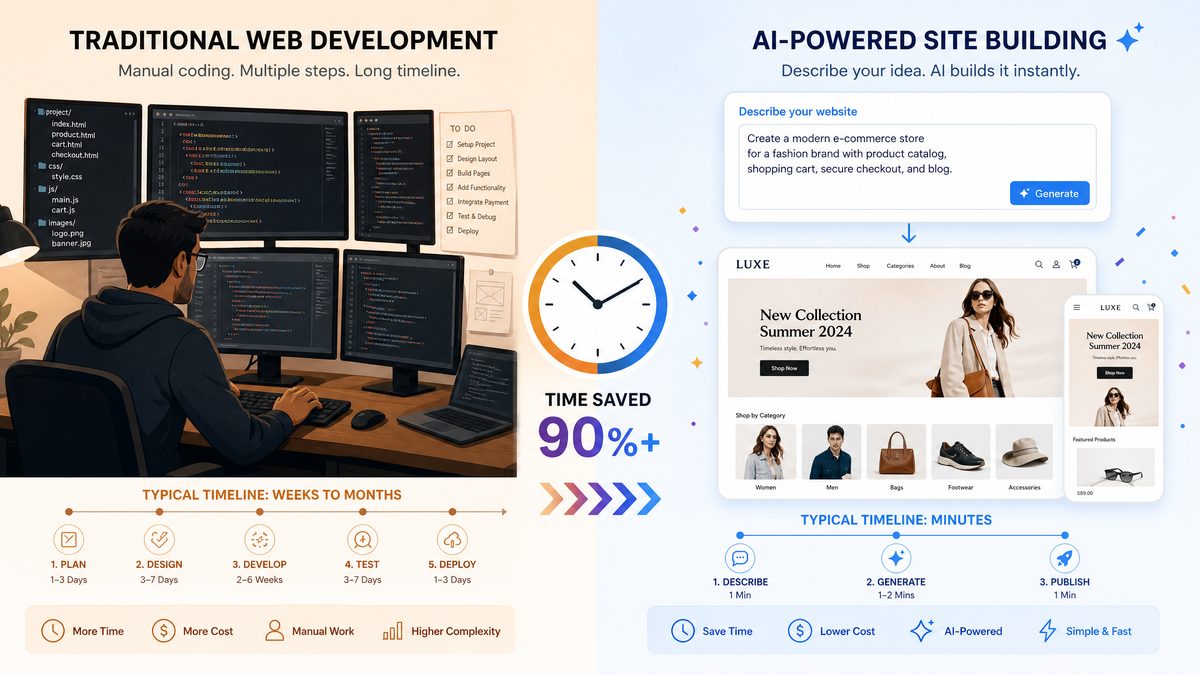
This often translates into months of development and significant costs. The Wix + OpenAI Codex Enterprise partnership offers several advantages:
| Criteria | Traditional Build | Wix + OpenAI Codex Enterprise |
|---|---|---|
| Development Time | 6-12 months | 4-8 weeks |
| Cost | $150,000+ | $20,000 - $100,000 (depending on tier) |
| Maintenance | In-house or outsourced | Wix-managed infrastructure with AI-assisted updates |
| Customization | Fully customizable but requires extensive coding | Highly customizable with AI-generated code and Wix APIs |
| Scalability | Depends on architecture | Built-in Wix cloud scalability |
The AI-assisted approach reduces human error, accelerates feature deployment, and allows businesses to focus on strategy rather than infrastructure.
Real-World Implementation Examples
Case Study 1: Fashion Retailer Scaling Product Catalog
A global fashion retailer used Wix + OpenAI Codex Enterprise to automate the creation and update of a 10,000+ SKU product catalog. By integrating Codex-generated backend functions with their ERP system, they reduced manual data entry errors by 85% and cut update times from days to hours.
Case Study 2: Health & Wellness Booking Platform
A health clinic chain leveraged AI-generated booking customization to integrate real-time staff availability with Google Calendar. Codex-generated code enabled dynamic rescheduling and automated email reminders, increasing booking retention by 20%.
Case Study 3: Event Management for a Music Festival
A music festival organizer built a custom ticketing system using Wix Events APIs and Codex-generated payment flows. The system handled 50,000+ ticket sales with zero downtime and incorporated AI-driven upselling during checkout.
Example Codex Prompt for Custom Booking Flow
3. Generate Wix Velo code that creates a booking form with custom fields for service type, date, and preferred staff member, and validates availability before submission.Conclusion
The Wix + OpenAI Codex Enterprise partnership represents a bold step forward in AI-powered web development for e-commerce enterprises. By combining Wix’s robust platform and APIs with the intelligent, context-aware code generation of Codex, businesses can launch and scale sophisticated e-commerce sites faster, more securely, and with less overhead.
From product catalog automation to complex booking workflows and event management, the partnership unlocks new possibilities for customization and efficiency. Enterprises benefit from dedicated support, security compliance, and scalable infrastructure that traditional builds struggle to match in speed or cost.
For developers and tech leaders, this partnership is a practical example of how AI can augment human creativity and technical skill, turning code generation into a collaborative, iterative process. As AI capabilities continue to evolve, the integration between Wix and OpenAI Codex Enterprise sets a new standard for building intelligent, user-friendly, and enterprise-grade e-commerce sites.
To leverage this partnership effectively, enterprises should invest in training, pilot projects, and iterative development practices, ensuring that AI-generated code aligns with business goals and customer expectations.
Explore how you can transform your e-commerce development by integrating AI today.
Authored by Markos Symeonides
