
⚡ The Brief
- What it is: AI coding agents are advanced tools integrated into development environments to enhance productivity and code quality.
- Who it’s for: These agents are designed for software developers seeking to streamline coding processes and improve collaboration.
- Key takeaways: AI agents utilize modular architectures, natural language understanding, and code synthesis to boost efficiency by 40%.
- Pricing/Cost: Costs vary based on the provider and integration level; some offer subscription models or enterprise solutions.
- Bottom line: AI coding agents significantly enhance development workflows, making them indispensable in modern software engineering.
✓ Instant access✓ No spam✓ Unsubscribe anytime
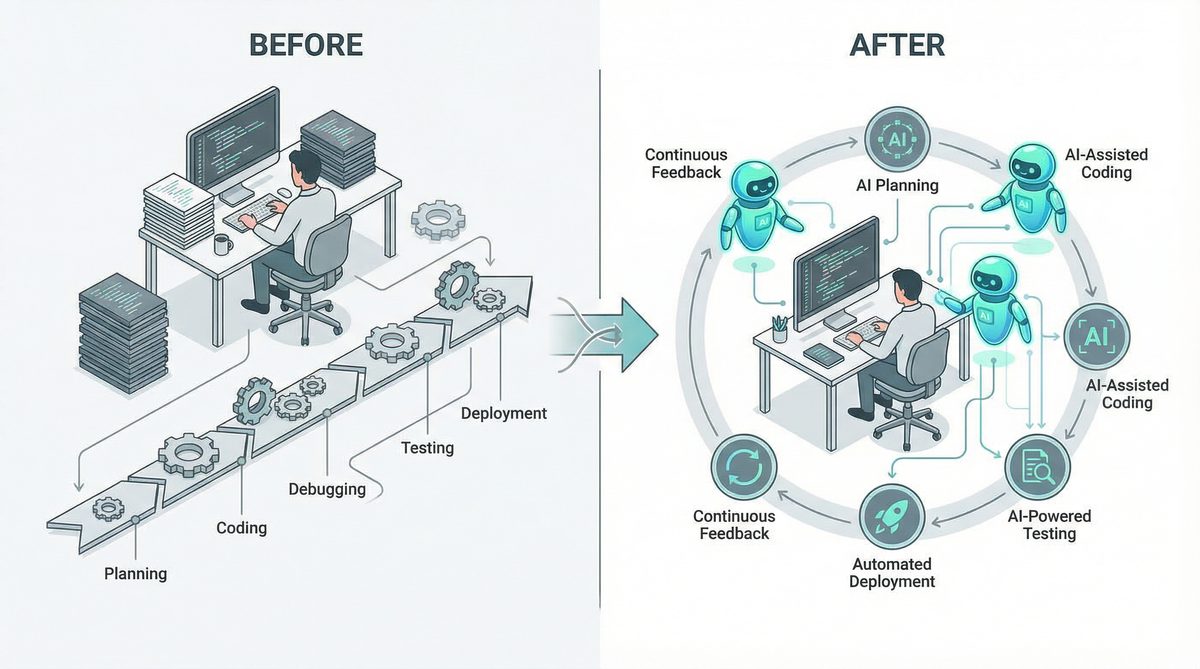
Technical Architecture and Implementation of AI Coding Agents in Modern Development Environments
The widespread adoption of AI coding agents in 2026 is underpinned by significant advances in their technical architecture and integration strategies within modern software development ecosystems. Understanding these implementation details provides insight into how these agents achieve their transformative impact on productivity, code quality, and collaboration.
Modular AI Agent Architecture
Contemporary AI coding agents are built on modular, microservice-oriented architectures that enable flexible deployment and customization across diverse development workflows. These architectures typically comprise the following core components:
- Natural Language Understanding (NLU) Module: Utilizes transformer-based language models fine-tuned on software engineering corpora to accurately interpret developer intents expressed in natural language prompts or comments.
- Code Synthesis Engine: Generates syntactically correct and semantically relevant code snippets by leveraging large pre-trained models such as GPT-4 or specialized code-focused models like Codex. This engine incorporates context from the current codebase, project-specific conventions, and recent commit history.
- Contextual Code Analyzer: Applies static and dynamic analysis techniques to the existing codebase to ensure that generated code aligns with project architecture, adheres to style guides, and maintains functional integrity.
- Feedback and Learning Loop: Tracks developer interactions, accepts user corrections, and continuously refines output quality through reinforcement learning with human feedback (RLHF), enabling personalized agent behavior over time.
- Integration API Layer: Provides seamless connectivity with integrated development environments (IDEs), version control systems (VCS), continuous integration/continuous deployment (CI/CD) pipelines, and issue trackers.
Integration within Development Workflows
Implementing AI coding agents effectively requires embedding them deeply within existing development tools and processes to minimize disruption and maximize utility. Key integration points include:
- IDE Plugins and Extensions: Agents are delivered as sophisticated plugins for popular IDEs such as Visual Studio Code, JetBrains IntelliJ, and Eclipse. These plugins enable real-time code suggestions, automated refactoring, and instant documentation generation directly within the developer’s workspace.
- Version Control Hooks: AI agents analyze pull requests and commits to provide automated code reviews, detect potential bugs, and suggest improvements before code merges, significantly reducing manual review overhead.
- CI/CD Pipeline Automation: During build and test phases, agents automatically generate and execute unit and integration tests, prioritizing coverage gaps identified through static analysis, ensuring higher-quality releases with fewer regressions.
- ChatOps and Collaboration Tools: Integration with platforms like Slack, Microsoft Teams, and Jira allows developers to interact with AI agents conversationally, request code snippets, or debug assistance directly within team communication channels.
Advanced Capabilities Enabled by AI Coding Agents
Beyond simple code completion, AI agents now deliver sophisticated functionalities that address complex development challenges:
- Semantic Code Search and Retrieval: Agents leverage embeddings and vector databases to perform deep semantic searches across vast code repositories, enabling developers to discover relevant examples, APIs, or reusable modules rapidly.
- Automated Code Refactoring and Optimization: Intelligent detection of code smells and anti-patterns allows agents to propose targeted refactoring strategies that improve maintainability and performance without altering application behavior.
- Multi-Language and Cross-Platform Support: The underlying AI models are trained on multilingual codebases, enabling seamless assistance across languages such as Python, JavaScript, Go, Rust, and emerging domain-specific languages, supporting heterogeneous tech stacks.
- Security Vulnerability Detection: Agents incorporate security-focused static analysis models to identify common vulnerabilities (e.g., SQL injection, cross-site scripting) during code generation and review phases, proactively enhancing application security.
Scalability and Performance Considerations
To meet the demands of enterprise-scale development, AI coding agents are deployed using cloud-native infrastructures optimized for scalability and low latency. Key technical strategies include:
- Model Compression and Distillation: Large language models are compressed using techniques such as quantization and knowledge distillation to reduce inference latency and computational cost while preserving accuracy.
- Edge Computing Deployment: Certain AI agent components are deployed on edge devices or developer workstations to enable offline functionality and reduce dependency on cloud connectivity, improving responsiveness.
- Asynchronous Processing Pipelines: Background analysis tasks, such as extensive codebase indexing and test generation, are performed asynchronously to avoid disrupting real-time developer interactions.
- Resource-Aware Adaptation: Agents dynamically adjust their complexity and response depth based on available computational resources, user preferences, and project criticality.
Challenges in Implementation and Future Directions
Despite significant progress, practical deployment of AI coding agents encounters several technical challenges:
- Contextual Understanding Limitations: Maintaining accurate long-term context across large and evolving codebases remains difficult, occasionally leading to irrelevant or outdated code suggestions.
- Integration Complexity: Ensuring compatibility and smooth operation across diverse IDEs, languages, and build systems requires extensive engineering effort and ongoing maintenance.
- Bias and Security Risks: AI models trained on public code repositories may inadvertently reproduce insecure or biased coding patterns, necessitating rigorous validation and filtering mechanisms.
- Data Privacy and Compliance: Handling proprietary code in cloud-based AI services raises concerns about intellectual property protection and regulatory compliance, driving demand for on-premises and federated learning solutions.
Future implementations aim to improve agents’ contextual reasoning by integrating advanced program analysis and symbolic reasoning techniques alongside neural models. Additionally, adaptive user interfaces that tailor AI assistance to individual developer styles and project contexts are being actively researched to enhance adoption and effectiveness.
Industry Impact and Competitive Landscape of AI Coding Agents in 2026
By 2026, AI coding agents have driven a profound shift not only within software development teams but across the entire technology industry. These agents have evolved from isolated coding assistants to fully integrated platforms that influence strategic business decisions, competitive positioning, and market dynamics. This section explores the multifaceted industry impact, analyzes the competitive landscape shaped by AI coding technologies, and considers future implications for the software development ecosystem.
Transformation of Software Development Industry Structure
The introduction of AI coding agents has catalyzed structural changes across software development firms, from startups to global enterprises. Key industry transformations include:
- Automation-Driven Efficiency: AI coding agents automate routine and repetitive coding tasks such as boilerplate code generation, unit test creation, and code refactoring. This automation reduces the manual effort required, significantly compressing product development cycles and enabling faster iteration on features.
- Shift in Talent Demand: Organizations increasingly prioritize hybrid skill sets, combining traditional software engineering expertise with AI literacy and prompt engineering capabilities. This shift has reshaped hiring criteria and professional development, emphasizing the ability to effectively collaborate with AI agents in coding tasks.
- Democratization of Software Development: AI coding agents lower the barrier to entry for non-expert programmers by providing context-aware code suggestions and debugging assistance. This democratization enables smaller players and non-technical stakeholders to contribute meaningfully to software creation, expanding the pool of contributors and fostering innovation.
Market Analysis: AI Coding Agents as a Growth Segment
The AI coding agent market has emerged as one of the fastest-growing segments within the broader software development tools industry. Market research firms estimate that by the end of 2026, the AI coding agent market will exceed $12 billion in annual revenue, driven by several key factors:
- Enterprise Adoption: Large enterprises in sectors such as finance, healthcare, and telecommunications have integrated AI coding agents into their DevOps pipelines, seeking to improve operational efficiency and maintain competitive advantage. AI-powered code review, vulnerability scanning, and continuous integration have become standard offerings.
- Subscription and SaaS Models: Vendors increasingly deploy AI coding agents through cloud-based subscription models, enabling scalable access, frequent updates, and integration with existing development environments. This shift has accelerated adoption among small and medium-sized businesses by reducing upfront costs.
- Vertical-Specific Solutions: Specialized AI coding agents tailored for industry-specific programming languages, frameworks, and compliance requirements have gained traction. For example, agents optimized for embedded systems programming in automotive or avionics domains address stringent safety and certification standards.
Competitive Landscape: Key Players and Differentiators
The competitive landscape of AI coding agents is characterized by a diverse array of players, from established tech giants to innovative startups. Key competitive dynamics include:
- Platform Integration and Ecosystem Lock-In: Leading vendors focus on deep integration of AI coding agents within popular IDEs, cloud platforms, and version control systems. This ecosystem approach creates switching costs and encourages long-term customer retention.
- Proprietary Model Architectures: Differentiation increasingly relies on proprietary large language models (LLMs) fine-tuned for code generation, with enhanced contextual understanding, multi-language support, and domain-specific knowledge. Models leveraging retrieval-augmented generation (RAG) techniques provide real-time access to internal codebases and external documentation, improving accuracy and relevance.
- Collaboration and Knowledge Sharing Features: Vendors incorporate AI-powered pair programming, natural language code explanation, and automated documentation generation to enhance collaboration among distributed teams, a critical factor in the post-pandemic hybrid work environment.
- Security and Compliance Capabilities: With growing concerns about code integrity and regulatory compliance, competitive advantage hinges on AI agents’ ability to detect and remediate security vulnerabilities, enforce coding standards, and support audit trails.
Future Implications: Toward Autonomous Software Development
Looking beyond 2026, the trajectory of AI coding agents points toward increasingly autonomous software development processes. Anticipated developments and implications include:
- End-to-End AI-Driven DevOps Pipelines: AI agents will not only generate code but also autonomously manage deployment, monitoring, and incident response through integrated observability tools, thereby enabling continuous delivery with minimal human intervention.
- Adaptive Learning and Personalization: Future AI coding agents will leverage continual learning from individual developer behaviors and project-specific contexts to provide hyper-personalized coding assistance, improving relevance and reducing cognitive load.
- Ethical and Governance Frameworks: As AI assumes greater responsibility in software creation, robust frameworks for accountability, bias mitigation, and transparency will become essential. Industry consortia and regulatory bodies are expected to establish standards governing AI-generated code provenance and liability.
- Integration with Quantum Computing Paradigms: As quantum computing matures, AI coding agents will evolve to assist in quantum algorithm development and hybrid classical-quantum software architectures, unlocking new computational capabilities.
- Disruption of Traditional Software Engineering Roles: The role of software engineers will evolve toward higher-level design, AI supervision, and system orchestration, emphasizing creativity, ethical judgment, and strategic planning over manual coding.
Conclusion
AI coding agents in 2026 have transcended their initial role as productivity enhancers to become strategic pillars in the software development industry. Their impact on market dynamics, competitive strategies, and workforce evolution underscores the transformative power of AI in reshaping technological innovation. Organizations that strategically adopt and integrate AI coding agents will not only accelerate software delivery but also redefine the future of engineering excellence.
Advanced Strategies and Best Practices for Maximizing AI Coding Agent Effectiveness
Get Free Access to 40,000+ AI Prompts
Join 40,000+ AI professionals. Get instant access to our curated Notion Prompt Library with prompts for ChatGPT, Claude, Codex, Gemini, and more — completely free.
Get Free Access Now →No spam. Instant access. Unsubscribe anytime.
As AI coding agents become deeply integrated into software development pipelines, mastering advanced strategies and adhering to best practices is essential to fully realize their potential while mitigating risks. This section outlines expert recommendations and common pitfalls based on extensive industry experience in 2026, providing a technical roadmap for organizations and developers to optimize AI-driven workflows.
1. Integrating AI Coding Agents into Continuous Integration/Continuous Deployment (CI/CD) Pipelines
One of the most impactful practices is embedding AI coding agents directly into CI/CD workflows. By automating repetitive coding tasks, generating test cases, and performing static code analysis during build phases, AI agents can accelerate delivery cycles and improve software reliability.
- Automated Test Generation: Use AI to produce unit, integration, and even scenario-based tests dynamically based on code changes. This reduces manual test writing while improving coverage.
- Pre-commit AI Suggestions: Integrate AI agents within code editors and version control hooks to provide real-time code improvements and style corrections before commits, minimizing technical debt.
- Code Review Assistance: Leverage AI to flag potential bugs, security vulnerabilities, and performance bottlenecks during pull request evaluations, enabling faster and higher-quality merges.
Experts recommend configuring AI agent thresholds and confidence levels to prevent overzealous suggestions that may disrupt developer workflows.
2. Establishing Robust AI Prompt Engineering and Feedback Loops
Maximizing AI coding agent output quality often hinges on precise prompt engineering—the art of crafting inputs that guide the AI toward desired results. Organizations should train developers in effective prompt formulation and establish systematic feedback loops to refine AI behavior over time.
- Domain-Specific Prompts: Tailor prompts with contextual information such as project architecture, coding standards, and domain constraints to improve relevance.
- Iterative Refinement: Encourage developers to iteratively adjust AI prompts and validate outputs, fostering an interactive human-AI collaboration.
- Feedback Integration: Capture developer corrections and preferences to fine-tune underlying AI models or adjust prompt templates, enabling continuous improvement.
Advanced teams often employ version-controlled prompt repositories and performance metrics dashboards to monitor AI agent effectiveness systematically.
3. Mitigating Bias and Ensuring Ethical AI Use in Code Generation
AI coding agents derive knowledge from extensive training data, which may embed biases or outdated practices. Proactively addressing these challenges is critical to prevent propagation of security flaws, license infringements, or discriminatory logic.
- Code Provenance Auditing: Implement tools that trace generated code back to training sources, verifying licensing compliance and originality.
- Bias Detection Frameworks: Utilize static analysis and dynamic testing to identify potentially biased or non-inclusive code constructs introduced by AI.
- Human Oversight: Maintain rigorous code review policies with diverse teams to catch ethical and compliance issues that AI might overlook.
Ethical AI governance frameworks should be integrated into development policies to ensure transparency and accountability in AI-assisted coding.
4. Balancing Automation with Developer Autonomy to Prevent Skill Atrophy
While AI agents accelerate coding tasks, overreliance risks diminishing developers’ problem-solving and critical thinking skills. Leading organizations advocate a balanced approach that leverages AI for routine work while encouraging continuous learning.
- Selective Automation: Assign AI agents to generate boilerplate code, documentation, and basic test cases, reserving complex algorithmic design for human engineers.
- Developer Training: Invest in upskilling programs emphasizing AI literacy, prompt engineering, and advanced debugging techniques.
- Collaborative Coding Sessions: Foster pair programming with AI agents as active collaborators, promoting knowledge transfer and shared decision-making.
This balance ensures that developers remain engaged and retain mastery of foundational engineering skills alongside AI augmentation.
5. Optimizing Cost-Efficiency Through Strategic AI Agent Utilization
AI coding agents, especially large language models, can incur substantial computational costs. Expert teams deploy cost management strategies to ensure sustainable usage without sacrificing productivity.
- Tiered AI Usage: Differentiate between lightweight, on-device AI models for everyday coding assistance and cloud-based, large-scale models for complex tasks.
- Usage Monitoring and Quotas: Implement real-time tracking and user quotas to prevent runaway costs and encourage prudent AI utilization.
- Model Fine-Tuning: Customize smaller, fine-tuned models on proprietary codebases to reduce inference costs and improve relevance.
Combining these practices with periodic cost-benefit analyses helps organizations align AI investments with measurable development outcomes.
6. Leveraging AI Agents for Cross-Disciplinary Collaboration and Knowledge Sharing
AI coding agents serve as bridges across diverse engineering roles by translating requirements, generating documentation, and facilitating code comprehension.
- Natural Language to Code: Utilize AI to convert product managers’ user stories directly into executable code snippets, accelerating prototyping.
- Automated Documentation: Generate detailed, context-aware documentation and API specs automatically, improving maintainability.
- Multilingual Code Translation: Employ AI to port legacy codebases across programming languages, easing modernization efforts.
These capabilities enhance cross-team communication and reduce friction between developers, testers, and business stakeholders.
Conclusion
In 2026, mastering AI coding agents requires more than adoption; it demands strategic integration, continuous refinement, and ethical stewardship. By embedding AI deeply into CI/CD pipelines, advancing prompt engineering, mitigating biases, preserving developer skills, managing costs, and fostering collaboration, organizations unlock transformative productivity gains while safeguarding software quality and developer growth. These advanced practices represent the frontier of AI-enabled software development and set the foundation for sustainable innovation in the years ahead.
How AI Coding Agents Are Transforming Software Development: Real-World Impact in 2026
In 2026, AI-assisted coding has evolved from a helpful supplemental tool to an indispensable core competency for software developers worldwide. This transformation is reshaping development workflows, team dynamics, and the very nature of software engineering roles. Leveraging advanced AI coding agents enables developers to accelerate complex tasks, improve code quality, and reduce time to market, while also introducing new challenges around cost management and equitable access across engineering disciplines.
This case study delves into the real-world impact of AI coding agents in 2026, drawing insights from recent surveys, industry deployments, and cutting-edge tool architectures. It explores how AI is now embedded in the software development lifecycle, the tangible benefits realized by organizations, and the nuanced challenges that have emerged alongside growing adoption.
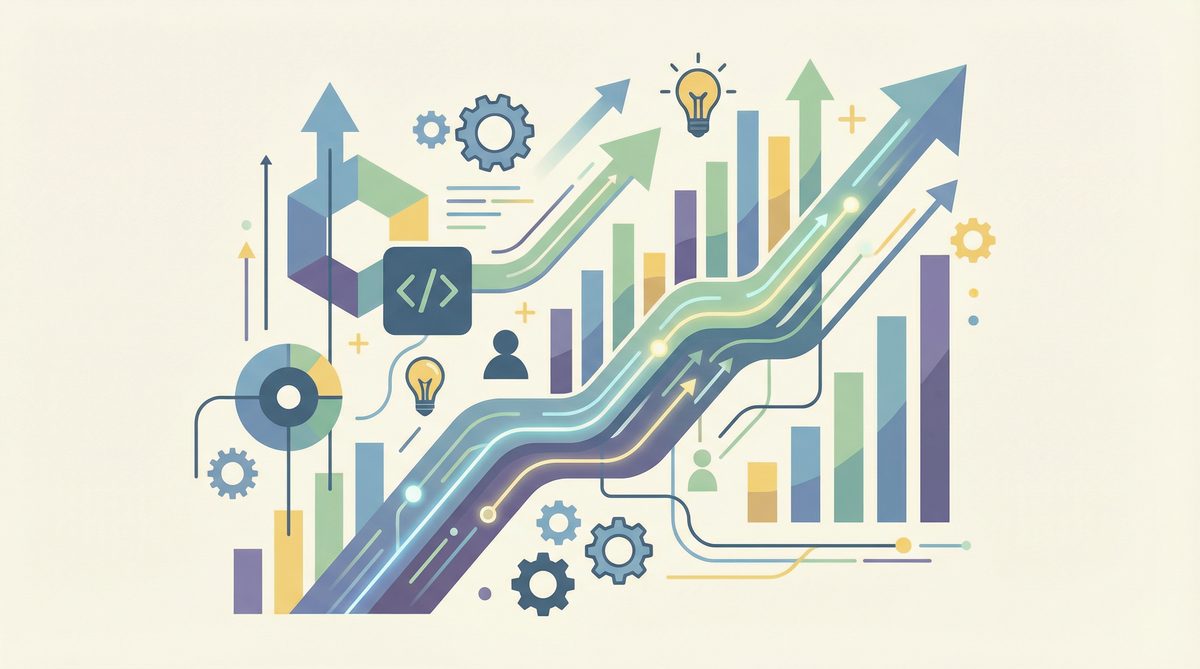
Survey Insights: The Impact of AI on Software Engineers
Get Free Access to 40,000+ AI Prompts
Join 40,000+ AI professionals. Get instant access to our curated Notion Prompt Library with prompts for ChatGPT, Claude, Codex, Gemini, and more — completely free.
Get Free Access Now →No spam. Instant access. Unsubscribe anytime.
Recent industry surveys conducted in early 2026 reveal that AI-assisted coding is now regarded as the single most critical developer skill. According to a comprehensive AI and Software Engineering Impact Survey, over 85% of respondents reported that AI coding agents significantly enhance their productivity, with nearly 70% stating these tools have improved code quality and reduced debugging time.
However, the survey also highlights important disparities in how different types of engineers experience AI integration:
- Frontend Developers: Benefit from AI’s ability to rapidly generate UI components and suggest design pattern optimizations, accelerating prototyping phases.
- Backend Engineers: Gain efficiency through AI-assisted API scaffolding and automated test generation, although complex business logic still requires substantial manual oversight.
- Data Engineers and DevOps Specialists: Experience moderate gains, with AI tools aiding in infrastructure as code scripting and pipeline automation, but adoption remains uneven.
- Security Engineers: Face unique challenges, as AI-generated code may introduce subtle vulnerabilities, necessitating rigorous AI model review layers.
Despite widespread enthusiasm, 62% of engineers expressed concerns regarding the mounting costs associated with extensive AI usage. These costs stem from the computational demands of large language models and the need for multiple API calls during iterative development cycles. Additionally, 48% of respondents worried about imposed usage limits by AI service providers, which can disrupt workflows and limit scalability.
These findings underscore that while AI coding agents deliver substantial productivity boosts, organizations must carefully manage expenditure and plan around service constraints to maximize return on investment.
How Enterprise Teams Are Using AI Agents in Production TodayAI Coding Tool Stack: Orchestration, Execution, and Review Layers
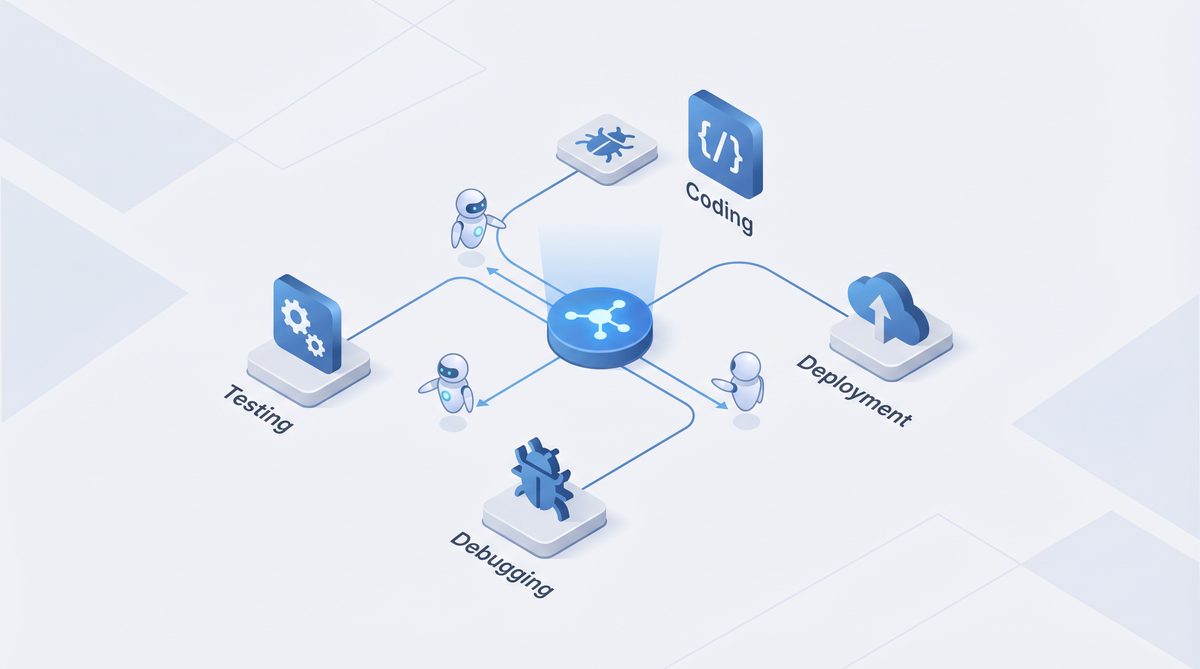
Leading software teams have adopted sophisticated AI coding tool stacks that optimize the development process through three critical layers: orchestration, execution, and review.
- Orchestration Layer: This layer coordinates multiple AI models and tools, intelligently routing coding tasks to the most appropriate AI agents based on task complexity and domain specialization. Orchestration engines dynamically allocate resources, balancing speed and cost efficiency.
- Execution Layer: Executes the AI-generated code suggestions, integrating them into the development environment. This layer ensures seamless interaction between AI agents and developer workflows, including live code editing, continuous integration, and automated testing.
- Review Layer: Implements rigorous validation of AI outputs, employing automated static analysis, security audits, and human-in-the-loop oversight to maintain code quality and compliance standards.
One of the most impactful innovations in 2026 is the implementation of best AI model routing within the orchestration layer. By intelligently assigning distinct coding tasks to specialized AI models, companies have achieved dramatic cost reductions—between 40% and 60%—without sacrificing quality or speed.
For example, simpler code generation tasks like boilerplate creation are routed to smaller, less costly models, while complex algorithm design or security-sensitive code is delegated to more advanced models with higher accuracy and robustness. This nuanced approach optimizes resource consumption and extends AI tool accessibility across diverse engineering teams.
Deploying Codex in Higher Education: Preparing the Next Generation of Developers
Beyond industry, AI coding agents have become a cornerstone in higher education curricula, with institutions integrating OpenAI’s Codex and similar models into computer science programs. This deployment aims to equip students with hands-on experience using AI-assisted development tools, preparing them for the evolving job market in 2026 and beyond.
Universities have reported multiple benefits from Codex integration:
- Enhanced Learning: Students receive immediate coding suggestions and explanations, accelerating comprehension of complex programming concepts.
- Collaborative Projects: AI agents facilitate rapid prototyping and iterative development in team assignments, fostering collaboration and innovation.
- Skill Diversification: Exposure to AI-assisted workflows prepares students for hybrid roles that blend traditional software engineering with AI model management.
However, educators emphasize the importance of maintaining foundational coding skills alongside AI assistance to avoid overreliance on automation. Curricula now balance AI tool usage with core computer science principles, ensuring graduates are versatile and adaptive.
Ongoing research in academic settings also focuses on developing AI literacy frameworks to help students critically assess AI outputs, detect potential biases, and contribute to ethical AI development practices.
Scaling AI Across 100+ Teams: CyberAgent’s Success with ChatGPT Enterprise and CodexChallenges and Future Outlook
While the benefits of AI coding agents are clear, the rapid integration of these technologies into software development raises several challenges that must be addressed for sustained impact:
- Cost Management: Mounting expenses for AI compute resources require innovative pricing models and efficient orchestration strategies to ensure equitable access across organizations of all sizes.
- AI Usage Limits: Service providers’ API usage caps can disrupt continuous development workflows, prompting firms to explore hybrid on-premise and cloud solutions.
- Skill Disparities: Uneven adoption and impact among different engineering disciplines necessitate tailored training programs and cross-functional collaboration.
- Code Quality and Security: Automated review layers must keep pace with evolving AI capabilities to mitigate risks of bugs and vulnerabilities introduced by AI-generated code.
- Ethical Considerations: Transparency around AI decision-making, bias mitigation, and responsible data usage remain critical as AI agents influence software that billions rely on.
Looking ahead, the convergence of AI coding agents with emerging technologies such as quantum computing, advanced natural language understanding, and augmented reality promises to further revolutionize software development methodologies. Organizations investing in robust AI tool stacks and comprehensive training will lead the next wave of innovation.
How Notion, Ramp, and Braintrust Scaled OpenAI Codex Across Their Engineering Teams: An Enterprise Case StudyConclusion
The real-world impact of AI coding agents in 2026 is transformative. These tools have redefined software engineering, elevating AI-assisted coding to a core professional skill. While challenges around costs, usage limits, and equitable adoption remain, the benefits in productivity, code quality, and developer empowerment are undeniable.
By embracing sophisticated AI orchestration frameworks and integrating AI literacy into education, the software development ecosystem is poised for continued evolution. As AI coding agents mature, they will not only accelerate coding tasks but also catalyze new paradigms in creativity, collaboration, and problem-solving.
Useful Links
- OpenAI Codex Official Blog
- Gartner: How AI is Transforming Software Development
- ACM Article on AI Tools in Software Engineering
- edX Course: AI for Software Engineers
- TechRepublic: Managing AI Costs in Software Development
Frequently Asked Questions
How do AI coding agents improve developer productivity?
AI coding agents improve productivity by automating repetitive tasks, providing real-time code suggestions, and ensuring code quality through advanced analysis. They integrate seamlessly with existing tools, allowing developers to focus on complex problem-solving rather than mundane coding tasks.
What are the core components of an AI coding agent?
Core components include a Natural Language Understanding module, a Code Synthesis Engine, a Contextual Code Analyzer, a Feedback and Learning Loop, and an Integration API Layer. These components work together to interpret developer intents, generate relevant code, and ensure alignment with project standards.
Which IDEs support AI coding agent plugins?
AI coding agent plugins are available for popular Integrated Development Environments (IDEs) such as Visual Studio Code, JetBrains IntelliJ, and Eclipse. These plugins offer features like real-time code suggestions and automated refactoring directly within the developer's workspace.
How do AI coding agents handle code quality and style?
AI coding agents use a Contextual Code Analyzer to apply static and dynamic analysis techniques. This ensures generated code aligns with project architecture, adheres to style guides, and maintains functional integrity, thereby improving overall code quality.
What role does reinforcement learning play in AI coding agents?
Reinforcement learning with human feedback (RLHF) allows AI coding agents to refine their output quality over time. By tracking developer interactions and accepting user corrections, agents learn to provide more personalized and accurate code suggestions.
Are AI coding agents disruptive to existing workflows?
AI coding agents are designed to integrate deeply within existing development tools and processes, minimizing disruption. They enhance utility by embedding within IDEs, version control systems, and CI/CD pipelines, ensuring a smooth transition and improved productivity.
🕐 Instant∞ Unlimited🎁 Free
Get Free Access to 40,000+ AI Prompts
Join 40,000+ AI professionals. Get instant access to our curated Notion Prompt Library with prompts for ChatGPT, Claude, Codex, Gemini, and more — completely free.
Get Free Access Now →No spam. Instant access. Unsubscribe anytime.
