
Vibe Coding and the AI Revolution in App Development: A 2026 Perspective
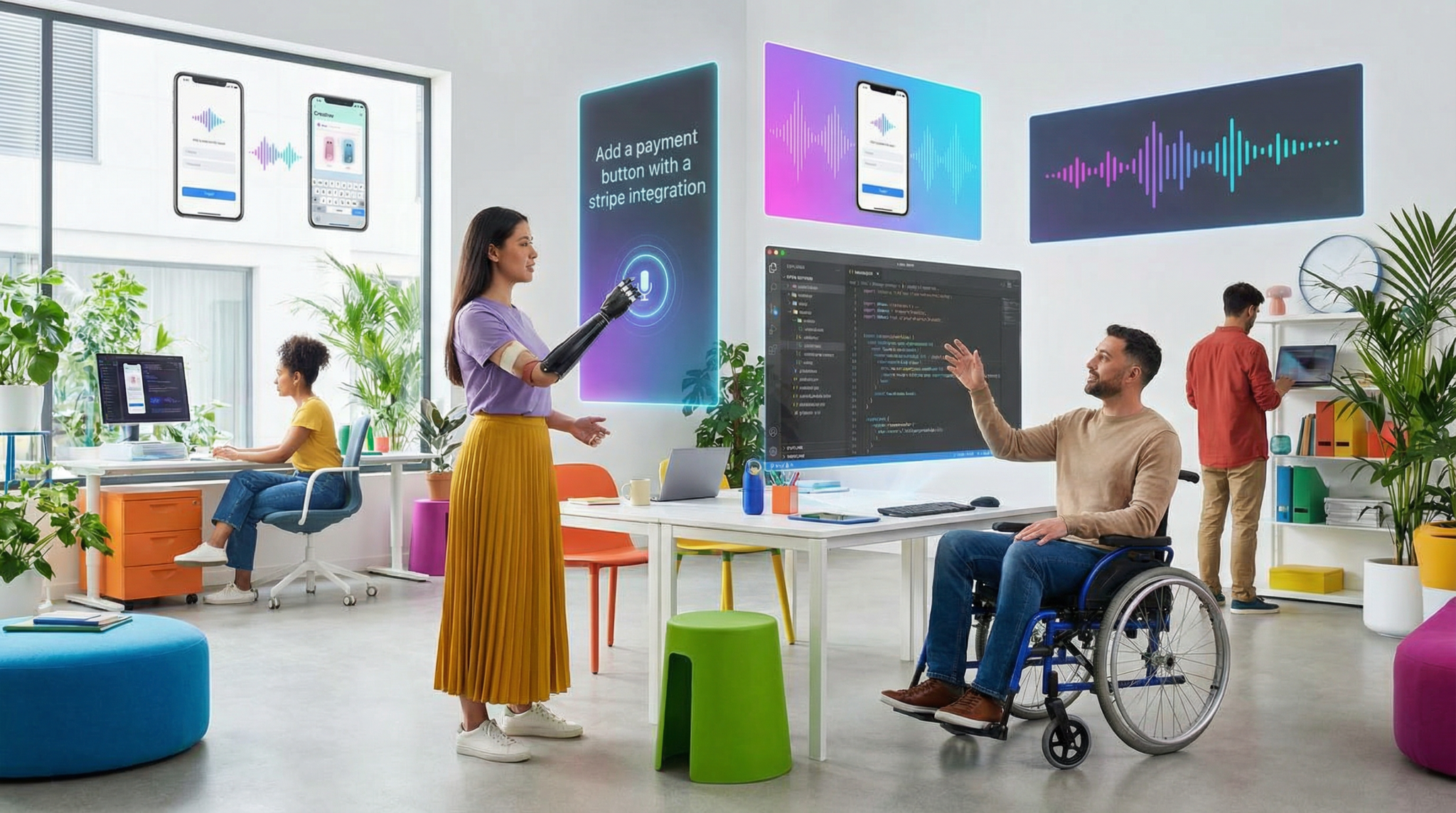
In recent years, the app development landscape has undergone transformative shifts, driven by advances in artificial intelligence and novel programming paradigms. Among these, vibe coding has emerged as a groundbreaking approach that leverages AI to streamline and enhance the creative process behind building applications. As we move through 2026, AI-powered tools like Claude Code and OpenAI Codex are redefining how developers conceptualize, write, and deploy software.
Understanding Vibe Coding: A New Paradigm
Vibe coding is more than just a coding technique; it represents an intuitive, context-aware style of programming where AI assistants actively collaborate with developers. Instead of merely generating code snippets, AI models anticipate developer intent, suggest holistic design patterns, and dynamically adjust outputs based on evolving project needs. This synergy fosters rapid prototyping and reduces the cognitive load traditionally associated with software engineering.
The Surge in App Development Activity
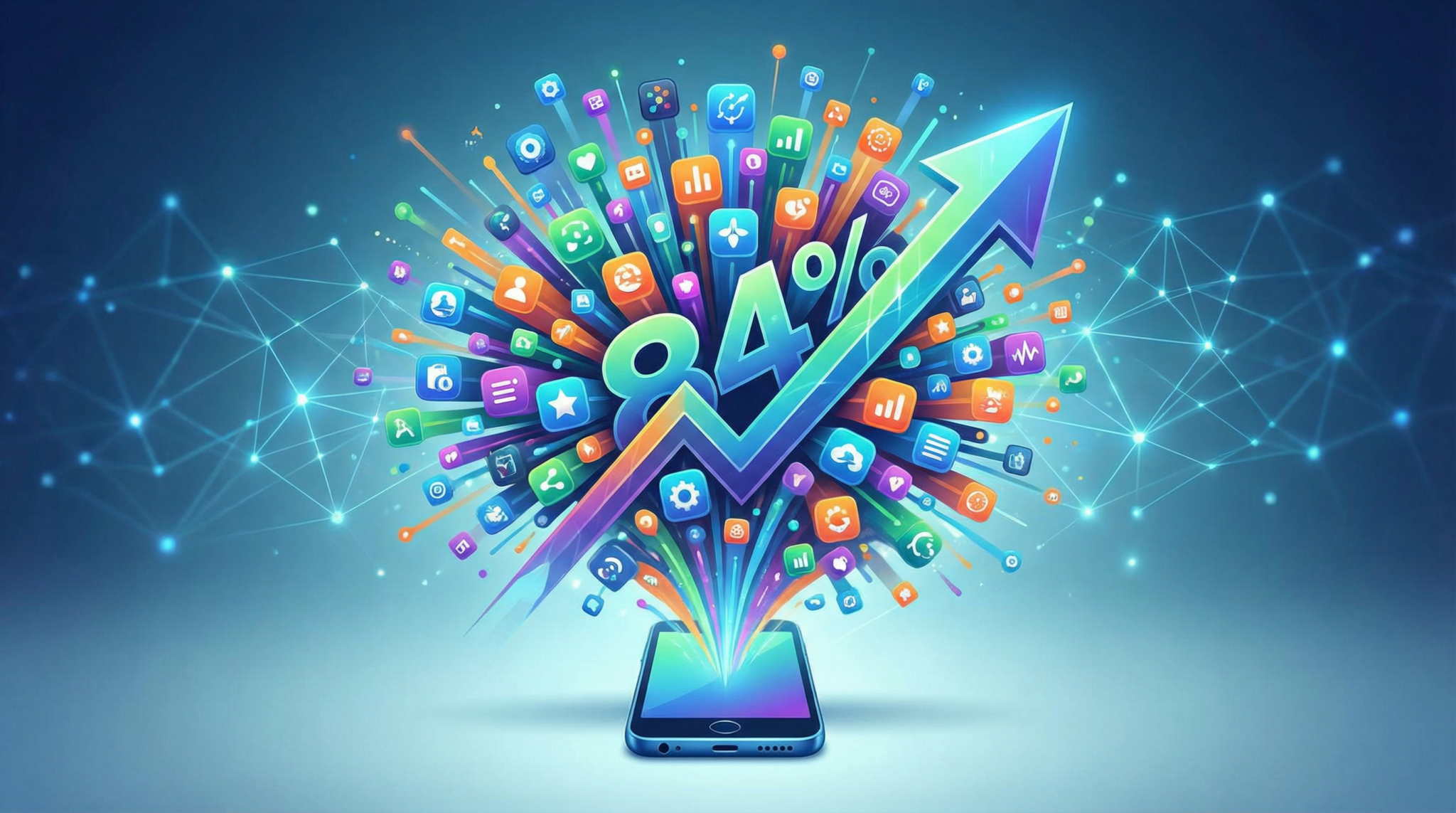
The impact of vibe coding and AI-driven development is visible in the remarkable growth metrics from recent years. In 2025, the global app ecosystem experienced an 84% surge in App Store submissions, culminating in the release of over 600,000 new apps. This unprecedented expansion underscores how AI tools have democratized development, enabling both seasoned programmers and newcomers to bring innovative ideas to market faster than ever before.
AI Tools Transforming App Creation
- Claude Code: Developed with advanced natural language understanding capabilities, Claude Code excels in generating contextually relevant code snippets, debugging, and optimizing codebases. Its collaborative interface allows developers to iterate quickly while maintaining high code quality.
- OpenAI Codex: Building on the legacy of GPT models, OpenAI Codex functions as a versatile assistant for writing code across multiple programming languages. It interprets natural language prompts to produce functional code, thereby accelerating development cycles and reducing manual errors.
Both tools integrate seamlessly with modern integrated development environments (IDEs), offering real-time suggestions and automating repetitive tasks. This integration fosters a coding environment where creativity and efficiency coexist, giving rise to the vibe coding culture.
Apple’s Strategic Response: AI-Assisted App Review
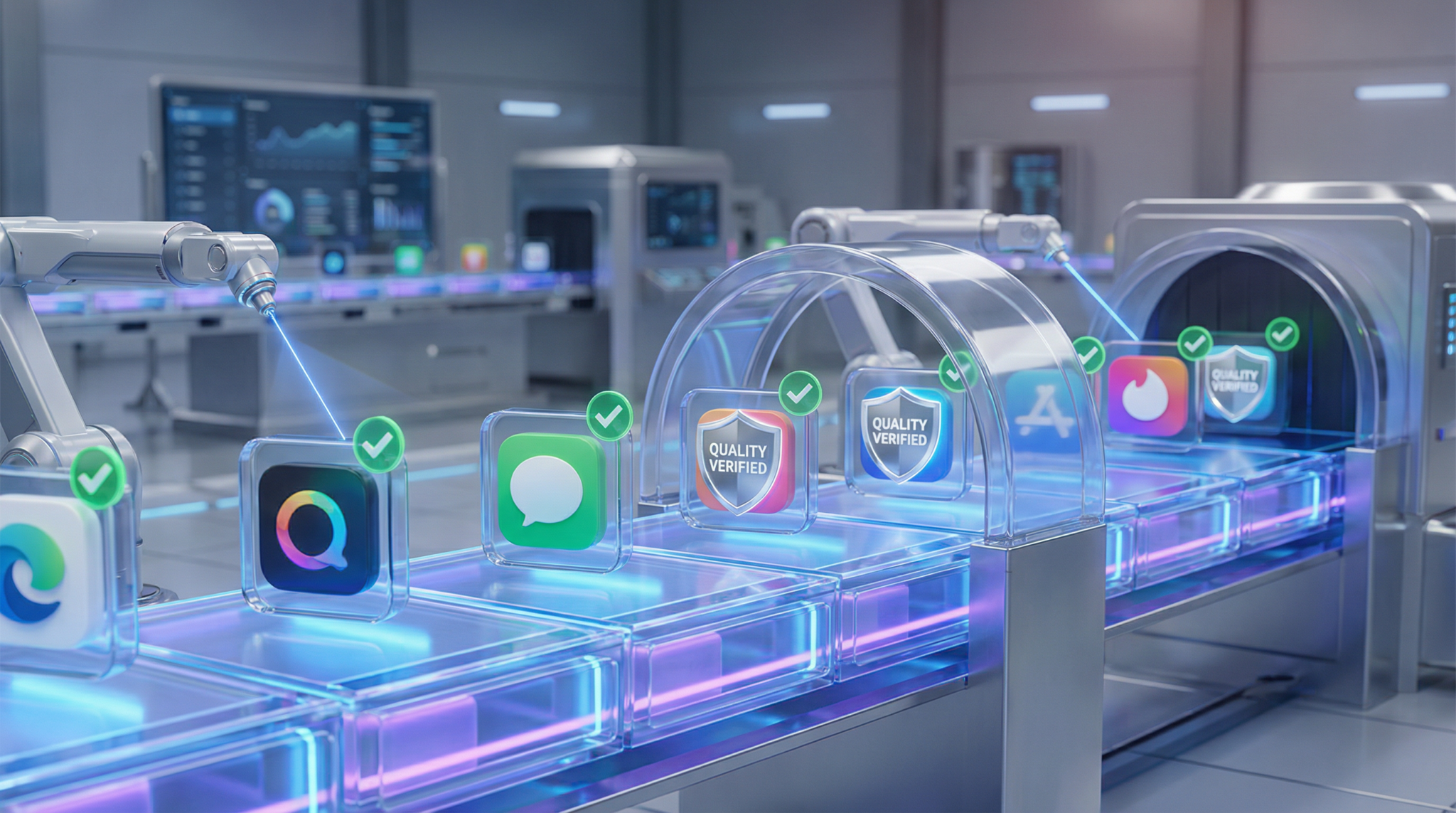
Faced with the exponential increase in app submissions and the complexity of modern apps, Apple has revamped its App Review process by incorporating AI-assisted technologies. This evolution allows Apple to:
- Automatically detect policy violations and security vulnerabilities with greater accuracy.
- Accelerate review times without compromising on quality or user safety.
- Leverage machine learning to understand app functionalities, ensuring compliance with evolving guidelines.
Apple’s AI-assisted App Review process reflects a broader industry trend of embracing intelligent automation to manage scale while maintaining high standards.
Future Outlook: The Convergence of AI and App Development
As vibe coding continues to mature, developers can expect even more sophisticated AI collaborators capable of managing entire development workflows—from initial ideation to deployment and maintenance. The ongoing enhancements in tools like Claude Code and OpenAI Codex will further blur the line between human creativity and machine assistance.
For those interested in the evolving methodologies and tools shaping this dynamic field, exploring the latest advancements in OpenAI Releases Industrial Policy Blueprint: AI Tax, Public Wealth Fund, and a New Social Contract for the Intelligence Age and understanding Apple’s AI integration strategies in app governance through How Notion, Ramp, and Braintrust Scaled OpenAI Codex Across Their Engineering Teams: An Enterprise Case Study will provide valuable insights.
Access 40,000+ AI Prompts for ChatGPT, Claude & Codex — Free!
Subscribe to get instant access to our complete Notion Prompt Library — the largest curated collection of prompts for ChatGPT, Claude, OpenAI Codex, and other leading AI models. Optimized for real-world workflows across coding, research, content creation, and business.

