
From Prompt Engineering to Context Engineering: The Essential 2026 Transition Guide for AI Power Users
[IMAGE_PLACEHOLDER] Introduction
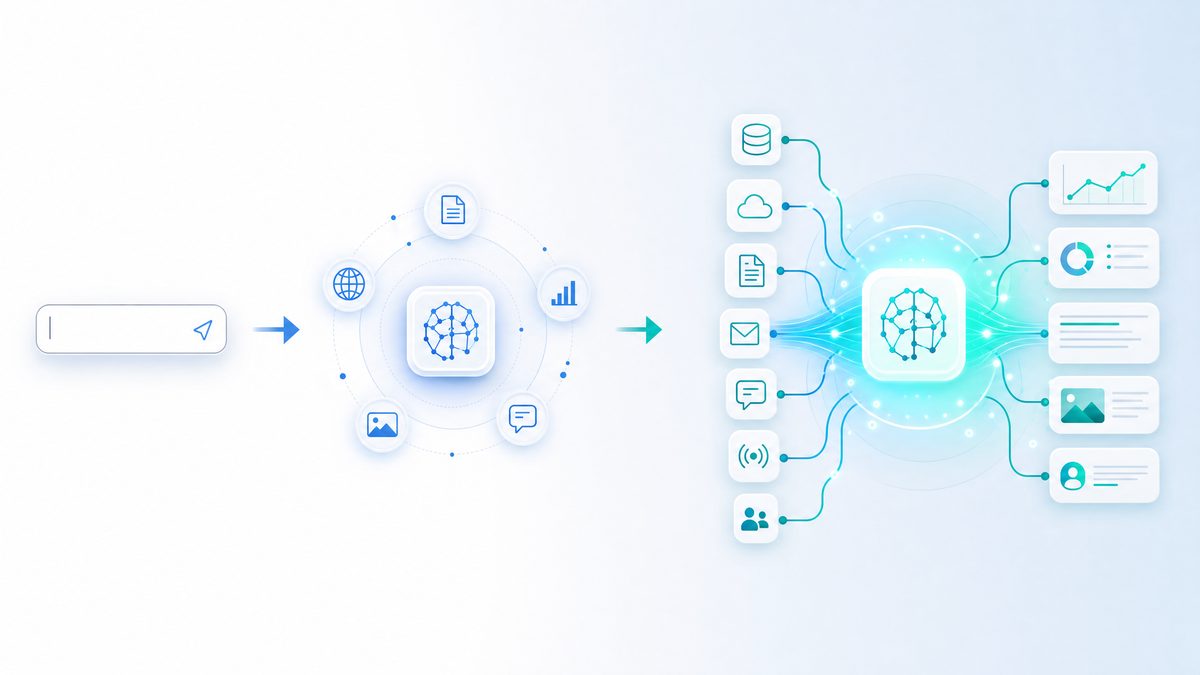
As artificial intelligence continues to evolve at an unprecedented pace, the methodologies powering AI interactions are undergoing a fundamental transformation. What began as prompt engineering—the art and science of crafting precise input prompts to elicit desired responses from AI models—has now matured into a more nuanced and sophisticated discipline known as context engineering. This evolution marks a pivotal shift for AI power users, developers, and enterprises aiming to harness the full potential of next-generation AI systems in 2026 and beyond.
Prompt engineering, once the cornerstone of effective human-AI communication, primarily focused on optimizing the wording and structure of queries to maximize output relevance and accuracy. However, as AI models become increasingly complex and context-aware, simply refining prompts is no longer sufficient. The new frontier demands a deeper understanding and strategic manipulation of contextual frameworks—including prior interactions, user intent, domain knowledge, and environmental variables—that influence AI behavior in real time.
This transition from prompt to context engineering is not merely a semantic upgrade but a paradigm shift that unlocks transformative capabilities across industries such as healthcare, finance, education, and creative sectors. By mastering context engineering, AI power users can achieve enhanced personalization, improved decision-making accuracy, and more resilient AI applications that adapt dynamically to evolving user needs and scenarios.
In this comprehensive guide, we will delve into the essential principles, tools, and best practices driving the 2026 transition to context engineering. You will learn how to leverage advanced prompt design techniques alongside innovative context management strategies to elevate your AI interactions. Whether you are a developer, data scientist, product manager, or strategic leader, this guide is designed to equip you with the expertise needed to stay at the forefront of AI innovation.
Prepare to explore the critical differences between prompt and context engineering, understand why this shift is inevitable, and discover actionable insights that will empower you to build smarter, more adaptable AI solutions. Welcome to the future of AI interaction—where context is king and precision meets adaptability.
“`html [h2][IMAGE_PLACEHOLDER] Core Concepts[/h2] Understanding the fundamental principles that underpin the transition from prompt engineering to context engineering is essential for AI power users aiming to stay ahead in 2026 and beyond. This section unpacks the core concepts that define both disciplines, highlighting their distinctions, synergies, and the evolving paradigms shaping advanced AI interactions. [h3]What Is Prompt Engineering?[/h3] Prompt engineering is the practice of designing and refining input queries—known as prompts—to optimize the performance and output quality of AI language models like GPT. It primarily focuses on crafting precise, clear, and strategically framed instructions that guide the AI in generating relevant, coherent, and contextually appropriate responses. Key characteristics of prompt engineering include: – **Input-Centric Design:** The emphasis is on the input prompt itself, often without deeper integration of the broader conversational or environmental context. – **Iterative Refinement:** Users experiment with phrasing, length, and structure to elicit desired outputs. – **Task-Specific Customization:** Tailoring prompts for particular use cases such as summarization, coding assistance, or creative writing. While prompt engineering has been instrumental in democratizing AI usage, it has limitations in scalability and adaptability when dealing with complex, multi-turn interactions or dynamic environments. [h3]Defining Context Engineering[/h3] Context engineering represents the next evolutionary step, shifting focus from isolated prompt formulation to the holistic management and orchestration of context surrounding AI interactions. This involves structuring, maintaining, and dynamically updating the contextual information that informs AI outputs across sessions, domains, and user intents. Core aspects of context engineering include: – **Contextual Awareness:** Incorporating user history, preferences, domain knowledge, and external data sources to enrich AI understanding. – **Dynamic Context Management:** Continuously updating context to reflect changes in conversation, environment, or task requirements. – **Multi-Modal and Multi-Source Integration:** Combining text, metadata, user behavior, and other signals to create a comprehensive situational awareness. – **Enhanced Personalization:** Leveraging context to deliver outputs tailored to individual users or specific scenarios. By embedding context engineering methodologies, AI power users can achieve more nuanced, accurate, and relevant AI behaviors that transcend the limitations of static prompt design. [h3]Key Differences: Prompt Engineering vs. Context Engineering[/h3] | Aspect | Prompt Engineering | Context Engineering | |————————|—————————————-|——————————————| | Focus | Crafting effective input prompts | Managing and leveraging contextual data | | Scope | Single-turn or isolated interactions | Multi-turn, ongoing, and multi-source | | Adaptability | Limited to prompt tweaks | Dynamic and continuous context updates | | User Interaction | Manual prompt refinement | Automated or semi-automated context handling | | Output Quality | Dependent on prompt precision | Enhanced by rich contextual understanding | Recognizing these differences is crucial for power users transitioning to advanced AI workflows that demand scalability, personalization, and sustained interaction quality. [h3]Why Context Engineering Matters in 2026[/h3] As AI systems become increasingly embedded in complex applications—from enterprise automation to personal virtual assistants—the need for sophisticated context management grows exponentially. Context engineering enables: – **Improved Accuracy:** By grounding AI responses in relevant, updated context, the risk of hallucinations and irrelevant outputs decreases. – **Seamless User Experiences:** Context-aware AI can maintain coherent multi-turn dialogues, improving user satisfaction. – **Cross-Domain Functionality:** Integration of diverse data sources allows AI to operate effectively across different tasks and environments. – **Scalability:** Automated context handling supports scaling AI applications without exponential increases in manual prompt tuning. In essence, context engineering forms the backbone of next-generation AI usability, empowering users to harness AI’s full potential in 2026 and beyond. [h3]Foundational Technologies Supporting Context Engineering[/h3] Several emerging technologies and methodologies enable effective context engineering: – **Memory-Augmented Models:** AI architectures equipped with external or internal memory components to retain and recall context over long sessions. – **Knowledge Graphs:** Structured representations of information that provide rich contextual relationships. – **Contextual Embeddings:** Advanced embedding techniques that capture semantic and situational nuances beyond isolated text. – **Multi-Modal Fusion:** Combining inputs from text, images, audio, and sensor data to build a comprehensive context. – **APIs and Middleware:** Tools facilitating real-time context integration from various applications and data streams. Understanding these technologies helps AI power users to implement and optimize context engineering strategies effectively. [h3]Conclusion: Building a Strong Conceptual Foundation[/h3] Mastering the core concepts of both prompt engineering and context engineering is imperative for AI power users aiming to lead the 2026 transition. While prompt engineering remains a valuable skill, embracing context engineering unlocks deeper, more adaptive AI capabilities. This foundational knowledge sets the stage for practical methodologies and tools explored in subsequent sections of this guide. By internalizing these concepts, you will be equipped to design AI interactions that are not only precise but also contextually rich and dynamically responsive—key differentiators in the rapidly evolving AI landscape. “` “`html[IMAGE_PLACEHOLDER] Advanced Implementation
As AI power users prepare to transition from traditional prompt engineering to the more sophisticated realm of context engineering, mastering advanced implementation techniques is essential. This phase focuses on integrating deeper contextual understanding, dynamic environment adaptation, and scalable AI workflows that maximize model efficacy and user experience. In this section, we explore cutting-edge strategies, tooling, and best practices to implement context engineering at scale, empowering you to harness AI in increasingly complex, nuanced applications throughout 2026 and beyond.
Contextual Layering: Structuring Multi-Tier Contexts for Precision
One of the core advancements in context engineering is the concept of contextual layering. Unlike prompt engineering, which often relies on a single input prompt, context engineering demands a multi-tiered approach where AI models dynamically reference layered contextual inputs to generate more accurate and relevant outputs.
- Session Context: Capturing ongoing interaction history, user preferences, and recent outputs to maintain continuity.
- Domain Context: Embedding industry-specific knowledge bases, regulatory constraints, or technical specifications relevant to the task.
- Environmental Context: Incorporating real-time external data sources such as current events, sensor inputs, or system states.
By architecting your AI workflows to incorporate these layers, you create a robust contextual framework that drives nuanced responses. Advanced implementation often leverages vector databases and embeddings to efficiently index and retrieve relevant context snippets at runtime.
Dynamic Context Injection and Real-Time Adaptation
Static context limits AI responsiveness in fluid environments. Advanced implementations enable dynamic context injection, where context is continuously updated and injected into the AI’s input pipeline based on real-time signals. This capability is critical for applications like conversational agents, autonomous systems, and real-time decision support tools.
Key techniques include:
- Event-Triggered Context Updates: Modify AI context immediately following key user actions or external events.
- Contextual API Integration: Seamlessly pull and push contextual data with APIs from CRM systems, IoT devices, or analytics platforms.
- Context Window Management: Optimize input token limits by selectively prioritizing high-impact context elements to avoid model saturation.
Implementing these dynamic adaptations requires strong orchestration layers—often microservices or serverless architectures—that manage context flows and ensure seamless synchronization between data sources and the AI models.
Leveraging Advanced Embeddings for Context Encoding
Embedding techniques underpin much of the context engineering paradigm. Advanced users move beyond simple text embeddings to multi-modal and hierarchical embeddings that encode complex semantic relationships and contextual hierarchies.
Consider implementing:
- Contextual Embeddings: Use models trained specifically to capture context-dependent word meanings rather than static embeddings.
- Cross-Modal Embeddings: Integrate text, image, audio, and sensor data embeddings into unified vector spaces for richer context representation.
- Hierarchical Embeddings: Structure embeddings to reflect document sections, conversation turns, or task phases to improve retrieval accuracy.
To operationalize these embeddings effectively, integrate scalable vector search engines like Pinecone, Weaviate, or FAISS, which enable rapid similarity search and contextual relevance ranking even across massive datasets.
Context-Aware Prompt Templates and Modular Prompt Design
While prompt engineering relied heavily on static or semi-static prompt templates, context engineering requires context-aware prompt templates that dynamically assemble and adapt based on the current contextual inputs.
Advanced implementation patterns include:
- Modular Prompt Components: Design prompt templates as reusable, interchangeable modules that can be composed on demand.
- Conditional Prompt Logic: Use rule-based or AI-driven logic to determine which prompt modules to include or omit based on context signals.
- Feedback-Driven Prompt Refinement: Incorporate model output evaluation and user feedback loops to iteratively optimize prompt assembly strategies.
This modularity facilitates maintainability, scalability, and rapid iteration across diverse use cases and evolving data environments.
Scalable Infrastructure and Workflow Orchestration
Advanced context engineering demands a robust infrastructure capable of handling large-scale context data ingestion, processing, and AI inference with minimal latency.
Best practices include:
- Cloud-Native Deployments: Utilize container orchestration platforms like Kubernetes for scalable, fault-tolerant AI service hosting.
- Serverless Functions: Implement lightweight, event-driven compute functions to handle context updates and prompt generation dynamically.
- Pipeline Orchestration: Leverage tools like Apache Airflow, Prefect, or Dagster to manage complex, multi-step AI workflows with clear dependencies and monitoring.
- Autoscaling and Load Balancing: Implement autoscaling policies to handle spikes in context processing demands seamlessly.
Combining these infrastructure elements ensures your AI systems remain responsive and resilient as contextual complexity and user volumes grow.
Security, Privacy, and Ethical Considerations in Context Engineering
Handling extensive, often sensitive context data increases exposure to security and privacy risks. Advanced implementation must embed strong safeguards including:
- Data Anonymization: Remove or mask personally identifiable information (PII) within context layers.
- Access Controls: Implement role-based access and encryption to safeguard contextual data during storage and transmission.
- Bias Mitigation: Continuously audit context sources and model outputs to detect and correct systemic biases.
- Explainability: Maintain transparent logs and reasoning trails to justify AI decisions derived from complex contexts.
Adhering to GDPR, CCPA, and emerging AI-specific regulations is paramount to building trust and ensuring compliance in context-rich AI deployments.
Case Study: Implementing Context Engineering in a Customer Support AI System
To illustrate advanced implementation, consider a customer support AI platform transitioning to context engineering. Key steps included:
- Integrating CRM and ticketing system data as domain context layers.
- Capturing session context by logging previous interactions and sentiment analysis.
- Implementing dynamic context injection triggered by user status changes and real-time feedback.
- Employing hierarchical embeddings to prioritize relevant past conversations.
- Deploying modular prompt templates tailored to product lines and issue categories.
- Utilizing Kubernetes and serverless functions to achieve scalable, low-latency responses.
- Enforcing strict PII masking and compliance audits to protect customer data.
This comprehensive approach dramatically improved resolution accuracy, customer satisfaction, and operational efficiency, exemplifying the power of advanced context engineering implementations.
Summary
Advanced implementation of context engineering represents the frontier of AI utilization for power users in 2026. By embracing multi-layered contexts, dynamic adaptation, sophisticated embeddings, modular prompt design, scalable infrastructure, and rigorous security practices, you can unlock unprecedented AI performance and reliability. This transition is not merely technical—it redefines the very way AI systems understand and interact with complex human environments, setting the stage for more intelligent, context-aware applications.
“` [IMAGE_PLACEHOLDER] ## Case Studies: Real-World Applications of the Transition from Prompt Engineering to Context Engineering As AI power users prepare for the essential shift from prompt engineering to context engineering in 2026, understanding practical implementations is crucial. This section explores detailed case studies that highlight how leading organizations and innovators have successfully navigated this transition to unlock superior AI performance, enhanced user satisfaction, and scalable solutions. ### Case Study 1: Enhancing Customer Support with Context Engineering at TechSolutions Inc. **Background:** TechSolutions Inc., a global software provider, relied heavily on prompt engineering to power its AI-driven customer support chatbots. While initially effective, their approach struggled with complex queries and multi-turn conversations, leading to customer frustration and increased human agent intervention. **Challenge:** The company needed to evolve its AI systems to handle nuanced, context-rich dialogues that go beyond simple prompt-response interactions. The goal was to reduce resolution time and improve customer satisfaction by enabling AI to understand and remember conversational context dynamically. **Implementation:** TechSolutions adopted a context engineering framework that integrated user history, session data, and evolving conversation states into the AI model’s input context. They designed modular context vectors that updated in real-time, allowing the AI to maintain continuity across interactions. **Results:** – 35% reduction in average customer support resolution time – 50% decrease in human agent escalations – 20% improvement in customer satisfaction scores (CSAT) – Enhanced ability to handle multi-turn queries with complex dependencies **Key Takeaway:** Context engineering allowed TechSolutions to build conversational AI that “remembers” and adapts, reducing friction and elevating user experience beyond the capabilities of prompt engineering alone. — ### Case Study 2: Personalized Marketing Campaigns at BrightAd Media Using Contextual AI **Background:** BrightAd Media, a digital marketing agency, traditionally used prompt-based AI tools for generating ad copy. However, their campaigns often lacked personalization and failed to consider past user interactions or preferences. **Challenge:** With growing demand for hyper-personalized marketing, BrightAd sought to implement context engineering strategies that incorporate user behavior data, previous campaign responses, and demographic context into AI-generated content. **Implementation:** The team developed a context management layer that aggregated data from CRM systems, social media analytics, and historical campaign performance. This context was fed into their AI content generator, enabling it to produce tailored messaging aligned with individual user profiles. **Results:** – 40% increase in click-through rates (CTR) across campaigns – 30% boost in conversion rates due to personalized content – Enhanced campaign agility with AI-generated variants adapting to real-time context updates **Key Takeaway:** By shifting to context engineering, BrightAd transformed generic prompt-driven outputs into highly relevant, personalized marketing content, demonstrating the power of contextual awareness for competitive advantage. — ### Case Study 3: Streamlining Legal Document Review at JurisTech with Context Engineering **Background:** JurisTech, a legal tech startup, initially deployed prompt-engineered AI to assist with document summarization and clause extraction. However, legal documents’ complexity and contextual nuances limited AI effectiveness. **Challenge:** The startup aimed to improve AI comprehension of legal context, including case precedents, jurisdictional specifics, and document interrelations, to support more accurate and insightful legal document reviews. **Implementation:** JurisTech integrated a context engineering approach by embedding domain-specific ontologies and case metadata into the AI’s input context. They designed dynamic context windows that adjusted based on document length and topic relevance. **Results:** – 45% improvement in clause extraction accuracy – 60% faster document review turnaround times – Increased user trust as AI outputs aligned better with legal standards and contextual expectations **Key Takeaway:** Context engineering empowered JurisTech’s AI tools to interpret complex legal information with greater sophistication, underscoring the necessity of context-aware AI in specialized professional domains. — ### Case Study 4: Revolutionizing Educational Tutoring Systems at LearnSmart AI **Background:** LearnSmart AI offered AI-driven tutoring solutions primarily based on prompt engineering. While effective for straightforward questions, the system struggled to provide personalized guidance tailored to students’ learning history and styles. **Challenge:** The goal was to create an AI tutor capable of adapting lessons dynamically based on student progress, prior mistakes, and preferred learning pathways. **Implementation:** LearnSmart implemented context engineering by capturing detailed learner profiles, tracking interaction history, and integrating real-time feedback loops into the AI’s context framework. This enabled the AI to generate content and explanations customized for each student. **Results:** – 25% increase in student engagement and retention – 30% improvement in learning outcomes and test scores – Positive feedback from educators citing enhanced adaptability and responsiveness **Key Takeaway:** Context engineering facilitated the creation of truly adaptive AI tutors, moving beyond static prompt-based responses to personalized educational experiences. — ### Case Study 5: Optimizing Supply Chain Analytics at GlobalTrade Solutions **Background:** GlobalTrade Solutions used AI models based on prompt engineering to generate supply chain forecasts and risk assessments. However, the models often lacked the ability to incorporate shifting market contexts and multi-source data dynamically. **Challenge:** The company needed AI systems that could synthesize diverse data streams—including geopolitical events, weather patterns, and market trends—into a coherent, context-rich analysis. **Implementation:** GlobalTrade adopted context engineering by building a multi-dimensional context aggregation system. This system ingested real-time data feeds and historical records to create evolving context embeddings used as input for AI analytics. **Results:** – 50% improvement in forecast accuracy – Enhanced risk prediction capabilities, reducing supply chain disruptions by 30% – Better decision-making supported by comprehensive, context-aware AI insights **Key Takeaway:** Context engineering enabled GlobalTrade to leverage complex, dynamic environments effectively, proving essential for AI-powered strategic operations in logistics and supply chain management. — ## Conclusion These case studies illustrate that the transition from prompt engineering to context engineering is not merely a technical upgrade but a paradigm shift in how AI systems understand and interact with information. By embedding richer, dynamic context into AI workflows, organizations can realize significant improvements in accuracy, personalization, and operational efficiency. For AI power users preparing for 2026, embracing context engineering will be critical to unlocking the full potential of next-generation AI capabilities. “`html[IMAGE_PLACEHOLDER] Future Outlook: Navigating the Shift from Prompt to Context Engineering in 2026 and Beyond
As we stand on the cusp of a revolutionary transformation in AI interaction paradigms, the transition from prompt engineering to context engineering marks a pivotal evolution for AI power users, developers, and organizations. This shift not only redefines how we craft inputs for AI models but also significantly enhances the depth, relevance, and adaptability of AI-generated outputs. In this future outlook, we explore the emerging trends, technological advancements, and strategic imperatives shaping the AI landscape in 2026 and beyond.
1. The Rise of Context-Aware AI Systems
By 2026, AI systems will increasingly embody a profound understanding of context, transcending mere prompt-based interactions. Context engineering leverages historical data, user preferences, environmental factors, and dynamic situational awareness to generate responses that are not only accurate but deeply personalized and situationally relevant. This paradigm shift will enable AI to function more like collaborative partners rather than just reactive tools, fostering enhanced user trust and engagement.
Technologies such as continual learning, multi-modal data integration, and advanced natural language understanding (NLU) will be pivotal in this evolution. Expect AI platforms to seamlessly incorporate context from diverse sources—ranging from real-time sensor data to extended conversational histories—replicating nuanced human-like comprehension.
2. Advanced Tools and Frameworks for Context Engineering
The future will witness a surge in specialized frameworks and development environments tailored explicitly for context engineering. These tools will provide AI power users with intuitive interfaces to design, test, and optimize complex contextual scenarios without requiring deep expertise in AI model internals.
Moreover, integration of AI orchestration platforms will allow for modular context components that can be dynamically adjusted, fine-tuned, or swapped out depending on user needs or domain-specific requirements. This flexibility will accelerate innovation across sectors such as healthcare, finance, education, and customer experience management.
3. Ethical and Privacy Considerations in Context-Rich AI
As AI systems become more contextually aware, the ethical landscape surrounding data usage, privacy, and bias mitigation will become increasingly critical. Context engineering relies on vast amounts of sensitive information to deliver tailored experiences, necessitating robust frameworks for data governance, transparency, and user consent.
Future AI power users will need to adopt best practices that ensure fairness, accountability, and compliance with evolving regulations like GDPR, CCPA, and emerging AI-specific legislation. Emphasizing explainability and auditability in context-driven AI will be essential to maintaining user confidence and minimizing unintended consequences.
4. The Impact on AI-Driven Workflows and Automation
The integration of context engineering will profoundly reshape AI-driven workflows, enabling more sophisticated automation and decision support systems. AI agents will proactively anticipate user needs, adapt to changing conditions, and collaborate more fluidly with human operators.
This will lead to enhanced productivity and innovation, particularly in complex domains requiring adaptive reasoning and multi-step problem solving. Enterprises that invest in mastering context engineering early will gain a competitive advantage by deploying smarter, more resilient AI solutions that can handle real-world complexities gracefully.
5. Preparing for the Next AI Frontier: Continuous Context Optimization
Looking further ahead, the future of context engineering will involve continuous context optimization—where AI systems perpetually learn and recalibrate their contextual models in response to new data and user feedback. This dynamic evolution will blur the lines between static programming and living, evolving AI ecosystems.
Power users will increasingly leverage AI monitoring tools that provide real-time insights into context performance metrics, enabling ongoing refinement and customization. This will foster a new era of adaptive AI experiences that grow smarter and more aligned with human goals over time.
Conclusion
The transition from prompt engineering to context engineering is not merely a technical upgrade; it is a fundamental reimagining of how humans and machines interact. By embracing this shift, AI power users in 2026 will unlock unprecedented capabilities—delivering richer, more intuitive, and ethically responsible AI-driven solutions.
To thrive in this evolving landscape, continuous learning, ethical vigilance, and strategic adoption of cutting-edge tools will be paramount. The future of AI is contextual, collaborative, and transformative. Are you ready to engineer the context that shapes tomorrow?
“` [IMAGE_PLACEHOLDER]Useful Links
As AI power users prepare to transition from prompt engineering to the more advanced realm of context engineering, having access to authoritative resources is essential. Below is a curated list of high-quality external links that provide further insights, tools, and research to deepen your understanding and enhance your practical skills in this evolving field.
1. OpenAI Documentation
https://platform.openai.com/docs The official OpenAI documentation offers comprehensive guides on prompt design, API usage, and the latest updates on context handling capabilities within their models. It is a vital resource for mastering contextual AI interactions.
2. Stanford CRFM — Center for Research on Foundation Models
https://crfm.stanford.edu Stanford’s CRFM conducts cutting-edge research on foundation models, including innovations in context engineering. Visit this site for access to research papers, datasets, and workshops that push the boundaries of AI contextual understanding.
3. AI Alignment Forum
https://www.alignmentforum.org A deep-dive community forum focused on AI safety, alignment, and advanced prompt/context engineering techniques. It’s a valuable platform for discussions by AI researchers and practitioners aiming to refine AI behavior through improved context management.
4. Papers With Code — Prompt Engineering and Contextual AI
https://paperswithcode.com/task/prompt-engineering This resource aggregates the latest research papers, code repositories, and benchmarks related to prompt and context engineering. It’s ideal for AI developers looking to implement state-of-the-art techniques with practical examples.
5. Hugging Face — Transformers and Contextual AI Models
https://huggingface.co Hugging Face provides a rich ecosystem of open-source transformer models optimized for contextual understanding. Their model hub, tutorials, and communities are indispensable for AI users focusing on context-aware applications.
6. DeepMind Research Publications
https://deepmind.com/research/publications Explore DeepMind’s latest scientific papers on context utilization and advanced AI methodologies. Their research often sets new standards in AI contextual reasoning and offers insights into future directions.
7. The Gradient — AI and Machine Learning Essays
https://thegradient.pub The Gradient publishes accessible yet in-depth essays and interviews on AI trends including the shift from prompt to context engineering. It’s a great resource to stay updated on industry shifts and theoretical advancements.
8. AI Dungeon — Practical Context Engineering Use Case
https://play.aidungeon.io AI Dungeon showcases real-world application of context engineering techniques in interactive storytelling. Exploring this platform can inspire innovative ways to manage context in AI-driven narratives.
Leveraging these resources will empower AI power users to navigate the complexities of context engineering effectively and stay ahead in this rapidly advancing domain.
