
OpenAI’s GPT-5.5 Instant Becomes Default ChatGPT Model with Revolutionary Memory Features
What Is GPT-5.5 Instant and Why It Matters
Introduction to GPT-5.5 Instant
On May 5, 2026, OpenAI officially rolled out GPT-5.5 Instant as the new default model powering ChatGPT, marking a significant milestone in the evolution of conversational AI. This release follows the full GPT-5.5 launch on April 23, which already demonstrated impressive capabilities across numerous benchmarks. GPT-5.5 Instant builds upon that foundation by introducing a novel and transformative memory system that fundamentally changes how users interact with AI chatbots.
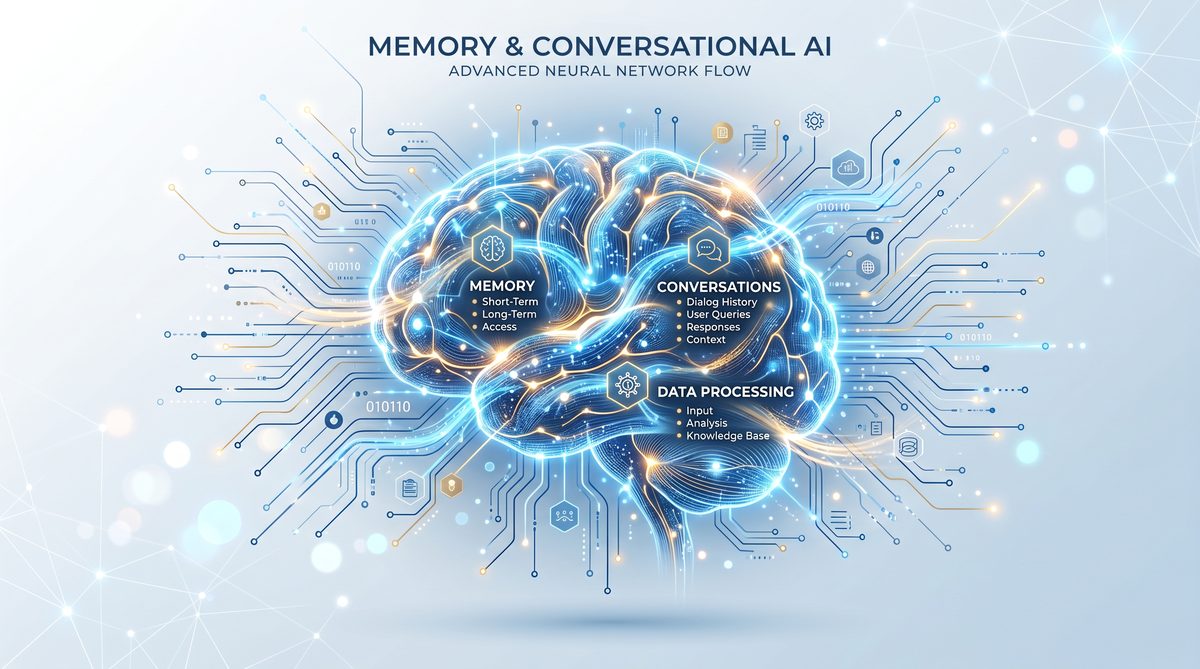
Unlike previous iterations, which treated each ChatGPT session as independent and ephemeral, GPT-5.5 Instant introduces persistent, searchable memory that spans multiple conversations, platforms, and data sources. This upgrade enables ChatGPT to recall, reference, and build upon prior interactions and imported data in a transparent and user-controllable way. The shift toward persistent memory is a game-changer for professionals, developers, and businesses relying on AI to maintain context, continuity, and personalized assistance.
Performance Improvements and Benchmark Scores
GPT-5.5 Instant is not only a memory revolution but also a leap forward in raw AI capability. According to the latest evaluations, GPT-5.5 Instant achieved a remarkable 81.2 score on the AIME 2025 math benchmark, a substantial improvement over the previous model’s 65.4. This increase illustrates enhanced mathematical reasoning and problem-solving abilities, making it a more reliable assistant for technical and quantitative tasks.
In addition, GPT-5.5 Instant scored 76 on the MMMU-Pro multimodal benchmark, outperforming its predecessor’s 69.2. This metric measures the model’s ability to process and integrate multiple modalities such as text, images, and other data formats simultaneously. These improved scores underscore GPT-5.5 Instant’s versatility and robustness in handling complex, multimodal inputs that are increasingly common in real-world applications.
Revolutionary Memory Features
The hallmark feature of GPT-5.5 Instant is its advanced memory system, which enables users to:
- Search past conversations: Users can query prior chat sessions to retrieve relevant information, eliminating the need to repeat context or re-upload data.
- Access external files: The model can integrate and recall information stored in user files, enhancing its ability to provide personalized and contextually aware responses.
- Connect with Gmail: GPT-5.5 Instant can search emails, helping users manage communication more effectively by referencing past messages during interactions.
Importantly, all memory sources are fully visible, editable, and deletable by users, ensuring transparency and control over personal data. This level of user empowerment addresses growing privacy concerns and regulatory requirements, making it suitable for enterprise and professional use.
Availability and Accessibility
OpenAI launched GPT-5.5 Instant with immediate availability for ChatGPT Plus and Pro subscribers on the web and mobile platforms. This early access allows power users to harness the benefits of persistent memory right away. Meanwhile, plans are underway to extend these capabilities to free-tier users on mobile devices in the near future, broadening accessibility.
By making GPT-5.5 Instant the default model, OpenAI signifies a strategic pivot toward AI systems that not only deliver superior intelligence but also maintain continuity over time. This shift enables more natural, efficient, and context-rich interactions, reducing friction for users who rely on ChatGPT for complex workflows, professional tasks, and personal productivity.
Significance for the AI Landscape
GPT-5.5 Instant’s introduction of persistent memory represents a paradigm shift in conversational AI, moving away from stateless interactions toward a more human-like memory experience. This innovation aligns with industry demands for AI assistants that can remember preferences, track long-term goals, and provide increasingly personalized assistance without repeated setup or context provision.
For businesses, developers, and technologists, GPT-5.5 Instant opens new possibilities in AI-driven automation, customer support, knowledge management, and decision-making. The ability to have a continuous memory that spans sessions and data sources enables more sophisticated use cases, from managing projects across weeks to integrating AI seamlessly into daily workflows.
In summary, GPT-5.5 Instant is not just an incremental update; it is a transformative leap that enhances ChatGPT’s intelligence, memory, and usability. Its deployment as the default ChatGPT model sets a new standard for AI assistants, signaling the beginning of a new era of persistent, contextually aware artificial intelligence.
Benchmark Performance: How GPT-5.5 Instant Compares
Quantitative Gains Across Industry-Standard Tests
Since its release as the default ChatGPT model on May 5, 2026, GPT-5.5 Instant has demonstrated a remarkable leap in benchmark performance, significantly outpacing its predecessors. A key highlight is its performance on the AIME 2025 math competition dataset, where it achieved an impressive score of 81.2, compared to the previous standard score of 65.4. This nearly 24-point improvement underscores the model’s enhanced reasoning, problem-solving capabilities, and mathematical fluency. For developers and researchers relying on AI for complex computations, GPT-5.5 Instant’s advancements translate directly into more accurate and reliable assistance in technical and academic tasks.
In the realm of multimodal understanding, GPT-5.5 Instant also excels. The model scored 76 on the MMMU-Pro multimodal benchmark, a substantial increase over the previous score of 69.2. MMMU-Pro evaluates the AI’s ability to interpret and integrate inputs across text, images, audio, and video streams, reflecting real-world applications where multi-format data processing is essential. This improvement enables more nuanced and context-aware interactions, enhancing use cases ranging from multimedia content creation to advanced data analysis.
Memory Integration: The Game-Changer in Performance
While raw benchmark scores are important, the most revolutionary advancement in GPT-5.5 Instant lies in its newly integrated memory system. Unlike earlier ChatGPT versions that treated each session as isolated, GPT-5.5 Instant incorporates a persistent, searchable memory architecture that spans conversations, uploaded files, and even linked Gmail accounts. This means the model can recall past interactions and context, allowing for continuous, personalized dialogues without the need for repeated context-setting.
The memory sources are not only accessible but also visible to users, who can easily delete or correct information, ensuring transparency and control. This design choice addresses longstanding privacy and accuracy concerns, positioning GPT-5.5 Instant as a more trustworthy and user-centric AI assistant. The integration of memory has been a pivotal factor in improving its benchmark performance, as the model can leverage prior knowledge dynamically, reducing errors and enhancing response relevance.
This persistent memory capability is currently live for ChatGPT Plus and Pro users on both web and mobile platforms, with plans to extend to free-tier users on mobile in the near future. This rollout strategy allows OpenAI to fine-tune performance and gather feedback from power users, ensuring robustness before full-scale deployment.
Contextualizing Full GPT-5.5 Release and Its Industry Impact
The full GPT-5.5 model was released earlier, on April 23, 2026, and scored above 60 on the AI Intelligence Index, a composite metric that evaluates diverse AI competencies including reasoning, creativity, and general knowledge. GPT-5.5 Instant represents a specialized, optimized variant designed to deliver higher practical performance in chat-based and multimodal tasks by leveraging its novel memory features.
These advances mark a fundamental shift in how ChatGPT operates. Moving from stateless, session-limited interactions to a model enriched with persistent memory transforms the user experience. Professionals across industries—from software development and education to customer service and content generation—stand to benefit from AI that can maintain context over days, weeks, or even months.
For those interested in the broader implications of AI memory systems and their role in next-generation language models, an in-depth exploration of contextual AI memory architectures reveals how this technology could redefine AI-human collaboration. The Complete Guide to OpenAI’s Trusted Access for Cyber Program: Eligibility, Setup, and Workflow Integration
Summary Table: GPT-5.5 Instant vs. Previous Models
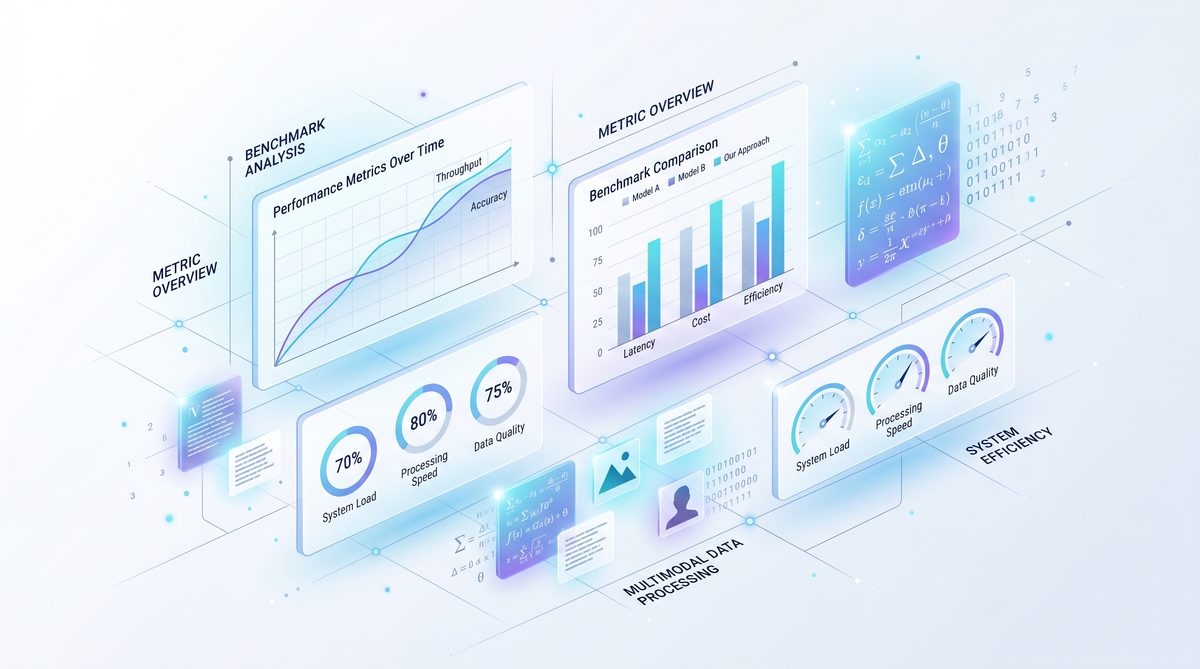
| Benchmark | Previous GPT Model | GPT-5.5 Instant | Performance Improvement |
|---|---|---|---|
| AIME 2025 Math Score | 65.4 | 81.2 | +24.2 (37% increase) |
| MMMU-Pro Multimodal Score | 69.2 | 76 | +6.8 (9.8% increase) |
| AI Intelligence Index (Full GPT-5.5) | ~54 (GPT-4 baseline) | 60+ | +6+ points (approx. 11% increase) |
In conclusion, GPT-5.5 Instant’s superior benchmark results combined with its innovative memory capabilities set a new standard for conversational AI. By enabling persistent, transparent, and user-controllable memory, it elevates ChatGPT from a reactive assistant to a proactive collaborator. This evolution not only enhances performance metrics but also fundamentally reshapes user expectations and interactions with AI.
As organizations and developers integrate GPT-5.5 Instant into their workflows, understanding these benchmark improvements and memory-driven capabilities will be critical to leveraging the model’s full potential.
Author: Markos Symeonides
The Memory Revolution: Persistent Context Across Sessions
On May 5, 2026, OpenAI officially deployed GPT-5.5 Instant as the default ChatGPT model, marking a transformative step forward in conversational AI. Beyond its impressive benchmark achievements—such as an 81.2 score on the AIME 2025 math test (a significant leap from the previous 65.4) and a 76 on the MMMU-Pro multimodal benchmark (up from 69.2)—the hallmark feature driving this upgrade is its revolutionary memory capability. This innovation fundamentally redefines how ChatGPT manages and leverages user data across interactions, enabling persistent, searchable memory that spans multiple sessions and diverse data sources.
Persistent, Searchable Memory: A Paradigm Shift
Until now, ChatGPT models treated each session as isolated, with no memory of previous conversations once the session ended. GPT-5.5 Instant breaks this mold by introducing persistent memory that maintains contextual awareness across sessions. This means that when users return to ChatGPT, the model can recall prior interactions, user preferences, and relevant data, enhancing continuity and personalization.
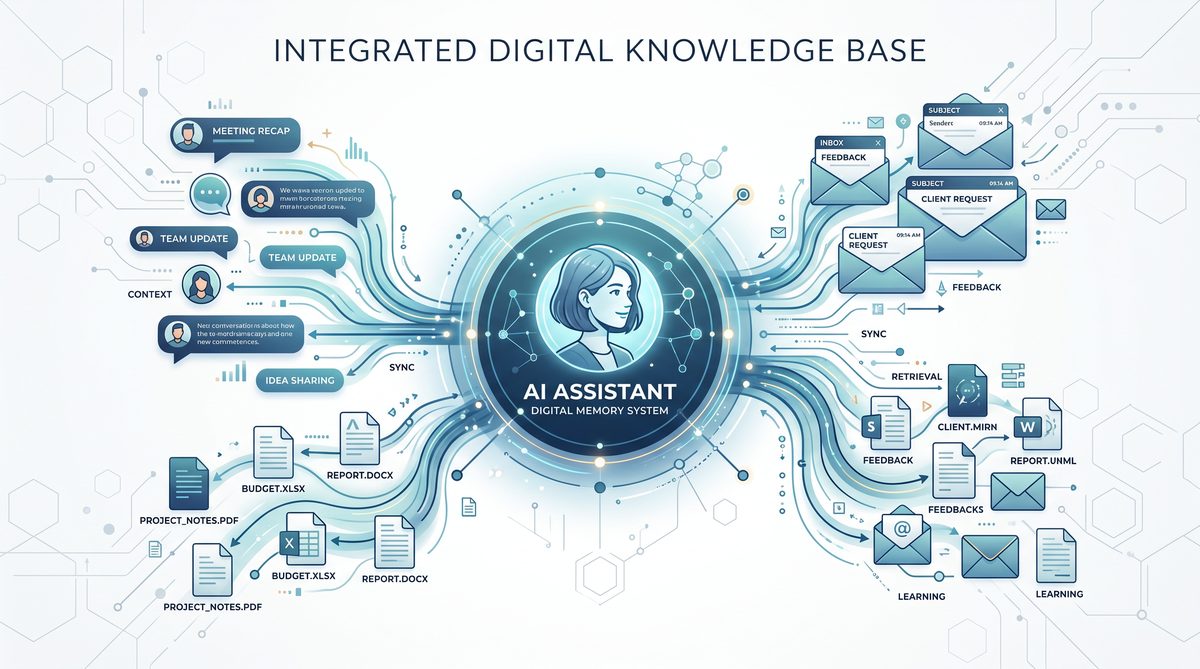
This persistent memory isn’t limited to just chat history. GPT-5.5 Instant can search through a variety of integrated data sources, including past conversations, uploaded files, and even a user’s Gmail inbox (with permissions). This multi-source memory enables the model to provide responses that are not only contextually relevant but also enriched by detailed, user-specific information retrieved in real time.
Transparency and Control: Memory Sources Are Visible and Manageable
OpenAI has prioritized user control and transparency with this new memory system. Users can view exactly which memory sources the model accessed to generate a response. This visibility fosters trust by clarifying the AI’s information base and reasoning path. For example, if ChatGPT references a document or an earlier email, users can see the specific file or message that informed the reply.
Additionally, users have the capability to delete or correct information stored in the memory. This feature is critical for maintaining data accuracy, privacy, and relevance. If a user notices outdated or incorrect data influencing responses, they can promptly update or remove it, ensuring that the AI’s memory remains aligned with their current needs and preferences.
Availability and Rollout: Live for Plus and Pro Users, Expanding Soon
The persistent memory functionality is currently live for Plus and Pro subscribers on the web platform, offering these users an early opportunity to experience the benefits of continuous contextual understanding. The rollout for mobile applications and free-tier users is planned in the near future, promising broader accessibility.
This phased rollout indicates OpenAI’s commitment to stability and user feedback integration before full deployment. It also aligns with the model’s broader release timeline: the complete GPT-5.5 model was officially launched on April 23, 2026, already achieving scores exceeding 60 on the AI Intelligence Index, underscoring its advanced capabilities.
Impact on Use Cases: From Productivity to Creativity
The introduction of persistent memory unlocks a wide array of enhanced use cases for ChatGPT. For professionals, it means maintaining ongoing project details without re-explaining context each session. For example, a software developer can store design documents and previous code reviews within ChatGPT’s memory, enabling the AI to provide more accurate and context-aware assistance across weeks or months.
In customer support, persistent memory allows ChatGPT to recall prior user issues and preferences, facilitating more personalized and efficient interactions without forcing users to repeat themselves. Similarly, creative professionals can build on earlier brainstorming sessions, with ChatGPT retaining notes, outlines, or drafts as part of its long-term memory.
Moreover, the ability to search Gmail and files directly within the memory framework integrates ChatGPT deeply into users’ digital workflows. It effectively becomes an intelligent assistant capable of synthesizing disparate information sources into coherent, actionable insights—making it a powerful tool for knowledge workers navigating complex data landscapes.
Conclusion: A New Era in Conversational AI
GPT-5.5 Instant’s memory revolution is arguably the most significant evolution in ChatGPT’s architecture to date. By enabling persistent, transparent, and user-controllable memory that spans sessions and data types, OpenAI has pushed conversational AI closer to truly personalized, continuous digital assistance. This advancement not only improves user experience and productivity but also sets a new standard for AI interaction design in 2026 and beyond.
How Memory Sources Work in Practice
The introduction of GPT-5.5 Instant as the default ChatGPT model on May 5, 2026, marked a transformative leap in how conversational AI manages and utilizes memory. Unlike previous iterations, which treated each user interaction as isolated, GPT-5.5 Instant incorporates a revolutionary memory system that persistently stores, organizes, and retrieves information across sessions. This persistent memory capability enables the model to draw on past conversations, uploaded files, and even linked Gmail accounts to provide contextually richer and more personalized responses. Understanding how these memory sources function in real-world usage is critical for developers, business leaders, and AI professionals seeking to harness the full potential of this technology.
Persistent Memory Integration: A Multi-Source Framework
GPT-5.5 Instant’s memory system integrates data from multiple sources, which the model treats as distinct but interconnected repositories of user information. These include:
- Past Conversations: Chat histories are stored in a secure, indexed manner, allowing the model to recall previous discussions, user preferences, and past queries. This enables continuity in dialogues, avoiding the need for users to repeat context or details.
- Uploaded Files: Users can upload documents such as PDFs, spreadsheets, and text files. The model extracts and indexes relevant data points from these files, integrating their contents into the memory framework for quick reference during conversations.
- Gmail Integration: For users who link their Gmail accounts, GPT-5.5 Instant can access emails (with strict privacy controls), enabling context-aware responses based on recent communications, calendar invites, and reminders.
This multi-source architecture allows GPT-5.5 Instant to act as a highly personalized assistant, capable of synthesizing information from diverse channels into a coherent understanding of the user’s context.
Transparency and User Control Over Memory
A key innovation in GPT-5.5 Instant is the visibility and manageability of memory sources. Users can view all stored memory elements through the ChatGPT interface, categorized by source type and timestamp. This transparency builds trust and ensures compliance with privacy standards. Moreover, users can:
- Delete Specific Memory Entries: If a user wishes to remove a particular conversation snippet, file data, or Gmail reference, they can do so instantly, ensuring that the AI no longer references that information.
- Correct or Update Memory: Users can flag memory entries as incorrect or outdated, prompting the model to adjust its internal understanding of related contexts.
- Pause Memory Collection: For sensitive interactions, users can temporarily disable memory capture, ensuring that those conversations are not stored or used for future reference.
This level of control addresses longstanding concerns about AI data privacy and user autonomy, creating a more ethical and user-friendly AI experience.
Practical Examples of Memory Sources in Action
Consider a product manager who regularly uses ChatGPT to coordinate project timelines, answer technical questions, and draft client communications. With GPT-5.5 Instant’s memory system, the model can recall detailed specifications from past meetings, refer to uploaded design documents, and even pull recent emails from the manager’s Gmail related to project updates. When the manager returns a week later, the AI can seamlessly continue the conversation, reminding them of pending action items or prior decisions without prompting.
Similarly, developers benefit from the model’s ability to store and retrieve code snippets and documentation uploaded in previous sessions. This reduces repetitive queries and accelerates problem-solving by maintaining an evolving knowledge base personalized to the user’s workflow.
Implications for AI-Enabled Workflows and Future Developments
The practical deployment of GPT-5.5 Instant’s memory sources heralds a fundamental shift in AI interaction paradigms. By enabling persistent, searchable memory, ChatGPT transitions from a reactive tool to a proactive collaborator that understands evolving user needs over time. Businesses can leverage this capability to automate complex, multi-step workflows that span days or weeks, while individuals gain a trusted AI companion that remembers preferences and context.
Moreover, this memory architecture lays the groundwork for advanced multimodal applications, where contextual data from text, images, and other media converge seamlessly. The integration of memory with GPT-5.5 Instant’s strong multimodal benchmark scores (76 MMMU-Pro) suggests future iterations will further blur the lines between static knowledge and dynamic, context-aware intelligence.
For a deeper dive into how memory management techniques intersect with AI model optimization and user experience design, see our detailed analysis on AI memory architectures and privacy strategies Prompting ChatGPT’s GPT-5.5 Instant for Multi-Turn Safety-Aware Conversations: Best Practices for Developers.
Availability and Rollout Timeline
Launch Date and Initial Deployment
OpenAI officially made GPT-5.5 Instant the default ChatGPT model on May 5, 2026, marking a pivotal milestone in AI conversational technology. This rollout followed the earlier release of the full GPT-5.5 model on April 23, 2026, which already demonstrated strong performance with scores exceeding 60 on the AI Intelligence Index. The Instant variant was introduced to provide a highly responsive experience while incorporating advanced memory capabilities that fundamentally change how ChatGPT interacts with users.
The decision to make GPT-5.5 Instant the default model was driven by its superior benchmark results and enhanced user experience. On key performance tests, GPT-5.5 Instant scored an impressive 81.2 on the AIME 2025 mathematics challenge, a significant improvement over the previous 65.4. It also achieved a 76 on the MMMU-Pro multimodal benchmark, outperforming the prior 69.2 score. These metrics highlight the model’s advanced reasoning, problem-solving, and multimodal understanding, which underpin its practical utility across diverse professional and creative applications.
Memory Features and User Control
One of the most groundbreaking aspects of GPT-5.5 Instant is its persistent, searchable memory that spans multiple sessions. Users can now seamlessly retrieve past conversations, access uploaded files, and even integrate Gmail content into ongoing interactions. This persistent memory is not a static archive; it is fully interactive and user-controlled. All memory sources are clearly visible within the interface, giving users transparency into what information the model retains.
Moreover, users have comprehensive control over their stored data. They can delete specific memory entries or correct inaccuracies directly through the interface, ensuring that the AI’s contextual understanding remains accurate and relevant. This capability addresses long-standing concerns about privacy, data security, and the potential for outdated or erroneous information to persist in AI systems. The memory features enable a more personalized and context-aware ChatGPT experience, where the model adapts intelligently over time without the need to reintroduce background information repeatedly.
Access for Different User Tiers and Platforms
As of the initial rollout, GPT-5.5 Instant is live and accessible to ChatGPT Plus and Pro subscribers on both web and mobile platforms, delivering an enhanced experience for paying users. This phased availability strategy allows OpenAI to manage demand and gather user feedback before expanding access. The company has announced that the Instant model will be made available to free-tier users on mobile in the near future, broadening reach while maintaining performance standards.
The staggered rollout ensures that OpenAI can continue optimizing the model’s infrastructure, particularly the complex memory systems that require robust backend support to maintain speed and reliability. It also facilitates incremental updates and feature refinements based on real-world usage patterns and user preferences.
Implications for AI-Driven Workflows and Future Updates
This rollout represents a fundamental shift in AI conversational interfaces, transitioning from isolated, stateless interactions to persistent, context-rich dialogues that evolve over time. For developers, business leaders, and AI professionals, GPT-5.5 Instant’s memory capabilities unlock new possibilities for workflow automation, customer support, knowledge management, and personalized assistant applications.
OpenAI’s approach to memory transparency and user control also sets a new standard in ethical AI deployment, balancing powerful functionality with user empowerment and data governance. As AI systems become more deeply integrated into daily workflows, these features will be essential for maintaining trust and effectiveness.
Looking ahead, OpenAI plans to continue enhancing GPT-5.5 Instant with incremental improvements to its memory algorithms, multimodal processing, and integration capabilities. These developments will likely extend across platforms and use cases, reflecting the company’s commitment to advancing practical AI adoption.
For a deeper understanding of how AI memory systems can transform user interactions and business processes, exploring related concepts such as continuous learning models and knowledge graph integration is essential. These topics are covered extensively in our article on advanced AI context management GPT-5.5 Instant and Pro Explained: OpenAI’s New Model Lineup for ChatGPT and Codex in 2026, providing valuable insights for technical and strategic audiences.
What This Means for ChatGPT Users
A Paradigm Shift in User Interaction and Productivity
With the launch of GPT-5.5 Instant as the default ChatGPT model on May 5, 2026, users are experiencing a profound transformation in how they interact with AI assistants. The introduction of persistent, searchable memory fundamentally changes the conversational paradigm from isolated, session-based interactions to continuous, context-rich dialogues that build over time. This shift enables ChatGPT to recall and reference prior conversations, documents, and even emails stored in integrated memory sources such as Gmail and uploaded files.
For professionals and business leaders, this translates into a significantly enhanced workflow. Imagine a product manager who can refer back to a strategic roadmap discussed weeks ago without re-uploading files or re-explaining context. Similarly, developers can maintain ongoing debug sessions with ChatGPT that remember code snippets and previous troubleshooting steps across days or weeks. This continuity reduces repetition and cognitive load, streamlining collaboration with the AI and accelerating task completion.
Transparency and Control Over Memory Data
One of the most groundbreaking features of GPT-5.5 Instant is the transparency and user control over memory sources. Unlike previous models where AI “remembering” was limited or non-existent, GPT-5.5 Instant presents users with a clear interface that shows the exact sources contributing to the AI’s context. Users can view, delete, or correct any stored information at any time, providing granular control and addressing privacy concerns.
For instance, if a user notices an outdated or incorrect detail referenced by ChatGPT, they can directly update or remove that information from the memory pool. This mechanism not only enhances accuracy and relevance but also aligns with data privacy best practices, ensuring users retain ownership and governance over their personal and organizational data within ChatGPT.
Performance Gains and Real-World Impact
The substantial performance improvements demonstrated by GPT-5.5 Instant—such as scoring 81.2 on the challenging AIME 2025 math benchmark compared to 65.4 for earlier models, and 76 on the MMMU-Pro multimodal test versus 69.2—are more than just impressive numbers. They reflect a model capable of handling complex reasoning, multimodal inputs, and persistent context with significantly improved accuracy and nuance.
For ChatGPT users, this means more reliable, insightful, and context-aware assistance. Customer support agents can leverage the memory feature to maintain detailed histories of client interactions, leading to faster resolutions and personalized service. In education, students using ChatGPT Plus or Pro can benefit from an AI tutor that remembers their learning progress, adapts explanations accordingly, and references prior materials seamlessly.
Accessibility and Broader User Adoption
Currently, the memory-enhanced GPT-5.5 Instant is live for ChatGPT Plus and Pro subscribers on web and mobile platforms, but OpenAI has announced that these features will soon be available for free-tier users on mobile. This planned rollout democratizes access to the revolutionary memory capabilities, enabling a broader audience to benefit from persistent AI context.
As these features become universally accessible, the expectation is that ChatGPT will move beyond a tool for occasional queries to an indispensable assistant embedded into daily workflows, educational settings, and creative processes. The ability to maintain continuity across sessions, combined with user-controlled data, will foster trust and deeper user engagement, ultimately redefining expectations for AI-powered conversational agents.
Future Implications: Toward a Truly Personal AI Companion
The integration of persistent memory in GPT-5.5 Instant sets the stage for the next generation of AI companions that are not only knowledgeable but genuinely personalized. By remembering user preferences, prior conversations, and relevant documents, ChatGPT is evolving into a digital assistant capable of anticipating needs, providing tailored recommendations, and sustaining complex projects over time.
This advancement also raises exciting possibilities in AI-human collaboration, where the AI’s memory can augment human expertise without overwhelming users with redundant explanations or context resets. It paves the way for seamless integration with enterprise systems and personal devices, creating unified AI experiences that align with individual and organizational goals.
In summary, the adoption of GPT-5.5 Instant as the default ChatGPT model marks a watershed moment. For users, it means more natural, efficient, and powerful interactions that leverage persistent memory while maintaining transparency and control. This development transforms ChatGPT from a transient conversational tool into a persistent, context-aware assistant, unlocking new dimensions of AI utility across industries and personal use cases.
Access 40,000+ AI Prompts for ChatGPT, Claude & Codex — Free!
Subscribe to get instant access to our complete Notion Prompt Library — the largest curated collection of prompts for ChatGPT, Claude, OpenAI Codex, and other leading AI models. Optimized for real-world workflows across coding, research, content creation, and business.
