
The Economics of AI Coding: Why Vercel’s API Spend Doubled in 2026 and What It Means for Developers
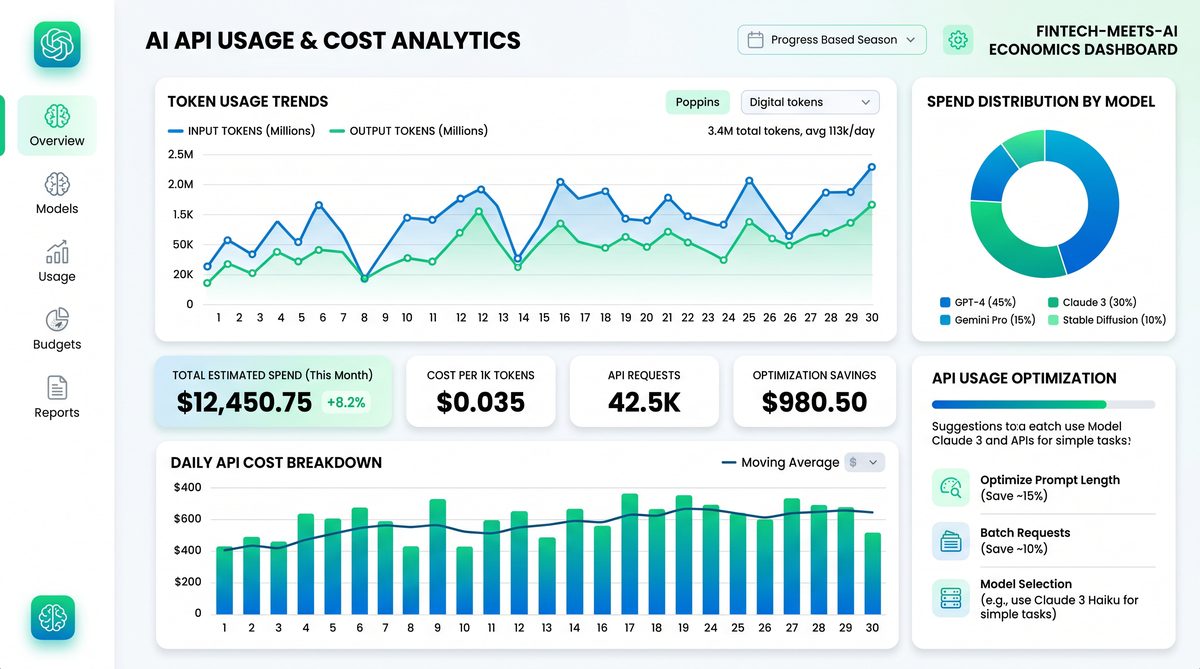
The Economics of AI Coding: Why Vercel’s API Spend Doubled in 2026
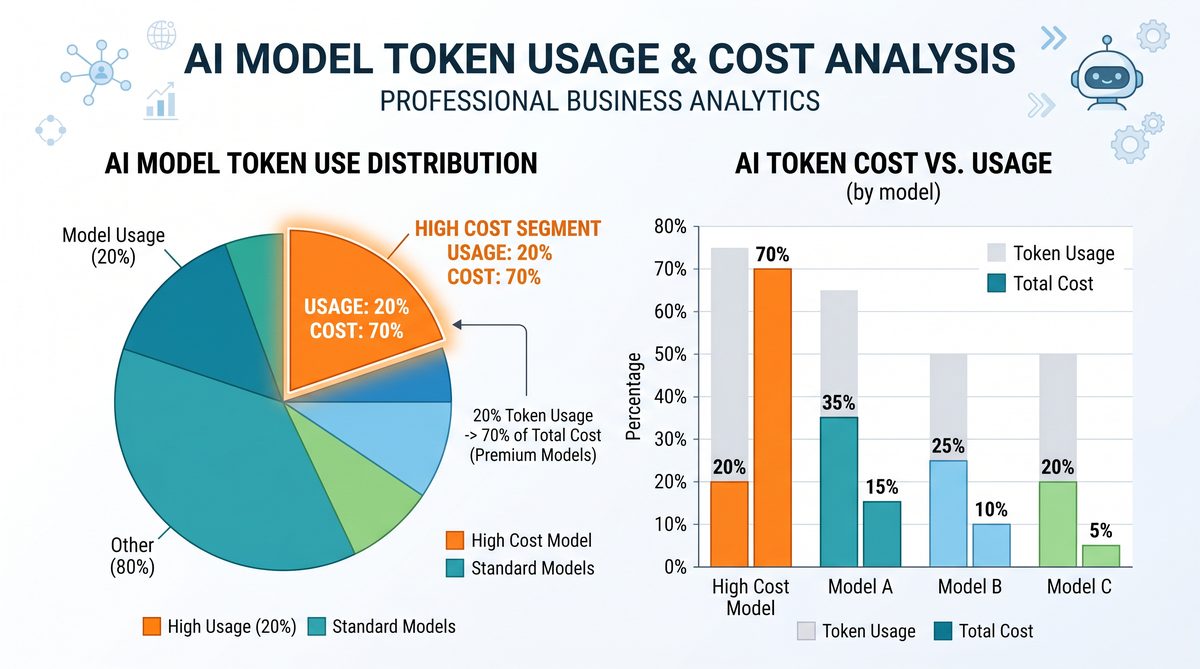
In 2026, the tech community was taken aback when Vercel, a leading platform for frontend developers, disclosed that their API expenditure had doubled compared to the previous year. This spike wasn’t simply a matter of increased usage; rather, it was deeply tied to the integration and operational costs of AI coding agents, specifically the Opus model. Vercel revealed that although Opus accounted for only 20% of the total tokens processed, it was responsible for an astounding 70% of the total API spend.
This revelation underscores a broader trend emerging in the software development landscape: smarter, more sophisticated AI models are reshaping how companies architect their products, often leading to unexpected economic impacts. Understanding the underlying factors driving these costs and the strategic trade-offs involved is critical for any developer, product manager, or tech executive navigating the AI coding revolution.
Understanding the Cost Dynamics of AI Coding Agents
The introduction of AI coding agents into software development processes has revolutionized productivity and capability. These agents assist developers by generating code snippets, debugging, suggesting optimizations, and even architecting entire modules. However, the economics behind these AI systems reveal complexities that go beyond simple usage metrics.
At the heart of AI coding cost lies the token-based billing model employed by most API providers. Tokens represent chunks of text or code input and output processed by the AI models. While it might seem intuitive that cost scales linearly with tokens consumed, the reality is nuanced. Different models have vastly different cost structures and computational complexities per token, which can dramatically affect pricing.
Vercel’s disclosure of Opus consuming 20% of tokens but 70% of spend exemplifies this discrepancy. Opus is a highly advanced AI coding agent optimized for deep understanding and generation of complex code patterns. Its architecture involves more layers, sophisticated attention mechanisms, and extensive training on diverse codebases, resulting in higher inference compute costs.
To contextualize, consider that a simpler model might process 100 tokens at a cost of $0.01, while Opus might charge $0.07 for the same token count due to its enhanced capabilities. This divergence forces organizations to carefully evaluate their AI model selections against budget constraints and project requirements.
Moreover, the nature of AI coding tasks impacts token consumption and cost. For instance, generating intricate backend logic or full-stack components requires more tokens and often leverages more expensive models. In contrast, minor code completions or syntax fixes consume fewer tokens and can be handled by lighter-weight agents.
Beyond raw costs, the integration of smarter AI agents like Opus alters product architecture in significant ways. Traditional systems, built around static codebases and human-driven development, must evolve to incorporate real-time AI assistance, dynamic code generation, and continuous deployment pipelines. This shift raises questions about scalability, maintainability, and cost predictability.
One key architectural consideration is balancing between on-demand AI generation and caching or reusing AI-generated code artifacts. Since repeated calls to expensive AI models spike costs, many teams adopt hybrid strategies where AI models generate code snippets or configurations once, which are then stored and reused to minimize redundant API calls.
Additionally, the increased reliance on AI coding agents necessitates tighter monitoring and governance. Teams require comprehensive analytics to track token usage, identify cost drivers, and optimize API calls. This often involves developing custom dashboards or integrating cost management tools tailored for AI APIs.
The economics of AI coding agents also influence product design decisions. For example, product managers might prioritize features that reduce token-heavy AI invocations or redesign user workflows to minimize unnecessary AI interactions. This interplay between product strategy and AI cost models is a new frontier in software engineering economics.
Finally, the competitive landscape among AI model providers is driving continuous innovation in cost-efficiency. Emerging models promise similar capabilities to Opus but at lower token costs or with more granular pricing schemes. Keeping abreast of these developments is essential for organizations aiming to optimize both performance and budget.
In summary, the cost dynamics of AI coding agents like Opus are complex and multifaceted. They revolve around token consumption, model pricing, task complexity, and architectural adaptations, all of which contribute to the doubled API spend witnessed by Vercel. Understanding these factors is imperative for leveraging AI coding effectively while maintaining economic viability.
How Smarter AI Models are Reshaping Product Architecture and Development Economics
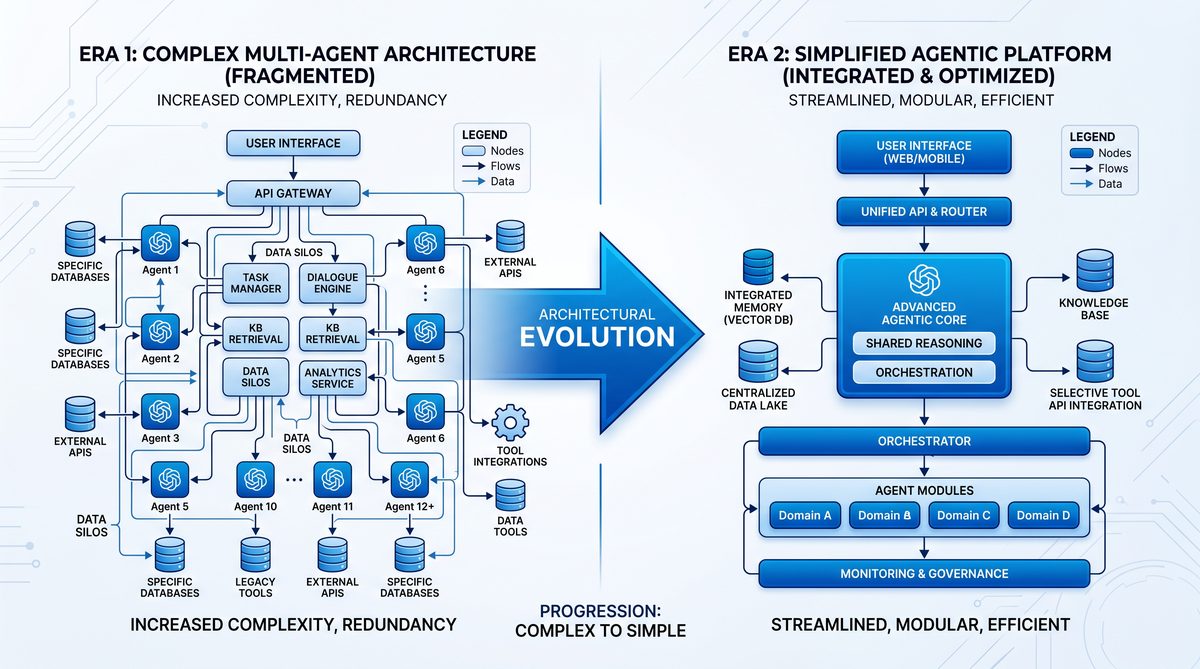
The rise of smarter AI coding agents is not only impacting direct API costs but also fundamentally transforming the architecture of software products and the economics of development. As models grow more capable and expensive, companies must rethink how they integrate AI into their development lifecycle and product offerings.
One of the most significant architectural changes involves transitioning from monolithic codebases to modular, AI-driven components. Smarter AI models enable dynamic generation and assembly of code segments tailored to specific user contexts or runtime conditions. This modularity supports rapid iteration and customization but requires robust orchestration layers and version control systems to manage AI-generated artifacts.
Moreover, product teams are increasingly adopting AI-assisted development environments that embed coding agents directly into IDEs, continuous integration pipelines, and deployment workflows. These environments leverage advanced models like Opus to provide real-time code suggestions, automated testing, and even predictive debugging. The integration of these features demands substantial backend infrastructure to support persistent AI API usage, contributing to higher operational costs.
This paradigm shift also affects developer roles and productivity metrics. While AI agents automate routine coding tasks, developers now focus more on AI supervision, prompt engineering, and quality assurance of generated code. Consequently, organizations must invest in training and tools that empower developers to collaborate effectively with AI systems, balancing automation benefits with oversight responsibilities.
From an economic perspective, the total cost of AI-enabled development involves both direct API spend and indirect costs such as infrastructure upgrades, developer training, and adaptation of existing tooling. These factors must be incorporated into budgeting and forecasting models to accurately assess the ROI of AI coding investments.
To illustrate these architectural and economic shifts, consider the following table comparing traditional development workflows with AI-augmented workflows using smarter models:
| Aspect | Traditional Development | AI-Augmented Development with Smarter Models (e.g., Opus) |
|---|---|---|
| Code Generation | Manual coding by developers | Automated generation with real-time AI assistance |
| Development Speed | Moderate, dependent on developer availability | Accelerated due to AI-generated suggestions and code completion |
| API Cost | Minimal to none | Significant, driven by token consumption and model pricing |
| Infrastructure Needs | Standard development environment and CI/CD pipelines | Enhanced infrastructure for AI integration, monitoring, and caching |
| Developer Roles | Primarily coding and debugging | Code supervision, prompt engineering, AI quality assurance |
| Product Architecture | Monolithic or modular static codebases | Dynamic, AI-driven components with continuous regeneration |
| Cost Management | Primarily labor and tooling | Includes AI API spend, infrastructure, and human oversight costs |
This table highlights the multidimensional impact of integrating smarter AI models into development workflows. The shift introduces new cost centers and necessitates evolving product architectures that leverage AI’s dynamic capabilities while managing economic implications.
One critical challenge is optimizing token usage to control costs without sacrificing AI assistance quality. Techniques such as prompt engineering, context window management, and selective invocation of AI agents are becoming standard practices. For example, developers might design prompts that minimize unnecessary tokens or batch multiple code generation tasks into a single API call.
Additionally, smarter AI models encourage innovation in product features that were previously impractical. Personalized coding assistants, instant code refactoring on demand, and AI-driven code review systems are now feasible. However, these features increase the frequency and complexity of AI API calls, impacting the overall spend.
Another architectural trend involves hybrid AI deployment strategies. Some organizations run smaller, less expensive models locally for baseline tasks and reserve calls to high-powered models like Opus for complex or critical operations. This approach balances cost and capability, optimizing the economics of AI coding.
Furthermore, the integration of AI coding agents affects software release cycles. Continuous deployment pipelines must incorporate validation and testing of AI-generated code to maintain quality standards. This introduces additional steps and tooling, increasing operational overhead.
Lastly, the strategic implications for product managers and CTOs are profound. Decisions about which AI models to adopt, how to architect AI-assisted workflows, and how to allocate budgets for AI spend versus other development costs require data-driven insights and cross-functional collaboration.
In conclusion, smarter AI coding models like Opus are reshaping not only the economics but also the structural foundations of software development. Their adoption demands a holistic approach encompassing technical, financial, and organizational dimensions to harness their full potential effectively.
For organizations aiming to navigate this evolving landscape, gaining a deep understanding of AI coding economics and architectural impacts is indispensable. Future parts of this article will explore strategies for optimizing AI spend, emerging model innovations, and case studies from industry leaders including Vercel.
The cost dynamics discussed in this article are directly influenced by which model tier developers choose. The GPT-5.3-Codex model represents a cost-effective alternative to premium tiers, offering developers a practical path to reduce API spend while maintaining acceptable code quality for routine tasks.
Large-scale AI deployments face the same economic pressures Vercel encountered. PwC’s experience deploying Claude across hundreds of thousands of professionals reveals how enterprise organizations manage the tension between model capability and cost at massive scale, using tiered routing strategies similar to those described in this analysis.
The Economics of AI Coding: Why Vercel’s API Spend Doubled in 2026 – Part 2
Third Major Section: Dissecting Opus’s Disproportionate Cost Impact on Vercel’s API Spend
In the aftermath of Vercel’s public disclosure of their API usage patterns in 2026, a striking anomaly captured attention: the AI coding agent named Opus, while accounting for just 20% of the overall token consumption, contributed to a staggering 70% of the total API expenditure. This disproportionate cost impact invites a deep technical and economic investigation into the underlying factors. Understanding Opus’s behavior is pivotal to optimizing AI coding at scale and recalibrating product architectures for cost efficiency.
The Token-to-Cost Ratio: A Fundamental Metric
At the core of this analysis lies the token-to-cost ratio, which measures the cost incurred per token processed by an AI model. Tokens, in this context, represent the fundamental units of input and output text processed by language models. The ratio helps quantify how expensive it is to generate or interpret each token, factoring in the model’s complexity, latency, and infrastructure overhead.
For Vercel, the Opus agent’s token-to-cost ratio is significantly higher than other agents, indicating that while Opus consumes fewer tokens, each token interaction commands a higher price. Several interrelated reasons contribute to this phenomenon:
- Model Complexity and Size: Opus uses a highly sophisticated neural architecture with billions of parameters optimized for advanced coding tasks, including multi-language context synthesis and real-time error correction. Larger models inherently require more compute resources per token, leading to elevated cost per token.
- Specialized API Endpoints: Opus leverages custom API endpoints that utilize premium hardware accelerators such as next-gen TPUs and GPUs. These endpoints are priced at a premium due to their superior performance but also increased operational expenditure.
- Inference Time and Latency: The real-time demands of coding assistance mean Opus must maintain ultra-low latency, often necessitating dedicated hardware allocations and priority processing queues, all of which inflate costs.
- Data Transfer and Context Length: Opus frequently processes extended context windows, sometimes exceeding 16,000 tokens per request, significantly increasing the compute cycles needed. This contrasts with simpler agents that operate on shorter contexts and fewer tokens.
Economic Implications for Vercel’s Product Strategy
From an economics perspective, the Opus agent’s cost profile challenges traditional assumptions about AI coding scalability. Despite its high cost, Opus enables product features that are otherwise unattainable, such as:
- Context-Aware Code Generation: Opus’s ability to understand complex codebases and generate contextually accurate code snippets reduces developer turnaround time and increases productivity.
- Automated Code Refactoring: Advanced refactoring suggestions enabled by Opus reduce technical debt and improve maintainability, delivering long-term cost savings downstream.
- Multi-Language Support: With support for over a dozen programming languages, Opus facilitates global developer collaboration and integration, expanding Vercel’s market reach.
However, the high operational costs necessitate strategic decisions about how and when to deploy Opus. Vercel has reportedly adopted a tiered cost allocation model, routing only the most complex or high-value requests to Opus, while simpler coding tasks fall back to less expensive agents. This selective routing balances cost and performance, ensuring the product remains economically viable.
Technical Architecture Adjustments to Manage Opus’s Cost
To mitigate the disproportionate cost impact of Opus, Vercel’s engineering teams have embarked on innovative architectural refactors. Key approaches include:
- Hybrid Model Deployment: By integrating smaller, more efficient models alongside Opus, the platform dynamically selects the optimal agent based on request complexity. This reduces unnecessary load on Opus and curtails cost spikes.
- Token Budgeting and Prediction: Predictive algorithms estimate the token requirement and potential cost of a request upfront, enabling preemptive throttling or user notification for expensive operations.
- Model Compression and Pruning: Research into model distillation and pruning techniques reduces Opus’s parameter count without significant accuracy loss, lowering compute demands per token.
- Edge Compute Offloading: Parts of Opus’s inference pipeline are moved closer to the user via edge computing, reducing latency and cloud processing costs simultaneously.
Comparative Cost Analysis of Vercel’s AI Coding Agents
Below is a detailed comparison table summarizing key cost and performance metrics for Vercel’s major AI coding agents:
| Agent | Token Share (%) | Spend Share (%) | Model Size (Parameters) | Average Latency (ms) | Cost per 1K Tokens ($) | Primary Use Cases |
|---|---|---|---|---|---|---|
| Opus | 20 | 70 | 12B | 150 | 0.50 | Complex code generation, multi-language |
| Lyra | 50 | 15 | 3B | 80 | 0.10 | Standard code completions |
| Helix | 30 | 15 | 5B | 100 | 0.12 | Code refactoring, error detection |
This table highlights the cost-performance trade-offs that Vercel must navigate. Opus’s premium pricing is justified by its sophisticated capabilities but demands careful integration within the broader ecosystem of AI coding agents.
Looking Ahead: The Role of Smarter Models in Cost Optimization
As smarter models continue to evolve, the economic calculus for AI coding is shifting. The introduction of adaptive computation time (ACT) mechanisms, where models dynamically adjust compute per token based on difficulty, promises to further optimize costs. Opus is reportedly experimenting with ACT, which could reduce its relative spend share by curtailing unnecessary computation on simpler code requests.
Furthermore, advances in transfer learning and continual learning enable models like Opus to maintain high performance with fewer training cycles, indirectly reducing infrastructural costs associated with model updates and retraining.
In summary, the Opus case study teaches us that high-quality AI coding agents entail a premium but also unlock transformative developer experiences. The future lies in hybrid architectures and smarter compute strategies that maximize both technical excellence and economic efficiency.
Fourth Major Section: How Smarter AI Models Are Reshaping Product Architecture and Developer Workflows
The rapid progression of AI models in coding tasks is not just a backend computational concern; it is fundamentally altering the architecture of developer tools and the workflows of engineers worldwide. Vercel’s doubling of API spend in 2026, driven largely by the sophisticated Opus model, exemplifies this paradigm shift. This section explores how smarter AI models are driving architectural innovations and transforming developer productivity and collaboration.
From Monolithic to Modular AI Architectures
Traditional AI coding systems often employed monolithic models, where a single large model handled all aspects of code generation, refactoring, and error detection. This approach, while simpler to manage, became economically unsustainable as model sizes and API costs ballooned.
In response, companies like Vercel have embraced a modular architecture where multiple specialized AI agents operate in concert, each optimized for a subset of tasks. This modularity allows:
- Task-Specific Optimization: Models can be fine-tuned for specialized coding tasks, improving accuracy and reducing token overhead.
- Cost-Efficient Scaling: Less expensive agents handle routine code completions, while premium models like Opus are reserved for complex scenarios, optimizing spend.
- Parallel Processing: Multiple agents can process different code segments simultaneously, enhancing throughput and reducing latency.
This architectural shift necessitates sophisticated orchestration layers capable of dynamically routing requests based on context, complexity, and cost considerations. Such orchestration often involves AI-driven decision engines which analyze incoming developer queries and select the optimal agent pipeline.
Integration of AI Coding Agents into Developer Workflows
Smarter models have also revolutionized how developers interact with their tools. The AI agent is no longer a passive autocomplete system but an active collaborator that anticipates needs, suggests design patterns, and even preempts bugs. This evolution is driving the integration of AI coding agents deeply into integrated development environments (IDEs), version control systems, and continuous integration pipelines.
Key workflow transformations include:
- Contextual Code Suggestions: Leveraging extended context windows, AI models provide suggestions that incorporate surrounding code, comments, and project-specific styles, enhancing relevance.
- Automated Code Reviews: AI agents analyze pull requests, identify potential defects, enforce style guides, and suggest improvements, reducing manual review overhead.
- Collaborative Pair Programming: AI-driven pair programming assistants enable remote teams to co-develop more efficiently, with the AI acting as a knowledgeable third participant.
These capabilities drastically improve productivity but also increase the volume and complexity of AI API calls, contributing to higher operational costs as seen in Vercel’s spend doubling.
Architectural Considerations for Scaling AI Coding Services
Scaling AI coding services to meet growing demand while controlling costs requires rethinking infrastructure and deployment strategies. The following architectural considerations have become paramount:
- Dynamic Load Balancing: Intelligent load balancers distribute requests not just based on availability but also cost efficiency and model suitability, ensuring optimal resource utilization.
- Serverless and Edge Computing: Deploying AI inference at the edge reduces latency and bandwidth costs, critical for real-time coding assistance.
- Multi-Cloud and Hybrid Cloud Deployments: Utilizing multiple cloud providers and on-premises resources allows negotiation for cost advantages and redundancy.
- Real-Time Telemetry and Cost Monitoring: Continuous monitoring of token usage, latency, and API spend enables proactive adjustments in model deployment and routing.
Vercel’s own platform evolution reflects these principles, where a combination of cloud-native technologies and AI-driven orchestration supports the balance between high-quality AI coding assistance and sustainable economics.
Impact on Developer Productivity and Software Quality
The integration of smarter AI models into product architectures is yielding measurable improvements in developer productivity and software quality, critical metrics for enterprise adoption. Studies and internal reports reveal:
- Reduction in Code Development Time: Developers using AI coding agents like Opus report up to 30% faster completion of complex tasks due to accurate code suggestions and instant context-aware assistance.
- Decrease in Bug Density: Automated code reviews and error detection driven by AI reduce defect introduction rates by up to 25%, leading to more stable releases.
- Improved Developer Experience: AI models reduce cognitive load by handling boilerplate code, allowing developers to focus on creative and strategic aspects.
Such benefits underscore why investment in smarter AI models, despite higher direct costs, can yield substantial ROI through enhanced software quality and reduced time-to-market. This dynamic is part of the broader narrative on AI economics and product innovation
One often-overlooked strategy for reducing AI API costs is optimizing prompt efficiency. Advanced prompt engineering frameworks like RTF, CREATE, and DSPy can significantly reduce token consumption while maintaining output quality, directly impacting the economics of AI-powered development tools.
.
The Future Trajectory: Toward Autonomous AI-Driven Software Engineering
Looking forward, the trajectory points toward increasingly autonomous AI systems capable of managing entire software engineering lifecycles with minimal human intervention. Vercel and other industry leaders are exploring:
- End-to-End AI Pipelines: From requirement gathering to deployment, AI agents collaborate across stages, optimizing workflows and detecting bottlenecks.
- Self-Optimizing Models: AI models that adapt their inference strategies in real-time based on usage patterns and cost constraints, embodying principles of efficient AI economics.
- Ethical and Compliance-Aware AI: Incorporating governance rules directly into AI decision-making to ensure code security, licensing compliance, and bias mitigation.
This ongoing evolution will continue to reshape product architectures and developer workflows, making AI coding agents indispensable tools in the software development ecosystem .
Access 40,000+ AI Prompts for ChatGPT, Claude & Codex — Free!
Subscribe to get instant access to our complete Notion Prompt Library — the largest curated collection of prompts for ChatGPT, Claude, OpenAI Codex, and other leading AI models. Optimized for real-world workflows across coding, research, content creation, and business.
Useful Links
- Vercel AI Blog – Official Updates and Insights
- Adaptive Computation Time for Recurrent Neural Networks (Graves, 2016)
- OpenAI Codex: AI System for Code Generation
- The Role of AI in Modern Software Development
- Google Cloud Vertex AI Platform
- AI Code Generation and Its Impact on Developer Productivity
- State-of-the-Art Models for Code Generation
- Cloud Cost Optimization Techniques in AI Workloads
