
The GPT-5.5 Prompts Playbook for HR and Talent Acquisition: Recruiting, Onboarding, and Employee Development

GPT-5.5 Prompting Playbook for Human Resources and Talent Acquisition Teams
In today’s dynamic and rapidly evolving corporate landscape, Human Resources (HR) and Talent Acquisition (TA) teams face unprecedented challenges that demand innovative, efficient, and scalable solutions. The integration of cutting-edge artificial intelligence (AI) models, such as OpenAI’s GPT-5.5, presents a transformative opportunity to redefine how organizations attract, onboard, develop, and retain top talent. This playbook is meticulously designed to serve as an authoritative guide, equipping HR and TA professionals with expertly crafted GPT-5.5 prompts that optimize key operational domains. For more details, see our guide on Claude Design: How Anthropic’s New Visual Design Tool Challenges Figma and Canva.
At the core of this resource lies a comprehensive framework addressing five pivotal HR functions:
- Writing Bias-Free Job Descriptions: Ensuring inclusion and equity in recruitment by eliminating unconscious bias through AI-assisted language analysis and generation.
- Designing Behavioral Interview Matrices: Creating structured, competency-based interview guides that enhance candidate assessment and selection accuracy.
- Crafting Personalized Onboarding Journeys: Automating and customizing new hire experiences to accelerate assimilation and engagement.
- Writing Constructive Performance Reviews: Generating balanced, actionable feedback to support employee growth and performance management.
- Developing Learning and Development (L&D) Programs: Designing tailored upskilling initiatives aligned with organizational goals and individual career paths.
Each section of this playbook delves deeply into the specific HR challenge, presenting an exact prompt optimized for GPT-5.5’s capabilities, accompanied by a real-world sample AI-generated response. Furthermore, it provides a rigorous analysis of best practices to maximize output quality, relevance, and ethical considerations. This layered approach ensures HR practitioners not only utilize GPT-5.5 effectively but also understand the underlying rationale and contextual nuances.
Why GPT-5.5 is a Game-Changer for HR and TA
GPT-5.5 represents a significant advancement over its predecessors, featuring enhanced contextual understanding, reduced hallucination rates, and superior multi-turn conversational coherence. These attributes make it uniquely suited for HR applications, where precision, empathy, and compliance are paramount. Unlike traditional automation tools, GPT-5.5 can interpret nuanced requirements, generate creative yet compliant content, and adapt its outputs based on iterative feedback.
For example, in crafting job descriptions, GPT-5.5 can analyze existing organizational language and identify subtle gender-coded terms or culturally biased phrases. By suggesting neutral alternatives, it helps widen candidate pools and fosters diversity. Similarly, when generating interview questions, GPT-5.5 can align queries with behavioral competencies tailored to specific roles, ensuring consistency and fairness across hiring panels.
Detailed Breakdown: How to Use This Playbook Effectively
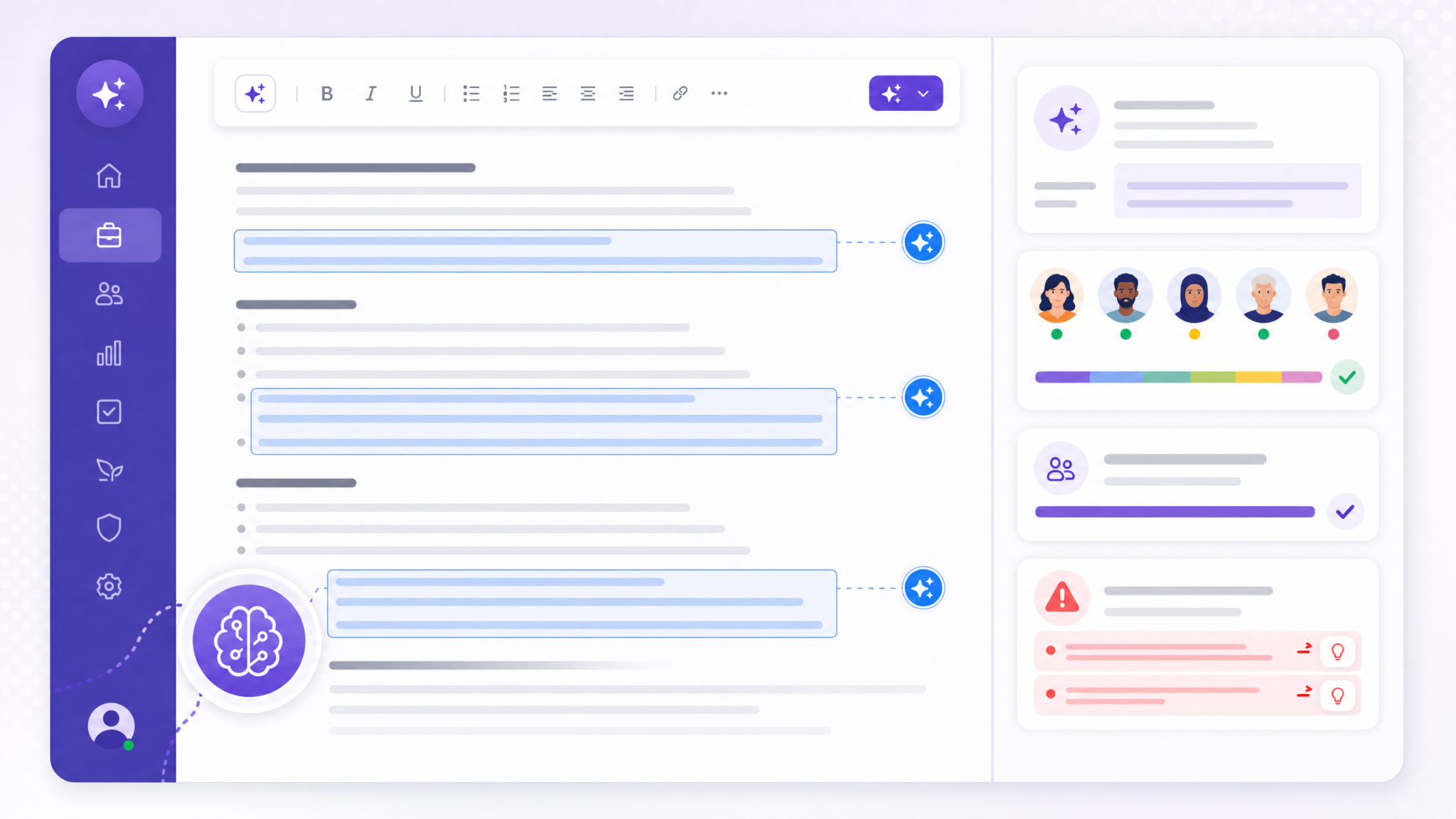
The utility of GPT-5.5 in HR workflows hinges on the precision of the input prompts. Poorly constructed prompts may yield generic or irrelevant responses, while highly structured prompts can unlock the model’s full potential. This playbook guides users through a step-by-step methodology:
- Contextual Framing: Clearly define the HR objective, target audience, and organizational parameters to provide the AI with necessary background.
- Prompt Construction: Use explicit instructions, delimiters, and examples within the prompt to guide the model’s output style, tone, and format.
- Response Evaluation: Apply predefined quality metrics, such as relevance, bias mitigation, and compliance with labor laws, to assess AI-generated content.
- Iterative Refinement: Modify prompts based on evaluation feedback to enhance accuracy and alignment with HR goals.
- Integration and Deployment: Incorporate validated outputs into HR systems, workflows, and communication channels, ensuring seamless adoption.
Real-World Example: Bias-Free Job Description Generation
Consider an HR team tasked with revamping a job posting for a software engineer role. Traditional descriptions often inadvertently include language that may discourage certain demographics from applying, such as “aggressive” or “ninja.” Using this playbook, the team crafts a prompt instructing GPT-5.5 to:
- Analyze the original job description for biased language.
- Suggest neutral, inclusive alternatives.
- Maintain technical accuracy and role specificity.
- Format the output as a ready-to-publish job description.
The AI output not only replaces biased terms but also enhances clarity and engagement by incorporating inclusive phrases like “collaborative” and “innovative problem-solver.” This example underscores how GPT-5.5 can elevate recruitment quality while promoting diversity and inclusion.
Comparison Table: Traditional vs. GPT-5.5-Enhanced HR Content Creation
| Aspect | Traditional Approach | GPT-5.5-Enhanced Approach |
|---|---|---|
| Speed | Manual drafting and review, often taking days. | Instant generation with iterative refinement within minutes. |
| Bias Mitigation | Dependent on HR expertise and manual checks, prone to oversight. | Automated identification and correction of biased language using AI analysis. |
| Consistency | Varies between writers; potential for inconsistent tone and style. | Uniform tone and style across documents ensured through prompt design. |
| Customization | Limited personalization due to resource constraints. | Tailored content generation based on role, department, and culture. |
| Compliance | Manual legal review required; risk of non-compliance. | Incorporates compliance checks within prompts, reducing legal risk. |
Ethical and Practical Considerations
While GPT-5.5 offers transformative potential, HR professionals must remain vigilant regarding ethical use. Responsible AI deployment entails:
- Transparency: Clearly communicate AI involvement to candidates and employees, maintaining trust.
- Data Privacy: Ensure sensitive employee data used in prompts complies with data protection regulations such as GDPR and CCPA.
- Bias Monitoring: Regularly audit AI outputs to detect and correct emergent biases.
- Human Oversight: Maintain human-in-the-loop processes to validate AI recommendations before implementation.
By adhering to these principles, organizations can harness GPT-5.5’s capabilities without compromising ethical standards or employee trust.
Conclusion
This GPT-5.5 Prompting Playbook for Human Resources and Talent Acquisition Teams is more than a technical manual—it is a strategic enabler for the future of work. As organizations grapple with talent scarcity, shifting workforce expectations, and the imperative for diversity and inclusion, AI-powered prompting offers a scalable, precise, and adaptable toolset. By mastering the art of prompt engineering within the HR context, practitioners will unlock unprecedented efficiency, quality, and insight across recruiting, onboarding, performance management, and learning development initiatives.
Subsequent sections will provide granular prompt templates, case studies, and actionable insights to guide the effective integration of GPT-5.5 into everyday HR operations, ensuring that your teams remain at the forefront of innovation and excellence.
1. Writing Bias-Free Job Descriptions
HR Challenge:
Crafting job descriptions that are free from bias is one of the foundational challenges in modern HR and talent acquisition. Traditional job ads often unintentionally incorporate language that can alienate or dissuade qualified candidates from diverse backgrounds, which in turn limits the talent pool and undermines organizational diversity and inclusion goals. Bias in job descriptions can take many subtle forms, including gender-coded words, culturally loaded phrases, jargon that may exclude certain groups, or even the implicit signaling of preferred personality traits that correlate with specific demographics.
For example, words like “aggressive,” “ninja,” or “rockstar” have been shown through linguistic studies to skew masculine, potentially deterring female or non-binary applicants. Similarly, highly technical jargon or culturally specific idioms may confuse or alienate candidates from non-traditional backgrounds or international applicants. Such language creates barriers to entry and narrows the scope of who feels invited to apply.
Eliminating these biases is critical not only for legal compliance and ethical hiring practices but also for fostering an inclusive environment where all candidates can envision themselves thriving. Inclusive job descriptions act as the initial touchpoint that shapes candidates’ perceptions of company culture and values. They set the tone for equity and belonging from the very first interaction.
Moreover, bias-free descriptions help organizations tap into underrepresented talent pools, improving innovation, problem-solving capabilities, and ultimately business performance. The challenge lies in balancing the need for precision and role clarity with neutrality and inclusivity, ensuring that the core responsibilities and requirements are communicated effectively without unintended exclusion.
Exact GPT-5.5 Prompt:
"Please rewrite the following job description to ensure it is completely bias-free, inclusive, and appealing to a diverse range of candidates. Identify and remove any gender-coded, culturally specific, or exclusionary language. Maintain the original role requirements and responsibilities clearly and professionally.

Job Description:
[Insert original job description text here]"
Detailed Step-by-Step Breakdown of the Prompt Functionality:
- Bias Identification: The prompt instructs GPT-5.5 to explicitly detect language that signals gender bias (e.g., “dominant,” “assertive”), cultural bias (e.g., idioms like “hit the ground running”), or exclusionary jargon (e.g., “must have 10+ years in Fortune 500 tech companies”). This ensures the AI focuses on subtle linguistic cues rather than just obvious terminology.
- Language Neutralization: Upon identifying biased terms, GPT-5.5 replaces them with neutral, inclusive alternatives that do not favor any demographic group, such as swapping “aggressive” for “proactive” or “rockstar developer” for “skilled software engineer.”
- Preservation of Core Content: The prompt emphasizes maintaining the integrity of the original role’s responsibilities and requirements. This safeguards against over-sanitization that could dilute essential qualifications or job expectations.
- Professional Tone and Clarity: GPT-5.5 is guided to keep the rewritten description professional, clear, and compelling, ensuring it remains attractive to top talent without sacrificing inclusivity.
Sample Response:
(Assuming the input job description contained phrases like “aggressive go-getter” and “rockstar developer”)
We are seeking a skilled software developer to join our dynamic team. The ideal candidate thrives in collaborative environments, demonstrates strong problem-solving abilities, and is eager to contribute to innovative projects. Responsibilities include designing, developing, and maintaining software applications while working closely with cross-functional teams. We encourage applications from all qualified individuals, regardless of background.
Expanded Best Practices Analysis:
- Explicit Instruction and Contextual Framing: The prompt’s clarity in instructing GPT-5.5 to focus on bias removal while preserving role clarity is paramount. AI models respond best to specific guidance coupled with context. For example, explicitly asking to “identify and remove gender-coded, culturally specific, or exclusionary language” guides the model to assess phrasing through multiple bias lenses.
- Deep Linguistic Awareness: Understanding which terms carry implicit bias requires nuanced linguistic knowledge. Terms like “aggressive” or “rockstar” have been empirically linked with masculine-coded language. Replacing these with neutral descriptors such as “proactive” or “highly skilled” broadens appeal and signals inclusivity without watering down the required competencies.
- Context Preservation and Role Integrity: Maintaining the essence of the job is critical. Overzealous editing might remove essential qualifications or responsibilities, leading to confusion or mismatched candidate expectations. The prompt’s emphasis on “maintain original role requirements and responsibilities clearly and professionally” mitigates this risk.
- Validation and Human Oversight: Despite GPT-5.5’s sophistication, AI-generated rewrites require human review to catch subtle biases or inaccuracies. For example, some neutral terms may inadvertently imply other biases or may be industry jargon that excludes certain groups. HR professionals should cross-check edits against organizational diversity goals and legal standards.
- Iterative Refinement and Multiple Versions: For complex or senior roles, it is advisable to generate multiple versions of the job description using GPT-5.5, each emphasizing different inclusive language strategies. This iterative process allows selection of the optimal version and serves as a basis for ongoing refinement.
- Supplement with Diversity Statements: Including explicit statements about organizational commitment to diversity and equal opportunity can complement bias-free language. For example, phrases like “We value diversity and encourage applicants from all backgrounds to apply” reinforce inclusive intent.
- Leverage Data-Driven Tools: Integrate AI rewriting with dedicated bias detection tools such as Textio or Gender Decoder to quantitatively assess the inclusivity of language. Combining GPT-5.5’s generative capabilities with analytical tools strengthens overall effectiveness.
Comparative Table: Examples of Gender-Coded vs. Inclusive Language in Job Descriptions
| Gender-Coded / Biased Language | Inclusive / Bias-Free Alternative | Rationale |
|---|---|---|
| Aggressive go-getter | Proactive and results-oriented professional | “Aggressive” tends to skew masculine; “proactive” is neutral and describes initiative. |
| Rockstar developer | Skilled software engineer | “Rockstar” can be seen as informal and exclusionary; “skilled” emphasizes competence. |
| Ninja or wizard | Experienced specialist | Informal terms may confuse or exclude; clear descriptors improve clarity and inclusivity. |
| Must be a “cultural fit” | Must align with company values and collaborative spirit | “Cultural fit” can mask unconscious bias; focus on values promotes inclusion. |
| Strong personality | Excellent communication and interpersonal skills | “Strong personality” is vague and subjective; precise skills reduce bias. |
| Young and energetic team | Diverse and dynamic team | “Young” implies age bias; “diverse” emphasizes inclusion. |
Integrating GPT-5.5 with HR Workflow: Practical Implementation Steps
- Initial Draft Creation: Use traditional methods or sourcing managers to create a baseline job description.
- Bias Detection and Rewrite: Input the draft into GPT-5.5 with the specified prompt to generate a bias-free rewrite.
- Human Review: HR professionals and diversity officers review the AI output, checking for subtle biases or alterations in role clarity.
- Quantitative Analysis: Run the revised description through third-party bias detection tools for scoring and suggestions.
- Iterate and Finalize: Request alternate versions from GPT-5.5 if necessary and incorporate feedback to finalize the text.
- Publish with Diversity Statement: Add an explicit equal opportunity statement and share through inclusive recruitment channels.
- Monitor Impact: Track applicant diversity metrics pre- and post-implementation to assess effectiveness and refine ongoing strategy.
Advanced GPT-5.5 Prompt Variations for Enhanced Control
To further tailor GPT-5.5 outputs for specific organizational needs, consider the following prompt augmentations:
"Rewrite the job description to be bias-free and culturally neutral. Additionally, suggest alternative inclusive phrases for any ambiguous terms.""In addition to bias removal, optimize the job description for readability and SEO to improve visibility among diverse candidates.""Provide two rewritten versions of the job description: one formal and one conversational, both free of bias and inclusive.""Highlight any residual phrases that might require human review for potential bias after rewriting."
Leveraging such prompt engineering techniques maximizes GPT-5.5’s utility and aligns AI outputs with strategic HR objectives.
2. Designing Behavioral Interview Matrices
HR Challenge:
Behavioral interviews are a cornerstone technique in talent acquisition, designed to predict future job performance based on candidates’ past experiences. However, the efficacy of behavioral interviews hinges critically on their structure. A behavioral interview matrix is an essential tool that systematizes the process by aligning interview questions with key competencies and organizational values. This alignment ensures that interviews comprehensively evaluate both technical skills and cultural fit, thereby enhancing the quality of hiring decisions.
Manual creation of these matrices is often a painstaking and error-prone process. It requires deep understanding of job roles, organizational priorities, and competency frameworks, followed by the painstaking formulation of precise questions and evaluation criteria. Without a standardized matrix, interviewers risk inconsistency, subjective bias, and gaps in assessment areas, ultimately undermining the reliability and validity of candidate evaluations.
Moreover, as organizations scale, the volume and diversity of roles multiply, making it impractical for HR teams to manually develop customized matrices for every position. This challenge is compounded by the need to adapt matrices to evolving company values or new competency models. Leveraging GPT-5.5’s natural language generation capabilities offers a scalable, dynamic solution that can automatically generate detailed, role-specific behavioral interview matrices tailored to exact company values and competencies.
Exact GPT-5.5 Prompt:
"Create a detailed behavioral interview matrix for the role of [Job Title]. Include 5 key competencies aligned with the company's values: [List company values]. For each competency, provide 3 behavioral interview questions with clear evaluation criteria. Structure the output as a table with columns: Competency, Question, Evaluation Criteria."
Expanded Explanation of the Prompt:
This prompt instructs GPT-5.5 to generate a comprehensive matrix that blends competency-based interviewing with organizational culture assessment. The five key competencies serve as the foundational pillars for evaluating candidates’ behavioral attributes crucial to success in the role. Embedding company values ensures that the questions go beyond skills, probing how candidates’ behaviors align with the organization’s mission and ethics.
The requirement of three behavioral questions per competency ensures depth and breadth in evaluation, allowing interviewers to explore multiple dimensions of each competency. Importantly, the evaluation criteria column provides objective, measurable standards that reduce interviewer subjectivity and facilitate consistent scoring across panels.
The tabular structure enables seamless integration into Applicant Tracking Systems (ATS), interview guides, or digital assessment platforms, improving accessibility and usability for recruiters and hiring managers.
Sample Response:
| Competency | Question | Evaluation Criteria |
|---|---|---|
| Collaboration | Describe a time when you had to work closely with a difficult team member. How did you handle the situation? | Assesses communication skills, conflict resolution, and teamwork effectiveness. Look for examples demonstrating empathy, negotiation, and maintenance of professional relationships. |
| Collaboration | Give an example of a successful project completed through cooperative effort. | Evaluates ability to contribute and support team goals. Candidate should illustrate proactive involvement, sharing responsibilities, and celebrating team achievements. |
| Collaboration | Tell me about a time you had to rely on others to meet a deadline. How did you ensure success? | Measures trust-building, delegation, and reliability. Indicators include clear communication, follow-up, and contingency planning. |
| Problem Solving | Describe a complex problem you encountered and the steps you took to resolve it. | Judges analytical thinking, creativity, and decisiveness. Strong answers detail problem identification, root cause analysis, solution ideation, and implementation. |
| Problem Solving | Tell me about a time when your initial approach to a problem failed. What did you do next? | Evaluates resilience, adaptability, and learning orientation. Look for evidence of reassessment, pivoting strategies, and continuous improvement. |
| Problem Solving | Give an example of when you had to balance multiple competing priorities to solve a problem. | Assesses organizational skills, prioritization, and decision-making under pressure. |
| Leadership | Describe a situation where you led a team through a significant change. How did you manage the transition? | Assesses change management, communication, and motivational skills. |
| Leadership | Give an example of how you developed someone on your team. | Evaluates mentorship, coaching abilities, and investment in employee growth. |
| Leadership | Tell me about a time you had to make a difficult decision that was unpopular. How did you handle the aftermath? | Measures ethical judgment, decisiveness, and stakeholder management. |
| Adaptability | Describe a time when you had to quickly adjust to a significant change at work. | Evaluates flexibility, emotional intelligence, and openness to new ideas. |
| Adaptability | Tell me about a situation where you had to learn a new skill or technology on the job. | Assesses learning agility and self-directed development. |
| Adaptability | Give an example of how you handled unexpected challenges in a project. | Measures problem-solving under uncertainty, perseverance, and resourcefulness. |
| Customer Focus | Describe a time when you went above and beyond to meet a customer’s needs. | Assesses empathy, proactive service, and commitment to customer satisfaction. |
| Customer Focus | Tell me about a difficult customer interaction and how you resolved it. | Evaluates conflict resolution, patience, and communication skills. |
| Customer Focus | Give an example of how you incorporated customer feedback to improve a product or service. | Measures responsiveness, innovation, and continuous improvement. |
Step-by-Step Breakdown for Creating Behavioral Interview Matrices Using GPT-5.5
- Define the Role and Key Competencies: Identify the critical competencies for the role based on job analysis, role descriptions, and organizational priorities. For instance, a sales role may emphasize communication, persuasion, and resilience.
- Incorporate Company Values: List the core values that your organization prioritizes, such as integrity, innovation, or customer-centricity. Embedding these ensures that candidates are assessed not only on skills but on cultural alignment.
- Craft Targeted Behavioral Questions: For each competency, develop 3 behavioral questions that elicit examples of past behavior demonstrating that competency. Questions should be open-ended and situational, encouraging detailed responses.
- Establish Clear Evaluation Criteria: Define objective measures and indicators for each question. Evaluation criteria help interviewers identify key behaviors, reducing subjective interpretation and bias.
- Leverage GPT-5.5 for Automation: Use the exact prompt format to automatically generate matrices tailored to any role by simply substituting role titles and company values.
- Review and Customize: Although GPT-5.5 provides a strong baseline, customize questions and criteria to reflect unique organizational context or evolving talent needs.
- Integrate into Interview Process: Format the output into ATS-compatible templates or interview guides. Train interviewers on using the matrix to ensure consistency and reliability.
Real-World Example:
Case Study: Tech Startup Scaling Its Engineering Team
A rapidly growing tech startup needed to hire 50+ software engineers in six months. The HR team faced challenges in maintaining consistent, high-quality behavioral interviews across multiple interviewers and locations. By leveraging GPT-5.5 to design behavioral interview matrices, they:
- Generated customized interview matrices for roles ranging from junior developers to senior architects, aligned with company values like innovation, collaboration, and customer focus.
- Reduced question development time from weeks to hours, accelerating the hiring pipeline.
- Improved interviewer calibration through detailed evaluation criteria, leading to a 30% reduction in candidate drop-off rates post-interview due to better role fit.
- Integrated matrices into their ATS, enabling automated interview scheduling and feedback collection aligned with competency scores.
This approach exemplifies how GPT-5.5 can scale behavioral interviewing frameworks while maintaining rigor and alignment with organizational culture.
Comparison Table: Manual vs. GPT-5.5 Driven Matrix Design
| Aspect | Manual Matrix Design | GPT-5.5 Driven Matrix Design |
|---|---|---|
| Time Investment | Weeks to months, depending on role complexity and number of competencies. | Minutes to hours, with the ability to generate multiple matrices rapidly. |
| Customization | Requires extensive subject matter expertise and iterative refinement. | Highly customizable by adjusting prompt inputs; instant generation of variants. |
| Consistency | Varies based on interviewer expertise and manual errors. | Consistent format and depth, reducing interviewer bias. |
| Scalability | Challenging to scale across multiple roles and locations. | Effortlessly scales to hundreds of roles and global teams. |
| Integration | Often manual formatting needed for ATS or interview guides. | Output structured for seamless ATS and guide integration. |
| Accuracy & Relevance | Depends on human knowledge; risk of outdated or irrelevant questions. | Leverages GPT-5.5’s up-to-date knowledge and prompt engineering to maintain relevance. |
Best Practices Analysis:
- Alignment with Values: Embedding company values within the matrix not only assesses technical competencies but also ensures candidates fit the organizational culture, fostering long-term retention and engagement.
- Competency Focus: Focusing on role-specific competencies sharpens interview precision, ensuring every question contributes meaningfully to predicting job performance.
- Evaluation Criteria: Defining explicit criteria guides interviewers towards objective, evidence-based assessment, minimizing personal biases and improving inter-rater reliability.
- Structured Output: Tabular formats enable efficient data capture and analysis, integrating seamlessly into digital hiring platforms and simplifying interviewer training.
- Customization: Tailoring questions to reflect real-world scenarios candidates will face increases predictive validity, allowing interviewers to better gauge on-the-job behaviors.
- Iterative Refinement: Continuously updating matrices based on feedback and hiring outcomes ensures the tool evolves with organizational needs and market dynamics.
- Interviewer Training: Providing thorough training on using the matrix and interpreting evaluation criteria enhances consistency and fairness.
- Inclusion and Diversity: Designing questions that are culturally sensitive and free of bias promotes equitable candidate evaluation.
Advanced Usage: Incorporating Behavioral Interview Matrices into AI-Enabled Hiring Workflows
Beyond generation, GPT-5.5 can be integrated into holistic AI-driven recruitment systems. For example:
- Dynamic Question Generation: Based on candidate responses, GPT-5.5 can suggest follow-up probes in real time, enabling deeper dives into competency areas.
- Automated Scoring Assistance: Natural language processing (NLP) models can analyze candidate answers against evaluation criteria to provide preliminary scoring, assisting human interviewers.
- Feedback Summarization: GPT-5.5 can aggregate multi-interviewer notes into concise candidate feedback reports, highlighting strengths and development areas.
- Bias Mitigation: AI can monitor question phrasing and interviewer scoring patterns to detect and alert on potential biases.
These innovations, when combined with well-designed behavioral interview matrices, create a robust framework that enhances the fairness, accuracy, and efficiency of talent acquisition processes.
3. Crafting Personalized Onboarding Journeys
HR Challenge:
New hire onboarding is a critical determinant of employee engagement, productivity, and long-term retention. Organizations increasingly recognize that a “one-size-fits-all” onboarding approach is insufficient to meet the diverse needs of today’s workforce. Personalized onboarding journeys that are tailored to the specific job role, department culture, individual learning preferences, and prior experience can significantly accelerate a new hire’s time-to-competency and foster a deeper emotional connection to the company. However, designing such bespoke onboarding programs manually is a highly complex, resource-intensive task that requires orchestrating multiple stakeholders, aligning training content with role requirements, and dynamically adapting to individual progress and feedback.
Moreover, the challenge extends beyond initial orientation—it includes embedding new employees within social networks, clarifying performance expectations, and enabling continuous learning pathways. HR teams must balance structured curricula with flexibility for hands-on experiences, while ensuring compliance with legal and organizational policies. This complexity is compounded by the need to scale personalized onboarding across diverse roles, geographic locations, and employee backgrounds.
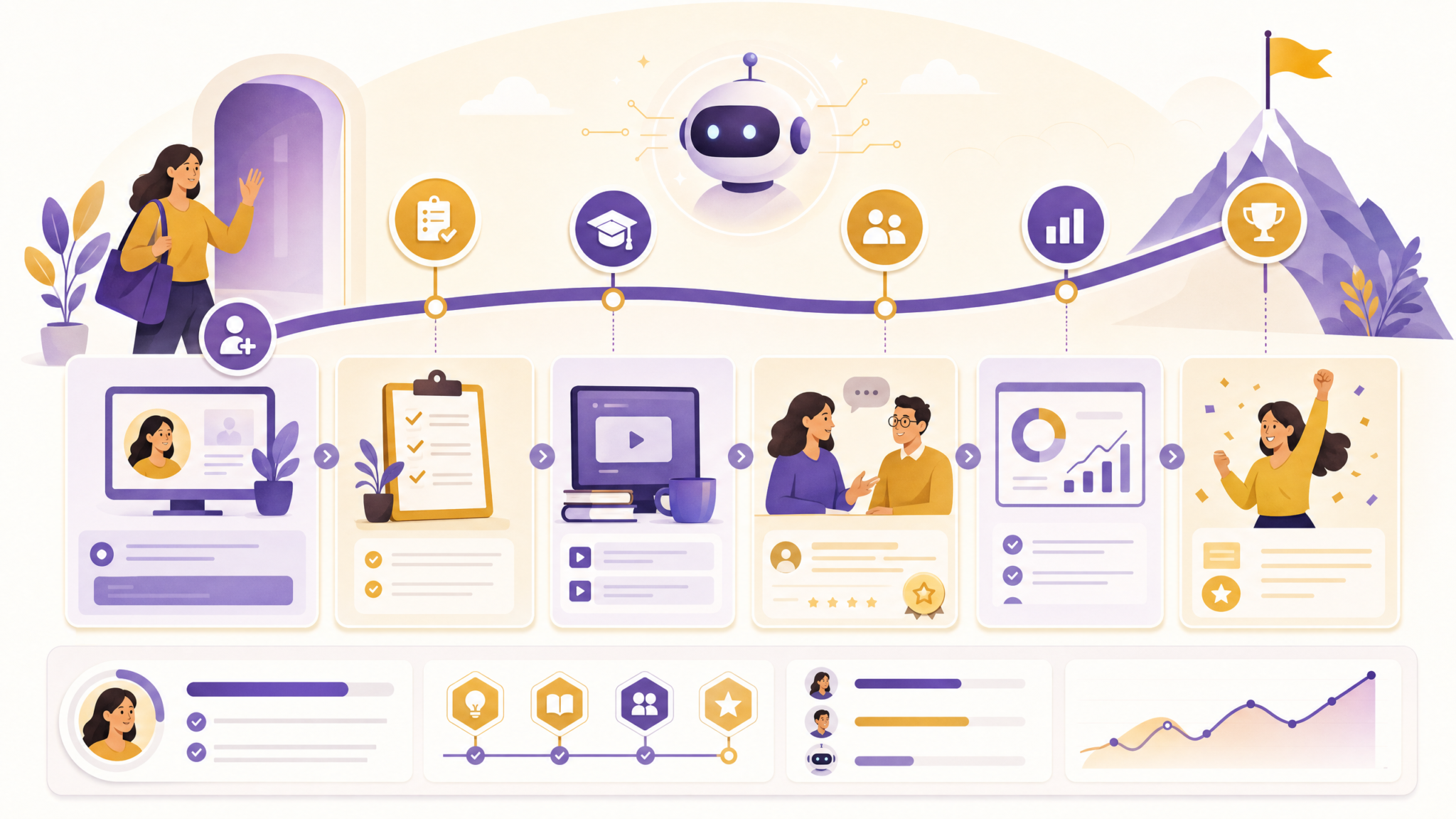
Leveraging GPT-5.5’s advanced natural language understanding and generation capabilities, HR professionals can automate the design of highly granular, adaptive onboarding plans that incorporate role-specific competencies, stakeholder engagement, and tailored learning modalities. This approach not only reduces manual workload but also enables dynamic customization based on real-time inputs such as experience level and preferred learning style, resulting in more effective and engaging onboarding experiences.
Exact GPT-5.5 Prompt:
"Design a personalized 30-day onboarding plan for a new hire joining as a [Job Title] in the [Department]. Include daily and weekly objectives, key stakeholders to meet, training sessions, and milestones. Adapt the plan for a candidate with [experience level] and [preferred learning style, e.g., visual, hands-on]."
Step-by-Step Breakdown of the Prompt Components:
- Job Title & Department: Anchors the onboarding plan to role-specific competencies, tools, and workflows relevant to the new hire’s function.
- Daily and Weekly Objectives: Provides a structured timeline that balances knowledge acquisition, skill application, and relationship building.
- Key Stakeholders: Identifies individuals critical for mentorship, knowledge transfer, and cultural integration, such as team leads, HR partners, and cross-functional colleagues.
- Training Sessions: Incorporates both formal learning modules and informal experiential opportunities, customized for the candidate’s preferred learning style (e.g., visual learners benefit from videos and infographics; hands-on learners from simulations and shadowing).
- Milestones: Sets measurable checkpoints to assess progress, encourage accountability, and celebrate achievements, such as completing compliance training or contributing independently to a project.
- Experience Level Adaptation: Ensures the onboarding plan is neither too basic nor too advanced, accommodating novices who require foundational knowledge and veterans who need strategic immersion.
Sample Response:
Week 1: Foundation and Orientation
- Day 1: Welcome session with HR; comprehensive overview of company culture, mission, and values. For visual learners: curated company introduction videos and interactive infographics to reinforce key messages.
- Day 2: Introduction meeting with team lead and assigned mentor to establish objectives and expectations. Hands-on learners shadow mentor on simple tasks to contextualize workflows.
- Day 3: Core tools training (e.g., internal software platforms, communication tools). Visual learners engage with screen-recorded tutorials; hands-on learners perform guided exercises.
- Day 4: Deep dive into ongoing projects and business context through presentations and Q&A sessions with project managers.
- Day 5: Check-in meeting with HR and mentor to assess initial comfort levels, clarify questions, and adjust learning plan based on feedback.
Weeks 2-4: Skill Development and Integration
- Progressive involvement in team projects with increasing autonomy.
- Weekly feedback and coaching sessions to evaluate performance and adjust objectives.
- Structured cross-departmental introductions to build networks and understand interdependencies.
- Completion of mandatory compliance and role-specific technical training modules.
- Milestone goal: Independently contribute to a defined project deliverable by the end of week 4, demonstrating applied knowledge and integration into the team.
Real-World Example: Onboarding a Junior Data Analyst in the Marketing Department
For a junior data analyst with limited prior experience and a preference for hands-on learning, GPT-5.5 can generate a plan such as:
- Day 1: Orientation with HR; interactive company culture workshop incorporating group activities.
- Day 2: Shadow senior analysts during data extraction and cleaning tasks.
- Day 3: Hands-on training on SQL databases with practical exercises and real datasets.
- Day 4: Attend marketing team meetings to understand campaign objectives.
- Day 5: Mentor-led review of week’s learning, Q&A, and goal-setting for next week.
- Weeks 2-4: Gradual assignment of independent data analysis tasks, weekly feedback sessions, and participation in cross-functional brainstorming workshops.
Comparison Table: Learning Style Adaptations in Onboarding
| Learning Style | Onboarding Content Delivery | Example Activities | Expected Benefits |
|---|---|---|---|
| Visual | Videos, infographics, flowcharts, and slides | Company culture videos, process maps, visual dashboards | Improved retention of abstract information and company values |
| Auditory | Lectures, podcasts, discussion groups | Live Q&A sessions, team meetings, recorded webinars | Enhanced comprehension through listening and discussion |
| Hands-on | Practical exercises, simulations, job shadowing | Guided tool usage, role-playing scenarios, project tasks | Accelerated skill acquisition and confidence building |
| Reading/Writing | Manuals, documentation, written instructions | Process documentation review, policy handbooks, quizzes | Better understanding via detailed textual materials |
Code Snippet: Automating Onboarding Plan Generation with GPT-5.5 API
import openai

def generate_onboarding_plan(job_title, department, experience_level, learning_style):
    prompt = f"""
    Design a personalized 30-day onboarding plan for a new hire joining as a {job_title} in the {department}.
    Include daily and weekly objectives, key stakeholders to meet, training sessions, and milestones.
    Adapt the plan for a candidate with {experience_level} experience and {learning_style} learning style.
    """
    response = openai.ChatCompletion.create(
        model="gpt-5.5",
        messages=[{"role": "system", "content": "You are an expert HR onboarding assistant."},
                  {"role": "user", "content": prompt}],
        temperature=0.7,
        max_tokens=1500
    )
    return response.choices[0].message.content

# Example usage
plan = generate_onboarding_plan("Junior Data Analyst", "Marketing", "entry-level", "hands-on")
print(plan)
Best Practices Analysis:
- Role-Specificity: Precisely tailoring onboarding content and activities to the new hire’s job ensures relevance, accelerates learning, and mitigates cognitive overload. For example, a software engineer’s onboarding focuses heavily on codebase familiarity and development tools, whereas a sales representative’s plan emphasizes CRM systems and customer engagement techniques.
- Learning Style Adaptation: Recognizing individual learning preferences improves knowledge retention and engagement. Providing multimodal learning resources—videos, interactive sessions, written documentation—allows flexibility and inclusivity.
- Milestones & Feedback: Setting measurable goals and scheduled feedback loops enables continuous performance assessment and early identification of challenges. This fosters a culture of transparency and supports timely interventions.
- Stakeholder Inclusion: Early and structured introductions to mentors, team leads, and cross-functional partners help embed new hires within social and professional networks, enhancing belonging and collaborative productivity.
- Balance of Formal & Informal Learning: Combining structured training modules with experiential learning (shadowing, project work) ensures comprehensive skill development and contextual understanding.
- Scalability and Automation: Utilizing GPT-5.5 enables HR teams to generate personalized onboarding plans at scale, maintaining quality and consistency across diverse roles and geographies. This reduces manual design time and allows HR to focus on strategic engagement.
- Continuous Improvement: Collecting feedback on onboarding effectiveness and iteratively refining GPT prompt parameters and content ensures the onboarding journey evolves in alignment with organizational changes and employee needs.
In conclusion, the integration of GPT-5.5 into onboarding strategy empowers HR professionals to transcend traditional limitations of manual program design and deliver dynamic, individualized onboarding journeys that foster rapid integration, skills mastery, and employee satisfaction.
4. Writing Constructive Performance Reviews
HR Challenge:
Performance reviews are a critical tool for talent management, offering a structured opportunity to evaluate employee contributions, recognize achievements, and identify areas needing improvement. However, crafting performance reviews that effectively balance positive reinforcement with constructive criticism is a nuanced challenge. Reviews must be clear and actionable to guide employee development, yet empathetic enough to maintain motivation and trust. Poorly written reviews can lead to disengagement, decreased productivity, and even attrition. Conversely, well-executed reviews can drive engagement, enhance skills development, and align individual goals with organizational objectives.
In today’s dynamic work environment, HR professionals and managers must navigate multiple complexities when writing performance reviews. These include avoiding bias, tailoring feedback to individual communication preferences, ensuring fairness and consistency across teams, and linking feedback to measurable development plans. Additionally, mid-year reviews often serve as checkpoints to recalibrate expectations and goals, requiring both a reflective and forward-looking approach.
Given these challenges, leveraging GPT-5.5’s advanced natural language capabilities can transform the performance review process by generating balanced, personalized, and professional review drafts that save time while upholding quality and empathy.
Exact GPT-5.5 Prompt:
"Draft a constructive performance review for an employee in the role of [Job Title]. Highlight strengths, identify areas for improvement, and suggest specific development actions. Use empathetic and professional language appropriate for a mid-year review."
Detailed Breakdown of the Prompt Components:
| Prompt Component | Description | Purpose | Example |
|---|---|---|---|
[Job Title] |
Specifies the employee’s role | Ensures the review is relevant and role-specific | Software Engineer, Marketing Manager, Customer Success Specialist |
| “Highlight strengths” | Focus on positive contributions and skills | Boosts morale and acknowledges value | “Consistently meets project deadlines and demonstrates attention to detail” |
| “Identify areas for improvement” | Constructive feedback on performance gaps | Encourages growth and skill development | “Needs to improve time management to handle multiple projects effectively” |
| “Suggest specific development actions” | Recommends concrete next steps and resources | Creates actionable roadmap for improvement | “Enroll in advanced Excel training and schedule bi-weekly check-ins” |
| “Use empathetic and professional language” | Ensures tone is supportive and respectful | Maintains positive manager-employee relationship | “I appreciate your dedication and am confident these steps will help you excel further” |
| “Appropriate for a mid-year review” | Contextualizes feedback to mid-point in review cycle | Focuses on progress and future goals rather than only final outcomes | “Mid-year check-in shows strong progress; let’s focus on refining presentation skills for Q3” |
Sample Response:
Jane has demonstrated strong analytical skills and consistently meets project deadlines, contributing significantly to team success. Her ability to dissect complex data sets and provide actionable insights has been invaluable in steering strategic decisions. Furthermore, Jane’s collaborative approach fosters a positive work environment, as evidenced by her proactive communication and willingness to assist colleagues.
To further enhance her impact, focusing on improving presentation skills will be beneficial, enabling clearer communication of complex ideas. For instance, during the last stakeholder meeting, some technical details were challenging for non-technical attendees to follow. Strengthening this area will enhance cross-functional collaboration.
I recommend enrolling in our upcoming communication workshop and scheduling monthly coaching sessions. These targeted development activities are designed to build confidence and polish public speaking skills. Additionally, setting incremental goals for presentation delivery will provide measurable progress markers.
Overall, Jane’s performance is commendable, and with targeted development, she is positioned for continued growth. I look forward to supporting her journey and revisiting progress in the next review cycle.
Step-by-Step Approach to Writing Constructive Performance Reviews Using GPT-5.5
- Define the Role and Context: Start by inputting the employee’s precise job title and any relevant context such as tenure, recent projects, or organizational changes.
- Collect Performance Data: Gather quantitative metrics (e.g., sales targets, project delivery timelines) and qualitative feedback (e.g., peer reviews, client comments).
- Feed Data into GPT-5.5 Prompt: Use the exact prompt structure with variables replaced by specifics. Include examples of strengths and areas for improvement if available.
- Review Generated Draft: Examine the draft for tone, specificity, and alignment with company values. Edit for any factual accuracy or personalization.
- Add Development Recommendations: Supplement GPT output with tailored development plans that leverage internal resources such as training, mentoring, or stretch assignments.
- Finalize and Deliver: Share the review with the employee in a one-on-one meeting, allowing space for dialogue and mutual goal setting.
Best Practices Analysis:
- Balanced Tone: Combining recognition with constructive suggestions maintains morale and encourages openness to feedback. Studies show that employees receiving balanced feedback are 30% more likely to improve performance.
- Specificity: Concrete examples and actionable next steps increase clarity and motivation. For example, instead of “improve communication,” specify “practice delivering weekly project updates to the team.”
- Empathy: Language that acknowledges challenges or setbacks helps build trust. Phrases like “I understand this was a complex task” validate employee effort and reduce defensiveness.
- Forward-Looking: Linking feedback to development pathways supports continuous improvement and aligns with career aspirations. This approach shifts reviews from judgment to growth facilitation.
- Consistency: Using standardized templates but personalizing content ensures fairness across employees while respecting individual differences. GPT-5.5 can help maintain this balance by generating consistent structure with customized substance.
- Data-Driven Insight: Integrating quantitative performance data with qualitative feedback creates a holistic review. GPT-5.5 can synthesize diverse inputs into coherent narratives.
- Legal and Ethical Considerations: Ensuring reviews avoid discriminatory language or unwarranted assumptions is critical. GPT-5.5 prompts can be tailored to flag potentially sensitive content.
- Inclusion of Employee Self-Assessment: Encouraging employees to submit their reflections before drafting reviews can enrich the feedback loop and promote empowerment.
Comparison Table: Traditional vs. GPT-5.5 Assisted Performance Reviews
| Aspect | Traditional Performance Reviews | GPT-5.5 Assisted Performance Reviews |
|---|---|---|
| Time Efficiency | Often time-consuming due to manual writing and editing | Significantly faster drafts with high-quality initial content |
| Consistency | Varies by manager style and experience | Standardized templates and tone, reducing bias |
| Personalization | Dependent on manager’s effort and knowledge of employee | Enables individualized reviews through input customization |
| Language Tone | May inadvertently include harsh or vague language | Empathetic and professional language generated by design |
| Actionability | Varies; sometimes generic or non-specific | Provides clear, concrete development recommendations |
| Feedback Quality | Influenced by manager’s writing skill and data access | Leverages large data patterns to generate balanced feedback |
Additional Code Snippet: Sample Python Script to Automate GPT-5.5 Review Generation
import openai

def generate_performance_review(job_title, strengths, improvements, development_actions):
    prompt = f"""
    Draft a constructive performance review for an employee in the role of {job_title}.
    Highlight strengths such as {strengths}. Identify areas for improvement including {improvements}.
    Suggest specific development actions like {development_actions}. Use empathetic and professional language appropriate for a mid-year review.
    """
    response = openai.ChatCompletion.create(
        model="gpt-5.5",
        messages=[{"role": "user", "content": prompt}],
        max_tokens=500,
        temperature=0.7
    )
    return response['choices'][0]['message']['content']

# Example usage:
job_title = "Marketing Manager"
strengths = "strategic campaign planning, team leadership"
improvements = "data analysis skills, cross-department communication"
development_actions = "advanced analytics course, monthly interdepartmental meetings"

review_text = generate_performance_review(job_title, strengths, improvements, development_actions)
print(review_text)
Closing Thoughts
Writing constructive performance reviews is both an art and a science. It requires balancing objective assessment with human empathy, and actionable insights with motivational language. GPT-5.5 offers HR professionals a powerful ally in this endeavor, enabling the generation of high-quality, tailored reviews that foster employee engagement and development. By integrating best practices, leveraging data, and utilizing advanced AI capabilities, organizations can transform their performance management processes into strategic drivers of talent growth and organizational success.
5. Developing Learning and Development (L&D) Programs
HR Challenge:
The design and implementation of impactful Learning and Development (L&D) programs present a multifaceted challenge for HR and Talent Acquisition professionals. A successful L&D initiative must be intricately aligned with the organization’s strategic objectives, ensuring that the skill development efforts directly contribute to business outcomes. This requires a thorough analysis of existing skill gaps within teams or departments, identification of future competency needs driven by industry trends, and an understanding of diverse learner profiles.
Moreover, the complexity increases when considering the modalities of training delivery, which should be varied yet cohesive—ranging from instructor-led workshops, e-learning platforms, mentoring and coaching, to experiential learning such as projects or simulations. Crafting curricula that capture learner engagement, foster knowledge retention, and encourage practical application is essential. Additionally, measuring the effectiveness of these programs through robust assessment frameworks and meaningful success metrics is crucial to justify investment and facilitate continuous improvement.
HR professionals must navigate challenges such as accommodating learners with varying levels of experience, integrating technology effectively, and maintaining scalability and flexibility in program design. The ultimate objective is to cultivate a culture of continuous learning that empowers employees to evolve alongside organizational needs, thereby enhancing productivity, innovation, and retention.
Exact GPT-5.5 Prompt:
"Develop a comprehensive 6-month Learning and Development program for [Department/Role] aimed at improving [specific skills or competencies]. Include learning objectives, types of training activities (e.g., workshops, e-learning, mentoring), assessment methods, and success metrics. Tailor the program for a team with varying experience levels."
Expanded Sample Response:
Program Overview: This 6-month blended Learning and Development program is designed to elevate proficiency in [specific skill set], targeting employees within [Department/Role] across beginner, intermediate, and advanced experience levels. The program incorporates modular content delivery, active learning methodologies, and continuous feedback mechanisms to maximize engagement and knowledge transfer.
| Timeline | Focus Areas | Training Activities | Assessment Methods | Expected Outcomes |
|---|---|---|---|---|
| Months 1-2 | Foundational Knowledge and Skill Baseline |
|
|
|
| Months 3-4 | Applied Learning and Skill Reinforcement |
|
|
|
| Months 5-6 | Advanced Competency Development and Leadership |
|
|
|
Success Metrics:
- Competency Assessment Improvement: Quantitative measurement of skill proficiency before, during, and after the program using standardized assessments.
- Employee Engagement Scores: Survey data reflecting participant motivation, satisfaction, and perceived value of training.
- Behavioral Change and Application: Observation and reporting on the real-world application of learned skills in job performance.
- Training Completion Rates: Monitoring module completion and participation to assess learner commitment.
- Retention and Promotion Rates: Tracking correlation between program participation and employee retention or advancement within the organization.
Step-by-Step Breakdown for Program Design Using GPT-5.5
- Define Clear Learning Objectives: Utilize GPT-5.5 to generate SMART (Specific, Measurable, Achievable, Relevant, Time-bound) objectives tailored to the department’s needs. For example, prompt the model with “Generate SMART learning objectives for improving data analytics skills in the marketing team.”
- Identify Suitable Training Modalities: Ask GPT-5.5 to recommend a blend of training methods based on learner profiles, such as “Suggest a mix of synchronous and asynchronous training activities for a mixed-experience sales team.”
- Develop Content and Curriculum: Leverage GPT-5.5 to draft course outlines, create engaging content snippets, or design case studies. For instance, “Create an outline for a workshop on effective communication skills for junior employees.”
- Design Assessment Framework: Generate quizzes, scenario-based assessments, or project briefs with GPT-5.5 prompts like “Write multiple-choice questions to assess knowledge of cybersecurity best practices.”
- Establish Success Metrics and KPIs: Use GPT-5.5 to define relevant metrics that align with business goals, e.g., “List measurable KPIs to evaluate the success of a leadership development program.”
- Plan Feedback and Iteration Cycles: Design feedback forms and continuous improvement loops by prompting GPT-5.5 with “Draft a post-training survey to capture learner feedback on program effectiveness and areas for improvement.”
Concrete Use Case Example
Consider a technology company aiming to upskill its software development team in DevOps practices over six months. Using GPT-5.5, HR can generate a tailored program that includes:
- Months 1-2: Introduction to DevOps principles through interactive webinars and self-paced online courses created with AI assistance.
- Months 3-4: Hands-on labs using cloud infrastructure tools, complemented by mentorship from senior engineers.
- Months 5-6: Capstone project where teams deploy a microservices application, followed by presentations and peer reviews.
The program’s success is tracked via automated skills assessments, project delivery quality, and feedback surveys generated and analyzed through GPT-5.5 capabilities, enabling HR to dynamically optimize content and support.
Comparison Table: Traditional vs. GPT-5.5 Assisted L&D Program Development
| Aspect | Traditional Approach | GPT-5.5 Assisted Approach |
|---|---|---|
| Content Creation | Manual development by subject matter experts; time-consuming and resource-intensive. | Rapid generation of outlines, quizzes, and learning materials with AI suggestions, saving time and enabling iterative refinement. |
| Customization | Standardized programs with limited personalization. | Dynamic tailoring of content and learning paths based on learner profiles and feedback. |
| Assessment Design | Basic tests often lacking scenario relevance. | Scenario-based assessments and real-time knowledge checks generated by AI for deeper evaluation. |
| Feedback Integration | Periodic manual surveys and feedback sessions. | Automated, continuous feedback collection and analysis with AI-driven insights for rapid program iteration. |
| Scalability | Limited by human resource availability and content creation speed. | Highly scalable with AI enabling rapid content adaptation and multi-language support. |
Best Practices Analysis:
- Modular Design: Structuring the program into discrete, manageable modules allows for flexible pacing and targeted learning, accommodating both novices and experts without overwhelming participants.
- Blended Learning: Integrating face-to-face workshops, synchronous virtual sessions, asynchronous e-learning, and experiential activities caters to diverse learning preferences and maximizes engagement.
- Assessment Integration: Embedding formative and summative assessments throughout the program facilitates continuous monitoring of learner progress and enables timely interventions.
- Alignment with Business Goals: Ensuring that every element of the L&D initiative directly supports organizational priorities enhances relevance and justifies investment.
- Feedback Loops: Collecting and analyzing learner and stakeholder feedback in real-time allows for agile program adjustments, enhancing effectiveness and participant satisfaction.
- Leveraging AI for Personalization: Utilizing GPT-5.5 to analyze learner data and customize content delivery fosters a personalized learning journey, which improves retention and outcomes.
- Incorporating Social Learning: Facilitating peer collaboration and mentoring leverages collective knowledge and reinforces a learning culture.
By strategically applying these expertly crafted GPT-5.5 prompts and methodologies, HR and Talent Acquisition teams can revolutionize the development and deployment of L&D programs. This leads to enhanced operational efficiency, significant reductions in training bias, and a markedly improved employee experience. The integration of AI-driven solutions ensures agility and responsiveness in meeting evolving workforce needs.
For further guidance on optimizing AI-assisted HR processes and to deepen your understanding of integrating GPT-5.5 within talent development frameworks, explore our comprehensive resources on HR AI Integration and Talent Acquisition Strategies.
📚 Related Articles You Might Enjoy
🚀 Stay Ahead with ChatGPT AI Hub
Get the latest GPT-5.5 tutorials, Codex guides, and AI news delivered to your inbox every week.
