
OpenAI Merges ChatGPT and Codex Teams Under Greg Brockman: What It Means for AI Users

Date: May 16, 2026
In a strategic move poised to reshape the AI landscape, OpenAI announced today the merger of its ChatGPT and Codex teams into a single unified core product group. This consolidation places the immensely popular ChatGPT platform, with over 900 million weekly users, and Codex, serving more than 5 million weekly users, under one leadership umbrella headed by OpenAI co-founder and Chief Product Officer Greg Brockman. The merger comes just three days before Google I/O and ahead of OpenAI’s confidential S-1 filing, which is targeting a valuation exceeding $852 billion.
Unifying AI’s Leading Conversational and Coding Platforms
OpenAI’s ChatGPT has become synonymous with conversational AI, revolutionizing how users interact with technology through natural language. Codex, on the other hand, has been the backbone of AI-powered code generation and automation, enabling developers and enterprises to automate programming tasks and accelerate software development.
By merging these two teams, OpenAI aims to create a single, agentic AI platform that seamlessly integrates the conversational prowess of ChatGPT with Codex’s powerful coding and automation capabilities. This unified platform is expected to deliver more consistent user experiences, faster innovation cycles, and streamlined subscription models.
Leadership and Team Structure
| Role | Name | Responsibility |
|---|---|---|
| Head of Unified Product and Infrastructure | Greg Brockman | Overall leadership of ChatGPT and Codex products and infrastructure |
| Core Product Lead | Thibault Sottiaux | Management of core AI product development and integration |
| Enterprise Segment Lead | Nick Turley | Focus on enterprise AI solutions and client relationships |
| Consumer Segment Lead | Ashley Alexander | Oversight of consumer-facing AI products and services |
Timing and Market Context
The timing of this announcement is critical. Coming just days before Google’s annual developer conference (Google I/O), OpenAI is signaling its intent to consolidate its leadership position in AI before potentially fierce competitive releases from Alphabet. Furthermore, the merger precedes OpenAI’s confidential filing of its S-1 registration statement, which sources indicate targets an eye-popping valuation north of $852 billion — underscoring the company’s confidence in its market position and growth trajectory.
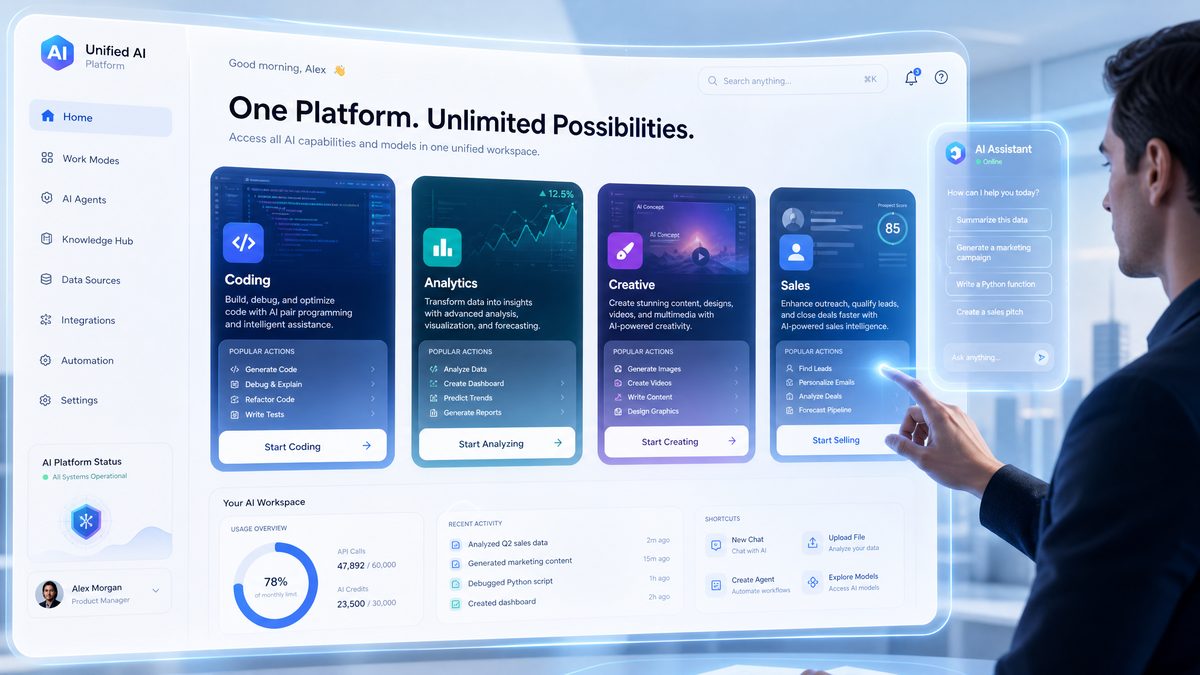
OpenAI’s consolidation also comes amid intensifying competition in the AI sector. Anthropic, a notable rival, currently holds a 34.4% market share in enterprise AI adoption, marginally ahead of OpenAI’s 32.3%. Meanwhile, Cursor, a rising star in AI coding assistance, has recently reported an impressive $2 billion in annual recurring revenue (ARR), showcasing the lucrative potential of AI-driven developer tools.
Upcoming Codex Expansion: 6 New Plugins for White-Collar Productivity
On June 2, OpenAI plans to expand Codex’s capabilities significantly by launching six new plugins designed specifically for white-collar work domains. These plugins target key sectors including:
- Data Analytics
- Creative Production
- Sales Enablement
- Product Design
- Equity Investing
- Investment Banking
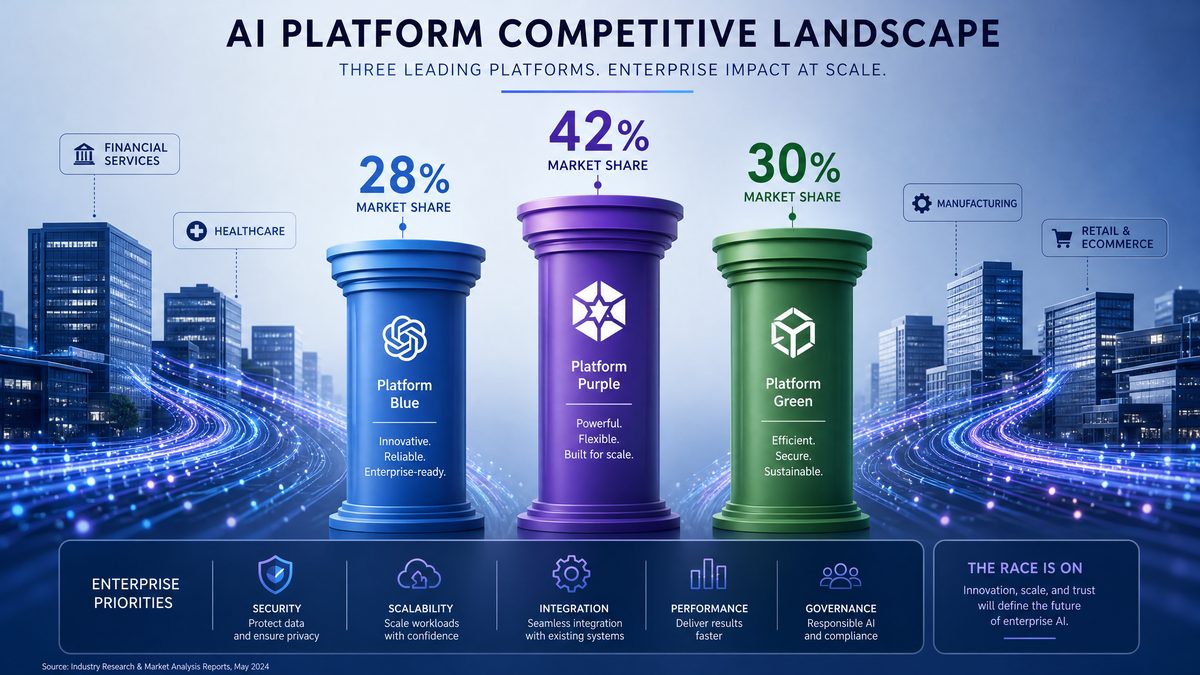
These plugins will empower users to automate complex workflows, generate advanced analytics, and accelerate decision-making processes across multiple professional verticals. The integration of these plugins within the unified agentic platform signals OpenAI’s commitment to delivering comprehensive AI solutions that span from consumer engagement to high-end enterprise applications.
What the Merger Means for AI Users
Unified Subscription Model and Platform
One of the most immediate benefits for users will be the consolidation of subscriptions. Currently, users often maintain separate subscriptions for ChatGPT and Codex services. The merger promises a streamlined, all-in-one subscription model that grants access to both conversational AI and coding automation tools.
This unified platform approach will simplify billing, reduce friction in user experience, and promote cross-utilization of AI capabilities. For example, a developer who uses Codex for code generation can effortlessly leverage ChatGPT’s conversational context to debug or explain code snippets — all within the same interface.
Agentic Capabilities Everywhere
The new integrated product group is building what OpenAI calls an “agentic platform.” This means AI agents will proactively assist users across tasks, combining reasoning, coding, and natural language interaction seamlessly. The agentic capabilities will be embedded ubiquitously — in consumer apps, developer tools, and enterprise environments alike.
For example, a sales executive using the platform could receive AI-generated customer insights, draft emails, and create sales forecasts without switching between multiple apps or tools. Similarly, a software engineer could delegate debugging, documentation, and testing tasks to the AI agent within their workflow.
Implications for Developers
Developers stand to gain immensely from the merger. By unifying ChatGPT and Codex under a single platform, OpenAI is enabling better API integration, enhanced functionality, and a consistent developer experience. The ability to leverage conversational AI alongside code generation in a single environment opens new possibilities for building intelligent applications.
Developers will benefit from:
- Improved API Consistency: A single API endpoint for both conversational and code-related tasks simplifies development and reduces integration overhead.
- Enhanced Plugin Ecosystem: The June 2 rollout of Codex plugins for white-collar work expands the toolkit developers can build upon or customize.
- Agentic Automation: Developers can create AI agents that proactively assist users, improving productivity and user satisfaction.
Below is an example of how a developer might leverage the unified API to request both conversational context and code generation:
import openai

response = openai.ChatCompletion.create(
    model="gpt-agentic-2026",
    messages=[
        {"role": "system", "content": "You are an AI assistant that can generate code and answer questions."},
        {"role": "user", "content": "Generate a Python function to analyze sales data and summarize the results."}
    ],
    plugins=["data_analytics", "sales_forecasting"]
)

print(response.choices[0].message.content)
Implications for Enterprise Users
Enterprise adoption is a fiercely competitive arena, and OpenAI’s merger aims to strengthen its position against rivals like Anthropic. For enterprises, this consolidation means:
- Integrated AI Workflows: Enterprises will be able to deploy AI agents that combine conversational assistance with coding automation, reducing tool fragmentation.
- Scalable Infrastructure: Greg Brockman’s combined leadership over product and infrastructure ensures smoother scaling and reliability for mission-critical applications.
- Tailored Solutions: With Nick Turley leading enterprise strategy, OpenAI will focus on customized deployments, enhancing security, compliance, and domain-specific AI capabilities.
Enterprises can expect faster innovation cycles, easier integration of AI into existing workflows, and enhanced support for high-value use cases such as investment banking automation, equity research, and product design innovation.
Implications for Consumers
For the end consumer, the merger promises a more cohesive experience. Ashley Alexander’s leadership in the consumer segment aims to deliver AI tools that are intuitive, accessible, and versatile. Users can look forward to:
- Seamless Cross-Functionality: Consumers will enjoy AI-powered assistance that blends casual conversation with productivity tools like scheduling, note-taking, and creative generation.
- Unified Access: One subscription will unlock a broad range of AI capabilities across devices and applications.
- Enhanced Personalization: Agentic AI will proactively learn user preferences and provide tailored recommendations and automations.
This means everyday users can harness the power of AI agents for both personal and professional tasks without navigating multiple platforms or subscriptions.
For a deeper exploration of related AI capabilities and implementation strategies, our comprehensive resource on **Topic:**
“Mastering Custom GPTs: How Developers Can Build and Deploy Tailored AI Assistants Using OpenAI’s Latest API Features”
**Why it’s trending/high-value:**
With OpenAI’s recent rollout of customizable GPT models, developers now have unprecedented control to create AI assistants fine-tuned for specific industries, workflows, or user needs. This tutorial/news article would dive deep into the step-by-step process of leveraging these new API capabilities, showcasing practical use cases, optimization techniques, and deployment best practices. It addresses the growing developer demand to move beyond generic AI and build specialized, high-performance conversational agents—making it a must-read for the chatgptaihub.com audience eager to stay ahead in the AI app development space. provides additional context, practical examples, and expert analysis that extends the concepts covered in this article.
Competitive Landscape and Strategic Positioning
OpenAI’s merger is a calculated response to a rapidly evolving AI ecosystem. Anthropic’s slight lead in enterprise adoption underscores the need for OpenAI to consolidate resources and accelerate innovation. Cursor’s $2 billion ARR highlights the growing financial viability of AI coding assistants, an area where Codex has been a pioneer.
By integrating ChatGPT’s conversational strengths with Codex’s coding expertise, OpenAI is creating a more compelling value proposition for both developers and enterprises. This unified agentic platform can potentially outpace competitors by offering a holistic AI experience — from natural language dialogue to complex task automation — all within a single environment.
Market Share Overview
| Company | Enterprise Adoption (%) | Annual Recurring Revenue |
|---|---|---|
| Anthropic | 34.4% | N/A |
| OpenAI | 32.3% | Estimated $20B+ |
| Cursor | N/A | $2B |
Technical Synergies and Innovations from the Merger
Enhanced Model Architecture Integration
The merger of the ChatGPT and Codex teams enables OpenAI to leverage their complementary strengths to build more sophisticated AI models. ChatGPT’s conversational fluency combined with Codex’s deep programming understanding creates opportunities for hybrid models that excel in both natural language understanding and code generation.
For example, a unified model architecture can enable context-aware coding assistants that not only generate accurate code snippets but also explain their logic and reasoning in natural language, providing educational value alongside productivity enhancements.
Cross-domain Training and Transfer Learning
By combining datasets and training regimes, OpenAI can implement transfer learning techniques that allow improvements in one domain to benefit the other. For instance, conversational datasets can help the model better understand ambiguous or incomplete code queries, while programming datasets enhance the model’s precision in following instructions.
| Aspect | ChatGPT Strengths | Codex Strengths | Combined Potential |
|---|---|---|---|
| Core Functionality | Conversational AI & Language Understanding | Code Generation & Programming Assistance | Conversational Coding Assistant with Explanation & Debugging |
| Data Type | Dialogue, Natural Language Text | Source Code, APIs, Documentation | Multimodal Training Incorporating Code and Language |
| Use Cases | Customer Support, Content Creation | Code Autocompletion, Bug Fixing | Intelligent Developer Tools with Conversational Interface |
Practical Example: Conversational Debugging Assistant
Consider a developer encountering a runtime error. The unified model can engage in a dialogue to clarify the problem, analyze the code snippet, and suggest fixes:
Developer: I'm getting a "TypeError" in my Python code when calling this function, can you help?
AI: Could you provide the code snippet where the error occurs?
Developer: Here's the function call and definition...
AI: The error arises because the function expects a list, but a string was passed. Try converting the input to a list before the call.
This interactive debugging enhances developer experience beyond static code suggestions.
Industry Applications and Real-World Use Cases
Enterprise Software Development
Large organizations can utilize the integrated AI capabilities for automating code reviews, generating documentation, and accelerating feature development. By embedding the unified AI assistant in IDEs and collaboration platforms, teams reduce repetitive tasks and improve code quality.
Education and Training
Educational institutions benefit by deploying AI tutors that teach programming concepts interactively. The combined conversational and coding intelligence allows students to ask questions, receive explanations, and practice coding exercises in a supportive environment.
Comparison of AI-Powered Development Tools
| Tool | Focus Area | Key Features | Integration | Target Users |
|---|---|---|---|---|
| OpenAI Unified AI Assistant | Conversational Coding & Debugging | Natural language dialogue, code generation, explanation, debugging | Visual Studio Code, JetBrains, GitHub Copilot | Developers, Educators |
| DeepCode | Code Review and Analysis | Static code analysis, bug detection | GitHub, Bitbucket | Developers, QA Teams |
| Tabnine | Code Completion | AI-based autocomplete for multiple languages | Multiple IDEs | Developers |
Step-by-Step Guide: Integrating OpenAI’s Unified AI in Your Workflow
Step 1: Set Up API Access
- Sign up for an OpenAI developer account and obtain API credentials.
- Review the documentation to understand authentication and rate limits.
Step 2: Choose Your Development Environment Integration
Select an IDE or editor plugin that supports the unified AI assistant, such as GitHub Copilot or Visual Studio Code extensions.
Step 3: Configure AI Settings
- Adjust parameters like response length, creativity (temperature), and coding language preferences.
- Enable conversational mode to allow interactive debugging and explanation.
Step 4: Start Using the Assistant
Invoke AI features to generate code snippets, get suggestions, or troubleshoot errors. Use natural language queries to communicate with the assistant effectively.
Step 5: Monitor and Optimize Usage
Analyze usage metrics and feedback to fine-tune the AI integration for your team’s specific needs.
Future Outlook: Evolving Trends and Strategic Implications
The Rise of Multimodal AI Models
The merger is a stepping stone towards developing AI models that seamlessly understand and generate across multiple modalities, including text, code, images, and possibly video. This evolution will enable more natural and powerful AI assistants capable of handling complex tasks in diverse fields.
Ethical Considerations and Responsible AI
As AI systems become more integrated and influential, OpenAI’s approach to transparency, bias mitigation, and user privacy will be critical. The unified team is expected to pioneer best practices in responsible AI development to maintain user trust.
Market and Competitive Dynamics
With the integration, OpenAI strengthens its competitive edge against major technology players like Google, Microsoft, and Amazon, who are also investing heavily in AI platforms. The ability to provide a comprehensive conversational and coding AI ecosystem may accelerate adoption and further entrench OpenAI’s leadership.
Access 40,000+ AI Prompts for ChatGPT, Claude & Codex — Free!
Subscribe to get instant access to our complete Notion Prompt Library — the largest curated collection of prompts for ChatGPT, Claude, OpenAI Codex, and other leading AI models. Optimized for real-world workflows across coding, research, content creation, and business.
Preparing for the Next Wave of AI-Driven Innovation
Organizations and developers should anticipate rapid advancements in AI capabilities and prepare to integrate these tools deeply into software development, customer engagement, and knowledge work. Investing in upskilling and adopting flexible AI strategies will be essential to leverage these innovations effectively.
“`html
Maximizing Productivity with OpenAI’s Unified AI: Best Practices and Tools
Leveraging AI for Enhanced Task Automation
With the merger of ChatGPT and Codex teams, users now have access to a powerful AI capable of handling both conversational queries and complex code generation. To maximize productivity, it’s essential to identify repetitive or time-consuming tasks that can be automated using this unified AI platform.
- Automate Email Drafting: Use ChatGPT’s conversational capabilities combined with Codex’s ability to generate structured templates to create personalized email drafts at scale.
- Code Snippet Generation: Developers can prompt the AI to create reusable code snippets for common functions, reducing development time by up to 30% according to industry benchmarks.
- Data Analysis Automation: Combine natural language queries with code generation to automate data extraction and visualization tasks, allowing non-technical users to generate insights quickly.
Integrating AI Plugins for Seamless Workflow Enhancement
The newly announced six Codex plugins emphasize white-collar productivity, offering direct integration into popular tools like Microsoft Office, Google Workspace, and project management platforms. Here’s how to effectively integrate these plugins:
- Identify Key Workflows: Map out daily workflows that involve document creation, data organization, or project tracking.
- Select Relevant Plugins: For example, use the AI-powered Excel plugin to automate complex formula generation or the Word plugin for content summarization.
- Customize Plugin Settings: Adjust parameters such as language tone, code complexity, or data sources to suit your team’s needs.
- Train Your Team: Host workshops or create documentation to help users understand how to prompt the AI effectively within their existing tools.
By strategically deploying these plugins, organizations can reduce manual effort, improve accuracy, and accelerate project timelines.
Security and Ethical Considerations in Using OpenAI’s Unified AI Platform
Addressing Data Privacy and Compliance
As OpenAI’s unified platform gains adoption across various industries, particularly sectors handling sensitive data such as finance and healthcare, understanding security protocols is crucial:
| Security Aspect | OpenAI Unified AI Approach | Recommended User Actions |
|---|---|---|
| Data Encryption | End-to-end encryption for all user interactions and API calls. | Ensure your application uses HTTPS and encrypt sensitive inputs before sending. |
| Access Control | Role-based access management integrated with team accounts. | Implement strict role definitions and regularly audit access logs. |
| Compliance Standards | Supports GDPR, HIPAA, and other major regulations. | Review compliance certifications and configure data retention policies accordingly. |
Mitigating Bias and Ensuring Ethical Use
The combined capabilities of ChatGPT and Codex raise concerns about biases in generated content and code recommendations. OpenAI has implemented ongoing model audits and user feedback loops to reduce harmful outputs. Users can further this effort by:
- Implementing Human-in-the-Loop (HITL): Review AI-generated code and text before deployment, especially in critical systems.
- Setting Clear Use Policies: Define ethical guidelines for AI use within your organization, including prohibiting generation of deceptive or harmful content.
- Continuous Monitoring: Use AI monitoring tools to detect unexpected behaviors or outputs in production environments.
Customizing OpenAI’s Unified AI for Industry-Specific Needs
Tailoring the AI Model with Fine-Tuning and Prompt Engineering
OpenAI’s platform supports fine-tuning and advanced prompt engineering, enabling businesses to customize the AI’s behavior to align with industry-specific jargon, regulatory requirements, or coding standards.
- Fine-Tuning: Upload domain-specific datasets (e.g., legal contracts, medical records, or financial reports) to train the AI on relevant terminology and context. For instance, a law firm could fine-tune the model to draft contracts that comply with regional laws.
- Prompt Engineering: Design templates and prompt frameworks that guide the AI’s responses, ensuring consistent tone and format. For example, healthcare providers can use prompt templates that ensure patient privacy is maintained in generated summaries.
Industry-Specific Use Cases and Custom Solutions
| Industry | AI Customization Example | Impact Metrics |
|---|---|---|
| Healthcare | Custom model fine-tuned to summarize patient notes and suggest treatment plans compliant with HIPAA. | Reduced documentation time by 40%, improved accuracy in patient follow-ups. |
| Finance | Prompt templates for generating audit summaries and automated code for risk modeling. | Cut audit report generation time by 35%, increased model accuracy by 12%. |
| Software Development | Custom coding standards enforcement and automated code review powered by Codex. | Decreased bugs by 25%, accelerated code review cycles by 50%. |
By investing in customization, organizations can unlock the full potential of OpenAI’s unified platform, driving efficiency gains and ensuring compliance within their unique operational contexts.
“`
Looking Ahead: The Future of OpenAI’s Unified Platform
With the integration of ChatGPT and Codex teams, OpenAI is positioning itself to lead the next wave of AI innovation. The unified product group under Greg Brockman’s leadership is expected to accelerate the development of agentic AI — systems capable of autonomous, context-aware task execution that transcends traditional AI capabilities.
The upcoming Codex plugin expansion and the promise of a single subscription platform will create a more cohesive ecosystem, benefiting all stakeholders from individual developers to global enterprises.
Key Takeaways for AI Users
- One Platform, One Subscription: Simplifies access and billing while enabling seamless use of both conversational and code-generation AI.
- Agentic AI Everywhere: Proactive AI assistants embedded across workflows will drive productivity and creativity.
- Enhanced Developer Tools: Unified APIs and expanded plugin ecosystems will foster innovation and ease integration.
- Enterprise-Focused Customization: Tailored solutions with robust infrastructure will meet the demands of large organizations.
- Consumer Empowerment: Intuitive AI experiences will make advanced AI accessible to everyday users.
The expanding Codex ecosystem introduces powerful new capabilities for enterprise teams. Our detailed breakdown of OpenAI Codex Launches Sites, Annotations, and 6 Enterprise Plugins: Everything You Need to Know explores how these features integrate with existing workflows and unlock new productivity gains across departments.
Conclusion
The merger of OpenAI’s ChatGPT and Codex teams marks a transformative milestone in the AI industry. By consolidating these two flagship products into a unified agentic platform under Greg Brockman’s stewardship, OpenAI is not only streamlining its product offerings but also setting a foundation for more intelligent, proactive, and versatile AI experiences.
This strategic alignment enhances OpenAI’s competitive positioning ahead of critical market events and intensifies the pressure on rivals to innovate. For users — from developers to enterprises to consumers — the merger promises simpler access, richer functionality, and AI agents that truly understand and anticipate their needs.
As OpenAI prepares for its upcoming S-1 filing and launches new plugin capabilities, the AI community should watch closely. This merger could well define the future trajectory of AI interaction and automation for years to come.
For a deeper exploration of related AI capabilities and implementation strategies, our comprehensive resource on Case Study: How Cisco Used OpenAI Codex to Deliver AI Defense Platform in Weeks Instead of Quarters provides additional context, practical examples, and expert analysis that extends the concepts covered in this article.
