
The AI Agent Wars: How Codex and Claude Code Are Competing to Become Your Digital Operating System
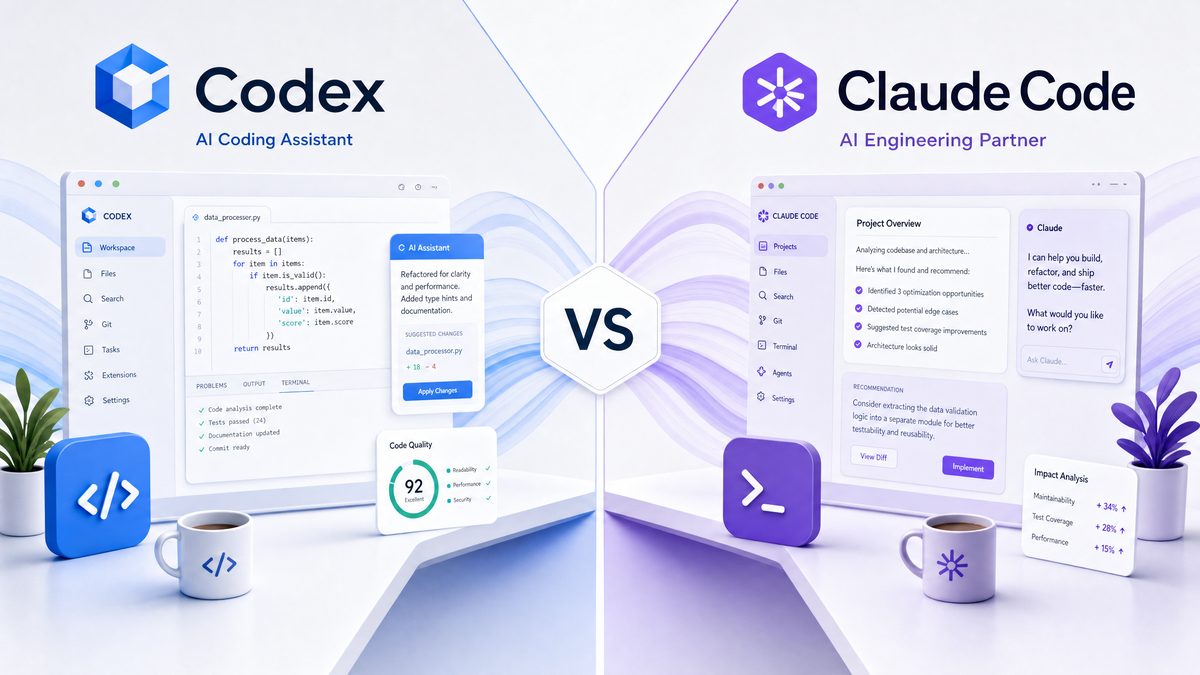
The rapid advancement of artificial intelligence (AI) has ushered in a new era where AI agents are not merely assistants but potential digital operating systems, reshaping how users interact with technology. Among the myriad contenders vying for supremacy in this landscape, OpenAI’s unified Codex workspace and Anthropic’s Claude Code stand out as front-runners. These AI platforms are not just tools; they are comprehensive environments designed to streamline workflows, enhance productivity, and redefine the integration of AI into daily digital tasks.
This article provides an in-depth analysis of the competition between OpenAI’s Codex and Anthropic’s Claude Code, focusing on their technical architectures, strategic partnerships—most notably Anthropic’s landmark 300MW compute deal with SpaceX—and the broader implications of this rivalry for the future of digital operating systems. We will explore their origins, design philosophies, capabilities, and the ecosystem they aim to cultivate, alongside a comparative assessment that highlights their respective strengths and challenges.
The Origins and Evolution of AI Coding Agents
The Genesis of AI Coding Assistants
The emergence of AI coding assistants is a natural progression from early natural language processing (NLP) models and machine learning advancements that began to demonstrate proficiency in understanding and generating human language. The initial focus was on rudimentary code completion and syntax suggestions, evolving rapidly as models grew more sophisticated and datasets expanded.
Early attempts at AI-assisted programming date back to the 1960s and 70s, with rule-based systems and expert systems designed to automate specific coding tasks. However, these systems suffered from brittleness and limited scope. The advent of statistical machine learning and, later, deep learning transformed this landscape, allowing models to learn patterns from vast corpora of code examples rather than relying on hand-crafted rules.
OpenAI’s Codex, unveiled in 2021, marked a significant leap by demonstrating the ability to generate functional code snippets across multiple programming languages directly from natural language prompts. This capability was enabled by the massive scale of training data and advances in transformer architectures, which excel at capturing sequential dependencies within text and code.
Similarly, Anthropic, founded by former OpenAI researchers, has emphasized safety and interpretability in its AI models, culminating in Claude, and more recently, Claude Code, which integrates coding capabilities with a focus on alignment and ethical AI usage. Anthropic’s work reflects a growing recognition in the AI community that power must be balanced with responsibility to mitigate risks associated with deploying advanced AI systems.
Historical Context of OpenAI’s Codex
Codex was developed as a specialized version of OpenAI’s GPT-3 model, fine-tuned specifically on a vast corpus of publicly available code repositories. This specialization enabled Codex to understand programming languages, frameworks, and even complex system interactions. Its integration into GitHub Copilot popularized AI-assisted programming among developers worldwide, demonstrating that AI could become an indispensable partner in software development.
The evolution of Codex into a unified workspace aims to consolidate various AI functionalities into a seamless environment. This vision transcends simple code generation, encompassing project management, debugging, documentation, and collaborative workflows within a single interface—positioning Codex as a digital operating system tailored for developers and technical professionals.
To illustrate the impact of Codex, consider a developer building a web application. Instead of manually writing boilerplate code, searching for API documentation, and debugging errors through trial and error, the developer can rely on Codex to generate code snippets, suggest improvements, and even orchestrate deployment scripts. This integration reduces friction and accelerates development cycles dramatically.
Anthropic’s Claude Code: A Safety-First Approach
Anthropic’s journey began with a mission to create AI systems that are not only powerful but also aligned with human intentions and values. Claude Code embodies this philosophy by blending advanced coding abilities with rigorous safety protocols. The model architecture emphasizes transparency and controllability, addressing concerns around AI misuse and unpredictability.
The recent 300MW compute contract with SpaceX signals Anthropic’s commitment to scaling its models substantially. This unprecedented access to high-performance, space-grade computing resources enables Claude Code to push the boundaries of responsiveness, contextual understanding, and multi-modal integration, ultimately competing head-to-head with OpenAI’s offerings.
Claude Code’s emphasis on safety is particularly critical in light of recent incidents where AI-generated code inadvertently introduced security vulnerabilities or biased logic. By incorporating explainability and alignment at its core, Claude Code aims to provide not only accurate code but also trustworthy guidance for developers operating in sensitive environments.
Technical Architecture and Core Capabilities
OpenAI Codex: Unified Workspace Architecture
Codex’s architecture builds upon transformer-based neural networks optimized for code synthesis and understanding. The unified workspace integrates multiple AI modules, including:
- Natural Language to Code Translation: Converts user prompts into syntactically correct code segments across languages such as Python, JavaScript, Java, and more. This module leverages token-level probability distributions learned during training to generate coherent and contextually relevant code.
- Contextual Code Completion: Analyzes the existing codebase context to provide relevant suggestions and auto-completions, reducing developer cognitive load. This feature dynamically adapts to coding styles and project conventions.
- Debugging and Error Correction: Detects bugs and proposes fixes, leveraging pattern recognition and historical issue databases. It can identify common pitfalls such as off-by-one errors, null pointer exceptions, and improper API usages.
- Project and Workflow Management: Facilitates task tracking, version control integration, and collaborative editing within the AI environment. This module streamlines coordination among development teams by automating repetitive administrative tasks.
- Multi-modal Integration: Supports code generation from images, diagrams, and other non-text inputs, enhancing versatility. For example, a user can upload a UML diagram, and Codex can generate corresponding class definitions.
The unified approach enables users to interact with Codex as a comprehensive assistant that transcends individual coding tasks. This design philosophy aligns with OpenAI’s long-term vision of AI as an augmentative platform that adapts to complex, multi-step workflows.
Deep Dive: Transformer Architecture in Codex
At the core of Codex lies the transformer architecture, originally introduced by Vaswani et al. in 2017. Transformers rely on self-attention mechanisms that allow the model to weigh the importance of different parts of the input sequence when generating output, enabling context-aware predictions.
Codex extends this architecture with specialized token embeddings and training regimes focused on source code. Unlike natural language, programming languages have strict syntax and semantic rules, which Codex learns to navigate by ingesting millions of lines of code from open-source repositories. This exposure enables the model to internalize language grammars, function signatures, and even idiomatic coding patterns.
Moreover, Codex employs fine-tuning techniques that balance fluency with correctness, ensuring that generated code not only reads well but also compiles and executes as intended. This is achieved by integrating static analysis tools and compilation feedback into the training loop.
Anthropic Claude Code: Scalable Safety and Interpretability
Claude Code adopts a modular architecture that prioritizes interpretability and safety. Key components include:
- Alignment-Focused Training: Utilizes reinforcement learning with human feedback (RLHF) to ensure outputs align with user intent and ethical guidelines. This process involves iterative human evaluations to refine model behavior.
- Explainable Reasoning Chains: Generates transparent rationale for code suggestions, enabling users to understand the AI’s decision-making process. For example, when proposing a function, Claude Code can output the logical steps leading to the solution.
- Robust Error Handling: Proactively identifies potential security vulnerabilities and logical errors, offering detailed explanations and mitigation strategies. This includes detecting injection flaws, buffer overflows, and concurrency issues.
- Scalable Compute Utilization: Optimized to leverage the massive compute resources from the SpaceX partnership, facilitating lower latency and higher throughput. This allows Claude Code to process complex queries and large codebases efficiently.
- Cross-Domain Knowledge Integration: Combines coding expertise with domain-specific knowledge bases, enabling specialized applications such as scientific computing and financial modeling. This cross-pollination enhances the AI’s ability to generate contextually appropriate code for niche sectors.
Claude Code’s emphasis on safety makes it particularly appealing for enterprise and regulated industries where trustworthiness and compliance are paramount.
Technical Foundations: Interpretability in Claude Code
Interpretability in Claude Code is achieved through a combination of model architecture design and training methodologies. Unlike traditional black-box models, Claude Code incorporates mechanisms to trace its internal reasoning paths.
One technique employed is the generation of “reasoning chains,” where the model outputs intermediate steps before producing final code snippets. This approach is inspired by cognitive science theories that suggest human problem solving involves decomposing complex tasks into manageable subproblems.
Furthermore, Claude Code uses attention visualization tools that highlight which parts of the input influenced specific output tokens. This transparency enables developers to verify and trust AI suggestions, which is crucial when code correctness and security are at stake.
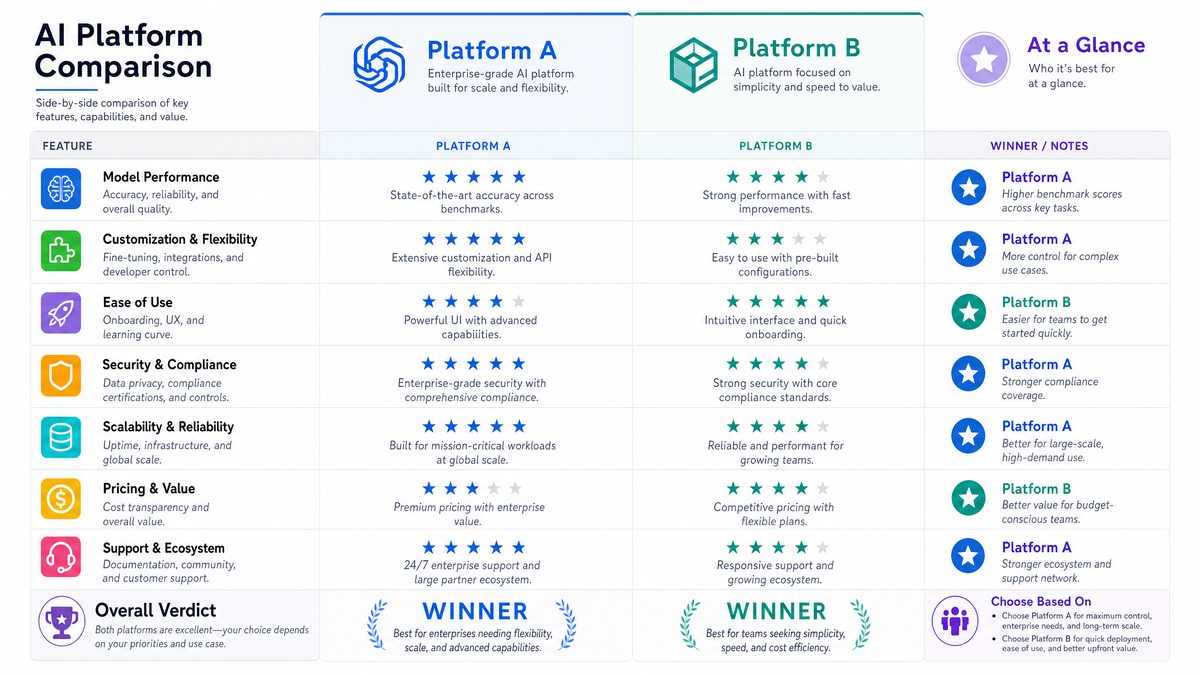
Comparative Analysis: Codex vs. Claude Code
| Feature | OpenAI Codex | Anthropic Claude Code |
|---|---|---|
| Model Base | GPT-3 derivative fine-tuned on code | Custom transformer with alignment focus |
| Primary Strength | Unified workspace with multi-tool integration | Safety, interpretability, and ethical alignment |
| Compute Resources | Cloud-based, scalable on demand | 300MW dedicated compute via SpaceX partnership |
| Multi-modal Support | Supports images and diagrams as input | Planned expansion into multi-modal domains |
| Debugging Capabilities | Automated error detection and fixes | Explainable error diagnostics with rationale |
| Industry Focus | Broad developer community, startups to enterprises | Enterprise, regulated sectors, high-stakes applications |
| Ethical Safeguards | Moderation and usage policies | Built-in alignment methods and transparency |
Strategic Partnerships and Industry Impact
OpenAI’s Ecosystem and Collaborations
OpenAI’s strength lies not only in its technology but also in its extensive ecosystem. Key partnerships include Microsoft, which integrates Codex capabilities into its Azure cloud platform and development tools such as Visual Studio Code. This synergy facilitates widespread adoption and seamless user experiences, especially within enterprises already invested in Microsoft’s infrastructure.
Moreover, OpenAI’s open API strategy encourages third-party developers to build complementary tools and services, amplifying Codex’s reach. The unified workspace concept is being extended to incorporate AI-driven project management, documentation, and even deployment pipelines, making Codex a potential all-in-one platform for software development.
The inclusion of
The competitive dynamics between OpenAI and Anthropic extend beyond features into pricing strategy; our analysis of the GPT-5.5 developer giveaway examines how OpenAI is using aggressive pricing to compete with Anthropic for developer mindshare: GPT-5.5 Developer Giveaway: How OpenAI Is Escalating the AI Coding War with Anthropic.
within OpenAI’s ecosystem further accelerates innovation, fostering a vibrant community that continuously refines the platform’s capabilities.
Case Study: Microsoft and Codex Integration
Microsoft’s integration of Codex into Azure OpenAI Service and Visual Studio Code has been pivotal in driving enterprise adoption. By embedding AI-assisted coding directly into developers’ existing workflows, Microsoft reduces friction and accelerates cloud-native development.
For example, enterprises leveraging Azure’s DevOps pipelines can now automate code reviews and generate infrastructure-as-code templates using Codex-powered tools, cutting down deployment times from days to hours. The close collaboration between Microsoft and OpenAI also ensures compliance with enterprise-grade security standards, addressing concerns around data privacy and regulatory requirements.
Anthropic’s SpaceX Compute Deal: A Game Changer
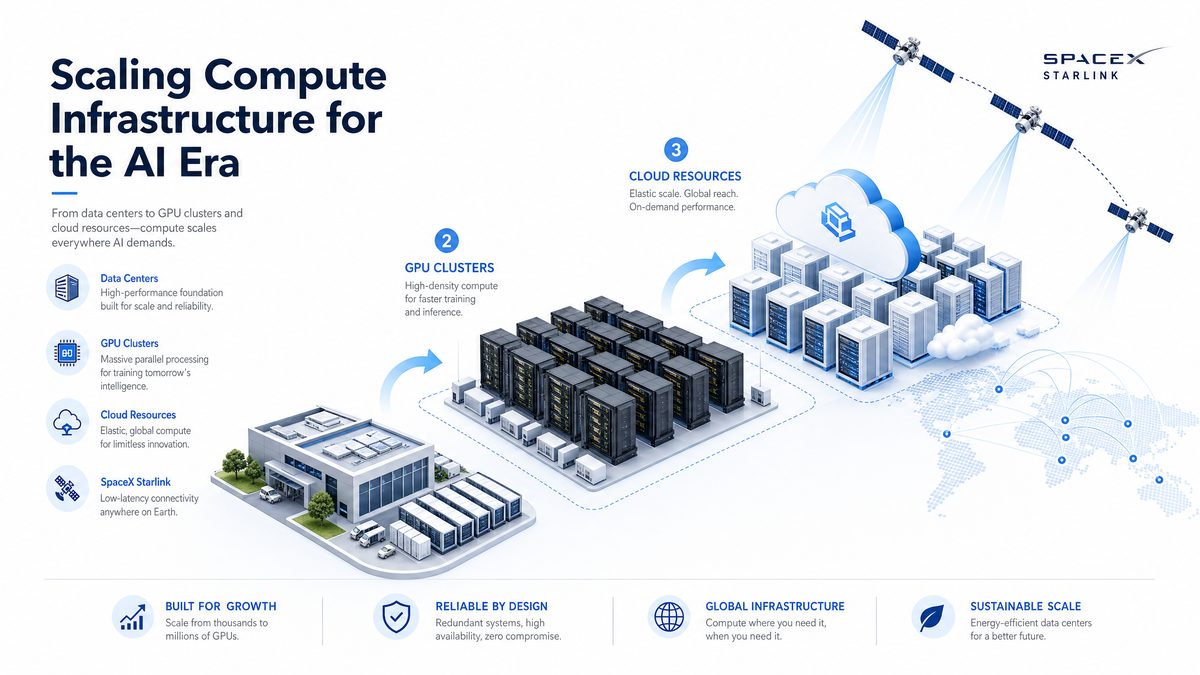
Anthropic’s recent 300MW compute contract with SpaceX represents a strategic coup in the AI infrastructure domain. This deal grants unprecedented access to high-density, low-latency computing resources, enabling Anthropic to train and run massive AI models with increased efficiency and at scale.
SpaceX’s infrastructure, known for its cutting-edge aerospace-grade technology, offers unique advantages in resilience and performance. This partnership not only boosts Claude Code’s operational capabilities but also symbolizes a shift toward integrating space-based and terrestrial AI computing resources.
Such infrastructure enables Anthropic to push the boundaries of real-time AI responsiveness and multi-modal processing, positioning Claude Code as a robust competitor in domains requiring intensive computation and stringent safety standards.
This move also impacts the broader AI agent market by setting new benchmarks for compute power and operational scale, challenging competitors to innovate rapidly or risk obsolescence. The integration of
On the Anthropic side of this competition, Claude Opus 4.7 represents their most capable model for software engineering; our complete guide to Claude Opus 4.7 details its architecture, benchmarks, and optimal use cases for development teams: Claude Opus 4.7 for Software Engineering: The Complete 2026 Guide.
within Anthropic’s platform enhances its contextual adaptability and safety mechanisms, further strengthening its market position.
Technical Insights: Leveraging SpaceX Infrastructure
The SpaceX compute contract leverages the company’s advanced satellite and ground station networks, which provide high-bandwidth, low-latency connectivity crucial for distributed AI workloads. Space-grade hardware components, designed for robustness in harsh environments, translate into higher reliability and uptime for Anthropic’s model training and inference systems.
Additionally, SpaceX’s proprietary cooling technologies and energy management allow Anthropic to maintain dense GPU clusters with improved thermal efficiency, reducing operational costs and environmental impact. This synergy positions Claude Code to scale up model parameters and training datasets without compromising responsiveness.
Market Dynamics and User Adoption
Both Codex and Claude Code are targeting overlapping yet distinct user bases. OpenAI’s Codex appeals primarily to developers and organizations seeking versatile, integrated AI solutions that accelerate software development lifecycle stages. Its open API and ecosystem-friendly approach facilitate broad adoption across individual developers, startups, and large enterprises.
Conversely, Claude Code’s emphasis on safety and interpretability attracts sectors with high compliance requirements, such as healthcare, finance, and government agencies. Its advanced error diagnostics and alignment protocols make it suitable for mission-critical environments where AI errors could have significant consequences.
The competitive tension between these platforms is fostering rapid innovation, compelling both to enhance features, improve user experience, and expand their AI operating system capabilities. The ongoing competition is also stimulating complementary technology development in areas like AI-driven project management, security auditing, and cross-domain AI interoperability.
User Adoption Metrics and Trends
| Metric | OpenAI Codex | Anthropic Claude Code |
|---|---|---|
| Active Developer Users (2023) | Over 1 million globally | Approximately 250,000, focused on enterprises |
| Enterprise Clients | Large tech firms, startups, educational institutions | Financial institutions, healthcare providers, government agencies |
| API Call Volume (Monthly) | Billions of calls | Hundreds of millions |
| Average Latency | 100-200 ms | 80-150 ms (leveraging SpaceX infrastructure) |
Future Implications: The Road to a Digital Operating System
Defining the Digital Operating System Paradigm
The concept of AI agents evolving into digital operating systems represents a paradigm shift. Unlike traditional operating systems that manage hardware and software resources, AI-powered digital operating systems manage cognitive workflows, knowledge synthesis, and decision-making processes.
In this vision, platforms like Codex and Claude Code become centralized hubs where users interact with AI agents that understand context, automate complex tasks, and facilitate collaboration across diverse applications and domains. This evolution hints at a future where human-computer interaction is deeply augmented by AI, enabling unprecedented productivity gains and creative possibilities.
For example, imagine a future software engineer who begins their workday by briefing their AI operating system with project goals expressed in natural language. The AI then generates a prioritized task list, drafts initial code, schedules stakeholder reviews, and even simulates potential deployment environments—all autonomously. This level of integration transforms the role of human developers into high-level supervisors and creative architects.
Technical Challenges and Opportunities
Several technical challenges must be addressed to realize this vision fully:
- Scalability: Managing the computational demands of real-time, multi-user AI operating systems requires innovative infrastructure solutions, exemplified by Anthropic’s SpaceX deal. Future architectures may leverage federated learning and edge computing to distribute workloads efficiently.
- Security and Privacy: Ensuring safe data handling, preventing AI misuse, and maintaining user trust are paramount, especially given the sensitive nature of code and enterprise workflows. Techniques like differential privacy and homomorphic encryption may become standard components.
- Interoperability: Seamless integration with existing software ecosystems and cross-platform compatibility are necessary for widespread adoption. Open standards and APIs will play a critical role in enabling diverse AI agents to communicate and collaborate.
- User Experience: Designing intuitive interfaces that allow users to leverage AI capabilities without steep learning curves or loss of control. Advances in natural language understanding and conversational AI can facilitate more natural interactions.
- Ethical AI: Maintaining alignment with human values and regulatory compliance to prevent harmful outcomes. Continuous monitoring and audit trails for AI decisions will become integral to trustworthy systems.
These challenges also present opportunities. For instance, the push for explainability in Claude Code could set industry standards for AI transparency, while Codex’s multi-modal inputs could redefine how developers conceptualize and build software.
Potential Industry Transformations
The maturation of AI digital operating systems has transformative potential across industries:
- Software Development: Automated code generation, debugging, and project management will drastically reduce development cycles and lower barriers to entry. This democratization may lead to a surge in innovation and new software paradigms.
- Healthcare: AI systems can assist in clinical decision support, medical coding, and research data analysis with greater accuracy and safety. The transparency offered by interpretability-focused models like Claude Code is vital for regulatory approval.
- Finance: Real-time risk assessment, fraud detection, and regulatory compliance can be enhanced with explainable AI agents, allowing financial institutions to manage complex portfolios with greater confidence.
- Education: Personalized learning environments integrated with AI tutors capable of coding and problem-solving assistance will revolutionize STEM education, making it more accessible and adaptive to individual learner needs.
- Space and Aerospace: Leveraging partnerships like Anthropic’s with SpaceX could lead to AI operating systems optimized for space missions and remote operations, where autonomous decision-making is critical due to communication delays.
The convergence of AI coding agents and digital operating systems will also spur new business models, such as AI-as-a-service platforms tailored for specific industries and collaborative AI ecosystems where multiple agents interact seamlessly.
The Competitive Landscape Beyond Codex and Claude Code
While OpenAI’s Codex and Anthropic’s Claude Code dominate headlines, several other players contribute to the evolving AI agent market. Companies like Google DeepMind, Meta AI, and smaller startups are developing specialized AI agents focusing on areas such as automated reasoning, domain-specific AI, and multi-agent collaboration.
DeepMind’s AlphaCode, for example, demonstrates competitive programming capabilities, solving complex algorithmic problems by synthesizing code from problem statements. Meta AI explores multi-agent systems that enable AI entities to negotiate, collaborate, and compete within simulated environments.
The competitive dynamic is not limited to technology but extends to compute infrastructure, ethical frameworks, and ecosystem development. The race to establish the dominant digital operating system will likely accelerate innovation, but it will also raise important questions about AI governance, intellectual property, and user autonomy.
For more insights on emerging AI technologies and ecosystem strategies, explore
The real-world impact of these competing platforms is measurable; our report on how enterprise teams achieved 40% productivity gains with AI desktop agents quantifies the business value that organizations are extracting from both Codex and Claude: How Enterprise Teams Achieved 40% Productivity Gains with AI Desktop Agents.
, which offers detailed analyses of AI infrastructure trends and developer tools integration.
Conclusion
The competition between OpenAI’s Codex and Anthropic’s Claude Code represents a pivotal moment in the evolution of AI agents from simple assistants to comprehensive digital operating systems. OpenAI’s unified workspace approach emphasizes integration and versatility, while Anthropic’s Claude Code leverages unprecedented compute power and a safety-first philosophy to carve out a niche in high-stakes environments.
Their rivalry is shaping the future of how humans interact with technology, promising to automate and augment complex workflows across industries. Strategic partnerships, such as Anthropic’s 300MW SpaceX compute deal and OpenAI’s collaboration with Microsoft, underscore the critical role of infrastructure and ecosystem in this race.
As these platforms continue to mature, they will redefine productivity, creativity, and collaboration, ushering in a new digital era where AI agents serve as indispensable operating systems for knowledge work and beyond. The AI agent wars are far from over, and their outcome will have profound implications for the global technology landscape.
Access 40,000+ AI Prompts for ChatGPT, Claude & Codex — Free!
Subscribe to get instant access to our complete Notion Prompt Library — the largest curated collection of prompts for ChatGPT, Claude, OpenAI Codex, and other leading AI models. Optimized for real-world workflows across coding, research, content creation, and business.
Useful Links
- OpenAI Codex Official Blog
- Anthropic Claude Overview
- SpaceX Technology and Infrastructure
- Microsoft Azure OpenAI Service
- Research Paper on AI Alignment by Anthropic
- GitHub Copilot Documentation
- Google AI Blog
- DeepMind Research Publications
- ISO Standards on AI Ethics and Safety
- NIST AI Risk Management Framework
