

In a startling revelation that has sent ripples through the AI community, it has been confirmed that Anthropic’s advanced AI model, Mythos, has been accessed by unauthorized users. This breach, facilitated through contractor credentials and exacerbated by a related Mercor data leak, raises significant concerns about the security measures in place for protecting cutting-edge AI technologies. This incident has brought to light vulnerabilities that could have far-reaching implications for AI security and privacy protocols in the rapidly evolving tech landscape.
✓ Instant access✓ No spam✓ Unsubscribe anytime
The Breach Explained: How It Happened
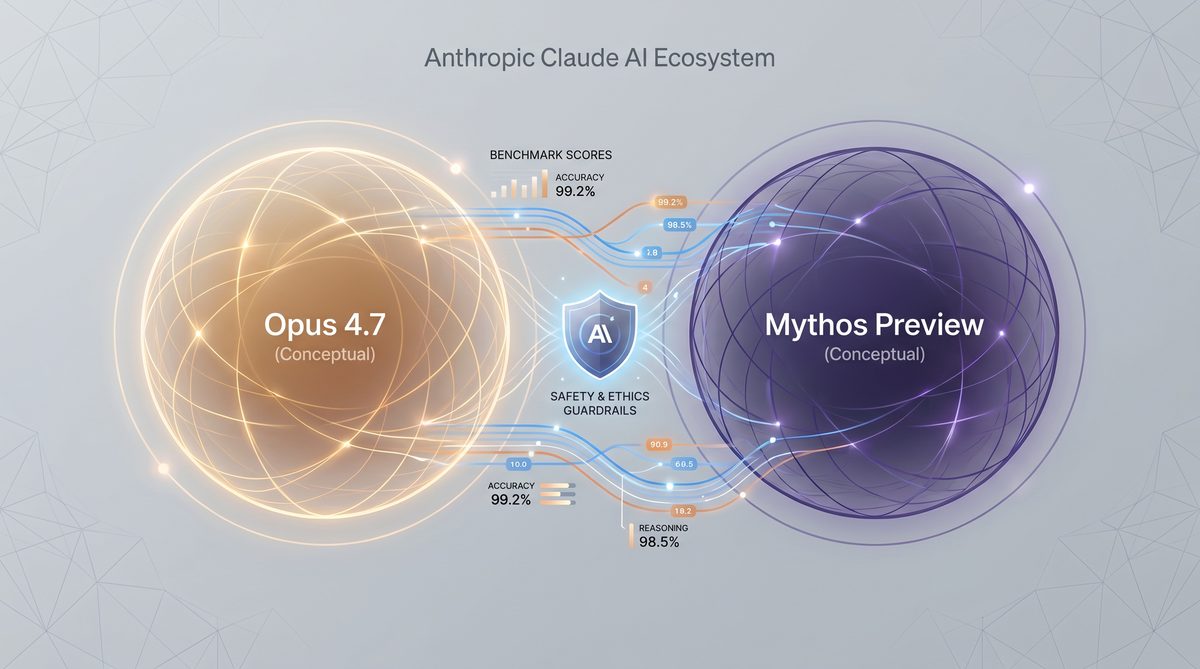
The breach of Anthropic’s Mythos model was orchestrated by a group of unauthorized users reportedly operating through a Discord group. They managed to gain access using stolen contractor credentials, a method that highlights the critical need for stringent security protocols around credential management. This unauthorized access was compounded by a data leak from Mercor, a company involved in collaborative projects with Anthropic under the initiative known as Project Glasswing.
Understanding the Role of Project Glasswing
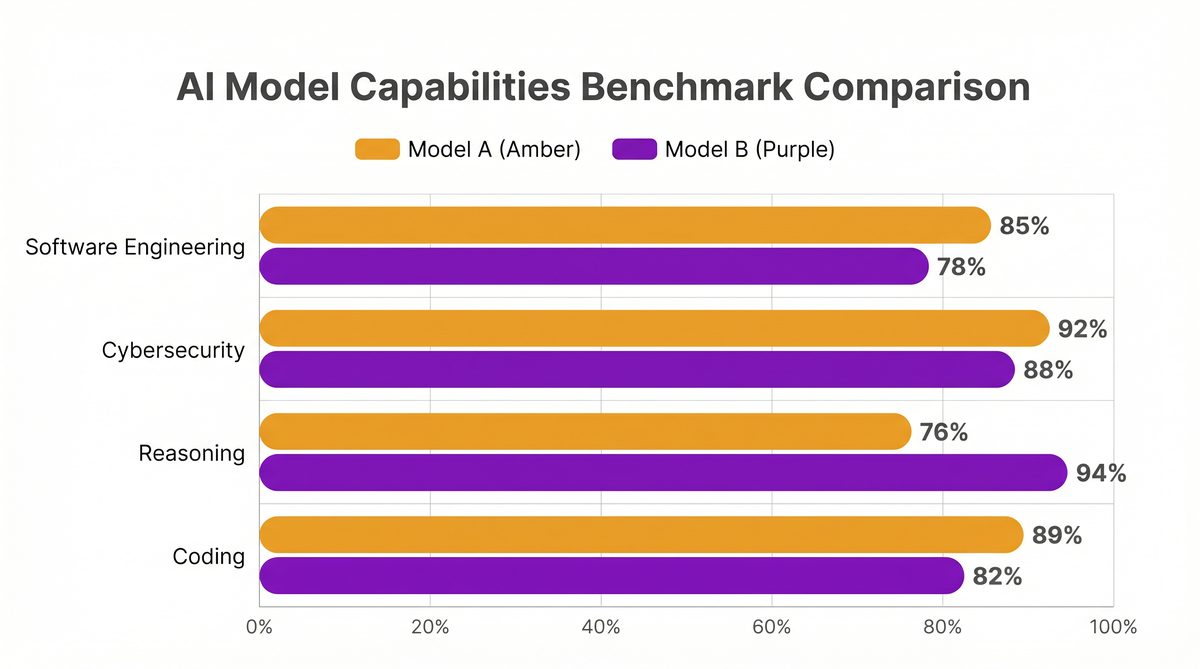
Project Glasswing is a collaborative effort that involves several partners, including Anthropic and Mercor, aimed at advancing the development and deployment of AI technologies. This partnership was intended to leverage the strengths of each participant to push the boundaries of AI capabilities. However, the recent breach has put a spotlight on the potential security risks inherent in such collaborations, especially when they involve the sharing of sensitive data and credentials among multiple entities.
It is crucial to note that while Project Glasswing is designed to enhance AI innovation, this incident underscores the importance of establishing robust security frameworks to protect proprietary technologies and data across collaborative platforms.
Implications of the Mythos Breach
The unauthorized access to Mythos has several implications that could affect not only Anthropic but also the broader AI industry. Here are some key considerations:
- Data Security: The breach highlights the vulnerabilities in current data security measures, especially when credentials are shared across multiple platforms or partners.
- Reputation and Trust: For Anthropic, maintaining trust with partners and customers is crucial. This incident may lead to increased scrutiny and the need for enhanced transparency in their security practices.
- Regulatory Impact: As AI technology continues to evolve, so too will the regulatory landscape. This breach could prompt regulators to push for stricter compliance requirements for AI security.
- Innovation Stifling: While collaboration is essential for innovation, such breaches might make companies more cautious about sharing data, potentially slowing down the pace of AI advancements.
Lessons Learned and Future Steps
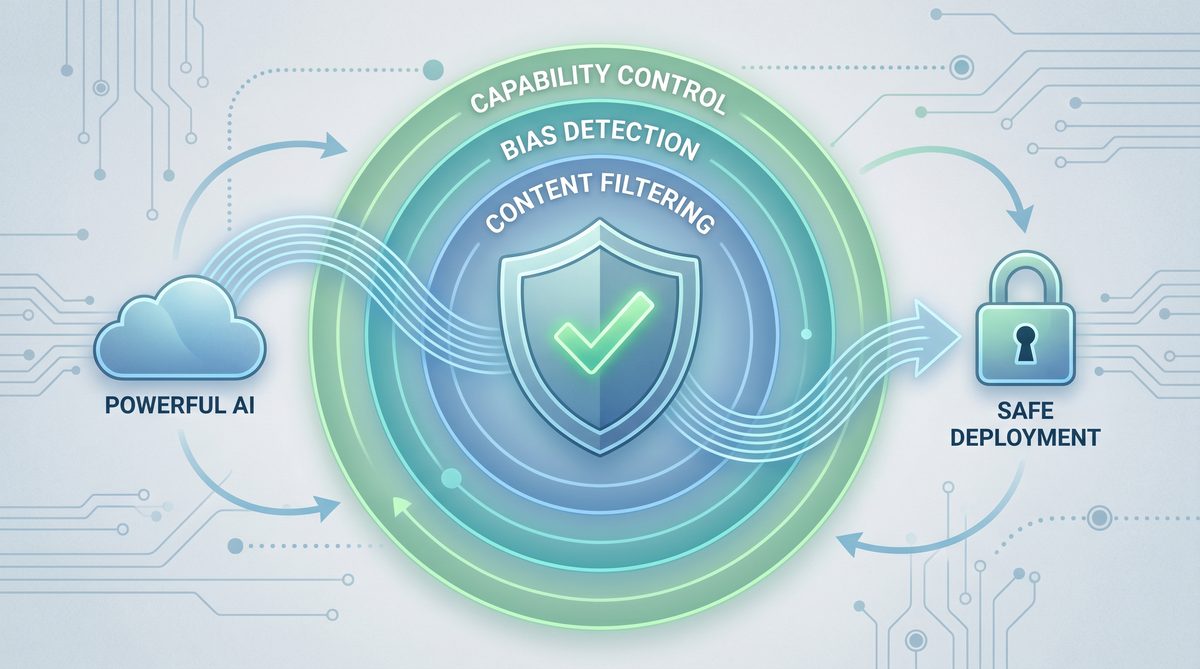
This incident serves as a cautionary tale for organizations developing AI technologies. Here are some lessons and future steps that could help mitigate such risks:
“Security is not just a technological challenge but a fundamental business imperative that requires a proactive approach.” – Industry Expert
- Enhanced Credential Management: Organizations must implement advanced credential management systems that include multi-factor authentication, regular audits, and strict access controls.
- Data Leak Prevention: Companies like Mercor should focus on data leak prevention strategies, including encryption, data masking, and real-time monitoring of data access and usage.
- Strengthening Partnerships: Collaborative projects such as Project Glasswing should incorporate comprehensive security agreements that stipulate the roles, responsibilities, and expectations regarding data protection among partners.
- Incident Response Preparedness: Establishing a robust incident response plan that includes clear communication protocols and recovery strategies is essential for minimizing the impact of breaches.
As the AI landscape continues to evolve, the industry must remain vigilant and proactive in addressing security challenges. This breach serves as a reminder of the importance of securing AI technologies against unauthorized access and the potential repercussions if such measures are not adequately implemented.
For more insights and updates on AI security and technology, visit our dedicated AI security section.
🕐 Instant∞ Unlimited🎁 Free
Get Free Access to 40,000+ AI Prompts
Join 40,000+ AI professionals. Get instant access to our curated Notion Prompt Library with prompts for ChatGPT, Claude, Codex, Gemini, and more — completely free.
Get Free Access Now →No spam. Instant access. Unsubscribe anytime.
