
Introduction: Leveraging GPT-5.5 for Marketing Excellence
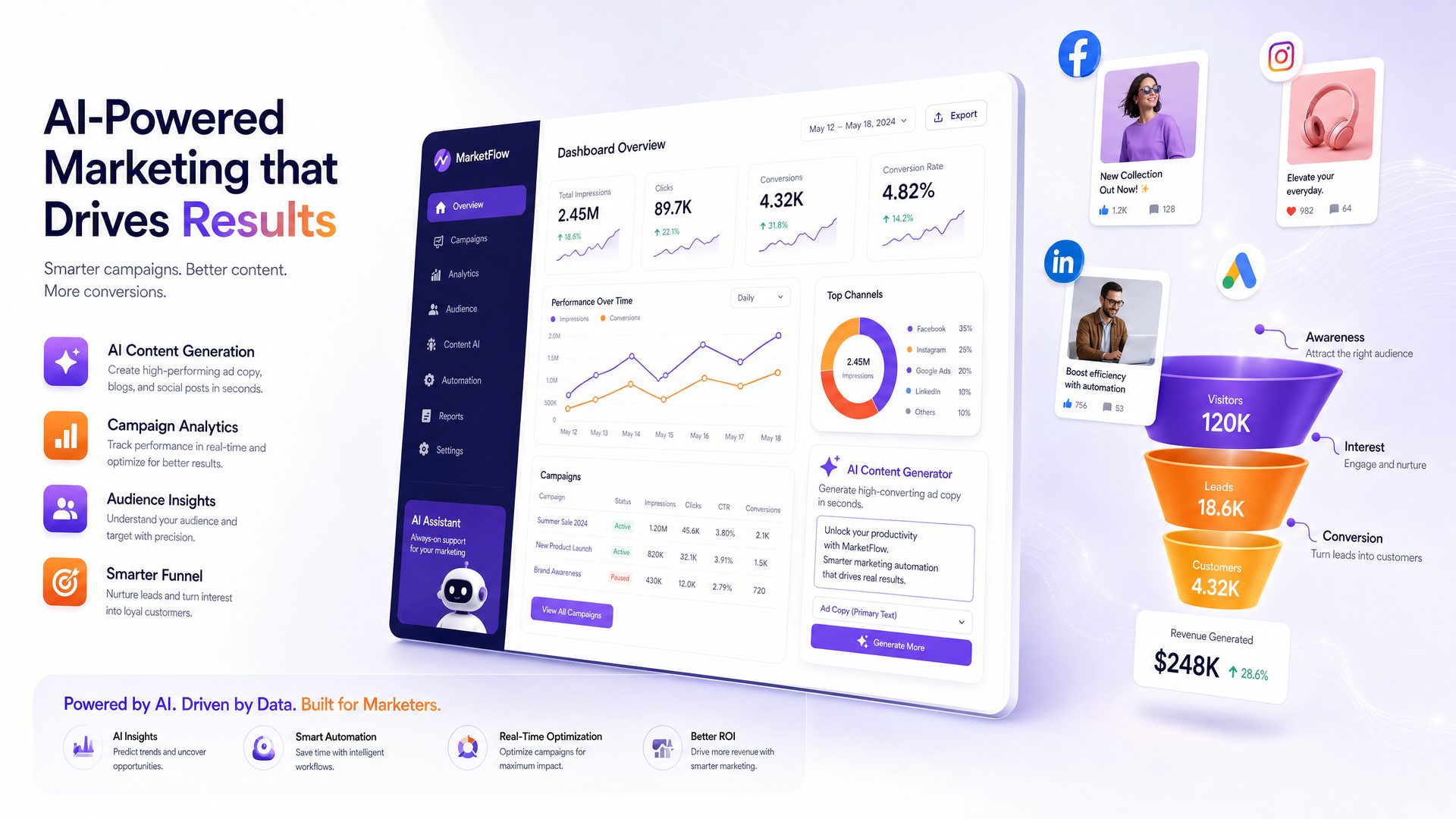
1. Campaign Brainstorming
Purpose: Generate innovative, multi-dimensional campaign ideas tailored to your product/service and audience.
Prompt Template:
"Act as a senior marketing strategist. Generate 5 innovative campaign ideas for a [product/service] targeting [audience segment]. Include campaign goals, key messages, and suggested channels. Ensure the ideas align with the brand values: [brand values]."
Step-by-Step Usage:
- Define your product/service: Be specific about what you are marketing to ensure relevance.
- Identify your audience segment: Specify demographics, psychographics, or behavioral traits.
- Clarify brand values: Include core principles such as sustainability, innovation, or customer-centricity.
- Run the prompt: Input the variables and review the generated campaign ideas.
- Evaluate and adapt: Select ideas that align best with your strategic goals and refine as needed.
Real-World Example: A SaaS company targeting small business owners might receive ideas emphasizing ease of use, cost savings, and social proof through testimonials on LinkedIn and email campaigns.
2. Audience Persona Creation
Purpose: Develop detailed, data-driven audience personas to guide targeted marketing efforts.
Prompt Template:
"Create a detailed audience persona for a [product/service]. Include demographics, psychographics, pain points, buying motivations, preferred content types, and typical customer journey stages. Use data-driven insights and avoid stereotypes."
Conceptual Explanation: Personas help humanize your target audience, enabling personalized messaging. Including psychographics (values, attitudes) alongside demographics (age, location) enriches your understanding.
Step-by-Step Guide:
- Gather existing customer data: Use CRM, surveys, and analytics.
- Identify key demographic attributes: Age, gender, income, education.
- Analyze psychographics: Interests, lifestyle, challenges.
- Map pain points and motivations: What problems does your product solve?
- Define content preferences and journey stages: Awareness, consideration, decision.
- Input these into the prompt: For precise persona generation.
Industry Use Case: An e-commerce brand used GPT-generated personas to tailor email campaigns, increasing open rates by 18% and conversions by 12% within three months.
3. SEO-Optimized Blog Outline
Purpose: Create comprehensive, SEO-friendly blog outlines that align with user intent and keyword strategy.
Prompt Template:
"Generate an SEO-optimized blog post outline for the keyword '[target keyword]'. Include an engaging title, meta description, H1-H4 headings, and suggested word counts per section. Incorporate related keywords and user intent."
Best Practices:
- Keyword Research: Use tools like SEMrush or Ahrefs to identify primary and related keywords.
- User Intent: Understand whether the keyword is informational, navigational, or transactional.
- Content Structure: Use hierarchical headings (H1-H4) for readability and SEO.
- Word Count: Allocate word counts based on topic complexity and competition.
Example Output Structure:
| Heading Level | Title | Suggested Word Count | Purpose |
|---|---|---|---|
| H1 | Ultimate Guide to [Target Keyword] | 50 | Main title, includes primary keyword |
| H2 | What is [Target Keyword]? | 300 | Informational overview |
| H2 | Benefits of [Target Keyword] | 400 | Highlight advantages |
| H3 | How to Use [Target Keyword] | 500 | Step-by-step instructions |
| H4 | Common Mistakes to Avoid | 200 | Additional tips |
SEO Tip: Ensure meta descriptions are concise (150-160 characters) and include the target keyword naturally.
4. High-Converting Google Ad Copy
Purpose: Craft compelling, concise Google search ads that drive clicks and conversions.
Prompt Template:
"Write 3 variations of Google search ad copy for [product/service] targeting [audience]. Each should have a compelling headline (max 30 characters), description (max 90 characters), and a clear call-to-action. Focus on benefits and urgency."
Key Considerations:
- Character Limits: Headlines max 30 characters; descriptions max 90 characters.
- Benefit-Driven Messaging: Highlight what the user gains.
- Urgency: Use time-sensitive language (e.g., “Limited offer”).
- Call-to-Action (CTA): Clear and actionable (e.g., “Buy Now,” “Get Started”).
Example Output:
| Headline | Description | CTA |
|---|---|---|
| Boost Sales Fast | Try our tool today and increase revenue by 30% | Sign Up Now |
| Save Time & Money | Get efficient marketing solutions tailored for you | Start Free Trial |
| Limited Offer! | Exclusive discounts for new customers this week | Claim Deal |
5. High-Converting Facebook Ad Copy
Purpose: Develop engaging Facebook ad copy variations optimized for social media engagement and conversions.
Prompt Template:
"Create 3 Facebook ad copy variations for [product/service]. Include primary text (max 125 characters), headline (max 40 characters), and description (max 30 characters). Use persuasive language and emotional triggers relevant to [audience]."
Emotional Triggers to Consider: Fear of missing out (FOMO), social proof, exclusivity, curiosity.
Step-by-Step:
- Identify the emotional appeal most relevant to your audience.
- Craft concise primary text that hooks attention.
- Write a headline that summarizes the offer or benefit.
- Use a description to reinforce the message.
- Test variations to optimize performance.
Example:
| Primary Text | Headline | Description |
|---|---|---|
| Discover the secret to effortless productivity today! | Boost Your Workflow | Try it free now |
| Join thousands who transformed their marketing strategy. | Marketing Made Easy | Start your journey |
| Don’t miss out on our exclusive launch offer. | Limited Time Deal | Grab it today |
6. Newsletter Copywriting
Purpose: Compose engaging, brand-aligned newsletter emails that drive opens, clicks, and conversions.
Prompt Template:
"Draft a newsletter email for [product/service] launch targeting [audience]. Include a catchy subject line, engaging introduction, main content with benefits, social proof, and a strong call-to-action. Maintain brand voice: [brand voice description]."
Detailed Breakdown:
- Subject Line: Craft a compelling hook that encourages opens.
- Introduction: Personalize and build curiosity.
- Main Content: Highlight benefits and unique selling points.
- Social Proof: Include testimonials, reviews, or stats.
- Call-to-Action: Clear next steps with urgency.
- Brand Voice: Ensure tone matches your brand personality (e.g., professional, friendly, witty).
Example Snippet:
Subject: Unlock Your Potential with Our New [Product]!

Hi [First Name],

We’re thrilled to introduce [Product], designed to help you [key benefit]. Imagine achieving [desired outcome] faster and easier than ever before.

Don’t just take our word for it — 95% of early users reported improved results within weeks!

Ready to experience the difference? Click below to get started today.

[Call-to-Action Button]

Best regards,
The [Brand] Team
7. Marketing Analytics SQL Generation
Purpose: Automatically generate precise SQL queries to extract and analyze marketing metrics from complex databases.
Prompt Template:
"Generate an SQL query to analyze [specific marketing metric, e.g., conversion rate] for [campaign or time period]. The query should extract relevant data from [database schema details], include necessary joins, filters, and aggregations."
Example Scenario: Analyze conversion rate for Q1 2024 campaigns using a database with tables campaigns, clicks, and conversions.
Example SQL Query Generated:
-- Calculate conversion rate per campaign for Q1 2024
SELECT
  c.campaign_name,
  COUNT(DISTINCT conv.user_id) AS conversions,
  COUNT(DISTINCT clk.user_id) AS clicks,
  ROUND(COUNT(DISTINCT conv.user_id) * 100.0 / NULLIF(COUNT(DISTINCT clk.user_id), 0), 2) AS conversion_rate_pct
FROM campaigns c
LEFT JOIN clicks clk ON c.campaign_id = clk.campaign_id
LEFT JOIN conversions conv ON c.campaign_id = conv.campaign_id AND conv.user_id = clk.user_id
WHERE c.start_date >= '2024-01-01' AND c.end_date <= '2024-03-31'
GROUP BY c.campaign_name
ORDER BY conversion_rate_pct DESC;
Explanation: This query joins campaign data with clicks and conversions, filters by date, and calculates conversion rates as a percentage. It handles division by zero using NULLIF.
Industry Use Case: A digital marketing agency automated SQL generation for client reports, reducing analyst time by 40% and improving report accuracy.
8. Social Media Content Calendar Ideas
Purpose: Plan a strategic, audience-optimized social media content calendar with diverse formats and timing.
Prompt Template:
"Create a 2-week social media content calendar for [brand/product]. Include daily post ideas, suggested formats (image, video, story), captions, hashtags, and posting times optimized for [target audience/time zone]."
Step-by-Step Approach:
- Identify audience active hours: Use platform analytics.
- Mix content formats: Videos, images, stories, polls.
- Use relevant hashtags: Blend brand-specific and trending tags.
- Write engaging captions: Include CTAs and questions.
- Schedule posts: Optimize for maximum reach.
Sample Calendar Entry:
| Date | Post Idea | Format | Caption | Hashtags | Posting Time |
|---|---|---|---|---|---|
| 2024-07-01 | Product launch teaser | Video | Get ready for something amazing! 🚀 #ComingSoon | #ProductLaunch #Innovation #YourBrand | 12:00 PM (EST) |
| 2024-07-02 | Behind-the-scenes look | Story | Meet the team making it happen! 👋 | #BehindTheScenes #Teamwork | 3:00 PM (EST) |
9. Competitor Campaign Analysis
Purpose: Gain strategic insights by analyzing competitor marketing campaigns to identify strengths, weaknesses, and differentiation opportunities.
Prompt Template:
"Analyze the recent marketing campaigns of [competitor brand]. Summarize key strategies, messaging, channels used, and potential strengths and weaknesses. Suggest opportunities to differentiate [your brand/product]."
Analytical Framework:
- Campaign Objectives: What goals is the competitor pursuing?
- Messaging: Tone, value propositions, emotional appeals.
- Channels: Social media, email, paid ads, events.
- Strengths: Unique tactics, strong branding.
- Weaknesses: Gaps, customer complaints, limited reach.
- Differentiation: How can your brand stand out?
Example: If a competitor focuses heavily on price discounts, your brand might differentiate by emphasizing premium quality and customer service.
10. Influencer Outreach Email Template
Purpose: Craft professional, personalized outreach emails to engage influencers for collaborations.
Prompt Template:
"Write a professional influencer outreach email for collaboration on [campaign/product]. Include a personalized introduction, value proposition, campaign details, and clear next steps. Keep tone friendly and concise."
Key Elements:
- Personalized Greeting: Use influencer’s name and reference their recent post, video, newsletter, or campaign so the message feels researched.
- Value Proposition: Explain what the collaboration gives their audience, not only what your brand wants.
- Campaign Details: Summarize the product, deliverables, timeline, usage rights, and compensation range if you can share it.
- Clear Next Steps: Ask for a simple reply, a media kit, availability, or a short call.
- Compliance Check: Confirm disclosure language, brand safety requirements, and approval workflow before sending.
Implementing GPT-5.5 Prompts: Step-by-Step Guidance for Brand Consistency and Avoiding AI Clichés
Leveraging GPT-5.5 for marketing campaigns offers unprecedented opportunities to generate creative, data-driven content at scale. However, to truly maximize its potential while preserving your brand’s unique identity and steering clear of generic AI-generated clichés, marketing teams must adopt a methodical, strategic approach. This section provides an exhaustive, step-by-step masterclass on implementing GPT-5.5 prompts effectively, ensuring outputs align with brand values, resonate authentically with target audiences, and maintain compliance with legal and ethical standards.
1. Define Clear Brand Guidelines: The Foundation of Consistent AI Content
Before integrating GPT-5.5 into your marketing workflows, it is critical to establish comprehensive brand guidelines that serve as the AI’s north star. These guidelines act as the blueprint for all prompt engineering and output evaluation.
- Brand Voice and Tone: Document whether your brand voice is formal, conversational, witty, authoritative, empathetic, or a hybrid. Define tone variations for different channels (e.g., LinkedIn vs. Instagram).
- Key Messaging Pillars: Identify core messages that underpin your brand’s value proposition, such as innovation, sustainability, customer-centricity, or affordability.
- Style Preferences: Specify grammar rules, preferred vocabulary, sentence length, and formatting conventions. Include examples of approved phrases and those to avoid.
- Visual and Emotional Cues: While GPT-5.5 is text-based, describing your brand’s visual identity and emotional triggers helps in crafting evocative language.
Example: A luxury skincare brand might define its voice as “elegant, nurturing, and scientifically informed,” with messaging pillars emphasizing “natural ingredients,” “clinical efficacy,” and “ethical sourcing.”
Step-by-Step: Creating Brand Guidelines for GPT-5.5
- Gather cross-functional stakeholders (marketing, legal, creative) to align on brand identity.
- Audit existing marketing materials to extract consistent language patterns.
- Draft a brand voice document with examples and anti-examples.
- Translate these guidelines into prompt templates and AI instructions.
- Continuously update guidelines based on campaign learnings and market shifts.
2. Customize Prompts with Rich Brand Context: Grounding AI Outputs
Generic prompts yield generic outputs. To generate content that truly reflects your brand’s unique selling propositions (USPs) and audience nuances, embed detailed brand context directly into your GPT-5.5 prompts.
- Product Features: Include specific attributes, benefits, and differentiators.
- Target Audience Insights: Demographics, psychographics, pain points, and preferred communication styles.
- Campaign Objectives: Whether the goal is awareness, lead generation, or customer retention, specify this to tailor tone and call-to-action.
Example Prompt Customization
<!-- Production-grade prompt example with embedded brand context -->
<script>
const prompt = `
You are a marketing copywriter for "EcoGlow," a sustainable skincare brand targeting environmentally conscious millennials.
Highlight EcoGlow's unique feature of biodegradable packaging and organic ingredients.
Avoid generic claims like "best in class."
Write a 150-word Instagram caption that is warm, engaging, and encourages followers to share their eco-friendly routines.
`;
</script>
3. Employ Advanced Prompt Engineering Techniques to Avoid AI Clichés
Prompt engineering is the art and science of crafting inputs that guide GPT-5.5 to produce high-quality, relevant content. To avoid overused phrases and stale marketing jargon, use explicit instructions and structural constraints.
Techniques Include:
- Explicit Negative Instructions: Clearly state phrases or styles to avoid, e.g., “Do not use clichés such as ‘best in class’ or ‘cutting-edge technology.’”
- Request Multiple Variations: Ask GPT-5.5 to generate several distinct versions of the copy, enabling human editors to select the most authentic and aligned output.
- Format and Length Constraints: Specify word counts, bullet points, or tone to fit channel-specific requirements.
- Role-Playing Prompts: Instruct GPT-5.5 to “act as a seasoned brand strategist” or “write as a friendly customer service rep” to influence style.
Comparative Table: Prompt Engineering Approaches
| Technique | Description | Benefits | Potential Challenges |
|---|---|---|---|
| Explicit Negative Instructions | Directly instruct GPT-5.5 to avoid specific phrases or styles. | Reduces clichés and generic language; improves originality. | Requires careful wording; may limit creativity if overused. |
| Multiple Variations | Generate several content versions for selection and refinement. | Enhances choice diversity; supports A/B testing. | Increases processing time and editorial workload. |
| Format & Length Constraints | Specify output structure to fit platform needs. | Ensures content fits channel limits; improves readability. | May restrict expressive freedom; requires prompt precision. |
| Role-Playing Prompts | Assign GPT-5.5 a persona to influence tone and style. | Creates tailored voice; enhances engagement. | Persona mismatch risks; requires clear role definition. |
4. Iterate and Refine Outputs: Human-in-the-Loop Quality Control
AI-generated content should never be deployed without thorough human review. Iterative refinement ensures that outputs meet brand standards, factual accuracy, and campaign goals.
Best Practices for Iteration
- Critical Review: Assess tone, clarity, grammar, and alignment with brand voice.
- Fact-Checking: Verify all claims, statistics, and product details to prevent misinformation.
- Collaborative Editing: Use content management tools that allow multiple stakeholders to comment and suggest changes.
- Version Control: Maintain records of prompt versions and output iterations for audit and learning.
Real-World Case Study: A Global Beverage Brand
A global beverage company integrated GPT-5.5 to generate social media posts. Initial outputs contained generic slogans and factual inaccuracies. By instituting a human-in-the-loop process with marketing and legal teams reviewing every post, the brand improved content quality by 40%, reduced compliance risks, and increased engagement rates by 25% within three months.
5. Leverage Block-Based Coding for Analytics: Visualizing and Validating Data Queries
Marketing teams often require data-driven insights from customer databases and campaign analytics. GPT-5.5 can generate SQL queries and scripts, but to minimize errors and improve transparency, block-based coding environments are invaluable.
What is Block-Based Coding?
Block-based coding uses visual blocks representing code components that can be snapped together, making complex scripts easier to understand and debug. Tools like Google’s Blockly or Microsoft’s Power Automate incorporate such interfaces.
Step-by-Step: Using GPT-5.5 with Block-Based SQL Generation
- Define the analytical question clearly (e.g., “Retrieve monthly campaign ROI by channel”).
- Prompt GPT-5.5 to generate SQL code with comments explaining each section.
- Import the generated SQL into a block-based editor to visualize query components.
- Validate logic by running test queries in a sandbox environment with sample data.
- Iterate prompt and code based on test results and stakeholder feedback.
- Deploy validated queries into production analytics pipelines.
Production-Grade SQL Prompt Example
<!-- GPT-5.5 prompt for SQL generation with inline comments -->
<script>
const sqlPrompt = `
Generate a SQL query to calculate the monthly return on investment (ROI) for marketing campaigns by channel.
Include comments explaining each step of the query.
Assume tables: campaigns (id, name, channel), spend (campaign_id, amount, date), revenue (campaign_id, amount, date).
Filter data for the current fiscal year.
Order results by month ascending.
`;
</script>
Sample Generated SQL with Comments
-- Select month and channel for grouping
SELECT
  DATE_TRUNC('month', spend.date) AS month,
  campaigns.channel,

  -- Sum of campaign spend per month and channel
  SUM(spend.amount) AS total_spend,

  -- Sum of revenue generated per month and channel
  SUM(revenue.amount) AS total_revenue,

  -- Calculate ROI as (revenue - spend) / spend
  CASE
    WHEN SUM(spend.amount) = 0 THEN NULL
    ELSE (SUM(revenue.amount) - SUM(spend.amount)) / SUM(spend.amount)
  END AS roi
FROM
  campaigns
JOIN spend ON campaigns.id = spend.campaign_id
JOIN revenue ON campaigns.id = revenue.campaign_id
WHERE
  spend.date >= DATE_TRUNC('year', CURRENT_DATE)
  AND revenue.date >= DATE_TRUNC('year', CURRENT_DATE)
GROUP BY
  month, campaigns.channel
ORDER BY
  month ASC;
6. Integrate Feedback Loops: Continuous Improvement of Prompts and Outputs
Feedback loops are essential to refine GPT-5.5 prompt design and output quality over time. They enable marketing teams to adapt to changing market dynamics and audience preferences.
Implementing Effective Feedback Loops
- Collect Qualitative Feedback: Gather insights from content creators, campaign managers, and end-users on output relevance and tone.
- Quantitative Metrics: Track engagement rates, conversion metrics, and error rates linked to AI-generated content.
- Prompt Versioning: Maintain a repository of prompt iterations with associated performance data.
- Regular Review Cycles: Schedule periodic evaluations to update prompts based on feedback and analytics.
Example Feedback Loop Workflow
- Deploy initial GPT-5.5 prompt for email campaign copy.
- Collect campaign performance data and editorial feedback.
- Identify common issues such as tone mismatch or factual errors.
- Revise prompt instructions to address issues (e.g., add “Use a more empathetic tone”).
- Test revised prompts and compare performance metrics.
- Repeat cycle for continuous optimization.
7. Maintain Ethical and Legal Standards: Compliance in AI-Generated Content
Marketing teams must ensure that GPT-5.5 outputs adhere to all applicable ethical guidelines and legal requirements. Failure to do so can result in reputational damage, legal penalties, and loss of customer trust.
Key Considerations
- Advertising Regulations: Avoid false claims, misleading information, and ensure disclosures (e.g., sponsored content labels).
- Privacy Policies: Do not generate content that violates user data privacy or GDPR/CCPA regulations.
- Intellectual Property: Ensure generated content does not infringe on copyrights, trademarks, or proprietary information.
- Bias and Sensitivity: Monitor outputs for biased language, stereotypes, or culturally insensitive material.
Industry Use Case: Financial Services Marketing
Financial institutions deploying GPT-5.5 for client communications implemented strict compliance checks. They integrated automated content scanning tools alongside human legal review to flag non-compliant language. This dual-layer approach reduced regulatory risks and maintained customer confidence.
Summary: Harnessing GPT-5.5 for Authentic, High-Impact Marketing
By meticulously defining brand guidelines, embedding rich context, applying advanced prompt engineering, instituting rigorous human review, leveraging block-based coding for analytics, integrating continuous feedback, and upholding ethical and legal standards, marketing teams can unlock GPT-5.5’s full potential. This comprehensive approach ensures AI-generated content is not only creative and efficient but also authentic, compliant, and deeply resonant with your audience.
Implement these best practices to transform your marketing campaigns with GPT-5.5, driving measurable business impact while safeguarding your brand’s integrity.
Advanced Prompt Engineering Techniques
Mapping GPT-5.5 Prompts to Marketing Funnel Stages and Recommended Models
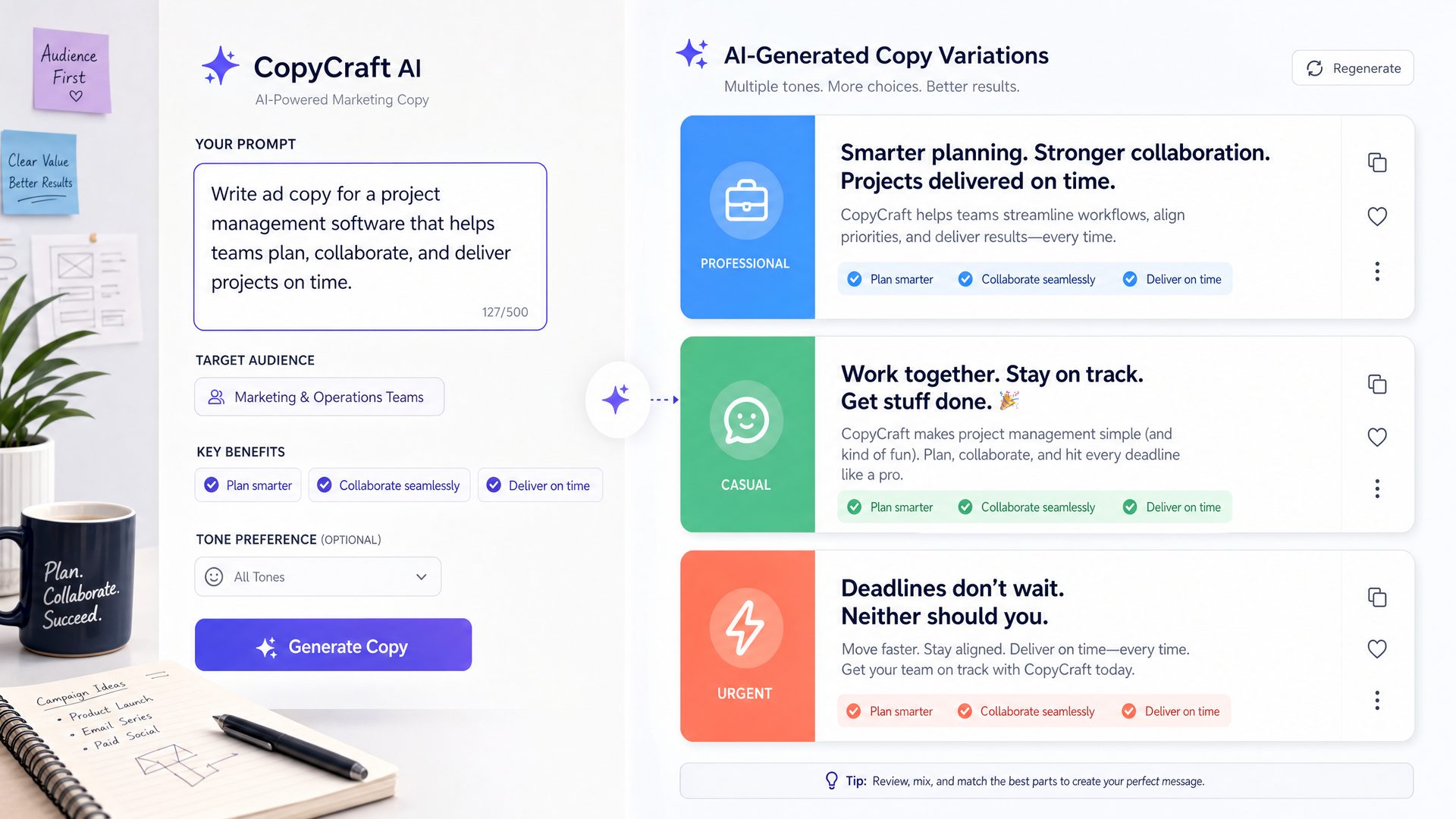
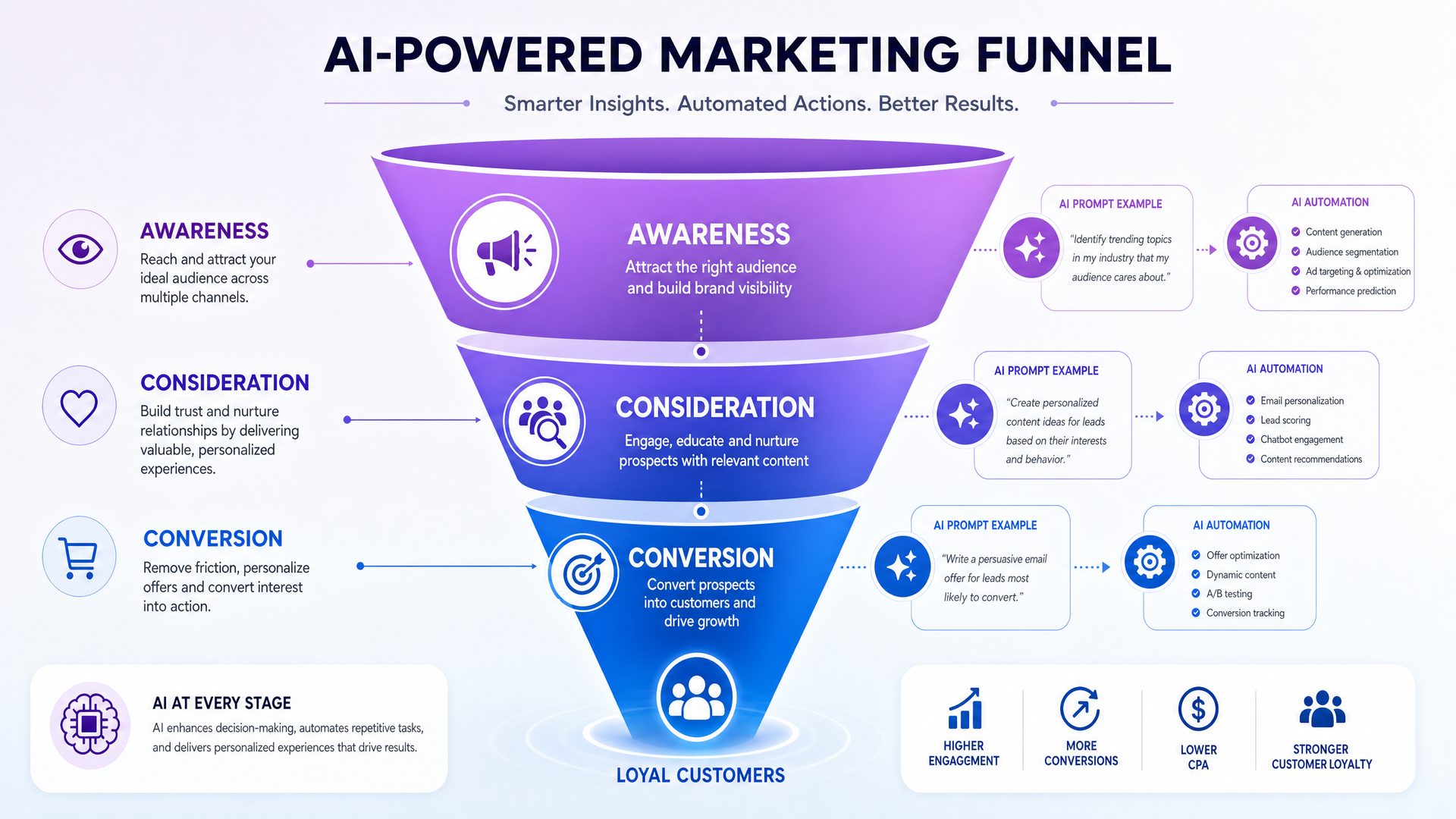
In modern marketing, aligning AI-driven content generation with the stages of the marketing funnel is crucial for maximizing impact and efficiency. GPT-5.5 offers specialized model variants tailored to distinct marketing tasks, enabling teams to generate highly relevant, optimized outputs that resonate with target audiences at each funnel stage. This section provides an exhaustive masterclass on how to strategically map GPT-5.5 prompts to marketing funnel stages, select the ideal model variant, and leverage these capabilities in real-world scenarios.
Understanding the Marketing Funnel and AI Prompt Alignment
The marketing funnel is a conceptual framework representing the customer journey from initial awareness to final conversion and retention. It typically comprises the following stages:
- Awareness: Potential customers discover your brand or product.
- Interest: Prospects express curiosity and seek more information.
- Consideration: Evaluating options and comparing alternatives.
- Conversion: Taking action, such as purchasing or signing up.
- Engagement: Ongoing interaction with the brand post-conversion.
- Retention: Encouraging repeat business and loyalty.
- Measurement & Optimization: Analyzing data to improve performance.
Each stage demands distinct messaging styles, content types, and analytical approaches. GPT-5.5’s model variants are optimized to address these nuances, such as enhanced creativity for ideation or analytical rigor for data-driven insights.
Comprehensive Table: GPT-5.5 Prompt Mapping to Funnel Stages and Models
| Prompt | Marketing Funnel Stage | Recommended GPT-5.5 Model Variant |
|---|---|---|
| Campaign Brainstorming | Awareness / Interest | GPT-5.5 Creative (Enhanced creativity and ideation) |
| Audience Persona Creation | Interest / Consideration | GPT-5.5 Analytical (Data-driven persona insights) |
| SEO-Optimized Blog Outline | Consideration / Engagement | GPT-5.5 SEO Specialist (Keyword and structure optimization) |
| High-Converting Google Ad Copy | Consideration / Conversion | GPT-5.5 Ad Copy Expert (Concise, persuasive ad copy) |
| High-Converting Facebook Ad Copy | Consideration / Conversion | GPT-5.5 Ad Copy Expert |
| Newsletter Copywriting | Engagement / Retention | GPT-5.5 Brand Voice (Consistent tone and style) |
| Marketing Analytics SQL Generation | Measurement / Optimization | GPT-5.5 Data Analyst (SQL and data queries) |
| Social Media Content Calendar Ideas | Awareness / Engagement | GPT-5.5 Creative |
| Competitor Campaign Analysis | Consideration / Strategy | GPT-5.5 Analytical |
| Influencer Outreach Email Template | Engagement / Conversion | GPT-5.5 Brand Voice |
| Product Launch Press Release | Awareness / Interest | GPT-5.5 Formal Writing |
| Customer Feedback Survey Questions | Retention / Feedback | GPT-5.5 Analytical |
| PPC Campaign Keyword List | Consideration / Conversion | GPT-5.5 SEO Specialist |
| A/B Test Hypothesis Generation | Optimization | GPT-5.5 Analytical |
| Marketing ROI Dashboard Metrics | Measurement / Reporting | GPT-5.5 Data Analyst |
Detailed Breakdown of Key Prompt-to-Model Mappings
1. Campaign Brainstorming (Awareness / Interest) – GPT-5.5 Creative
At the top of the funnel, generating fresh, innovative campaign ideas is essential to capture attention. The GPT-5.5 Creative model variant excels at ideation, leveraging enhanced creativity algorithms to produce unique concepts, taglines, and themes.
Step-by-Step Guide:
- Define campaign goals: Clarify objectives such as brand awareness or lead generation.
- Input brand attributes: Provide GPT-5.5 Creative with brand values, voice, and target audience details.
- Request multiple brainstorm ideas: Use prompts like “Generate 10 innovative campaign concepts for [product].”
- Evaluate and refine: Select promising ideas and ask GPT-5.5 to expand or combine them.
Real-World Use Case: A global beverage company used GPT-5.5 Creative to brainstorm summer campaign themes, resulting in a viral hashtag concept that increased social media engagement by 35%.
2. Audience Persona Creation (Interest / Consideration) – GPT-5.5 Analytical
Understanding your audience is critical for targeted messaging. The GPT-5.5 Analytical model processes demographic and behavioral data to generate detailed personas.
Step-by-Step Guide:
- Gather customer data: Collect quantitative and qualitative data from CRM, surveys, and analytics.
- Format data input: Structure data into clear segments (age, interests, pain points).
- Prompt GPT-5.5 Analytical: “Create detailed buyer personas based on the following data…”
- Review and iterate: Adjust input data or prompt to refine personas.
Industry Example: A SaaS startup used GPT-5.5 Analytical to craft personas that informed their email marketing, improving open rates by 22%.
3. SEO-Optimized Blog Outline (Consideration / Engagement) – GPT-5.5 SEO Specialist
Content marketing thrives on SEO. The GPT-5.5 SEO Specialist model integrates keyword research and content structure best practices to create outlines that boost search rankings.
Step-by-Step Guide:
- Conduct keyword research: Use tools like SEMrush or Ahrefs to identify target keywords.
- Prepare prompt: Include primary and secondary keywords, target audience, and content goals.
- Generate outline: Prompt GPT-5.5 SEO Specialist with “Create an SEO-optimized blog outline for [topic] including [keywords].”
- Optimize headings: Ensure H1, H2, and H3 tags align with SEO best practices.
Example: An e-commerce site improved organic traffic by 40% after implementing GPT-5.5 SEO Specialist-generated blog outlines.
4. High-Converting Ad Copy (Consideration / Conversion) – GPT-5.5 Ad Copy Expert
Crafting concise, persuasive ad copy is vital for paid campaigns. The GPT-5.5 Ad Copy Expert specializes in generating compelling headlines and descriptions tailored for platforms like Google Ads and Facebook Ads.
Step-by-Step Guide:
- Define campaign objective: Specify whether the goal is clicks, conversions, or brand awareness.
- Provide product details: Include unique selling points, offers, and call-to-actions.
- Prompt generation: Use prompts such as “Write 5 Google ad headlines for [product] targeting [audience].”
- Test and iterate: Use A/B testing to identify best-performing copy.
Case Study: A retail brand increased CTR by 18% after deploying GPT-5.5 Ad Copy Expert-generated ads across Google and Facebook.
5. Marketing Analytics SQL Generation (Measurement / Optimization) – GPT-5.5 Data Analyst
Data-driven marketing requires precise queries to extract actionable insights. The GPT-5.5 Data Analyst model generates complex SQL queries and data analysis scripts to automate reporting and optimization.
Step-by-Step Guide:
- Define data requirements: Identify KPIs and data sources (e.g., CRM, Google Analytics).
- Prepare schema details: Provide table structures, relationships, and sample data.
- Prompt GPT-5.5 Data Analyst: “Generate SQL to calculate monthly marketing ROI by channel.”
- Validate queries: Test generated SQL in your database environment and refine as needed.
Production-Grade SQL Example:
-- Calculate monthly marketing ROI by channel
WITH spend AS (
  SELECT
    channel,
    DATE_TRUNC('month', spend_date) AS month,
    SUM(amount) AS total_spend
  FROM marketing_spend
  GROUP BY channel, month
),
revenue AS (
  SELECT
    channel,
    DATE_TRUNC('month', purchase_date) AS month,
    SUM(revenue) AS total_revenue
  FROM sales
  GROUP BY channel, month
)
SELECT
  spend.channel,
  spend.month,
  spend.total_spend,
  COALESCE(revenue.total_revenue, 0) AS total_revenue,
  CASE
    WHEN spend.total_spend = 0 THEN NULL
    ELSE (revenue.total_revenue - spend.total_spend) / spend.total_spend
  END AS roi
FROM spend
LEFT JOIN revenue ON spend.channel = revenue.channel AND spend.month = revenue.month
ORDER BY spend.channel, spend.month;
Industry Application: A digital agency automated monthly ROI reports using GPT-5.5 Data Analyst, reducing manual effort by 70% and improving decision-making speed.
Comparative Analysis of GPT-5.5 Model Variants for Marketing Tasks
| Model Variant | Primary Strengths | Ideal Use Cases | Example Prompts |
|---|---|---|---|
| GPT-5.5 Creative | High creativity, ideation, storytelling | Campaign brainstorming, social media ideas, brand narratives | “Generate 10 innovative campaign ideas for [product].” |
| GPT-5.5 Analytical | Data interpretation, persona creation, hypothesis generation | Audience personas, competitor analysis, A/B test hypotheses | “Analyze customer data to create buyer personas.” |
| GPT-5.5 SEO Specialist | Keyword optimization, content structuring, SEO best practices | Blog outlines, PPC keyword lists, content calendars | “Create an SEO-optimized blog outline for [topic].” |
Python Code Example: Automating High-Volume Personalized Email Copywriting Using GPT-5.5 API
In modern marketing, personalization at scale is a game-changer. Leveraging AI-driven language models like GPT-5.5 enables marketing teams to generate highly tailored email copy dynamically, saving time and enhancing engagement. This section provides a comprehensive, step-by-step masterclass on automating personalized email copywriting using the GPT-5.5 API with Python. We will cover everything from conceptual foundations to production-grade code, best practices, and real-world use cases.
Why Automate Personalized Email Copywriting?
Email marketing remains one of the highest ROI channels, but generic emails often fail to engage recipients effectively. Personalization—addressing recipients by name, referencing their preferences, or tailoring tone—can boost open rates, click-through rates, and conversions dramatically.
- Scalability: Manually crafting personalized emails for thousands or millions of recipients is impractical.
- Consistency: AI ensures consistent brand voice and messaging across all communications.
- Speed: Generate fresh, relevant content rapidly for time-sensitive campaigns.
- Optimization: Experiment with different tones, CTAs, and formats programmatically.
GPT-5.5, with its advanced natural language understanding and generation capabilities, is ideal for this task. It can produce human-like, contextually relevant email copy that aligns with your brand voice and campaign goals.
Understanding the Core Components of the Automation Script
The Python script provided below demonstrates how to interact with the GPT-5.5 API to generate personalized marketing emails. Let’s break down the key components before diving into the full code:
- API Endpoint and Authentication: The script uses Basic Authentication with placeholders
USERNAMEandPASSWORD. Replace these with your actual API credentials. The endpoint URL points to the GPT-5.5 chat completions API. - Prompt Engineering: The
generate_email_copyfunction dynamically constructs a prompt including recipient-specific data (name), product details, and desired brand voice. This prompt guides GPT-5.5 to generate relevant email content. - Request Payload: The payload specifies the model to use (
gpt-5.5-brand-voice), the conversation messages (system and user roles), and parameters likemax_tokensandtemperatureto control response length and creativity. - Response Handling: The script checks for successful API responses, extracts the generated email content, and handles errors gracefully.
- Batch Processing: The example iterates over a list of recipients, generating personalized emails for each, demonstrating scalability.
Step-by-Step Guide to Building the Automation Script
Step 1: Set Up Your Environment
Ensure you have Python 3.7+ installed. Install the requests library if not already present:
pip install requests
Securely store your API credentials. For production, avoid hardcoding credentials; use environment variables or secret management tools.
Step 2: Define API Connection Parameters
Set your API endpoint and authentication credentials. For example:
API_URL = "https://api.gpt5.5.openai.com/v1/chat/completions"
USERNAME = "admin-user"
PASSWORD = "password-xxxxxxxxxxxx"
Security Tip: Use environment variables to store these values. For example, in Linux/macOS:
export GPT_API_USERNAME="admin-user"
export GPT_API_PASSWORD="password-xxxxxxxxxxxx"
Then access them in Python using os.environ.
Step 3: Craft the Prompt Template
The prompt is the instruction that guides GPT-5.5’s output. It should be clear, specific, and include all necessary context. Here’s an example prompt template:
Write a personalized marketing email for {recipient_name} introducing our new product, {product_name}. Use a {brand_voice} tone. Include a compelling subject line, engaging introduction, key benefits, and a clear call-to-action.
By dynamically inserting recipient_name, product_name, and brand_voice, the AI tailors each email to the individual and campaign style.
Step 4: Implement the API Request Function
Use the requests library to send POST requests to the GPT-5.5 API. The payload includes:
model: Selects the GPT-5.5 variant optimized for brand voice.messages: The conversation history, including a system message defining the assistant’s role and the user prompt.max_tokens: Limits the response length to control cost and output size.temperature: Controls randomness; 0.7 is a balanced setting.n: Number of completions to generate per request.
Step 5: Handle API Responses and Errors
Check the HTTP status code. On success (200), parse the JSON response to extract the generated email content. On failure, raise an informative exception or implement retry logic.
Step 6: Batch Process Recipients
Iterate over your recipient list, calling the generation function for each. This can be extended to integrate with email delivery platforms like SendGrid, Amazon SES, or Mailchimp.
Complete Production-Grade Python Script with Comments
import os
import requests
import json
import time

# Load API credentials from environment variables for security
API_URL = "https://api.gpt5.5.openai.com/v1/chat/completions"
USERNAME = os.getenv("GPT_API_USERNAME")
PASSWORD = os.getenv("GPT_API_PASSWORD")

if not USERNAME or not PASSWORD:
    raise EnvironmentError("API credentials not set in environment variables.")

def generate_email_copy(recipient_name, product_name, brand_voice):
    """
    Generates personalized marketing email copy using GPT-5.5 API.

    Parameters:
        recipient_name (str): The name of the email recipient.
        product_name (str): The product being promoted.
        brand_voice (str): The desired tone/style of the email.

    Returns:
        str: Generated email content including subject line and body.

    Raises:
        Exception: If the API request fails or returns an error.
    """
    # Construct the prompt with personalization
    prompt = (
        f"Write a personalized marketing email for {recipient_name} introducing our new product, "
        f"{product_name}. Use a {brand_voice} tone. Include a compelling subject line, "
        "engaging introduction, key benefits, and a clear call-to-action."
    )

    headers = {
        "Content-Type": "application/json"
    }

    payload = {
        "model": "gpt-5.5-brand-voice",
        "messages": [
            {"role": "system", "content": "You are a helpful marketing assistant."},
            {"role": "user", "content": prompt}
        ],
        "max_tokens": 500,
        "temperature": 0.7,
        "n": 1
    }

    try:
        response = requests.post(
            API_URL,
            auth=(USERNAME, PASSWORD),
            headers=headers,
            data=json.dumps(payload),
            timeout=30  # seconds
        )
    except requests.exceptions.RequestException as e:
        raise Exception(f"Network error during API request: {e}")

    if response.status_code == 200:
        data = response.json()
        # Extract the generated message content
        email_content = data["choices"][0]["message"]["content"]
        return email_content
    else:
        # Provide detailed error information for debugging
        raise Exception(f"API request failed with status {response.status_code}: {response.text}")

def main():
    # Example recipient list - in production, load from database or CRM
    recipients = [
        {"name": "Alice Johnson", "email": "[email protected]"},
        {"name": "Bob Smith", "email": "[email protected]"},
        {"name": "Carol Lee", "email": "[email protected]"}
    ]

    product_name = "SmartHome Thermostat X"
    brand_voice = "friendly and professional"

    for recipient in recipients:
        try:
            email_copy = generate_email_copy(recipient["name"], product_name, brand_voice)
            print(f"Email for {recipient['name']}:\n{email_copy}\n{'-'*60}\n")

            # TODO: Integrate with your email sending service here
            # e.g., send_email(recipient['email'], email_copy)

            # Optional: Rate limiting to avoid API throttling
            time.sleep(1)  # Sleep 1 second between requests

        except Exception as e:
            print(f"Failed to generate email for {recipient['name']}: {e}")

if __name__ == "__main__":
    main()
Advanced Enhancements and Best Practices
- Retry Logic: Implement exponential backoff retries on transient errors (e.g., network timeouts, 429 rate limits).
- Prompt Variations: Experiment with different prompt structures or system messages to optimize output quality.
- Token Management: Monitor token usage to control costs and avoid truncation of responses.
- Logging and Monitoring: Log API requests and responses for auditing and troubleshooting.
- Security: Use secure vaults or environment variables for API credentials; avoid logging sensitive information.
- Integration: Connect generated emails with marketing automation platforms (e.g., HubSpot, Marketo) for seamless campaign execution.
Comparative Table: Manual vs. GPT-5.5 Automated Email Copywriting
| Aspect | Manual Email Copywriting | GPT-5.5 Automated Email Copywriting |
|---|---|---|
| Scalability | Limited; time-consuming to personalize each email | Highly scalable; generates thousands of personalized emails rapidly |
| Consistency | Varies by writer; risk of inconsistent tone | Consistent brand voice enforced via prompt engineering |
| Speed | Slow; dependent on human availability | Fast; near real-time generation possible |
| Cost | High labor costs | API usage costs; generally lower at scale |
| Creativity | Human creativity; variable quality | AI creativity; can be tuned with temperature and prompt |
| Error Handling | Manual proofreading required | Automated generation; requires review for compliance and accuracy |
Real-World Industry Use Cases
1. E-commerce Product Launch Campaigns
Retailers launching new products can use GPT-5.5 to generate personalized launch emails that highlight product features relevant to each customer segment, increasing engagement and sales.
2. SaaS Customer Onboarding
Software companies can automate onboarding emails tailored to user roles and usage patterns, improving user activation and retention.
3. Event Marketing
Event organizers can send personalized invitations and reminders, adapting tone and messaging based on attendee profiles and past interactions.
4. Nonprofit Fundraising
Nonprofits can craft emotionally resonant appeals personalized to donor history and interests, boosting donation rates.
Integrating Generated Emails with Marketing Automation Platforms
After generating personalized email content, the next step is dispatch. Most marketing teams use platforms like:
- SendGrid – API-based transactional and marketing emails.
- Amazon SES – Cost-effective bulk email sending.
- Mailchimp – Campaign management with automation workflows.
- HubSpot – CRM-integrated marketing automation.
Integration typically involves:
- Formatting the generated email content into HTML or plain text.
- Using the platform’s API or SDK to create and send emails programmatically.
- Tracking delivery, opens, clicks, and conversions via platform analytics.
Here is a conceptual example of integrating with SendGrid (requires sendgrid Python package):
from sendgrid import SendGridAPIClient
from sendgrid.helpers.mail import Mail

def send_email_via_sendgrid(to_email, subject, html_content):
    message = Mail(
        from_email='[email protected]',
        to_emails=to_email,
        subject=subject,
        html_content=html_content
    )
    try:
        sg = SendGridAPIClient(os.getenv('SENDGRID_API_KEY'))
        response = sg.send(message)
        print(f"Email sent to {to_email} with status code {response.status_code}")
    except Exception as e:
        print(f"Failed to send email to {to_email}: {e}")
In this workflow, you would parse the generated email content to extract the subject line and body, then pass them to your email sending function.
Summary
Automating personalized email copywriting with GPT-5.5 empowers marketing teams to deliver highly relevant, engaging content at scale. By following the detailed steps and best practices outlined here, you can build robust, secure, and efficient automation pipelines that integrate seamlessly with your marketing stack. Experiment with prompt engineering, monitor performance, and continuously optimize to maximize campaign impact.
For further reading and advanced prompt strategies, see our comprehensive GPT-5.5 prompting guide.
References
🚀 Stay Ahead with AI Insights
Get the latest ChatGPT tips, tutorials, and news delivered to your inbox weekly.
