

In today’s rapidly evolving tech landscape, AI agents are becoming increasingly integral to automating tasks, enhancing user experiences, and driving business efficiencies. As we progress into 2026, the demand for robust and reliable AI agents has never been higher. This guide will walk you through the essential steps to build AI agents that truly work, focusing on agent frameworks, tool utilization, memory management, and orchestration patterns.
✓ Instant access✓ No spam✓ Unsubscribe anytime
Understanding AI Agent Frameworks
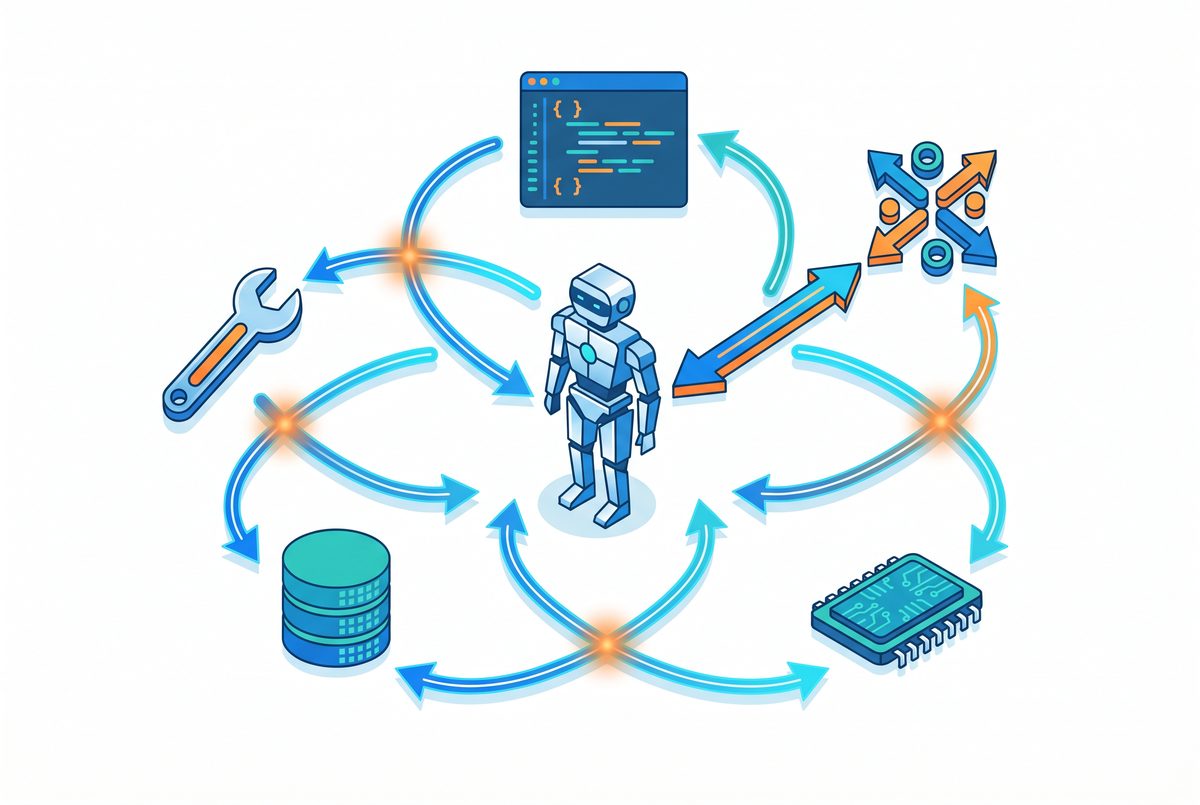
The first step in building effective AI agents is selecting the right framework. AI agent frameworks provide the necessary infrastructure to develop, test, and deploy agents with varying degrees of complexity and functionality. In 2026, several frameworks have matured, offering diverse features that cater to different use cases.
Popular AI Agent Frameworks in 2026
- OpenAI Agents: Known for their seamless integration with GPT models and a strong community support.
- DeepMind Framework: Offers advanced capabilities for reinforcement learning-based agents.
- Microsoft Autonomous AI: Provides comprehensive tools for enterprise-level automation and integration.
Choosing the right framework depends on your specific requirements, such as the complexity of tasks, scalability needs, and existing infrastructure. For an in-depth comparison of these frameworks, check out our framework comparison guide.
Leveraging Tools Effectively
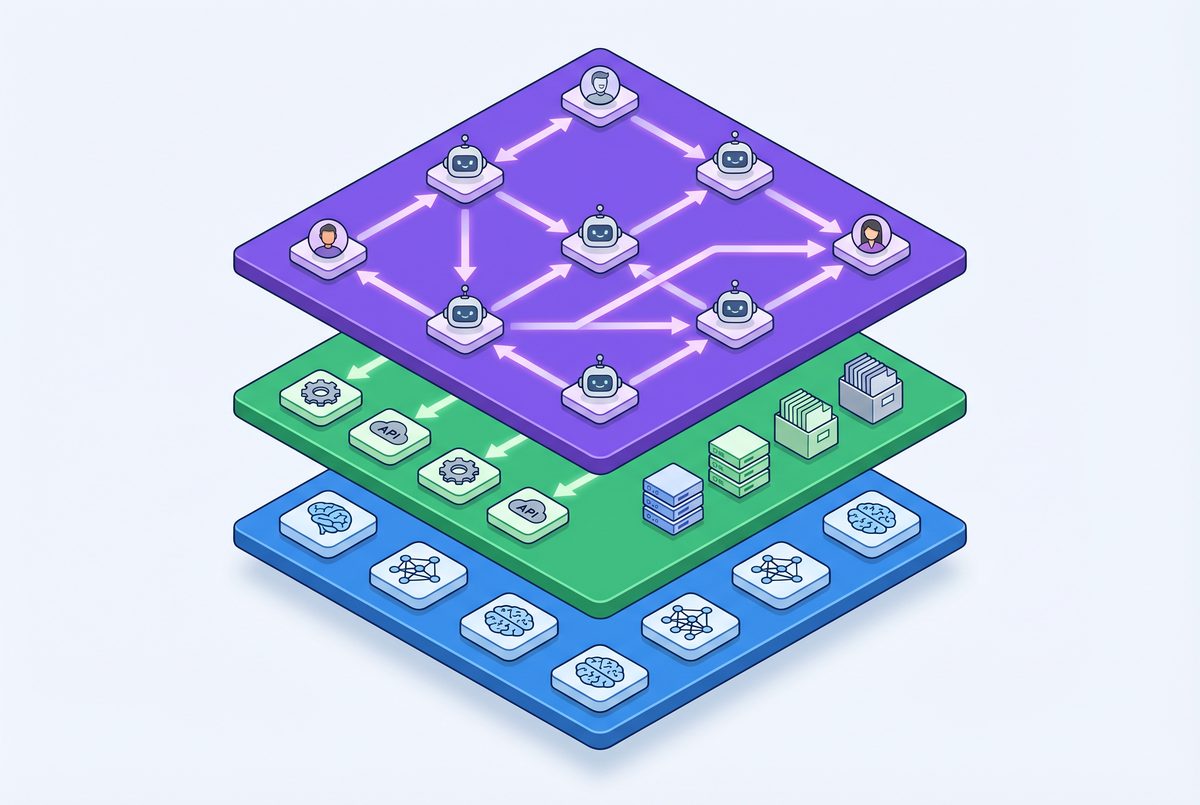
Once the framework is selected, the next step is to equip your AI agents with the right tools. These tools enable agents to interact with their environments, process data, and make informed decisions. In 2026, several tools have emerged as game-changers in AI development.
Essential Tools for AI Agents
- Natural Language Processing (NLP) Tools: For understanding and generating human language. Popular options include Hugging Face’s Transformers and AllenNLP.
- Data Processing Libraries: Such as Pandas and Dask, which facilitate efficient data handling and manipulation.
- API Integration Services: Tools like Zapier and Integromat enable agents to connect with external services seamlessly.
Tip: Ensure that your agents are equipped with the latest APIs and plugins to maintain compatibility and functionality.
Implementing Memory Systems
Memory is a critical component of AI agents, allowing them to retain and utilize past interactions to improve future responses. In 2026, memory systems have become more sophisticated, offering advanced features to enhance agent capabilities.
Types of Memory Systems
- Short-term Memory: Used for immediate tasks and conversations, often implemented using session-based storage.
- Long-term Memory: Retains information over extended periods, crucial for personalization and context retention.
- Episodic Memory: Mimics human memory by storing events and experiences, improving the agent’s contextual understanding.
Implementing an effective memory system requires careful consideration of data storage solutions and privacy regulations. For more details on memory management, refer to our in-depth memory management article.
Orchestration Patterns for AI Agents
Orchestration patterns define how different components of an AI agent interact with each other and the external environment. Effective orchestration ensures smooth execution and coordination of tasks, leading to more efficient and reliable agents.
Common Orchestration Patterns
- Event-Driven Architecture: Enables agents to respond to real-time events dynamically, improving responsiveness.
- Microservices Architecture: Breaks down complex processes into smaller, manageable services, enhancing scalability and maintainability.
- Workflow Automation: Utilizes tools like Apache Airflow and Celery for scheduling and managing complex workflows.
Conclusion
Building AI agents that truly work involves a deep understanding of frameworks, tools, memory systems, and orchestration patterns. By carefully selecting and implementing these components, developers can create agents that are not only functional but also scalable and efficient. As we continue to advance into 2026, staying updated with the latest technologies and best practices will be crucial for developing successful AI agents.
🕐 Instant∞ Unlimited🎁 Free
Get Free Access to 40,000+ AI Prompts
Join 40,000+ AI professionals. Get instant access to our curated Notion Prompt Library with prompts for ChatGPT, Claude, Codex, Gemini, and more — completely free.
Get Free Access Now →No spam. Instant access. Unsubscribe anytime.
