
OpenAI Launches Self-Serve ChatGPT Ads Platform for Global Advertisers: What Marketers Need to Know
OpenAI Launches Self-Serve ChatGPT Ads Platform for Global Advertisers: What Marketers Need to Know
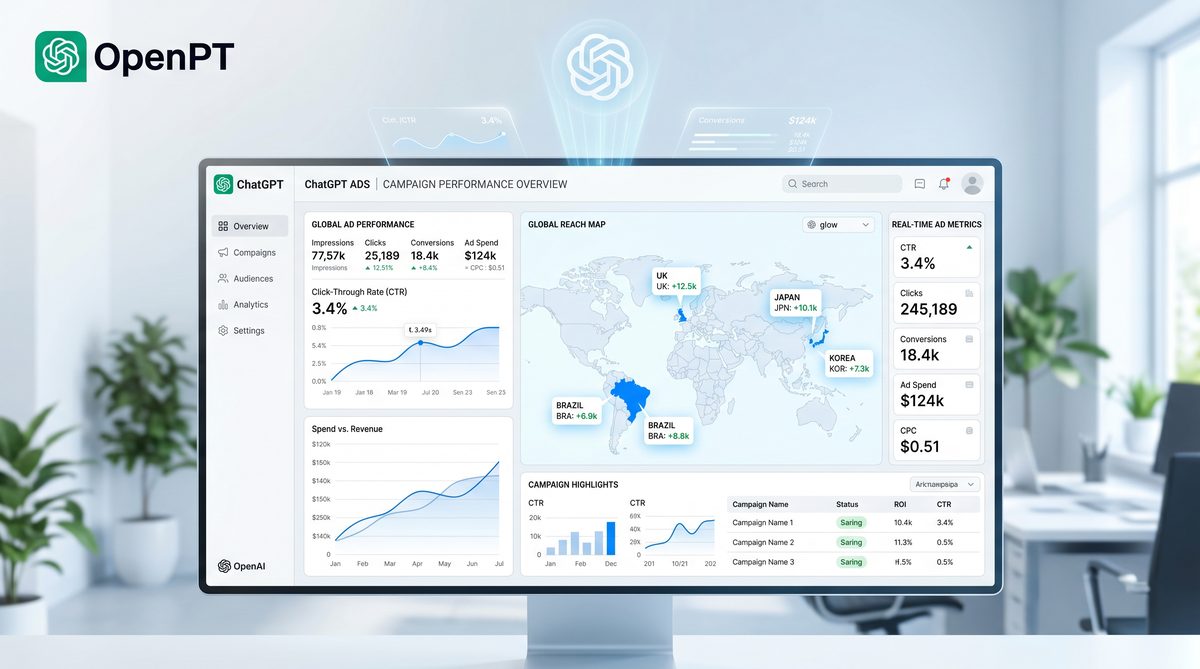
In a landmark development within the digital advertising space, OpenAI has unveiled a self-serve ChatGPT Ads platform, designed to empower marketers and advertisers worldwide with direct access to AI-driven advertising solutions. This new platform offers unprecedented opportunities for brands to harness the conversational and contextual power of ChatGPT to engage audiences in ways that traditional ads cannot. With the initial rollout covering key markets including the United Kingdom, Brazil, Japan, and more, the platform signals OpenAI’s commitment to global expansion and innovation in AI-powered marketing tools.
For marketers, advertisers, and developers, understanding the mechanics of this self-serve platform, its global footprint, and the introduction of novel ad formats such as shopping-style ads is critical. This article delves into the platform’s detailed workings, practical implications for marketing strategies, and how businesses can leverage this technology to stay ahead in a rapidly evolving digital ecosystem.
The emergence of AI-driven advertising platforms like this one represents a fundamental shift from traditional, static advertising toward dynamic, interactive, and personalized communication with consumers. ChatGPT’s conversational abilities allow brands not just to present messages but to engage in real-time dialogues, fostering deeper connections and enabling more nuanced understanding of consumer needs. This is especially vital in today’s crowded digital landscape, where capturing attention is increasingly challenging and consumers expect more meaningful interactions with brands.
Moreover, the self-serve nature of the platform lowers the barrier to entry, enabling marketers of all sizes — from startups to multinational corporations — to deploy AI-powered campaigns without needing extensive technical expertise or large budgets. This democratization aligns with OpenAI’s broader mission to make advanced AI accessible and beneficial to all sectors of society.
Understanding the Mechanics of OpenAI’s Self-Serve ChatGPT Ads Platform
The launch of OpenAI’s self-serve ChatGPT Ads platform represents a significant shift in how AI can be directly leveraged by advertisers without the need for intermediaries or bespoke integration projects. This section breaks down the platform’s architecture, user interface, targeting capabilities, and measurement tools to provide a comprehensive understanding for marketers and developers alike.
Platform Architecture and User Onboarding
The self-serve platform is designed to be accessible yet powerful. Advertisers begin by creating an account through OpenAI’s dedicated Ads portal, which integrates seamlessly with existing OpenAI developer accounts. The onboarding process is streamlined but robust, ensuring that users provide necessary business information, billing details, and campaign objectives before launching their first ad.
This onboarding is not merely administrative; it also involves selecting campaign goals such as brand awareness, lead generation, or direct sales, which tailor the platform’s AI recommendations and optimization algorithms accordingly. The user interface guides new users through setting up their first ad with contextual help, tutorials, and AI-powered prompts to ensure clarity and efficiency.
Key architectural components include:
- Ad Creation Interface: A dynamic dashboard where advertisers can craft their ads using templates tailored for conversational AI engagement. This interface supports drag-and-drop functionality, rich text editing, and direct preview options, allowing marketers to visualize how ads will appear across different devices and platforms.
- AI-Powered Ad Copy Generation: Leveraging GPT-4’s natural language generation capabilities, advertisers can generate persuasive and contextually relevant ad copy, which can be edited or regenerated in real-time. This feature reduces creative bottlenecks and allows for rapid iteration based on performance data or emerging campaign insights.
- Audience Targeting Engine: Utilizes a blend of demographic, behavioral, and interest-based signals, powered by OpenAI’s proprietary data models, to deliver ads with high precision. This engine incorporates AI-driven clustering algorithms that continuously learn from user interactions to refine segmentation dynamically.
- Real-Time Analytics and Reporting: Provides detailed insights into impressions, engagement metrics, click-through rates, and conversion data, enabling marketers to optimize campaigns continuously. The analytics dashboard supports customizable reporting views, exportable datasets, and integration with third-party analytics tools.
From a developer perspective, the platform’s backend architecture is built on scalable cloud infrastructure with microservices handling different functionalities such as ad serving, user authentication, data processing, and AI inference. This modular approach ensures reliability and facilitates rapid feature updates without disrupting ongoing campaigns.
Security is a paramount consideration; all user data and campaign assets are encrypted in transit and at rest, with role-based access controls to limit exposure. OpenAI also conducts regular audits and employs AI monitoring to detect anomalous patterns indicative of fraud or misuse.
Ad Formats and Creative Flexibility
The platform supports multiple ad formats, with a heavy emphasis on conversational and interactive ads that leverage ChatGPT’s language capabilities. Among the most noteworthy formats:
| Ad Format | Description | Use Cases | Key Benefits |
|---|---|---|---|
| Text-Based Conversational Ads | Ads that engage users in natural language dialogue, providing information, recommendations, or direct responses to queries. | Customer support, product discovery, lead qualification. | High engagement, personalized user experience, real-time interaction. |
| Shopping-Style Carousel Ads | Ads showcasing multiple products with interactive options for users to inquire about features or availability. | E-commerce promotions, seasonal sales, new product launches. | Enhanced product visibility, interactive browsing, increased click-through. |
| Contextual Recommendation Ads | Dynamic ads that adapt content based on user behavior and conversational context. | Cross-selling, upselling, content discovery. | Increased relevance, improved conversion rates, personalized offers. |
Advertisers can mix and match these formats, customizing messages with AI suggestions, and deploy them across platforms where ChatGPT integration is available, including partner apps, websites, and social media channels. This flexibility allows campaigns to be tailored to specific audience segments, contexts, and device types, maximizing impact.
For example, a brand launching a new tech gadget might use a combination of conversational ads for initial user education and contextual recommendation ads to upsell accessories based on user interactions. The platform supports seamless transitions between ad formats within a single campaign, preserving context and user data to maintain engagement continuity.
Moreover, the ad creation tools provide advanced options such as sentiment tuning—allowing advertisers to set the tone of interactions from formal and informative to casual and playful—thus aligning the ad voice with brand identity and audience expectations.
Targeting Strategies and Audience Segmentation
The platform’s targeting engine is one of its most powerful features. Unlike traditional keyword or cookie-based targeting, OpenAI’s system leverages AI to understand user intent and context dynamically. This allows for:
- Intent-Based Targeting: Ads are shown to users exhibiting behaviors or queries indicative of purchase intent or interest in specific topics. This goes beyond static demographics, incorporating signals from recent online activities, conversational context, and engagement history.
- Contextual Relevance: Real-time adaptation of ads based on the ongoing conversation or content consumption patterns. For instance, if a user is researching travel destinations, ads dynamically adjust to present travel-related offers or recommendations without explicit keyword matching.
- Global Segmentation: Fine-grained audience segmentation across diverse geographies, languages, and cultural contexts, enabling truly global campaigns. The AI models are trained on multilingual datasets and cultural nuances, allowing for precise targeting even in less commonly supported languages.
These targeting capabilities enable highly personalized advertising experiences while respecting user privacy, as the system relies on anonymized and aggregated behavioral signals rather than intrusive tracking technologies.
To illustrate, consider a consumer browsing for fitness equipment. Based on prior conversations and search behavior, the platform can target them with conversational ads that not only promote products but engage in dialogue to understand specific needs such as home gym space constraints or preferred workout types, refining recommendations accordingly.
Campaign Management and Optimization
Once campaigns are live, the platform provides advanced tools for A/B testing different ad copies and formats, adjusting bids, and reallocating budgets based on performance metrics. AI-driven recommendations guide marketers toward the most effective strategies, such as shifting spend toward audiences with higher engagement or tweaking conversational prompts to boost conversions.
These optimization features include:
- Automated Performance Monitoring: The system continuously analyzes key performance indicators (KPIs) and flags underperforming ads or segments for review.
- Dynamic Budget Allocation: Budgets can be automatically rebalanced across campaigns or ad sets in response to real-time effectiveness data.
- Conversational Prompt Refinement: AI suggests modifications to dialogue scripts to enhance user engagement, reduce drop-off rates, and improve lead qualification.
- Customizable Alerts and Reports: Marketers can set thresholds for KPIs to receive notifications, facilitating timely interventions.
For developers and technical marketers, there is also an API layer allowing programmatic control over campaign parameters and integration with existing marketing automation systems. This enables fully automated workflows, such as triggering new conversational ads immediately after a product restock or adjusting messaging based on CRM data updates.
Furthermore, the platform supports integration with popular analytics and attribution tools, allowing marketers to correlate conversational ad interactions with downstream sales or customer lifetime value (CLV) metrics, enriching the understanding of campaign ROI.

OpenAI’s Global Expansion: Bringing ChatGPT Ads to the UK, Brazil, Japan, and Beyond
The global rollout of the ChatGPT Ads platform is a strategic move by OpenAI to tap into diverse markets with distinct advertising ecosystems. This section explores the nuances of the platform’s expansion, localization efforts, and regulatory considerations that marketers must understand when operating internationally.
Market-Specific Adaptations and Localization
Each new market introduces unique challenges and opportunities. OpenAI has tailored the platform to accommodate linguistic, cultural, and commercial differences across regions:
- United Kingdom: Emphasis on compliance with GDPR and data privacy laws. The platform supports British English dialects and idiomatic expressions, ensuring ads resonate authentically with local audiences. This includes understanding British humor, slang, and cultural references, which can be crucial for effective conversational engagement.
- Brazil: Portuguese language support with regional slang and cultural references. Integration with popular Brazilian social media platforms and payment gateways facilitates smoother campaign deployment. The platform also respects local advertising norms, such as the need for clear price disclosures and promotion terms, which are legally mandated.
- Japan: Full Japanese language support, including Kanji, Hiragana, and Katakana scripts. The platform respects local advertising standards and consumer protection laws, adapting ad formats for mobile-first consumption typical in Japan. Additionally, the AI models are trained to recognize culturally appropriate politeness levels and formalities essential in Japanese communication.
Beyond these initial markets, OpenAI plans phased introductions to other major economies, with ongoing enhancements to AI models that improve understanding of local languages and cultural contexts. This localization extends beyond translation; it involves adapting the conversational AI to understand local idioms, humor, and cultural sensitivities, ensuring that ads feel native and relevant.
For instance, an ad campaign in Japan might employ a more formal tone and emphasize product quality and reliability, while a campaign in Brazil might use a more vibrant, conversational style focusing on social proof and community engagement. The platform’s AI models are designed to handle these nuances automatically, reducing the burden on marketers to manually localize every aspect of their campaigns.
Regulatory and Compliance Challenges
Operating on a global scale requires strict adherence to regional data protection and advertising regulations. OpenAI has invested heavily in compliance frameworks that enable advertisers to:
- Manage user consent dynamically, respecting opt-in and opt-out preferences. The platform integrates with consent management platforms (CMPs) to ensure that user data is collected and processed in accordance with local laws.
- Access clear data usage policies that align with local laws like GDPR in Europe, LGPD in Brazil, and APPI in Japan. These policies are transparently communicated to users, building trust and mitigating legal risks.
- Ensure transparency in AI-generated content, with disclosures when users interact with AI-powered ads. This is particularly important in regions with strict regulations regarding AI transparency and consumer protection.
Marketers should familiarize themselves with these compliance measures to avoid legal pitfalls and build trust with consumers. The platform provides built-in compliance checks and alerts, helping advertisers navigate complex regulatory landscapes without needing extensive legal expertise.
Furthermore, OpenAI actively collaborates with regulatory bodies and industry associations to shape best practices for AI-driven advertising, ensuring that the platform remains compliant with evolving legal frameworks.
Infrastructure and Performance Optimization for Global Reach
To provide consistent performance worldwide, OpenAI has deployed edge computing nodes and data centers strategically located near major internet hubs. This infrastructure supports low-latency interactions essential for conversational ads, enhancing user experience and engagement rates.
Low latency is critical for conversational AI; delays in response times can disrupt the natural flow of dialogue and lead to user frustration. By leveraging edge computing, the platform ensures that AI inference occurs closer to the user, minimizing latency and providing a seamless conversational experience.
Additionally, the platform’s adaptive learning algorithms continuously improve ad relevance by assimilating regional data patterns, making campaigns more effective over time. This continuous learning process allows the AI to adapt to changing consumer behaviors, seasonal trends, and emerging cultural phenomena, ensuring that ads remain relevant and engaging.
For example, during a major sporting event in the UK, the platform’s AI models can quickly learn to incorporate relevant sports references and terminology into conversational ads, capitalizing on the heightened public interest and driving higher engagement rates.

Shopping-Style Ads: Revolutionizing E-Commerce Engagement Through ChatGPT
One of the standout innovations in OpenAI’s ChatGPT Ads platform is the introduction of shopping-style ads. These ad formats combine AI conversational abilities with interactive product displays, creating immersive shopping experiences that blur the line between advertising and customer service.
How Shopping-Style Ads Work
Shopping-style ads present a carousel or grid of products within a conversational interface powered by ChatGPT. Users can interact with the ad by asking questions about product specifications, comparing options, checking availability, or requesting personalized recommendations based on preferences.
For example, a user browsing a fashion retailer’s ad might type:
“Show me the red dresses under $200 with size medium availability.”
ChatGPT responds instantly with tailored results, product images, prices, and links to purchase, creating a seamless shopping journey without leaving the chat interface. This interactive approach transforms passive browsing into active engagement, significantly increasing the likelihood of conversion.
The AI can also handle complex queries, such as “Which of these dresses is best for a summer wedding?” or “Do you have any matching accessories for the second dress?” This level of personalized assistance mimics the experience of interacting with a knowledgeable sales associate in a physical store, enhancing the overall shopping experience.
Benefits for E-Commerce Marketers
- Higher Engagement Rates: Interactive ads capture attention longer than static banners or traditional video ads by providing meaningful two-way communication. Users are more likely to spend time interacting with an ad that offers personalized assistance and relevant product recommendations.
- Personalization at Scale: AI-driven recommendations can be customized for millions of users simultaneously, adapting in real-time to individual preferences and behaviors. This level of personalization is difficult to achieve with traditional advertising methods, which often rely on broad demographic targeting.
- Reduced Friction in Buyer Journey: By enabling users to get immediate answers and product details, shopping-style ads reduce the drop-off points commonly seen in e-commerce funnels. Users can complete their purchase without having to navigate through multiple pages or search for information on the retailer’s website.
- Data-Driven Insights: The conversational nature of these ads generates rich data about consumer preferences, pain points, and intent signals that marketers can analyze for future campaigns. This data can be used to optimize product offerings, improve customer service, and refine targeting strategies.
Use Cases and Industry Examples
| Industry | Use Case | Example Interaction | Impact |
|---|---|---|---|
| Fashion Retail | Seasonal collection launches | User asks for outfit suggestions for a wedding; AI recommends suitable items from new arrivals. | Increased average order value, improved customer satisfaction. |
| Electronics | Product feature comparison | User requests comparison between two smartphone models; AI provides detailed specs and pros/cons. | Enhanced buyer confidence, reduced return rates. |
| Home Goods | Personalized décor recommendations | User describes room style and preferences; AI suggests matching furniture and accessories. | Higher cross-sell rates, deeper brand loyalty. |
These use cases demonstrate the versatility of shopping-style ads across different industries. By providing personalized assistance and relevant product recommendations, these ads can drive significant improvements in key performance metrics, such as conversion rates, average order value, and customer lifetime value.
Implementing Shopping-Style Ads: Practical Considerations
To maximize the effectiveness of shopping-style ads, marketers should consider the following:
- Product Catalog Integration: Ensure seamless syncing of inventory data with the ChatGPT Ads platform to provide real-time product availability and pricing. This integration is crucial for preventing user frustration caused by out-of-stock items or inaccurate pricing information.
- Conversational Design: Craft dialogue flows that anticipate common user queries and provide clear, concise answers without overwhelming the user. The AI should be trained to handle a wide range of questions and provide helpful, relevant responses.
- Mobile Optimization: Given the prevalence of mobile shopping, ads must be responsive and optimized for touch interactions. The conversational interface should be easy to use on small screens, with clear calls to action and intuitive navigation.
- Performance Tracking: Use detailed analytics to monitor conversion rates, engagement times, and user feedback to refine ad content continuously. This data can be used to identify areas for improvement and optimize the conversational design for better results.
The integration of such ads with existing e-commerce platforms often requires collaboration between marketing, product, and IT teams to align data architecture and user experience design. This cross-functional approach ensures that the ads are seamlessly integrated into the overall customer journey and provide a consistent brand experience.
For marketers interested in the technical underpinnings of AI-driven conversational commerce, examining how the ChatGPT API facilitates dynamic product recommendations can provide valuable insights into building next-generation retail experiences. This topic connects closely with the broader discussion about how AI is transforming the e-commerce landscape, enabling more personalized and engaging shopping experiences that drive growth and customer loyalty. OpenAI Begins Testing Advertisements in ChatGPT: A New Era of AI Monetization
Practical Implications for Marketers: Strategies, Challenges, and Opportunities
The introduction of OpenAI’s self-serve ChatGPT Ads platform is more than a technological innovation; it necessitates a rethink of marketing strategies, campaign design, and measurement approaches. This section explores how marketers can adapt to and capitalize on the platform’s capabilities, alongside potential challenges they may face.
Strategic Opportunities Enabled by ChatGPT Ads
- Conversational Marketing: Moving beyond passive ad impressions, marketers can engage customers in active dialogues, tailoring messaging in real-time and nurturing leads more effectively. This approach allows brands to build stronger relationships with consumers and drive higher conversion rates.
- Hyper-Personalization: AI enables delivering ads that reflect individual user preferences, behavioral patterns, and even momentary context, increasing relevance and ROI. This level of personalization is difficult to achieve with traditional advertising methods, which often rely on broad demographic targeting.
- Cross-Channel Synergies: The platform supports integration with multiple touchpoints, allowing coherent messaging across web, mobile apps, and social media. This omnichannel approach ensures that consumers receive a consistent brand experience regardless of where they interact with the brand.
- Speed and Agility: Self-serve tools empower marketers to launch and iterate campaigns rapidly without relying on lengthy agency or development cycles. This agility allows brands to respond quickly to changing market conditions and capitalize on emerging trends.
Challenges and Considerations
- Learning Curve: While user-friendly, the platform requires marketers to develop proficiency in conversational AI nuances, including prompt engineering and dialogue design. This may require training and upskilling for marketing teams to fully leverage the platform’s capabilities.
- Data Privacy Concerns: Handling user data responsibly is paramount, especially in sensitive markets with stringent regulations. Marketers must ensure that their campaigns comply with local data protection laws and respect user privacy preferences.
- Measuring Impact: Traditional KPIs may need adaptation to capture conversational engagement metrics, sentiment analysis, and AI-driven conversion paths. Marketers must develop new measurement frameworks to accurately assess the ROI of conversational ad campaigns.
- Creative Development: Crafting compelling conversational content demands new skillsets blending copywriting, AI understanding, and UX design. Marketers must learn how to write effective dialogue scripts and design intuitive conversational interfaces that engage users and drive conversions.
Integrating ChatGPT Ads into Existing Marketing Ecosystems
For organizations operating sophisticated marketing stacks, integrating ChatGPT Ads requires thoughtful planning:
- Data Synchronization: Syncing CRM, product databases, and user profiles with the ChatGPT platform ensures coherent messaging and personalized experiences. This integration allows the AI to access relevant customer data and provide more accurate and helpful responses.
- Workflow Automation: Leveraging APIs and automation tools to trigger ads based on user behavior or lifecycle stages enhances campaign relevance. For example, a brand might trigger a conversational ad offering a discount code to a user who has abandoned their shopping cart.
- Cross-Functional Collaboration: Marketing, IT, data science, and compliance teams must collaborate closely to design, deploy, and monitor campaigns effectively. This cross-functional approach ensures that campaigns are technically sound, legally compliant, and aligned with overall business objectives.
For example, a SaaS company might integrate ChatGPT Ads with their customer onboarding platform, using conversational ads to guide trial users toward feature adoption, reducing churn and increasing lifetime value. This integration allows the company to provide personalized assistance and support to new users, improving their overall experience and increasing the likelihood of conversion.
Future Outlook and Emerging Trends
Looking ahead, the ChatGPT Ads platform is poised to evolve rapidly with enhancements in AI understanding, multimodal capabilities integrating images and video, and deeper personalization through reinforcement learning models.
Marketers should stay abreast of developments such as:
- Voice-Activated Ads: Enabling hands-free, voice-driven conversations expanding accessibility. This technology will allow users to interact with ads using voice commands, creating a more natural and intuitive experience.
- AI-Generated Creative Assets: Beyond text, generating images, videos, and audio tailored to campaign goals. This capability will allow marketers to create highly personalized and engaging multimedia ads at scale.
- Ethical AI Practices: Ensuring fairness, transparency, and accountability in AI-driven advertising. Marketers must be mindful of the ethical implications of using AI in advertising and ensure that their campaigns are fair, transparent, and respectful of user privacy.
Adopting a proactive approach to these trends will position brands to leverage AI in creating meaningful customer connections and sustained competitive advantage. By staying ahead of the curve, marketers can capitalize on the latest advancements in AI technology and drive significant improvements in campaign performance.
Those interested in the broader ramifications of AI in marketing automation and conversational commerce will find extensive explorations within our platform’s coverage of AI-driven customer experience transformations and data-centric campaign strategies. This coverage provides valuable insights into how AI is reshaping the marketing landscape and enabling brands to build stronger, more meaningful relationships with their customers. GPT-5.5 Instant Is Now ChatGPT’s Default Model: What Changed and Why It Matters
Useful Links
- OpenAI Official Announcement on ChatGPT Ads Platform
- OpenAI Developer Documentation: Ads Integration Guide
- General Data Protection Regulation (GDPR) – Official Overview
- Brazilian General Data Protection Law (LGPD) Information
- Japan’s Act on the Protection of Personal Information (APPI)
- Fetch API for Programmatic Campaign Management
- Google Analytics for Measuring Ad Performance
- Shopify’s AI-Powered Shopping Tools Overview
- Conversational Marketing Best Practices
- IAB’s AI Advertising Standards and Ethics Guidelines
Conclusion
The launch of OpenAI’s self-serve ChatGPT Ads platform marks a transformative moment in the intersection of AI and digital marketing. By democratizing access to AI-powered conversational advertising, OpenAI opens new horizons for marketers seeking deeper engagement, personalization, and global reach. Understanding the intricate mechanics of the platform, adapting to diverse international markets, leveraging innovative shopping-style ads, and strategically integrating these tools into existing marketing ecosystems will be crucial for success.
As AI continues to evolve, marketers must embrace these advancements proactively, balancing creativity, technology, and compliance to unlock the full potential of conversational advertising. The future of marketing lies in dialogue, context, and human-centric AI experiences—OpenAI’s ChatGPT Ads platform is a bold step toward that future.
For developers and marketers ready to pioneer this new frontier, the platform offers not just tools but a canvas for innovation, customer connection, and measurable business impact. By leveraging the power of conversational AI, brands can create more meaningful and engaging experiences that drive growth and build lasting customer loyalty.
For a detailed exploration of AI-driven marketing automation and how conversational AI impacts customer engagement strategies, our readers are encouraged to review the comprehensive analyses available within our related articles, which delve into the integration of AI technologies across marketing channels and the evolving landscape of personalized digital experiences. This content provides actionable insights and practical guidance for marketers looking to stay ahead of the curve in the rapidly evolving world of AI-driven advertising. How Anthropic’s SpaceX Compute Deal Changes the AI Landscape: Scaling Claude for Enterprise
Access 40,000+ AI Prompts for ChatGPT, Claude & Codex — Free!
Subscribe to get instant access to our complete Notion Prompt Library — the largest curated collection of prompts for ChatGPT, Claude, OpenAI Codex, and other leading AI models. Optimized for real-world workflows across coding, research, content creation, and business.
