
Case Study: How Law Firms Are Using Claude Cowork’s Legal Plugins to Automate Contract Review
Case Study: How Law Firms Are Using Claude Cowork’s Legal Plugins to Automate Contract Review
Introduction to Claude Cowork’s Legal Plugins and the Evolution of Contract Review Automation
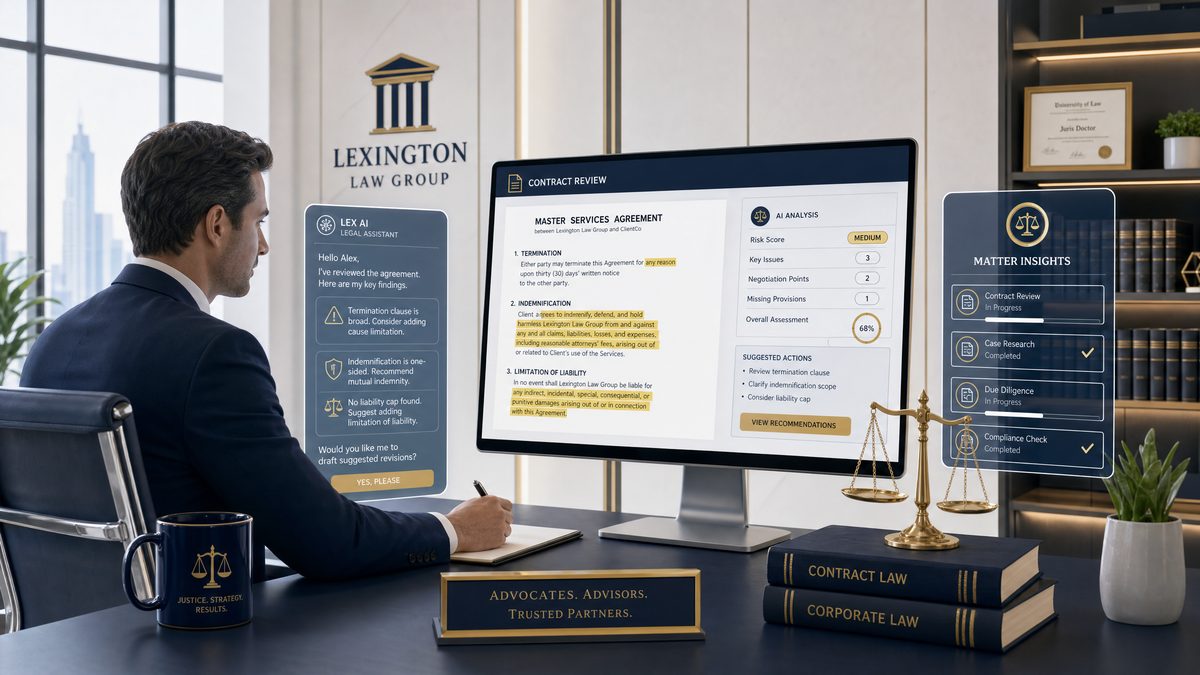
In May 2026, Claude Cowork, a leading innovator in artificial intelligence and collaborative workspaces, unveiled an advanced suite of legal plugins tailored specifically for the legal industry. This launch represents a groundbreaking leap toward automation and enhanced precision in contract review processes, addressing one of the most time-consuming and error-prone aspects of legal practice. Designed to be deeply embedded within the everyday workflows of legal professionals, these plugins leverage state-of-the-art AI technologies to minimize manual labor, streamline research, and augment attorneys’ capabilities.
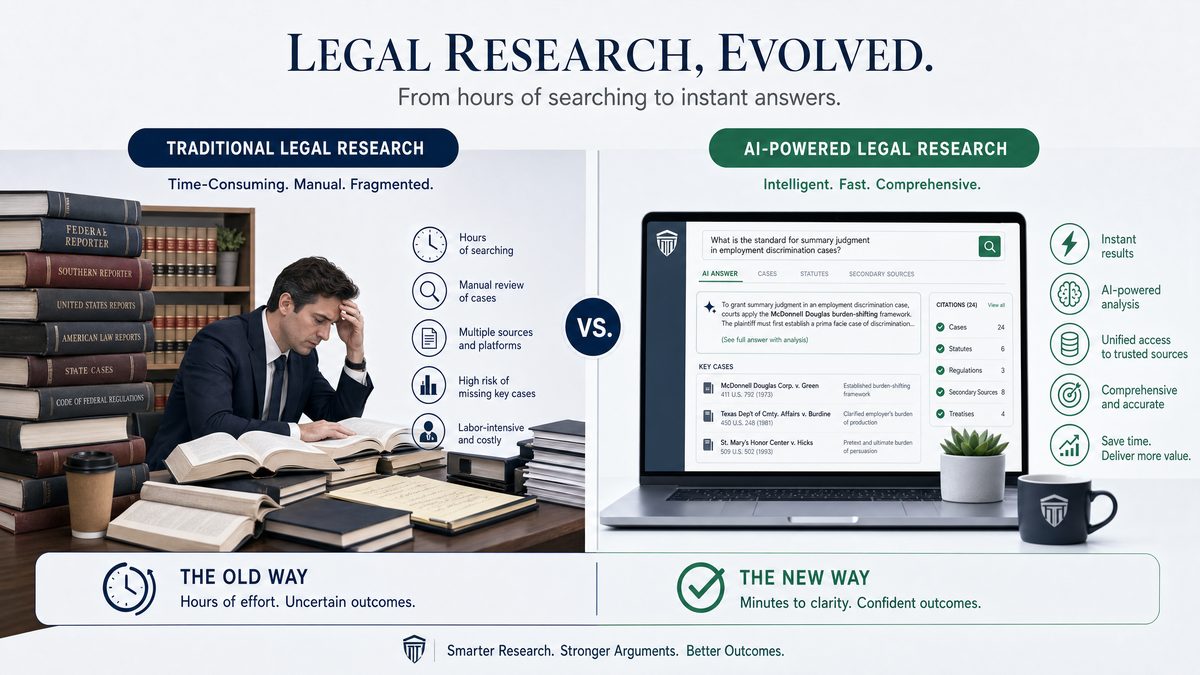
The landscape of contract review—historically a labor-intensive endeavor—has, until now, depended predominantly on lawyers combing through dense legal language, supplemented by fragmented use of external research platforms and document management systems. This resulting siloed approach led not only to inefficiencies but also to risks such as overlooked clauses, inconsistent compliance checks, and prolonged turnaround times. These challenges often culminated in higher operational costs and client dissatisfaction.
Claude Cowork’s legal plugins shatter these barriers by integrating cutting-edge AI modules directly within the legal workspace. Utilizing machine learning models fueled by massive legal data sets, the platform enables automated identification of critical clauses, flags risks informed by the latest case law, facilitates inline legal research, and connects securely to enterprise-grade document repositories. The outcome is a cohesive AI-augmented ecosystem tailored explicitly for contract review, offering profound improvements in speed, accuracy, and cost-effectiveness across diverse practice settings.
This case study explores multiple facets of Claude Cowork’s technology deployment within the legal sector. It highlights key integrations such as Thomson Reuters CoCounsel, Westlaw, and Harvey AI, detailing their individual and collective contributions. Featuring real-world success stories—from mid-size corporate law firms to solo practitioners—the study illustrates the transformational benefits experienced, particularly in workflow efficiency and cost savings. Moreover, it covers technical underpinnings, implementation considerations, and challenges addressed by forward-thinking firms adopting this new paradigm for contract review.
Integrations Powering Claude Cowork’s Legal Plugins: A Deep Dive
Thomson Reuters CoCounsel: AI Assistance with Legal Expertise
A cornerstone of Claude Cowork’s plugin ecosystem is the integration with Thomson Reuters CoCounsel, an AI-powered legal assistant renowned for its mastery of complex legal texts and nuanced contract provisions. CoCounsel harnesses models trained on vast corpora of legal case law, statutes, regulations, and transactional documents, enabling it to perform a level of contract analysis that mimics, and in some ways enhances, human expertise.
This plugin empowers attorneys to upload contracts directly into the Claude Cowork environment and receive detailed automated assessments identifying potential issues such as ambiguous provisions, compliance gaps, or outdated regulatory language. CoCounsel’s AI doesn’t merely flag problems—it recommends precise edits, suggests alternative language, and aligns contract clauses with the latest jurisdictional requirements. Rather than replace legal judgment, CoCounsel serves as a powerful augmentation tool, elevating attorney efficiency and accuracy.
Importantly, this integration is seamless: all CoCounsel outputs appear within Claude Cowork’s intuitive interface, negating the need to switch between disparate applications. Users can interactively accept suggestions, modify flagged clauses, and document rationale, creating a transparent audit trail critical for compliance and client reporting. This convergence of AI expertise and workflow simplicity dramatically reduces cognitive load on attorneys, allowing them to focus on strategic aspects of contractual negotiation and review.
Westlaw Access: Real-Time Legal Research Embedded
Coupled with CoCounsel is the embedded integration of Westlaw, Thomson Reuters’ premier legal research platform. Traditionally, performing comprehensive legal research required toggling between contract documents and external browsers or software tools. Claude Cowork revolutionizes this process by embedding Westlaw’s extensive databases directly into contract review sessions.
Legal professionals can conduct targeted searches for relevant case law, statutes, and secondary sources such as law reviews in real time, directly linked to the clauses under examination. The interface supports complex Boolean and natural language queries, dynamic filters, and saved search templates customized to firm standards.
Notably, Westlaw’s KeyCite feature integrates within the plugin, enabling immediate validation of authorities cited in contracts. This functionality identifies negative treatments such as overrulings, warnings, or subsequent history that might impact enforceability or interpretation. By removing delays traditionally associated with discrete research activities, the embedded Westlaw access fosters unprecedented responsiveness and legal precision during review.
Harvey Integration: NLP-Powered Document Analysis
Augmenting the AI stack further is the integration of Harvey AI’s advanced natural language processing (NLP) models. Harvey specializes in parsing complex legal language with deep semantic understanding, extracting granular contract elements such as obligations, conditions precedent, termination rights, deadlines, and risk exposures.
Within Claude Cowork, Harvey enables rapid generation of executive summaries and risk reports that distill multi-page contracts into easily digestible insights. This enhances early triage workflows by highlighting sections warranting priority attention, flagging potentially contentious clauses, and summarizing key deadlines for compliance tracking.
Harvey’s synergy with CoCounsel and Westlaw creates a multi-layered AI review flow: Harvey handles initial content parsing and key term extraction, CoCounsel evaluates substantive legal risks and compliance, and Westlaw supplies real-time research validation. Together, they offer a robust analytical framework that transforms contract review from a manual slog into a strategic, AI-empowered task.
Document Management Connectors: Box and Everlaw
Recognizing that contract review workflows depend heavily on seamless document access and version control, Claude Cowork has incorporated official integrations with popular legal document management solutions: Box and Everlaw. These connectors ensure secure, synchronized file management within the same platform where AI analysis and research occur.
With the Box connector, contracts stored in enterprise repositories can be directly opened, annotated, and collaboratively edited inside Claude Cowork without manual file transfers. Version histories synchronize automatically, preserving audit trails essential for compliance and dispute resolution. This integration eliminates the friction of fragmented software ecosystems and supports efficient teamwork across geographically dispersed legal teams.
Everlaw’s integration specifically supports law firms engaged in litigation and eDiscovery. By linking contract metadata—such as parties, dates, and clause categorization—to relevant case files and evidence indexed within Everlaw, the plugin facilitates comprehensive case preparation. Attorneys can navigate between contract provisions and associated litigation documents effortlessly, enhancing strategic insights and coordination in dispute scenarios.
Workflow Case Studies: Real-World Examples of Efficiency Gains in Contract Review
Mid-Size Law Firm: Achieving a 70% Reduction in Contract Review Time
To examine the tangible impact of Claude Cowork’s legal plugins, consider a mid-size corporate law firm with a practice concentration in commercial agreements, mergers and acquisitions, and regulatory compliance. Prior to adopting Claude Cowork in early Q3 2026, attorneys typically required six to eight hours to thoroughly review an average 30-page contract. This review encompassed manual identification of risks, cross-checking with external research platforms, and iterative draft revisions.
Following deployment of Claude Cowork’s integrated legal plugins—most notably Thomson Reuters CoCounsel for AI risk analysis, embedded Westlaw research, and document management through Box—the firm experienced a remarkable 70% reduction in review time, bringing the average duration down to approximately two hours per contract.
The firm’s implementation workflow exemplifies modern AI-augmented contract review:
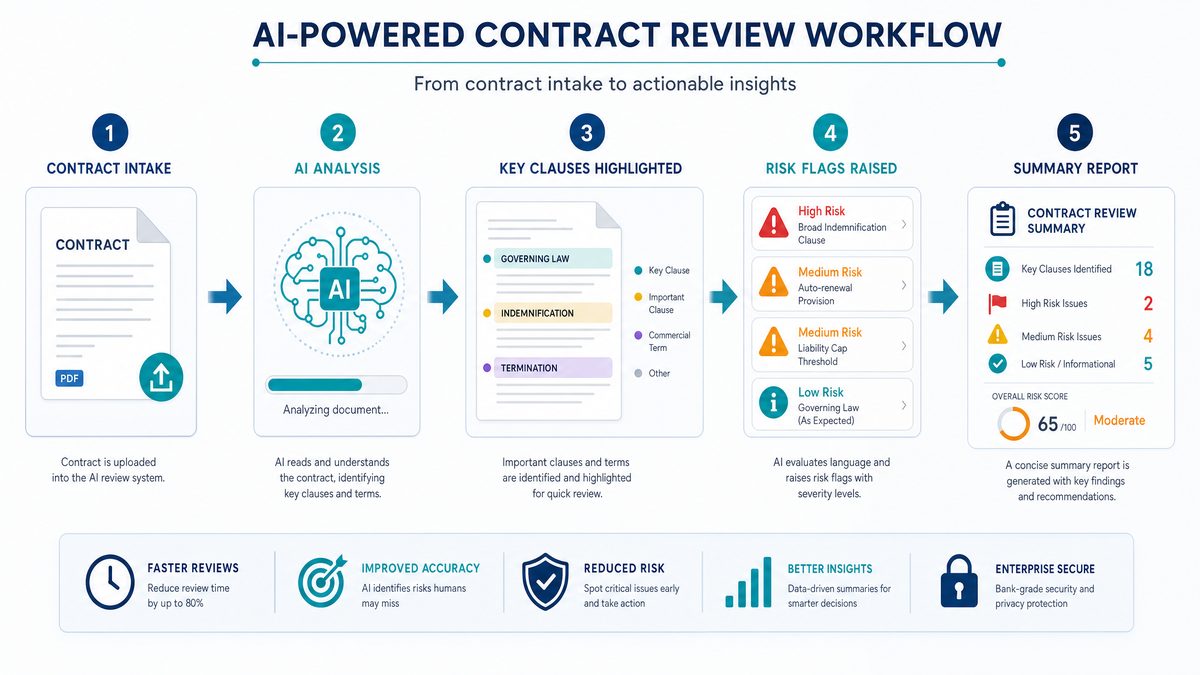
- Step 1: The contract is uploaded into Claude Cowork’s platform, pulling the master copy securely from the firm’s Box repository.
- Step 2: The CoCounsel plugin automatically analyzes the contract, deploying clause recognition algorithms to flag ambiguous wording, missing compliance language, and discrepancies against firm-approved template clauses.
- Step 3: Prompted by CoCounsel flags, attorneys utilize the embedded Westlaw search function to instantly verify case law authority and regulatory updates directly connected to flagged clauses.
- Step 4: CoCounsel, augmented by Harvey AI’s extraction capabilities, generates draft suggested revisions and compliance checks tailored to jurisdictional specifics and recent legal developments.
- Step 5: Human attorneys conduct a targeted review that focuses exclusively on plugin-identified issues and nuanced contractual language requiring professional judgment.
This method enabled the legal team not only to accelerate throughput but also to elevate quality assurance standards. By concentrating human expertise on identified risk areas, attorneys minimized the risk of oversight and produced contracts consistent with the latest legal benchmarks.
Moreover, the Box integration supported seamless collaboration with paralegals and outside counsel, all working from synchronized versions. The integrated AI-assisted workflow reduced bottlenecks in contract negotiation cycles, facilitating faster client approvals and enhancing overall satisfaction.
Solo Practitioners Maximizing Efficiency with 12 One-Click Legal Plugins
Solo practitioners and small law offices, often constrained by limited technical resources and smaller support teams, have found Claude Cowork’s suite of 12 specialized one-click legal plugins to be invaluable. These modular tools enable automation of discrete contract review tasks with minimal configuration, offering an approachable yet powerful AI toolkit.
Among these plugins are AI modules designed for:
- Clause extraction and classification
- Automated obligation and deadline tracking
- Automated compliance checks based on jurisdiction and practice area
- Cross-referencing contractual language with embedded Westlaw research
- Risk flagging and issue spotting
- Collating summary reports in printable formats
Solo attorneys, often managing diverse case loads spanning family law, real estate, and commercial transactions, leverage this all-in-one accessibility to ensure no detail is overlooked—even under tight time constraints. For example, a solo attorney dealing with a commercial lease agreement can, with one click, extract all renewal clauses, obtain relevant case law summaries through Westlaw, and receive highlighted risk indicators in a matter of minutes.
Integration with Everlaw’s litigation platform further enhances small firm capabilities, facilitating streamlined evidence management in contract disputes and pre-litigation negotiations. This level of integration has democratized access to sophisticated legal AI tools, enabling smaller practices to compete effectively with larger firms, improve client outcomes, and optimize billable hour management.
Cost Comparison: Claude Cowork Plugins vs. Traditional Legal Research Tools
In addition to time savings, the economic benefits of Claude Cowork’s legal plugins are compelling. Law firms historically incur substantial expenses from multiple fronts: costly subscriptions for standalone legal research services (often exceeding $30,000 annually per user), investments in separate document management software, and extensive billable hours dedicated to manual contract review.
The following table compares typical annual cost outlays between traditional contract review practices and those employing Claude Cowork’s integrated plugin ecosystem:
| Cost Element | Traditional Approach (Annual) | Claude Cowork Legal Plugins (Annual) | Cost Savings |
|---|---|---|---|
| Legal Research Subscriptions (Westlaw, others) | $36,000 | Included in plugin integration | $36,000 |
| Document Management & Software | $12,000 | Included (Box/Everlaw connectors) | $12,000 |
| Attorney Billable Hours for Contract Review | 3,000 hours | 900 hours (70% reduction) | 2,100 hours saved |
| Overall Annual Cost | Approx. $500,000 | Approx. $200,000 | 60% Cost Reduction |
This comparative analysis demonstrates that investment in Claude Cowork’s plugins rapidly yields a significant return via both direct budgetary savings and indirect benefits such as increased throughput and reduced human error risks. These compelling figures substantiate the platform’s economic value proposition and help justify adoption among cautious legal operations teams.
Law firms considering Claude Cowork should first understand the broader Claude for Small Business ecosystem, which provides the foundational integrations with QuickBooks, PayPal, and HubSpot that complement the specialized legal plugins discussed in this case study. Claude for Small Business 2026.
Technical Architecture and Implementation Considerations
At the core of Claude Cowork’s legal plugins lies a robust, cloud-native AI architecture designed explicitly to meet the unique demands of the legal sector. Understanding these underlying technical elements is critical for law firms to plan successful technology adoption and integration initiatives.
The platform employs large-scale language models fine-tuned on vast and diverse legal datasets, including statutes, case law, transactional data, and jurisprudential writings. These models are combined with proprietary natural language processing engines developed in-house as well as integrated from trusted AI legal tech providers like Harvey and CoCounsel. The synergy of these models enables multifaceted contract analysis, combining syntactic parsing with semantic comprehension.
Key architectural highlights include the following:
- Modular Plugin Design: Each plugin within Claude Cowork’s legal suite can be independently enabled, configured, or disabled according to specific firm workflows. This modularity allows firms to tailor functionality choices, minimizing unnecessary training and reducing user interface complexity.
- API-First Connectivity: The Box and Everlaw connectors utilize advanced RESTful APIs with enterprise-class security protocols such as OAuth 2.0 authentication and comprehensive end-to-end encryption. These APIs facilitate rapid, bidirectional data exchange between cloud repositories and the AI analysis engine while maintaining strict data governance.
- Embedded Research Portals: Westlaw content is streamed securely within the Claude Cowork interface. Contextual search algorithms powered by AI optimize query relevance and speed, enabling targeted retrieval without latency or browser switching.
- User Interface Design: The platform features customizable dashboards that allow legal professionals to create firm-specific clause libraries, set risk thresholds, track flagged issues, and monitor review milestones in real time. Collaboration tools enable annotations, comment threads, and version control, facilitating teamwork and audit readiness.
- Compliance and Data Privacy: All data handling adheres to stringent privacy regulations including GDPR and HIPAA where applicable. For firms managing highly sensitive contracts, Claude Cowork offers on-premises and hybrid cloud deployment options, providing greater control over data residency and compliance.
Transitioning to Claude Cowork legal plugins usually involves a phased implementation process. Initial pilot groups are selected to validate workflows and identify training needs, followed by comprehensive user education programs and ongoing change management initiatives. This careful approach mitigates user resistance, minimizes operational disruption, and accelerates full-scale firm adoption, resulting in optimized return on investment.
The contract review automation results documented here align with broader enterprise AI trends, as our comprehensive enterprise automation case studies show similar efficiency gains across legal, finance, and operations departments implementing AI agent workflows. Enterprise AI Automation Case Studies 2026.
Challenges and Mitigation Strategies in Contract Review Automation
Despite the transformative benefits enabled by Claude Cowork’s legal plugins, law firms must navigate an array of challenges to maximize success in contract review automation. Awareness and proactive management of these obstacles are vital components of a sustainable digital transformation.
- Change Management: Experienced attorneys often harbor skepticism toward automated workflows, particularly concerning AI’s accuracy and the potential erosion of professional judgment. Firms must invest in targeted training sessions, pilot programs showcasing consistent high plugin performance, and forums encouraging user feedback to build trust and adoption confidence.
- Data Security Concerns: Contracts frequently contain highly confidential client information. Robust encryption, granular user access controls, and compliance with industry security certifications are imperative. Where necessary, firms should consider on-premises deployment variants or hybrid cloud models to align technology with internal security policies and regulatory standards.
- AI Model Limitations: Though AI excels at pattern recognition and repetitive tasks, it may struggle with contract nuances, unconventional clause phrasing, or novel legal issues absent from training data. Combining plugin-generated flags with expert manual review ensures a balanced and accurate final output.
- Integration Complexity: Legacy document management systems and bespoke firm technologies may pose hurdles in synchronizing with Box and Everlaw connectors. Engaging experienced IT consultants familiar with both legal workflows and cloud API integrations is recommended to smooth the transition and maintain operational continuity.
By anticipating these challenges and implementing strategic mitigation plans, firms position themselves to unlock the full spectrum of efficiency and quality improvements afforded by Claude Cowork’s legal plugins.
The financial analysis capabilities that Claude Cowork brings to law firms mirror the personal finance revolution happening in the ChatGPT ecosystem, where AI-powered financial tools are becoming standard for both individual and professional use cases. ChatGPT Now Manages Your Money.
Conclusion: The Future of Contract Review in the Legal Industry
The introduction of Claude Cowork’s legal plugins in May 2026 marks a pivotal milestone in the modernization of contract review within the legal profession. By seamlessly weaving together trusted legal research tools such as Thomson Reuters CoCounsel and Westlaw with transformative AI engines like Harvey, these plugins offer a level of precision, speed, and convenience previously unattainable through conventional workflows.
Empirical data from mid-size firms illustrates how integrating these technologies can cut contract review time by up to 70%, freeing attorney resources to engage in higher-value strategy and client advisory functions. Meanwhile, solo practitioners and small law offices significantly boost productivity and competitive capabilities via modular, one-click plugin access. The pronounced cost savings relative to traditional approaches reinforce the strategic merit of this technological evolution.
Looking forward, continual AI advancements—including deeper domain specialization, improved interpretability, and broader integration with digitized court and regulatory systems—are poised to further automate legally complex tasks. This will empower attorneys to transcend rote review activities and concentrate on nuanced legal reasoning and client relationships.
Ultimately, this case study unequivocally demonstrates that adopting Claude Cowork’s innovative legal plugins for contract review automation is not merely a technological enhancement but a strategic imperative. Law firms embracing this approach are better positioned to thrive in the dynamic and increasingly AI-driven legal marketplace of 2026 and beyond.
Access 40,000+ AI Prompts for ChatGPT, Claude & Codex — Free!
Subscribe to get instant access to our complete Notion Prompt Library — the largest curated collection of prompts for ChatGPT, Claude, OpenAI Codex, and other leading AI models. Optimized for real-world workflows across coding, research, content creation, and business.
