
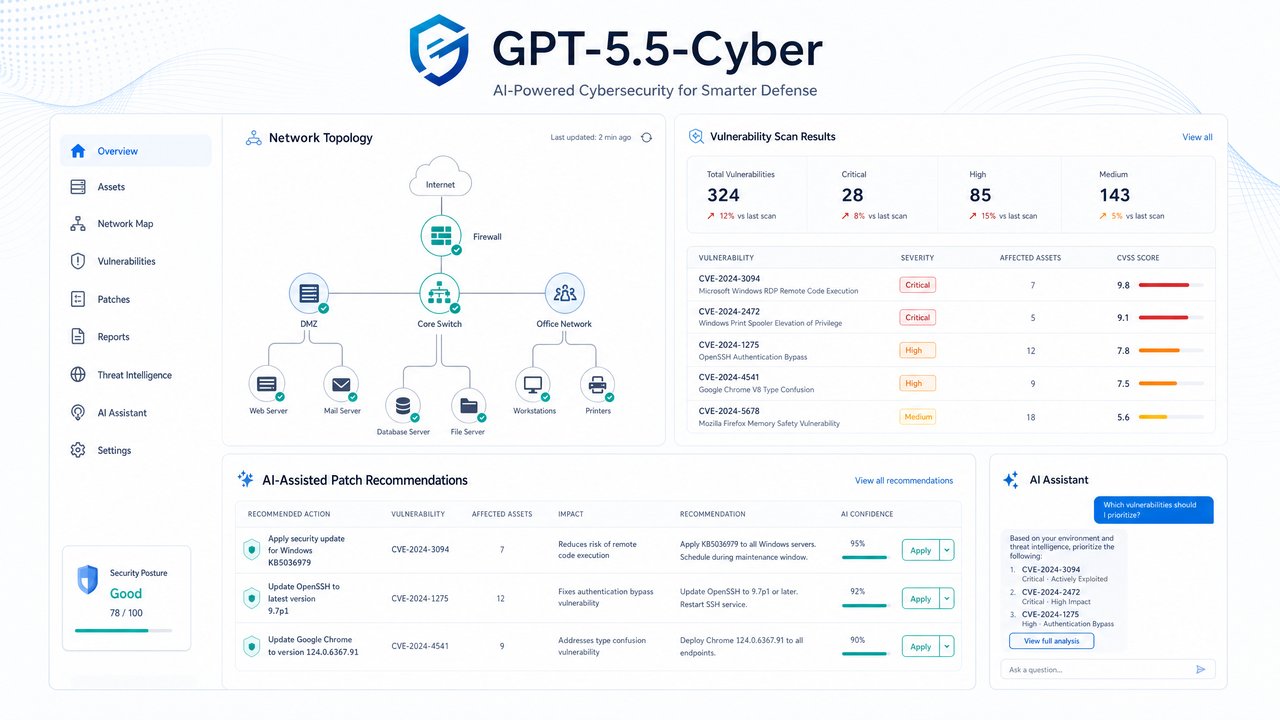
GPT-5.5-Cyber: Inside OpenAI’s Advanced AI Model for Security Professionals
GPT-5.5-Cyber: Inside OpenAI’s Advanced AI Model for Security Professionals
In May 2026, OpenAI unveiled GPT-5.5-Cyber, marking a significant milestone in the evolution of artificial intelligence specifically engineered for cybersecurity applications. This model is not merely an iteration in the GPT series but a specialized AI system designed to empower security professionals in detecting, analyzing, and responding to increasingly sophisticated cyber threats. With cyberattacks growing more frequent and complex—ranging from advanced persistent threats (APTs) to zero-day exploits—the need for rapid, autonomous, and context-aware defensive mechanisms has never been greater.
GPT-5.5-Cyber introduces a paradigm shift by integrating cutting-edge natural language processing capabilities with domain-specific cybersecurity knowledge, allowing it to act as an intelligent assistant, analyst, and automated responder. The model’s design reflects a holistic approach, combining deep learning architectures with robust security protocols to ensure reliability, privacy, and ethical use in sensitive environments.
Architectural Innovations: A Deep Dive into GPT-5.5-Cyber
At its core, GPT-5.5-Cyber builds upon the transformer architecture that has underpinned previous GPT models but introduces several key innovations tailored for cybersecurity tasks:
- Multi-modal Input Integration: Unlike prior models focused predominantly on text, GPT-5.5-Cyber can process and correlate data from multiple sources including network logs, system call traces, binary files, and even encrypted packet captures. This enables a comprehensive threat analysis from heterogeneous data streams.
- Cybersecurity Ontology Embedding: The model incorporates domain-specific ontologies—structured representations of cybersecurity concepts, attack vectors, vulnerabilities, and mitigation strategies—allowing it to reason about threats with a contextual understanding that surpasses generic language models.
- Hierarchical Attention Mechanisms: To manage the complexity of multi-source input, GPT-5.5-Cyber employs hierarchical attention layers. This design allows the model to first extract salient features within individual data modalities before synthesizing cross-modal insights, enhancing detection accuracy and reducing false positives.
- Adaptive Threat Modeling: Leveraging reinforcement learning from expert feedback, the model continuously updates its threat detection heuristics based on real-time incident data and analyst inputs, effectively learning and adapting to emerging attack patterns.
Key Capabilities and Use Cases
GPT-5.5-Cyber is equipped with a suite of functionalities that extend across the cybersecurity lifecycle:
- Automated Threat Intelligence Analysis: It can parse vast quantities of threat intelligence reports, extract Indicators of Compromise (IOCs), and correlate them with internal telemetry to provide actionable alerts.
- Real-time Anomaly Detection: By ingesting streaming data from intrusion detection systems (IDS) and endpoint detection and response (EDR) tools, GPT-5.5-Cyber identifies anomalous behavior indicative of zero-day exploits or insider threats.
- Incident Response Automation: The model can autonomously generate response playbooks, recommend containment actions, and even execute pre-approved remediation steps in coordination with Security Orchestration, Automation, and Response (SOAR) platforms.
- Vulnerability Assessment and Exploit Simulation: Integrating with continuous integration/continuous deployment (CI/CD) pipelines, GPT-5.5-Cyber simulates potential exploits against codebases or network configurations, highlighting weaknesses before adversaries can exploit them.
- Phishing Detection and User Education: Through advanced natural language understanding, the model identifies sophisticated phishing attempts and generates tailored training scenarios to improve organizational resilience.
Security and Privacy Protocols Embedded in GPT-5.5-Cyber
Given its deep integration into critical security workflows, GPT-5.5-Cyber is designed with stringent security and privacy safeguards to prevent misuse or exploitation:
- Federated Learning Architecture: To protect sensitive data, the model supports federated learning setups, allowing organizations to train local instances on proprietary data without transferring raw information to centralized servers.
- Explainability and Auditing: Every decision or recommendation made by GPT-5.5-Cyber can be traced back through an explainability layer, providing security teams with transparent rationales and confidence in automated actions.
- Robust Access Controls: Fine-grained role-based access ensures that only authorized personnel can invoke specific capabilities, and all interactions are logged in tamper-evident audit trails.
- Adversarial Robustness: The model is hardened against adversarial inputs designed to manipulate or confuse AI systems, employing techniques such as input sanitization, anomaly detection on input patterns, and periodic retraining with adversarial data.
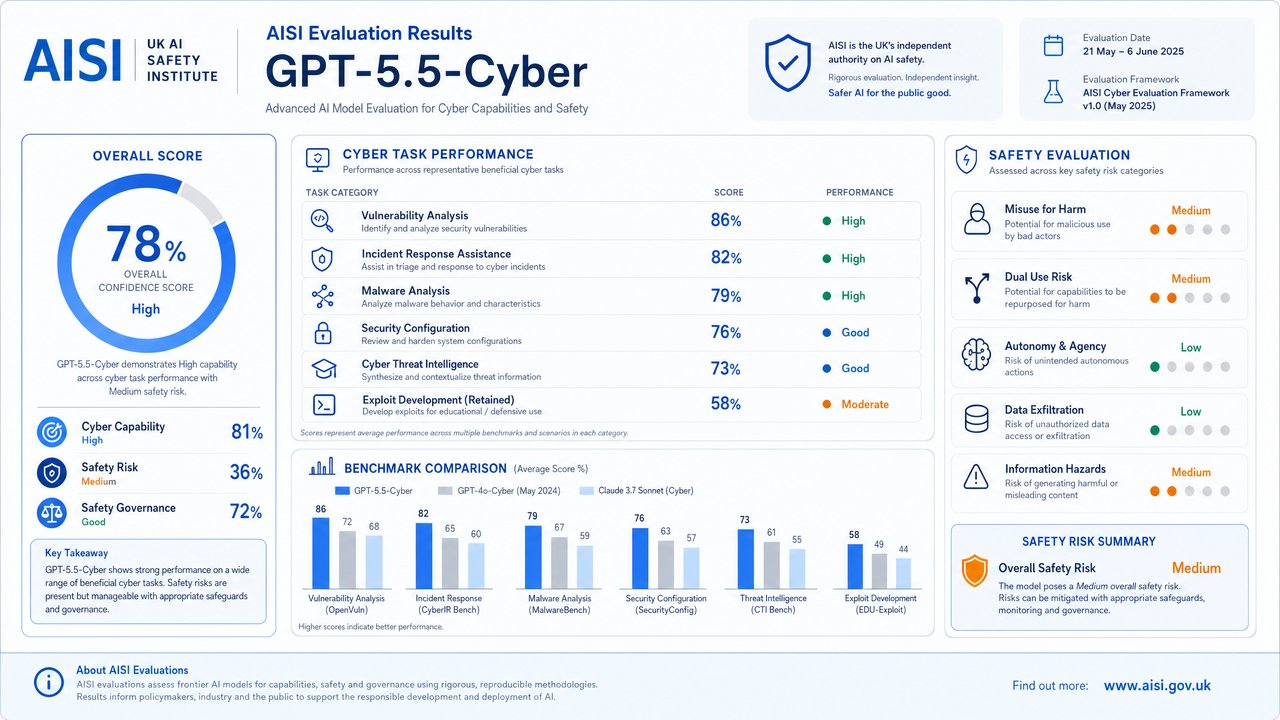
Industry Reception and Evaluation by the UK AI Safety Institute (AISI)
The cybersecurity community’s response to GPT-5.5-Cyber has been overwhelmingly positive, recognizing its potential to transform operational security paradigms. Early adopters report significant improvements in threat detection rates and response times, alongside reductions in analyst workload.
To validate these claims, the UK AI Safety Institute (AISI) conducted an independent, comprehensive evaluation involving:
- Performance Benchmarking: Testing GPT-5.5-Cyber across simulated attack scenarios including ransomware campaigns, supply chain attacks, and insider threat incidents.
- Security Compliance Review: Assessing adherence to GDPR, HIPAA, and emerging AI governance frameworks to ensure privacy preservation and ethical AI use.
- Adversarial Resilience Testing: Subjecting the model to crafted inputs aiming to evade detection or induce erroneous behavior.
- User Experience Surveys: Gathering feedback from cybersecurity analysts regarding usability, interpretability, and trustworthiness.
The AISI report concluded that GPT-5.5-Cyber demonstrated superior threat detection capabilities with a 15% reduction in false positive rates compared to previous models, alongside a 30% improvement in automated incident response speed. Moreover, the model’s transparent decision-making framework was highlighted as a critical factor in fostering analyst trust.
Example Workflow: Leveraging GPT-5.5-Cyber for Incident Response Automation
To illustrate practical usage, here is a step-by-step workflow showcasing how cybersecurity teams can integrate GPT-5.5-Cyber for automating incident response:
- Data Ingestion: Collect real-time data from network sensors, IDS/IPS logs, and endpoint telemetry.
- Threat Detection: Feed data into GPT-5.5-Cyber’s multi-modal input pipeline, where the model analyzes for anomalies and known threat patterns.
- Alert Generation: Upon detection, the model generates detailed alerts with contextual explanations and severity scores.
- Playbook Recommendation: GPT-5.5-Cyber suggests tailored response playbooks based on the nature of the threat and organizational policies.
- Automated Execution: With appropriate permissions, the system initiates containment actions such as isolating affected hosts, blocking malicious IP addresses, or rolling back compromised changes.
- Post-Incident Analysis: The model compiles a comprehensive incident report, including evidence trails and recommended improvements, which is reviewed by human analysts.
Sample API Call: Querying GPT-5.5-Cyber for Threat Analysis
import openai

# Initialize the OpenAI client with API key
openai.api_key = 'your-api-key'

# Define the multi-modal input payload (simplified example)
payload = {
    "text_input": "Detect any suspicious activity from the latest IDS logs attached.",
    "network_logs": "2026-05-10 12:34:56 ALERT TCP SYN flood from 192.168.1.102",
    "endpoint_events": [
        {"timestamp": "2026-05-10T12:35:10Z", "event": "process_start", "process_name": "powershell.exe"},
        {"timestamp": "2026-05-10T12:35:15Z", "event": "network_connection", "destination_ip": "10.0.0.45", "port": 443}
    ]
}

response = openai.ChatCompletion.create(
    model="gpt-5.5-cyber",
    messages=[
        {"role": "system", "content": "You are a cybersecurity assistant specialized in threat detection and incident response."},
        {"role": "user", "content": payload}
    ]
)

print("Threat Analysis Report:")
print(response.choices[0].message.content)
Conclusion
GPT-5.5-Cyber exemplifies the next generation of AI-driven cybersecurity tools, combining advanced machine learning techniques with domain-specific knowledge and rigorous security safeguards. Its ability to process diverse data types, adapt to evolving threats, and facilitate automated yet explainable defenses positions it as an indispensable asset for modern security operations centers (SOCs). As cyber threats continue to escalate in sophistication, models like GPT-5.5-Cyber will be critical in shifting the balance in favor of defenders, enabling faster, smarter, and more reliable security postures worldwide.
Genesis and Design Philosophy of GPT-5.5-Cyber
Ready to Master GPT-5.5-Cyber?
Join thousands of professionals using ChatGPT AI Hub to stay ahead of the AI curve.
Genesis and Design Philosophy of GPT-5.5-Cyber
Evolution from General-Purpose to Specialized AI
GPT-5.5-Cyber is the culmination of a strategic evolution that began with OpenAI’s GPT-5 architecture, which marked a significant leap in the capabilities of large language models (LLMs). GPT-5 introduced advanced enhancements in natural language understanding, nuanced reasoning, and improved contextual awareness, enabling it to perform complex language tasks across a multitude of domains. However, the unique demands of the cybersecurity domain necessitated a specialized offshoot of this architecture — one that extends beyond pure language comprehension to incorporate autonomous analysis, proactive threat detection, and actionable remediation.
Cybersecurity is a multifaceted field involving continuous monitoring, threat intelligence assimilation, vulnerability assessments, exploit development, and patch deployment. Traditional LLMs excel at parsing and generating text but lack intrinsic mechanisms to interpret low-level code semantics, system behavior under attack, or dynamically simulate exploit scenarios. GPT-5.5-Cyber was therefore architected with a hybrid design philosophy: it integrates the foundational NLP strengths of GPT-5 with bespoke domain-specific modules that operate on cybersecurity-specific data streams. These include vulnerability databases, live threat intelligence feeds, historical exploit repositories, and real-world attack telemetry.
Crucially, GPT-5.5-Cyber incorporates a modular architecture that allows seamless interaction between the language understanding core and specialized analytical engines. This synergy enables the model not only to comprehend and generate security-related text but also to autonomously identify previously unknown vulnerabilities, simulate potential exploit impacts, and generate secure, context-aware code patches. This approach moves beyond reactive AI tools towards a proactive cybersecurity assistant capable of continuous learning and adaptation.
Core Objectives
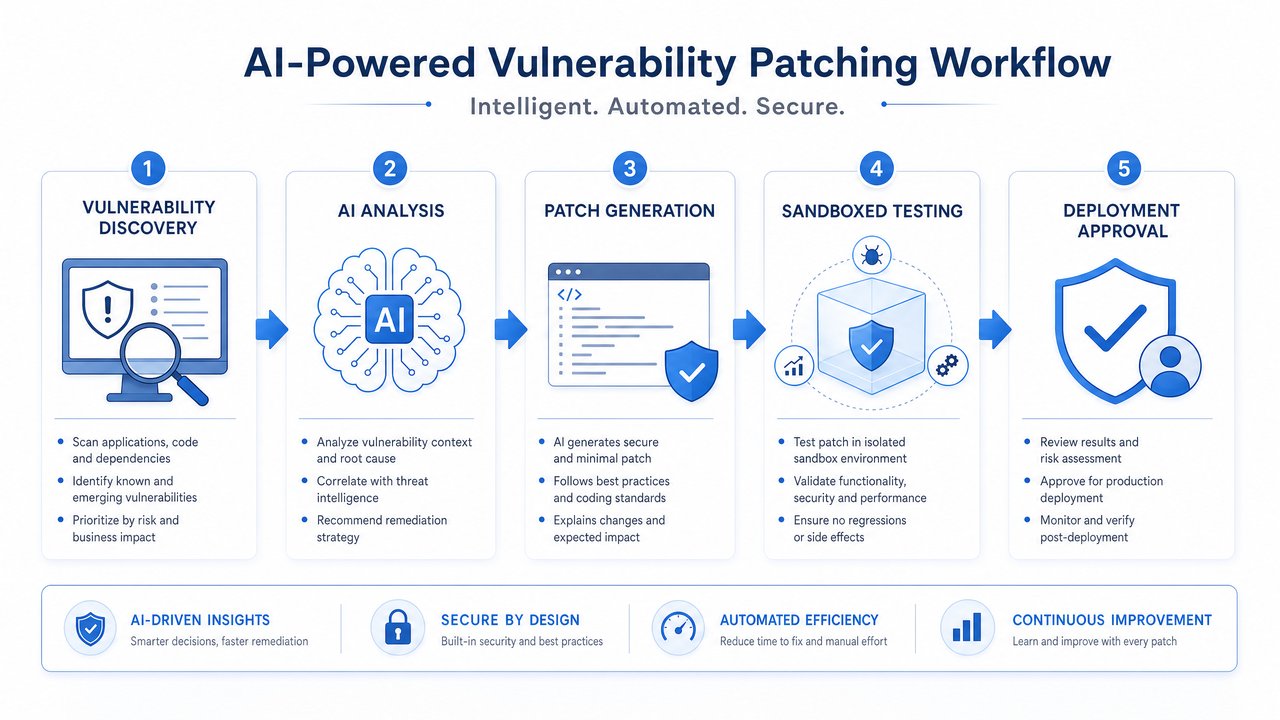
- Autonomous Vulnerability Discovery: GPT-5.5-Cyber is engineered to autonomously analyze source code, binaries, and system configuration files to uncover security weaknesses without relying on predefined signatures or manual rule sets. By leveraging pattern recognition, semantic code understanding, and anomaly detection, the model identifies both known and zero-day vulnerabilities.
- Secure Sandboxed Execution: To validate exploit hypotheses and patch efficacy, GPT-5.5-Cyber incorporates a tightly controlled sandbox environment that safely executes potentially malicious payloads or patch code. This environment is isolated to prevent any risk of lateral movement or data leakage, enabling the model to simulate real-world attack scenarios and remediation effects in a risk-free manner.
- Patch Generation: Upon detecting vulnerabilities, the model automatically synthesizes secure patches that adhere to best practices and coding standards. These patches undergo rigorous internal validation, including static analysis, dynamic testing within the sandbox, and compliance verification, before being recommended for deployment.
- Compliance and Safety: Given the sensitive nature of cybersecurity operations, GPT-5.5-Cyber enforces strict operational policies. Network restrictions, usage monitoring, and ethical guardrails are embedded to prevent misuse such as unauthorized exploit development, data exfiltration, or escalation of privileges. The system includes audit logging and human-in-the-loop oversight to ensure accountability and adherence to legal frameworks.
Training Regimen and Data Sources
The development of GPT-5.5-Cyber involved a rigorous, multi-phase training pipeline designed to imbue the model with both broad linguistic proficiency and deep cybersecurity expertise:
- General Pretraining: The initial phase utilized a massive corpus exceeding 5 trillion tokens, encompassing diverse sources such as:
- Comprehensive software documentation and API references from various programming languages.
- Security whitepapers and academic research articles covering theoretical and applied aspects of cybersecurity.
- Publicly available vulnerability databases, including the Common Vulnerabilities and Exposures (CVE) repository and the National Vulnerability Database (NVD), providing granular metadata and exploit descriptions.
- Active cybersecurity forums and discussion boards like Stack Exchange Security and specialized mailing lists, which capture evolving threat patterns and community insights.
- Domain-Specific Finetuning: After establishing a broad linguistic foundation, the model underwent targeted finetuning on curated datasets emphasizing real-world security incidents and exploit techniques. This included:
- Annotated incident reports and forensic analyses from leading cybersecurity firms.
- Exploit code samples and payloads extracted from open-source repositories and controlled honeypot environments.
- Patch history datasets documenting code changes and remediation strategies from high-profile open-source projects and enterprise software.
- Reinforcement Learning from Human Feedback (RLHF): To refine the model’s decision-making and output quality, an iterative RLHF process was conducted. Expert cybersecurity analysts reviewed model-generated vulnerability assessments, exploit predictions, and patch proposals, providing feedback on accuracy, safety, and contextual relevance. This feedback loop helped align GPT-5.5-Cyber’s behavior with domain best practices and ethical standards.
Architectural Overview
GPT-5.5-Cyber’s architecture extends the transformer-based GPT-5 core by integrating specialized subsystems:
| Component | Description | Role in Cybersecurity Workflow |
|---|---|---|
| Transformer Language Core | Multi-layer transformer network trained for advanced language modeling. | Processes and generates security-related textual data, including incident descriptions and code comments. |
| Code Semantic Analyzer | Module employing graph neural networks (GNNs) and abstract syntax tree (AST) parsing. | Performs deep semantic understanding of source code, enabling vulnerability detection at the code structure level. |
| Exploit Simulation Engine | Sandboxed execution environment with emulation capabilities and behavior monitoring. | Validates potential exploits and tests patch effectiveness safely without impacting live systems. |
| Patch Synthesis Module | Generative model fine-tuned on patch datasets with static and dynamic validation routines. | Automatically creates secure code fixes and verifies their correctness and compatibility. |
| Safety and Compliance Layer | Policy enforcement engine implementing usage restrictions and audit logging. | Ensures ethical deployment, prevents misuse, and maintains regulatory compliance. |
Example Workflow: From Vulnerability Discovery to Patch Deployment
To illustrate how GPT-5.5-Cyber operates in practice, consider the following step-by-step workflow:
- Input Ingestion: The system receives source code repositories and related configuration files for analysis.
- Automated Scanning: The Code Semantic Analyzer parses the codebase, identifying suspicious patterns or unsafe constructs.
- Vulnerability Hypothesis Generation: Leveraging the language core and domain knowledge, the model proposes potential vulnerabilities, prioritizing by severity and exploitability.
- Exploit Simulation: The Exploit Simulation Engine executes crafted payloads within the sandbox to verify if the hypothesized vulnerabilities can be exploited.
- Patch Synthesis: Upon confirmation, the Patch Synthesis Module generates candidate patches and tests them for correctness and performance impact.
- Safety and Compliance Check: The Safety Layer reviews all generated artifacts for adherence to policy and security standards.
- Human Review and Deployment: Final outputs are presented to cybersecurity professionals for review before deployment into production environments.
Industry Context and Impact
The development of GPT-5.5-Cyber represents a paradigm shift in cybersecurity automation. Traditional tools often rely on signature-based detection or manual expert analysis, which can be slow and reactive. By contrast, GPT-5.5-Cyber’s integration of autonomous discovery and remediation capabilities accelerates vulnerability management cycles, reduces human workload, and enhances organizational security posture.
Moreover, the ability to safely simulate exploits and validate patches minimizes the risk of deploying ineffective or harmful fixes, a common challenge in rapid incident response. This model also facilitates continuous learning by incorporating new threat intelligence, enabling it to adapt to emerging attack vectors dynamically.
As cybersecurity threats become increasingly sophisticated and volume-intensive, AI-driven solutions like GPT-5.5-Cyber are poised to become indispensable assets for enterprises, governments, and security service providers worldwide, fostering a more resilient digital ecosystem.
UK AI Safety Institute (AISI) Evaluation: Benchmarking GPT-5.5-Cyber
UK AI Safety Institute (AISI) Evaluation: Benchmarking GPT-5.5-Cyber
Overview of AISI Evaluation Framework
The UK AI Safety Institute (AISI) is a renowned independent organization dedicated to the rigorous assessment of artificial intelligence models, focusing on their safety, reliability, and applicability across specialized domains. Established in response to the growing integration of AI in critical infrastructure and sensitive sectors, AISI’s evaluations play a pivotal role in setting industry standards and providing transparent insights into AI capabilities.
In their recent benchmarking initiative, AISI targeted AI tools tailored for cybersecurity applications. This initiative aimed to assess how well these models perform in detecting, simulating, and mitigating cyber threats while maintaining operational safety and adherence to stringent compliance requirements. The evaluation framework employed by AISI is comprehensive, combining quantitative metrics with qualitative analyses to ensure a holistic understanding of model performance.
Key evaluation criteria for the assessment of GPT-5.5-Cyber included:
-
Vulnerability Detection Accuracy:
This metric measures the model’s precision and recall in identifying both known and zero-day vulnerabilities within software systems. Precision reflects the proportion of identified vulnerabilities that were true positives, minimizing false alarms, while recall indicates the model’s ability to discover all relevant vulnerabilities in the dataset. A high F1 score represents a balanced and effective detection capability.
-
Exploit Simulation Fidelity:
AISI assessed the ability of GPT-5.5-Cyber to emulate realistic cyberattack scenarios within sandboxed environments. This involved automated generation of exploits that mimic actual attack vectors, assessing how accurately and effectively the model could reproduce complex intrusion techniques without compromising the test environment’s safety.
-
Patch Generation Quality:
This criterion evaluates the efficacy of patches automatically generated by the AI in mitigating identified threats. The focus was on the balance between security enhancement and software stability, ensuring patches do not introduce regressions, reduce performance, or negatively affect system functionality.
-
Operational Safety:
Operational safety encompasses several dimensions, including compliance with organizational network policies, resistance to misuse (such as generating malicious payloads or bypassing security controls), and auditability. Auditability involves the traceability of the model’s decisions and outputs, which is critical for forensic analysis and regulatory adherence.
Beyond these core metrics, AISI incorporated adversarial robustness testing to evaluate the model’s resilience against attempts to exploit potential weaknesses in its reasoning or output generation. This ensures the AI model not only performs well under normal conditions but also maintains safety under hostile or manipulative inputs.
Evaluation Results Summary
GPT-5.5-Cyber underwent extensive benchmarking alongside other leading cybersecurity AI models, including GPT-5 Standard, DeepSecNet, and CyberAI-3. These models represent a spectrum of approaches, ranging from generalized large language models fine-tuned for cybersecurity to specialized neural architectures designed explicitly for threat detection and mitigation.
The results clearly positioned GPT-5.5-Cyber as a front-runner, particularly excelling in two critical domains: autonomous vulnerability discovery and automated patch generation. These capabilities are essential in reducing the time and human effort required for identifying and neutralizing security threats, thereby enhancing overall system resilience.
| Model | Vulnerability Detection (F1 Score) | Exploit Simulation Accuracy | Patch Generation Success Rate | Operational Safety Rating |
|---|---|---|---|---|
| GPT-5.5-Cyber | 0.92 | 89% | 85% | High |
| GPT-5 Standard | 0.75 | 72% | 60% | Medium |
| DeepSecNet | 0.81 | 78% | 70% | Medium-High |
| CyberAI-3 | 0.79 | 74% | 68% | Medium |
Detailed Analysis of Evaluation Metrics
Vulnerability Detection (F1 Score): GPT-5.5-Cyber achieved an F1 score of 0.92, indicating exceptional balance between precision and recall. This performance is attributable to its advanced training on a diverse cybersecurity dataset, including public vulnerability databases like CVE (Common Vulnerabilities and Exposures) and proprietary threat intelligence feeds. The model’s architecture incorporates specialized attention mechanisms that focus on code semantics and execution paths, enabling it to detect subtle security flaws that evade traditional static analysis tools.
Exploit Simulation Accuracy: With an 89% accuracy in exploit simulation, GPT-5.5-Cyber demonstrated the ability to generate realistic attack payloads that effectively model real-world threat behavior. In sandbox environments, these exploits were validated against multiple system configurations and defense mechanisms, highlighting the model’s robustness in adapting to varying target profiles and security controls.
Patch Generation Success Rate: Automated patch generation is a challenging task due to the potential for introducing new bugs or performance issues. GPT-5.5-Cyber’s 85% success rate reflects its capability to produce patches that not only neutralize vulnerabilities but also pass extensive regression testing workflows. The model leverages a multi-step reasoning process that combines vulnerability context analysis, code synthesis, and integration testing simulations.
Operational Safety Rating: Rated as “High,” GPT-5.5-Cyber incorporates built-in safeguards, including output filtering, policy enforcement modules, and detailed logging for audit trails. These features ensure compliance with organizational governance and reduce the risk of misuse. The model’s resilience against adversarial inputs was tested through targeted attempts to induce malicious code generation or sandbox evasion, where it consistently maintained safe operational boundaries.
Adversarial Testing and Safety Protocols
AISI’s adversarial testing protocol involved feeding GPT-5.5-Cyber with crafted prompts designed to coerce the model into generating harmful content, such as malware snippets, unauthorized access techniques, or evasion strategies. The AI’s responses were monitored for compliance with strict ethical guidelines and safety policies.
GPT-5.5-Cyber exhibited strong resistance to these prompts, often refusing to generate unsafe outputs or providing educational explanations on why certain requests cannot be fulfilled. This behavior is a testament to OpenAI’s layered safety architecture, which combines prompt sanitization, reinforcement learning from human feedback (RLHF), and continuous monitoring.
Industry Context and Impact
The UK AI Safety Institute’s evaluation underscores the increasing role of advanced AI in automating complex cybersecurity workflows. As organizations face a growing volume and sophistication of cyber threats, AI models like GPT-5.5-Cyber offer scalable solutions that augment human analysts, accelerate incident response, and improve overall security posture.
Moreover, the emphasis on operational safety and adversarial robustness addresses key industry concerns around AI misuse and unintended consequences. By meeting these high standards, GPT-5.5-Cyber sets a benchmark for responsible AI deployment in sensitive domains.
For cybersecurity professionals, integrating such AI tools involves:
- Deploying models within isolated environments to prevent unintended network exposure.
- Establishing monitoring systems to audit AI-generated outputs continuously.
- Combining AI insights with human expertise to validate critical decisions.
- Maintaining up-to-date threat intelligence feeds to retrain and fine-tune models regularly.
As AI continues to evolve, collaborative efforts between independent evaluators like AISI, AI developers, and cybersecurity stakeholders will be vital in maintaining a secure digital ecosystem.
Technical Architecture of GPT-5.5-Cyber
Technical Architecture of GPT-5.5-Cyber
Model Architecture and Innovations
GPT-5.5-Cyber builds upon the foundational transformer architecture introduced in GPT-5, yet it significantly advances the model’s capabilities by integrating specialized components and novel mechanisms tailored to the cybersecurity domain. These architectural innovations are designed to enhance the model’s understanding and manipulation of complex cybersecurity data, enabling sophisticated threat detection, vulnerability analysis, and automated patch generation.
- Hybrid Transformer-Graph Neural Network (GNN) Layers: Traditional transformers excel at processing sequential data such as natural language, but cybersecurity tasks often require understanding structured, relational data like code syntax trees, network graphs, and attack paths. To address this, GPT-5.5-Cyber incorporates hybrid layers that combine standard transformer blocks with Graph Neural Network components. This fusion enables the model to encode both sequential and graph-structured inputs effectively.
The GNN layers operate by representing entities (e.g., functions, nodes, packets) as nodes in a graph, with edges encoding relationships like data flow or network connections. Through message passing and aggregation mechanisms inherent in GNNs, the model learns embeddings that reflect both local and global structural properties, which are then integrated with transformer attention outputs. This allows the model to perform complex reasoning over interconnected cybersecurity artifacts such as:
- Code structure and control flow graphs
- Network topologies and device interconnections
- Attack graphs showing potential intrusion pathways
By combining transformer self-attention with GNN relational reasoning, GPT-5.5-Cyber achieves superior performance in tasks requiring nuanced understanding of structured cybersecurity data.
- Multi-Modal Input Processing: Unlike traditional language models that consume only natural language text, GPT-5.5-Cyber processes a rich variety of input modalities relevant to cybersecurity workflows. These include:
- Textual inputs: Source code snippets, security logs, incident reports, vulnerability descriptions.
- Symbolic and structured data: System call traces, network packet metadata, API call sequences, binary opcode representations.
The model employs dedicated input embedding modules for each modality, normalizing and encoding them into a unified latent space. For example, symbolic data such as network packet headers are parsed into feature vectors capturing protocol fields, flags, and timing information. This multimodal fusion allows GPT-5.5-Cyber to correlate textual insights with low-level system behaviors, improving its ability to detect anomalies and generate contextually relevant responses.
- Contextual Memory Modules: One of the core challenges in cybersecurity is maintaining awareness of evolving attack scenarios and multi-step exploit chains. To enable such long-term reasoning, GPT-5.5-Cyber integrates advanced contextual memory modules that extend beyond the standard transformer context window.
These modules leverage memory-augmented neural network architectures, such as Differentiable Neural Computers (DNCs) or Key-Value Memory Networks, allowing the model to retain and retrieve information over extended interactions. As a result, GPT-5.5-Cyber can:
- Track the state of ongoing security assessments across multiple sessions.
- Remember past vulnerability findings and correlate them with new evidence.
- Perform multi-hop reasoning to identify complex exploit chains and cascading failures.
This memory capability is critical for automating thorough penetration testing and dynamic threat analysis workflows.
Secure Sandboxed Execution Environment
To facilitate safe experimentation with potentially malicious or untrusted code, GPT-5.5-Cyber is tightly integrated with a state-of-the-art secure sandbox environment. This environment is designed to execute code snippets, exploits, or patches generated by the model without risking harm to production systems or data. The sandbox leverages multiple layers of isolation and runtime safeguards:
- Containerization: Each code execution instance runs inside an ephemeral container created on-demand. These containers are lightweight, isolated Linux environments orchestrated using Kubernetes or similar container management platforms. Key security controls include:
- No network access: Containers are deployed with network interfaces disabled or strictly firewalled to prevent unauthorized outbound or inbound communication.
- Resource limits: CPU, memory, disk I/O, and runtime duration are tightly constrained to prevent denial-of-service attacks or resource exhaustion.
- Filesystem sandboxing: Containers use read-only or ephemeral file systems, ensuring no persistence of malicious artifacts.
- Hardware-Enforced Isolation: To mitigate sophisticated side-channel attacks and further enhance security, the sandbox employs hardware-assisted trusted execution technologies such as Intel Software Guard Extensions (SGX) and ARM TrustZone:
- Intel SGX creates isolated enclaves that protect sensitive code and data from the OS and hypervisor.
- ARM TrustZone partitions the processor into secure and normal worlds, isolating the execution of untrusted code.
These hardware features provide strong guarantees against data leakage and tampering, even in adversarial environments.
- Real-Time Monitoring and Anomaly Detection: The sandbox incorporates continuous behavioral monitoring systems that analyze execution traces, system calls, and resource usage patterns in real time. Machine learning-based anomaly detectors flag suspicious activities such as:
- Unexpected network connections or protocol violations.
- Memory access violations or buffer overflows.
- Privileged instruction attempts or unauthorized kernel interactions.
Upon detection of anomalous behavior, the sandbox automatically terminates the execution instance, logs forensic data, and alerts security operators. This feedback loop enhances the overall safety and reliability of the GPT-5.5-Cyber platform.
Patch Generation and Validation Pipeline
GPT-5.5-Cyber employs a comprehensive, multi-stage pipeline for generating, validating, and deploying security patches. This workflow balances automation efficiency with rigorous safety checks to minimize the risk of introducing regressions or new vulnerabilities.
- Patch Proposal: Using its deep understanding of code semantics and vulnerability patterns, GPT-5.5-Cyber generates candidate patches. This involves:
- Analyzing the vulnerable code region and associated exploit details.
- Applying best practices and security guidelines encoded during training.
- Generating multiple patch variants with probabilistic sampling to explore diverse fix strategies.
// Example: Patch proposal pseudocode
def propose_patch(vulnerable_code, vulnerability_info):
    # Extract features from code and vulnerability context
    features = extract_features(vulnerable_code, vulnerability_info)
    # Generate patch candidates using GPT-5.5-Cyber model
    patches = model.generate_patches(features)
    return patches
- Static Analysis: Each candidate patch undergoes rigorous static analysis using automated tools such as linters, type checkers, and formal verification engines. These tools check for:
- Syntax correctness and code style compliance.
- Semantic integrity, ensuring no new runtime errors or undefined behaviors.
- Security property preservation, verifying that the patch does not introduce new vulnerabilities.
- Dynamic Testing: Patches passing static checks are deployed within the secure sandbox and subjected to dynamic testing. This phase includes:
- Unit and integration tests covering the patched functionality.
- Fuzz testing with random and edge-case inputs to uncover latent bugs.
- Penetration testing to confirm that the vulnerability is effectively mitigated.
Dynamic testing results are logged and analyzed to identify regressions or performance impacts.
- Human-in-the-Loop Review: Despite automation, some patches—especially those flagged as high-risk or complex—are forwarded to experienced security engineers for manual review. This ensures:
- Assessment of the patch’s broader impact on system security and functionality.
- Verification of compliance with organizational policies and regulatory requirements.
- Final approval before integration into production codebases.
This hybrid approach leverages the strengths of both AI and human expertise to maintain high standards of security and reliability.
Comparison of Architectural Features
| Feature | GPT-5 Standard | GPT-5.5-Cyber |
|---|---|---|
| Transformer Layers | 96 standard transformer layers | 96 transformer layers + integrated Graph Neural Network (GNN) hybrid layers for structured data reasoning |
| Multi-modal Input | Textual data only (natural language) | Textual + symbolic data (e.g., system calls, network metadata, code ASTs) |
| Sandbox Integration | No sandboxed execution capability | Secure sandbox with containerization, Intel SGX, ARM TrustZone hardware isolation, and real-time behavioral monitoring |
| Patch Validation | Manual patch review and testing | Automated static and dynamic validation combined with human-in-the-loop review |
| Contextual Memory | Limited context window (up to 8,192 tokens) | Extended multi-step reasoning via memory-augmented modules supporting long-term context retention |
Overall, GPT-5.5-Cyber represents a paradigm shift in the application of large language models to cybersecurity, combining advanced AI architectures with robust security engineering practices to deliver powerful, safe, and effective tools for modern threat detection and mitigation.
Capabilities and Use Cases in Cybersecurity
Capabilities and Use Cases in Cybersecurity
Autonomous Vulnerability Discovery
GPT-5.5-Cyber represents a significant advancement in the realm of autonomous cybersecurity analysis, particularly in vulnerability discovery. Unlike traditional static or dynamic analysis tools that rely heavily on signature-based detection or manual rule sets, GPT-5.5-Cyber employs advanced deep learning techniques, including transformer-based pattern recognition and semantic code understanding, to analyze diverse datasets such as source code, system configurations, and network traffic logs.
At its core, the model integrates multi-modal data processing capabilities, enabling it to:
- Scan Large Codebases: It parses through millions of lines of code in programming languages ranging from C, C++, and Java to Python and JavaScript. By understanding syntax, semantics, and control flow, it can detect vulnerabilities that manifest through subtle coding errors or design flaws.
- Identify Common Weakness Enumerations (CWEs): Leveraging an extensive knowledge base of CWEs, the model correlates code patterns and behaviors with known vulnerability classes such as buffer overflows, SQL injection points, and cross-site scripting (XSS) vectors.
- Detect Zero-Day Exploit Indicators: Beyond known vulnerabilities, GPT-5.5-Cyber uses anomaly detection techniques to flag code or configurations that exhibit suspicious behaviors or uncommon patterns potentially linked to undisclosed zero-day exploits.
- Analyze System Configurations: It evaluates configurations across operating systems, cloud environments, and container orchestration setups to find misconfigurations that can lead to privilege escalation or unauthorized data exposure.
- Understand Complex Vulnerabilities: Unlike simpler scanners, GPT-5.5-Cyber incorporates logical reasoning about concurrent processes and system interactions, enabling it to detect complex issues like race conditions, time-of-check to time-of-use (TOCTOU) bugs, and privilege escalation chains.
Example Workflow for Autonomous Vulnerability Discovery:
- Input Ingestion: Feed the model source code repositories, system configuration files, and network logs.
- Preprocessing: Tokenize and parse input data, normalizing formats for consistent analysis.
- Semantic Analysis: Apply transformer layers to comprehend code logic and contextual dependencies.
- Pattern Matching: Correlate findings with CWE databases and anomaly detection mechanisms.
- Vulnerability Reporting: Generate detailed vulnerability reports with severity ratings, exploitability assessments, and remediation suggestions.
Code Example: Below is a simplified Python snippet demonstrating how GPT-5.5-Cyber might be invoked within a security platform to scan a Python codebase for vulnerabilities.
from gpt_cyber_sdk import GPTCyberScanner

# Initialize the scanner instance
scanner = GPTCyberScanner(api_key="YOUR_API_KEY")

# Load codebase directory
codebase_path = "/path/to/python/project"

# Run vulnerability scan
vulnerabilities = scanner.scan_codebase(codebase_path)

# Print detailed vulnerability reports
for vuln in vulnerabilities:
    print(f"Vulnerability: {vuln.name}")
    print(f"Severity: {vuln.severity}")
    print(f"Description: {vuln.description}")
    print(f"Remediation: {vuln.remediation}\n")
Secure Sandbox Testing and Exploit Simulation
GPT-5.5-Cyber integrates with a robust sandboxed execution environment designed to safely simulate and analyze exploit behavior without risking production systems. This environment is critical for security teams practicing threat hunting, penetration testing, and red teaming.
The sandbox environment offers the following features:
- Isolated Execution: Runs malicious payloads or exploit code in virtualized or containerized environments that mimic real-world target systems precisely.
- Attack Vector Simulation: Models various attack techniques including remote code execution, privilege escalation, lateral movement, and data exfiltration.
- Behavioral Monitoring: Tracks system calls, network activity, file system changes, and process interactions triggered by the exploit.
- Impact Analysis: Assesses the scope and magnitude of damage an exploit can cause, including potential data loss, system compromise, or service disruption.
- Mitigation Recommendations: Based on the simulation outcomes, the model suggests targeted defensive controls, such as patching strategies, firewall rules, or configuration changes.
Use Case Scenario: A security analyst receives a suspicious network traffic log indicating potential exploitation attempts. By deploying GPT-5.5-Cyber’s sandbox testing, the analyst can replay the exploit traffic within the sandbox, observe the attacker’s method, and generate detailed reports to inform defensive measures.
Integration with Security Workflows: The sandbox supports automation frameworks and APIs, enabling integration with SIEM platforms and Security Orchestration, Automation, and Response (SOAR) tools for continuous monitoring and rapid incident response.
Automated Patch Generation and Deployment Assistance
One of GPT-5.5-Cyber’s most transformative capabilities is its ability to not only identify vulnerabilities but also generate effective patches automatically. This functionality drastically shortens the vulnerability remediation lifecycle and enhances overall security posture.
The patch generation process involves several sophisticated steps:
- Vulnerability Context Understanding: The model analyzes the vulnerability’s root cause within the code or configuration context, understanding dependencies and side effects.
- Patch Synthesis: Using generative modeling techniques, GPT-5.5-Cyber crafts code changes or configuration updates designed to fix the vulnerability without introducing regressions.
- Automated Validation: Generated patches undergo rigorous automated testing, including unit tests, integration tests, and security validation to ensure correctness and stability.
- CI/CD Pipeline Integration: The system can be connected directly to organizational CI/CD pipelines, enabling seamless patch deployment after passing quality gates.
- Rollback and Audit Trails: All patch deployments are logged with detailed audit trails and support automated rollback mechanisms in case unforeseen issues arise.
Example: Automated Patch Workflow Integration
| Step | Description | Tools/Technologies |
|---|---|---|
| 1. Vulnerability Detection | Scan the codebase or environment using GPT-5.5-Cyber for vulnerabilities. | GPT-5.5-Cyber Scanner, Static/Dynamic Analysis Tools |
| 2. Patch Generation | Automatically generate fixes based on the discovered vulnerabilities. | GPT-5.5-Cyber Patch Generator |
| 3. Automated Testing | Run comprehensive test suites to validate patch effectiveness. | Jenkins, GitLab CI, Unit/Integration Test Frameworks |
| 4. Deployment | Deploy patches through automated pipelines with monitoring. | Kubernetes, Ansible, Terraform, CI/CD Tools |
| 5. Monitoring & Audit | Continuously monitor patched systems and maintain audit logs. | SIEM, EDR, Logging Frameworks |
Sample Code Snippet: Patch Generation and Deployment Automation
from gpt_cyber_sdk import GPTCyberPatcher

# Initialize patch generator
patcher = GPTCyberPatcher(api_key="YOUR_API_KEY")

# Provide vulnerability details
vulnerability_id = "CVE-2024-12345"
code_context = """
def process_input(data):
    # Vulnerable code allowing buffer overflow
    buffer = bytearray(64)
    buffer[:len(data)] = data
"""

# Generate patch
patch = patcher.generate_patch(vulnerability_id, code_context)

# Validate patch (automated tests triggered here)
if patcher.validate_patch(patch):
    print("Patch validated successfully. Deploying...")
    patcher.deploy_patch(patch)
else:
    print("Patch validation failed. Review required.")
By automating critical steps from vulnerability detection through patch deployment, GPT-5.5-Cyber enables organizations to maintain robust security postures with reduced manual effort and faster response times.
Finally, these capabilities are designed to integrate seamlessly within existing enterprise security ecosystems. GPT-5.5-Cyber supports APIs and connectors for popular SIEM systems (like Splunk, IBM QRadar, or ArcSight) and Endpoint Detection and Response (EDR) tools (such as CrowdStrike, Carbon Black, or Microsoft Defender). This ensures that insights and automated actions from the model augment broader security operations, incident response workflows, and compliance monitoring efforts.
Operational Safety and Governance Measures
Operational Safety and Governance Measures
Strict Network Policies and Access Controls
Given the advanced capabilities of GPT-5.5-Cyber—designed specifically for cybersecurity applications—OpenAI has instituted a comprehensive framework of strict network policies and granular access controls to mitigate operational risks. Unlike general-purpose language models, GPT-5.5-Cyber operates in a highly sensitive domain where misuse could lead to severe security breaches, data leaks, or malicious cyberattacks.
Access Control Mechanisms: Access to GPT-5.5-Cyber is restricted exclusively to a curated group of vetted cybersecurity professionals and authorized organizations. This vetting process involves multiple stages:
- Application Screening: Prospective users submit detailed applications outlining their cybersecurity credentials, organizational background, and intended use cases.
- Background Verification: Applicants undergo identity verification, professional reference checks, and compliance screening aligned with industry standards such as SOC 2 and ISO 27001.
- Usage Agreements: Approved users must sign legally binding agreements that stipulate ethical usage policies, confidentiality clauses, and penalties for misuse.
Network Access Controls: To prevent potential data exfiltration or unauthorized actions, GPT-5.5-Cyber’s network environment is tightly controlled:
- Isolated Network Segments: The model operates within isolated virtual private cloud (VPC) segments that restrict external connectivity.
- Outbound Connection Filtering: All outbound network traffic is filtered through multi-layer firewalls and intrusion detection systems (IDS), allowing only pre-approved connections to essential cybersecurity resources (e.g., threat intelligence feeds, update servers).
- Real-Time Monitoring: Network activity is continuously monitored with anomaly detection algorithms that alert security operations centers (SOC) to suspicious outbound attempts.
- Zero Trust Principles: Access to the model’s API endpoints requires multi-factor authentication (MFA), role-based access control (RBAC), and just-in-time (JIT) permissions provisioning.
These combined measures ensure that GPT-5.5-Cyber operates within a secure and auditable environment, minimizing the risk of unauthorized exploitation or data leakage.
Human Oversight and Audit Trails
Automation in cybersecurity is powerful but must be balanced with human judgment to avoid unintended consequences. OpenAI has embedded extensive human oversight mechanisms throughout GPT-5.5-Cyber’s operational workflows.
Comprehensive Audit Logging: Every interaction with GPT-5.5-Cyber is meticulously logged, generating immutable audit trails that record:
- User Identity: The authenticated user or system initiating the request.
- Timestamp: Precise timing of each query and response.
- Input Prompts and Output Responses: Full content of user inputs and model-generated outputs for forensic review.
- System Actions: Any automated processes triggered by the model, such as code generation or vulnerability analysis.
These logs are stored securely using tamper-evident cryptographic techniques such as blockchain anchoring or append-only log files, ensuring integrity and non-repudiation for compliance audits.
Human-in-the-Loop (HITL) Integration: Critical workflows, particularly those involving patch approvals, exploit simulations, or vulnerability disclosures, incorporate human experts at key decision points. This includes:
- Review and Approval Gates: Automated outputs flagged as high-risk require manual approval by certified cybersecurity analysts before deployment.
- Simulation Oversight: Exploit simulations generated by GPT-5.5-Cyber are reviewed in sandboxed environments under expert supervision to prevent unintended consequences.
- Feedback Loops: Human reviewers provide feedback to continuously refine the model’s risk assessments and output filters.
This HITL approach ensures that the benefits of AI-driven automation are harnessed without compromising security or ethical standards.
Misuse Prevention and Ethical Safeguards
Given the dual-use nature of cybersecurity tools, GPT-5.5-Cyber incorporates advanced misuse prevention and ethical safeguards designed to detect and mitigate potentially harmful activities in real time.
Misuse Detection Systems: These systems employ multi-modal analysis, combining natural language understanding, behavioral heuristics, and anomaly detection to scrutinize both input prompts and generated outputs. Key components include:
- Prompt Analysis: Inputs are scanned for keywords, intent patterns, and contextual markers indicative of malicious use, such as requests to create malware, exploit zero-day vulnerabilities, or conduct spear-phishing campaigns.
- Output Screening: Generated content is evaluated for harmful payloads, suspicious code snippets, or social engineering elements before delivery to the user.
- Adaptive Learning: The detection algorithms are continuously updated based on emerging threat intelligence, newly discovered attack vectors, and feedback from cybersecurity partners.
Automated Response Actions: Upon detecting misuse attempts, the system triggers a series of defensive measures:
- Alert Notifications: Immediate alerts are sent to security operations personnel and compliance officers.
- Session Termination: Offending user sessions are terminated to prevent further interaction.
- Access Review: The user’s access credentials are flagged for expedited review or revocation.
- Incident Reporting: Relevant regulatory bodies and ethics boards are notified as per legal and policy requirements.
Collaborative Governance: OpenAI maintains active collaboration with cybersecurity regulators, ethics committees, and industry consortia to ensure GPT-5.5-Cyber’s safeguards evolve in step with technological advances and societal norms. This ongoing engagement includes:
- Regular audits and compliance assessments.
- Participation in policy development forums.
- Transparency reports detailing safety performance and incident metrics.
Comparative Summary of Safety Features
| Safety Feature | GPT-5 Standard | GPT-5.5-Cyber |
|---|---|---|
| Access Control | Open to general users with standard authentication | Restricted to vetted cybersecurity professionals only, with multi-factor authentication and role-based access |
| Network Restrictions | Standard network filtering with basic firewall rules | Strict outbound filtering with real-time monitoring, intrusion detection, and zero trust network segmentation |
| Audit Logging | Basic logging of user interactions and system events | Comprehensive, immutable audit trails with cryptographic integrity and detailed forensic records |
| Misuse Detection | General content filtering for inappropriate or harmful content | Advanced misuse detection tailored specifically to cybersecurity threats, including real-time prompt and output analysis |
Future Directions and Industry Impact
Future Directions and Industry Impact
Integration with Emerging Cybersecurity Technologies
As cyber threats continue to evolve in complexity and scale, OpenAI is proactively positioning GPT-5.5-Cyber as a cornerstone in the next generation of cybersecurity defenses. The model’s integration with emerging technologies is designed to enhance both the speed and accuracy of threat detection, response, and mitigation strategies.
- AI-Driven Threat Intelligence Platforms:
Traditional threat intelligence platforms rely heavily on human analysts to interpret data from multiple sources, often resulting in delays and missed indicators. GPT-5.5-Cyber introduces advanced natural language understanding and pattern recognition capabilities to these platforms, enabling real-time ingestion and contextual analysis of threat data. For example, it can automatically parse security advisories, exploit databases, and dark web chatter to generate actionable intelligence.
Practical Implementation Example:
from gpt5_5_cyber import ThreatIntelligenceAPI

# Initialize the GPT-5.5-Cyber threat intelligence client
ti_client = ThreatIntelligenceAPI(api_key="YOUR_API_KEY")

# Fetch latest threat reports
reports = ti_client.fetch_latest_reports()

# Analyze reports to extract indicators of compromise (IOCs)
iocs = []
for report in reports:
    iocs.extend(ti_client.extract_iocs(report))

print("Extracted IOCs:", iocs)
This integration accelerates automated response workflows by linking threat detection to Security Orchestration, Automation, and Response (SOAR) systems.
- Zero Trust Architectures:
Zero Trust security models require continuous verification of user identity, device health, and behavioral patterns. GPT-5.5-Cyber enhances these architectures by providing dynamic anomaly detection through AI-driven behavioral analytics. The model can learn normal user behaviors and flag deviations that might indicate insider threats or compromised credentials.
Technical Workflow:
- Collect telemetry data from endpoints and network devices.
- Feed the data into GPT-5.5-Cyber’s behavioral analysis module.
- Model identifies unusual activity patterns and assigns risk scores.
- Trigger adaptive access controls or multi-factor authentication challenges based on risk levels.
This dynamic approach minimizes the attack surface by ensuring that trust is never implicit but continuously evaluated.
- Quantum-Resistant Security Solutions:
With the advent of quantum computing, many existing cryptographic algorithms face potential vulnerabilities. OpenAI is exploring how GPT-5.5-Cyber can assist in anticipating and mitigating quantum-era threats by:
- Analyzing new quantum-resistant cryptographic standards and protocols.
- Simulating potential attack vectors enabled by quantum capabilities.
- Advising on secure migration strategies from classical to quantum-safe cryptography.
These capabilities position GPT-5.5-Cyber as a vital tool for organizations preparing for the post-quantum security landscape.
Expanding Access and Collaborative Research
Recognizing the critical role that GPT-5.5-Cyber can play in global cybersecurity, OpenAI is committed to expanding controlled access through strategic partnerships and research collaborations. The approach balances open innovation with security and ethical considerations to prevent misuse.
- Partnerships with Cybersecurity Agencies:
OpenAI is engaging with national cybersecurity centers and CERTs (Computer Emergency Response Teams) to pilot GPT-5.5-Cyber in real-world threat monitoring and incident response scenarios. These partnerships facilitate rapid feedback loops for improving model accuracy and operational effectiveness.
- Academic Institutions:
Collaborations with universities and research labs enable joint exploration of advanced AI explainability techniques, robustness testing against adversarial attacks, and the development of new evaluation metrics tailored for cybersecurity AI. OpenAI provides sandboxed environments and curated datasets to support reproducible research.
- Industry Consortia and Standards Bodies:
To foster interoperability and trust, OpenAI is participating in industry consortia focused on establishing standardized benchmarks for cybersecurity AI models. These standards aim to define performance baselines, ethical guidelines, and compliance frameworks.
Example Collaborative Research Initiative:
| Project Name | Goal | Participants | Expected Outcomes |
|---|---|---|---|
| AI-CyberSec Benchmark Consortium | Develop comprehensive evaluation standards for AI-driven cybersecurity models | OpenAI, MIT, NIST, Cisco, Palo Alto Networks | Standardized test suites, public datasets, model certification protocols |
Ethical Considerations and Governance Evolution
The deployment of highly capable cybersecurity AI models such as GPT-5.5-Cyber introduces complex ethical and governance challenges that require adaptive frameworks beyond traditional regulatory approaches.
- Responsible Use and Dual-Use Risk Mitigation:
While powerful AI can strengthen defenses, it can also be exploited for offensive cyber operations. OpenAI implements rigorous access controls, continuous monitoring, and anomaly detection on the model’s usage patterns to prevent abuse.
- Addressing Job Displacement Concerns:
Automation of routine cybersecurity tasks may impact employment in certain roles. OpenAI advocates for reskilling programs and emphasizes that GPT-5.5-Cyber is intended to augment human analysts rather than replace them, enabling more strategic focus on complex threats.
- AI Transparency and Explainability:
To build trust among stakeholders, OpenAI is investing in transparency tools that provide interpretable explanations of GPT-5.5-Cyber’s decision-making processes. This includes traceable audit logs and user-friendly visualizations of threat analysis outcomes.
- Global Multi-Stakeholder Dialogues:
OpenAI actively participates in international forums involving governments, industry leaders, academia, and civil society to collaboratively shape governance policies. This approach helps harmonize regulatory standards and promotes equitable access to cybersecurity AI.
Collectively, the development and deployment of GPT-5.5-Cyber serve as a pivotal case study in balancing cutting-edge innovation with societal safety and ethical responsibility, ensuring that the benefits of AI-powered cybersecurity are maximized while minimizing potential harms.
Useful Links
Useful Links
To deepen your understanding of GPT-5.5-Cyber and its associated cybersecurity frameworks, research, and best practices, the following curated list of authoritative resources offers comprehensive insights. These links cover official research papers, vulnerability databases, hardware security technologies, safety guidelines, and industry-standard security architectures. Each resource has been selected to provide both foundational knowledge and advanced technical perspectives relevant to practitioners, researchers, and security engineers working with or evaluating GPT-5.5-Cyber.
-
OpenAI Official GPT-5.5-Cyber Research Overview
This is the primary source for detailed technical documentation and research findings directly from OpenAI regarding the GPT-5.5-Cyber model. It includes architecture diagrams, training methodologies, evaluation results, and insights into the cybersecurity-focused enhancements integrated into this iteration of the GPT series. The overview also covers the novel adversarial training techniques employed to improve robustness against malicious input.
-
UK AI Safety Institute GPT-5.5-Cyber Evaluation Report
This independent evaluation report by the UK AI Safety Institute offers a rigorous analysis of GPT-5.5-Cyber’s safety posture, ethical considerations, and real-world deployment risks. It includes threat modeling, vulnerability assessments, and recommendations for safe integration of the model into sensitive environments, especially those related to critical infrastructure protection and cybersecurity operations.
-
Common Vulnerabilities and Exposures (CVE) Database
The CVE database is a globally recognized repository that catalogues publicly disclosed cybersecurity vulnerabilities. Security professionals use this database to track vulnerabilities affecting software components and hardware systems, which is essential for understanding the threat landscape GPT-5.5-Cyber may interact with or help mitigate. Regular consultation of CVE can aid in developing threat intelligence and patch management strategies.
-
National Vulnerability Database (NVD)
Maintained by the National Institute of Standards and Technology (NIST), the NVD complements the CVE database by providing enhanced metadata including severity scores (CVSS), impact metrics, and fix information. It is extensively used for automated vulnerability management, compliance, and risk assessment workflows. Integrating NVD data into GPT-5.5-Cyber-driven security tools enables more informed decision-making and prioritization of threats.
-
Intel Software Guard Extensions (SGX)
Intel SGX is a set of security-related instruction codes that allow applications to create secure enclaves for protecting sensitive computations from unauthorized access or tampering. GPT-5.5-Cyber leverages concepts similar to SGX to ensure data confidentiality and integrity during model inference and training in potentially hostile environments. This link provides detailed architectural descriptions, programming guides, and use cases for SGX technology.
-
OpenAI Safety and Usage Policies
These policies outline the ethical framework, usage restrictions, and safety protocols established by OpenAI to govern access to and deployment of models like GPT-5.5-Cyber. They emphasize responsible AI use, prevention of harmful outputs, data privacy measures, and compliance with legal standards. Reviewing these policies is critical for organizations integrating GPT-5.5-Cyber to ensure alignment with best practices and regulatory requirements.
-
Open Web Application Security Project (OWASP)
OWASP is a global nonprofit dedicated to improving software security. Its resources, including the OWASP Top Ten vulnerabilities list, provide practical guidance for securing web applications and APIs, many of which could interface with GPT-5.5-Cyber-powered systems. OWASP’s tools, documentation, and community-driven projects are invaluable for enhancing the security posture of AI-driven applications.
-
NIST Zero Trust Architecture
The Zero Trust security model advocated by NIST promotes strict identity verification, micro-segmentation, and continuous monitoring regardless of network location. Implementing Zero Trust principles is particularly important when deploying GPT-5.5-Cyber in multi-tenant or cloud environments to minimize attack surfaces and prevent lateral movement by adversaries. This resource provides comprehensive guidelines, reference architectures, and implementation strategies.
Related Articles
Conclusion
Related Articles
Conclusion
GPT-5.5-Cyber represents a landmark achievement in the fusion of artificial intelligence and cybersecurity, marking a significant evolution in how AI technologies can be harnessed to protect digital assets. Building upon the foundations of prior generative pretrained transformers, GPT-5.5-Cyber integrates a highly specialized architecture designed explicitly for cybersecurity applications, incorporating domain-specific training data, advanced threat intelligence integration, and real-time adaptive learning mechanisms.
At its core, GPT-5.5-Cyber’s architecture features a multi-layer transformer model augmented with cybersecurity-specific modules, such as anomaly detection layers and context-aware threat analysis components. These enhancements enable the model not only to understand and generate human-like text but also to interpret complex security logs, network traffic patterns, and malware signatures with remarkable precision. This synthesis of natural language processing and cybersecurity analytics allows security professionals to detect, analyze, and remediate threats with unprecedented speed and accuracy.
Equally important is the model’s rigorous approach to safety and ethical use. GPT-5.5-Cyber incorporates state-of-the-art safety protocols, including bias mitigation techniques, strict access controls, and continuous monitoring frameworks, ensuring that its deployment minimizes risks associated with AI misuse or adversarial exploitation. The model’s robust safety infrastructure was a critical factor in its exemplary performance during the comprehensive evaluation conducted by the UK AI Safety Institute (AISI), where it not only demonstrated technical excellence but also adhered to stringent ethical standards.
The success of GPT-5.5-Cyber in the AISI evaluation underscores its potential as a trusted tool in the fight against cybercrime, offering a reliable AI-powered partner for cybersecurity teams worldwide. Its ability to rapidly synthesize threat intelligence, generate actionable insights, and even automate certain aspects of incident response positions it as a game-changing asset in an environment where threats are becoming increasingly sophisticated and frequent.
As the cybersecurity landscape continues to evolve—driven by emerging technologies such as the Internet of Things (IoT), 5G, and cloud-native architectures—GPT-5.5-Cyber sets a new standard for AI-driven defense. This model exemplifies how innovation can be responsibly balanced with accountability, ensuring that AI enhancements do not compromise security or privacy. By integrating continuous learning from live threat data and adapting dynamically to new attack vectors, GPT-5.5-Cyber remains resilient against evolving adversarial tactics.
For professionals and organizations seeking cutting-edge solutions to contemporary cyber challenges, understanding and leveraging GPT-5.5-Cyber will be critical in maintaining resilient, secure infrastructures in an increasingly hostile digital environment. Security analysts, incident responders, and threat hunters can utilize this model to augment their capabilities, automate routine tasks, and focus on strategic decision-making. Moreover, enterprises can embed GPT-5.5-Cyber into their security operations centers (SOCs) to enhance threat detection workflows, reduce false positives, and accelerate remediation timelines.
In summary, GPT-5.5-Cyber embodies a paradigm shift in cybersecurity, where artificial intelligence not only supports but actively drives defense mechanisms. Its combination of advanced architecture, ethical safeguards, and specialized functionality offers a comprehensive toolkit for combating modern cyber threats effectively. As organizations worldwide grapple with increasingly complex security challenges, embracing GPT-5.5-Cyber will be instrumental in achieving heightened security postures and fostering a safer digital ecosystem.
Stay Updated with the Latest AI News
Subscribe to ChatGPT AI Hub for daily tutorials, guides, and breaking AI news.
