
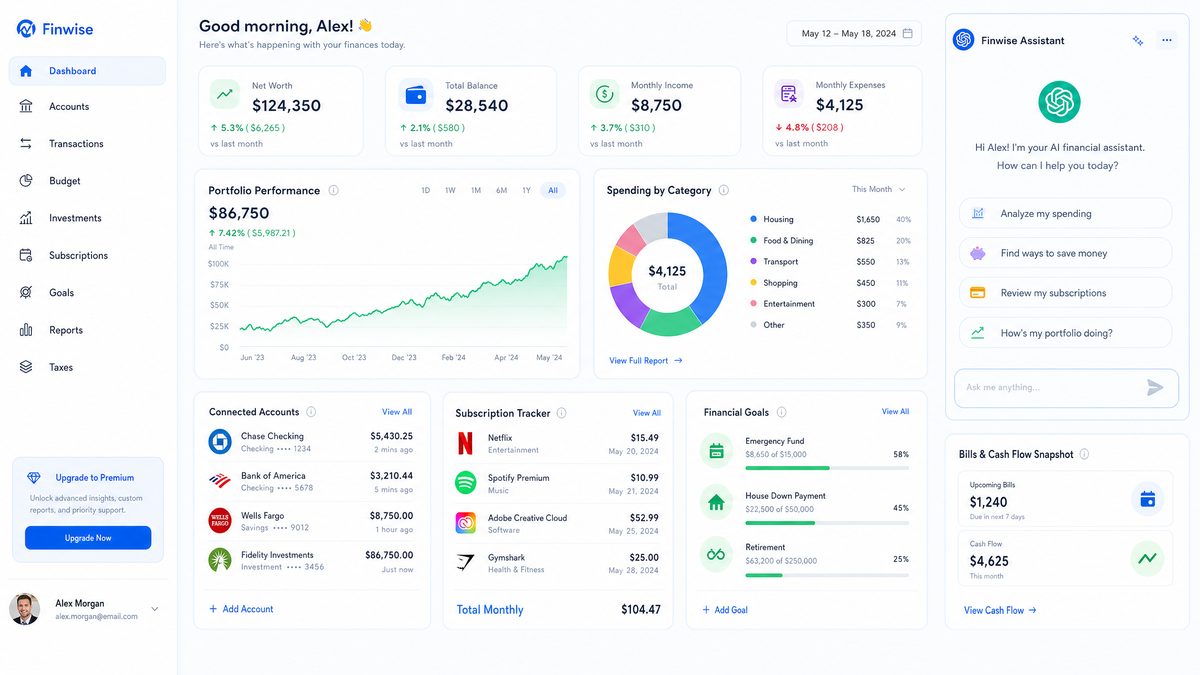
The convergence of artificial intelligence and financial technology has initiated a transformative era in personal finance management. Traditionally, managing finances required multiple applications, spreadsheets, and extensive manual tracking, leaving room for errors and inefficiencies. However, the integration of ChatGPT’s advanced conversational AI capabilities with Plaid’s robust and secure financial data connectivity services enables a new paradigm: customizable, intelligent, and automated financial workflows tailored to individual needs. This article presents a comprehensive tutorial on leveraging ChatGPT’s personal finance feature powered by Plaid, empowering you to create dynamic, conversational financial dashboards offering assets insights, spending behavior analysis, and subscription management with a high degree of automation and personalization.
Whether you are a developer, financial advisor, fintech entrepreneur, or simply a user eager to take full control of your financial life using AI-driven interactions, this article will walk you through foundational concepts, secure integration methods, dashboard customizations, automation strategies, and advanced use cases. By the end, you will be equipped to build sophisticated financial workflows that enhance decision-making, improve transparency, and streamline financial tasks directly within the ChatGPT environment.
Understanding the Foundations: ChatGPT Personal Finance Feature and Plaid Integration
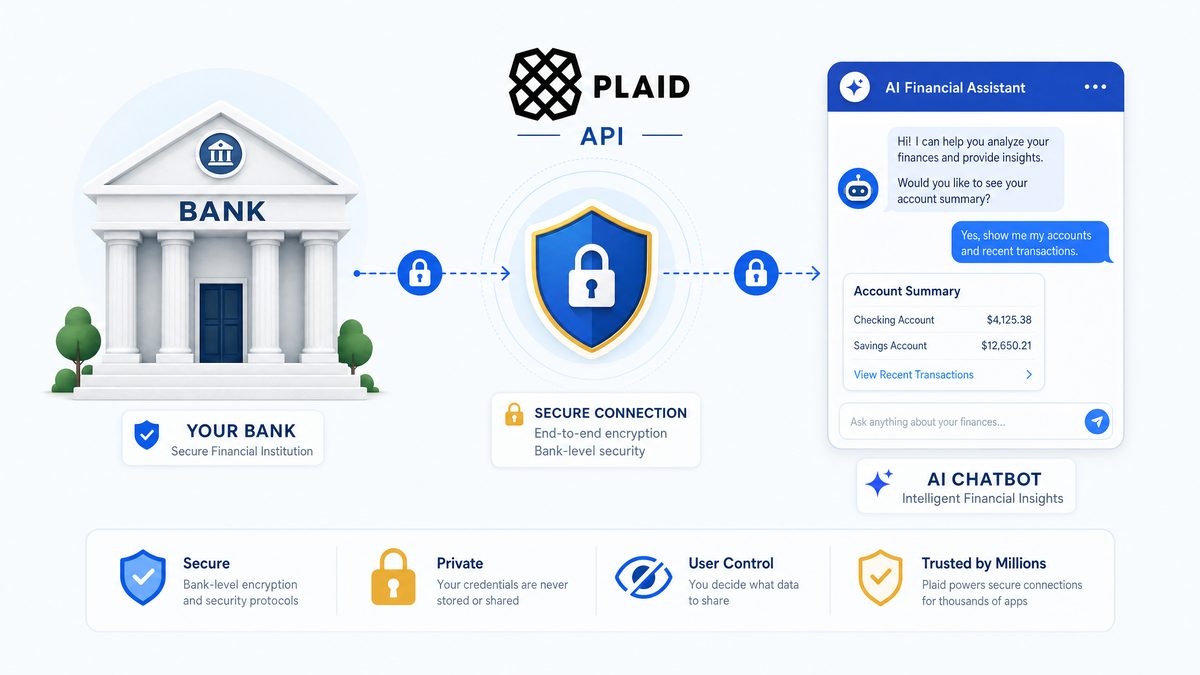
Before embarking on technical implementations, it is crucial to understand the two pillars underpinning these innovative workflows: ChatGPT’s personal finance capabilities and Plaid’s financial data aggregation services. Each plays a distinct but overlapping role in delivering an intuitive, secure, and user-centric financial experience.
ChatGPT’s Personal Finance Feature: ChatGPT, created by OpenAI, is a state-of-the-art conversational AI model designed to comprehend and generate human-like text responses. With its personal finance feature, ChatGPT extends beyond simple Q&A, becoming a financial assistant that interacts naturally with users to interpret, analyze, and act upon real-time financial data. It understands nuanced financial queries, provides explanations, and guides users through custom workflows tailored to their goals.
Plaid’s Financial Connectivity Platform: Plaid acts as a secure gateway to user-authorized financial accounts. It connects with thousands of financial institutions globally, offering standardized access to data ranging from bank accounts and credit cards to loans, investments, and bills. Plaid handles complex authentication with strong security measures, aggregates data in real time, categorized by transaction types, and provides APIs for developers to integrate these services seamlessly.
1. What is ChatGPT’s Personal Finance Feature?
- Natural language understanding: ChatGPT can interpret user questions related to finances — from “How much did I spend on dining last month?” to “What’s my net portfolio growth?” — and respond accurately and contextually.
- Customizable workflows: Users can build bespoke sequences of interactions that combine portfolio monitoring, spending analysis, and subscription oversight, generating holistic financial views.
- Secure data handling: The system respects user privacy and complies with data protection laws, ensuring sensitive financial data remains confidential and is handled transparently.
- Adaptive learning: Over time, ChatGPT personalizes advice by learning user preferences and financial behavior patterns, making recommendations increasingly relevant.
2. How Does Plaid Connect to Your Financial Institutions?
- Standardized APIs: Plaid provides a unified interface abstracting the diversity of institutional APIs, granting access to transactional histories, balances, investments, and liabilities.
- Secure authentication: Advanced OAuth and multi-factor authentication flows ensure only authorized access is granted, with Plaid never exposing or storing raw credentials.
- Real-time aggregation: Transaction data is instantaneously categorized and refreshed, allowing for up-to-the-minute insights.
- Webhooks and notifications: Plaid supports event-driven updates, enabling workflows to trigger actions on financial changes immediately.
3. Integration Architecture
At a macro level, linking ChatGPT and Plaid involves constructing a secure, programmatic bridge between user interactions and financial data retrieval. The architecture employs the following data flow:
- User query: Users communicate financial requests to ChatGPT through natural language input.
- API calls: ChatGPT invokes backend APIs securely, passing tokens to Plaid to request updated financial data.
- Data retrieval: Plaid fetches and compiles data from the linked financial institutions, structuring information on accounts, transactions, and investments.
- Data parsing and aggregation: ChatGPT processes the returned data, synthesizing summaries, highlighting trends, or generating visual insights tailored to the query.
- User interaction: ChatGPT presents results conversationally or through generated dashboards, allowing users to customize alerts or generate reports aligned with their financial objectives.
This model emphasizes real-time responsiveness, security, and personalization. For readers interested in the intricate details of secure API integration and token management, please reference our in-house deep dive into secure authentication standards and best practices here:
For a broader overview of how OpenAI introduced this personal finance capability and the initial market reaction, our coverage of ChatGPT’s personal finance launch with bank account integration provides the full announcement context and early user feedback. ChatGPT Now Manages Your Money.
.
Step 1: Connecting Bank Accounts Securely with Plaid in ChatGPT
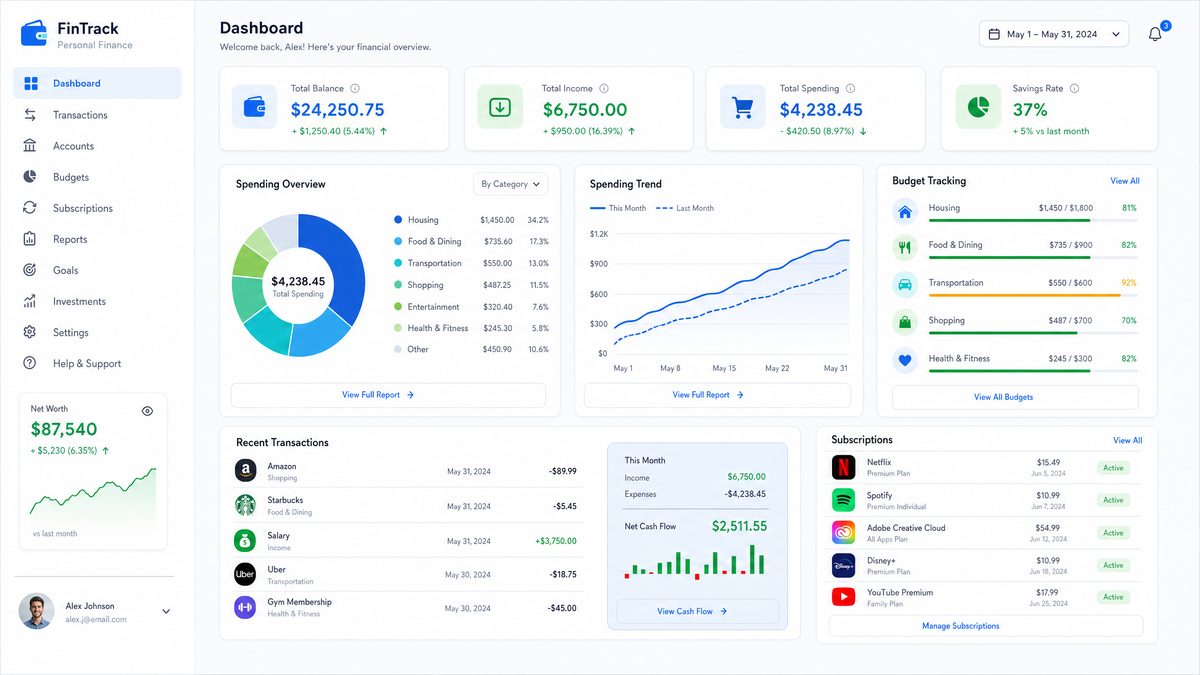
The foundation of any meaningful financial workflow is reliable access to accurate, up-to-date financial data. This begins by securely linking your bank accounts and other financial accounts with Plaid using ChatGPT’s integrated feature set. This section elaborates the step-by-step setup, security nuances, and user consent framework ensuring trustworthy data connectivity.
1. Setting Up a Plaid Developer Account
First, developers or integrators need to establish a Plaid developer account to access API keys, test environments, and documentation needed for the integration.
- Registration: Visit Plaid’s developer portal and create a new developer profile by providing your contact information and intended application use.
- Verification: Confirm your account through email or phone verification to ensure security compliance.
- API Credentials: Once verified, generate your client ID and secret keys. These credentials authenticate your application when making API calls. Safeguarding these credentials is critical to prevent unauthorized access.
- Compliance Review: Carefully review Plaid’s developer documentation and data handling policies to ensure your use case aligns with financial and privacy regulations.
2. Enabling ChatGPT’s Plaid Module
If you are in a ChatGPT developer environment or accessing through OpenAI’s extended product offerings, enabling the Plaid integration involves configuring API connectivity as per the platform’s interface.
- Log into ChatGPT’s developer console or personal finance feature dashboard.
- Locate the Plaid integration section and activate the toggle to enable Plaid services within ChatGPT workflows.
- Enter your Plaid API client ID and secret securely as per the interface prompts.
- Run built-in connectivity tests to ensure ChatGPT can successfully authenticate and retrieve sample data using your credentials.
This integration process may vary slightly based on platform updates or UI changes, but the underlying principles remain consistent.
3. Connecting Your Bank Account – OAuth Flow Explained
When users initiate the bank linking process, Plaid orchestrates a secure authentication workflow via OAuth, preserving confidentiality and complying with industry standards.
- Institution selection: Users choose their banking institution from a curated list powered by Plaid’s extensive integration catalog.
- Secure authentication: Plaid redirects users to their bank’s official login interface within a secure iframe or popup window. This ensures credentials are entered directly into the financial institution’s portal, avoiding intermediary exposure.
- Consent and token issuance: Upon successful login, Plaid’s system requests explicit authorization to share specific data scopes (such as transaction history, balances, or investment details). If consent is granted, an access token is generated and securely passed back to ChatGPT.
- Privacy guarantee: Importantly, user credentials are neither stored nor transmitted through ChatGPT or your applications. Only the access tokens, constrained by granted permissions, are used to retrieve data.
4. Permissions and Data Privacy Considerations
Users retain granular control over the financial data shared with ChatGPT via Plaid. Commonly requested permissions include access to:
- Transaction histories
- Account balances
- Investment portfolios
- Subscription and billing data
All data practices conform rigorously to privacy laws such as the European Union’s General Data Protection Regulation (GDPR) and the California Consumer Privacy Act (CCPA). Ethical handling mandates transparency about data use, encrypted storage, and offering users the ability to revoke consent at any point.
For detailed information on ethical financial data usage, consult this expert guide on best practices and legal compliance:
The financial features arrive at a time when ChatGPT has reached unprecedented scale, with 900 million weekly active users as of Q1 2026, making it the largest AI platform to integrate personal banking capabilities. ChatGPT Reaches 900 Million Weekly Users.
.
Step 2: Building Custom Dashboards for Financial Insights
With secure data access established, the next significant milestone is creating engaging, informative, and interactive financial dashboards within ChatGPT. These dashboards synthesize raw financial data into actionable insights, enabling users to monitor portfolio health, track spending habits, and oversee subscription management seamlessly.
1. Dashboard Framework Overview
Dashboards act as centralized control centers, amalgamating multiple data streams into cohesive, understandable presentations. In ChatGPT, dashboard generation integrates natural language summaries with dynamic visualizations, powered by real-time data fetched from Plaid. The design principles focus on modularity, interactivity, and user personalization.
- Modular elements: Distinct dashboards cater separately to investments, spending categories, and subscriptions, allowing users to focus on areas of interest or aggregate views.
- Real-time dynamics: As Plaid feeds update financial data, dashboards reflect these changes immediately, supporting up-to-date decision making.
- Interactivity and filtering: Users can drill down into specific transactions, apply filters by date ranges or categories, and configure alerts to flag anomalies or milestones.
2. Portfolio Performance Dashboard
Investment portfolio monitoring requires nuanced metrics and clear presentation. ChatGPT leverages the investment data retrieved via Plaid to provide users with multiple key insights:
- Current Portfolio Value: A consolidated view of total account value across all holdings.
- Historical Performance: Graphical timelines illustrating portfolio growth, dips, and recoveries over weekly, monthly, and yearly periods.
- Asset Allocation: Pie charts or bar graphs detailing the distribution of holdings among stocks, bonds, cash, mutual funds, and alternative investments.
- Income Metrics: Breakdown of dividend income received, interest accrued, and realized versus unrealized gains or losses.
- Risk Metrics: Quantitative indicators such as volatility scores, beta coefficients, and sector diversification indexes.
This dashboard aids in evaluating investment balance, measuring risk exposure, and facilitating timely portfolio adjustments.
3. Spending Analysis Dashboard
Understanding where money goes monthly is a critical step in personal budgeting and savings optimization. ChatGPT’s spending dashboard characterizes user transactions with granular classification:
- Transaction Categorization: Expenses are sorted into buckets such as essentials (groceries, bills), dining, entertainment, transportation, and more, derived from Plaid’s categorization engine.
- Trend Analysis: Visual graphs compare monthly spending over time, identifying growth or reductions in specific categories.
- Alerts: Notifications flag unusual spending spikes or when transactions exceed pre-set budgets.
These insights promote conscious spending habits, helping users curb unnecessary expenditures.
4. Subscription Monitoring Dashboard
Subscription services frequently evade people’s attention, accumulating unnoticed costs. ChatGPT, via detailed billing data from Plaid, automates subscription tracking with features like:
- Identification of Recurring Payments: Transactions categorized as recurring are extracted and presented with vendor details and billing cycles.
- Usage Analysis: By correlating payments with user queries or external data (e.g., app activity), ChatGPT can suggest discontinuation of low-use subscriptions.
- Cost Aggregation: Summing monthly payments helps users understand total subscription outflows relative to overall budgets.
5. Visualizing Financial Data: Recommended Charts and Tables
Visual representations clarify complex numerical data, accelerating comprehension and enabling evidence-based decisions. Recommended visuals include:
- Line charts: Ideal for showing trends over time, such as portfolio value growth or monthly expense fluctuations.
- Pie charts: Excellent for displaying proportional allocation of assets or spending.
- Tables: Present detailed numerical data supporting the charts, with features like sorting and filtering for ease of analysis.
Sample Comparative Table for Portfolio vs. Spending
| Metric | Portfolio Performance | Monthly Spending |
|---|---|---|
| Total Value | $125,400 | — |
| Monthly Change | +3.2% | $4,200 |
| Top Asset Class / Spending Category | Large Cap Stocks (50%) | Groceries (25%) |
| Risk Exposure / Overspending Alert | Moderate Risk | Exceeded Budget by 7% |
By integrating these visual aids into ChatGPT’s conversational interface, users receive a rich, multi-dimensional understanding of their financial standing, enhancing confidence and clarity in decision making.
Step 3: Automating Financial Alerts and Task Workflows
While dashboards provide valuable snapshots of financial states, automation enables proactive management by notifying users of critical events and executing predefined tasks that improve efficiency and responsiveness.
1. Setting Up Custom Alerts and Notifications
Utilizing Plaid’s webhook capability combined with ChatGPT’s conversational AI, users can create personalized alerts for numerous scenarios, including:
- Low Balance Warnings: Alerts triggered when checking or savings accounts drop below user-defined thresholds, preventing overdrafts.
- Large or Suspicious Transactions: Notifications for transactions exceeding preset amounts or flagged as potentially fraudulent facilitate prompt intervention.
- Upcoming Bill Payments and Subscription Renewals: Reminders to avoid late fees and ensure ongoing access to services.
- Portfolio Threshold Changes: Alerting users if an asset’s value crosses critical limits — for example, when stocks fall below a target price.
This alert system transforms ChatGPT from a passive informer to an active financial assistant, anticipating user needs.
2. Linking Alerts to Automated Tasks
Automation extends beyond notifications, empowering ChatGPT to suggest or initiate specific financial tasks aligned with detected triggers:
- Funds Transfer Initiations: Upon a low balance alert, ChatGPT can prompt users to transfer funds between accounts or schedule automatic transfers.
- Subscription Adjustments: If spending surpasses limits, ChatGPT might suggest subscription cancellations or alternative services to optimize expenditures.
- Portfolio Review Scheduling: Automatically propose review meetings or rebalance recommendations when portfolio dynamics change significantly.
3. Enhancing Workflow Efficiency Through ChatGPT Conversational Commands
The strength of ChatGPT lies in its ability to process complex commands phrased in natural language, converting user intent into actionable steps within the financial ecosystem. Typical use cases include:
- “Show me my top 3 subscriptions by monthly cost.”
- “Notify me when my checking account balance drops below $500.”
- “Summarize my portfolio’s performance and suggest reallocation.”
Such interactions bypass the need for manual data hunting or complex app navigation, saving time and reducing errors while maintaining a high level of personalization.
For expanded automation techniques and advanced workflow templates, users and developers can refer to our dedicated resource section here:
The financial analysis capabilities are powered by OpenAI’s latest model architecture, and understanding the differences between GPT-5.5 Instant and Pro tiers helps users choose the right subscription level for their financial planning needs. GPT-5.5 Instant and Pro Explained.
.
Step 4: Security Best Practices and Compliance in Financial Workflows
Given the highly sensitive nature of financial data, integrating ChatGPT and Plaid to build financial workflows requires uncompromising attention to security, privacy, and regulatory compliance. Below are best practice guidelines to ensure confidentiality, integrity, and availability of user data:
1. Data Encryption and Storage Protocols
All communications between ChatGPT, Plaid, and associated backend services must employ advanced encryption standards. Transport Layer Security (TLS) 1.2 or later versions are mandatory to safeguard data in transit. For data at rest, sensitive tokens and user information should be encrypted using hardware security modules (HSMs) or robust encrypted storage vaults. Implementing end-to-end encryption where feasible adds an extra protective layer, minimizing exposure during data processing.
2. Authentication and Authorization Controls
Strong authentication measures including multi-factor authentication (MFA) should govern access to integration platforms. Role-Based Access Control (RBAC) ensures that only authorized personnel or applications can perform sensitive operations, reducing insider threat risks. Furthermore, adopting the principle of least privilege limits the scope of actions to those essential for each user or process.
3. Compliance with Financial Regulations
Integrations must comply with statutes including but not limited to:
- GDPR and CCPA: These laws govern the privacy and data protection rights of individuals within the EU and California respectively, mandating transparency, consent, and data minimization.
- PCI DSS: If payment card data is accessed or handled, adherence to Payment Card Industry Data Security Standards is non-negotiable.
- SEC Regulations: Services offering investment advice or wealth management must comply with Securities and Exchange Commission rules and reporting standards.
4. User Transparency and Consent
Informing users clearly about what data is collected, how it is used, and who has access fosters trust. Offering accessible dashboards where users can review permissions and revoke access supports compliance and user empowerment.
5. Continuous Monitoring and Incident Response
Deploy real-time monitoring tools to detect unusual patterns such as API abuse, unauthorized access, or data exfiltration attempts. Establishing an incident response protocol ensures rapid containment, investigation, and notification in case of breaches, meeting regulatory obligations and protecting user interests.
Section 5: Advanced Use Cases for ChatGPT and Plaid Financial Workflows
Beyond foundational financial management, the ChatGPT and Plaid integration enables advanced scenarios enriching both personal and collaborative finance practices.
1. Financial Planning and Forecasting
- Natural Language Financial Goal Setting: ChatGPT’s NLP interprets user-defined objectives such as “Save $20,000 for a home down payment in 3 years,” translating them into actionable savings plans.
- Cash Flow Forecasting: Historical transaction trends retrieved through Plaid feed predictive models, estimating upcoming income and expenses to help users plan ahead.
- Investment Adjustments: By combining current portfolio data with market forecast feeds, ChatGPT can suggest portfolio reallocations aligned with predicted market shifts or personal risk tolerance changes.
2. Tax Optimization and Reporting
- Gain and Loss Aggregation: ChatGPT consolidates realized and unrealized investment gains or losses, streamlining year-end tax calculations.
- Deductible Expense Identification: Transaction data analyzed to flag potentially deductible costs such as charitable contributions or work-related expenses.
- Tax Report Generation: Preliminary drafts of tax statements and summaries that accountants can review and finalize, reducing preparation time.
3. Collaborative Financial Workflows for Families or Teams
- Shared Dashboards: Family members or corporate teams can access joint financial dashboards with role-specific permissions, fostering transparency.
- Joint Budgets and Alerts: Set combined budget targets, notify across members on spending variances or bill payments.
- Team Goal Tracking: Facilitate group discussions and planning through ChatGPT’s conversational interface, supporting goal attainment.
Section 6: Troubleshooting Common Issues and Optimizing Performance
1. Handling API Rate Limits and Errors
Plaid enforces API rate limits to maintain service quality and security, which can impact data refresh rates or workflow responsiveness. Mitigate this by employing data caching to reduce redundant calls, batching multiple requests, and implementing exponential backoff strategies on failed calls.
2. Debugging OAuth Authentication Failures
Common OAuth errors arise from incorrect client credentials, mismatched redirect URIs, or expired tokens. Regular validation of configurations, timely token refresh handling, and comprehensive logging aid in rapid diagnostics and fixes.
3. Ensuring Data Consistency and Accuracy
Occasional discrepancies can occur between Plaid data and actual bank statements due to timing differences or categorization errors. Developing reconciliation processes where users can validate and adjust data inputs increases reliability.
4. Improving ChatGPT Response Latency and Relevance
Performance tuning involves optimizing prompt designs to focus AI processing on relevant information, reducing unnecessary context data. Using recent data snapshots rather than live queries where acceptable can reduce response times. Additionally, fine-tuning conversational models for financial domains enhances relevance.
Section 7: Future Trends and Enhancements in AI-Driven Financial Workflows
1. Integration of Voice Assistants for Hands-Free Finance Management
Emerging developments foresee ChatGPT embedding into voice platforms like Amazon Alexa, Google Assistant, and Apple Siri, enabling users to check balances, receive alerts, or conduct transactions through voice commands, dramatically enhancing accessibility and convenience.
2. Real-Time Investment Advisory Services Powered by AI
Fusing live market data with personalized account insights will allow ChatGPT to deliver dynamic investment advice tailored to changing market conditions and personal risk profiles, empowering users to respond promptly to opportunities or threats.
3. Expansion of Hyper-Personalized Financial Products
AI and Machine Learning models analyzing deep behavioral and transactional patterns will enable providers to design and offer bespoke financial products in credit, savings, insurance, and wealth management, precisely matched to individual financial situations and goals.
Section 8: Summary and Next Steps to Build Your Financial Workflows
This comprehensive tutorial has explored the powerful synergy of ChatGPT and Plaid for constructing intelligent, secure, and personalized financial workflows. To highlight the key takeaways:
- Secure Account Linking: Establish trust by rigorously connecting and authenticating financial accounts through Plaid’s secure OAuth-enabled APIs.
- Insightful Dashboards: Leverage ChatGPT’s AI to visualize portfolio performance, track spending categories, and manage subscriptions for holistic financial overviews.
- Automated Alerts and Task Execution: Configure personalized notifications and automate responses that improve financial oversight and efficiency.
- Security and Compliance: Enforce strong encryption, access controls, and stay compliant with relevant financial regulations and data privacy laws.
- Advanced and Collaborative Use Cases: Expand applications to financial planning, tax reporting, and team-based financial management for broader utility.
Equip yourself to embark on this advanced financial management journey by reviewing the complete ChatGPT personal finance feature documentation and developer guides available here: . With these resources, you can extend, customize, and evolve your financial workflows aligned with your growing ambitions and dynamic financial landscapes.
Access 40,000+ AI Prompts for ChatGPT, Claude & Codex — Free!
Subscribe to get instant access to our complete Notion Prompt Library — the largest curated collection of prompts for ChatGPT, Claude, OpenAI Codex, and other leading AI models. Optimized for real-world workflows across coding, research, content creation, and business.
