
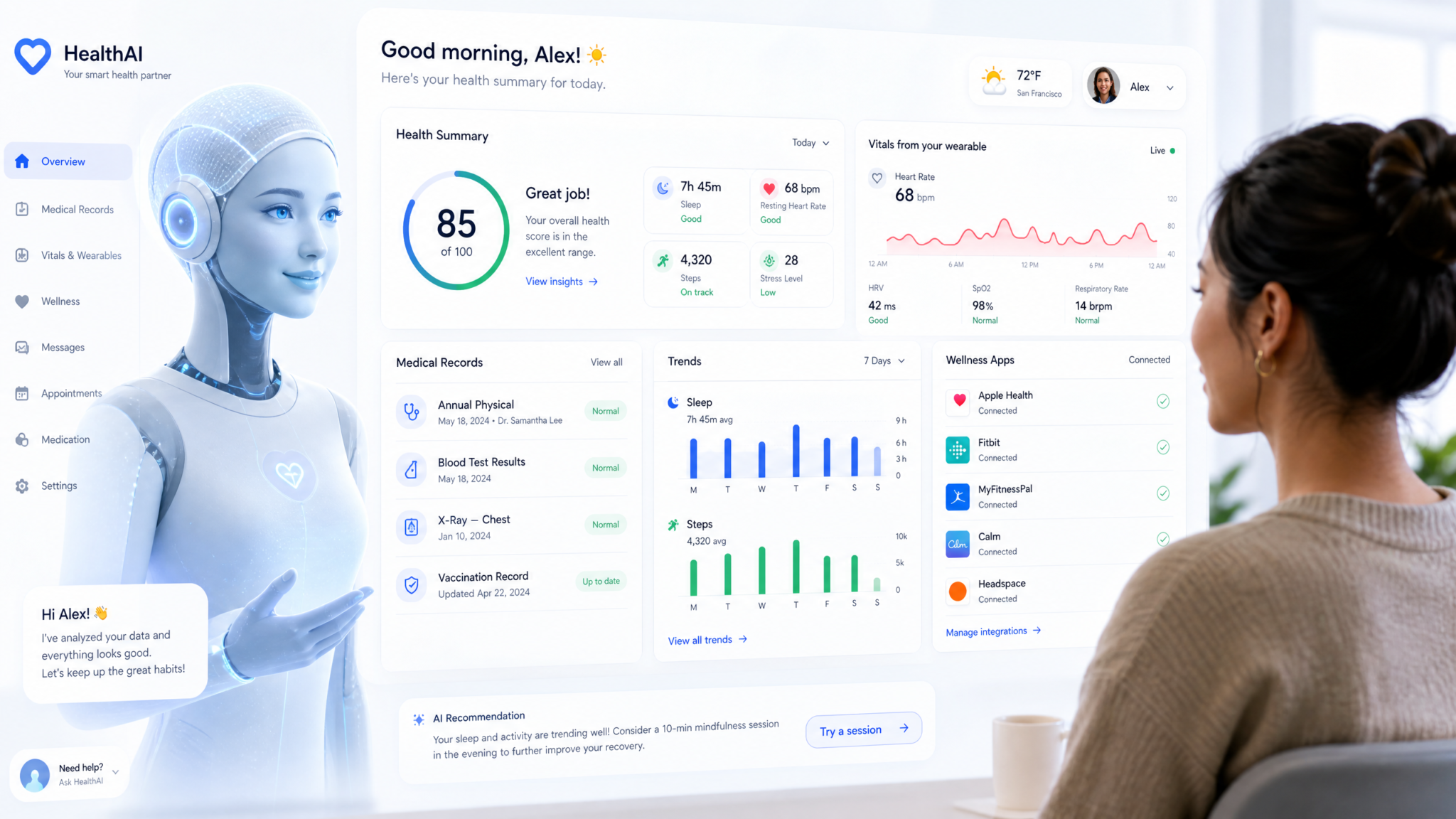
The Dawn of AI-Powered Personal Wellness: Introducing Health in ChatGPT
In a landmark development poised to redefine personal health management, OpenAI has officially launched Health in ChatGPT, a dedicated experience designed to integrate individual health information with the advanced conversational capabilities of its flagship AI model. This initiative marks a significant leap forward in making complex health data more accessible, understandable, and actionable for everyday users. The introduction of Health in ChatGPT is not merely an incremental update; it represents a foundational shift towards a new era where artificial intelligence acts as a personalized health navigator, empowering individuals to take a more proactive and informed role in their wellness journeys.
The genesis of Health in ChatGPT stems from a clear and pressing need: the fragmentation of personal health information. In today’s digital landscape, medical records, wellness app data, wearable device metrics, and lifestyle choices are often scattered across disparate platforms, creating a labyrinth that many find challenging to navigate. This disaggregation makes it difficult for individuals to gain a holistic view of their health, understand the interplay of various factors, or effectively communicate their medical history to healthcare providers. OpenAI’s internal analysis revealed that hundreds of millions of people worldwide were already turning to ChatGPT weekly with health and wellness questions, underscoring a profound demand for intelligent assistance in this domain [1]. Health in ChatGPT directly addresses this by providing a centralized, intelligent interface where users can securely connect and interpret their diverse health data.
The initial rollout of Health in ChatGPT to U.S. users aged 18 and older on web and iOS platforms has been met with considerable anticipation. Early feedback highlights the feature’s potential to demystify medical jargon, prepare users for doctor’s appointments, and offer personalized insights into diet and fitness routines. By securely connecting personal health information, ChatGPT can ground its responses in the user’s unique context, offering advice and explanations far more relevant and useful than generic internet searches. This personalized approach is crucial for fostering a sense of empowerment and confidence in managing one’s health, advancing from reactive care to a more preventative and informed lifestyle. The integration is designed to support, not replace, professional medical advice, emphasizing AI’s role as an intelligent assistant rather than a diagnostic tool [2].
Privacy, Security, and Trust: The Foundation of Health in ChatGPT
At the core of Health in ChatGPT’s design philosophy are stringent principles of privacy, security, and user control. Recognizing the inherently sensitive nature of health data, OpenAI has implemented a multi-layered security architecture that exceeds protections for general ChatGPT conversations. This robust framework is critical for building and maintaining user trust, essential for the widespread adoption of an AI-powered health platform.
A Dedicated and Isolated Environment
Health in ChatGPT operates within its own dedicated, isolated space within the broader ChatGPT ecosystem. This means that conversations, connected applications, and uploaded files related to health are stored separately from other general chats. This compartmentalization ensures that health-related context and memories are contained within the Health space, preventing inadvertent leakage or cross-contamination with non-health discussions. While users can still view health chats in their history for easy access, sensitive information remains strictly confined to the Health environment. This architectural decision reflects the critical need for enhanced data segregation when handling highly personal information [2].
Further enhancing security, OpenAI employs purpose-built encryption and isolation mechanisms specifically for Health conversations. All data, both at rest and in transit, is encrypted by default, as is standard across ChatGPT. However, Health data benefits from additional layers of protection to ensure maximum security. Importantly, conversations within Health are explicitly not used to train OpenAI’s foundational models, addressing primary user concerns about data privacy and avoiding incorporation of personal health information into AI training datasets. Users are also empowered with granular control over their data, including the ability to view or delete Health memories anytime via the Health interface or through the “Personalization” section of Settings [1].
Protections and Controls for Sensitive Information
OpenAI’s commitment to user data control extends fully to Health in ChatGPT. Users can manage their data through options such as temporary chats, deleting chats from OpenAI’s systems within 30 days, and assurance that models are trained not to retain personal information from user chats. For Health, these protections are augmented with robust safeguards, including strong encouragement of multi-factor authentication (MFA) to add an essential layer of security against unauthorized access [2].
Connecting external health data sources, including medical records and wellness apps, is a core functionality of Health in ChatGPT. OpenAI has partnered with b.well, a leading U.S. platform for connected health data, ensuring secure and compliant access to trusted healthcare providers. This partnership reinforces OpenAI’s adherence to the highest industry standards in data security and privacy. Users maintain full control over these connections, with options to remove access to medical records anytime via the “Apps” section of Settings. Similarly, connecting wellness apps like Apple Health, Function, and MyFitnessPal mandates explicit user permission, even if those apps are already linked to ChatGPT for non-health uses. All third-party integrations must meet OpenAI’s stringent privacy and security requirements, including minimal necessary data collection and extra security reviews [1].
The Physician-Led Approach: Ensuring Accuracy and Safety
Understanding the critical importance of accuracy and safety in health applications, OpenAI developed Health in ChatGPT through collaboration with a global network of physicians. This physician-led approach has been instrumental in shaping the platform’s capabilities and ethical framework, ensuring clear, useful, and responsible health information delivery.
Over two years, OpenAI engaged with over 260 physicians spanning 60 countries and various specialties. This extensive collaboration yielded more than 600,000 feedback instances on model outputs across 30 focus areas. Physician insights directly influenced Health in ChatGPT’s responses, particularly regarding appropriate escalation of care, communication clarity without oversimplification, and safety prioritization in critical health moments [1].
The rigorous development process is embedded directly into the underlying AI model. OpenAI introduced HealthBench, an assessment framework co-developed with practicing physicians to evaluate the model against clinical standards. Rather than relying solely on exam-style questions, HealthBench uses physician-written rubrics mimicking real clinical quality assessments. The framework emphasizes safety, clarity, proper care escalation, and respect for individual context. This evaluation-driven approach ensures the model excels on real-world tasks like explaining lab results in accessible language, preparing users for appointments, analyzing wearable data, and summarizing care instructions. The goal is to provide trustworthy support that complements, not replaces, healthcare providers [2].

Connecting Your Health Data: A Seamless Experience
A key strength of Health in ChatGPT is its ability to integrate and contextualize a user’s personal health data. This seamless integration transforms ChatGPT from a general knowledge AI into a highly personalized health assistant capable of providing insights grounded in individual medical history and wellness patterns.
Getting Started and Bringing Your Information In
Accessing Health in ChatGPT is designed for simplicity and convenience. Interested users can join a waitlist, and once enabled, the Health section appears directly in ChatGPT’s sidebar. Users can import medical records and health app data by uploading files, integrating tools, or managing connections via the “Apps” section in Settings [1].
Key integrations include:
- Medical Records: Comprehensive lab results, visit summaries, and clinical history.
- Apple Health: Syncs health and fitness data such as movement, sleep, and activity (iOS required).
- Function: Provides lab test insights and personalized nutrition suggestions.
- MyFitnessPal: Nutrition advice, macro tracking, and recipe recommendations.
- Weight Watchers: GLP-1 personalized meal ideas and food guidance.
- AllTrails: Helps discover and plan hiking routes.
- Instacart: Converts meal plans into shoppable grocery lists.
- Peloton: Suggests workout classes and guided meditations.
These integrations enable ChatGPT to reference connected data automatically, delivering personalized, context-aware responses. For example, users can ask, “How’s my cholesterol trending?” or “Can you summarize my latest bloodwork before my appointment?” The AI then leverages integrated data to provide intuitive, precise health management support [2].
The Broader Impact: AI in Scientific Computing and Beyond
While Health in ChatGPT focuses on personal wellness, its enabling technologies emerge from a broader AI revolution in scientific computing. OpenAI’s recent field report, Scientific Computing in the Age of Agentic AI: An Exploratory Field Report [3], reveals how large language model (LLM) agents are transforming scientific research, software development, and data-intensive domains like genomics.
Agentic AI in Scientific Computing
The report highlights LLM-based AI agents evolving beyond simple code suggestions into goal-directed autonomous systems capable of managing complex, specialized codebases. These agents hold significant domain knowledge and can undertake tasks such as implementing new tools, optimizing existing software, and migrating codebases. Recurring effective project types include:
| Project Type | Description | Impact |
|---|---|---|
| Lightweight maintenance and packaging work | Automating routine tasks that ensure software longevity and usability. | Reduces technical debt, improves software reliability. |
| Targeted optimization of existing functionality | Improving the performance or efficiency of specific code segments. | Enhances computational speed and resource utilization. |
| Compatibility migration | Adapting software to new frameworks while preserving original behavior. | Ensures software remains functional across evolving platforms. |
| Translation to new programming languages | Converting tools to different languages while maintaining semantic equivalence. | Expands software accessibility and integration capabilities. |
| Complete performance-oriented rewrites | Major algorithmic changes for significant performance gains. | Achieves substantial improvements in processing power and efficiency. |
| Implementation of new tools or methodological capabilities | Developing novel software or enhancing existing libraries with new features. | Drives innovation and expands scientific research capabilities. |
These advancements highlight how AI agents help reduce technical debt in scientific computing, where many tools originate from small teams with limited maintenance resources. While AI excels at tasks like writing unit tests and documentation, human oversight remains essential for validation, security, and domain expertise [3].
Implications for Personal Wellness and Beyond
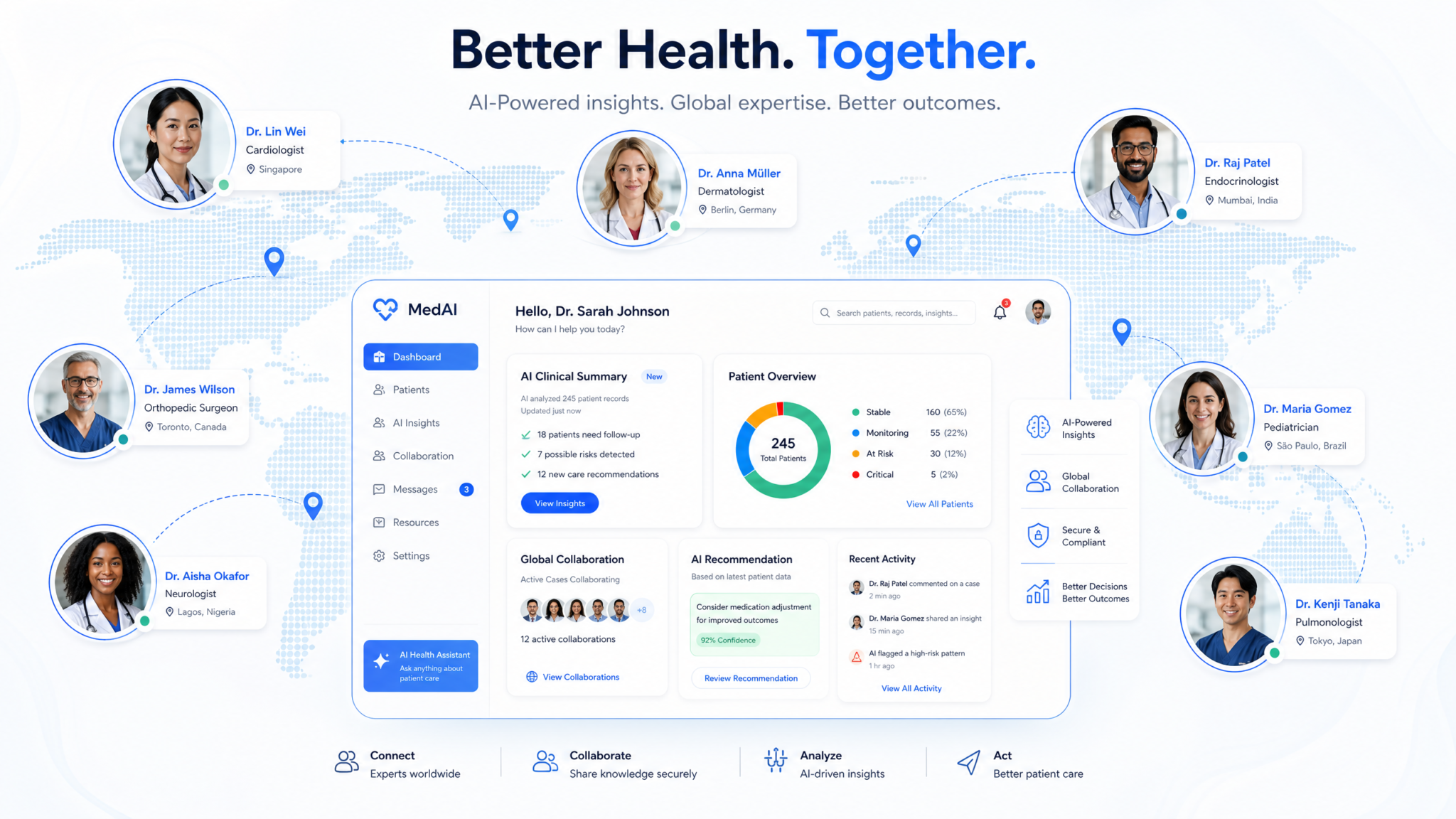
The breakthroughs in agentic AI for scientific computing bear direct relevance to personal wellness AI applications. AI’s capability to process complex data parallels Health in ChatGPT’s function of analyzing personal health records and delivering tailored insights. Furthermore, validation frameworks like byte-level equivalence and logic-based testing from scientific AI can inform improved reliability in health AI systems.
Moreover, AI-driven acceleration of scientific research can expedite breakthroughs in medicine, genomics, and personalized therapy, ultimately enhancing personal wellness outcomes. Ethical lessons from scientific AI — including responsibility and ownership — resonate strongly with the health AI domain, reinforcing the need for careful, ethical implementation of these powerful technologies. Read more on ChatGPTAIhub.com.
The Future of Health and AI: Opportunities and Challenges
The convergence of AI and personal health, as exemplified by Health in ChatGPT, opens a vast landscape of opportunities alongside significant challenges. AI’s potential to democratize health information, empower individuals, and accelerate medical research is immense. Balancing these benefits with data privacy, ethical safeguards, and meticulous human oversight will be essential for sustainable success.
Opportunities
- Personalized Health Management: AI offers tailored advice on diet, exercise, and lifestyle based on genetics, medical history, and real-time device data — moving beyond generic recommendations to personalized wellness plans.
- Early Disease Detection and Prevention: By analyzing large datasets, AI can reveal subtle risk factors for diseases, enabling earlier detection and proactive prevention—potentially revolutionizing public health.
- Improved Patient-Doctor Communication: AI helps patients understand their conditions better, prepare meaningful questions, and summarize complex medical information for more productive consultations.
- Accelerated Medical Research: As demonstrated in scientific computing, AI can rapidly advance drug discovery, clinical trial analysis, and new therapy development, bringing treatments to patients faster.
- Enhanced Accessibility: AI health tools bridge care gaps, providing valuable support to remote populations or underserved communities. Learn about AI in healthcare accessibility.
Challenges
- Data Privacy and Security: The aggregation of sensitive health data risks breaches or misuse. Continuous innovation in encryption, access controls, and regulations is vital.
- Ethical Considerations and Bias: AI models can inherit data biases, risking discriminatory outputs. Ensuring fairness, transparency, and accountability is critical.
- Regulatory Frameworks: AI’s rapid evolution challenges regulators. Clear guidelines on liability, accuracy, and safe deployment are needed.
- Over-reliance and Misinformation: Users might over-trust AI advice, delaying professional care. Education on AI’s supportive, non-diagnostic role is necessary.
- Integration with Existing Healthcare Systems: Technical and logistical hurdles remain for smooth AI adoption in legacy healthcare IT. Interoperability standards and collaboration are key. Learn about AI integration in healthcare.
Conclusion: A Healthier Future Powered by AI
OpenAI’s launch of Health in ChatGPT marks a pivotal milestone at the intersection of AI and personal wellness. By offering a secure, personalized, and physician-informed platform, OpenAI empowers individuals to actively engage and gain deeper insights into their health. This initiative, aligned with broader agentic AI advancements in scientific computing, illuminates a future where AI accelerates complex research and enriches individual well-being.
The journey ahead demands continuous innovation, rigorous ethical scrutiny, and collaboration among AI developers, healthcare professionals, and policymakers. Yet, the vision of a healthier, well-informed, proactive society driven by intelligent AI is compelling, with AI standing as a powerful ally complementing irreplaceable human expertise and care.
Summary
This article explores OpenAI’s groundbreaking launch of Health in ChatGPT, a secure, privacy-conscious personal wellness assistant empowered by AI. It details the platform’s integration of diverse health data, physician-driven development ensuring accuracy and safety, and the broader impact of AI in scientific research. With discussed opportunities and challenges, it paints a comprehensive picture of AI’s transformative role in democratizing healthcare, personalized wellness, and accelerating medical innovation.
Useful Links
- OpenAI Official Blog – Introducing ChatGPT Health
- OpenAI Official Blog – Launching Health in ChatGPT
- OpenAI Field Report – Scientific Computing in the Age of Agentic AI
- Fierce Healthcare – OpenAI launches ChatGPT Health to connect data
- Reuters – OpenAI launches ChatGPT Health to connect medical records
Internal Links
- 25 ChatGPT-5.5 Prompts for Personal Health and Fitness Optimization Using Apple Health Data
- From Code to Discovery: How OpenAI’s Coding Agents are Accelerating Scientific Software Development
- ChatGPT Enterprise Deployment Playbook: How to Roll Out AI Across Your Organization Without Losing Control
FAQ: OpenAI Launches Health in ChatGPT
Q1: What is Health in ChatGPT?
A1: Health in ChatGPT is a dedicated experience within ChatGPT that allows users to securely connect their personal health information, such as medical records and wellness app data, with ChatGPT’s AI capabilities. It helps users understand their health data, prepare for appointments, and get personalized wellness advice, acting as an intelligent health navigator.
Q2: How does OpenAI ensure the privacy and security of my health data?
A2: OpenAI has implemented multi-layered privacy and security safeguards for Health in ChatGPT. This includes a dedicated, isolated space for health conversations, purpose-built encryption, and the assurance that health conversations are not used to train OpenAI’s foundational models. Users also have control over data connections and can enable multi-factor authentication.
Q3: Can Health in ChatGPT replace my doctor?
A3: No, Health in ChatGPT is designed to support, not replace, medical care and the advice of qualified healthcare professionals. It acts as an intelligent assistant to help you understand your health information and navigate your wellness journey, but it is not intended for diagnosis or treatment. Always consult your doctor for medical decisions.
Q4: What kind of health data can I connect to Health in ChatGPT?
A4: You can connect various health data sources including medical records (lab results, visit summaries, clinical history) and popular wellness apps like Apple Health, Function, MyFitnessPal, Weight Watchers, AllTrails, Instacart, and Peloton. All integrations require explicit user permission.
Q5: How does the scientific computing field report relate to Health in ChatGPT?
A5: OpenAI’s field report on agentic AI in scientific computing illustrates the technological advancements that underpin Health in ChatGPT. AI agents’ ability to process complex data and accelerate research mirrors the AI’s capacity to analyze personal health data and generate personalized health insights. Both initiatives showcase AI’s transformative potential across domains.
