
Case Study: How Simplex Reduced Software Development Time by 60% Using OpenAI Codex Agentic Workflows
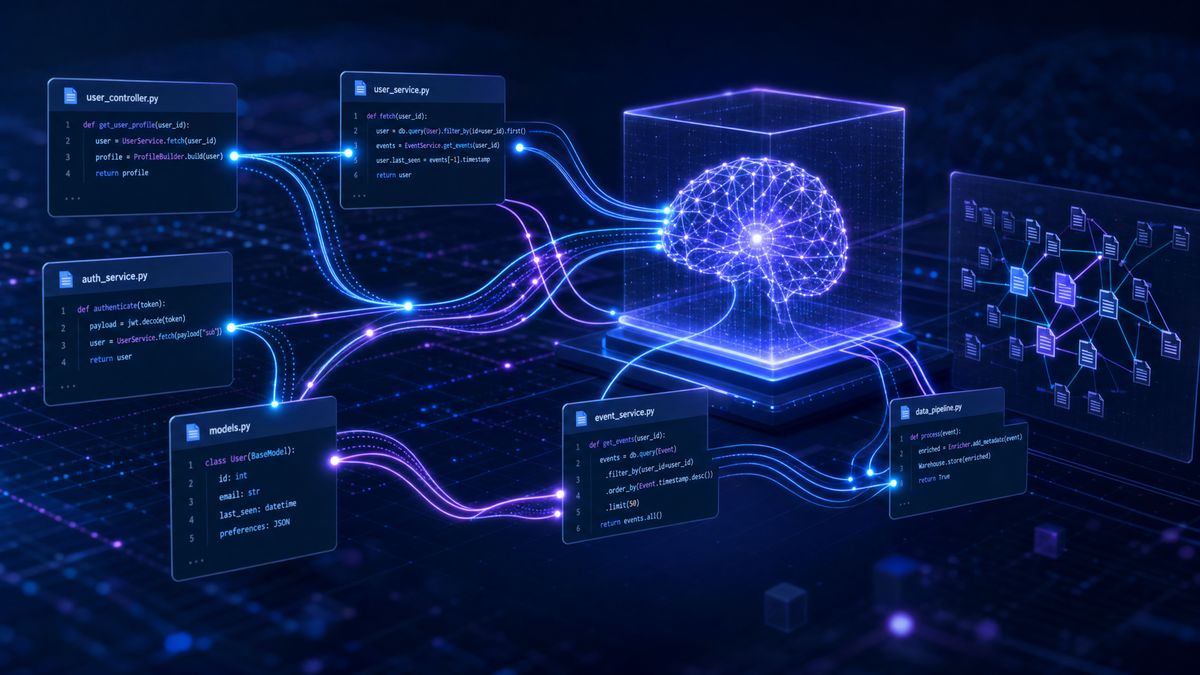
Simplex, an innovative financial technology company specializing in algorithmic trading infrastructure, revolutionized its software development lifecycle by integrating OpenAI Codex with ChatGPT Enterprise. Leveraging Codex’s advanced agentic workflows, Simplex achieved a remarkable 60% reduction in software development time-to-deployment while upholding the rigorous code quality standards essential for regulated financial systems. This comprehensive case study explores their strategic implementation, specific workflow enhancements, technical decisions, organizational adaptations, and the measurable impact of AI-augmented development at scale.
The Challenge: Scaling Software Development Without Proportional Headcount Growth
In the highly regulated financial technology sector, Simplex faced a common yet critical challenge: the rapid increase in product demand was outpacing their ability to recruit and onboard qualified engineers. Their sophisticated trading platform required simultaneous updates across multiple microservices, each demanding meticulous testing to comply with stringent regulatory frameworks.
The engineering team found themselves spending nearly 40% of their time on repetitive tasks such as boilerplate code generation, comprehensive test writing, and detailed documentation. While these activities are indispensable for maintaining software quality and regulatory compliance, they did not necessitate senior engineering expertise, leading to bottlenecks and delayed feature rollouts.
Leadership sought an innovative solution that could amplify the existing team’s productivity without compromising the precision and reliability vital in financial software, where even a single bug could result in significant monetary and reputational loss.
Implementation Strategy: Phased OpenAI Codex Integration Across the Development Lifecycle
Simplex executed a deliberate, phased approach to integrating OpenAI Codex over six months, ensuring controlled adoption and continuous evaluation of AI-generated outputs within their complex environment.
Phase 1: Automating Test Generation
The initial phase concentrated on leveraging Codex agents to automatically generate unit and integration tests for existing codebases. This approach minimized risk by isolating AI-generated outputs to testing, allowing the engineering team to validate Codex’s accuracy and reliability without exposing production code to AI-driven changes.
Phase 2: AI-Assisted Design and Specification
Building on successful test automation, Phase 2 introduced Codex into the architectural design process. The agents generated architectural proposals and comprehensive API specifications derived from detailed product requirements documents. This significantly accelerated the design phase, enabling faster iterations and alignment across multidisciplinary teams.
Phase 3: Autonomous Feature Implementation with Human Oversight
The final and most ambitious phase involved deploying Codex agents to autonomously implement feature branches in parallel. Human engineers acted as reviewers and approvers, ensuring that AI-generated code met all quality and compliance standards before merging into the main codebase. This hybrid workflow optimized efficiency while maintaining full human governance over critical decisions.
Workflow Architecture: Parallel AI Agents Empowered by Human Orchestration
Simplex’s innovative workflow architecture harnessed OpenAI Codex’s multi-agent capabilities to run up to five parallel development agents simultaneously. Each agent operated within a fully isolated environment, with controlled access to relevant repositories, documentation, and testing suites.
A senior engineer assumed the role of “orchestrator,” responsible for defining tasks via Codex’s /goal commands and meticulously reviewing agent outputs. This orchestrator did not write code directly but focused on high-level architectural guidance, conflict resolution between parallel workstreams, and approval of pull requests.
This paradigm shifted the senior engineer’s role from a traditional individual contributor to a powerful force multiplier. Through this orchestration, each senior engineer effectively managed the output equivalent of a five-person development team, dramatically enhancing overall throughput without proportionate increases in headcount.
Technical Foundations: Key Decisions Driving AI-Augmented Development Success
Simplex’s success depended on several critical technical decisions that ensured high-quality, compliant AI-generated code within a regulated environment:
- Comprehensive Repository Documentation: Before Codex integration, Simplex invested heavily in documenting codebases, architectural patterns, and regulatory requirements. This rich context empowered Codex agents to generate relevant and compliant code.
- Codex Memory Configuration: Codex was configured to retain institutional knowledge about Simplex’s coding standards, security protocols, and compliance mandates, enabling consistent and context-aware AI outputs.
- Automated Quality Guardrails: All Codex-generated changes passed through existing CI/CD pipelines, including static code analysis, security scanning, and integration testing. Uniform quality gates for both human and AI-written code ensured no compromises on software integrity.
- Isolated Development Environments: Running parallel agents in isolated sandboxes mitigated risks of unintended code conflicts and maintained repository stability during autonomous development.
Quantifiable Results: Dramatic Improvements Across Critical Software Development Metrics
Following six months of full Codex deployment, Simplex documented significant improvements across all key performance indicators:
- Time-to-Deployment: Reduced by 60%, dropping from an average of 18 days to 7.2 days per feature rollout.
- Test Coverage: Increased from 72% to 94%, thanks to comprehensive AI-generated unit and integration tests that developers previously deprioritized.
- Code Review Efficiency: Review turnaround times decreased by 45%, as Codex-generated pull requests included detailed inline explanations and well-structured documentation.
- Production Stability: Critical production incidents remained stable, demonstrating that accelerated development did not compromise software reliability or regulatory compliance.
These outcomes not only validated the effectiveness of AI-augmented workflows but also reinforced leadership confidence in expanding Codex’s role in future development cycles.
Organizational and Cultural Adaptation: Navigating Change in Engineering Teams
Introducing AI agents into high-stakes software development required significant cultural shifts within Simplex’s engineering organization. Initial resistance stemmed from concerns about job security and the fear of automation replacing human roles.
Leadership proactively communicated that Codex was designed to eliminate tedious, repetitive work, freeing engineers to focus on higher-value tasks such as architectural design, complex problem-solving, and strategic decision-making. This reframing helped alleviate fears and encouraged adoption.
Engineers who embraced the new orchestrator roles reported increased job satisfaction, appreciating the opportunity to leverage their expertise more effectively while delegating routine implementation to AI agents.
Simplex also established a clear decision framework delineating when human implementation was essential—particularly for novel, safety-critical, or complex scenarios—and when Codex agents were appropriate. This balance respected both efficiency objectives and the irreplaceable value of human expertise.
Scaling AI Workflows in Enterprise Environments: Lessons Learned
Simplex’s experience offers valuable insights for enterprises considering AI-augmented software development:
- Start Small with Low-Risk Tasks: Begin AI integration in tasks like test generation where outputs can be easily validated.
- Invest in Documentation and Knowledge Infrastructure: Rich contextual data is essential for AI agents to produce high-quality, compliant code.
- Implement Robust Quality Gates: Use existing CI/CD pipelines to ensure AI-generated code meets the same standards as human-written code.
- Redefine Engineering Roles: Shift senior engineers towards orchestration and review, maximizing their strategic impact.
- Measure Impact Over Time: Track productivity, quality, and reliability metrics continuously to understand both short-term gains and long-term implications.
- Address Cultural Change Proactively: Communicate transparently and provide clear guidelines to integrate AI as an empowering tool rather than a threat.
These best practices align with broader industry trends revealing significant productivity improvements through AI adoption. For instance, our analysis of enterprise teams achieving 40% productivity gains with AI desktop agents highlights similar success factors and challenges encountered in scaling AI-augmented workflows.
Useful Links
- OpenAI Codex Comprehensive Guide – Deep dive into Codex capabilities and best practices.
- Enterprise AI Integration Strategies – Frameworks for successful AI adoption in large organizations.
- CI/CD Best Practices for Regulated Industries – Ensuring compliance and quality in continuous deployment.
Conclusion
Simplex’s pioneering use of OpenAI Codex agentic workflows demonstrates how AI can dramatically accelerate software development while maintaining the stringent quality and regulatory standards required in financial technology. By thoughtfully integrating AI across testing, design, and implementation phases—and redefining engineering roles to emphasize orchestration and oversight—Simplex achieved a 60% reduction in time-to-deployment without sacrificing reliability.
Their success illustrates the transformative potential of AI-augmented development workflows in enterprise environments and provides a replicable blueprint for other organizations aiming to enhance productivity through intelligent automation.
