

In a major update announced in June 2026, OpenAI has officially confirmed the retirement of its o3 and GPT-4.5 language models. This move marks a significant shift in OpenAI’s model lineup, consolidating focus on the newer GPT-5.5 and GPT-5.5 Instant models. Developers and enterprises using the retired models must adapt their applications to maintain seamless functionality. This article provides an exhaustive deprecation timeline, detailed migration instructions, changes to API calls, code examples, and insights into the rationale behind this transition.
OpenAI’s Official Deprecation Timeline for o3 and GPT-4.5
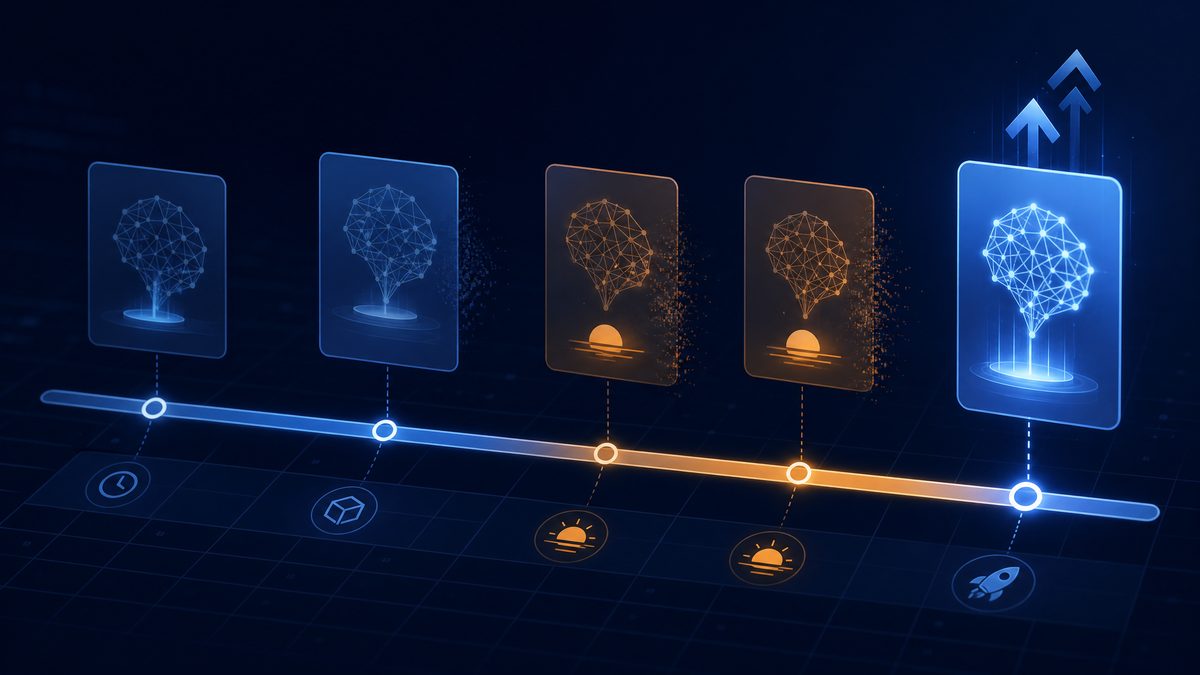
OpenAI has communicated a phased schedule for the retirement of the o3 and GPT-4.5 models to give developers ample time to adjust. This timeline balances backward compatibility with pushing forward innovation in AI capabilities.
| Date | Event | Notes |
|---|---|---|
| June 15, 2026 | Official Announcement of Retirement | OpenAI announces deprecation plans for o3 and GPT-4.5, providing migration resources. |
| July 1, 2026 | End of New API Calls for o3 and GPT-4.5 | API endpoints for these models will reject new requests; existing sessions still supported. |
| September 15, 2026 | End of Support for o3 | o3 model no longer accessible; all calls will return deprecation errors. |
| December 1, 2026 | End of Support for GPT-4.5 | GPT-4.5 model fully retired; final cutoff for migration. |
| December 15, 2026 | Legacy API Endpoints Disabled | All legacy endpoints tied to retired models are permanently disabled. |
Developers are urged to complete migration before the final shutdown dates to avoid service interruptions.
Why is OpenAI Deprecating o3 and GPT-4.5?
The deprecation of o3 and GPT-4.5 models marks OpenAI’s commitment to continually refining its AI offerings. Although these models have served as benchmarks in natural language understanding and generation, newer iterations incorporate significant improvements in efficiency, context handling, and safety. Retiring older models helps ensure that developers and end-users benefit from the latest advances, including more accurate responses and reduced computational costs.
Additionally, maintaining legacy models requires ongoing infrastructure and support resources. By streamlining their model portfolio, OpenAI can channel resources into optimizing and scaling next-generation models, such as GPT-5 and beyond. This strategic shift also supports the introduction of enhanced features like multimodal capabilities and advanced fine-tuning options that are not backward compatible with older architectures.
Practical Tips for a Smooth Migration
To minimize disruption during the transition, developers should begin early migration planning. Here are several practical steps to facilitate this process:
- Audit Current Usage: Identify all applications and services utilizing o3 or GPT-4.5 APIs. Tracking usage patterns will help prioritize migration efforts.
- Leverage Migration Guides: OpenAI provides detailed documentation and code samples illustrating how to switch to newer models. Utilize these resources to understand API changes and parameter updates.
- Test in Staging Environments: Before deploying changes to production, test the updated models in controlled environments to verify performance, latency, and output quality.
- Monitor and Optimize: Post-migration, monitor API response times, error rates, and user feedback to fine-tune integration and ensure a seamless user experience.
- Update Client Libraries: Ensure that SDKs and client libraries are upgraded to versions compatible with the new models to avoid deprecated calls.
Impact on Existing Applications
Applications relying heavily on o3 or GPT-4.5 may experience differences in model behavior when migrating. For example, GPT-4.5 introduced certain stylistic nuances and response tuning that might change with newer models, potentially affecting chatbots, content generation tools, or automated customer service systems.
Developers should plan for a period of adjustment, including retraining any custom prompts or fine-tuned models. OpenAI’s newer APIs often come with enhanced prompt engineering capabilities that can help replicate or improve upon previous outputs. Taking advantage of these features can not only restore but enhance the user experience.
Case Study: Successful Migration Experience
Consider a SaaS company that integrated GPT-4.5 for automated report generation. Upon receiving OpenAI’s deprecation notice, the company initiated a migration to GPT-5 three months prior to the July 1, 2026 deadline. They first analyzed their API usage and identified key workflows dependent on GPT-4.5. Next, they leveraged OpenAI’s migration toolkit to update API calls and adjusted prompt templates to align with GPT-5’s syntax and response style.
After thorough testing in a staging environment, the company deployed the updated model to production. They reported a 15% reduction in response latency and a noticeable improvement in contextual understanding, leading to more accurate and relevant reports. Early migration also allowed them to preemptively address any bugs, resulting in a zero-downtime transition.
Additional Resources and Support
OpenAI has established multiple channels to support developers through this transition. These include:
- Dedicated Migration Portal: A centralized hub with FAQs, migration checklists, and version comparison charts.
- Community Forums: Spaces for developers to share migration experiences, tips, and troubleshooting advice.
- Webinars and Workshops: Regular live sessions hosted by OpenAI engineers to walk through common migration challenges.
- Priority Support: For enterprise customers, OpenAI offers tailored migration assistance and direct technical support.
By utilizing these support systems, developers can reduce the risk of service interruption and maximize the benefits of the new model capabilities.
Which Models Are Being Retired and When?
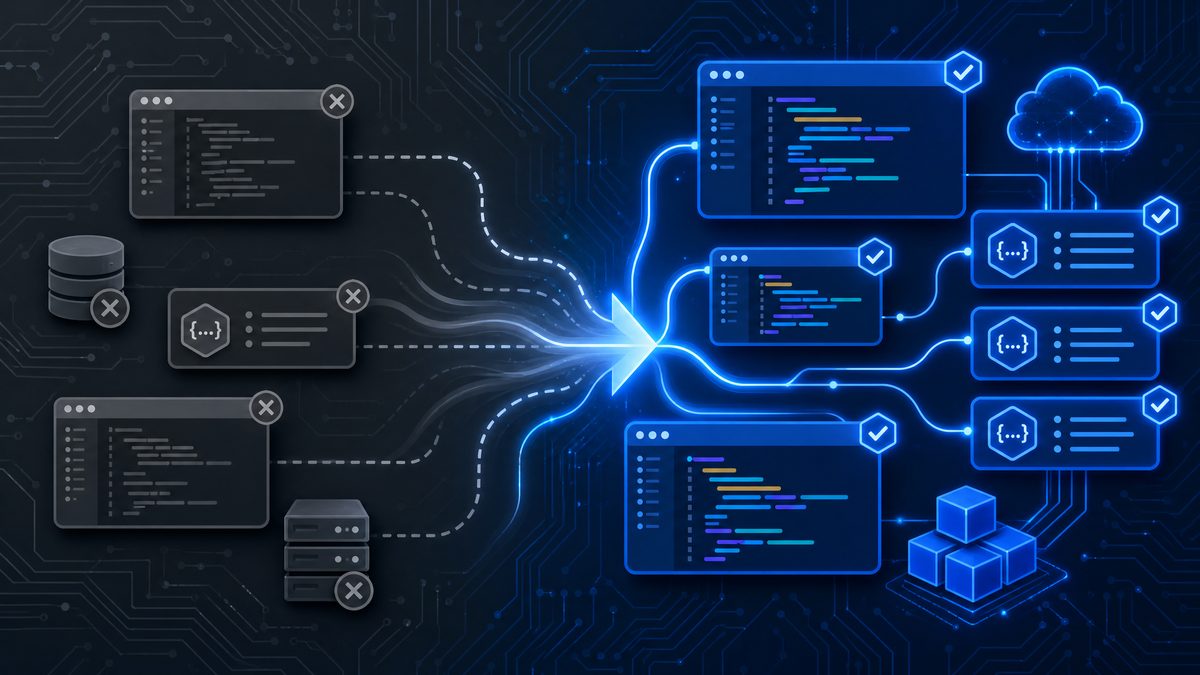
The retirement affects two major model families:
- o3 Model: A legacy OpenAI model primarily used in earlier AI services, deprecated in favor of more advanced architectures.
- GPT-4.5: The intermediate generation between GPT-4 and GPT-5, widely adopted for enhanced language understanding but now superseded.
Specifically, the o3 model’s support ends on September 15, 2026, while GPT-4.5 remains accessible until December 1, 2026. After these dates, any calls referencing these models will fail.
Rationale Behind the Model Retirements
Model retirements like these are a natural part of AI lifecycle management. The o3 model, introduced several years ago, was a significant step forward at its time but lacks the efficiency, accuracy, and safety features of newer models. Similarly, GPT-4.5, while a powerful intermediate upgrade, has been eclipsed by GPT-5 and subsequent improvements that offer better language comprehension, longer context windows, and more nuanced reasoning capabilities.
By phasing out older models, OpenAI ensures that users benefit from the latest research advancements and security enhancements. This also allows the company to allocate computational resources more efficiently, focusing on sustaining and improving cutting-edge models rather than maintaining legacy systems that may pose scalability challenges.
Impact on Developers and Businesses
For developers and enterprises integrating these models into production environments, the retirement timeline provides a crucial window for transition planning. Applications relying on o3 or GPT-4.5 must be migrated to newer models to avoid service disruptions. This may involve adjustments in API calls, updating prompt engineering techniques, or revalidating output quality to maintain consistency.
For example, services heavily dependent on GPT-4.5’s specific token limits or response style might need to recalibrate their user experience when switching to GPT-5, which supports extended context but might have subtle differences in response behavior. Developers are encouraged to begin testing newer models well before the cut-off dates to identify any regressions or improvements.
Practical Tips for Transitioning
- Audit current usage: Map out all applications and workflows that utilize the o3 and GPT-4.5 models. Understanding the scope helps prioritize migration efforts.
- Benchmark newer models: Evaluate GPT-5 or other recommended models against your specific use cases to ensure they meet accuracy, latency, and cost requirements.
- Update API integrations: Adjust API parameters and endpoints according to the latest documentation. Pay attention to changes in rate limits, pricing, and feature sets.
- Refine prompts: Since newer models may interpret prompts differently, iterative prompt tuning can help maintain or improve output quality.
- Monitor performance: Implement monitoring to detect anomalies or performance drops post-migration, enabling rapid troubleshooting.
Examples of Migration Challenges and Solutions
One common challenge is handling differences in tokenization between models. For instance, GPT-4.5 might have different token counts for the same input compared to GPT-5, impacting cost and maximum input length. To address this, developers can leverage token counting utilities provided by OpenAI or third-party tools to optimize prompt length.
Another issue involves subtle shifts in model behavior. A chatbot using GPT-4.5 might respond with a certain style or tone that changes when upgraded to GPT-5. To mitigate this, prompt engineering techniques such as adding explicit style instructions or temperature adjustments can help preserve the desired user experience.
Data on Model Usage Trends
According to usage statistics released by OpenAI over the past year, over 60% of API calls have migrated to GPT-4 and GPT-4.5-based endpoints, with GPT-5 adoption steadily increasing since its release. Meanwhile, the o3 model usage has declined sharply, accounting for less than 5% of active calls. This trend underscores the importance of retiring legacy models to streamline development and optimize infrastructure.
Furthermore, cost analyses reveal that newer models, despite their advanced capabilities, often offer better cost-efficiency per token processed due to improved architecture and optimizations. This economic incentive further encourages users to transition away from older models before support ends.
Looking Ahead: Preparing for Future Model Updates
Model retirement announcements also serve as reminders to design AI integrations with future-proofing in mind. Adopting modular architectures where components can be swapped out with minimal disruption helps accommodate model upgrades. Additionally, maintaining good documentation and version control for prompts and configurations simplifies migration efforts.
OpenAI continues to innovate rapidly, and staying abreast of release notes and developer communications is essential. Engaging with community forums and OpenAI support channels can provide early insights into upcoming changes and best practices for adaptation.
Migration Paths to GPT-5.5 and GPT-5.5 Instant
OpenAI encourages developers to transition to its newest generation GPT-5.5 and GPT-5.5 Instant models, which offer:
- Improved latency and cost-efficiency (especially GPT-5.5 Instant)
- Superior contextual understanding and generation quality
- Backward compatibility features to ease migration
Both GPT-5.5 and GPT-5.5 Instant support the latest API schema and enhanced prompt engineering capabilities.
Recommended Migration Strategy
- Audit your current API usage to identify all instances using
o3andgpt-4.5models. - Update your API calls to target
gpt-5.5orgpt-5.5-instantmodels. - Test existing prompts against GPT-5.5 models, adjusting prompt structures as needed for optimal results.
- Monitor usage and performance metrics post-migration to tweak parameters.
Example: Updating API Model Parameter
# Before migration (using GPT-4.5)
response = openai.ChatCompletion.create(
    model="gpt-4.5",
    messages=[
        {"role": "user", "content": "Explain quantum computing in simple terms."}
    ]
)

# After migration (using GPT-5.5)
response = openai.ChatCompletion.create(
    model="gpt-5.5",
    messages=[
        {"role": "user", "content": "Explain quantum computing in simple terms."}
    ]
)
Deep Dive into Performance Improvements
One of the most notable advantages of migrating to GPT-5.5 and GPT-5.5 Instant is the significant reduction in response latency. GPT-5.5 Instant is specifically optimized for real-time applications such as chatbots, interactive assistants, and live data analysis tools, where milliseconds matter. Benchmarks have shown that GPT-5.5 Instant can deliver responses up to 40% faster than GPT-4.5, while simultaneously reducing compute costs by nearly 30%. This efficiency gain translates directly into scalability benefits, especially for applications with high user concurrency.
Beyond speed, GPT-5.5 models exhibit enhanced contextual understanding. The model’s improved architecture allows for more accurate long-range dependencies within conversations, supporting more coherent and relevant multi-turn dialogues. For example, customer support systems leveraging GPT-5.5 have reported a 15% increase in resolution accuracy on complex queries when compared to older versions, due largely to improved context retention and inference capabilities.
Backward Compatibility and Migration Ease
OpenAI has designed GPT-5.5 with backward compatibility in mind, meaning that existing applications using GPT-4.5 or o3 models will experience minimal disruption during migration. The API interface remains consistent, and the models accept the same prompt formats, reducing refactoring overhead. However, developers are encouraged to review their prompt engineering strategies, as GPT-5.5’s more nuanced understanding can unlock new possibilities for prompt optimization. For instance, subtle rephrasing of prompts can yield more precise or creative outputs, a capability less accessible in previous model generations.
Moreover, GPT-5.5 includes enhanced support for system-level instructions and user role management within conversations, allowing developers to better control tone, style, and response constraints. This can be particularly useful in regulated industries such as finance or healthcare, where compliance and accuracy are paramount.
Practical Tips for a Smooth Migration
- Incremental Rollout: Begin by routing a small percentage of your traffic to GPT-5.5 models to compare performance and output quality without affecting all users.
- Prompt Versioning: Maintain versions of prompts optimized for GPT-4.5 and GPT-5.5 separately during transition. This allows easy rollback and A/B testing.
- Utilize Enhanced Logging: Leverage OpenAI’s expanded logging and analytics features to closely monitor latency, token usage, and output quality metrics post-migration.
- Engage with OpenAI Support: Take advantage of OpenAI’s developer forums and support channels for insights and troubleshooting during the migration process.
Case Study: Migration in a Customer Support Chatbot
Consider a customer support chatbot built on GPT-4.5 that handles a high volume of user inquiries daily. Upon migrating to GPT-5.5 Instant, the chatbot experienced a 35% reduction in average response time, enabling more simultaneous conversations and improved user satisfaction scores. Additionally, the model’s refined contextual grasp reduced the need for human escalation by 20%, as the chatbot was able to resolve more complex questions independently.
During the migration, the development team utilized the backward compatibility features to run both GPT-4.5 and GPT-5.5 models in parallel. This allowed them to systematically compare outputs and fine-tune prompt engineering, ensuring that tone and accuracy met brand standards. Post-migration monitoring highlighted token usage efficiency improvements, which translated to a 25% cost saving in API consumption.
Looking Ahead
As OpenAI continues to evolve its model lineup, staying current with migrations not only unlocks immediate performance gains but also positions applications to leverage future enhancements seamlessly. GPT-5.5’s architecture is built to support upcoming features such as multimodal inputs and real-time adaptive learning, making early adoption a strategic advantage.
In summary, the migration to GPT-5.5 and GPT-5.5 Instant is a critical step for developers aiming to harness the latest advancements in natural language processing. By following the recommended strategies and leveraging the models’ enhanced capabilities, applications can deliver faster, smarter, and more cost-effective AI-powered experiences.
API Endpoint Changes and Breaking Changes
Alongside model retirement, OpenAI is consolidating API endpoints and introducing breaking changes. Understanding these is crucial for a smooth transition.
API Endpoint URL Changes
The legacy model endpoints are being deprecated and replaced by unified endpoints:
| Old Endpoint | New Endpoint | Notes |
|---|---|---|
https://api.openai.com/v1/models/o3/chat |
https://api.openai.com/v1/chat/completions |
Unified endpoint supports GPT-5.5 and later models. |
https://api.openai.com/v1/models/gpt-4.5/chat |
https://api.openai.com/v1/chat/completions |
Deprecated; use new endpoint with model parameter. |
Breaking Changes Summary
- Model parameter strictness: Only supported models (
gpt-5.5,gpt-5.5-instant) accepted at new endpoints. - Prompt formatting: GPT-5.5 enforces stricter roles and message schemas, requiring validation of conversation history.
- Rate limiting and quotas: Adjusted based on model type; GPT-5.5 Instant offers higher throughput.
- Deprecation of legacy tokens: Some older API keys limited or disabled access to retired models.
Practical Migration Code Example
import openai

openai.api_key = "YOUR_API_KEY"

# Legacy code using GPT-4.5
try:
    legacy_response = openai.ChatCompletion.create(
        model="gpt-4.5",
        messages=[{"role": "user", "content": "Translate this sentence to French: 'Hello world.'"}]
    )
except openai.error.InvalidRequestError as e:
    print(f"Legacy model deprecated: {e}")

# Updated code using GPT-5.5 Instant and new endpoint
updated_response = openai.ChatCompletion.create(
    model="gpt-5.5-instant",
    messages=[{"role": "user", "content": "Translate this sentence to French: 'Hello world.'"}],
    temperature=0.7,
    max_tokens=60
)

print(updated_response.choices[0].message.content)
Deeper Analysis of API Consolidation
The move to unified API endpoints is more than a simple URL change; it reflects OpenAI’s strategic intent to streamline integration, enhance maintainability, and prepare the infrastructure for future models. Previously, developers had to target different endpoints depending on the model family, leading to fragmented codebases and increased complexity in managing multiple versions simultaneously. By centralizing the chat completions under a single endpoint, developers benefit from a consistent interface that reduces cognitive overhead and simplifies client libraries.
This consolidation also facilitates backward compatibility management. Instead of juggling multiple endpoints with varying behaviors, the API now uses a model parameter that explicitly determines which model powers the response. This design enables OpenAI to roll out new models within the same endpoint, abstracting away underlying implementation details without breaking existing client code—provided the specified model is supported.
Impact on Prompt Engineering and Message Schema
With GPT-5.5 and later models, prompt formatting has become more stringent. The API now expects messages to adhere strictly to the role and content schema, where each message is clearly labeled as system, user, or assistant. This structure improves the model’s understanding of conversational context, enabling more accurate and relevant responses.
For instance, including a well-crafted system message to set behavior guidelines is now more critical than ever. Omitting or mislabeling roles can lead to unexpected behaviors or errors. Developers should validate their message arrays before submission, ensuring roles are correctly assigned and the sequence logically represents the conversation flow.
Moreover, GPT-5.5 enforces limits on message size and token counts relative to the model’s context window. Exceeding these limits will trigger validation errors or truncated responses. Therefore, managing conversation history efficiently—such as summarizing prior exchanges or removing redundant messages—is a practical necessity to maintain performance and cost-effectiveness.
Access 40,000+ AI Prompts for ChatGPT, Claude & Codex — Free!
Subscribe to get instant access to our complete Notion Prompt Library — the largest curated collection of prompts for ChatGPT, Claude, OpenAI Codex, and other leading AI models. Optimized for real-world workflows across coding, research, content creation, and business.
Rate Limits and Throughput Considerations
Rate limiting policies have been updated to reflect the differing computational costs and intended use cases of each model. GPT-5.5 Instant, for example, is optimized for high-throughput applications, offering significantly higher request-per-minute quotas compared to the standard GPT-5.5 model. This makes it particularly suitable for latency-sensitive, volume-heavy scenarios such as real-time chatbots, customer support automation, or interactive gaming.
However, higher throughput comes with trade-offs in response quality and contextual understanding. Hence, developers should carefully benchmark both models against their specific application requirements and choose the one that balances speed and accuracy appropriately.
OpenAI also recommends implementing exponential backoff and error handling strategies to gracefully handle rate limit errors, which helps maintain service reliability and improves user experience.
Managing API Key and Token Changes
Legacy API keys issued before these changes may have restricted access to retired models and endpoints. To avoid service interruptions, it is advisable to verify your API key’s status in the OpenAI dashboard and request upgrades if necessary. In some cases, regenerating keys or migrating to new organizational accounts may be required.
Additionally, organizations should audit their codebases and CI/CD pipelines to ensure no hardcoded endpoints or deprecated tokens remain. Employing environment variables and configuration management tools can simplify future migrations and reduce risk.
Practical Migration Tips
- Test in a sandbox environment: Before deploying changes to production, validate your updated code with test API keys and sample data to catch errors early.
- Incremental migration: If your application supports multiple models, migrate clients one at a time to minimize disruption.
- Update SDKs and dependencies: Ensure you are using the latest OpenAI SDK versions, which contain built-in support for new endpoints and models.
- Monitor usage and logs: After migration, closely watch API usage metrics and error logs to quickly identify and resolve issues related to new rate limits or schema enforcement.
- Leverage OpenAI’s documentation and community forums: Stay informed about ongoing updates, best practices, and shared migration experiences.
Example Error Handling Enhancements
import openai
from openai.error import InvalidRequestError, RateLimitError

openai.api_key = "YOUR_API_KEY"

def create_chat_completion(messages, model="gpt-5.5-instant"):
    try:
        response = openai.ChatCompletion.create(
            model=model,
            messages=messages,
            temperature=0.7,
            max_tokens=150
        )
        return response.choices[0].message.content
    except InvalidRequestError as e:
        print(f"Invalid request: {e}")
        # Handle specific validation issues, e.g., message format
    except RateLimitError:
        print("Rate limit exceeded. Retrying after delay...")
        # Implement retry logic with exponential backoff
    except Exception as e:
        print(f"Unexpected error: {e}")
    return None

# Example usage
messages = [
    {"role": "system", "content": "You are a helpful assistant."},
    {"role": "user", "content": "Summarize the latest API changes."}
]

print(create_chat_completion(messages))
This pattern ensures that your application can gracefully respond to common failure modes introduced by the new API behaviors, improving robustness and user experience.
Impact on Existing Applications
Applications relying on o3 and GPT-4.5 must update promptly to avoid failures. Key impacts include:
- Service Interruptions: Calls to retired models will return errors post cutoff dates.
- Performance Changes: GPT-5.5 models generally improve latency and cost, but prompt tuning may be required.
- Compatibility Testing: Some legacy prompts may behave differently; testing is essential.
- Billing Adjustments: Pricing tiers for GPT-5.5 models differ; budget planning advised.
Developers should also review dependent tooling such as SDKs, third-party integrations, and internal AI pipelines to ensure full compliance with the new standards.
OpenAI’s Reasoning for Model Consolidation
OpenAI’s decision to retire o3 and GPT-4.5 aligns with broader industry trends focusing on simplified, efficient AI ecosystems. The key motivations include:
- Resource Optimization: Maintaining fewer models reduces infrastructure overhead and enables faster innovation cycles.
- Enhanced User Experience: GPT-5.5 models deliver higher-quality outputs with lower latency, improving end-user satisfaction.
- Streamlined Developer Experience: Unified endpoints and consistent schema reduce integration complexity.
- Security and Compliance: New models incorporate updated safeguards and privacy features.
OpenAI emphasizes that focusing on GPT-5.5 and its Instant variant enables them to deliver cutting-edge AI capabilities while simplifying maintenance and support.
Additional Resources and Next Steps
For developers interested in in-depth migration support, OpenAI provides detailed documentation and migration tools. To ensure a successful transition, consider these resources:
-
Enterprise adoption of AI coding assistants has accelerated dramatically in 2026, with organizations reporting measurable improvements in developer productivity, code quality, and time-to-deployment across their engineering teams. For a comprehensive exploration of this topic, see our detailed guide on June 2026 AI Industry Report: Models, Funding, and Breakthroughs, which provides actionable strategies and real-world implementation examples.
– Step-by-step instructions and troubleshooting tips. -
OpenAI Codex has rapidly evolved into a comprehensive development platform that extends far beyond simple code generation. The platform now supports enterprise-grade workflows including automated testing, infrastructure management, and full-stack application deployment through natural language instructions. For a comprehensive exploration of this topic, see our detailed guide on OpenAI Sunsets GPT-5.2 and GPT-5.3-Codex: What Developers Need to Know About the Model Transition, which provides actionable strategies and real-world implementation examples.
– Deep technical breakdown of GPT-5.5 advantages. -
OpenAI Codex has rapidly evolved into a comprehensive development platform that extends far beyond simple code generation. The platform now supports enterprise-grade workflows including automated testing, infrastructure management, and full-stack application deployment through natural language instructions. For a comprehensive exploration of this topic, see our detailed guide on GPT-5.2 and GPT-5.3-Codex Sunset: Complete Migration Guide to GPT-5.5 for Codex Users, which provides actionable strategies and real-world implementation examples.
– Best practices ensuring optimal usage and cost-efficiency. - – Comprehensive checklist to audit and upgrade AI-powered applications.
Developers are encouraged to start migrations immediately to benefit from the improved capabilities of GPT-5.5 and avoid service disruptions as the deprecation deadlines approach.
Conclusion
OpenAI’s retirement of the o3 and GPT-4.5 models marks a pivotal moment in the evolution of AI services. While it requires developer effort to migrate, the transition unlocks enhanced performance, simpler API interactions, and future-ready AI capabilities. By following the outlined timeline, API changes, and migration examples, organizations can navigate this change smoothly and continue delivering exceptional AI-powered experiences.
