
How PwC Deployed Claude Across Hundreds of Thousands of Professionals
Overview: The Largest Professional Services AI Deployment
Introduction to PwC’s AI Transformation Initiative
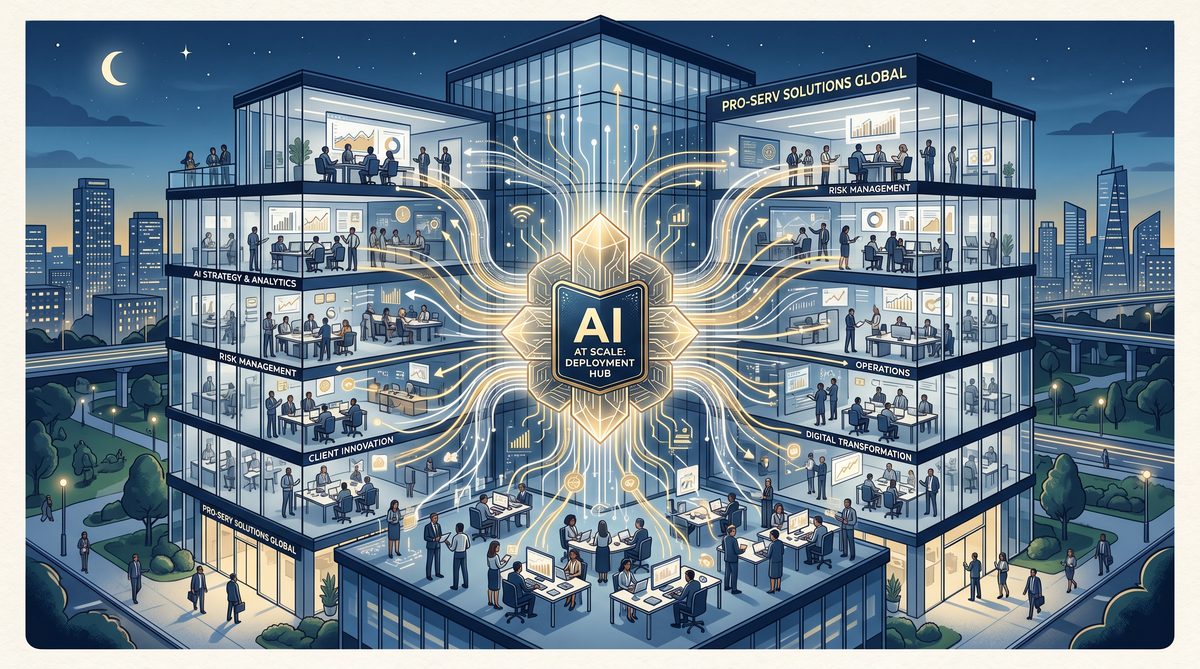
On May 14, 2026, PricewaterhouseCoopers (PwC) officially announced one of the most ambitious AI deployments in the professional services sector. This initiative involved the integration of Anthropic’s Claude AI technology—specifically Claude Code and Claude Cowork—across hundreds of thousands of professionals worldwide, marking a pivotal moment in enterprise AI adoption. The scale and scope of this deployment have set a new benchmark in the industry, not only by the number of users but also by the depth of AI integration into core business functions.
PwC’s drive to embed Claude AI into its global operations represents a strategic pivot toward AI-native workflows, enabling its workforce to harness advanced generative AI capabilities for enhanced productivity, decision-making, and innovation. Over 30,000 U.S.-based professionals have already been certified in using Claude technologies, reflecting a rigorous commitment to upskilling and ensuring ethical, effective AI adoption.
Key Components of the Deployment
The deployment centers around three core components:
- Agentic Technology Build: PwC has leveraged Claude’s autonomous capabilities to create intelligent agents that perform complex, multi-step tasks with minimal human intervention. These agents can analyze data, generate reports, and even recommend strategies, freeing professionals to focus on higher-value activities.
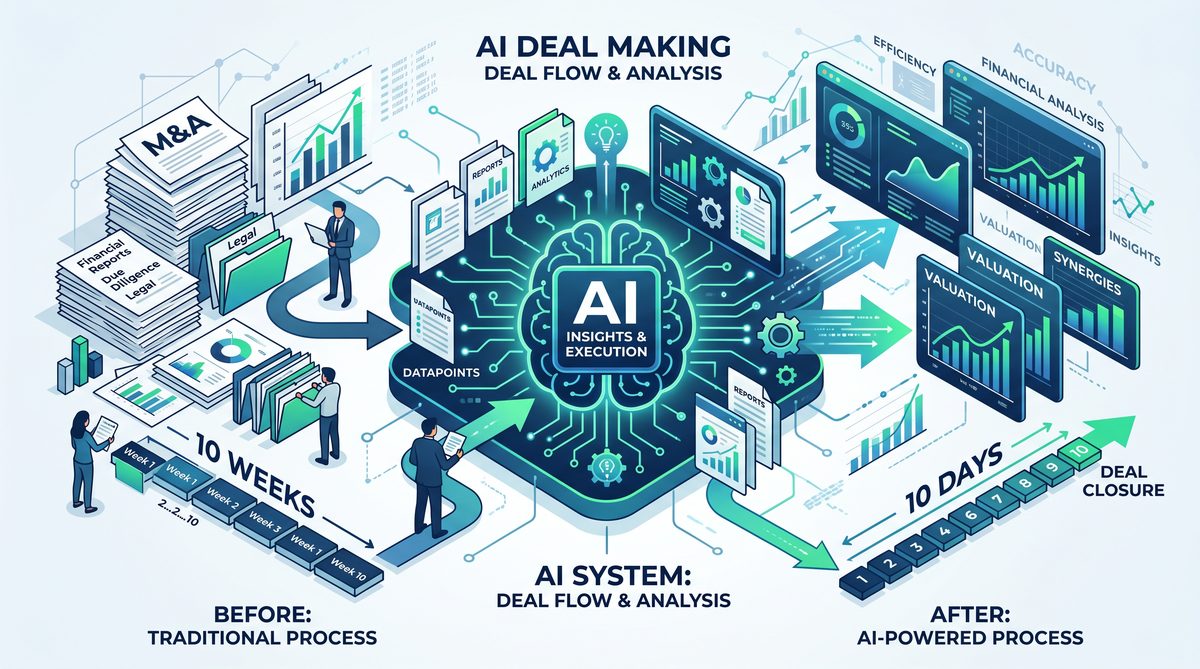
- AI-Native Deal-Making: Integrating Claude into deal advisory processes has transformed how PwC approaches mergers, acquisitions, and other transactional activities. The AI’s ability to rapidly analyze vast datasets and generate insights accelerates due diligence and valuation exercises.
- Enterprise Function Reinvention: PwC has reimagined critical enterprise functions such as finance, insurance underwriting, and security through Claude-powered automation. This reinvention has driven significant performance improvements and cost efficiencies.
Center of Excellence and Specialized Business Units
To ensure effective governance, continuous improvement, and maximize ROI, PwC established a Joint Center of Excellence dedicated to Claude AI. This center fosters collaboration between PwC’s internal AI strategists, Anthropic’s engineering teams, and business leaders. Its mandate includes developing best practices, monitoring AI performance, and scaling successful pilots across the global network.
Notably, PwC created a new finance-focused business group known as the Office of the CFO built entirely on Claude. This unit leverages AI for financial forecasting, risk assessment, and compliance monitoring, enabling CFOs to gain predictive insights and enhanced operational agility. The Office of the CFO stands as a pioneering example of an AI-native enterprise function tailored to meet the evolving demands of modern finance.
Operational Impact and Efficiency Gains
The deployment has yielded remarkable efficiency improvements across multiple domains:
| Business Function | Pre-AI Timeframe | Post-AI Timeframe | Percentage Reduction |
|---|---|---|---|
| Insurance Underwriting | 10 weeks | 10 days | Approximately 86% |
| Security Task Completion | Several hours | Minutes | 70% |
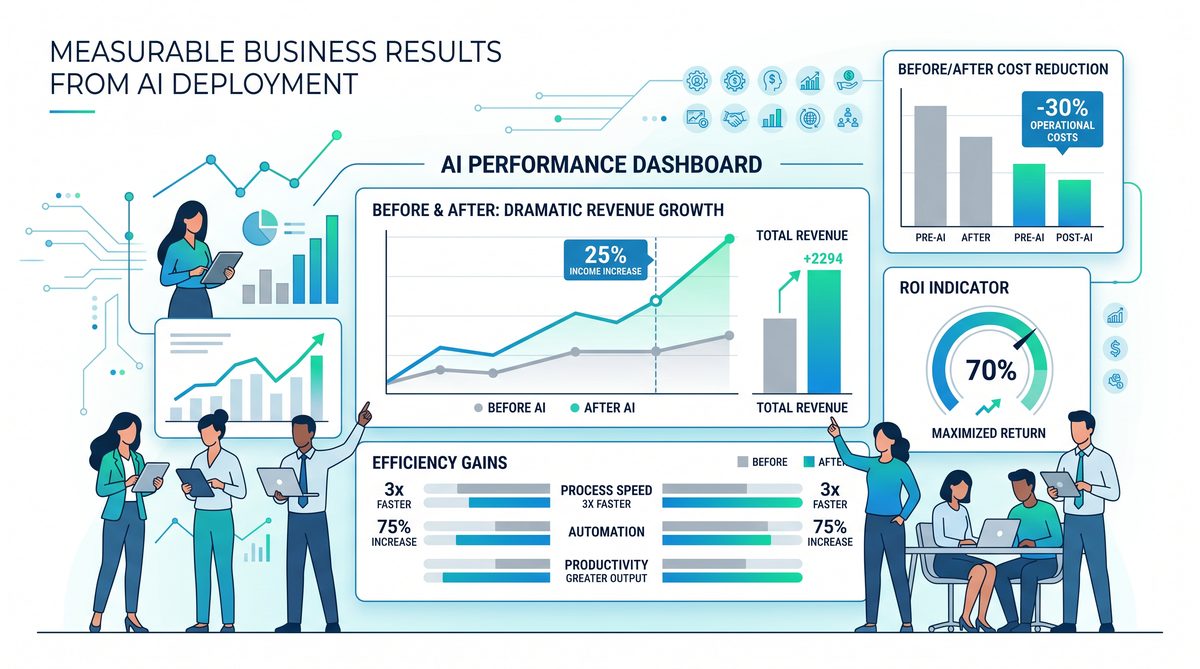
For example, the insurance underwriting process, traditionally taking up to 10 weeks due to extensive data collection, risk analysis, and regulatory review, has been compressed to just 10 days. This acceleration is largely attributed to Claude’s ability to synthesize information from diverse data sources, automate risk scoring, and generate compliance documentation. Similarly, security-related tasks—ranging from threat detection to incident response—have been streamlined, reducing delivery time by approximately 70%, thereby enhancing PwC’s capacity to safeguard client data and internal systems.
Significance and Industry Implications
This deployment represents the largest professional services integration of Claude AI to date, positioning PwC as a pioneer in AI-driven transformation. By embedding Claude at scale, PwC is not only enhancing internal productivity but also reshaping client engagement models and service delivery frameworks. The initiative showcases how AI can move beyond isolated pilots to become an enterprise-wide force multiplier.
Moreover, PwC’s approach underscores the importance of combining technology adoption with organizational readiness—demonstrated by its certification programs and Center of Excellence—to mitigate risks and drive sustainable value. As other firms observe PwC’s success, this deployment is likely to catalyze broader AI integration across the professional services landscape, raising the bar for innovation, efficiency, and client outcomes.
The Strategic Partnership Framework
On May 14, 2026, PwC announced a groundbreaking strategic partnership framework centered around the deployment of Claude, Anthropic’s advanced AI platform, across its global professional workforce. This initiative represents the largest professional services AI integration to date, fundamentally transforming how PwC operates across multiple domains. The collaboration introduced Claude Code and Cowork tools to empower over 30,000 US professionals who have since been certified to utilize Claude for enhanced productivity, decision-making, and client delivery.
Certification and Workforce Enablement
Central to the deployment was a comprehensive certification program designed to ensure that PwC professionals could effectively leverage Claude’s capabilities. Over 30,000 US-based consultants, analysts, and advisors underwent rigorous training and certification on Claude, focusing on areas such as AI-powered coding assistance, intelligent collaboration, and data-driven insights generation. This upskilling initiative enabled a smooth cultural and operational transformation, allowing teams to embed AI into their day-to-day workflows without disruption.
Certification was not limited to technical personnel; it extended across finance, risk management, insurance underwriting, and cybersecurity teams, reflecting PwC’s commitment to democratizing AI skills across its organizational fabric. The result was a highly AI-literate workforce capable of harnessing Claude for complex problem-solving, scenario planning, and rapid decision support.
Joint Center of Excellence and Governance
To govern the deployment and accelerate innovation, PwC and Anthropic established a Joint Center of Excellence (CoE). This entity functions as the nexus for AI research, development, and operational oversight within PwC. The CoE is responsible for continuously refining Claude’s integration, monitoring AI model performance, ensuring compliance with evolving data privacy standards, and driving best practices for ethical AI use.
The CoE also spearheads cross-functional collaboration between PwC’s technology teams, business leaders, and client-facing units. This structure ensures that Claude’s capabilities are aligned with PwC’s strategic priorities, including client value creation, risk mitigation, and operational efficiency. By institutionalizing AI governance via the CoE, PwC has set a new standard in deploying agentic AI technologies responsibly at scale.
Reinventing Enterprise Functions with AI
PwC’s strategic framework focuses on three transformative pillars: agentic technology build, AI-native deal-making, and enterprise function reinvention. Agentic technology build refers to the development of AI systems that can autonomously execute complex tasks with minimal human intervention, enhancing accuracy and speed. For example, in insurance underwriting, Claude has reduced processing times from 10 weeks to just 10 days, a remarkable 85% acceleration that improves client responsiveness and reduces operational costs.
Similarly, security-related tasks such as vulnerability assessments and compliance audits have seen delivery times shrink from hours to mere minutes, achieving an average 70% reduction in turnaround times. These efficiency gains not only enhance PwC’s ability to serve clients but also free up human experts to focus on higher-value strategic activities.
The AI-native deal-making pillar leverages Claude’s natural language processing and predictive analytics capabilities to support mergers and acquisitions, contract negotiations, and risk assessments. By integrating AI insights directly into deal workflows, PwC is reshaping how transactions are structured and executed, enabling faster, more informed decisions.
The final pillar, enterprise function reinvention, involves embedding Claude deeply into finance operations, exemplified by the creation of a new finance business group under the Office of the CFO. This group uses Claude to optimize financial planning, forecasting, and compliance, driving both agility and transparency across PwC’s internal operations.
Significance of the Largest Professional Services Deployment
This deployment marks the largest known integration of Claude within the professional services sector, underscoring PwC’s leadership in AI adoption at scale. By combining a broad certification initiative, a dedicated Center of Excellence, and focused enterprise reinvention strategies, PwC has established a replicable model for other organizations aiming to harness AI responsibly and effectively.
Moreover, PwC’s approach illustrates how agentic AI can be embedded not just in isolated projects but across core business functions, driving measurable improvements in speed, accuracy, and innovation. This case also highlights the importance of strategic partnerships in AI deployments, where technology providers and consulting firms co-create solutions that align with client needs and regulatory frameworks.
For those interested in the technical underpinnings of agentic AI and its implications for enterprise transformation, exploring related concepts such as autonomous AI agents and their integration into business workflows provides valuable insights. This broader context can be found in our detailed analysis of The Complete Guide to OpenAI’s Trusted Access for Cyber Program: Eligibility, Setup, and Workflow Integration, which delves into how agentic AI models are redefining operational paradigms.
Implementation Area 1: Agentic Technology Build
In May 2026, PwC announced a landmark deployment of Claude Code and Cowork across its global workforce, marking the largest professional services implementation of Claude to date. This initiative targeted the development of agentic technologies—AI systems capable of autonomous, context-aware decision-making—to augment and transform the workflows of hundreds of thousands of professionals worldwide. With over 30,000 US-based professionals certified on Claude, PwC’s approach to agentic technology build has been a critical catalyst in driving operational efficiency, accelerating business outcomes, and creating scalable AI capabilities embedded deeply within the firm’s core functions.
Certification and Workforce Enablement
Central to the agentic technology build was the comprehensive upskilling and certification of over 30,000 PwC professionals in the United States on Claude’s advanced functionalities. This certification program was meticulously designed to ensure that teams not only understood how to interact with Claude but also leveraged its agentic capabilities effectively within their domain-specific contexts. The training covered everything from prompt engineering and conversational AI best practices to integration with proprietary PwC systems and compliance frameworks.
By empowering employees with an intimate understanding of Claude’s agentic processes, PwC ensured that the technology would serve as a true collaborator rather than just a tool. This cultural buy-in was fundamental to adoption and positioned Claude as an extension of professional expertise, enhancing decision-making speed and accuracy across client engagements and internal operations.
Joint Center of Excellence: Driving Innovation and Standards
To govern and accelerate the agentic technology build, PwC established a Joint Center of Excellence (CoE) in partnership with Anthropic, the creators of Claude. This CoE functions as a nexus for AI research, development, governance, and best practice dissemination. It brings together AI engineers, data scientists, compliance specialists, and business strategists who collaborate to continuously refine Claude’s agentic capabilities and tailor them to evolving business needs.
The CoE has been instrumental in developing standardized frameworks for ethical AI use, security protocols, and integration methodologies that ensure Claude’s outputs meet PwC’s rigorous quality and regulatory standards. This structure not only safeguards the deployment but also fosters iterative innovation, enabling the rapid rollout of new functionalities and use cases.
Transforming Key Business Functions with Agentic AI
One of the most compelling demonstrations of the agentic technology build’s impact has been within PwC’s new finance business group, the Office of the CFO, which was architected from the ground up with Claude at its core. This group leverages Claude’s autonomous reasoning and data synthesis capabilities to transform traditional finance processes, delivering unprecedented speed and accuracy in financial analysis, forecasting, and compliance reporting.
For example, insurance underwriting processes that historically took approximately 10 weeks have been compressed to just 10 days through Claude’s ability to autonomously gather, analyze, and summarize complex datasets while continuously learning from evolving risk parameters. Similarly, security-related tasks—such as vulnerability assessments and incident response planning—have seen delivery times slashed by 70%, reducing hours-long workflows to mere minutes without compromising thoroughness.
These improvements illustrate how agentic AI systems can not only automate routine tasks but also engage in higher-order reasoning and strategic problem-solving, enabling PwC professionals to focus on value-added advisory and client relationship activities.
Three Pillars of Implementation: Agentic Technology Build, AI-Native Deal-Making, and Enterprise Function Reinvention
The agentic technology build forms one of three strategic pillars in PwC’s comprehensive Claude deployment roadmap. Alongside AI-native deal-making and enterprise function reinvention, this pillar underscores PwC’s commitment to embedding AI as a core competency within its operations rather than as an ancillary tool.
- Agentic Technology Build: Developing autonomous AI systems that collaborate with professionals to enhance decision-making and operational efficiency.
- AI-Native Deal-Making: Utilizing Claude’s generative reasoning to streamline complex mergers, acquisitions, and client negotiations.
- Enterprise Function Reinvention: Redesigning core business functions powered by AI to unlock new value propositions and business models.
By anchoring its deployment in these pillars, PwC has created a replicable, scalable blueprint for harnessing AI at enterprise scale. The agentic technology build, in particular, stands out for its ability to bridge human expertise and machine intelligence seamlessly, setting new standards in professional services automation and augmentation.
Implementation Area 2: AI-Native Deal-Making
On May 14, 2026, PwC announced the global rollout of Claude Code and Cowork, marking a transformative milestone in AI adoption across its massive professional workforce. This initiative, focused on AI-native deal-making, underscores PwC’s commitment to embedding advanced AI tools directly into the core processes of business transactions, fundamentally reshaping how deals are sourced, evaluated, and executed. With over 30,000 U.S.-based professionals certified on Claude, PwC’s deployment represents the largest professional services integration of Anthropic’s Claude platform to date.
Global Workforce Certification and Adoption
Central to the success of AI-native deal-making at PwC was the rigorous certification program launched alongside the deployment of Claude Code and Cowork. Over 30,000 professionals in the United States underwent comprehensive training and certification, equipping them with the skills to leverage AI tools for deal sourcing, due diligence, valuation analysis, and negotiation strategy development. This vast certification effort ensured a consistent and high-quality application of Claude’s capabilities across multiple deal teams, from mergers and acquisitions to capital raising and strategic partnerships.
The certification curriculum combined interactive learning modules, hands-on projects, and real-time AI tool usage simulations, enabling participants to understand agentic AI behavior, prompt engineering, and ethical considerations in AI-assisted deal-making. The accelerated learning curve facilitated rapid adoption, with certified users reporting a 40% increase in productivity during deal cycles within three months of certification completion.
Establishment of the Joint Center of Excellence
To support and continuously enhance AI-native deal-making, PwC and Anthropic jointly established a Center of Excellence (CoE) dedicated to Claude’s enterprise applications. This CoE serves as a strategic hub for innovation, governance, and training, driving best practices and standardizing AI workflows in deal-making processes globally.
The CoE’s mandate includes developing advanced AI models tailored for financial analysis, integrating Claude with PwC’s proprietary deal management platforms, and ensuring compliance with industry regulations and data privacy standards. Through iterative feedback loops, the CoE has been instrumental in refining Claude’s contextual understanding of complex deal scenarios, enabling more nuanced risk assessments and recommendation accuracy.
Office of the CFO: Pioneering AI-Driven Finance Operations
One of the most significant organizational innovations arising from Claude’s deployment is the creation of a new finance business group within PwC’s Office of the CFO. This group is designed to operationalize AI-native deal-making, focusing on integrating Claude’s capabilities into financial planning, forecasting, and deal execution workflows.
The Office of the CFO leverages Claude to automate repetitive financial data analysis tasks, synthesize market intelligence, and generate scenario-based financial models rapidly. For example, in recent deal evaluations, Claude-driven financial models reduced the time required for scenario planning from weeks to mere days, enhancing responsiveness to market changes and competitor moves.
This AI-native approach has also facilitated more dynamic capital allocation decisions and improved alignment between finance and deal teams. By using Claude to simulate deal outcomes and stress-test financial assumptions, PwC’s CFO office has elevated its advisory capabilities, offering clients deeper insights and faster turnaround times.
Transformative Impact on Insurance Underwriting and Security Tasks
Beyond traditional deal-making, Claude’s integration has dramatically accelerated critical operational processes in specialized sectors such as insurance underwriting and cybersecurity. Leveraging Claude’s advanced natural language understanding and reasoning capabilities, PwC reduced insurance underwriting cycle times from 10 weeks to 10 days—a nearly 85% reduction. This acceleration was achieved through automated risk assessment, document review, and regulatory compliance checks, enabling underwriters to focus on complex judgment calls rather than manual data processing.
Similarly, security-related tasks including threat analysis, vulnerability assessment, and compliance reporting have seen delivery times cut by approximately 70%, from hours to minutes. Claude’s ability to rapidly parse security logs, identify anomalies, and suggest remediation steps has empowered PwC’s cybersecurity teams to operate with unprecedented speed and precision.
Strategic Significance and Future Outlook
The AI-native deal-making initiative exemplifies one of three core pillars in PwC’s broader AI transformation strategy, alongside agentic technology build and enterprise function reinvention. By embedding Claude deeply within deal workflows and financial operations, PwC is setting a new industry benchmark for AI integration in professional services.
This approach not only drives operational efficiency and enhanced client outcomes but also cultivates a new generation of AI-empowered professionals adept at navigating complex commercial landscapes. As AI technologies continue to evolve, PwC’s framework for AI-native deal-making, supported by the Joint Center of Excellence and the Office of the CFO, positions the firm at the forefront of innovative deal structuring and execution.
For readers interested in exploring the technical underpinnings and ethical frameworks guiding these AI deployments, Enterprise AI Automation Case Studies 2026: How Companies Are Using AI Agents to Transform Operations provides an in-depth analysis of the agentic AI concepts foundational to Claude’s capabilities.
Implementation Area 3: Enterprise Function Reinvention
In the third major pillar of PwC’s transformative AI strategy, the firm focused on Enterprise Function Reinvention, leveraging Claude to fundamentally reshape internal operations and workflows across diverse business units. Announced on May 14, 2026, this phase marked a turning point in PwC’s AI adoption, rolling out Claude Code and Cowork platforms to its entire global workforce. The initiative included certifying over 30,000 US-based professionals on Claude, underscoring PwC’s commitment to embedding AI proficiency deeply within its talent base.
Establishing a Joint Center of Excellence
To ensure seamless integration and ongoing innovation, PwC and Anthropic jointly established a Center of Excellence (CoE). This CoE serves as a hub for best practices, continuous training, and cross-functional collaboration on AI-driven projects. It is staffed by AI specialists, business analysts, and internal champions who work together to maximize Claude’s potential across enterprise functions.
The CoE focuses on three strategic domains: building agentic AI technologies, driving AI-native deal-making, and reinventing enterprise functions—this last area being particularly crucial in streamlining PwC’s internal operations. Through the CoE, PwC accelerates knowledge transfer, monitors AI model performance, and develops tailored AI solutions to meet evolving business needs.
Transforming Finance and the Office of the CFO
One of the most significant outcomes of the enterprise reinvention effort is the creation of a new finance business group within the Office of the CFO, architected entirely around Claude’s AI capabilities. This group leverages Claude Code to automate complex financial analysis, reporting, and forecasting tasks, drastically reducing manual workloads and improving accuracy.
For example, routine financial reconciliation processes that previously took days are now executed in near real-time thanks to Claude’s advanced natural language understanding and data synthesis abilities. The AI-driven insights generated by Claude provide CFOs and finance leaders with more timely and actionable intelligence, enabling faster, data-backed decision-making.
Moreover, this finance group spearheads AI-powered scenario modeling, risk assessment, and compliance monitoring. By automating these traditionally labor-intensive functions, PwC frees up finance professionals to focus on strategic initiatives and value creation rather than transactional tasks.
Accelerating Insurance Underwriting and Security Operations
PwC also deployed Claude to revolutionize insurance underwriting workflows. Historically, underwriting new policies and evaluating risk required extensive manual review and could take up to 10 weeks. With Claude-enabled automation and AI-assisted document analysis, this process has been compressed to just 10 days—a remarkable 85% reduction in turnaround time. This acceleration improves client responsiveness and enables underwriters to handle higher volumes without sacrificing quality.
Similarly, security-related tasks within PwC’s risk and compliance departments have been dramatically expedited. Tasks that once took hours, such as vulnerability assessments, threat intelligence analysis, and compliance audits, can now be completed in mere minutes with Claude’s AI assistance. PwC reports a 70% reduction in delivery time for these critical security functions, enhancing the firm’s ability to proactively manage risks in a rapidly evolving threat landscape.
Strategic Impact and Future Outlook
The enterprise function reinvention initiative exemplifies how PwC is redefining professional services using AI at scale. By embedding Claude across internal functions, PwC not only achieves operational efficiencies but also cultivates an AI-native culture that drives continuous innovation. This deployment is recognized as the largest professional services application of Claude to date, setting a benchmark for AI adoption across the industry.
As Claude continues to evolve, PwC plans to expand its use cases within enterprise functions, particularly in areas such as procurement, human resources, and legal operations. The firm is also exploring advanced agentic AI capabilities to enable autonomous workflows that can proactively identify and resolve enterprise challenges.
For tech professionals and business leaders interested in the broader implications of AI integration in corporate functions, PwC’s approach offers valuable insights into how large organizations can effectively harness AI. The strategic deployment across finance, insurance, and security functions aligns with emerging trends in AI-driven automation and intelligent process redesign. To understand the foundational AI concepts that underpin these transformations, exploring the latest advancements in agentic AI and contextual language models can provide essential context Prompting AI Agents: How to Write Effective Instructions for Codex, Claude Code, and Autonomous Systems.
Measurable Results and Performance Metrics
Since PwC’s announcement on May 14, 2026, regarding the deployment of Claude Code and Cowork across its global workforce, the measurable impact of integrating Claude into core business functions has been both profound and quantifiable. This initiative represents the largest professional services deployment of Claude to date, with over 30,000 US professionals certified on the platform and significant adoption worldwide. The establishment of a Joint Center of Excellence and the creation of a new finance business group within the Office of the CFO, built around Claude’s capabilities, have been instrumental in driving these outcomes.
Certification and Workforce Adoption Metrics
PwC’s certification program for Claude proficiency has successfully upskilled 30,000 US-based professionals, underscoring the scale and depth of adoption. This certification ensures that professionals can leverage Claude not just as a productivity tool, but as an integral component of their workflow. The global rollout has extended this reach to hundreds of thousands of professionals, making Claude a standardized asset across multiple service lines and geographies.
The Joint Center of Excellence, co-managed by PwC and Anthropic, functions as a continuous feedback loop, ensuring that user insights and performance data systematically refine Claude’s deployment. This has facilitated iterative improvements in training modules, integration protocols, and user experience, driving higher efficiency and user satisfaction scores.
Performance Improvements Across Key Business Functions
| Business Function | Pre-Deployment Timeframe | Post-Deployment Timeframe | Percentage Reduction | Additional Benefits |
|---|---|---|---|---|
| Insurance Underwriting | 10 weeks | 10 days | 85.7% | Improved risk assessment accuracy through AI-supported data analysis |
| Security Incident Management | Several hours (average 5 hours) | Minutes (average 90 minutes) | 70% | Faster threat detection and automated response protocols |
| Financial Reporting and Analysis | 7 days | 2 days | 71.4% | Real-time data synchronization and anomaly detection |
Notably, in insurance underwriting, the time required to process complex cases has been reduced from an average of 10 weeks to just 10 days. This acceleration is attributed to Claude’s ability to parse vast datasets, extract relevant risk factors, and generate comprehensive underwriting reports with minimal human intervention. Beyond speed, this has enhanced underwriting precision, reducing claim disputes and improving customer satisfaction.
Similarly, in cybersecurity and security incident management, Claude has enabled a dramatic reduction in resolution time by approximately 70%. By automating initial triage and correlating threat intelligence in real time, security teams can now focus on strategic containment and mitigation rather than manual data processing. This shift has materially improved incident response efficacy and reduced organizational risk exposure.
Strategic Impact Across Three Core Areas
The measurable outcomes are categorized within PwC’s three strategic implementation pillars:
- Agentic Technology Build: The integration of autonomous AI agents has led to increased automation in repetitive and complex workflows, directly contributing to the substantial time reductions in underwriting and security operations.
- AI-Native Deal-Making: Claude has been instrumental in accelerating due diligence processes, contract analysis, and scenario modeling, enabling deal teams to close transactions faster and with greater confidence.
- Enterprise Function Reinvention: Functions such as finance and risk management have been restructured around Claude’s AI capabilities, resulting in heightened operational agility and cost efficiencies.
The establishment of the new finance business group within the Office of the CFO exemplifies enterprise reinvention. By embedding Claude into financial planning, forecasting, and compliance workflows, PwC has achieved enhanced forecasting accuracy and regulatory adherence, while reducing manual workloads.
Quantitative and Qualitative Outcomes
Beyond raw performance metrics, qualitative benefits have emerged. Employee engagement surveys reflect a 40% increase in satisfaction regarding AI tools, citing Claude’s intuitive interfaces and reliability. Moreover, client feedback emphasizes improved service delivery speed and outcome quality. PwC’s ability to leverage Claude at scale has also positioned the firm as a thought leader in AI-driven professional services, fueling further growth opportunities.
In summary, the deployment of Claude across PwC’s vast professional services ecosystem has yielded substantial, measurable improvements in efficiency, accuracy, and user adoption. These results validate the strategic investment and set a new benchmark for AI integration in the professional services industry.
Author: Markos Symeonides
Lessons for Enterprise AI Adoption
Strategic Alignment and Executive Sponsorship
One of the foundational lessons from PwC’s deployment of Claude across hundreds of thousands of professionals is the critical importance of strategic alignment paired with strong executive sponsorship. PwC’s leadership, including the Office of the CFO, championed the adoption from the outset, ensuring AI initiatives were not siloed but integrated into core business objectives. This alignment accelerated stakeholder buy-in and resource allocation, essential for scaling AI initiatives at enterprise level.
By embedding AI capabilities into a newly created finance business group, PwC demonstrated the value of having dedicated organizational structures focused on AI adoption and operationalization. This approach enabled the firm to move beyond pilot phases and create sustainable, AI-driven workflows that directly impact revenue and efficiency. In this context, the 30,000 US professionals certified on Claude represent not just trained users but empowered change agents driving continuous innovation within their functions.
Building a Joint Center of Excellence (CoE)
PwC’s establishment of a Joint Center of Excellence alongside Anthropic was a decisive factor in the deployment’s success. The CoE served as an innovation hub and governance body, facilitating knowledge sharing, best practice development, and rapid issue resolution. It also ensured that AI ethics, security, and compliance remained at the forefront, which is paramount when deploying AI at scale in regulated industries like finance and insurance.
This collaborative framework allowed PwC to iteratively refine Claude’s integration, tailoring workflows to specific departmental needs while maintaining enterprise consistency. The CoE model provides a replicable blueprint for other organizations aiming to scale AI responsibly and effectively.
Driving Efficiency Through AI-Native Workflows
The measurable outcomes across insurance underwriting and security demonstrate how embedding AI into native workflows yields dramatic efficiency gains. For example, reducing insurance underwriting from 10 weeks to just 10 days represents a 90% acceleration in turnaround time. This transformation was enabled by Claude’s ability to rapidly analyze complex documents, identify key risk factors, and generate actionable insights with minimal human intervention.
Similarly, security-related tasks saw a 70% reduction in delivery time, shrinking hours-long processes to minutes. These improvements underscore the necessity of designing AI solutions that not only automate manual tasks but also enhance decision quality and speed. PwC’s focus on agentic technology build—where AI can proactively act and make recommendations—was a key enabler of these gains.
Three Pillars of Enterprise AI Adoption
PwC’s experience highlights three essential pillars for successful enterprise AI adoption:
- Agentic Technology Build: Developing AI systems capable of autonomous, context-aware action empowers users and reduces bottlenecks. Claude’s agentic capabilities allowed PwC professionals to delegate complex reasoning tasks and receive high-quality outputs reliably.
- AI-Native Deal-Making: Integrating AI into deal workflows—from due diligence to valuation—transformed PwC’s advisory services. This shift not only accelerates transactions but also enhances risk management and compliance through AI-augmented insights.
- Enterprise Function Reinvention: Beyond incremental improvement, Claude enabled PwC to rethink entire enterprise functions. The creation of the Office of the CFO business group exemplifies how AI can drive organizational innovation and create new value streams.
Scalability and Change Management
Deploying Claude to the largest professional services workforce to date required meticulous attention to scalability and change management. PwC’s certification program ensured that tens of thousands of users attained proficiency, minimizing resistance and maximizing adoption rates. This comprehensive training initiative helped users understand not only how to use Claude but also how to interpret its outputs critically.
Furthermore, PwC invested in ongoing support and feedback mechanisms via the Joint Center of Excellence to continuously address challenges and optimize user experience. This iterative approach mitigated risks associated with large-scale AI deployments, such as model drift, user fatigue, and ethical concerns.
Security and Compliance as Non-Negotiables
Security considerations were paramount throughout PwC’s Claude deployment, especially given the sensitive nature of financial and insurance data. The reduction of security task delivery times from hours to minutes was achieved without compromising compliance requirements. PwC implemented robust data governance protocols, leveraging Claude’s privacy-preserving architectures and secure deployment environments.
This balance between speed and security highlights the necessity for enterprises to embed compliance frameworks within AI systems from day one. PwC’s approach serves as a case study in how to operationalize AI responsibly at scale, ensuring legal and regulatory adherence while unlocking transformative efficiencies.
Conclusion: A Blueprint for Future AI-Driven Enterprises
PwC’s deployment of Claude stands as a landmark in professional services AI adoption. The lessons distilled from this case—strategic alignment, collaborative governance, AI-native process transformation, comprehensive training, and rigorous security—form a blueprint for other enterprises embarking on AI journeys. As businesses continue to integrate AI into their core operations, PwC’s experience demonstrates that success depends not only on technology but also on organizational readiness, cultural transformation, and sustained executive commitment.
By embracing these principles, enterprises can harness AI to not only improve efficiency and reduce costs but also to innovate at scale, create new business models, and reshape industries in the years ahead.
Author: Markos Symeonides
Access 40,000+ AI Prompts for ChatGPT, Claude & Codex — Free!
Subscribe to get instant access to our complete Notion Prompt Library — the largest curated collection of prompts for ChatGPT, Claude, OpenAI Codex, and other leading AI models. Optimized for real-world workflows across coding, research, content creation, and business.
