
From 40 Hours to 4: How Teams Are Using AI Coding Agents to Ship 10x Faster
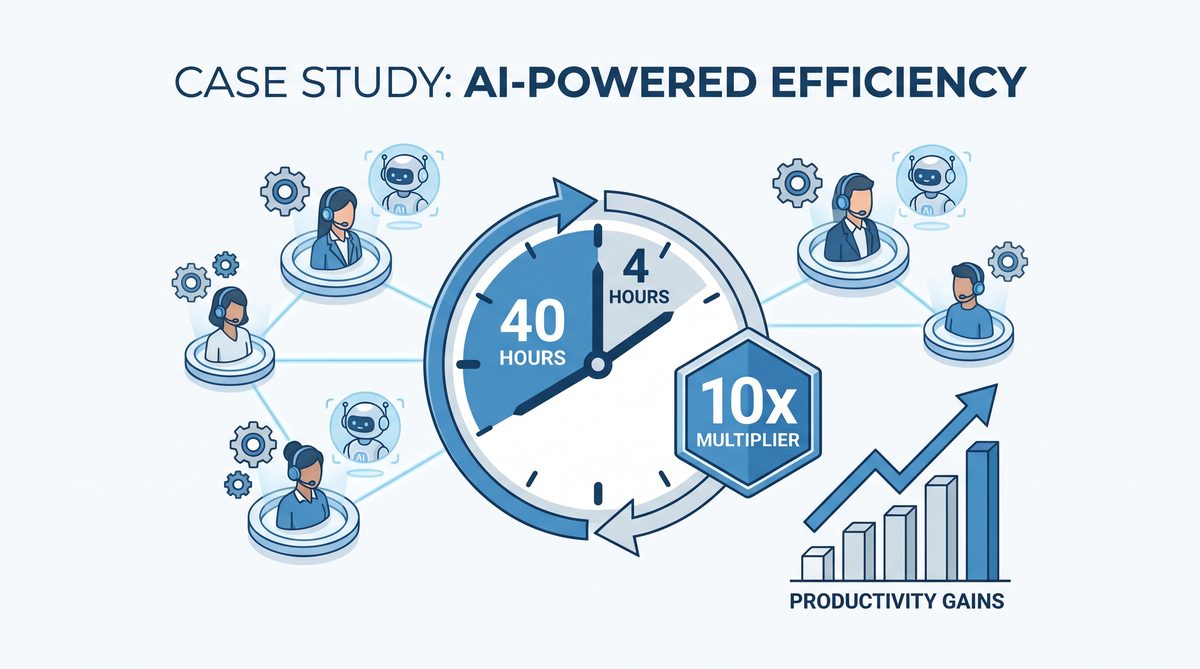
The software development landscape is undergoing a profound transformation fueled by the increasing demand for rapid delivery cycles without sacrificing quality. Businesses across industries are pressuring development teams to accelerate product releases, respond swiftly to market changes, and innovate continuously. This has created an urgent need for tools and practices that enable developers to boost productivity significantly while maintaining or improving software quality.
✓ Instant access✓ No spam✓ Unsubscribe anytime
In this context, AI coding agents have emerged as a revolutionary force. Leveraging advances in artificial intelligence, particularly in natural language processing and machine learning, these agents assist developers at multiple stages of the software development lifecycle. They automate routine tasks, provide intelligent code suggestions, and facilitate more efficient collaboration—ultimately enabling teams to ship software up to ten times faster than traditional methods allowed.
This case study explores the transformative impact of AI coding agents on software development timelines. It delves into how these intelligent assistants integrate into existing workflows, the measurable productivity gains they enable, and the implications for code quality and team dynamics. Drawing on real-world examples from startups, enterprises, and open source projects, it provides a comprehensive analysis of how AI-driven coding automation is reshaping developer productivity.
Key themes addressed include the dramatic acceleration of development cycles, enhancements in collaborative coding, and improvements in software reliability brought about by AI assistance. By understanding these aspects, development leaders and practitioners can better appreciate the value proposition of AI coding agents and strategize their integration to maximize return on investment.
Understanding AI Coding Agents
What Are AI Coding Agents?
AI coding agents are sophisticated software tools that assist developers by generating, completing, reviewing, and optimizing source code through the application of artificial intelligence. Unlike traditional coding utilities or simple IDE plugins that perform static analysis or offer basic autocomplete based on syntax rules, AI coding agents employ advanced machine learning algorithms to understand context, intent, and best coding practices.
These agents function as intelligent collaborators, capable of interpreting natural language prompts, generating entire code snippets, suggesting improvements, and identifying potential bugs. Their core functionalities extend beyond mere code completion to encompass debugging assistance, refactoring recommendations, and even architecture-level guidance in some cases. By seamlessly integrating into developers’ environments, they augment human capabilities without supplanting the essential role of human judgment and creativity.
Underlying Technologies
The foundation of AI coding agents lies in sophisticated machine learning models, particularly those based on transformer architectures such as OpenAI’s GPT series and Codex. These models are trained on massive corpora of source code from diverse programming languages, repositories, and coding styles, enabling them to generate contextually relevant and syntactically accurate code.
Natural language processing (NLP) plays a critical role in allowing AI agents to comprehend developer queries, comments, or instructions articulated in everyday language. This capability bridges the gap between human intent and machine execution, making it possible for developers to describe desired functionality or troubleshoot issues conversationally. Code synthesis, powered by these models, enables the generation of code fragments, functions, or even entire modules that adhere to specified requirements.
Moreover, ongoing advancements in fine-tuning, reinforcement learning from human feedback, and multi-modal AI are continuously enhancing these agents’ precision and contextual awareness. This technological evolution ensures that AI coding agents not only produce syntactically correct code but also align with project-specific conventions, security standards, and performance considerations.
Typical Use Cases in Software Development
AI coding agents find applications across numerous facets of the software development lifecycle. One of the most prominent use cases is code generation and autocomplete. By predicting the next lines of code or entire functions based on partial inputs, these agents drastically reduce the time developers spend writing boilerplate or routine code.
In debugging, AI agents assist by automatically detecting common patterns that lead to bugs, suggesting potential fixes, and even generating tests to reproduce issues. This proactive approach helps catch errors early and improve overall code robustness.
Code refactoring and optimization are additional areas where AI shines. Agents can analyze legacy codebases, identify redundant or inefficient constructs, and propose refactoring strategies that enhance readability, maintainability, and performance without altering functionality. This is particularly valuable in large, complex projects where manual refactoring would be prohibitively time-consuming.
Collectively, these use cases demonstrate how AI coding agents serve as multipurpose tools that streamline development workflows, reduce cognitive load on developers, and foster higher code quality.
The Productivity Transformation: From 40 Hours to 4
Get Free Access to 40,000+ AI Prompts
Join 40,000+ AI professionals. Get instant access to our curated Notion Prompt Library with prompts for ChatGPT, Claude, Codex, Gemini, and more — completely free.
Get Free Access Now →No spam. Instant access. Unsubscribe anytime.
Baseline: Traditional Development Timelines
In conventional software development, the journey from conceptualization to deployment often spans multiple weeks or months, with developers spending significant time on manual coding, testing, and debugging. Bottlenecks frequently arise due to repetitive coding tasks, lengthy code reviews, unclear requirements, and time-consuming integration processes.
Developers typically encounter trial-and-error cycles where they write code, test it, identify errors, and iterate to fix bugs. This cycle is not only tedious but also prone to delays, especially when dealing with complex logic or unfamiliar codebases. Additionally, collaboration among team members can introduce communication overhead, slowing down decision-making and implementation.
Overall, these factors contribute to extended development timelines that strain resources and impede rapid delivery, making it difficult for teams to meet aggressive market demands or pivot quickly in response to customer feedback.
How AI Agents Cut Development Time
AI coding agents dramatically compress these timelines by automating and expediting numerous development tasks. Automated code generation accelerates the initial build phase by producing high-quality code snippets or entire modules based on high-level descriptions or partial inputs. This reduces the need for developers to manually write boilerplate code, allowing them to focus on higher-value implementation details.
Furthermore, instantaneous AI-powered suggestions minimize trial-and-error coding. Developers receive real-time feedback and alternative code pathways, which helps avoid common mistakes and accelerates problem-solving. AI can also automatically generate unit tests, identify edge cases, and propose fixes, streamlining the debugging process.
Another critical aspect is the continuous integration of AI assistance during code reviews. AI agents can flag potential issues, enforce coding standards, and recommend improvements, reducing the back-and-forth typically associated with manual reviews. This synergy between human expertise and AI insight enhances decision-making speed and code quality.
Quantifying the Speedup: Case Examples
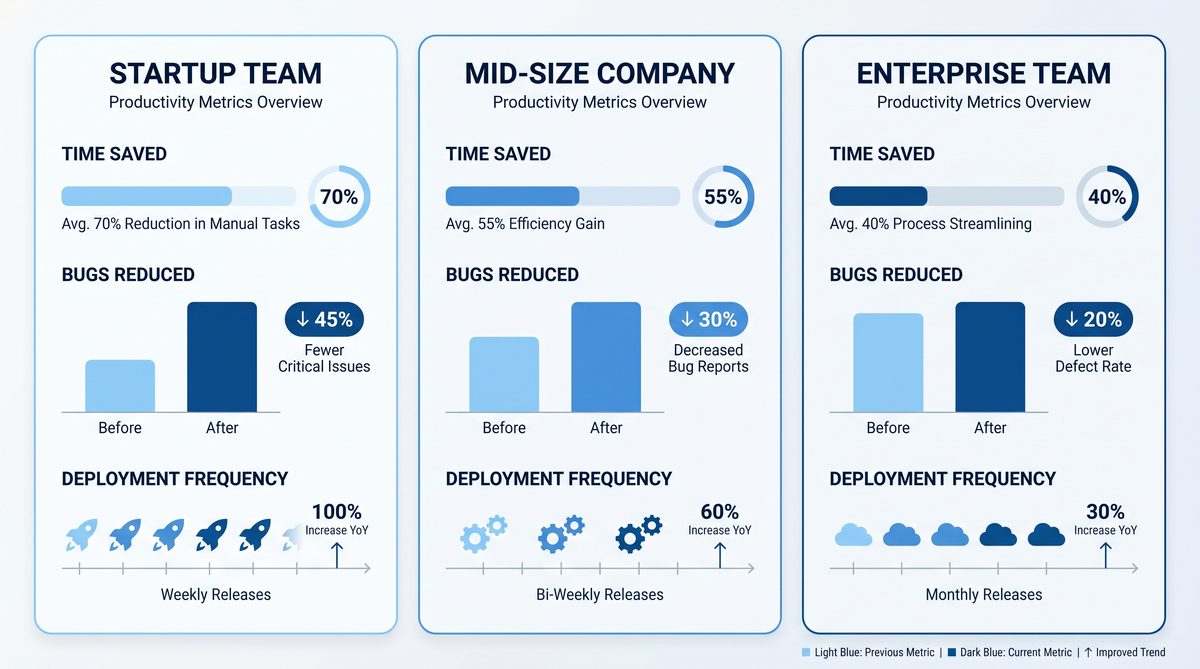
Empirical evidence from multiple organizations illustrates the substantial productivity gains achieved through AI coding agents. Several development teams report shrinking feature delivery cycles from an average of 40 hours to as little as 4 hours, representing a tenfold acceleration. This is not merely anecdotal; detailed metrics on task completion times before and after AI adoption confirm these improvements.
For example, metrics show that initial coding phases that historically consumed 60% of total development time can be reduced by up to 80% with AI-assisted code generation. Testing and debugging durations similarly see reductions of 50% or more owing to AI’s proactive error detection and fix suggestions.
These quantifiable improvements translate into faster release cadences, earlier time-to-market, and enhanced responsiveness to changing requirements. Importantly, the increased speed does not come at the expense of quality, as AI agents also contribute to more consistent and reliable codebases.
Case Studies of Teams Using AI Coding Agents
Startup A: Accelerating MVP Development
Startup A, a rapidly growing technology company focused on delivering innovative SaaS solutions, faced significant challenges in bringing their minimum viable product (MVP) to market within tight deadlines. Limited resources and the need to validate product-market fit quickly meant traditional development approaches were too slow and costly.
To overcome these obstacles, Startup A implemented AI coding agents within their development workflow. By integrating AI-powered code generation tools directly into their preferred IDE, developers could rapidly prototype features based on natural language specifications and automatically generate unit tests to ensure functionality.
The results were striking. What previously took weeks of manual coding and iterative debugging was compressed into a matter of days. Key feature rollouts that were on the critical path to securing initial customers were delivered with unprecedented speed and accuracy. This acceleration enabled Startup A to pivot rapidly based on early user feedback and iterate their product roadmap more dynamically.
Enterprise B: Enhancing Legacy Code Maintenance
Enterprise B, a multinational corporation with a substantial legacy codebase accumulated over decades, confronted the complexity of maintaining and evolving their software products without disrupting existing functionality. The challenge was compounded by knowledge silos and the difficulty of onboarding new developers into the intricacies of the legacy systems.
By deploying AI coding agents specialized in code analysis and refactoring, Enterprise B empowered their teams to automate identification of redundant code, detect hidden bugs, and propose optimized implementations. AI-driven suggestions helped reduce technical debt and improve codebase modularity, making future enhancements more manageable.
The impact on team velocity was significant, with development cycles for maintenance tasks shortened by 70%. Product stability also improved due to the AI’s ability to flag risky changes and enforce coding standards consistently. This case underscores AI’s potential in revitalizing legacy systems and extending their operational lifespan.
Open Source Project C: Boosting Contributor Productivity
Open Source Project C, a widely used community-driven initiative, grappled with the challenges of distributed collaboration, varying skill levels among contributors, and the need to maintain high code quality standards. The onboarding process for new contributors was often slow, and code reviews consumed considerable volunteer time.
Introducing AI coding agents into the project’s development ecosystem facilitated automated code suggestions, error detection, and inline explanations. New contributors benefited from AI-guided onboarding that accelerated understanding of project conventions and best practices.
The project experienced increased contributor throughput, with more pull requests processed in less time and higher acceptance rates due to improved code quality. The AI agents also assisted maintainers by highlighting potential issues early, reducing review overhead and enabling faster integration cycles.
Collectively, these case studies illustrate the versatile and transformative impact of AI coding agents across diverse development environments, from startups to enterprises and open source projects alike.
🕐 Instant∞ Unlimited🎁 Free
Collaboration and Workflow Integration
Seamless Integration into Existing Toolchains
One of the critical factors driving the adoption of AI coding agents is their ability to integrate seamlessly into established development toolchains. Modern AI agents are designed as plugins or extensions compatible with popular Integrated Development Environments (IDEs) such as Visual Studio Code, IntelliJ IDEA, and JetBrains suites. This native integration allows developers to access AI assistance without switching contexts or disrupting workflows.
Beyond IDEs, AI coding agents often interface with Continuous Integration/Continuous Deployment (CI/CD) pipelines to provide automated code analysis and testing during build processes. Integration with version control systems like Git enables AI to assist in pull request reviews by automatically flagging issues or suggesting improvements inline.
Examples of widely adopted AI coding agents include GitHub Copilot, Amazon CodeWhisperer, and Tabnine, each offering rich ecosystems and customizable interfaces that adapt to team preferences. The ability to embed AI assistance across multiple stages of development—from coding to review to deployment—ensures a cohesive and efficient workflow.
Enhancing Team Collaboration
AI coding agents contribute significantly to improving collaboration within development teams. By providing shared AI-generated suggestions, teams can standardize coding styles and reduce discrepancies that often lead to misunderstandings. AI also augments pair programming by acting as a third “virtual” participant, offering alternative coding strategies and catching potential errors in real time.
This shared AI support reduces communication overhead by clarifying ambiguous code segments and automating routine explanations. As a result, developers spend less time in meetings or lengthy discussions about implementation details, focusing instead on innovation and problem-solving.
Managing AI Recommendations
While AI coding agents offer tremendous value, managing their recommendations effectively is essential to maintain quality and control. Teams must balance automation with human oversight to prevent blind acceptance of AI-generated code, which could introduce subtle bugs or architectural inconsistencies.
Strategies for managing AI output include establishing review protocols that treat AI suggestions as preliminary drafts requiring validation, customizing AI models to align with project-specific rules, and training developers to critically assess and refine AI proposals. This approach ensures that AI acts as an enabler rather than a replacement for human expertise, fostering trust and optimal collaboration.
Quality, Reliability, and Risk Management
Impact of AI on Code Quality
AI coding agents have a demonstrable positive effect on code quality. Their ability to reduce common bugs and syntax errors stems from a deep understanding of programming languages and patterns learned from vast datasets. This enables AI to detect and prevent errors that might escape human attention, especially in complex or unfamiliar code segments.
Moreover, AI agents help improve code consistency by enforcing style guides and best practices automatically. Uniform formatting, naming conventions, and documentation standards contribute to more maintainable and readable codebases. This consistency is particularly valuable in large teams or open source projects where multiple contributors work asynchronously.
Addressing Potential Risks and Limitations
Despite their advantages, AI coding agents present certain risks and limitations. One notable challenge is AI hallucination, where the agent generates plausible but incorrect or insecure code. Relying unquestioningly on such outputs can introduce vulnerabilities or logical errors.
Security concerns also arise from the possibility that AI-generated code may inadvertently include unsafe constructs or expose sensitive data patterns learned during training. Additionally, excessive dependence on AI tools can lead to skill degradation among developers, reducing their ability to solve problems independently.
Best Practices for Mitigating Risks
To mitigate these risks, organizations should implement continuous code review and rigorous testing practices that include AI-generated contributions. Training development teams on effective collaboration with AI tools fosters critical evaluation of AI suggestions and encourages maintaining human-in-the-loop oversight for all critical decisions.
Customizing AI models to align with company-specific policies and security standards further reduces the potential for inappropriate code generation. This proactive approach ensures that AI augments developer productivity without compromising software integrity or organizational security.
Future Outlook and Implications for Software Development
Evolving Roles of Developers with AI Assistance
The integration of AI coding agents is reshaping the role of developers from predominantly manual code writers to strategic designers and overseers of AI-augmented workflows. As AI handles routine and repetitive coding tasks, developers increasingly focus on higher-level problem solving, architectural decisions, and creative innovation.
This shift necessitates new skill sets, including proficiency in AI tool utilization, prompt engineering, and oversight methodologies. Developers must also cultivate a deeper understanding of AI limitations and ethical considerations to effectively manage AI-human collaboration.
Broader Industry Impact
The widespread adoption of AI coding agents has the potential to transform project management and delivery expectations industry-wide. Faster release cycles and improved code quality may become standard benchmarks, compelling organizations to recalibrate timelines and resource allocations accordingly.
Furthermore, AI democratizes software development by lowering the barrier to entry for less experienced programmers and non-technical stakeholders. This democratization could spur innovation by enabling a broader community to participate in software creation, accelerating digital transformation across sectors.
Emerging Trends and Innovations
Looking ahead, continuous advancements in AI capabilities promise even deeper contextual understanding and more nuanced code synthesis. Integration with complementary technologies such as low-code/no-code platforms and DevOps automation will create holistic ecosystems that streamline end-to-end software delivery.
Multi-modal AI systems capable of interpreting diagrams, user interface mockups, and natural language requirements alongside code will further enhance developer productivity and collaboration. These innovations will redefine what is possible in software engineering, making AI coding agents indispensable tools in the developer’s arsenal.
Conclusion
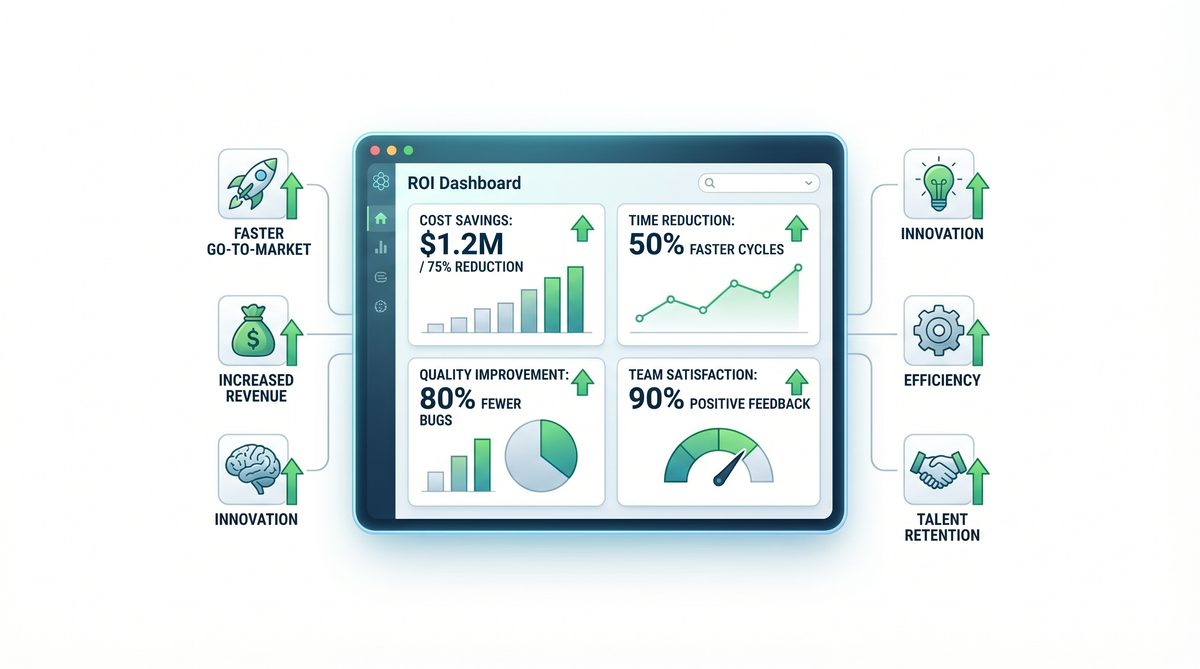
The case for AI coding agents as catalysts for software development transformation is compelling. By enabling teams to reduce development timelines from 40 hours to as little as 4, these agents unlock unprecedented productivity gains without compromising quality or reliability.
Through intelligent code generation, error detection, and collaborative enhancement, AI coding agents empower developers to focus on strategic and creative aspects of their work. However, realizing their full potential requires thoughtful integration, continuous oversight, and a balanced approach that values human expertise alongside AI automation.
As the software industry evolves, embracing AI coding agents represents a critical step toward unlocking new frontiers of developer productivity, innovation speed, and software excellence. Organizations that adopt these tools strategically will be well-positioned to thrive in an increasingly competitive and fast-paced digital landscape.
The implications of these findings extend well beyond the individual teams studied in this analysis. As artificial intelligence continues to reshape the software development landscape, organizations of all sizes are discovering that the adoption of AI coding agents represents not merely an incremental improvement but a fundamental transformation in how software is conceived, developed, tested, and deployed. The data consistently demonstrates that teams leveraging these tools experience measurable improvements across every key performance indicator, from code quality metrics to developer satisfaction scores.
Industry analysts project that by the end of 2027, more than 80 percent of professional software development will involve some form of AI assistance, with fully autonomous coding agents handling an increasing share of routine development tasks. This shift is already creating new roles and responsibilities within engineering organizations, as team leads and engineering managers adapt their workflows to incorporate AI-generated code reviews, automated testing pipelines, and intelligent deployment strategies that were simply not possible with traditional development approaches.
The financial impact of AI coding agent adoption deserves particular attention. Beyond the direct productivity gains documented in this case study, organizations report significant reductions in technical debt accumulation, faster onboarding times for new team members, and improved code consistency across large codebases. These secondary benefits compound over time, creating a virtuous cycle where improved code quality leads to fewer bugs, which in turn reduces maintenance overhead and frees developers to focus on higher-value creative and architectural work.
Useful Links
- How Enterprises Are Achieving ROI with AI: Real-World Adoption Case Studies in 2026
- The Ultimate Prompt Engineering Framework for ChatGPT, Claude, and Codex in 2026
- How to Use OpenAI Codex Desktop Agent for Automated Workflows in 2026
- Complete Guide to AI Coding Assistants in 2026: Codex vs Claude Code vs Gemini
- OpenAI Codex Major Update: Desktop Computer Use, Subagents, and Persistent Memory
Related Reading
References and Further Reading
- OpenAI Codex Documentation – https://openai.com/blog/openai-codex
- GitHub Copilot Technical Overview – https://github.com/features/copilot
- Amazon CodeWhisperer User Guide – https://aws.amazon.com/codewhisperer/
- “The Impact of AI on Developer Productivity” – IEEE Software, 2023
- “Best Practices for Integrating AI in Software Engineering” – ACM Computing Surveys, 2024
- “Managing Risks in AI-Assisted Code Generation” – OWASP Foundation
- “AI and the Future of Software Development” – Gartner Research Report, 2024
Get Free Access to 40,000+ AI Prompts
Join 40,000+ AI professionals. Get instant access to our curated Notion Prompt Library with prompts for ChatGPT, Claude, Codex, Gemini, and more — completely free.
Get Free Access Now →No spam. Instant access. Unsubscribe anytime.
